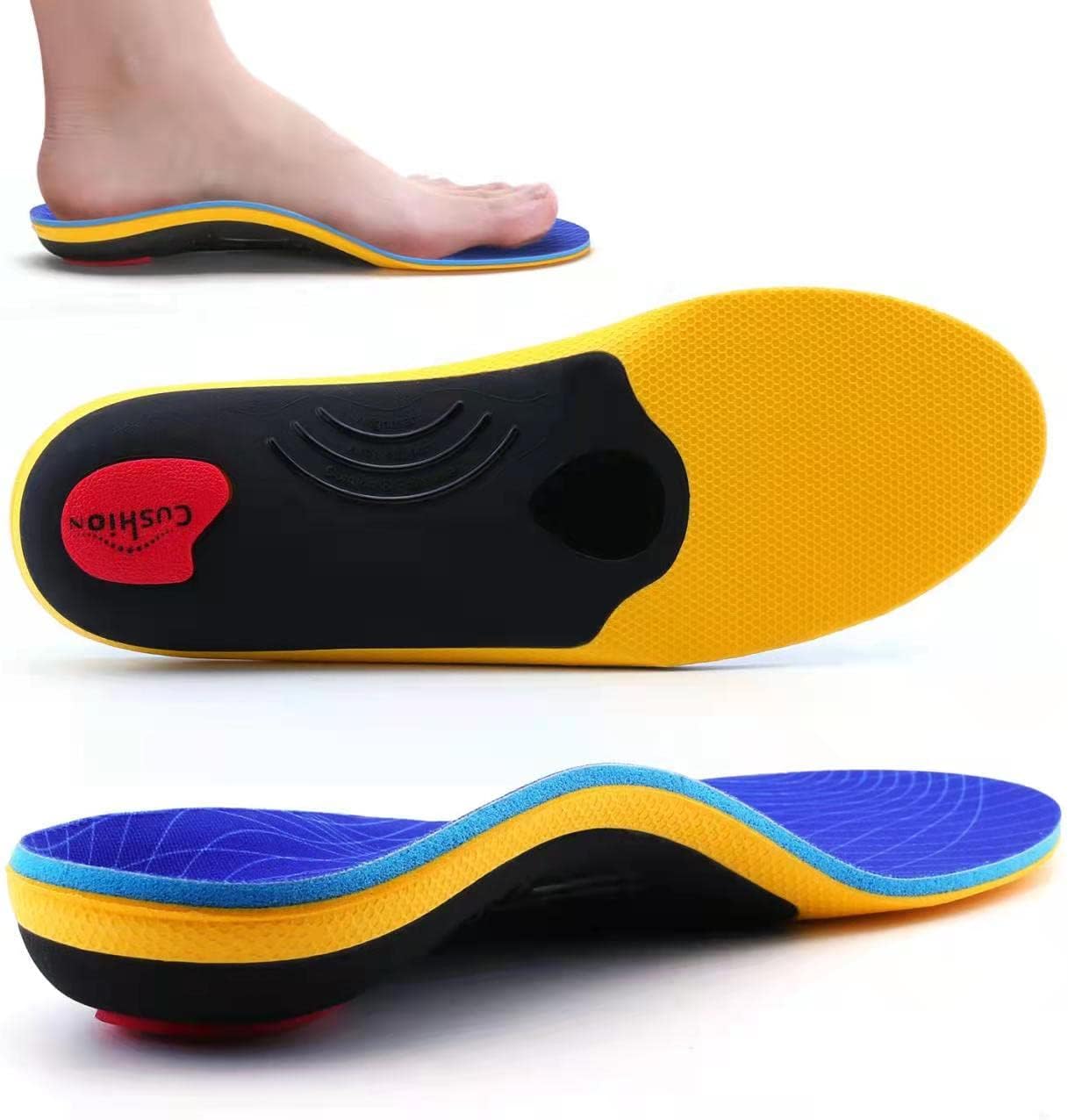
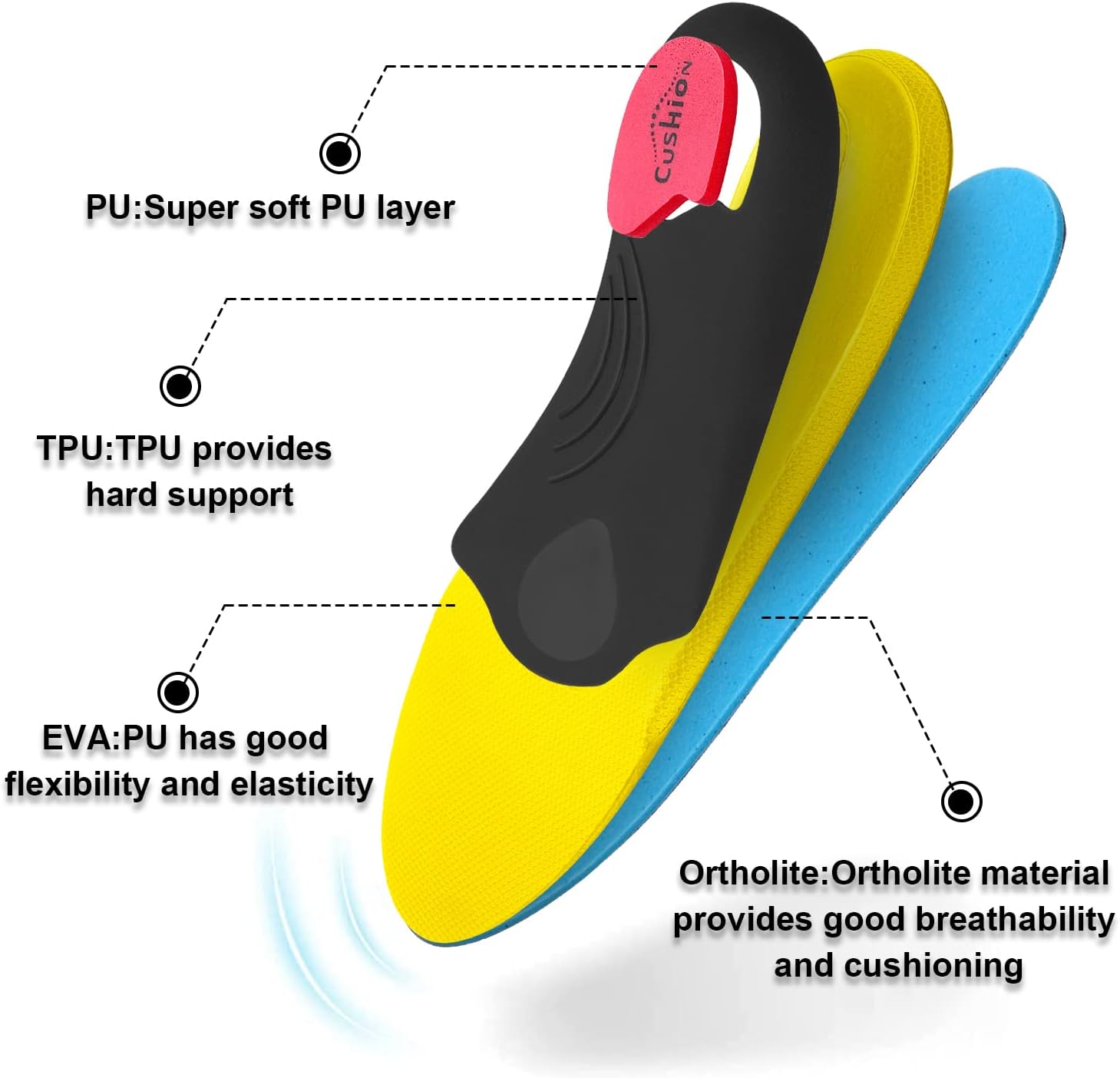
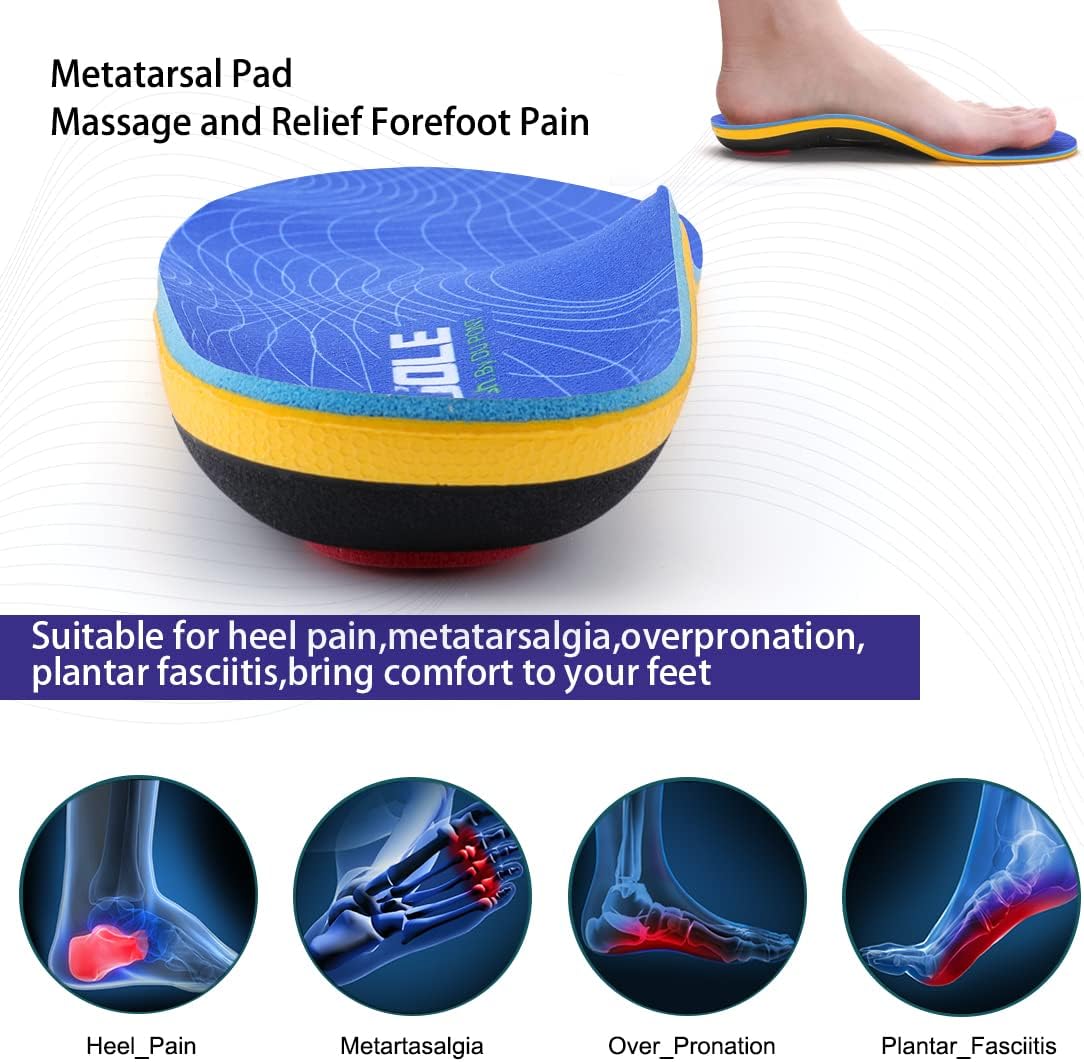
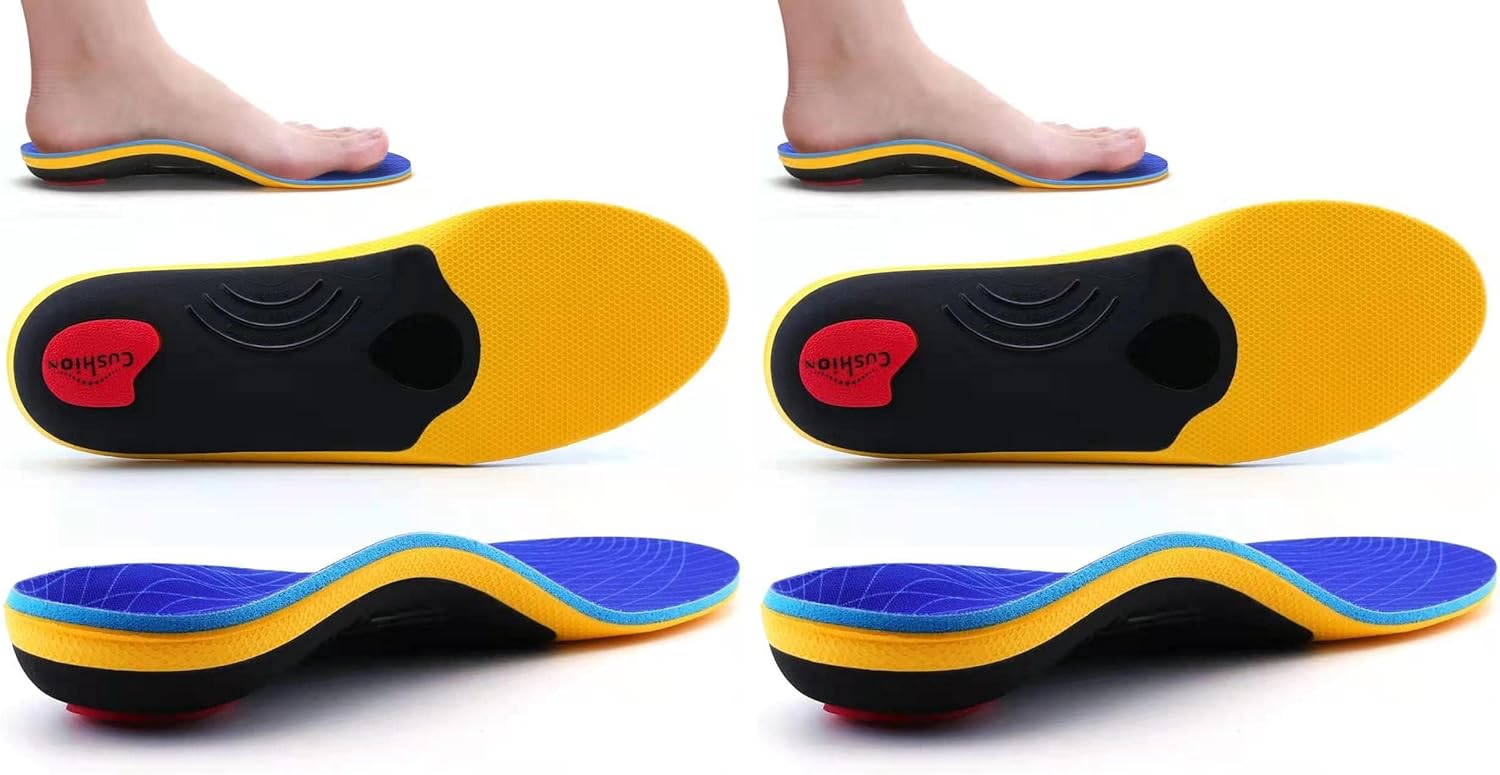
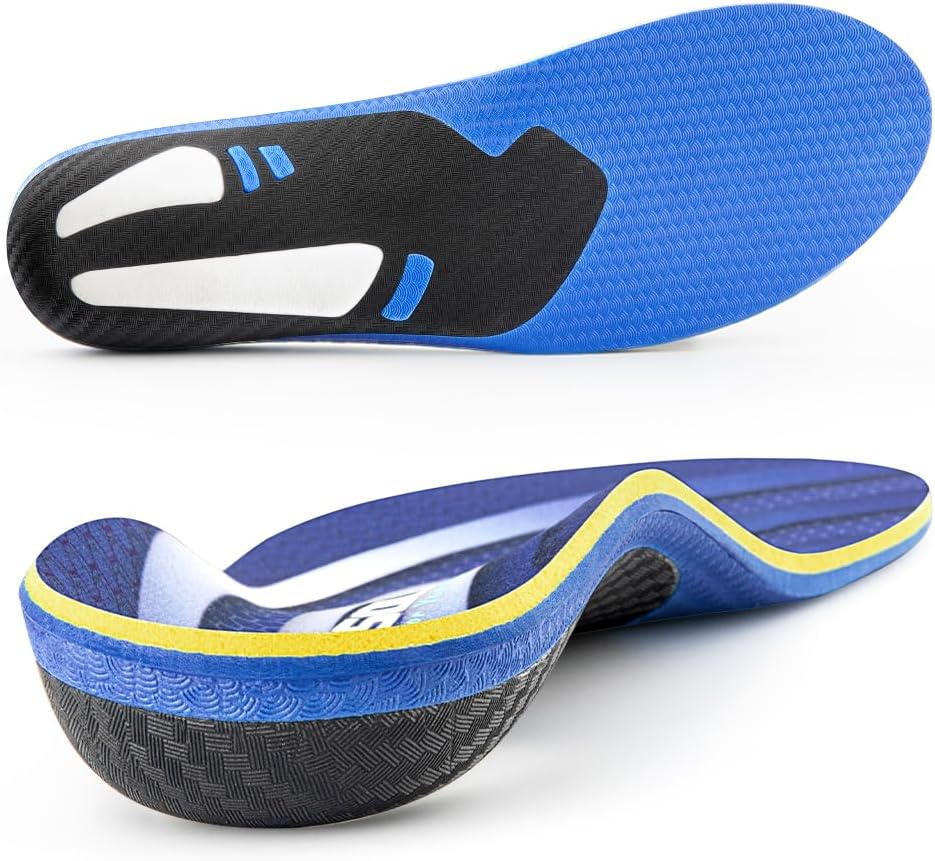
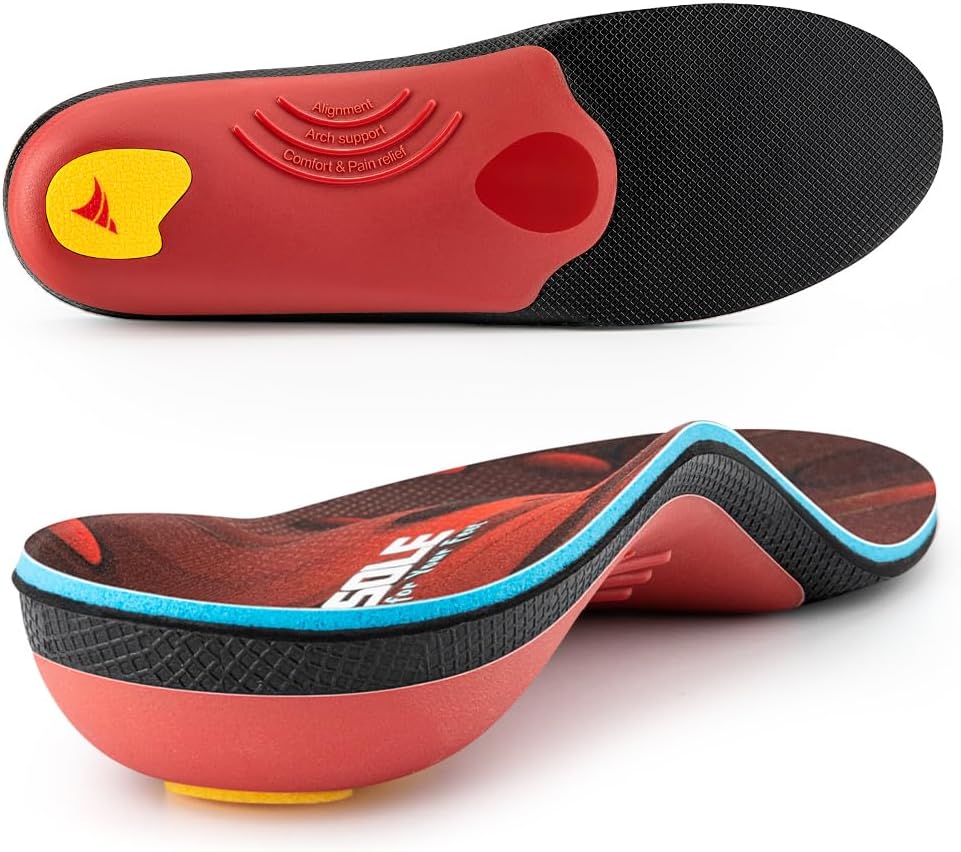
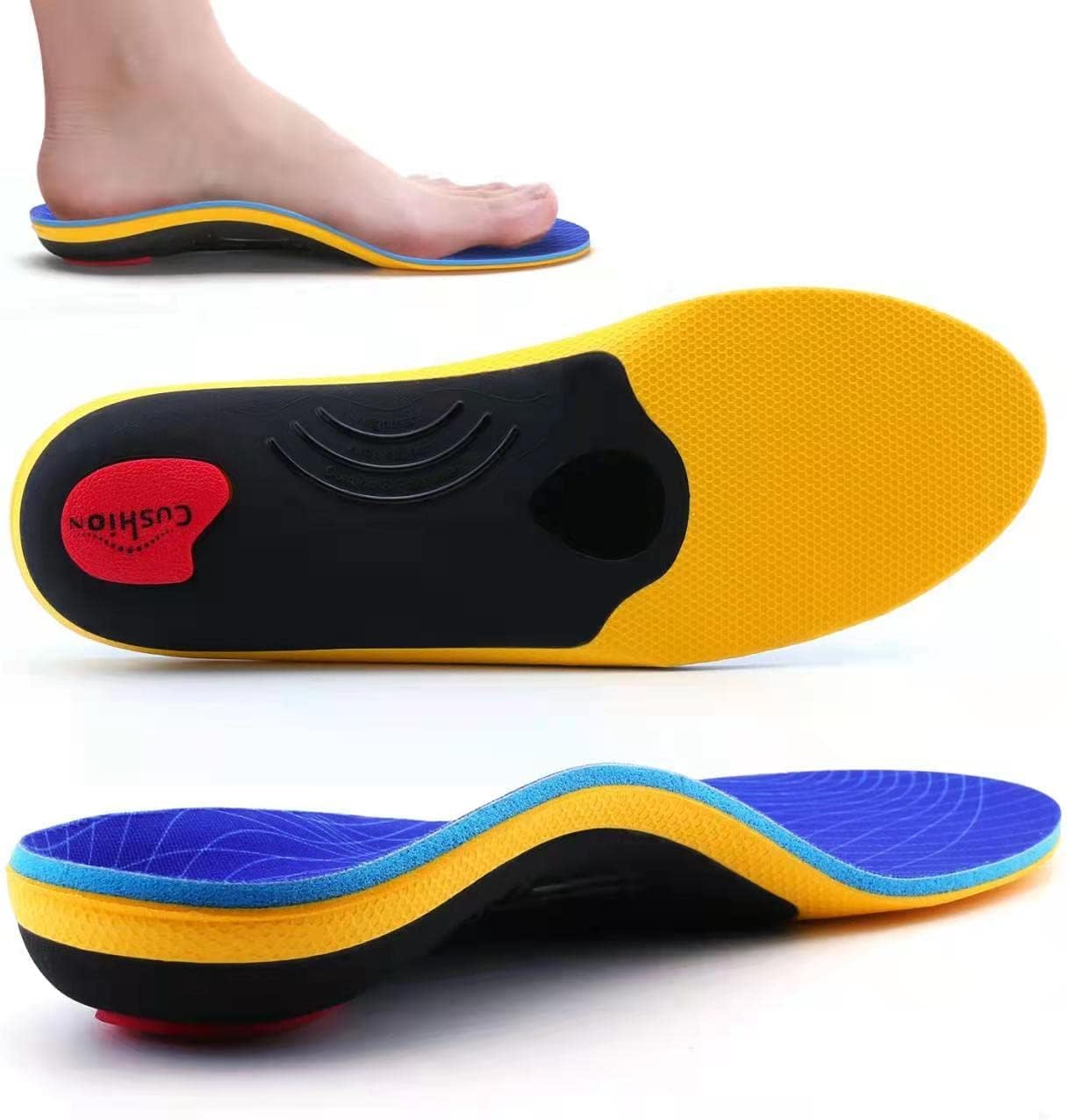
What this is and what it aims to do\nVALsole Orthotic Insole is designed to provide structured arch support, a deep heel cup and metatarsal relief to help manage common foot pains. The cork outer material offers a balance of firmness and give, intended to support the arch and keep the heel in proper alignment while distributing pressure across the foot. This setup can be helpful for people dealing with excessive pronation, flat feet or fallen arches, as well as forefoot discomfort such as metatarsalgia.\n\n## How it works in practice\nThe three-point mechanical design combines strong arch support, a deep heel cup and metatarsal relief to reduce fatigue and distribute load more evenly. In use, the arch helps stabilise the midfoot, the deep heel cradle helps keep the foot bones aligned during movement, and metatarsal pads target forefoot pressure. These elements work together to potentially reduce strain during daily activities, walking or running, and can be particularly meaningful for those who spend long hours on their feet.\n\n## Who it’s for\nThis insole targets adults who experience overpronation, flat feet or plantar fasciitis symptoms, and may also benefit people with metatarsalgia or general heel pain. It’s described as suitable for a range of shoe styles, including everyday shoes, trainers and casual boots. If you’re looking for additional support without switching to specialised footwear, these insoles may offer a practical upgrade.\n\n## What’s strong about it\nThe combination of arch support, a secure heel cradle and metatarsal relief is a thoughtful approach to distributing pressure and limiting foot fatigue. The cork-based outer material promises a balance of durability and comfort, while the design aims to fit a broad size range given the UK sizing noted.\n\n## Limitations and what to watch for\nIt may not be a perfect fix for everyone. Those who require high-performance orthotics for athletic or medical needs could still need specialist advice or customised insoles. Also, comfort can depend on individual foot shape and the fit inside specific shoe models, thick insoles might require deeper or wider shoes.\n\n## Before you buy, consider\n- Ensure your chosen shoes have enough depth and width to accommodate a thicker insole.\n- Try them in your typical daily footwear to assess fit around the arch and heel.\n- If you have persistent foot pain, a professional assessment can help determine whether orthotics are addressing the underlying issue.\n\n## Usage example\nYou might notice better midfoot stability during a long walk or while standing for extended periods, with less pronation-induced fatigue by mid-afternoon. It’s not magic, but for many, the feel of supported arches is noticeable over time.\n\n## Quick comparison in context\nCompared with generic insoles, this option emphasises a three-point approach to offer targeted support rather than relying on a soft, uniform cushion. If you prioritise stability and arch support over maximal cushioning, this model aligns with those needs. If you need ultra-thin insole profiles for tight shoes, you may want to consider different options.\n\n## Is it worth it?\nFinal verdict: worth considering if you want improved arch support and heel stability within everyday footwear, especially for managing overpronation or mild plantar fascia symptoms. It may not suit those seeking minimal-profile insoles or specialised medical orthotics.\n\n## FAQ\n- Do these insoles fit men and women? Yes, they are marketed for both genders.\n- Can I use them in running shoes? They’re described as suitable for trainers and running shoes, depending on shoe depth.\n- How long do they last? The description mentions durability but does not specify a lifespan, wear will depend on usage and shoe type.