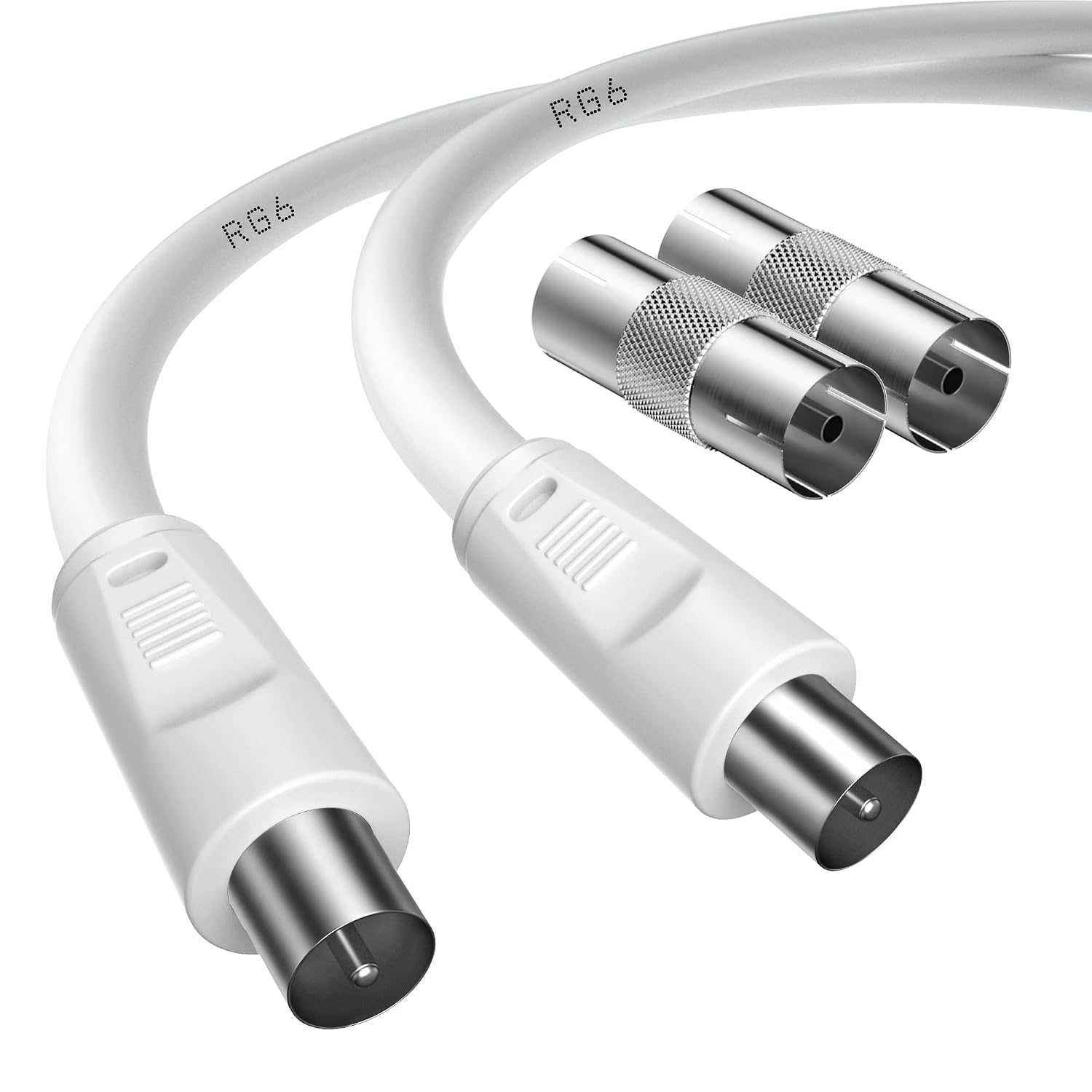
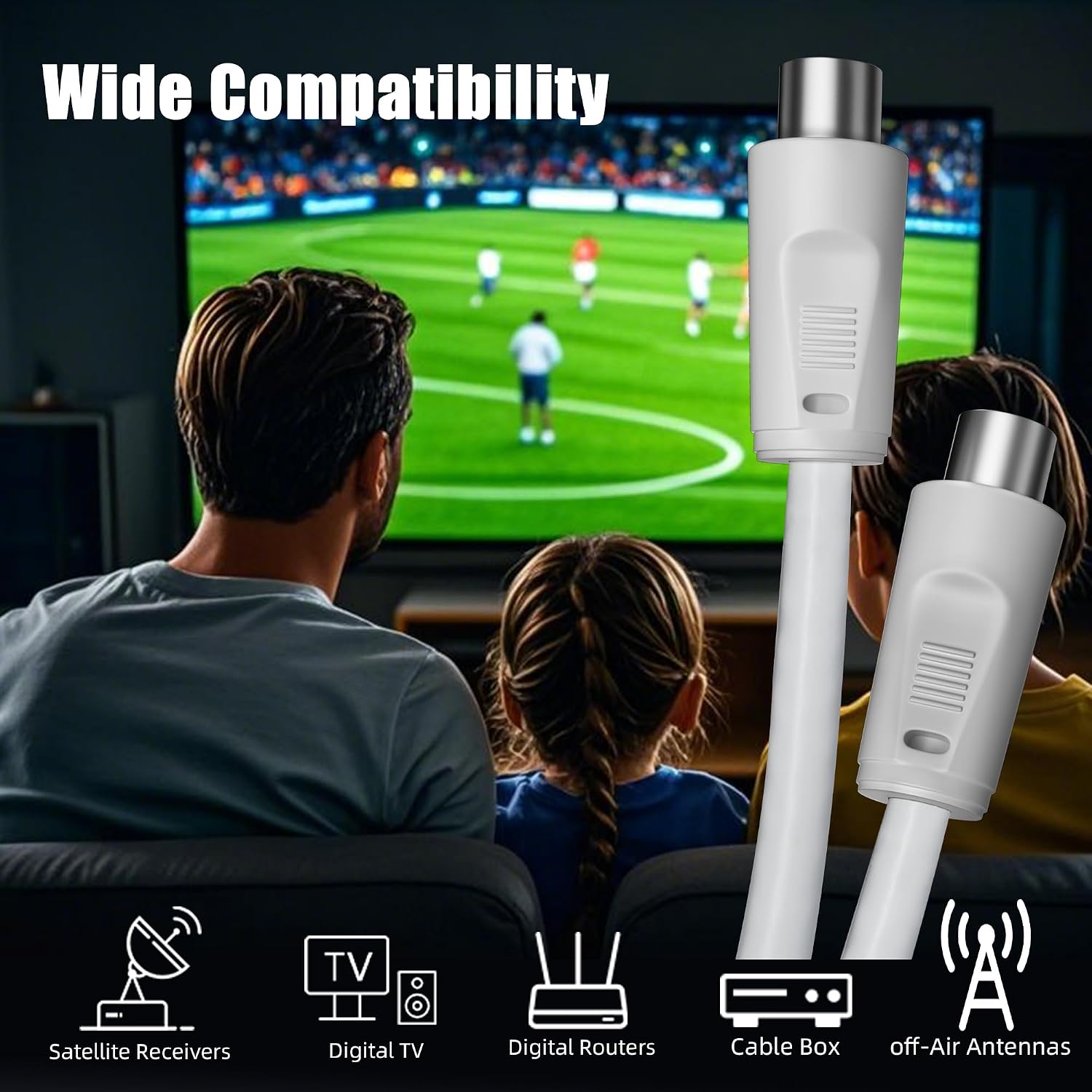
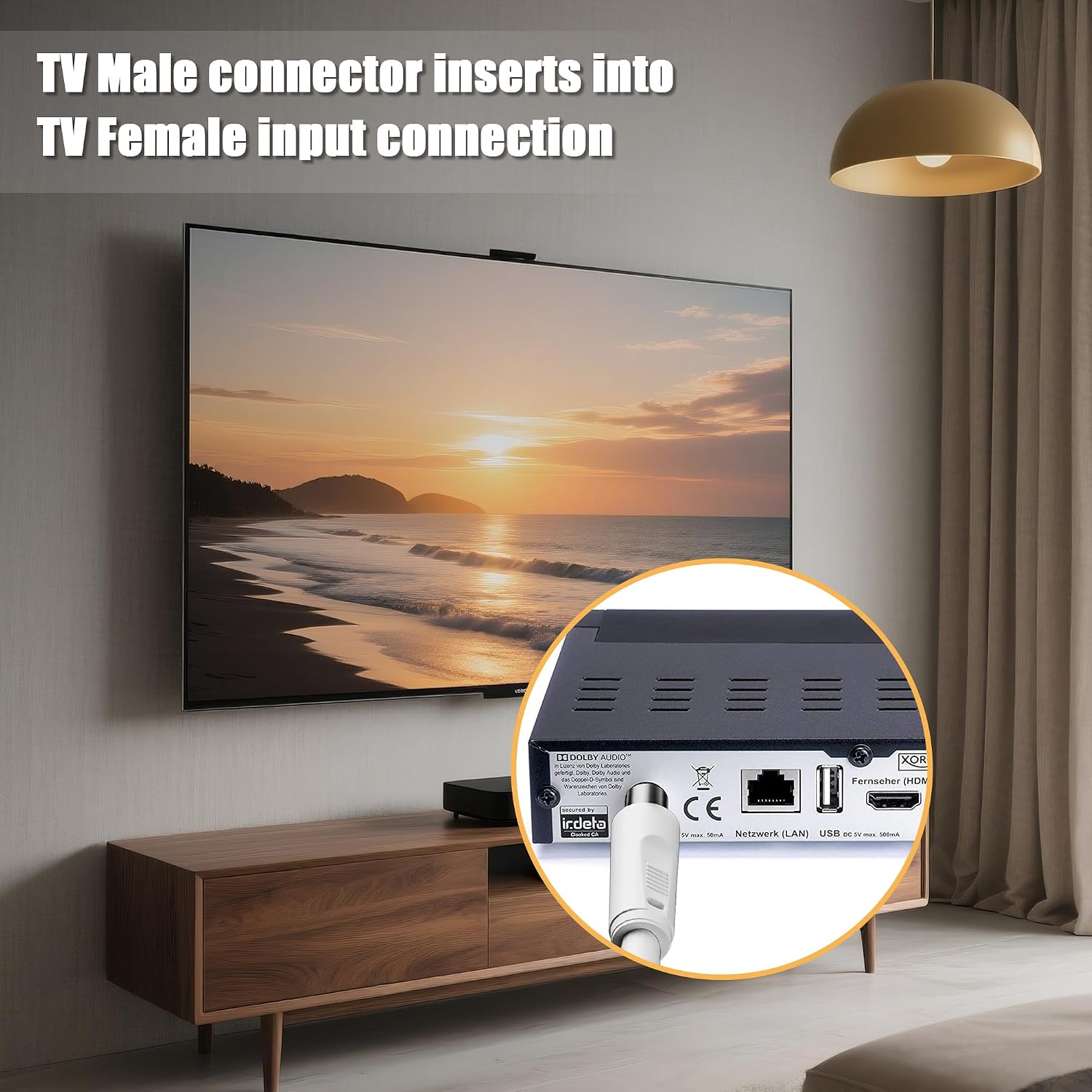
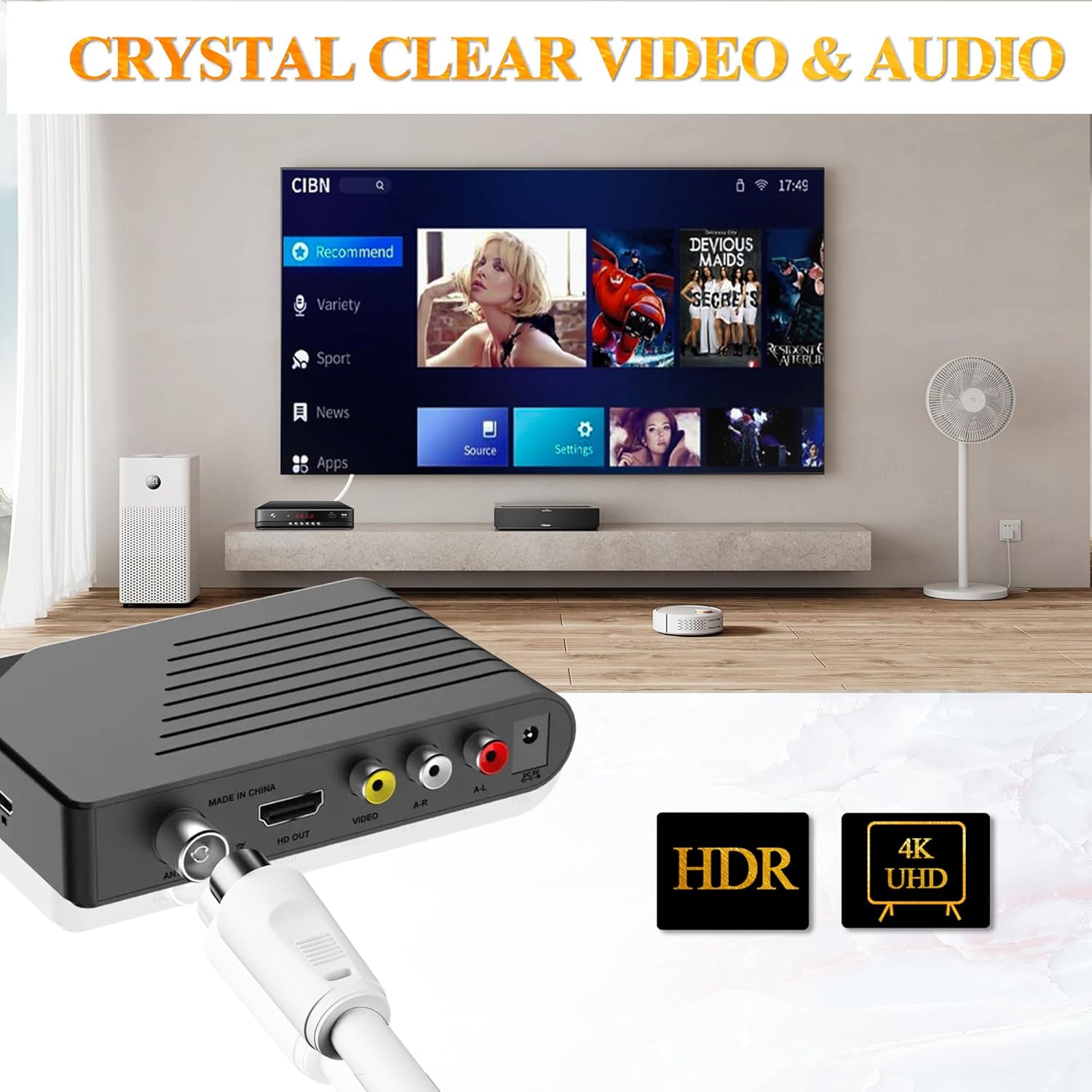
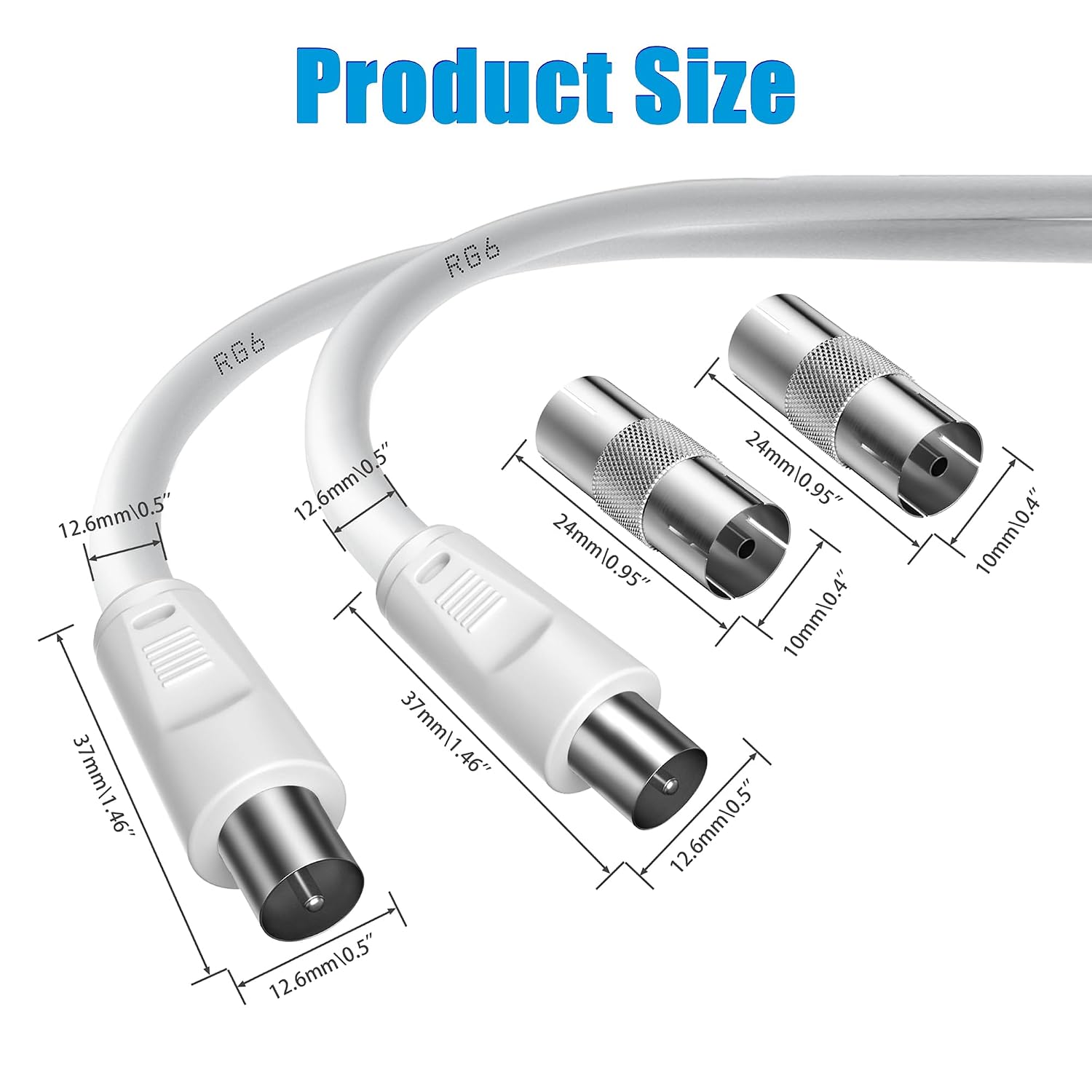
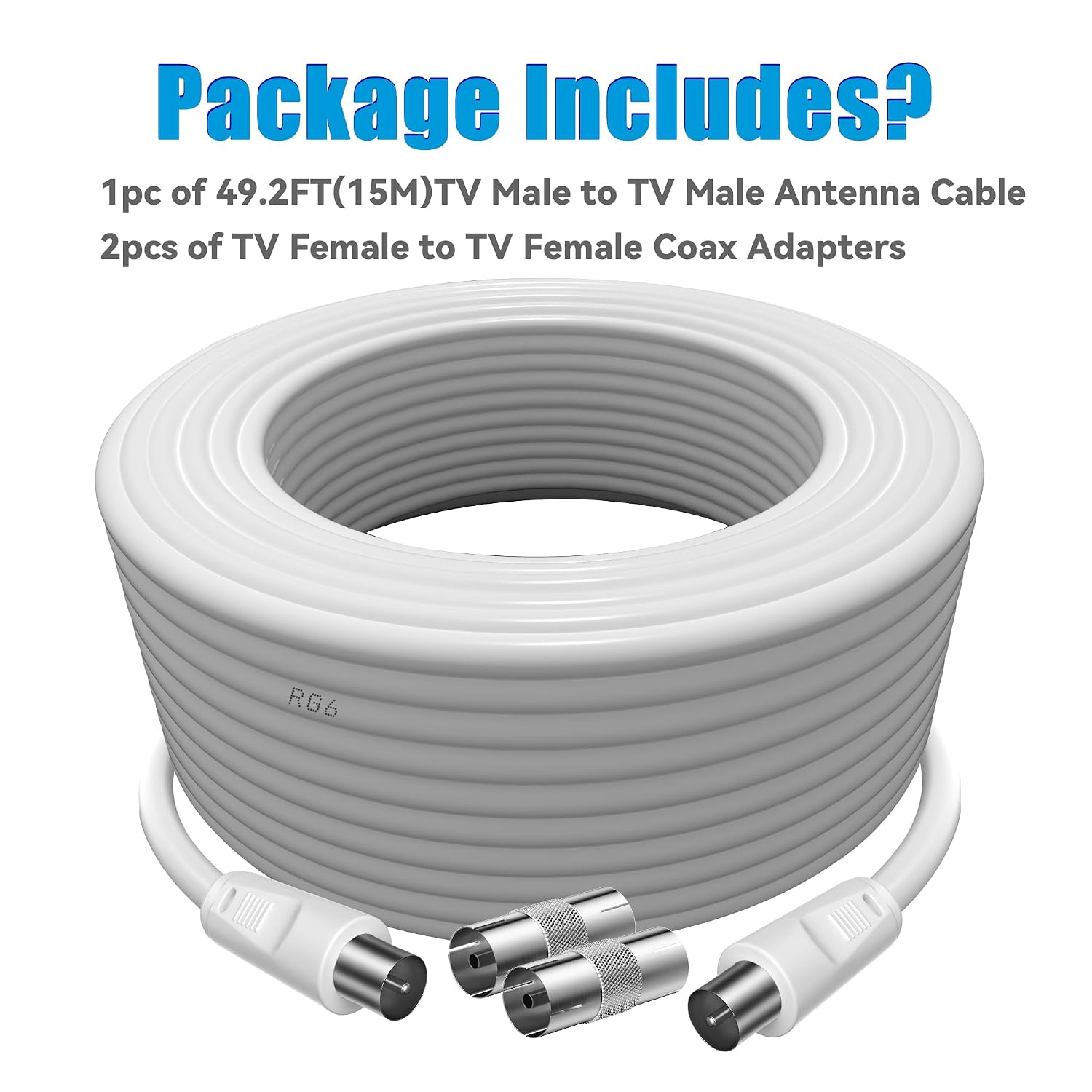
What it is and what it’s for\nThe TUOLNK 15m RG6 aerial cable is a standard 75ohm coaxial lead designed to extend or adapt TV antenna and satellite connections. It targets everyday home entertainment setups, from living rooms to attics, and can support Freeview, satellite boxes, and related equipment. The kit includes 1 x 15m cable and 2 x Female to Female coax adapters, offering straightforward extension and gender conversion when wiring multiple devices.\n\n## How it’s built for durability\nA double shielding design helps reduce signal leakage and external interference, which can matter when signals travel through walls, attics, or outdoor spaces. The joints are injection-molded with waterproofing, so the lead is meant to cope with varied indoor and outdoor scenarios without immediate degradation. This makes it a sensible choice for DIY installation where you need a reliable connection across a home setup.\n\n## Practical usage and installation\nThe cable is described as plug-and-play with secure joints, so you don’t typically need special tools. This aligns with common home installation tasks—extending a coax run to reach a TV, satellite box, or a central distribution point without complicated splicing. It’s important to note that, while straightforward, performance depends on the overall system quality and alignment of the connected devices.\n\n## What stands out\nOn paper, the inclusion of two female-to-female adapters adds flexibility for extending RG6 lines or adapting to different ports without needing separate adapters. The 15m length is useful for larger rooms or attic routes where shorter leads would require multiple extensions. This kit aims to balance practicality with a simple, durable build for everyday viewing.\n\n## Limitations and who it’s best for\nIf you’re aiming for high-end, premium-grade coax with the lowest possible loss, you might look for specialist cables. The TUOLNK offering appears to cover typical residential needs and is probably best suited to households that want a solid, no-nonsense extension solution without extra frills. It may not be the best option if your setup demands extremely rigid low-loss performance or professional-grade shielding in a high-interference environment.\n\n## When it makes sense to buy\n- You need a reasonably long, reliable RG6 lead to reach a TV, Freeview box, or satellite dish in a typical home.\n- You want the flexibility to extend with adapters included in the pack.\n- You’re setting up a DIY layout and prefer a straightforward install with waterproof joints for various locations, including attics.\n\n## What to check before purchasing\n- Confirm the 75ohm RG6 specification matches your equipment requirements.\n- Ensure your route requires a 15m run and that you’ll benefit from the included adapters rather than separate purchases.\n- Consider the overall signal path: longer leads can introduce attenuation, depending on your system and signal strength.\n\n## How it compares to common alternatives\nFor simple, short runs or where aesthetics matter, shorter dedicated leads or rigidly shielded high-end cables may offer marginal gains. If your priority is extension flexibility and ease of installation at a reasonable price, this kit provides a practical balance for typical home installations.\n\n## Decision: Should you buy it?\nFinal verdict: It’s worth considering if you prioritise a straightforward, ready-to-use extension kit with included adapters for a home cinema or satellite setup, and you don’t require specialist, low-loss cabling. Not ideal if your system demands top-tier shielding or the absolute best signal fidelity in a high-interference environment.\n\n## FAQ\n- Is 15m suitable for most living rooms? Yes, for many standard layouts it covers typical distances between a wall socket and a TV or box.\n- Do the adapters add significant signal loss? The description notes practical use with adapters, actual loss will depend on the entire signal chain.\n- Can I use this outdoors? The joints are waterproof and designed for indoor and outdoor use, but consider weather exposure and routing when planning external runs.