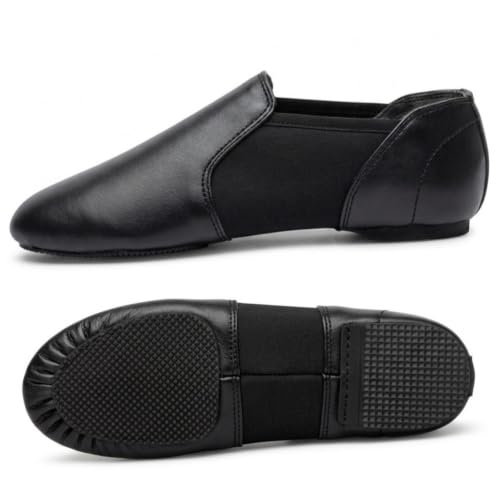
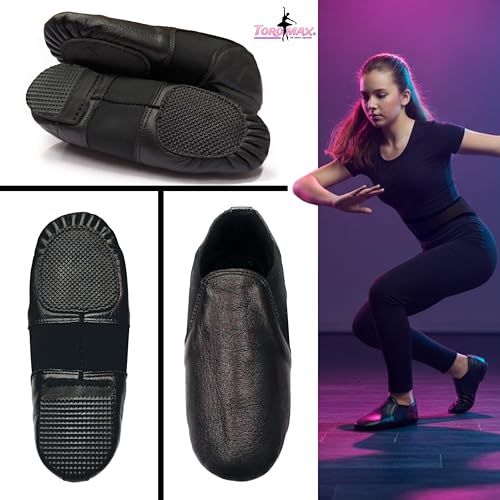
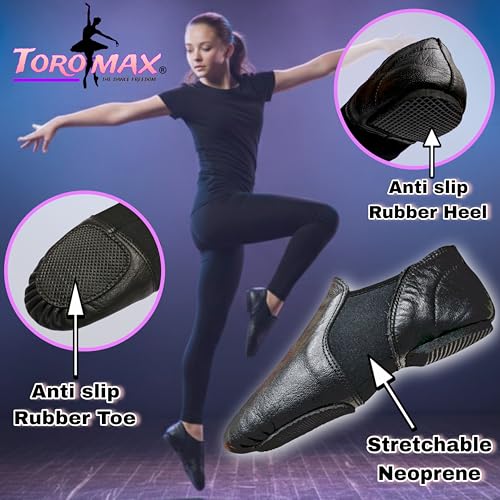
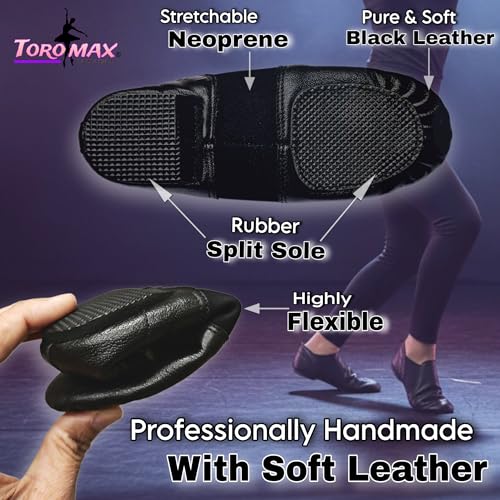
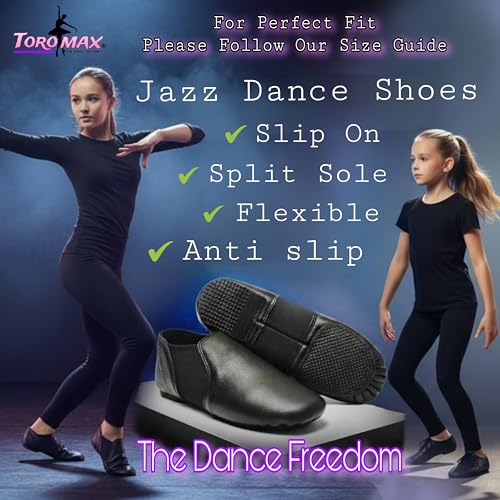
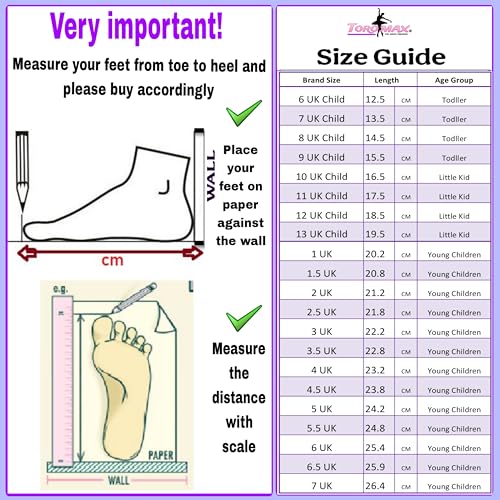
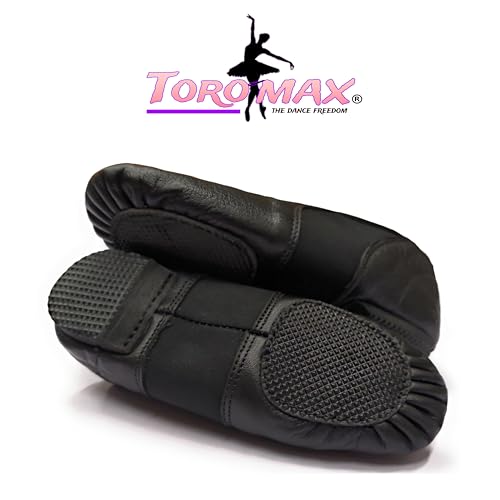
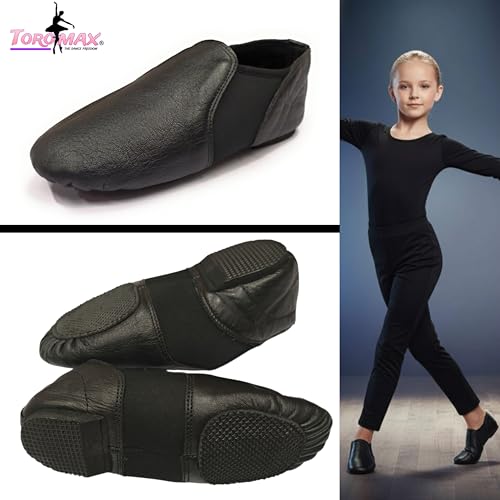
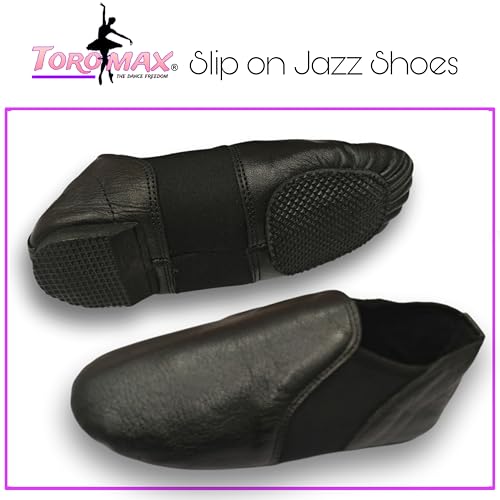
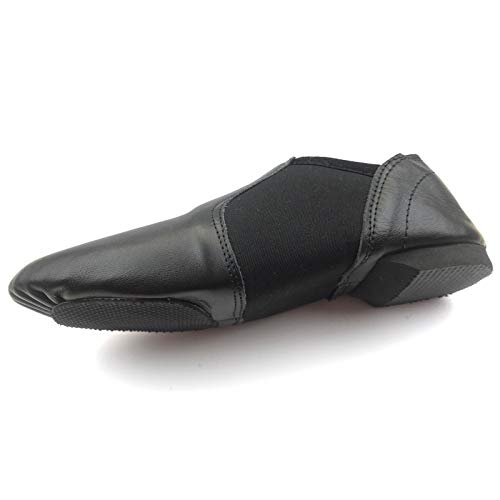
What this is and what it solves\nThese are slip-on jazz dance shoes designed for young dancers who want quick, comfortable footwear with a traditional look. The combination of soft leather at the front, a neoprene midsection to hug the arch, a split sole for flexibility, and a rubber heel for grip creates a balance between control and fluidity. On the surface, they resemble classic jazz pumps, but the fit emphasises ease of wear and a secure feel during movement. If you’re after a shoe that’s straightforward to put on between routines and performances, this model aims to deliver that convenience without compromising on the aesthetics of a stage-ready pair.\n\n## Specifications at a glance\nOn paper, the key details are clear: slip-on style with full leather front, neoprene midsection, split sole, and a rubber heel. The colour is pure black to align with traditional jazz and modern stage standards. The product is positioned for kids and young girls, with the specific size noted as UK 5 for girls. The materials are described as leather, neoprene and rubber, chosen to offer flexibility, comfort and a flattering line for dance training and performances.\n\n## Who it’s for\nThis model is best suited for young dancers who value a quick fit and a neat silhouette on stage or in class. If you prioritise a shoe that’s easy to wear between numbers and want a traditional black look, it fits that brief. It may suit beginners who are getting accustomed to proper dance footwear, as well as those moving up from softer, everyday options and into a purpose-built jazz shoe.\n\n## What to know before buying\nSize accuracy hinges on the brand’s size guide and measurement instructions provided in the images. Since fit can be quite important for comfort and performance, following the size guide is essential to avoid ordering the wrong size. The notes suggest checking how to measure feet correctly to pick the right UK size.\n\n## Strengths and limitations in daily use\nOn the positive side, the slip-on design reduces time between routines, the split sole offers flexibility for turning points and light shuffles, and the rubber heel adds grip for stage confidence. The use of neoprene in the midsection helps cradle the arch, which can enhance balance during tricky steps. A potential limitation is that size accuracy depends on the provided sizing guide, if measurements aren’t clear or if feet are borderline, you might consider sizing up or down based on personal fit history with similar styles.\n\n## How it compares to alternatives you might consider\nIf you’re weighing options, think about whether you need a permanently closed lace system or a slip-on for speed. This model leans into the slip-on category, which is convenient for younger dancers who frequently change footwear during classes. It won’t be the best choice if you demand the most locked-in fit for very intense, technique-heavy sessions, where a laced or higher-ankle option might offer marginally more support.\n\n## Practical use example\nImagine a rehearsal where a quick shoe swap is needed between a warm-up and a routine. Slipping into these while keeping a clean, elegant line could save time and reduce fuss, letting the dancer focus on technique rather than footwear fiddling.\n\n## Buying verdict\n### Is it worth it?\nWorth considering if you value ease of use, a traditional black aesthetic and a split sole that supports flexible movements. It may not be perfect for dancers who prioritise an absolute locked-in feel from the moment you step on the floor. If sizing is clear from the guide and the shoe matches your child’s foot shape, this TOROMAX option offers a practical balance of comfort and stage-ready style.\n\n## Quick FAQs\n- Do these run true to size? The sizing depends on the brand’s guide and measurement instructions, follow the pictured guide to choose the best fit.\n- Are they suitable for performances? Yes, their classic look and rubber grip are aimed at stage use.\n- Can I replace the sole or parts? The information provided doesn’t specify replaceable components, consider wear and performance expectations when evaluating longevity.\n