

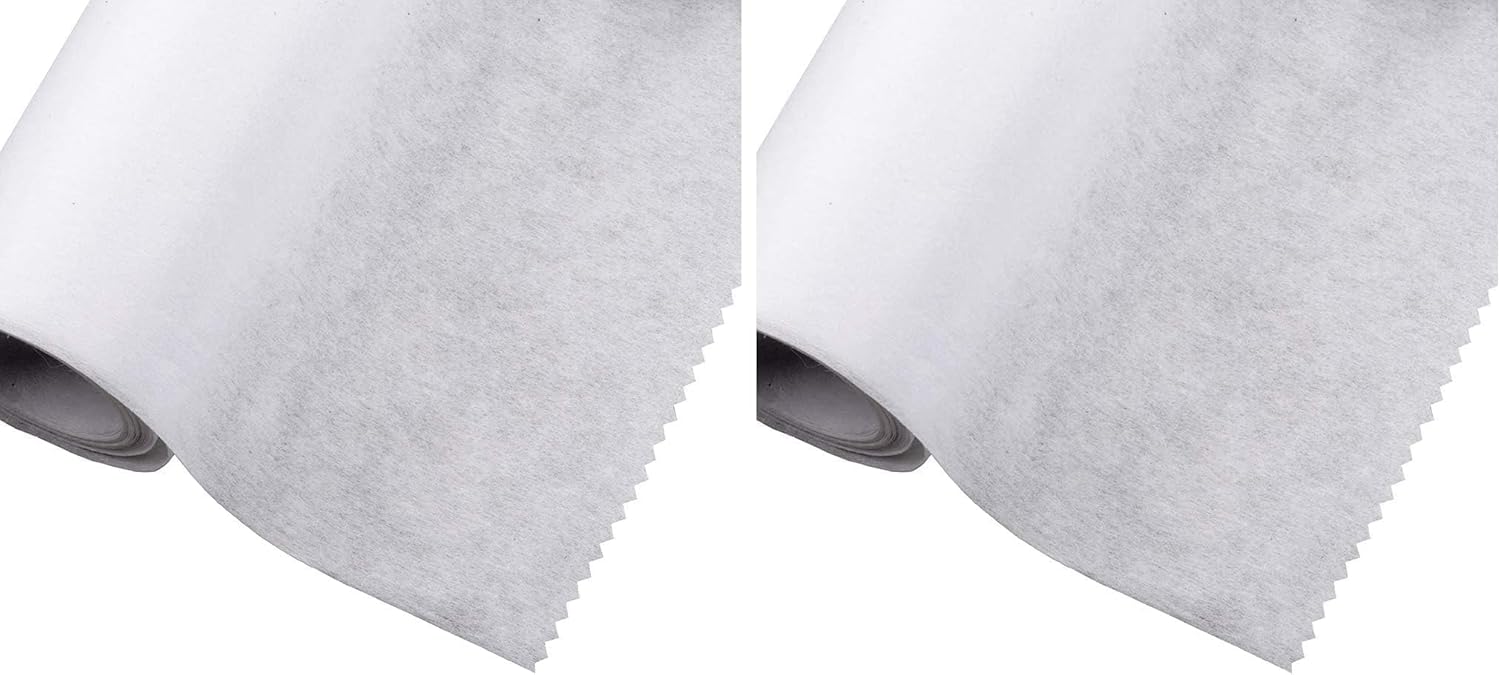
The Bead Shop Iron On Fusible Interfacing Fabric – Medium Weight, 90cm Wide, 3 Metres, White (Non-Woven)
Reviews
Price
Product description
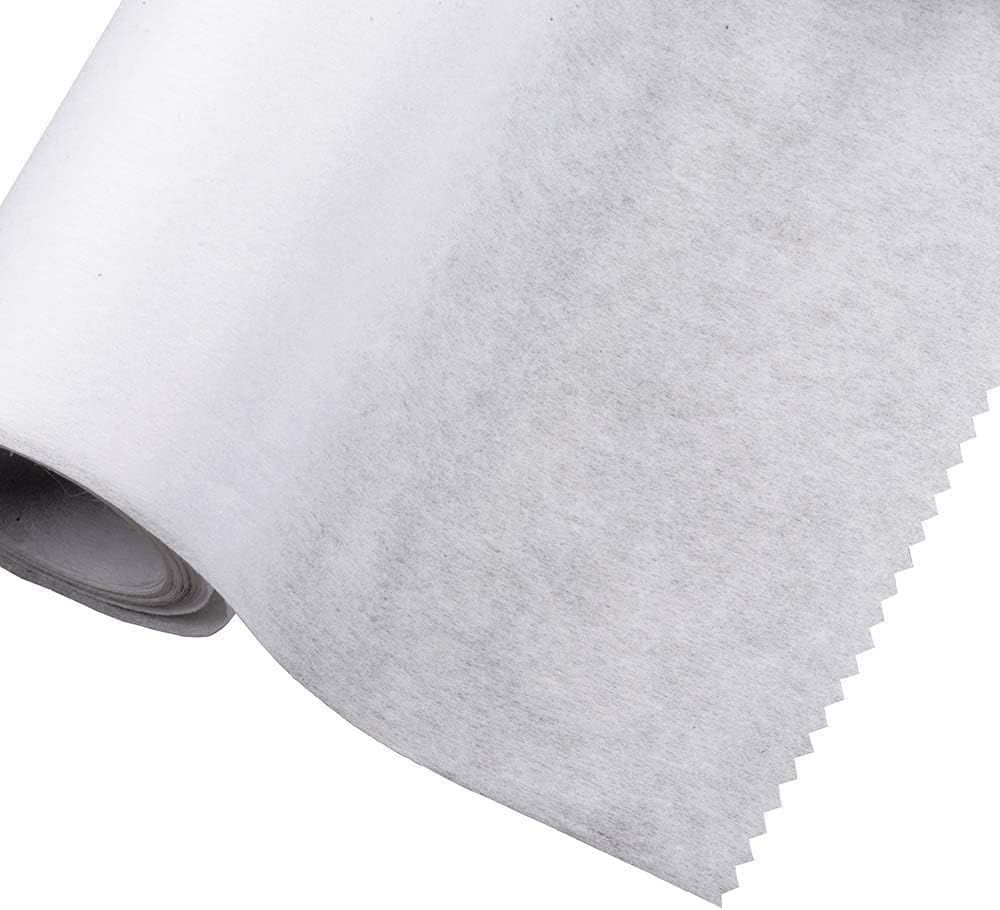
If your makeshift structure is letting you down, iron-on fusible interfacing is often the simplest fix. This medium-weight non-woven fabric from The Bead Shop is designed to add support without turning your project stiff or bulky.
You can think of it as the “in-between” option: more strength than lightweight fusing, but not the cardboard feel you sometimes get when you go too heavy. It’s the sort of material that helps your shapes hold their line—useful when you’re working on garment components, decorative items, or anything that needs a bit of body.
What it is and what it’s for
This is an iron-on/fusible interfacing fabric (non-woven) in a medium weight. The basic purpose is to reinforce and strengthen fabric, giving you a more professional-looking finish and better shape retention.
Where it tends to fit is broad: tailoring-style pieces, dressmaking, collars, embroidery-support projects, quilting, appliqué work, and even small making tasks like buttons and fabric details that benefit from extra stability.
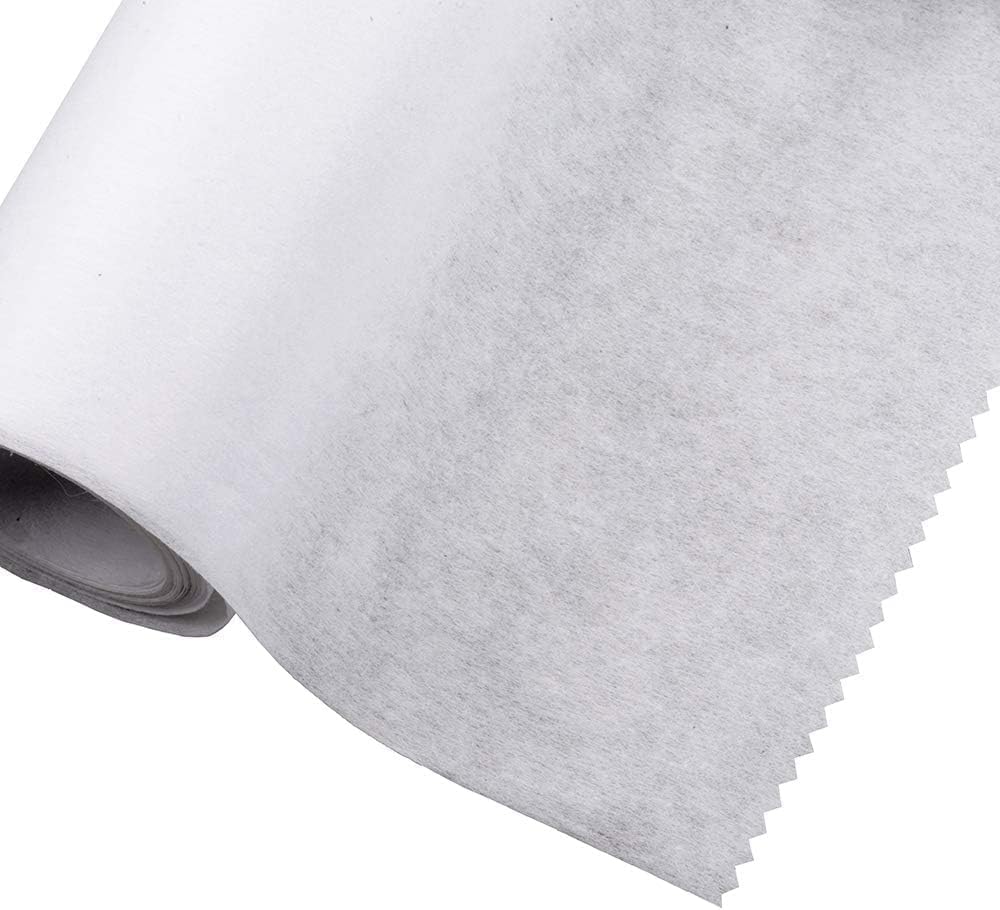
On paper, it’s a good match when you want structure while still keeping the final item relatively flexible and comfortable to handle. The “medium weight” positioning matters here: it should give support, not a rigid board-like effect.
Key points to consider before you buy
The main thing to get right is whether your fabric is suitable for ironing. The description points out that this kind of fusible can be “planché” (ironed on) quickly to any fabric that’s apt for ironing. If you’re working with more delicate woven fabrics that aren’t suitable for ironing, the guidance is to consider stitched interfacing instead.
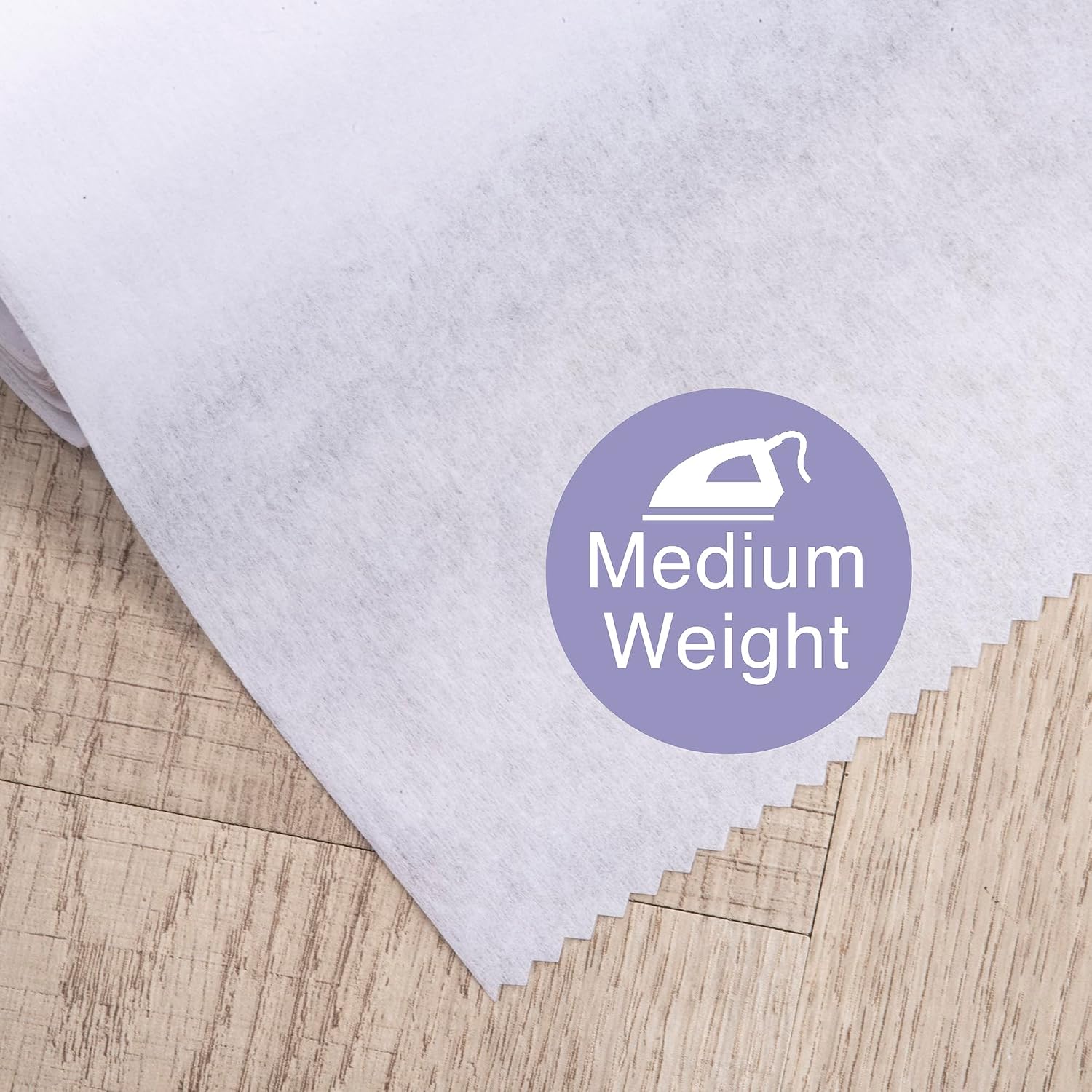
That’s the key limitation: if your base fabric can’t take heat and pressure, this may not behave as you hope. Another practical consideration is that interfacing choice is usually about the feel you want at the end—if you’re after crisp, ultra-stiff results, medium weight can feel like it’s aiming for the smoother, usable middle rather than heavy-duty shaping.
So, it’s a tool that helps you get consistent results, but it still depends on fabric compatibility and how much reinforcement you actually need.
What stands out in day-to-day use
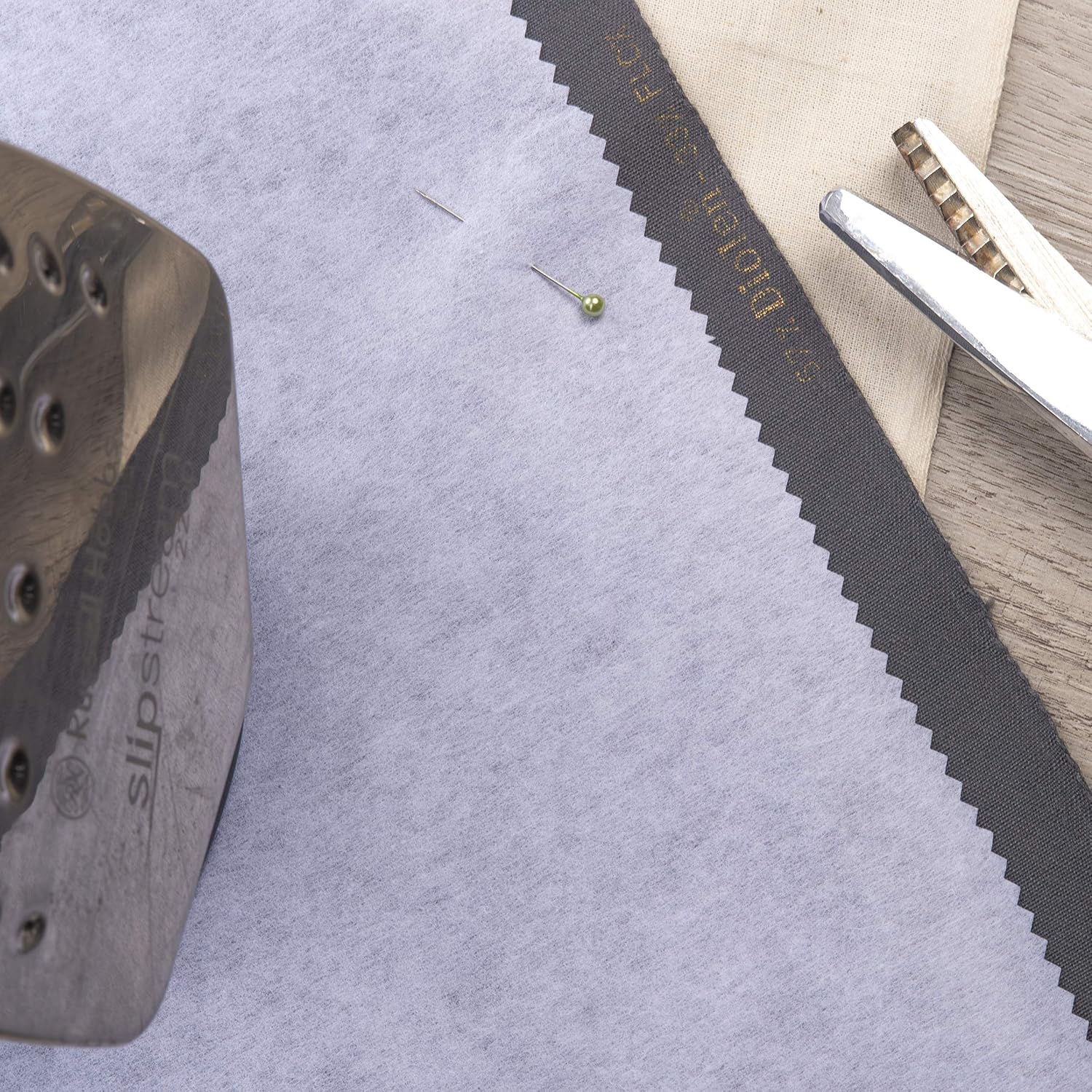
The simplest part is the method: apply uniform pressure with a hot iron to fuse it in place. For many makers, that’s the appeal—fewer steps than sewing-in alternatives, and faster when you’re producing panels, appliqués, or repeat components.
In real terms, imagine you’re making a small fabric collar detail or an appliqué that tends to droop. With the right placement, the interfacing can help it hold its outline so the piece sits flatter and looks more deliberate after assembly.
The description also emphasises keeping projects flexible and light, so you’re not forced to choose between “unsupported” and “too stiff”. That’s a nice direction if you’re designing items that need to drape or move, even if they still need some form.
Strengths and where it might fall short
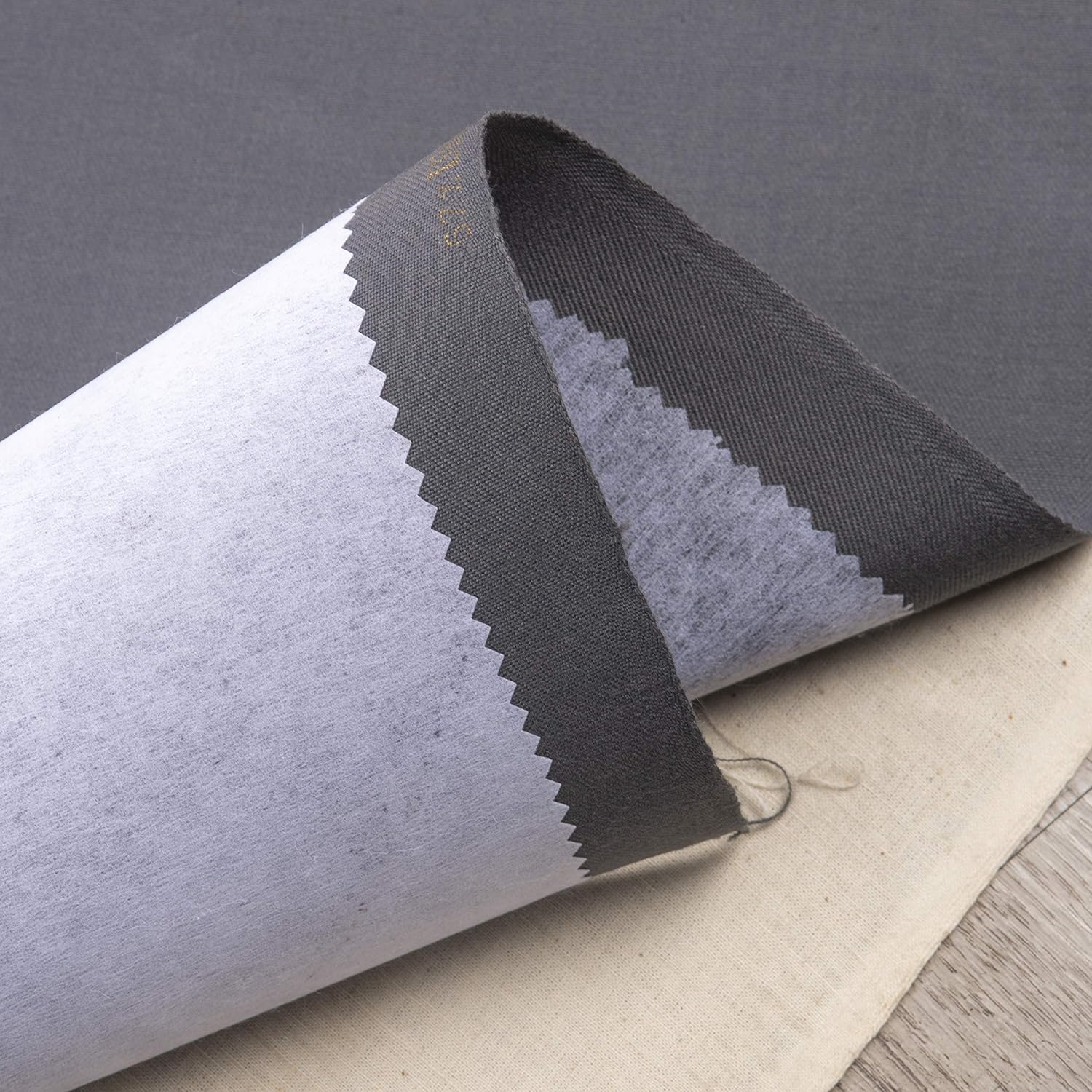
Why it makes sense: - It’s built to reinforce fabrics while aiming to keep them workable rather than rigid. - The medium weight should suit lots of everyday sewing and crafting tasks where some structure is needed. - Iron-on fusion can save time compared with stitched interfacing.
Where you may want to pause: - It may not suit delicate fabrics that aren’t appropriate for ironing—heat is the whole mechanism here. - If your project requires very firm, stiff shaping, medium weight might not be enough on its own.
It’s not “perfect for every fabric” by default. It’s better viewed as a practical reinforcement layer for projects where ironing is acceptable.
Who it’s for (and who should avoid it)
This is a sensible pick if you’re doing dressmaking or craft work and you want extra body in specific areas: collars, embroidered pieces, quilting patches, and appliqué elements are all mentioned as suitable uses.
It may not be the best choice if: - Your fabric is delicate or you’re unsure it can handle the ironing process required for fusion. - You specifically need a very heavy, rigid structure that goes beyond medium reinforcement.
If you’re constantly working with heat-sensitive materials, stitched interfacing (as suggested in the description) is the safer direction.
Getting the best results
To make it work as intended, focus on preparation and pressure. The description highlights using uniform pressure with a hot iron for a simple, quick bond. That means you should aim for consistent contact across the interfacing area.
Also, think about placement. Interfacing is strongest where you need support, so it’s usually most effective when you apply it to areas that benefit from shape retention rather than covering everything by default.
If you’re unsure about fabric compatibility, it’s worth double-checking that your project fabric is apt for ironing before you commit.
Final verdict
Worth considering if you want medium-weight reinforcement for fabric projects where you need support but still want to keep things flexible—especially when ironing is suitable for your base material.
Better avoided if your fabrics are delicate or not suitable for ironing, because the iron-on fusion approach relies on heat and pressure. And if you’re after very stiff, structural shaping, you may find medium weight doesn’t go far enough.
For most hobby sewers and crafters doing dressmaking, quilting, appliqué, or embroidery-support work, this kind of fusible interfacing can be a straightforward way to upgrade the finish—without turning the project into something overly rigid.
Mini FAQ
Can I use this on all fabrics? It’s intended for fabrics that are suitable for ironing. For delicate fabrics that aren’t apt for ironing, the description recommends using stitched interfacing instead.
What kind of projects does medium weight suit? The description mentions dressmaking, collars, embroidery-support work, quilting, appliqués, and other items that need additional support while staying subtle.
How do you attach it? Use a hot iron and apply uniform pressure to fuse it in place.
Will it make fabric feel stiff? It’s positioned to keep projects flexible and light, so it shouldn’t feel like cardboard rigidity when used as intended.