

Telescope 130EQ Newtonian Reflector for Adults with 1.5x Barlow Smartphone Adapter & 13% Moon Filter
Product description
What it is and who it’s for
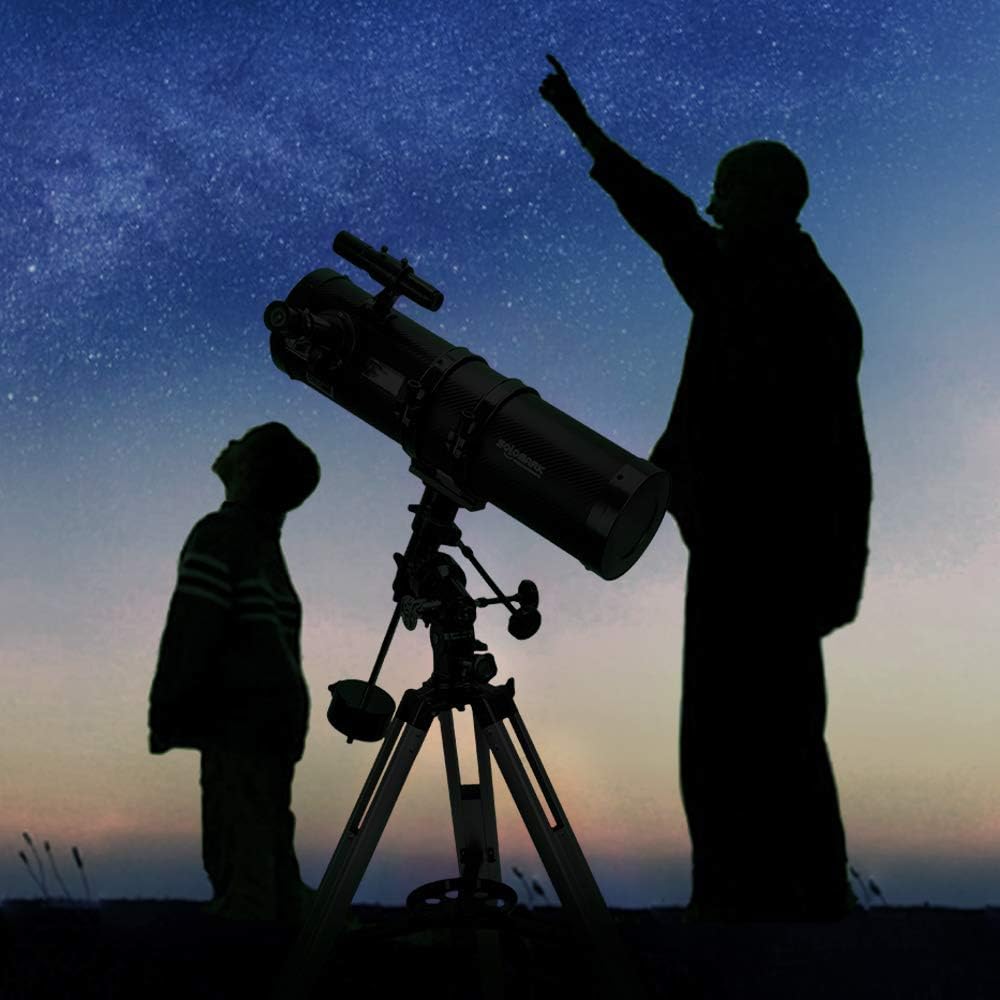
This is a 130EQ Newtonian reflector telescope designed for adults, pitched as a practical entry into amateur astronomy with a focus on year‑round sky watching. On paper, the 130EQ offers a straightforward, light‑to‑moderate aperture scanning approach that can suit beginners who want to learn the night sky and hobbyists looking for a reliable field instrument without jumping to high‑end gear.
Core strengths and what stands out in use
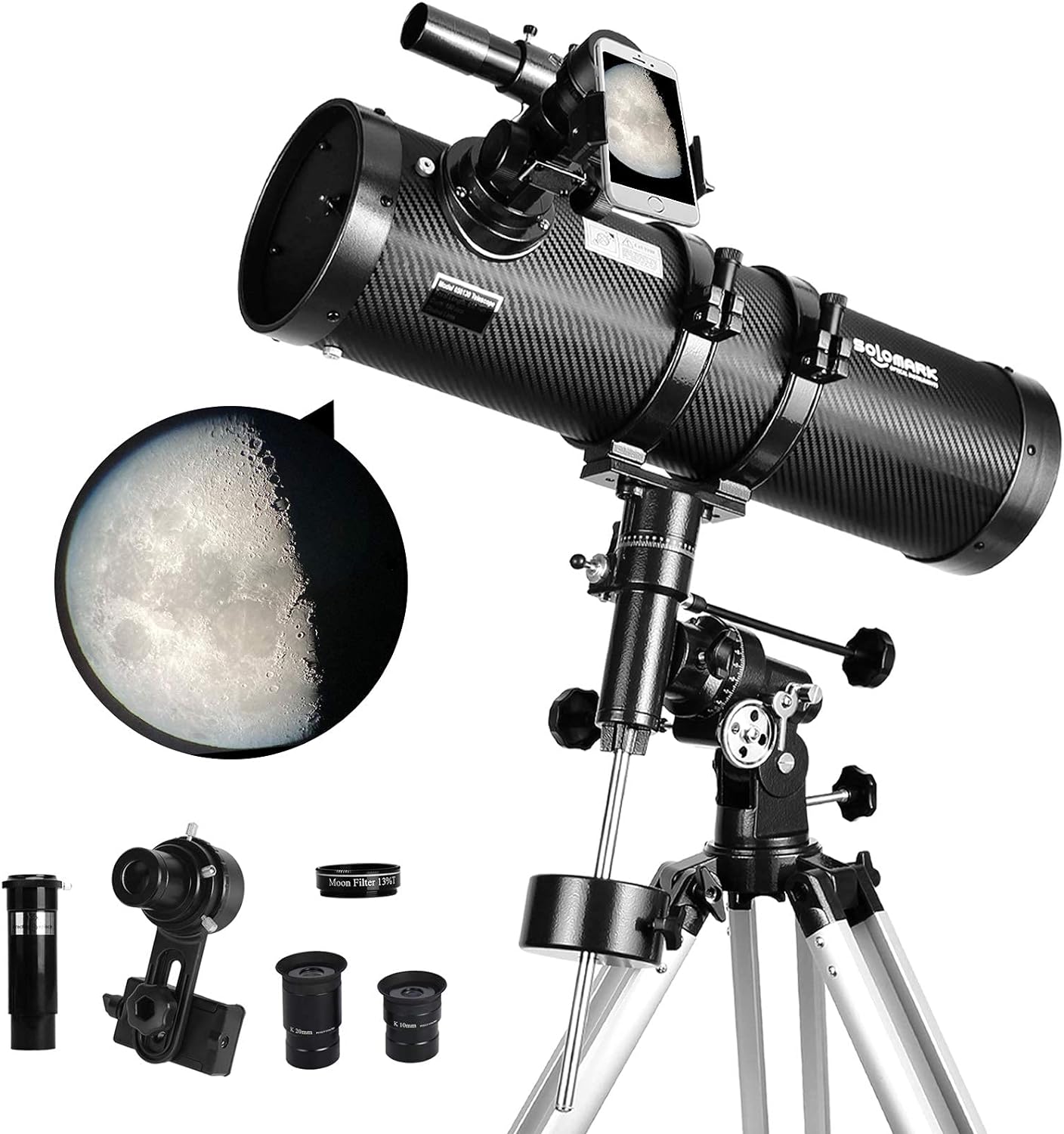
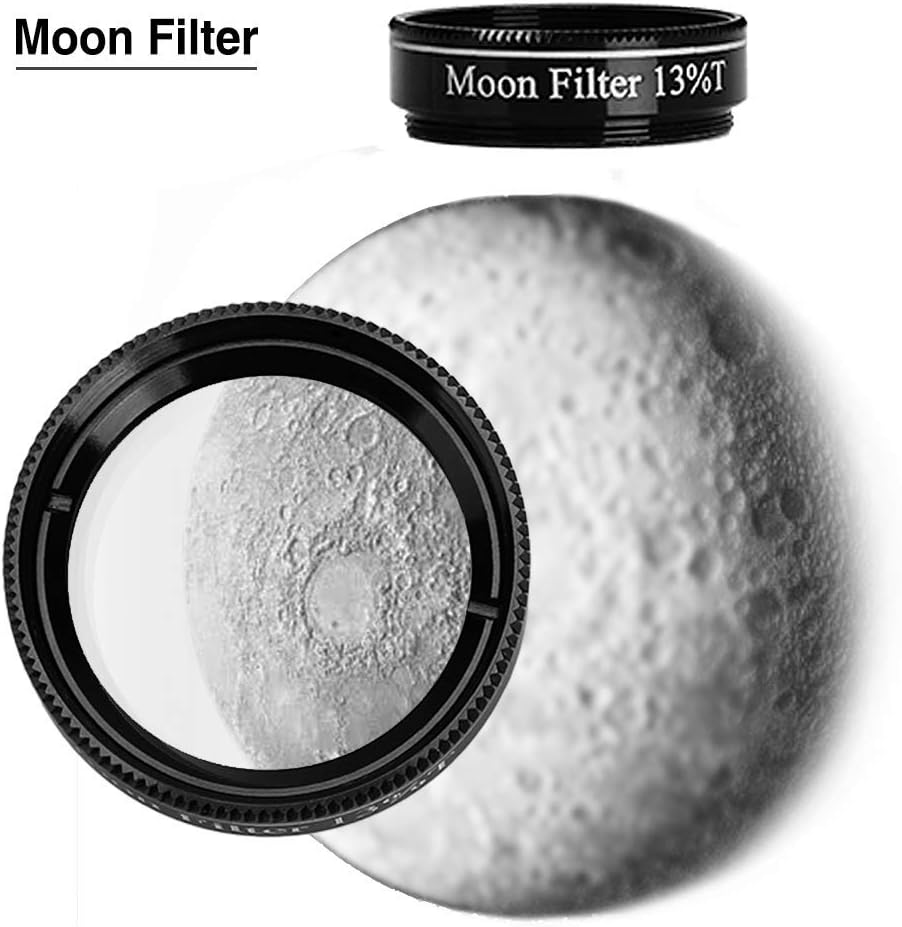
Included accessories help reduce early setup friction: a 1.5× Barlow lens can extend focal reach, while a 13% Moon filter helps manage bright planetary features and provides calmer lunar views. The focus on practical add‑ons means you’re less likely to outgrow the kit immediately when you first point a telescope at the Moon or bright planets.
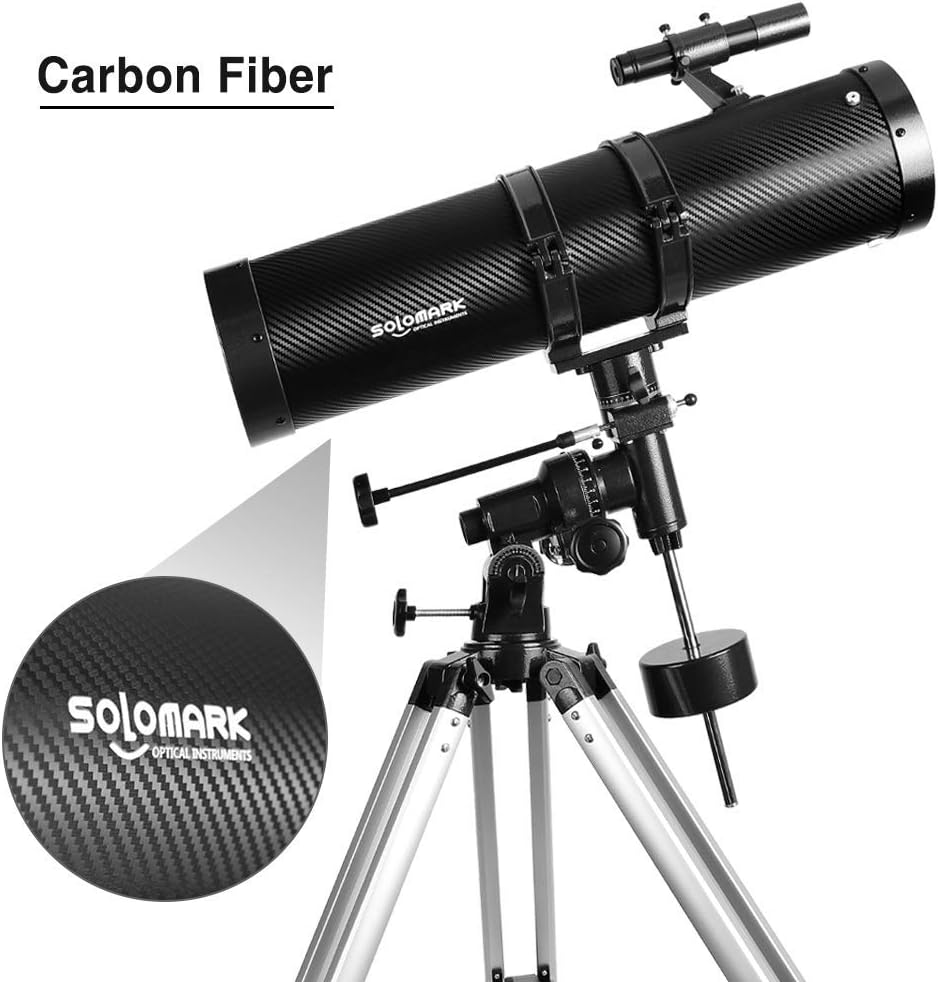
The build keeps to a simple aesthetic: a fully aluminium anodised black tube and accompanying hardware. The product description highlights M42×0.75 threading, indicating compatibility with certain extension rings, which can let you tailor the tube length slightly to balance balance and ergonomics during observation sessions.
How it performs in real-life scenarios
If you’re new to astronomy, you’ll likely appreciate the relatively forgiving setup and the ability to experiment with basic eyepieces and the Moon filter to reduce glare. For more experienced observers, the 1.5× Barlow lens offers a modest boost to magnification targets, useful for planets when atmospheric conditions permit.
Limitations and what to watch for
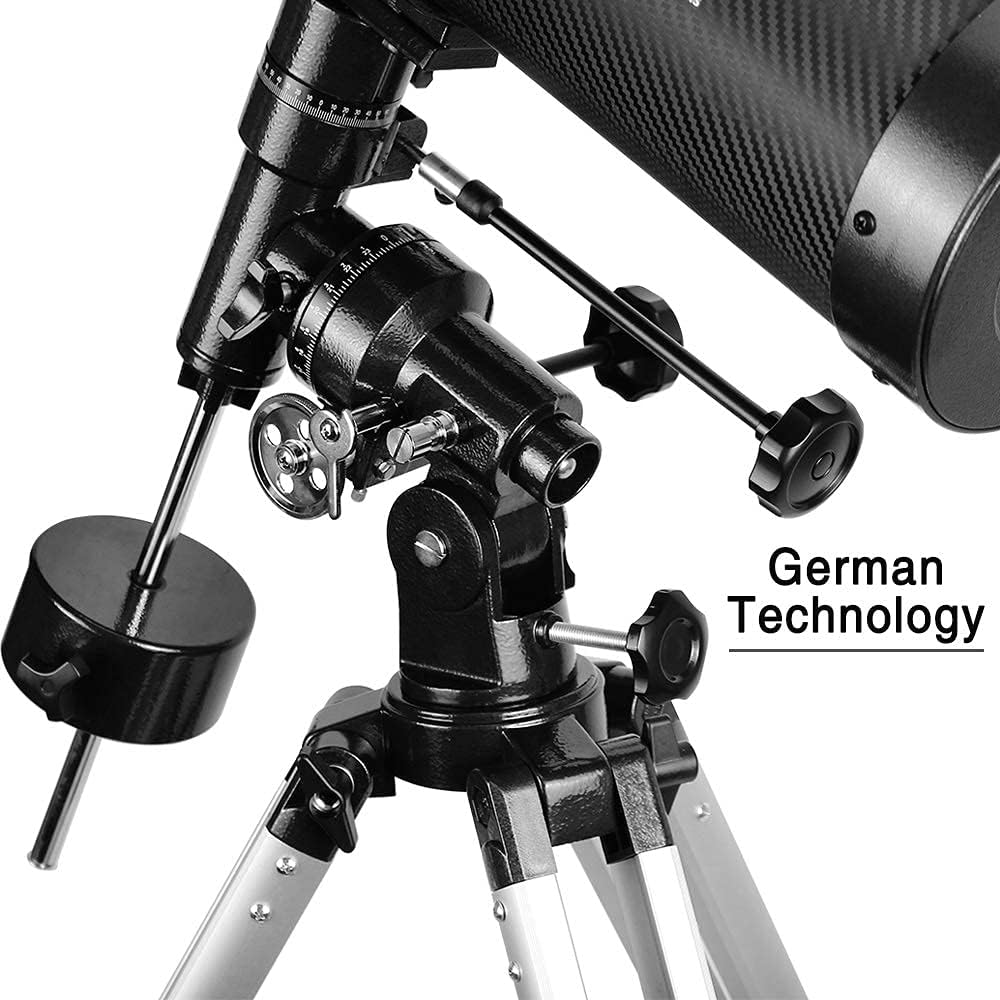
There’s no mention of advanced polar alignment routines, high‑precision drives, or automated goto features in the description. If you prioritise quick, hands‑on star hopping and straightforward sky tours, this kit can fit the bill, otherwise, it may feel basic next to more advanced instruments with motorised or computerised tracking. Also, the exact nature of the extension rings and their impact on optical alignment isn’t fully explained, so some users may need to experiment with configuration to achieve the best balance.
Who it’s for
This telescope is sensible for adults starting out in astronomy, or for hobbyists seeking a compact Newtonian reflector with practical add‑ons. It can also suit education‑oriented use where a reliable, non‑specialist telescope is desirable for demonstrations and casual stargazing.
Who might want to look elsewhere
If you require sophisticated star mapping, long‑exposure astro photography, or precise automated tracking, this model may fall short. It’s more of a value‑friendly, entry‑level option rather than a feature‑packed, high‑end instrument.
Before you buy: quick checks
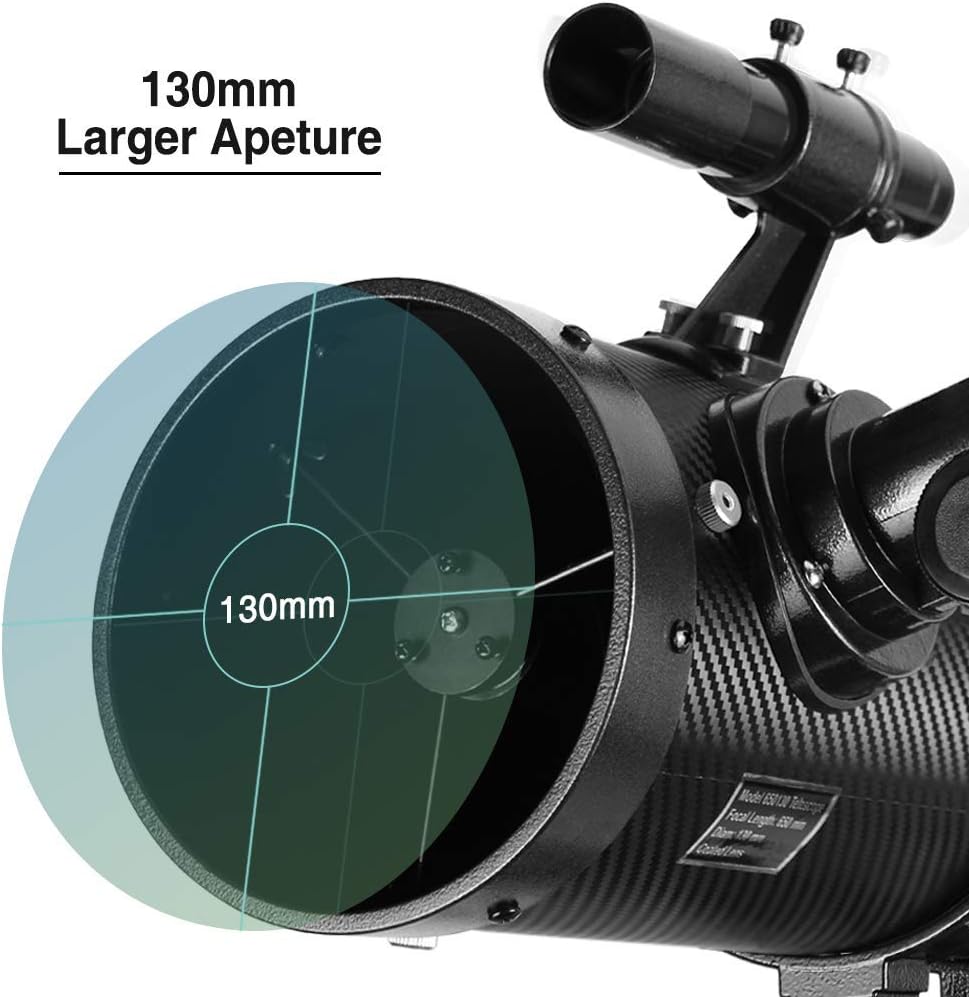
- Consider whether you’ll benefit from a larger aperture for dimmer deep‑sky objects or if your focus remains on brighter objects and planetary detail.
- If you plan to use a smartphone attachment for astrophotography, verify compatibility with your device and app workflow, as the success of phone‑based capture can depend on alignment and stability.
- Assess whether you’ll need additional eyepieces or a more robust mount to support longer observation sessions.
Practical example of use
Picture a clear autumn night: you set up the tripod, roughly align the 130EQ, point at Jupiter, and apply the 1.5× Barlow for a closer look at cloud bands. You switch to the Moon filter to soften its brightness and enjoy a steadier view. It’s not a showroom demonstration, but it’s a solid, hands‑on experience for someone learning the night sky.
FAQ
- What does the Moon filter do? It helps reduce brightness and glare on lunar surfaces, improving contrast for finer details.
- Can I extend the tube length with extension rings? The description notes M42×0.75 threading and mentions extension rings (7–30 mm length options) that can be used to adjust the tube length.
- Is this suitable for beginners? Yes, by design it provides a practical, entry‑level experience with convenient accessories, though it lacks advanced automation.
Is it worth it?
Worth considering if you want a straightforward Newtonian setup with practical extras for learning and casual observing. If your ambitions include more automated features or deep‑sky photography, you may want to compare with models offering those capabilities.