

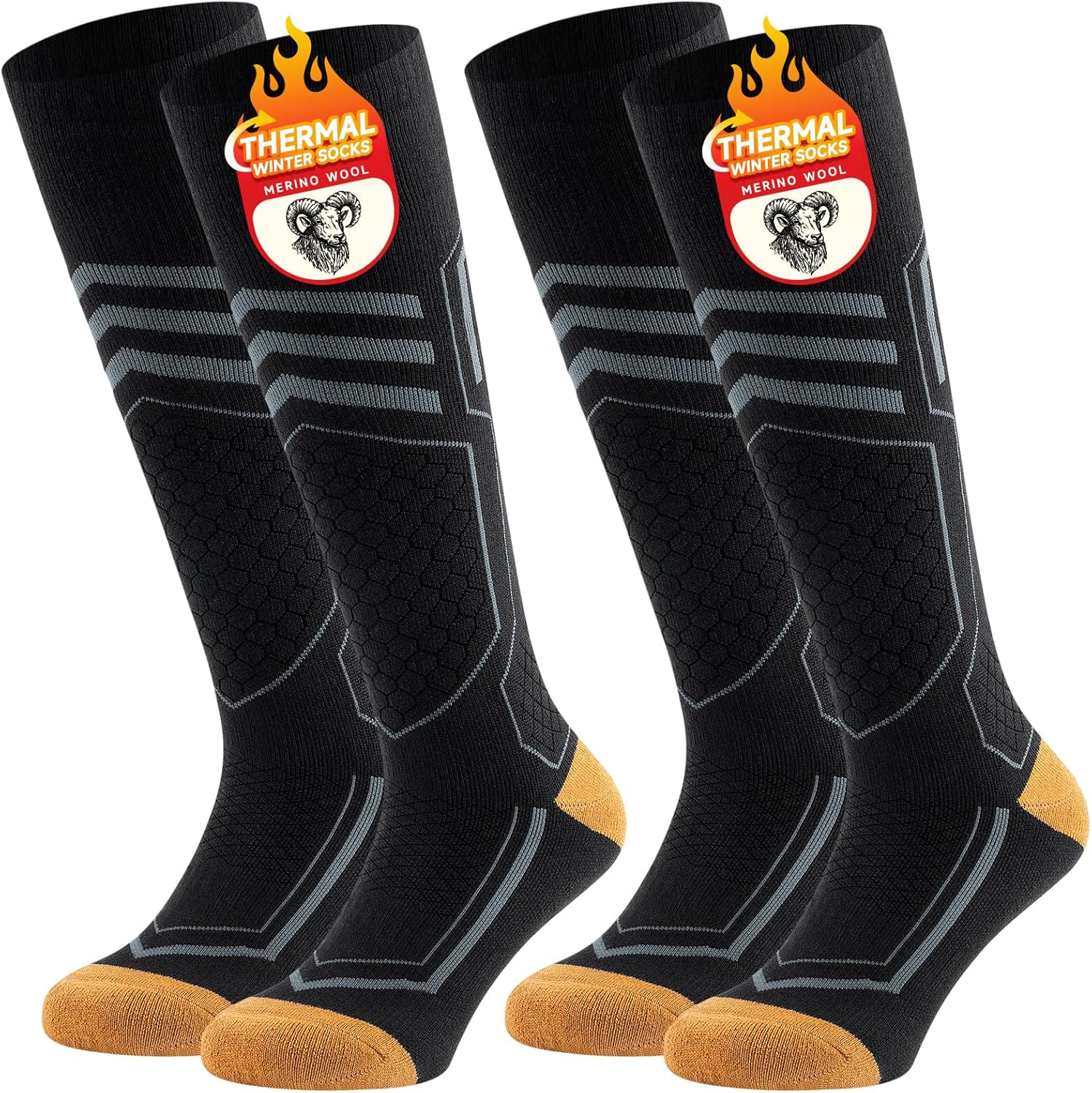
TANSTC Thermal Merino Wool Ski Socks (2 pairs) – knee-high warm ski and outdoor socks
Product description
What you’re really buying here
These TANSTC thermal socks are built for winter days when your feet get cold easily, and for sports where footwear rub matters. The pitch is clear: merino wool next to the skin for warmth and comfort, plus a ski-focused fit (knee-high length, snug calf hold) so they stay in place when you’re walking, snowboarding, or hiking in the cold.
On paper, it’s a sensible design for people who want one pair of socks to handle more than just the slopes—think winter hiking, camping, or even wearing them around the house as proper “indoor warmth” socks. They’re sold as a 2-pair pack, which is handy if you rotate socks during a trip or simply want a spare.
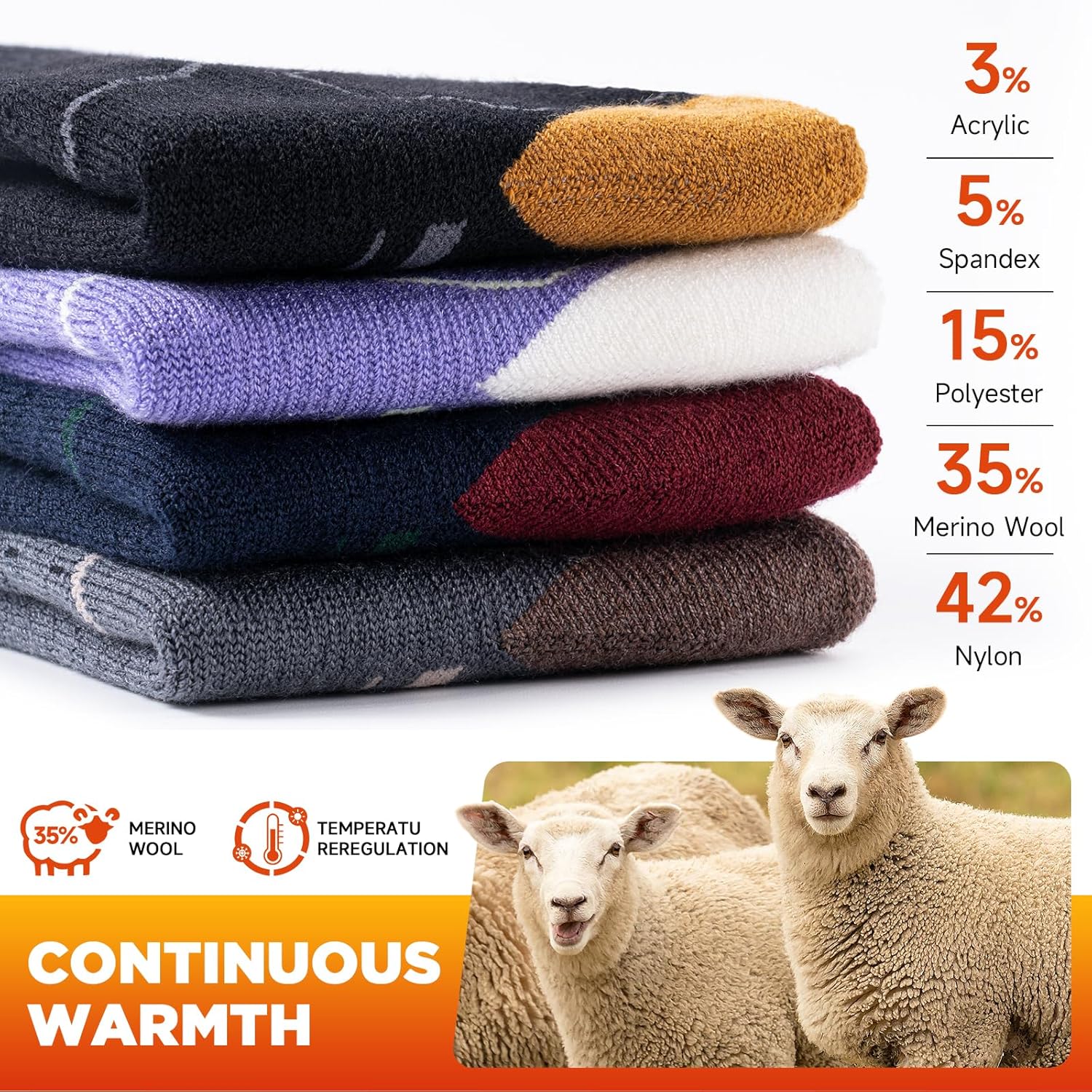
That said, “merino” can mean different things in practice, and without a stated wool composition percentage you’ll want to gauge for yourself whether the warmth level and softness are exactly what you expect.
Key features that matter in cold weather
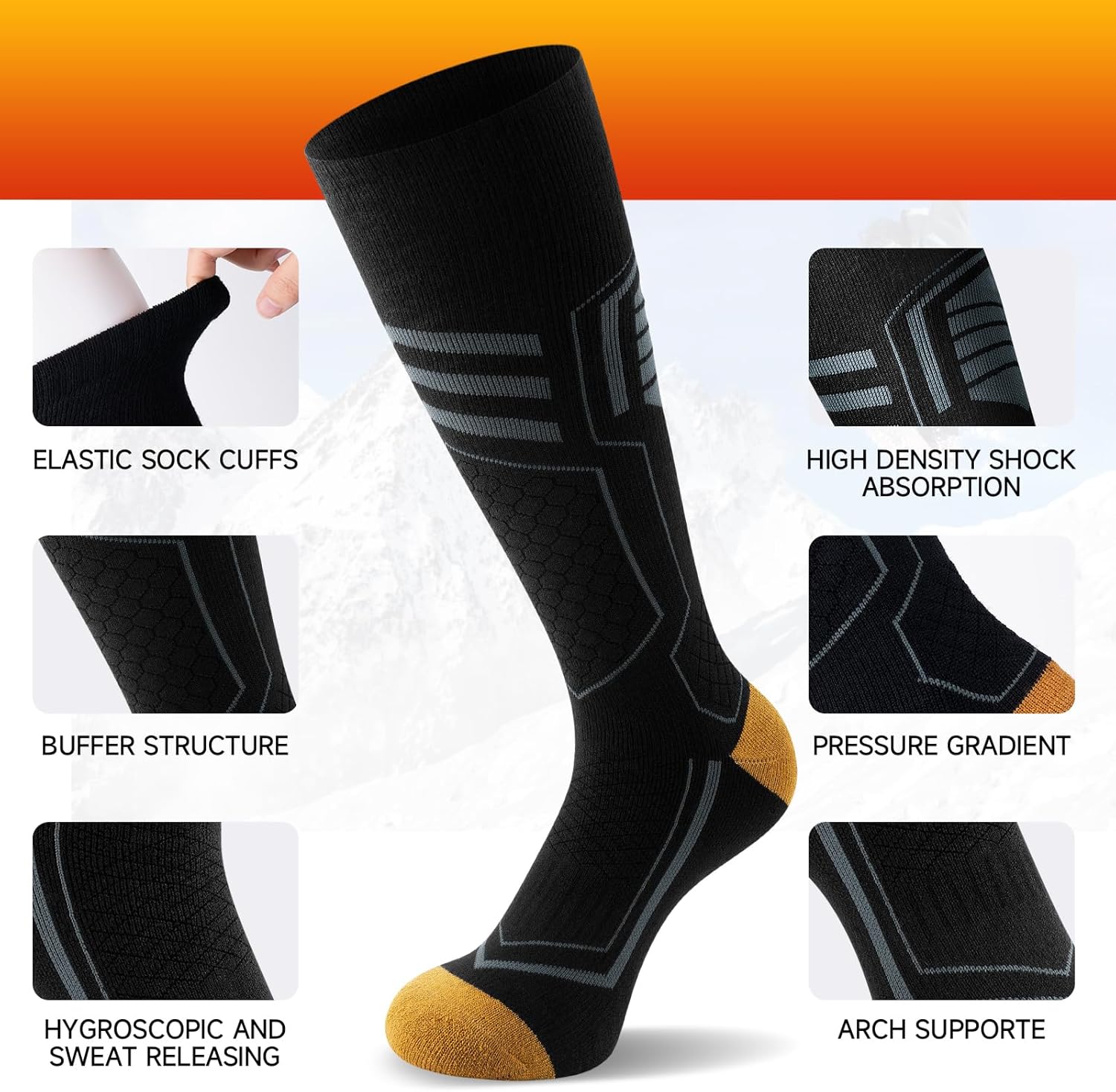
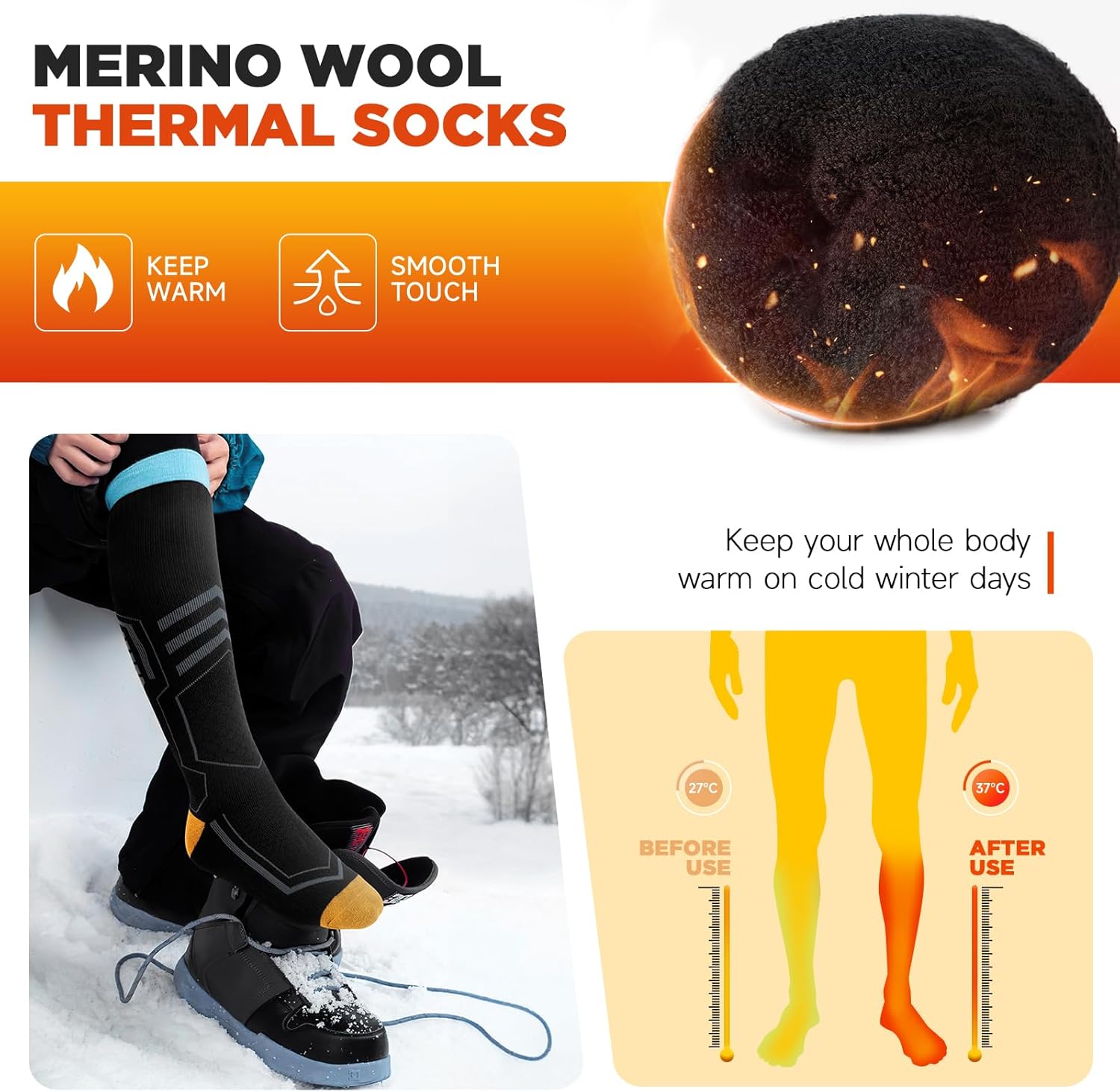
Merino wool is the main reason to consider these. The description claims it’s warmer and softer than regular wool, while also wicking sweat away quickly for better breathability. The real-world value of that is simple: you’re less likely to end up with damp, clammy feet after a few hours of moving around outdoors.
The design also targets comfort during active wear. They’re described as: - Knee-high with a tightly fitting calf to help prevent boot rubbing - Elastic cuffs meant to keep the socks from getting too loose or too tight over time - A seamless toe made with advanced knitting, aimed at reducing irritation and blister risk - Full cushioning: thicker terry on the forefoot, heel and toe for shock absorption and reduced friction, plus targeted cushioning on the front shin area where skiers and riders often need it
If you’ve ever had sore toes from seams or blister hotspots after a long day, the seamless-toe and cushioning approach is one of the more convincing parts of the concept.
How they feel and perform in everyday use
Imagine you’ve geared up for a cold walk: boots on, socks pulled up to sit comfortably over the calf, then you move. The goal is that the knee-high length stays put and the snug calf fit reduces the annoying slipping or bunching that can happen with some thinner socks.
For skiing or snowboarding, the front shin cushioning is specifically mentioned. In practice, that’s the sort of area that can get rubbed or pressurised inside ski footwear, so it’s at least targeted rather than random padding.
One small caveat: “thick thermal socks” and cushioning are great for many people in winter, but if your boots are already tight or you prefer a very slim sock for better flexibility, these may feel like they take up more room than you’d like.
Who they suit best (and who should be cautious)
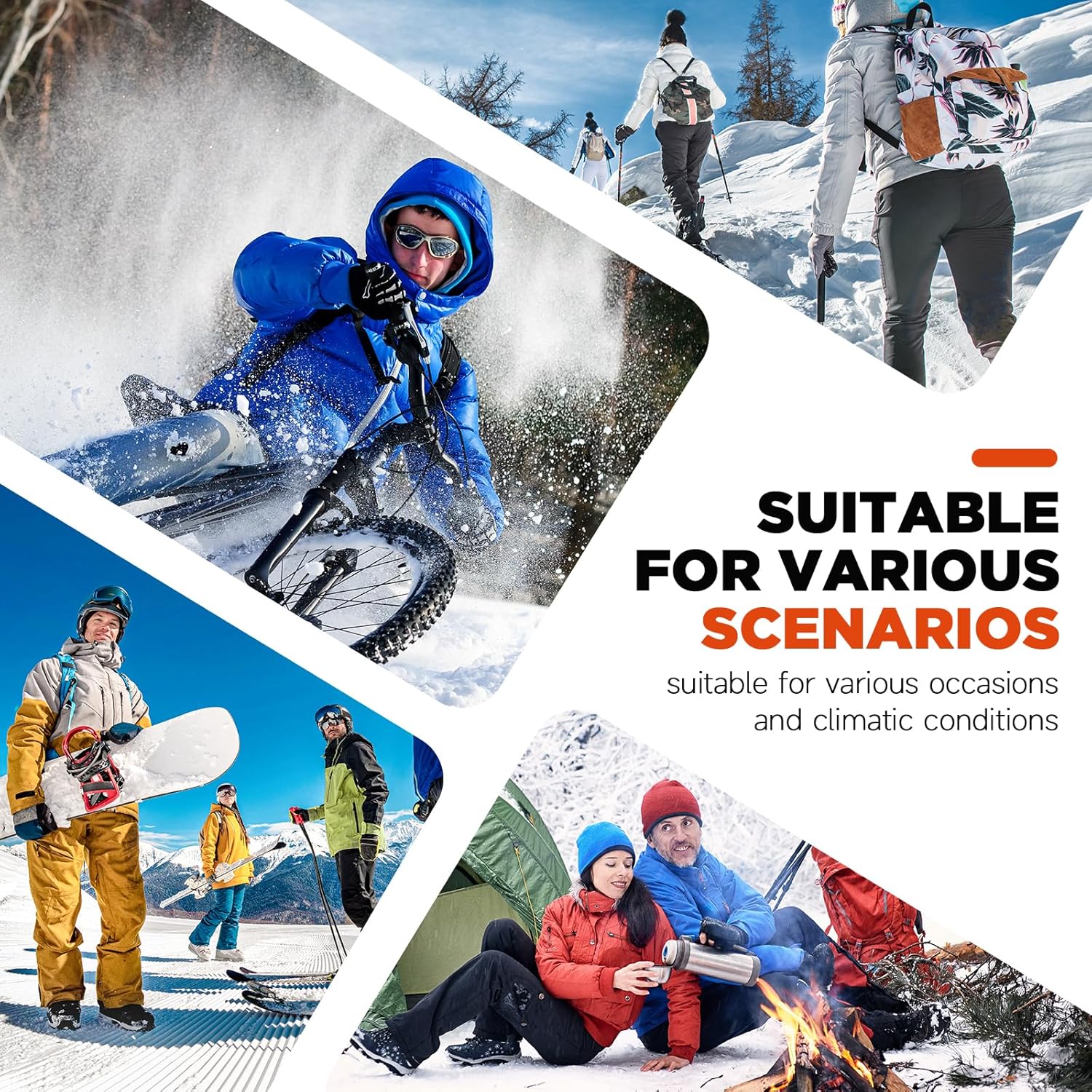
It’s a good fit if you want warm winter socks that focus on staying in place, reducing boot rub, and cushioning the areas that tend to get sore during outdoor sports. They also sound suited to active winter use—walking, hiking, treks, camping, and winter sports—rather than just casual wear.
It may not suit you if you dislike thicker socks inside your footwear, or if you’re looking for a lightweight summer-style option. Also, if you’re extremely sensitive to merino fabric specifically, you may want to consider personal comfort first, since merino is only described as softer and warmer, not as “itch-free for everyone”.
What to check before you buy
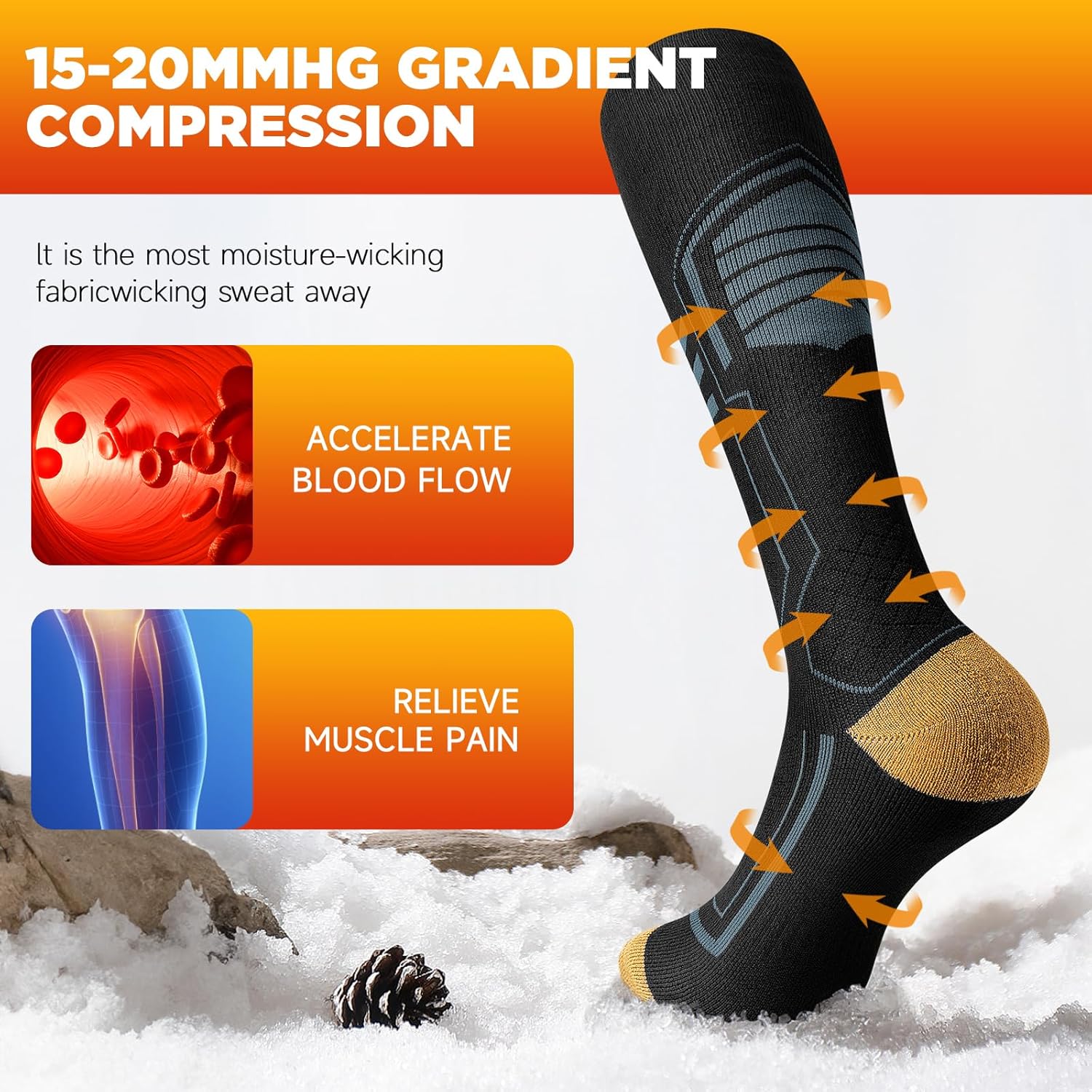
There are a few practical things worth double-checking before committing: - Fit expectations: the socks are designed to be tightly fitting around the calves and knee-high. If you prefer a looser feel, it might not match your preference. - Footwear space: thick terry cushioning can make some boots feel snug. - Intended activity level: the cushioning and seamless toe are aimed at reducing friction and blister risk during snowboarding and outdoor sports in cold conditions.
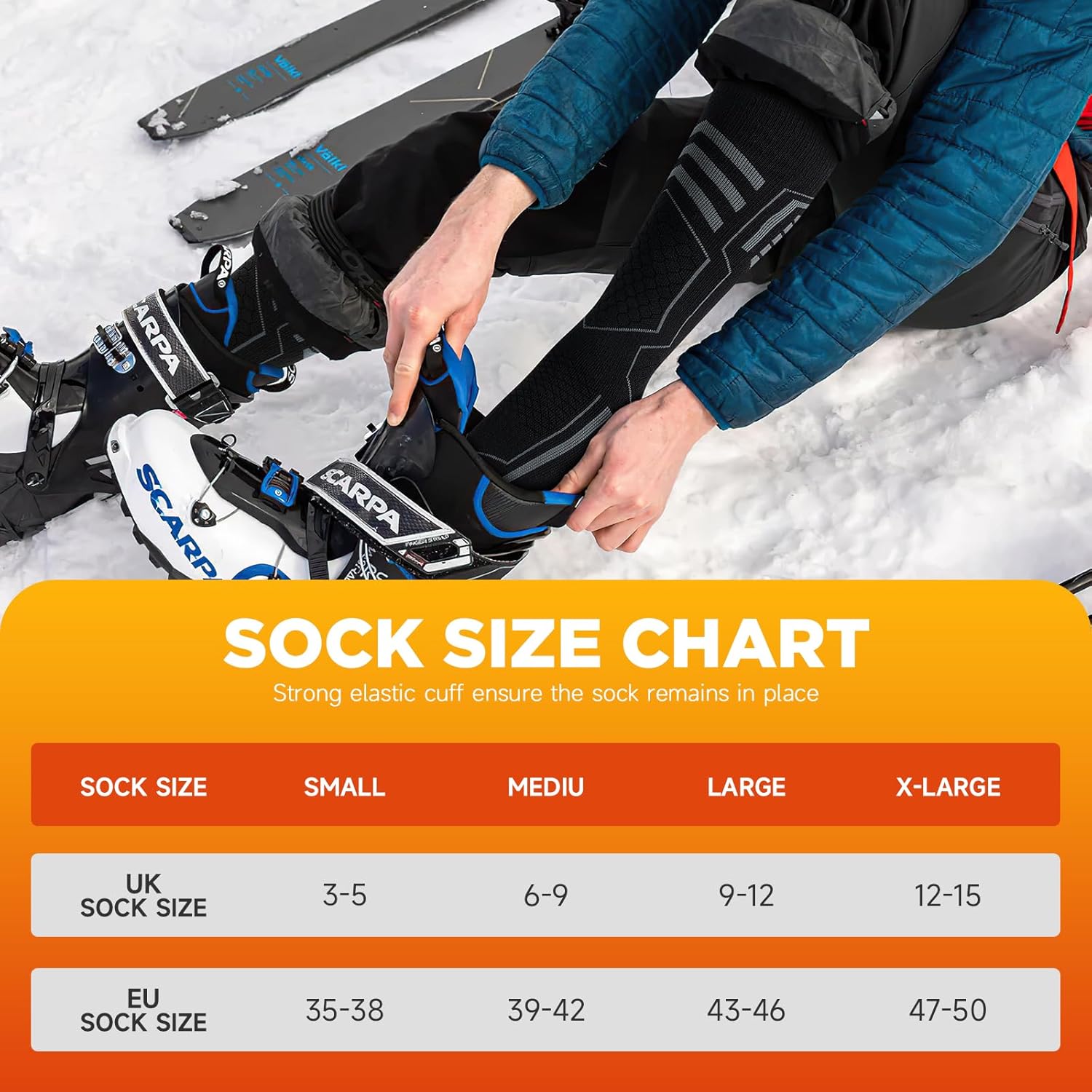
Because the listing doesn’t provide detailed size range or material percentages in the information you shared, it’s sensible to look for those specifics on the page so you don’t end up with the wrong fit or an unexpected fabric mix.
Pros, cons, and the honest limitations
Pros
- Merino wool focus: positioned for warmth, softness, and sweat-wicking breathability
- Seamless toe designed to reduce toe irritation and blister risk
- Knee-high, snug calf fit to help prevent rubbing and slipping
- Full cushioning where it’s most likely to matter (forefoot, heel, toe, and front shin area)
- 2 pairs in the pack, useful for rotation on trips or at home
Cons (worth noting)
- Without a stated merino content percentage, warmth and softness can’t be guaranteed to match every “merino” expectation
- Thick and cushioned socks may feel bulky in narrower ski boots or if you prefer a thinner layer
- The thermal promise depends on your boots/shoes and how much you sweat during activity—no sock can fully override poor footwear ventilation
Final verdict
If you want warm knee-high winter socks built around merino comfort, a snug calf fit, seamless toe comfort, and cushioning for outdoor sports, these TANSTC thermal merino wool ski socks make a lot of sense on paper. The design targets the usual pain points: rubbing, toe irritation, and shock/friction during movement.
You should probably skip them if you wear footwear that’s already tight, prefer slim socks, or expect full transparency on merino composition before buying. For most people who need properly warm, winter-ready socks for skiing, snowboarding, hiking, or general cold-weather outdoor use, they’re worth considering—especially since you’re getting two pairs.
Quick FAQ
Quick FAQ
What are these socks designed for?
They’re aimed at winter sports and outdoor activities such as skiing, snowboarding, walking, hiking, running, and other outdoor use in cold conditions.
Are they good for people who get blisters?
The seamless toe and the friction-reducing approach are meant to help prevent toe rubbing and blister irritation during cold-weather sports.
Will they stay up in ski boots?
The socks are described as tightly fitting around the calves and with elastic cuffs designed to prevent them from becoming too loose or too tight over time.
Are they only for skiing?
No. The description also positions them for hiking, camping, trekking, and even home use as warmer socks or leg warmers.
Will they feel bulky?
They’re described as thick with full cushioning, so they may feel fuller inside some boots—worth checking your footwear fit if you prefer a slimmer sock.