

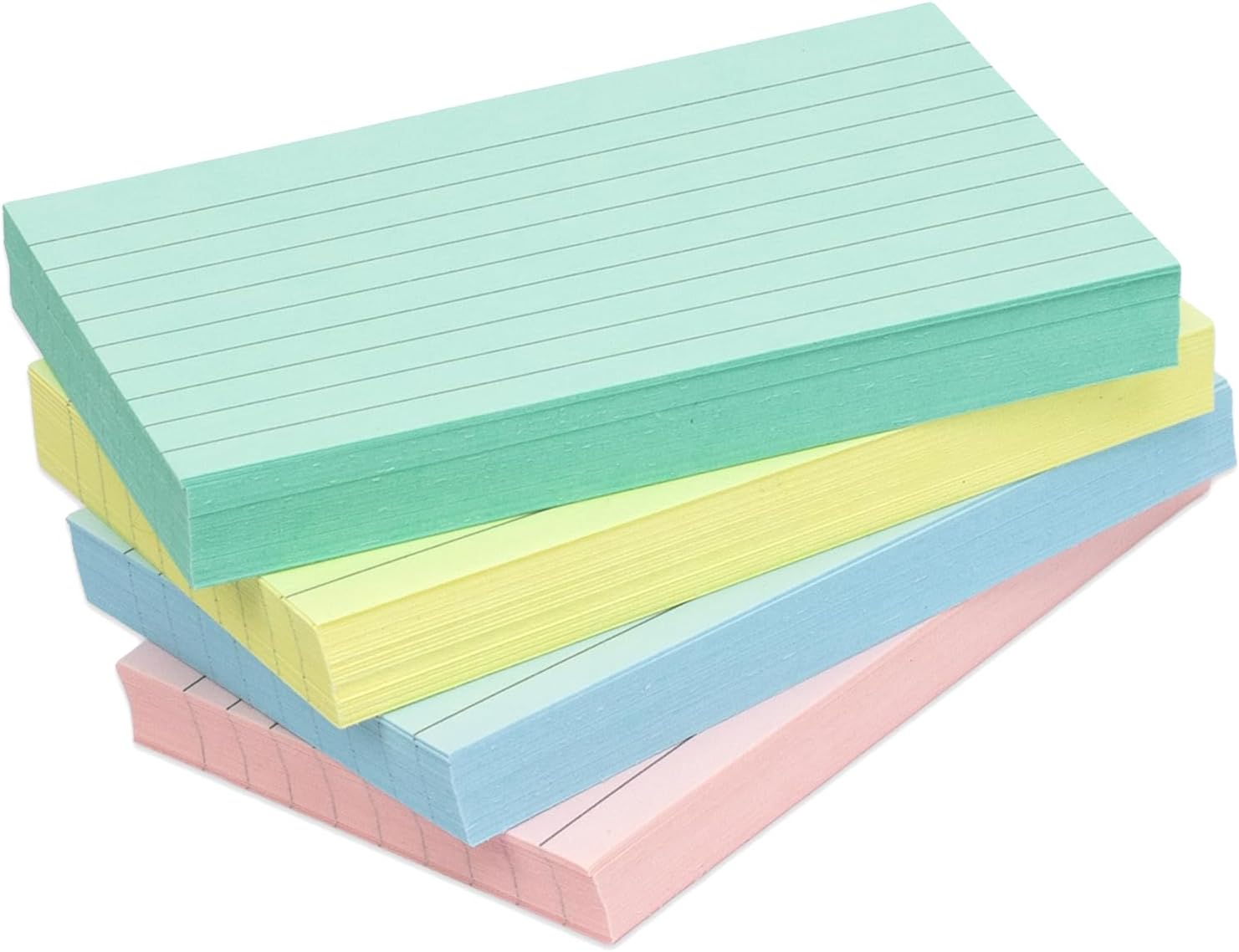
SUMMIT Summit Flash Cards & Revision Cards (200 Pack) — 125 x 75 mm white index cards
Reviews
Price
Product description
What these are for
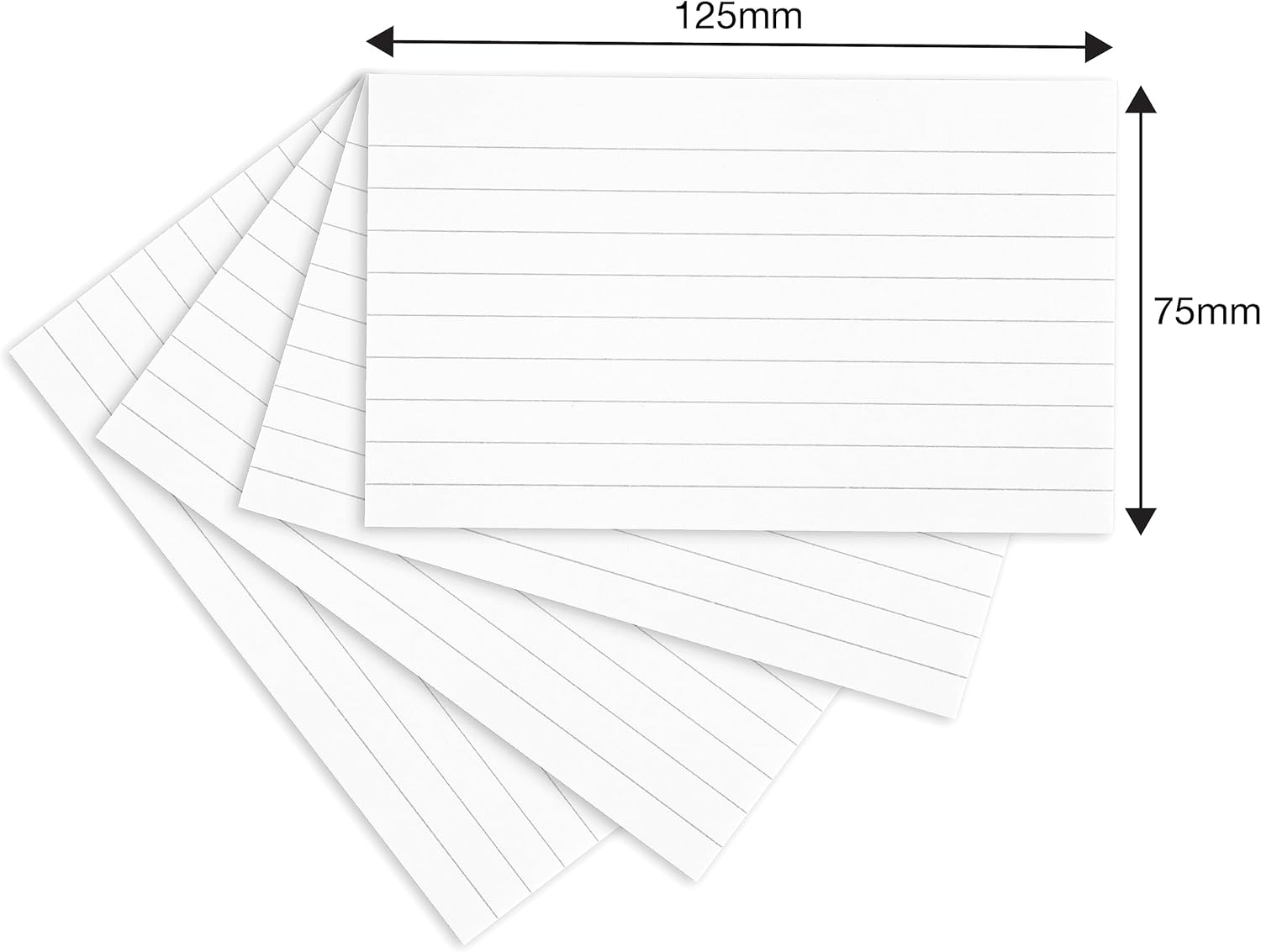
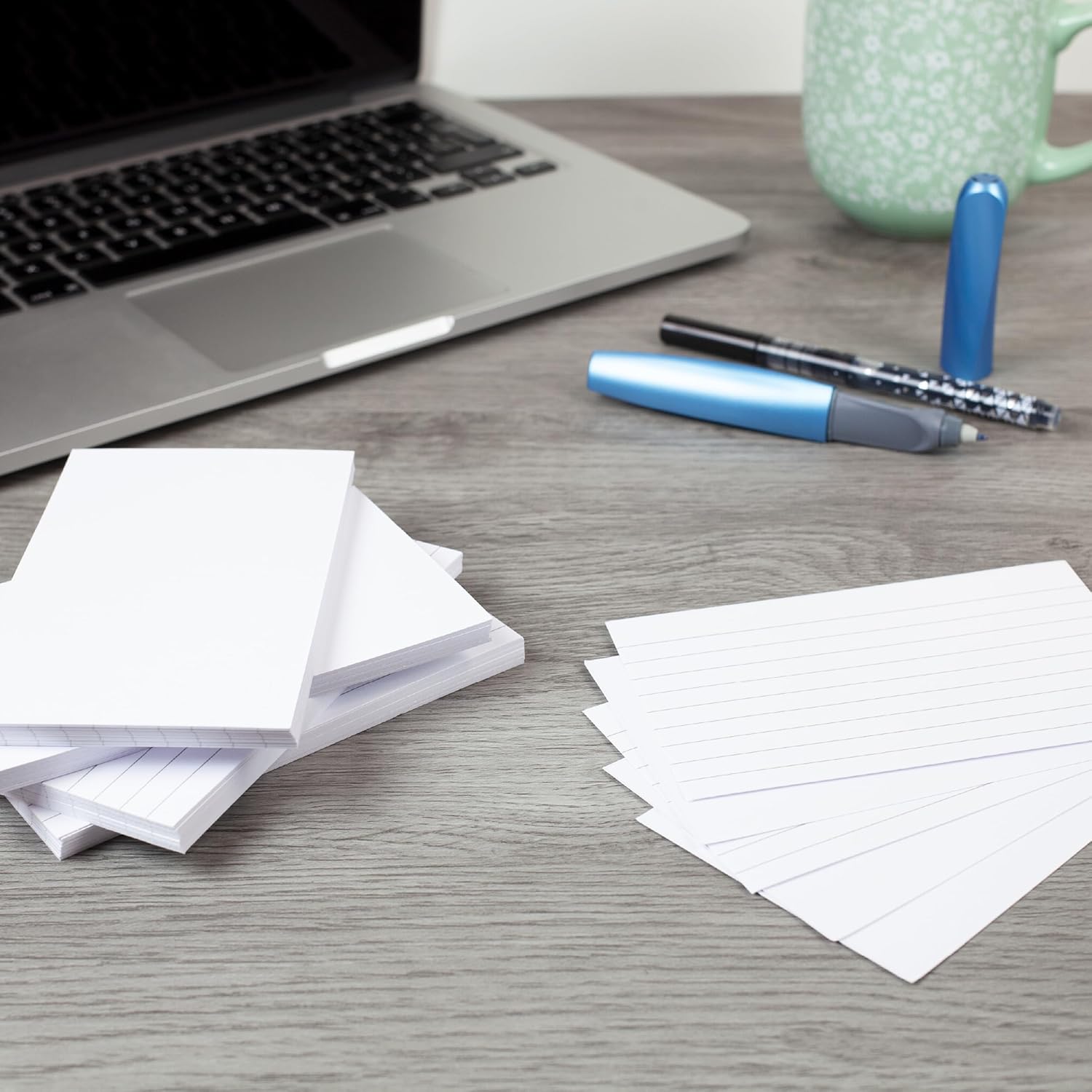
If you’re gearing up for revision, paper flash cards are still a sensible tool. The SUMMIT Summit Flash Cards & Revision Cards come as a 200 pack of white cards in a handy size (125 x 75 mm), aimed at helping you review and prepare for exams. They’re also pretty useful for general note-taking and organising ideas when you want something that’s easy to shuffle and re-group.
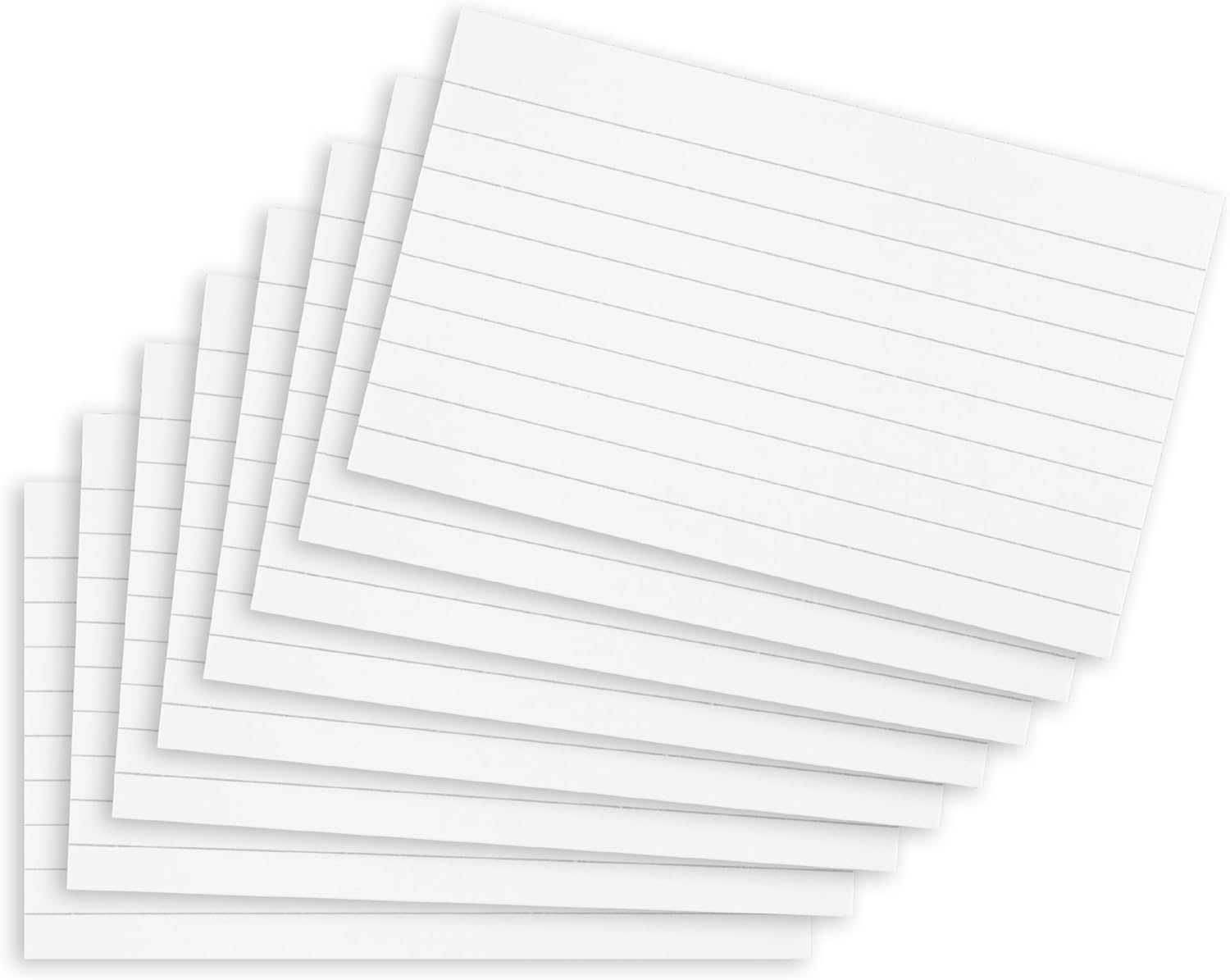
On paper, this is a straightforward “buy cards, start sorting” product. What matters most is the format: a consistent index-card size that fits common study routines, plus a design that’s laid out for use as flash cards.
The everyday layout (for study, not decoration)
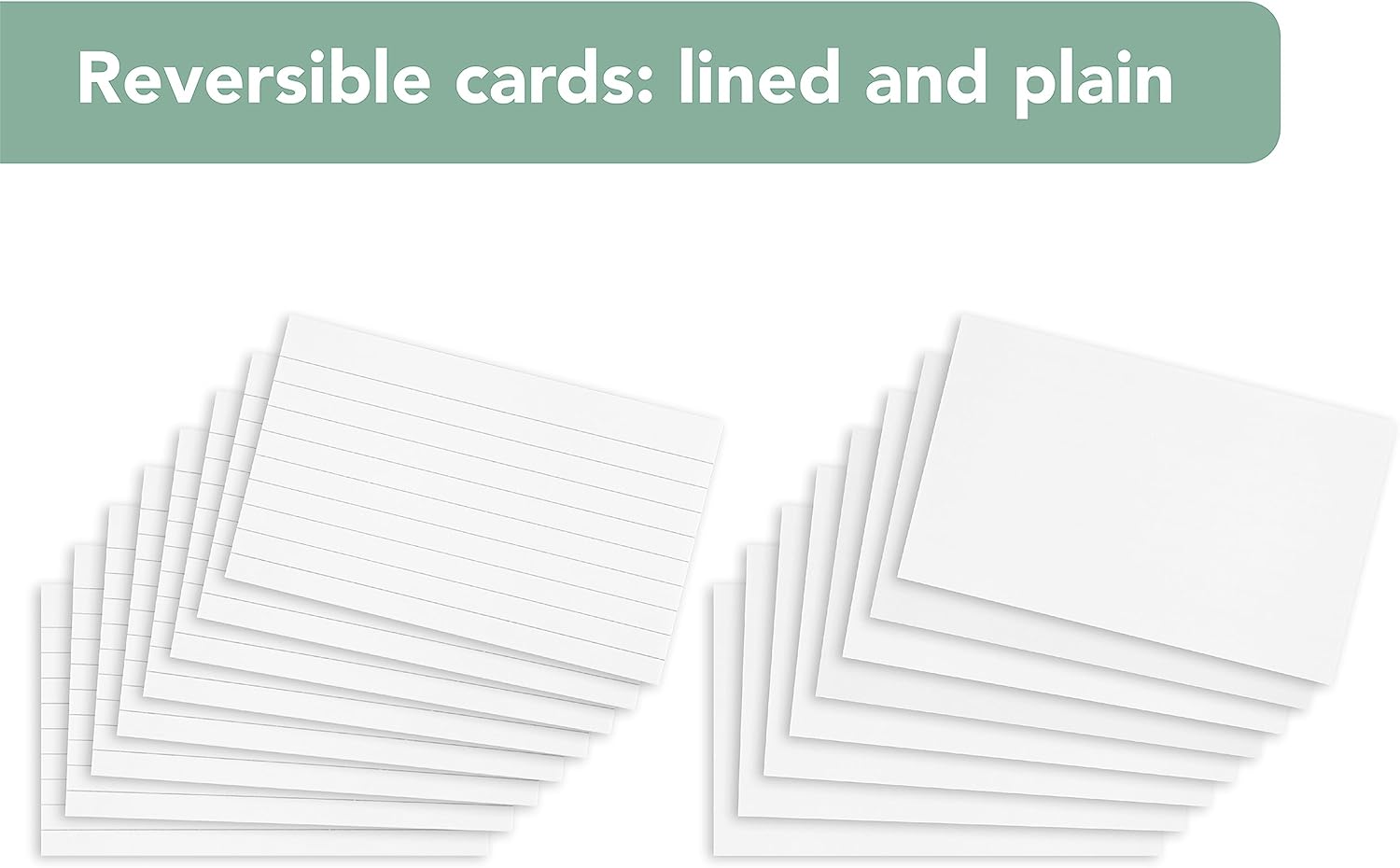
These cards are described as being wrapped/coated on one side and blank on the other. In practice, that means you’re not dealing with a “both sides printed” situation—one side is meant to be your writing surface for content you want to see and test yourself on, while the other side is the paired face for the flash card flip.
A micro-example: you might write a key term or question on the blank side, then on the coated/other side you add the answer or prompt. When you flip through, you get that quick stimulus-response loop that makes flash cards work.
It’s simple, but it does the job—especially if you prefer physical revision over apps or if you like being able to rearrange topics quickly.
What stands out
The most convincing angle here is the build. The cards are made from 180 g/m² cardboard, which should feel more rigid than flimsy paper versions. That matters because flash cards get handled a lot: writing, flipping, stacking, and carrying around.
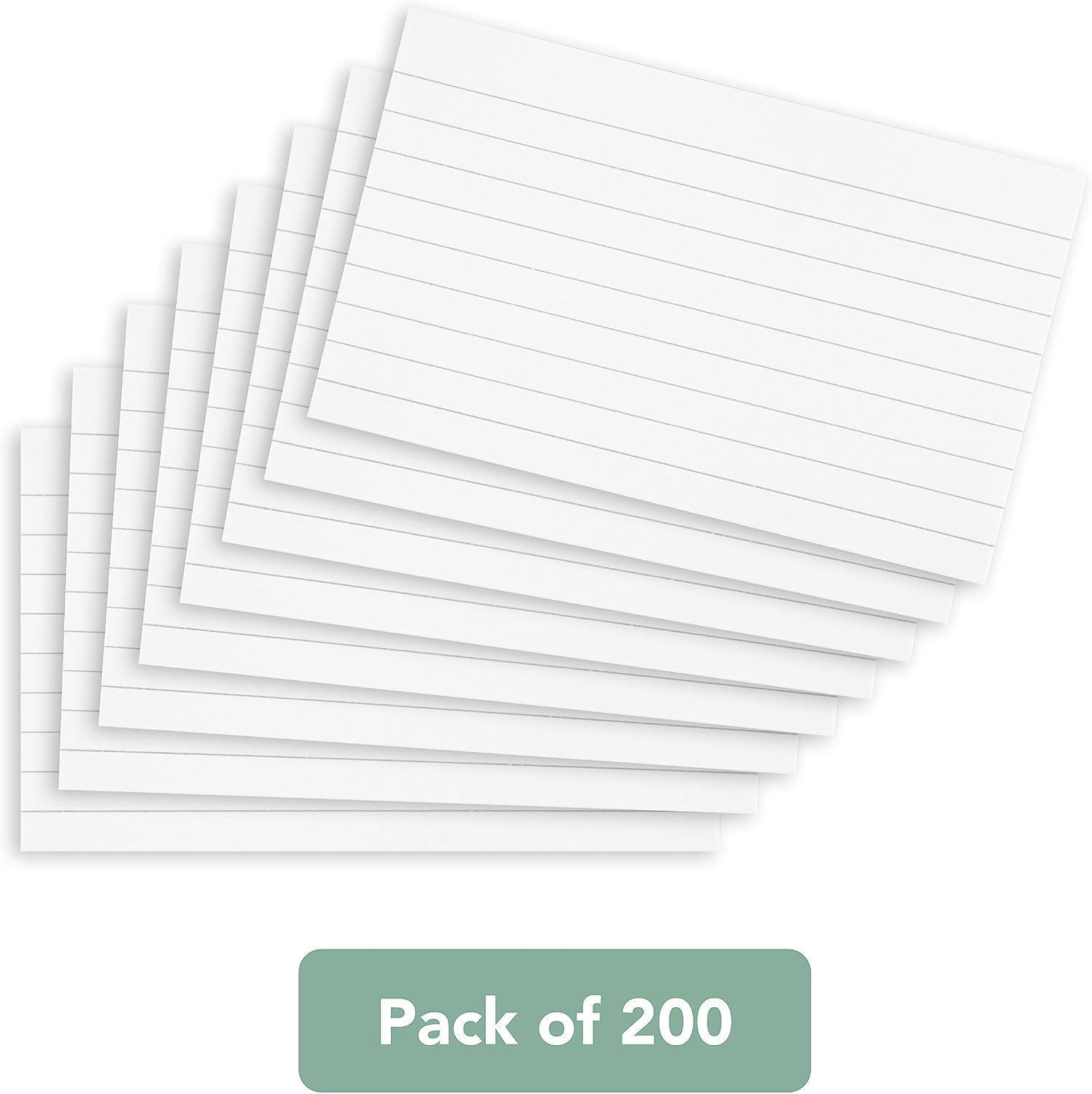
Also, the 200-pack format is a practical choice if you’re working through multiple units or building a decent-sized deck. You’re less likely to run out after a first round of notes.
Where it may fall short
This isn’t a specialised “self-marking” system or anything that automates revision. You’re supplying the content, which is fine if you enjoy that active learning step—but it can feel like extra work if you were hoping for something closer to pre-made study materials.
And because the description specifies one side is coated and the other side is blank, it may not suit everyone if you specifically want both sides to behave the same for your handwriting and pen choice. If you’re particular about how ink looks on coated stock, it’s worth bearing that in mind.
Who it’s for (and who should skip it)
It suits you if you want basic, workable flash cards for exam revision, and you’re after a bulk pack that’s easy to write on and handle. It also fits the “organise notes with an index-card approach” crowd—people who like making sets, grouping by topic, and reordering as they improve.
It may not be the best match if you need a higher-end study system with prompts already printed, or if you don’t want to create content yourself. And if your process relies on writing and drawing heavily on both sides with specific pen behaviour, the one-sided coated design could be a mild compromise.
What to check before buying
Before you commit, it’s worth checking a couple of practical points for your use:
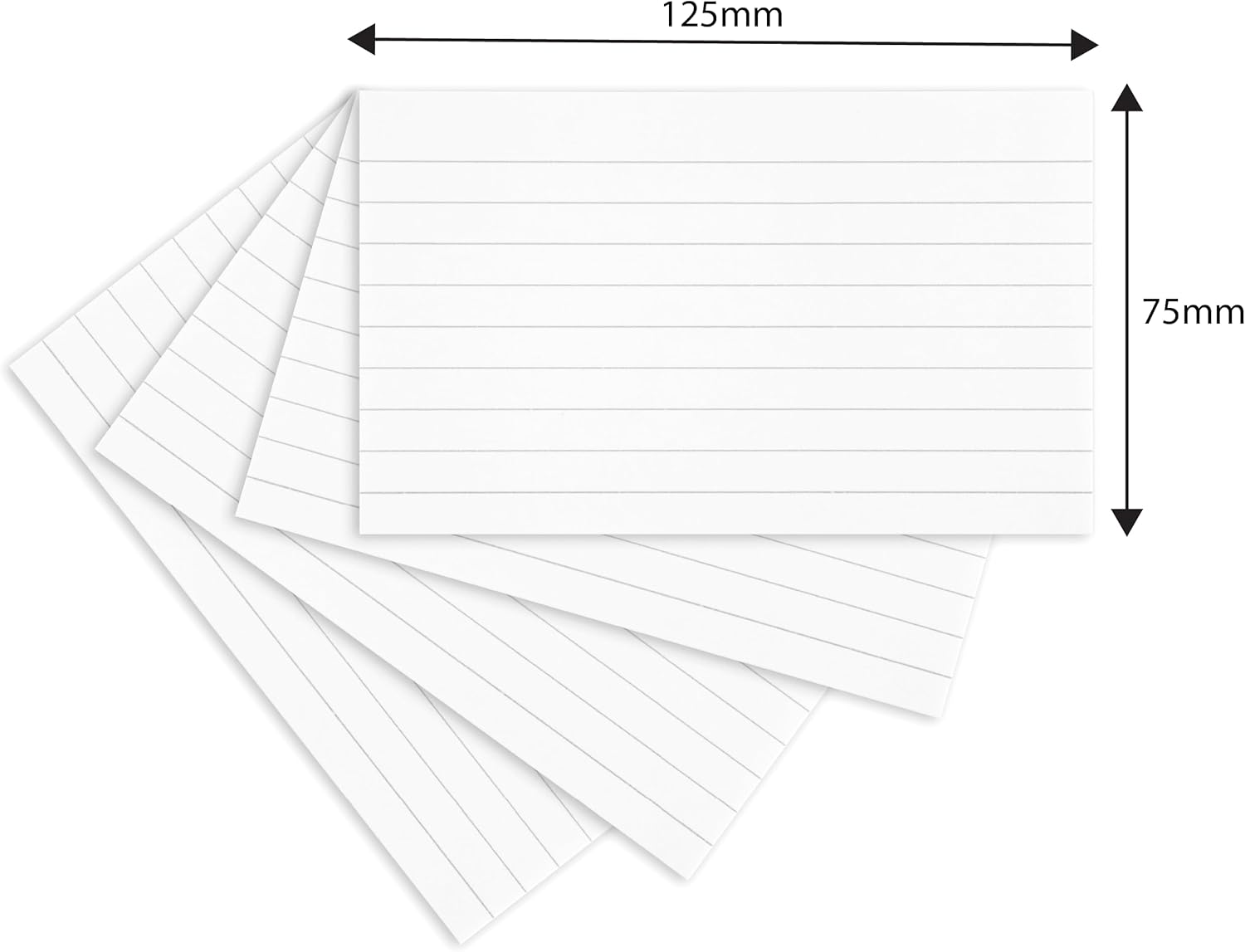
- Do you want a 125 x 75 mm flash card size, or would a different dimension suit your study routine better?
- Are you happy with the “coated on one side, blank on the other” setup for your handwriting and typical pens?
- Do you realistically need a 200 pack, or would a smaller quantity be enough to start?
If those align, this is likely to be a straightforward, value-for-time choice.
Quick overview of use cases
These cards are positioned for revision and exam prep, but the format translates well to other paper systems too. For instance, you could use them as quick topic prompts in a ring or index-card holder setup, or as a simple way to track definitions, dates, or key points by topic.
Is it worth it?
Buying it makes sense if you want a bulk deck of physical flash cards in a consistent index-card size for exam revision, and you value sturdier 180 g/m² cardboard that can handle regular flipping and stacking.
You may want to skip it if you expected pre-printed content, an all-in-one revision kit, or if you need the same writing surface on both sides for your specific pen/ink preferences.
If you’re building your own revision material and like the flexibility of shuffling and regrouping, this kind of pack is exactly the sort of thing that tends to earn its place in a study routine.