



STEM Toys Age 8–14 Wooden Electronics Kit 6‑in‑1
Product description
Key features
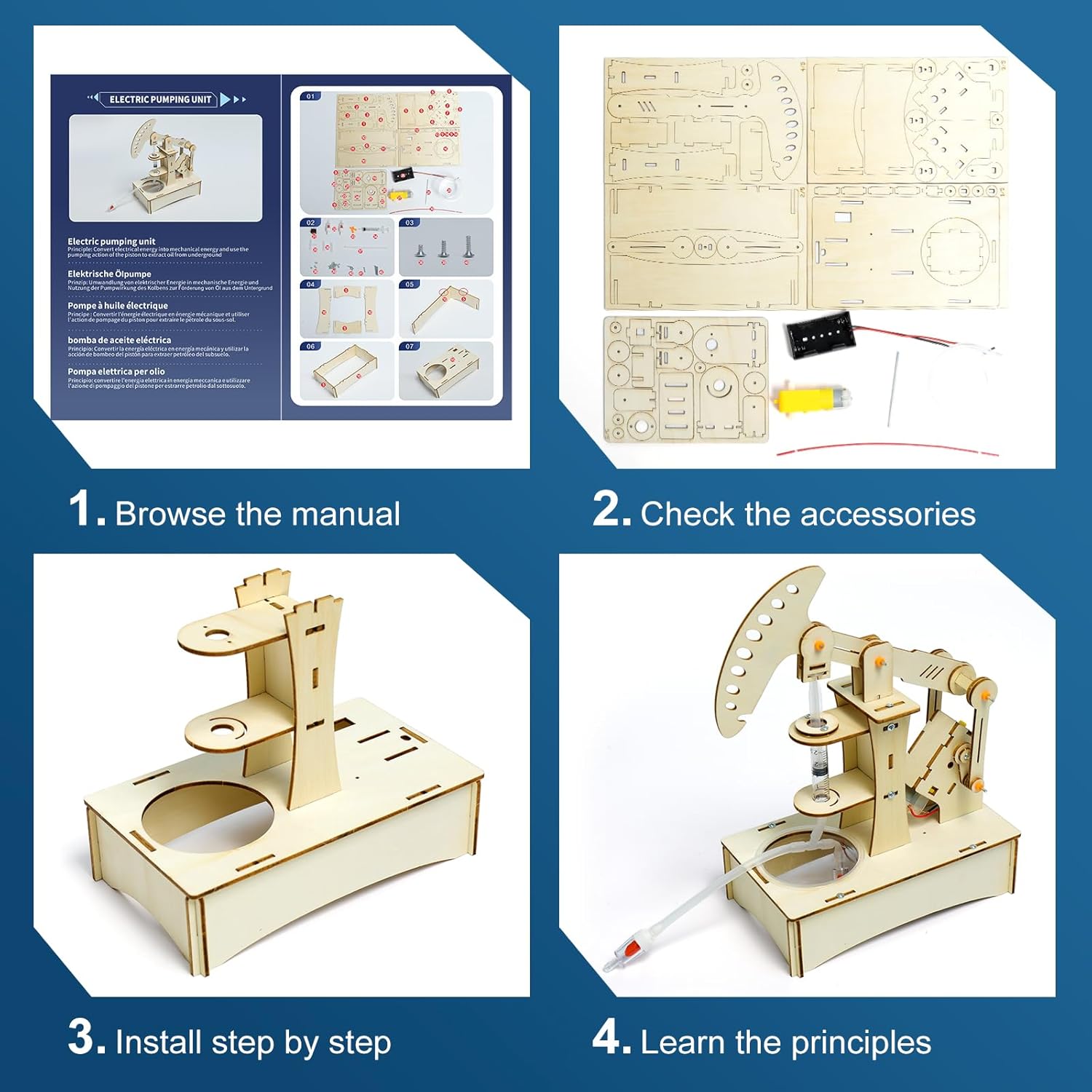
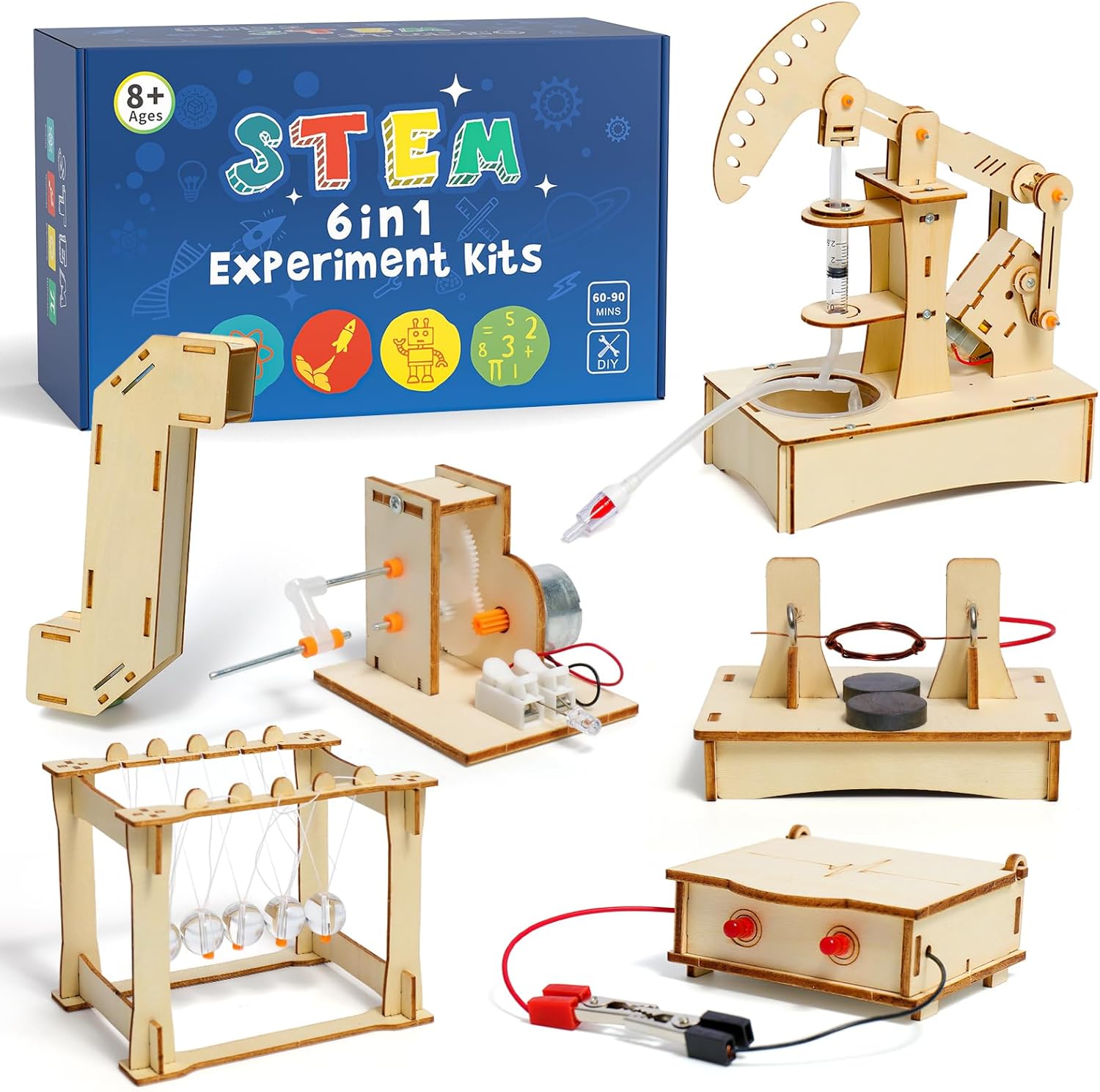
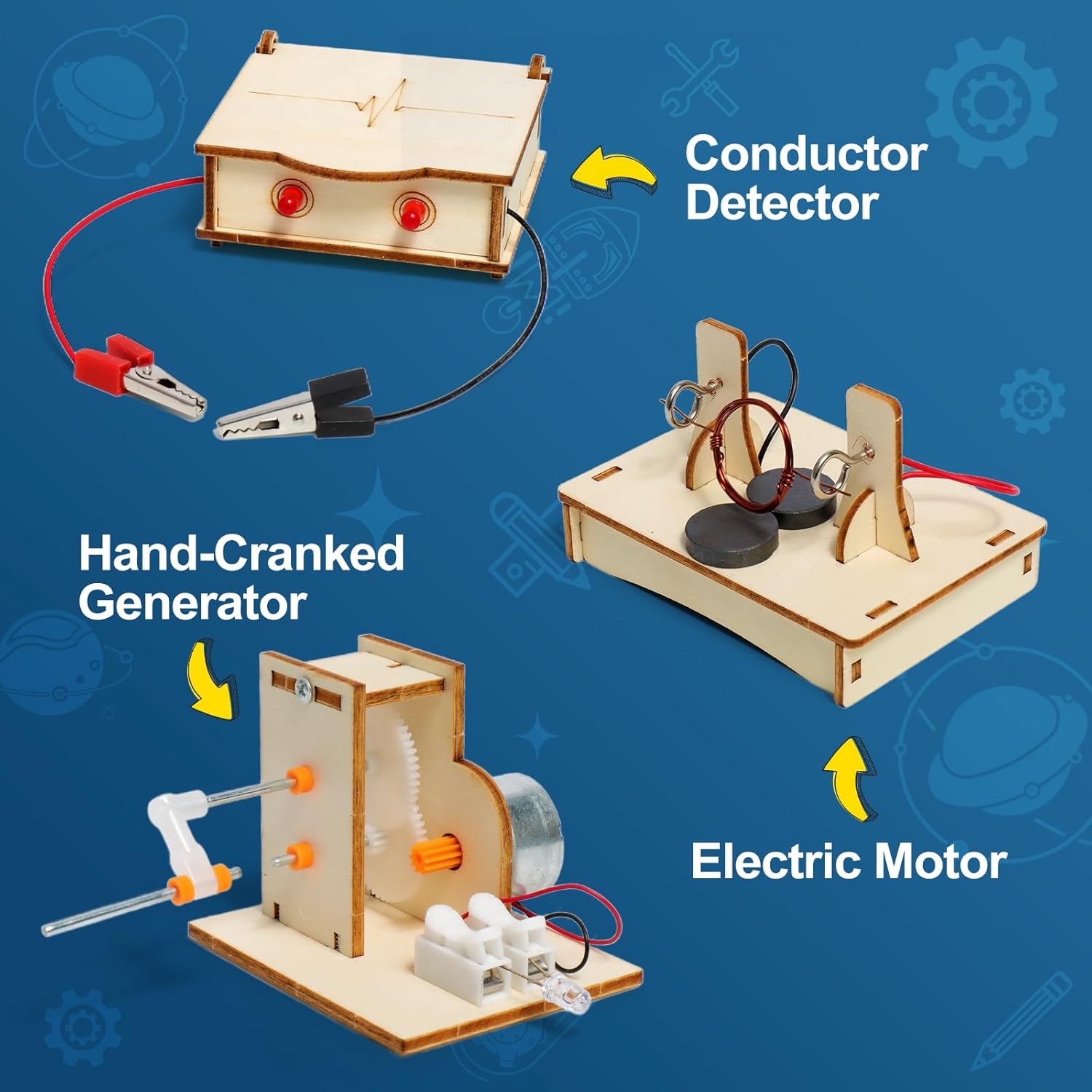
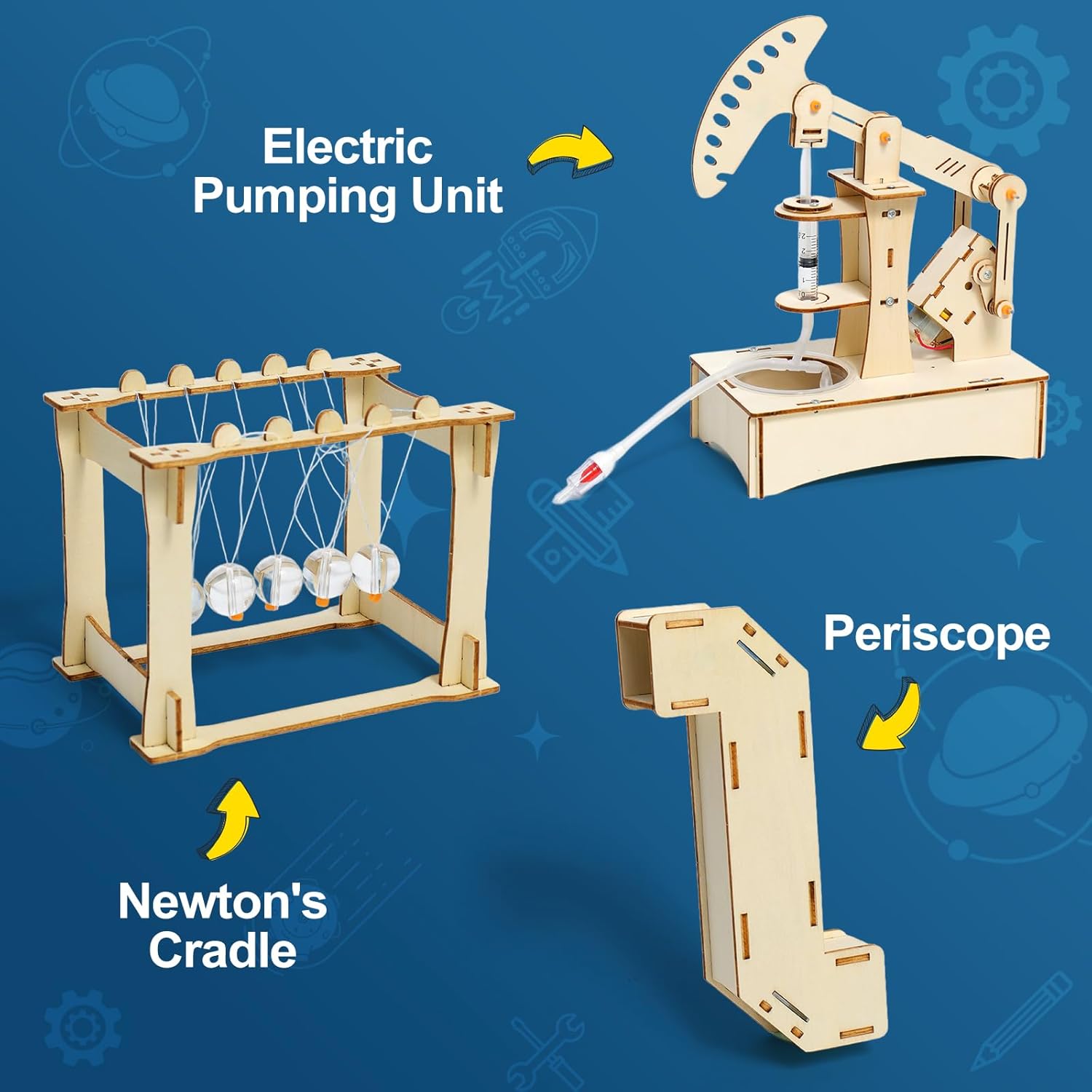
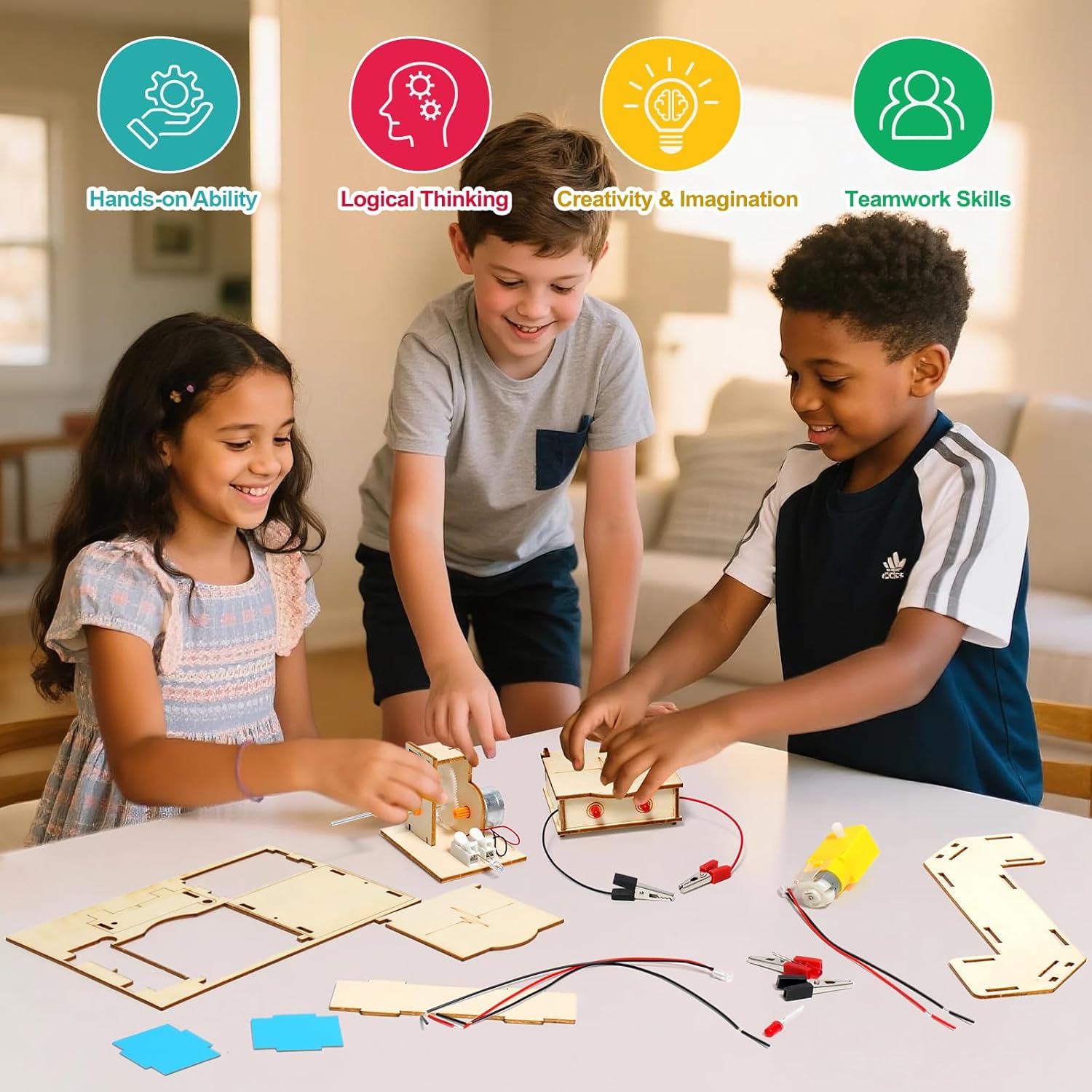
This 6‑in‑1 STEM kit brings hands‑on science to children aged 8 to 14, combining wooden engineering parts with basic electronics and simple mechanisms. It includes an electric oil pump, conductor detector, motor, periscope, Newton cradle and a hand‑cranked generator, so kids see principles of physics and circuitry in action while they build. The pack aims to make learning playful and tangible, and it suits both solo projects and shared family activity.
Technical details
- Name: STEM Toys Age 8 9 10 11 12 13 14
- Type: Science experiments kit
- Format: 6‑in‑1 activity set
- Material: Wood and electronics components
- Age: 8–14
What stands out
The kit is split into individually packaged activities, which keeps parts organised and reduces friction when switching between models. Children gain manual dexterity and a clearer sense of cause and effect, and the mix of mechanical and electrical elements exposes them to several STEM topics without overwhelming detail. Bear in mind that some patience is useful when following small assembly steps, especially for younger builders.
How to use it
Start with the simpler builds, for example the Newton cradle or periscope, before moving on to components that require wiring or the motor. Parents can sit with children and act as a guide rather than taking over. It’s a good chance to ask questions and prompt hypotheses about how each module works. It makes sense if you want a kit that doubles as both a learning tool and a group activity.
Family projects often work best in short sessions, so split assembly into stages and test each module as you go. You’ll like it if you value practical learning, time together and a toy that encourages further exploration of science and engineering.