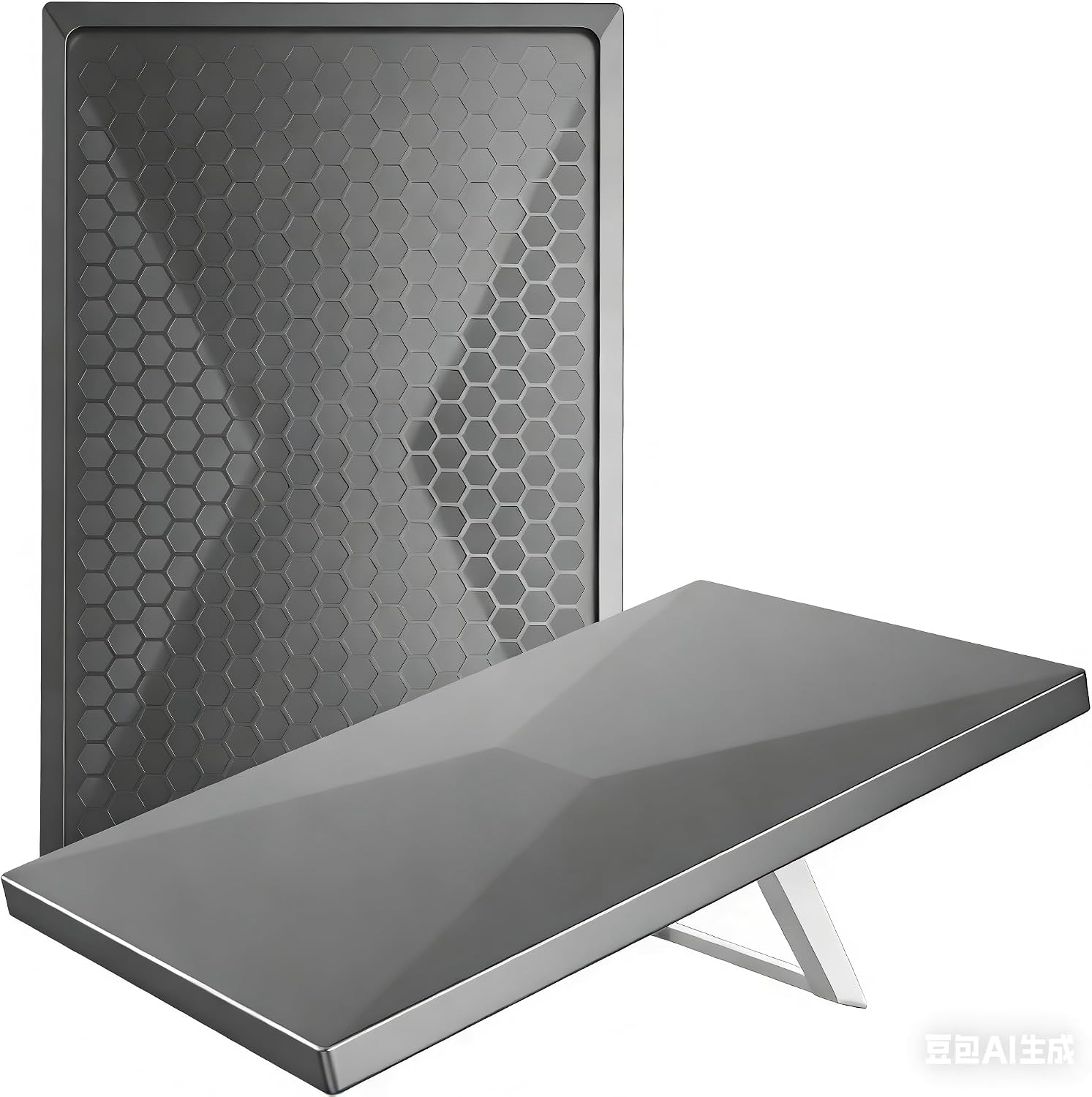
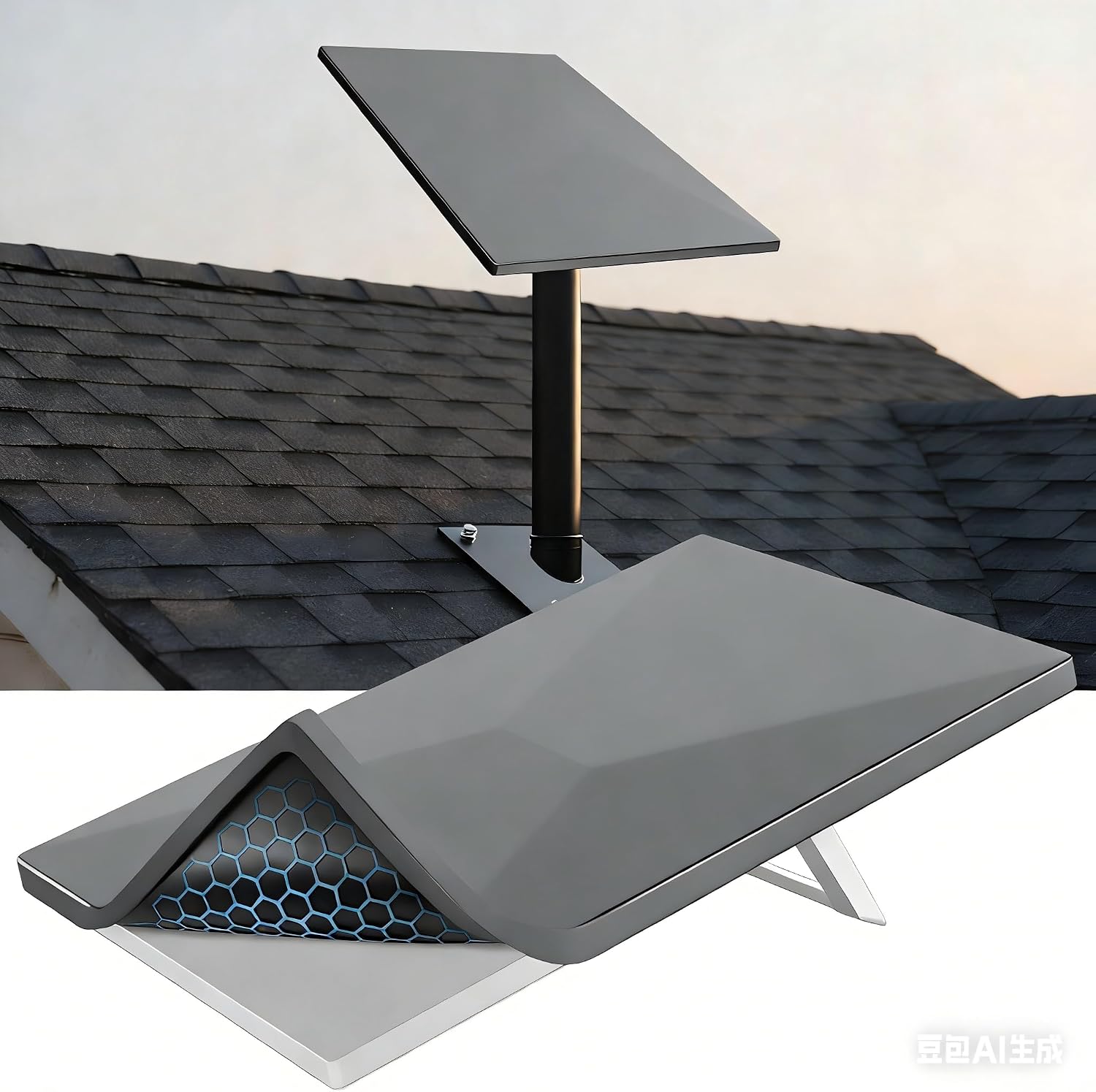
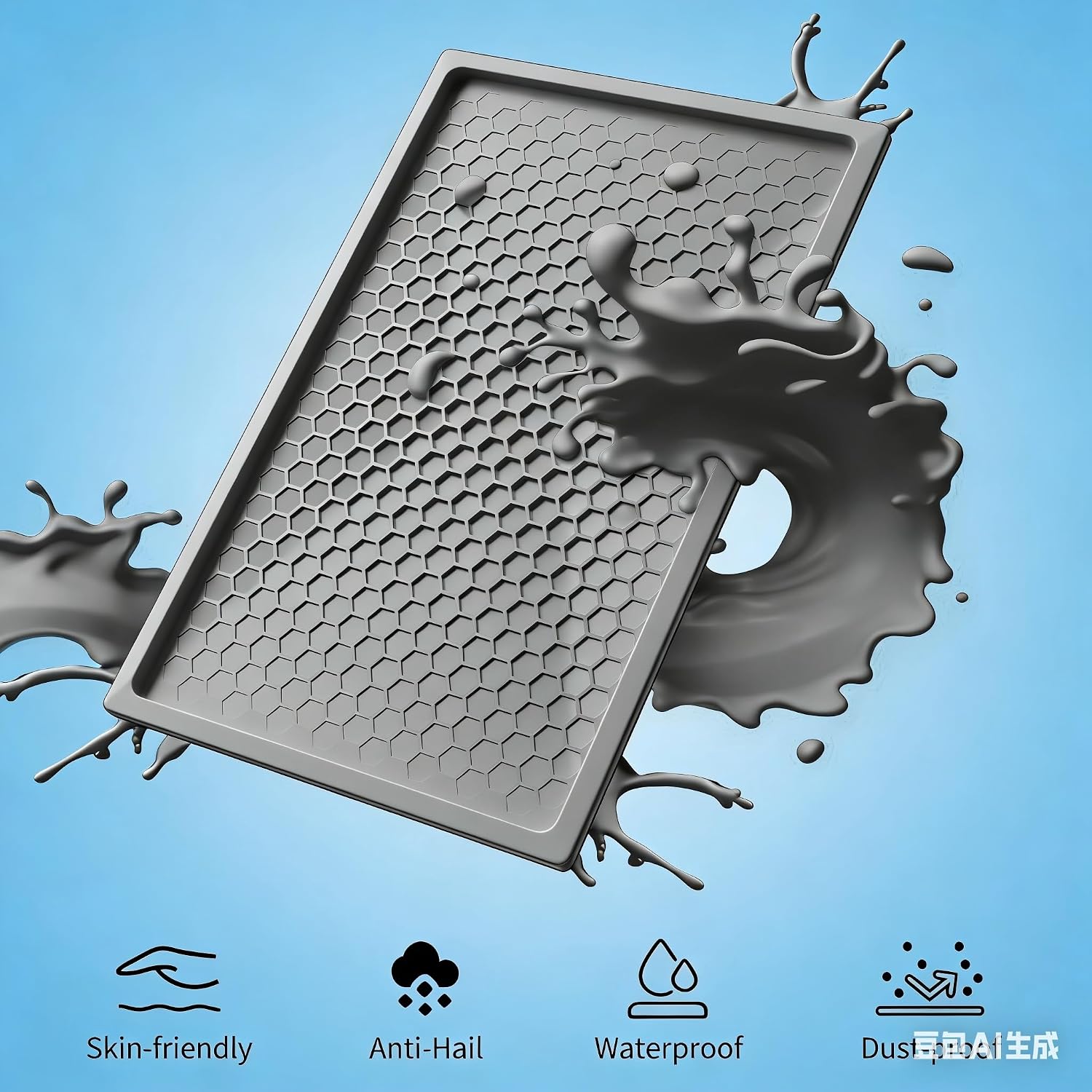
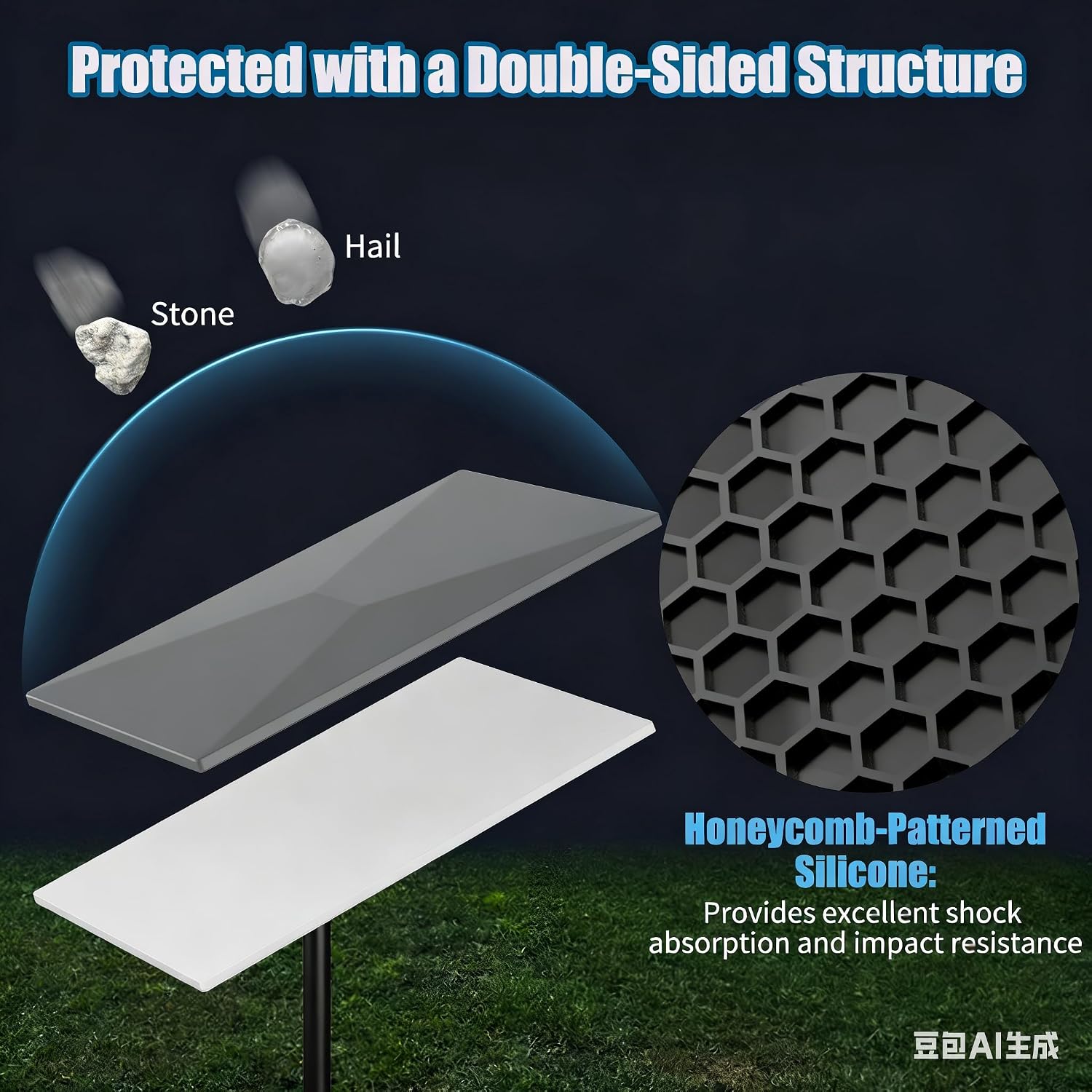
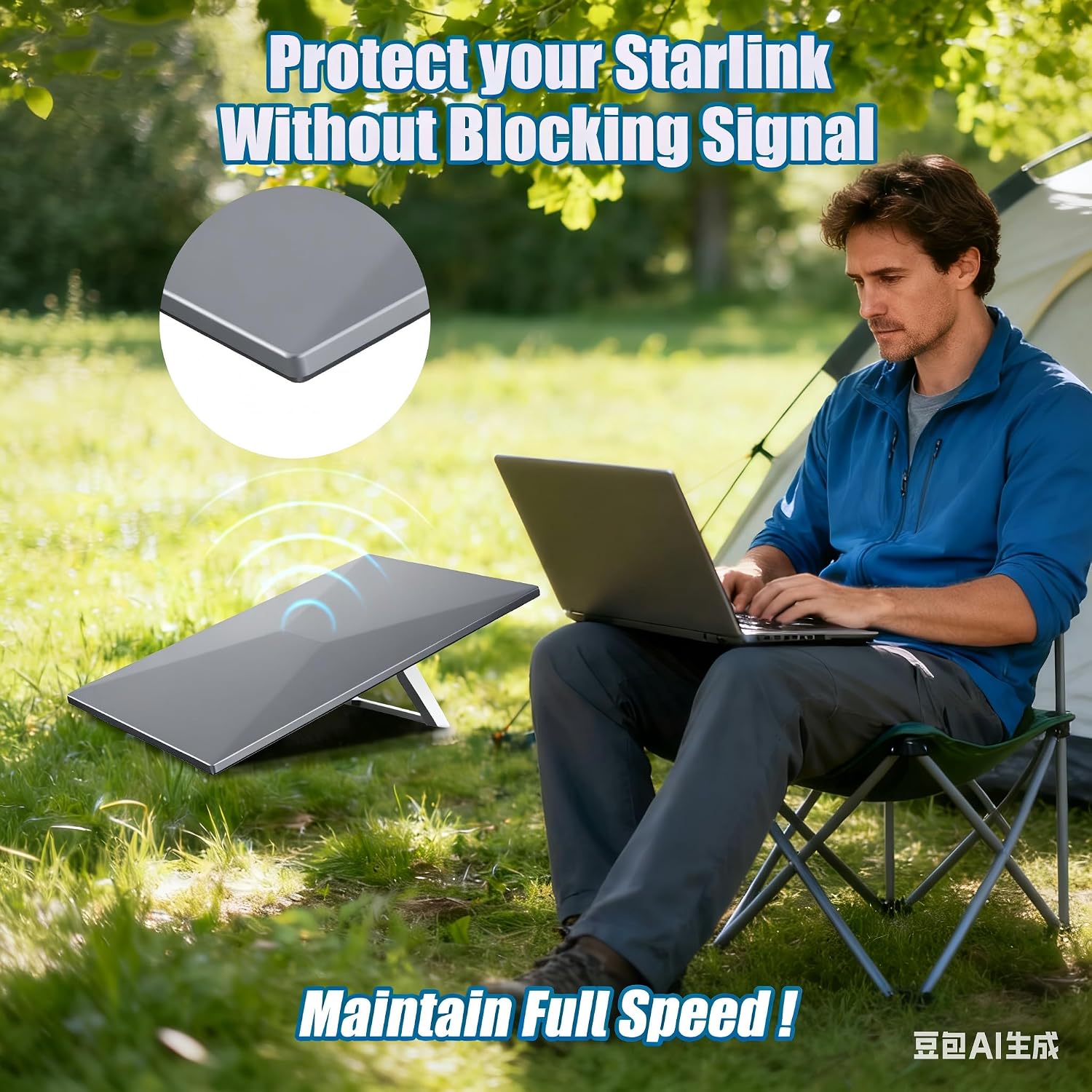
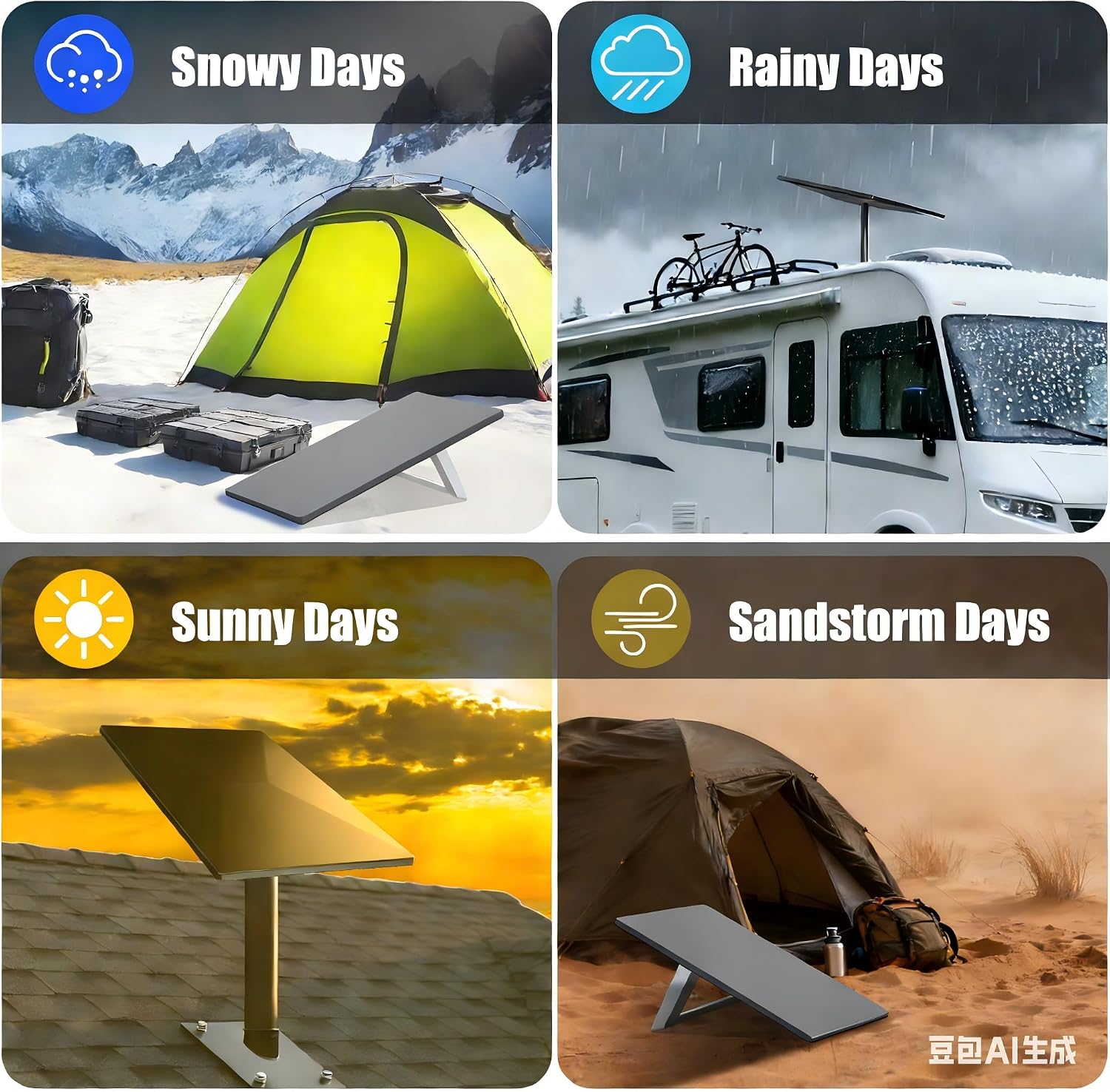
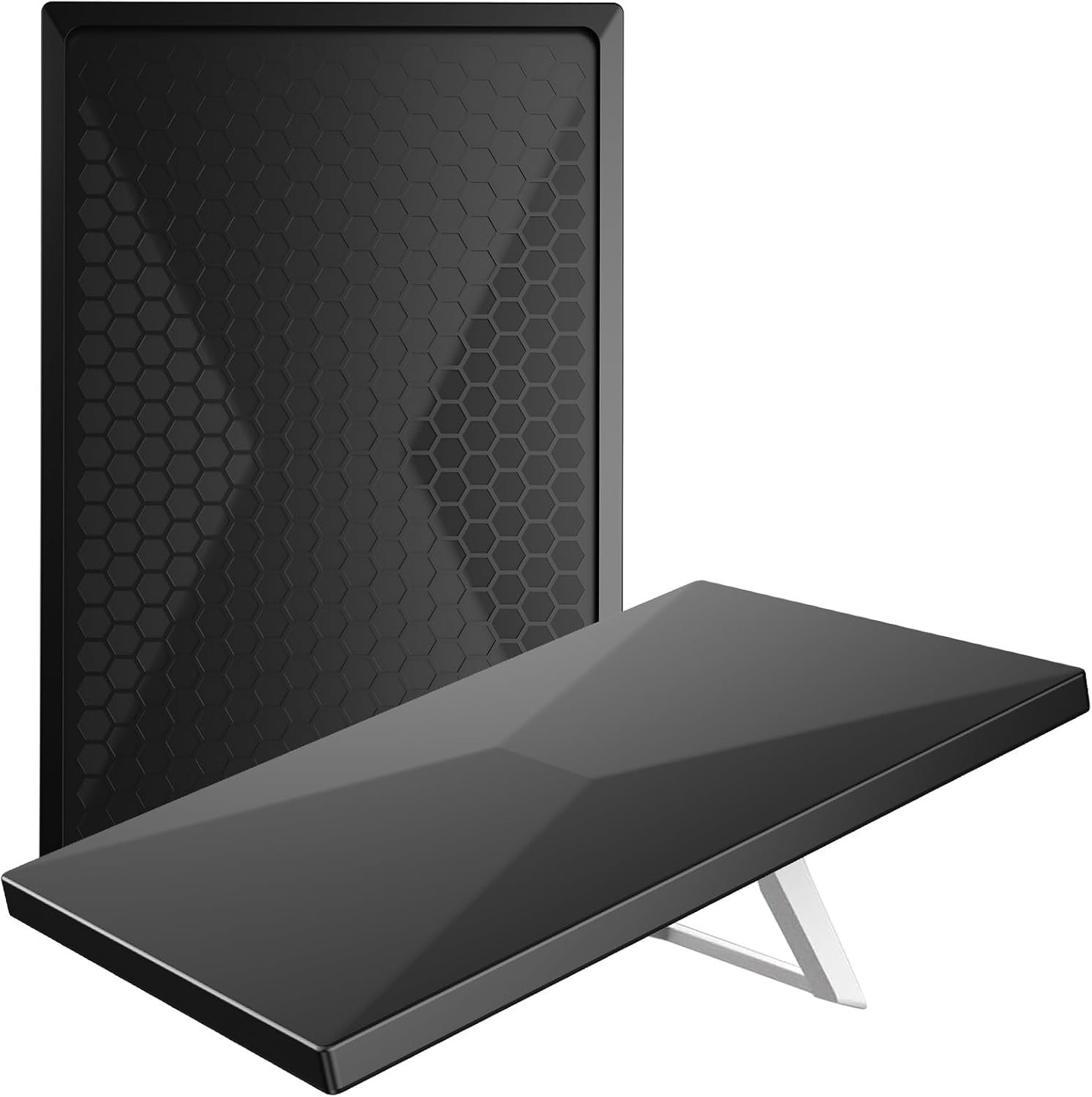
What this protectively covers and why it matters\nStarlink Gen 3 Protective Cover is a liquid silicone case designed to shield the Starlink Gen 3 antenna from the elements and everyday wear. On paper, it mirrors the logic of a phone case: add a protective layer to reduce risk from rocks, sand, dust and hail, while preserving the device’s performance in outdoor settings. The material is non-conductive silicone, which helps keep radio frequencies passing through without obstruction. A notable feature is the honeycomb back design, which aims to promote airflow and assist in heat dissipation so the unit doesn’t overheat during long outdoor sessions.\n\n## How it behaves in real-world use\nIf you’re setting up on an RV, a rooftop, or a remote campsite, this cover offers a degree of protection without introducing unnecessary bulk. The silicone is described as easy to clean, with resistance to rain, sun and dirt—helpful when you’re packing up after a rough-weather spell. Installation is pitched as quick and straightforward, and the fit is described as precise with no exposed corners. In practice, this means you can expect smoother maintenance and less fuss when you’re on the move.\n\n## What stands out day to day\nThe material choice matters: non-conductive silicone is less likely to interfere with signals, which is a practical concern for Starlink’s connectivity. The case’s crush resistance and water resistance provide reassurance in less-than-ideal outdoor environments, where exposure to grit and damp can otherwise degrade performance or appearance. The honeycomb heat-dissipation idea is a thoughtful touch for a device that can heat up during use in direct sun or extended sessions outdoors.\n\n## Limitations and caveats\nIt’s important to note that the description focuses on protection and signal compatibility rather than increasing throughput or external aesthetics. The fit and protection are best treated as a pragmatic layer rather than a guarantee against all impact. If you need maximum ruggedisation for extreme terrain or severe, constant exposure to harsh conditions, you may want to assess whether this cover meets your specific risk profile. Also, the information provided doesn’t quantify rubberiness, exact thickness, or weight—so you won’t get hard numbers to compare against other options.\n\n## Who this is for\nThis protective cover seems aimed at Starlink Gen 3 users who value a practical shield against rocks, sand and weather while keeping the antenna’s signal path clear. It may suit outdoor travellers, van-dwellers, and rooftop installations where occasional exposure to the elements is part of the setup. If your priority is a slim profile with straightforward maintenance, this option aligns with that approach.\n\n## Who it isn’t for\nIf you’re after a heavy-duty assault-on-nature case with extreme impact ratings or if you require certified ruggedisation for highly demanding environments, this model is unlikely to be the definitive choice. It’s also not a guaranteed solver for every heat issue—while heat dissipation aids are described, you can’t assume it will solve all temperature-related concerns in all climates.\n\n## Before you buy: what to check\n- Confirm the precise fit for Starlink Gen 3 and any year-specific refinements.\n- Consider how exposed your installation is to rocks, sand, hail or heavy rain, and weigh whether a silicone cover offers the protection you need.\n- Review cleaning practicality and how the case might affect mounting or alignments.\n\n## How it compares to other approaches\nCompared with a bare antenna or a rigid shell, this silicone cover prioritises signal-pass-through, ease of cleaning and everyday practicality. If you value lower bulk and lightweight protection that’s quick to install, this option makes sense. If you require the strongest possible physical shield or a design certified for extreme environments, you may want to explore more robust alternatives.\n\n## Usage snapshot: a practical scenario\nImagine you’re parked at a remote site after a showering rain. You’ll appreciate the quick wipe-down, the case’s weather resilience, and the fact that the back honeycomb design stays airy when the antenna is in use. It’s a small but meaningful detail that helps you keep the system from overheating during long sessions.\n\n## What you’ll notice in use\nYou’ll likely appreciate the ease of maintenance, the non‑conductive nature of the silicone that helps keep signals clean, and the basic protection against everyday debris. The downside is that, while protective, it’s not a guarantee against all severe impacts or extreme scenarios.\n\n## Tech quick look (brief)\nVery light, silicone-based shell with a honeycomb back, focused on signal integrity and heat management. Precise cutouts and a snug fit are emphasised for a no-exposed-corners design.\n\n## Is it worth it?\nIt’s a solid pick if you prioritise practical outdoor protection without adding significant bulk and you want to keep Starlink Gen 3’s performance when installed in varied environments. You may want to skip it if you expect the hardest possible ruggedisation or if you need quantified performance guarantees beyond what the description provides.