

Soundcore AeroClip by Anker open-ear clip-on earbuds with 4-mic AI calls and adaptive comfort
Reviews
Price
Product description
What they are and why people buy them
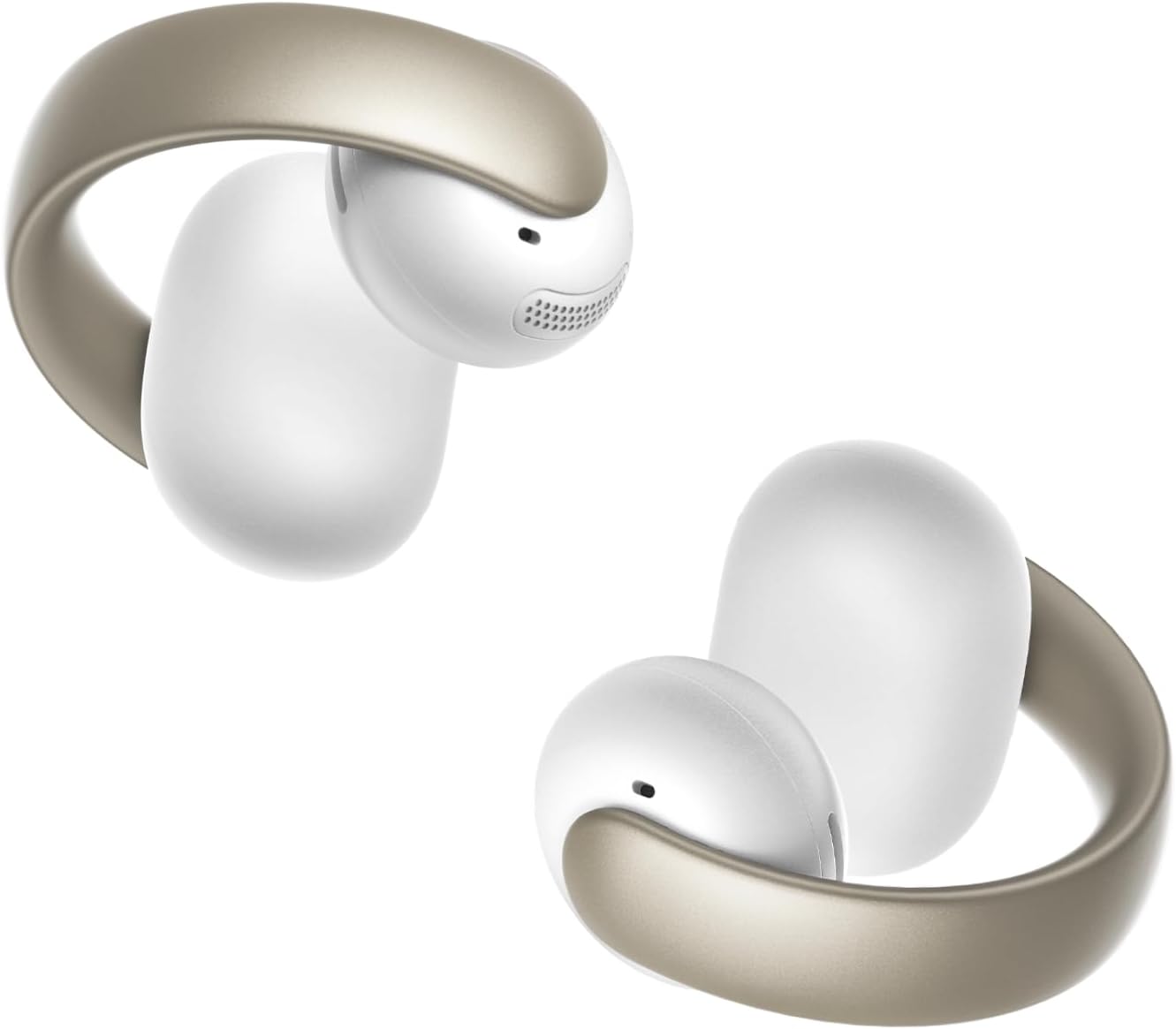
Soundcore’s AeroClip by Anker are open-ear, clip-on style earbuds. The big idea is simple: you get music and calls without inserting something deep into your ear canal. On paper, that can mean less of that “in-ear pressure” feeling that some people get after a while.
These are also built around an adjustable open-ring design, so they’re meant to sit comfortably on the ear without feeling like a tight seal. If you often use headphones while walking, commuting, or doing everyday tasks, open-ear designs like this can be easier to live with because you’re still aware of your surroundings.
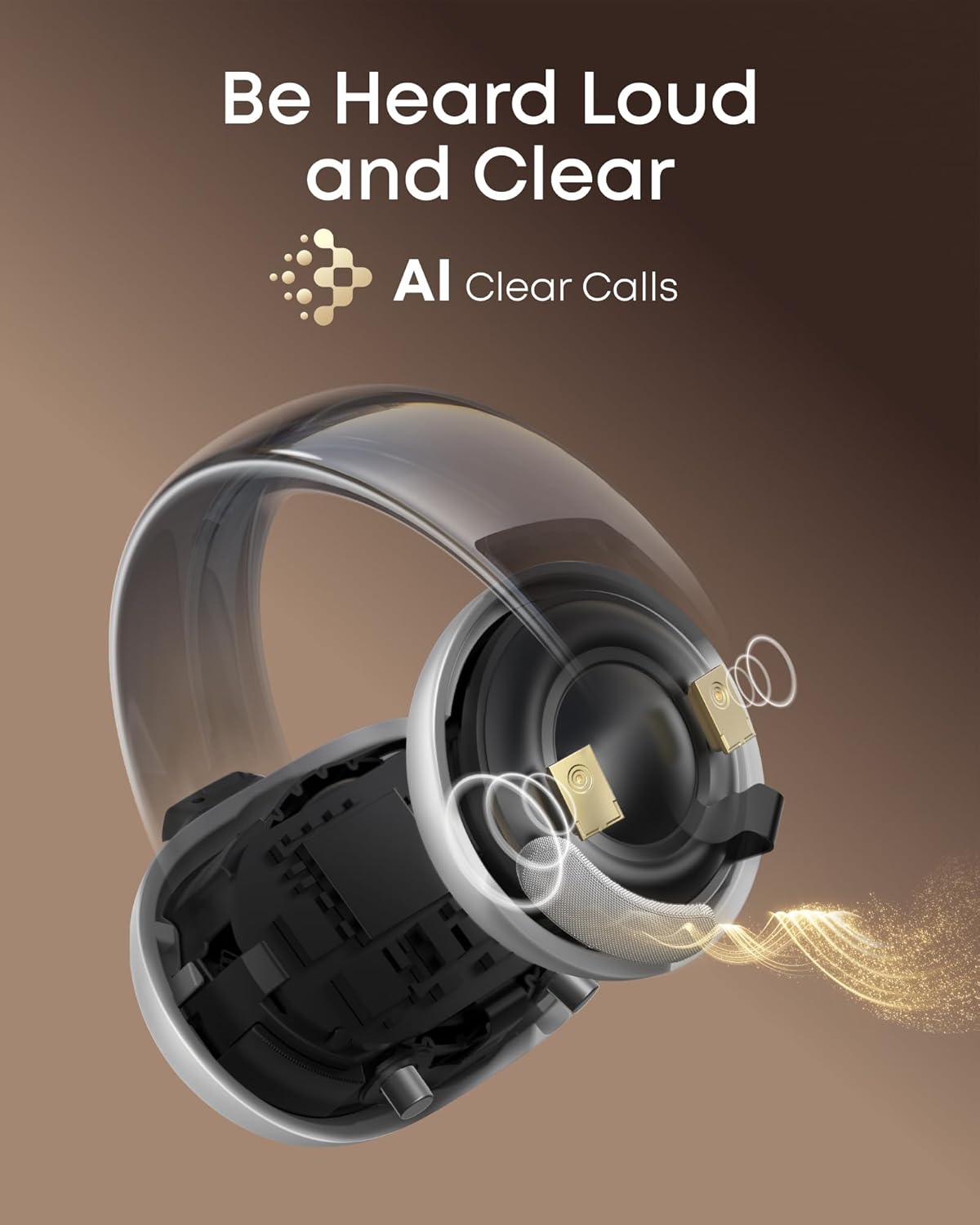
There’s another clear reason to look at the AeroClip: calls. The package here is AI-powered clear calls, using 4 microphones with beamforming, plus wind-blocking mesh and “advanced AI”. If you make calls outside regularly, it’s the sort of feature set that’s meant to keep your voice clearer when background noise is unavoidable.
The essentials at a glance (comfort, fit, and sound)
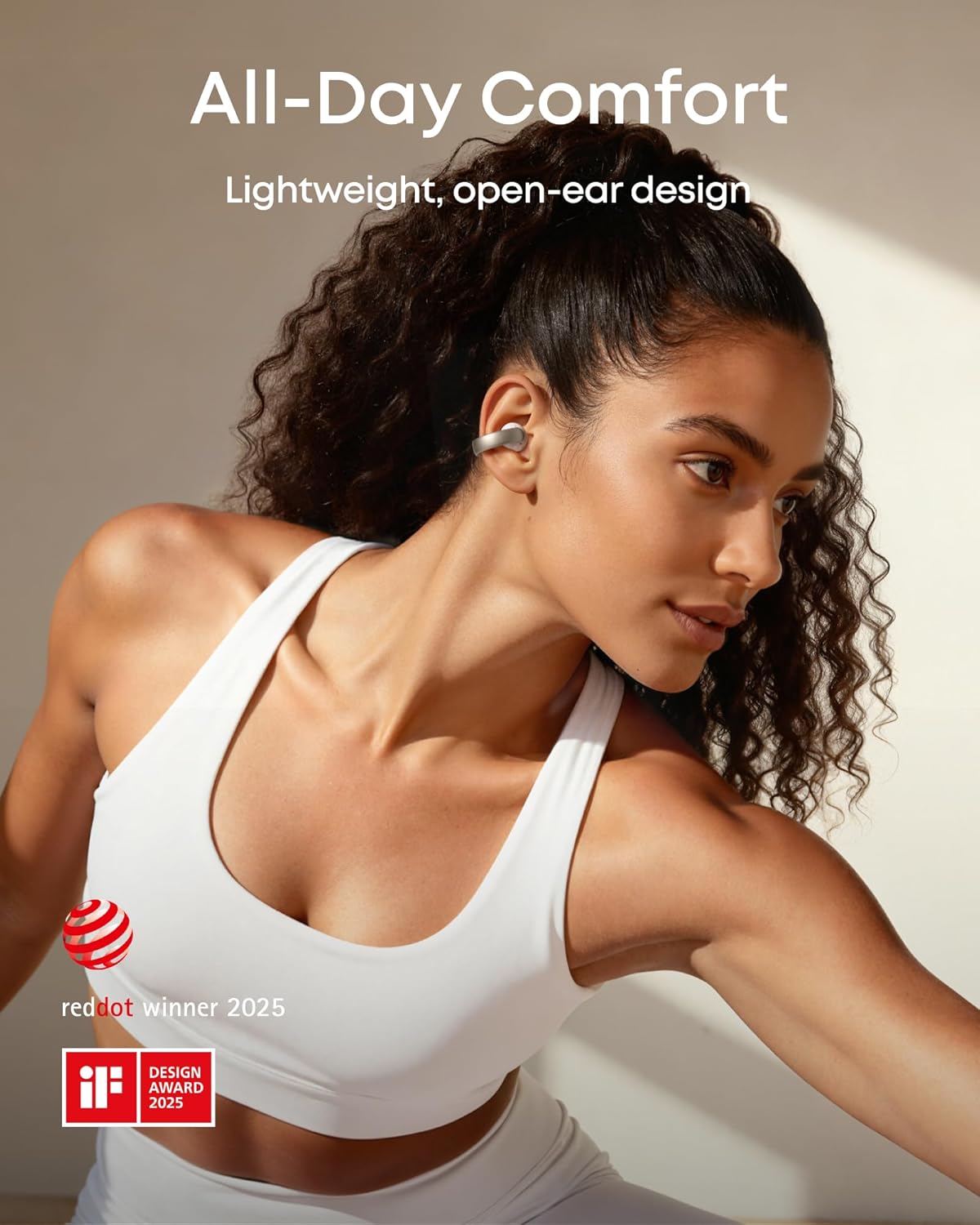
Comfort is the headline. The AeroClip is described as “adaptive comfort”, aiming to relieve discomfort associated with in-ear buds. The design is open-ring and flexible, and soundcore states it can handle 20,000 curves—suggesting the ring is designed to be shaped and re-shaped to suit your ears over time. Even without testing them, that kind of adjustability matters, because open-ear fit is usually more about placement than forming a seal.
For day-to-day wear, the lightweight approach is part of the pitch too, and the design is positioned as secure all day. That matters if you’ve had clip-on or open-ear products that slip during movement.
On audio, soundcore claims hi-res audio and “rich bass”, supported by virtual bass technology and a 12 mm driver with a titanium-coated covering. The tone of the description points toward stronger low-end than you’d expect from very minimal open-ear setups, but it’s still worth keeping expectations realistic: open-ear sound can’t fully replace a sealed in-ear experience for deep bass impact.
Calls that aim to cut through the noise
The AeroClip’s call system is where it feels most purpose-built. You get 4 mics with beamforming, wind-blocking mesh, and advanced AI. In real life terms, that’s aimed at keeping speech intelligible on busy streets, at bus stops, or when you’re walking and talking.
A small limitation to keep in mind: “even in the busiest street” is a marketing promise, so results will still depend on how loud the environment is and how the earbuds sit on your ears. Open-ear designs also mean you’re not blocking external sound the way a sealed in-ear set would, so the microphones and AI are doing a lot of the heavy lifting.
What stands out in everyday use

You’ll probably notice these points first:
- Open-ear wearing is more about long sessions. If you dislike the pressure of in-ear buds, the AeroClip’s comfort-first approach could be a better match for hours of music or calls.
- The clip-on/open-ring format is convenient for quick grab-and-go. You’re not dealing with tips, and you can adjust fit by changing the ring’s placement.
- Call clarity features feel targeted. If you’re the sort of person who takes calls while out and about, the 4-mic + AI angle is the part that makes the product different from “just for music” open-ear options.
A practical way to judge it is to think about your commute routine: loading a playlist before leaving, clipping them on, then taking a call while walking. If that’s how you use headphones most days, this style tends to make more sense than bulkier over-ear or fully sealed earbud formats.
Where it might fall short (and what to check before you buy)

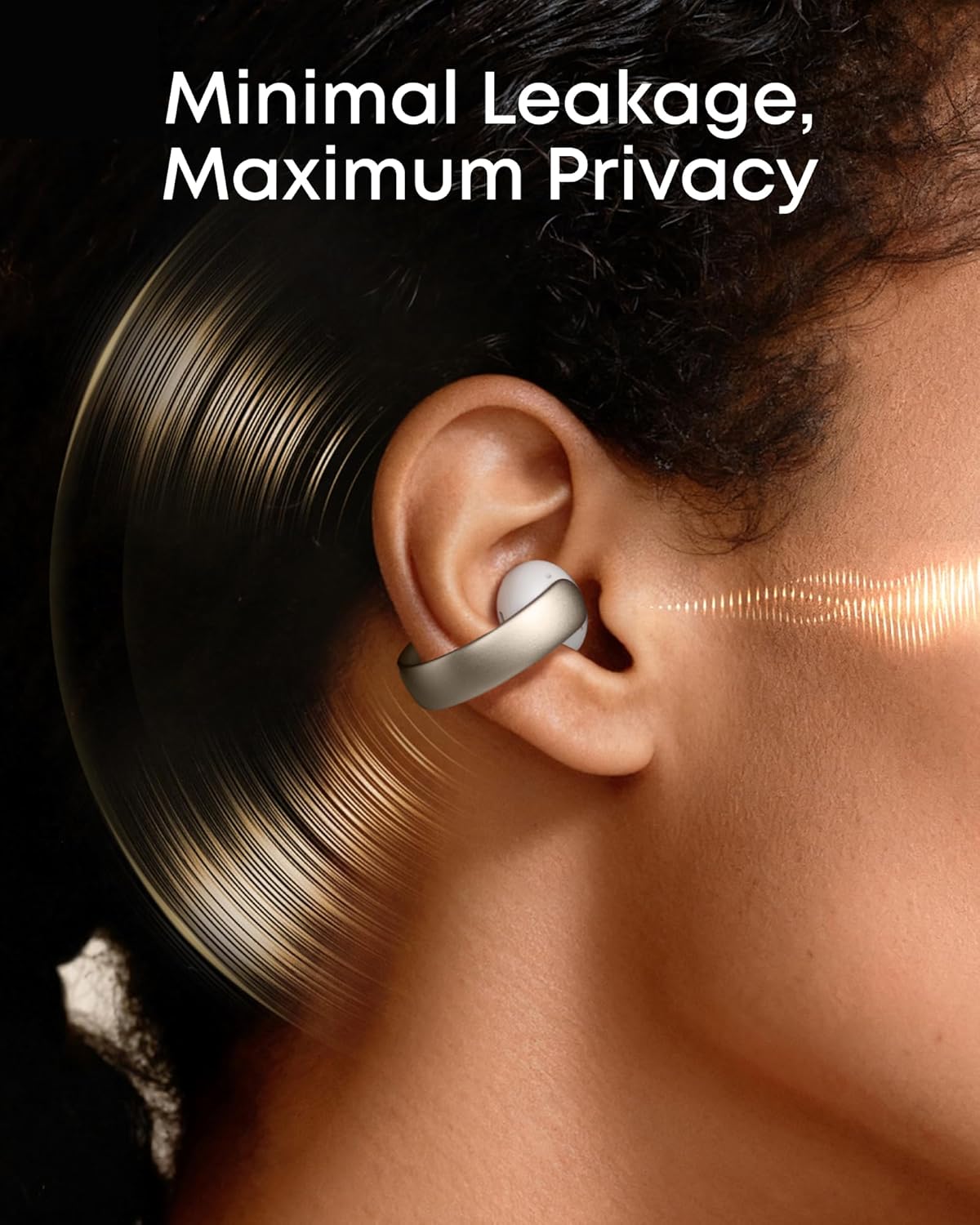
This isn’t perfect for every audio preference. Because these are open-ear earbuds, you may not get the same level of isolation as sealed in-ear models. That can be a plus for awareness, but it can feel limiting if you want to block traffic noise or hear subtle details at low volume.
Also, comfort is subjective. The description talks about adaptive comfort and a secure fit, but it still depends on whether the open-ring shape works with your ear. It’s worth paying attention to fit guidance in any listing details you see, because clip-on earbuds can be very sensitive to placement.
Finally, “hi-res audio” and “powerful bass” are claims you should read as positioning, not a guarantee that it will sound like a fully sealed hi-fi setup. In open-ear categories, bass enhancement is often done through processing, so you may hear the difference most in how the low end is boosted rather than in how physically “thumpy” it feels.
Tech summary

- Driver size: 12 mm
- Audio type: hi-res audio
- Bass approach: virtual bass technology (for richer bass)
- Call system: AI-powered clear calls with 4 microphones and beamforming
- Wind reduction: wind-blocking mesh
- Design: open-ring clip-on / open-ear design
Is it worth it?
It’s a solid pick if you want open-ear earbuds that prioritise comfort and an adjustable, secure fit, while also taking calls outdoors. The combination of 4-mic beamforming plus AI, and the wind-blocking mesh, makes it more compelling than basic open-ear audio-only options.
You may want to skip it if you’re sensitive to open-ear sound leakage, regularly listen in noisy environments where isolation matters, or you specifically need the deep, controlled bass and noise blocking that sealed in-ear designs usually deliver.
Before buying, check the fit and wearing style details from the listing (open-ring placement matters), and think about whether your main use is commuting and walking with awareness, or whether you’re chasing maximum isolation.
Quick FAQs
How do open-ear earbuds feel compared with in-ear models?
They’re designed to reduce the in-ear pressure feeling by avoiding a deep canal seal. On the AeroClip, that’s part of the adaptive comfort positioning.
Are the call features useful outdoors?
They’re built for it on paper: 4-mic beamforming, wind-blocking mesh, and AI are intended to keep calls clearer in busy street conditions.
Do these earbuds block external noise?
Not in the same way a sealed in-ear model would. Open-ear designs are generally about awareness as well as audio.
Is the bass strong for an open-ear design?
Soundcore says you’ll get rich bass via virtual bass technology and a 12 mm driver. It should be stronger than very basic open-ear audio, but deep isolation-style bass isn’t the main goal.