

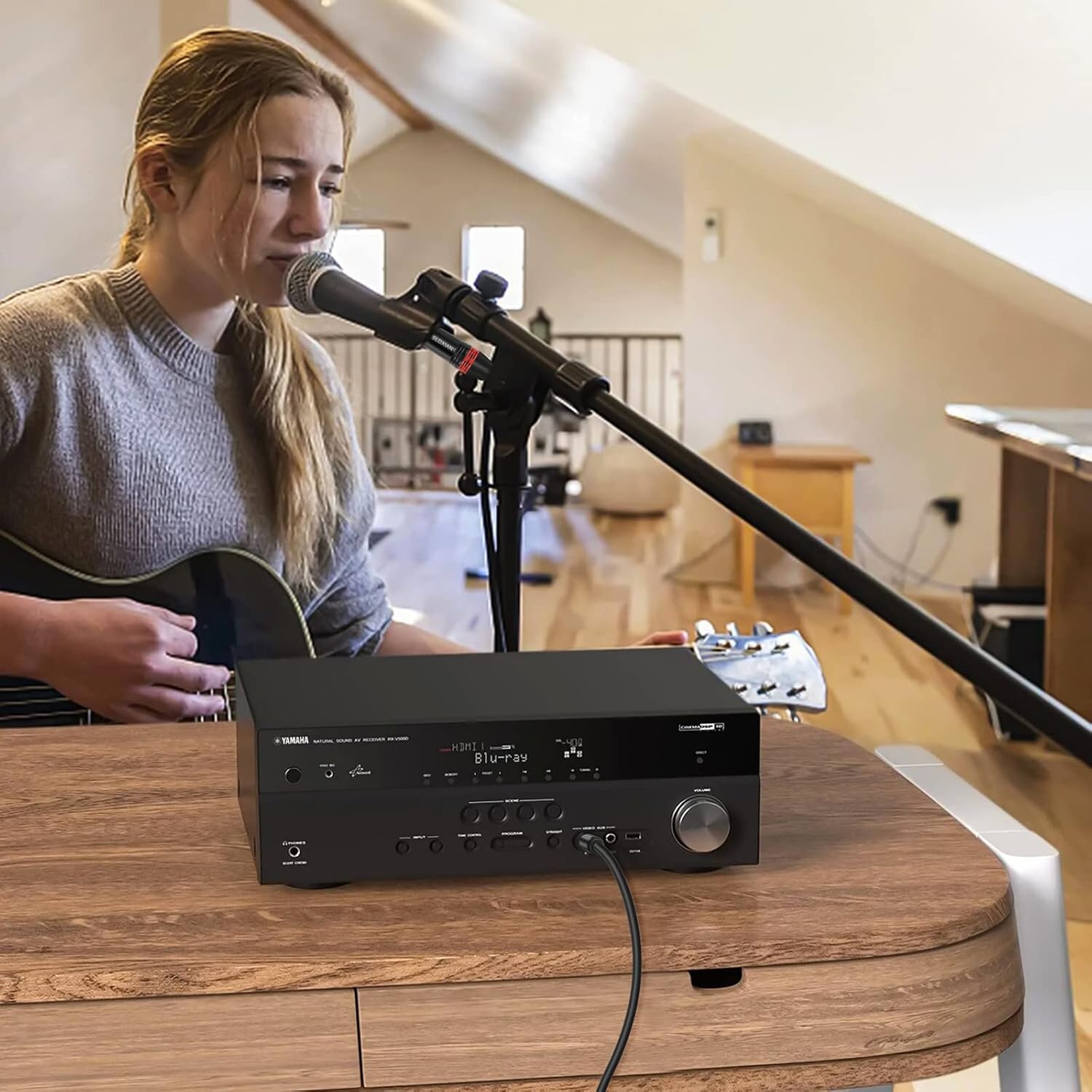
SLDXIAN XLR Female to 1/4 inch (6.35mm) TRS Balanced Cable, 3m – Quarter-inch jack to XLR mic lead
Reviews
Product description
The essentials
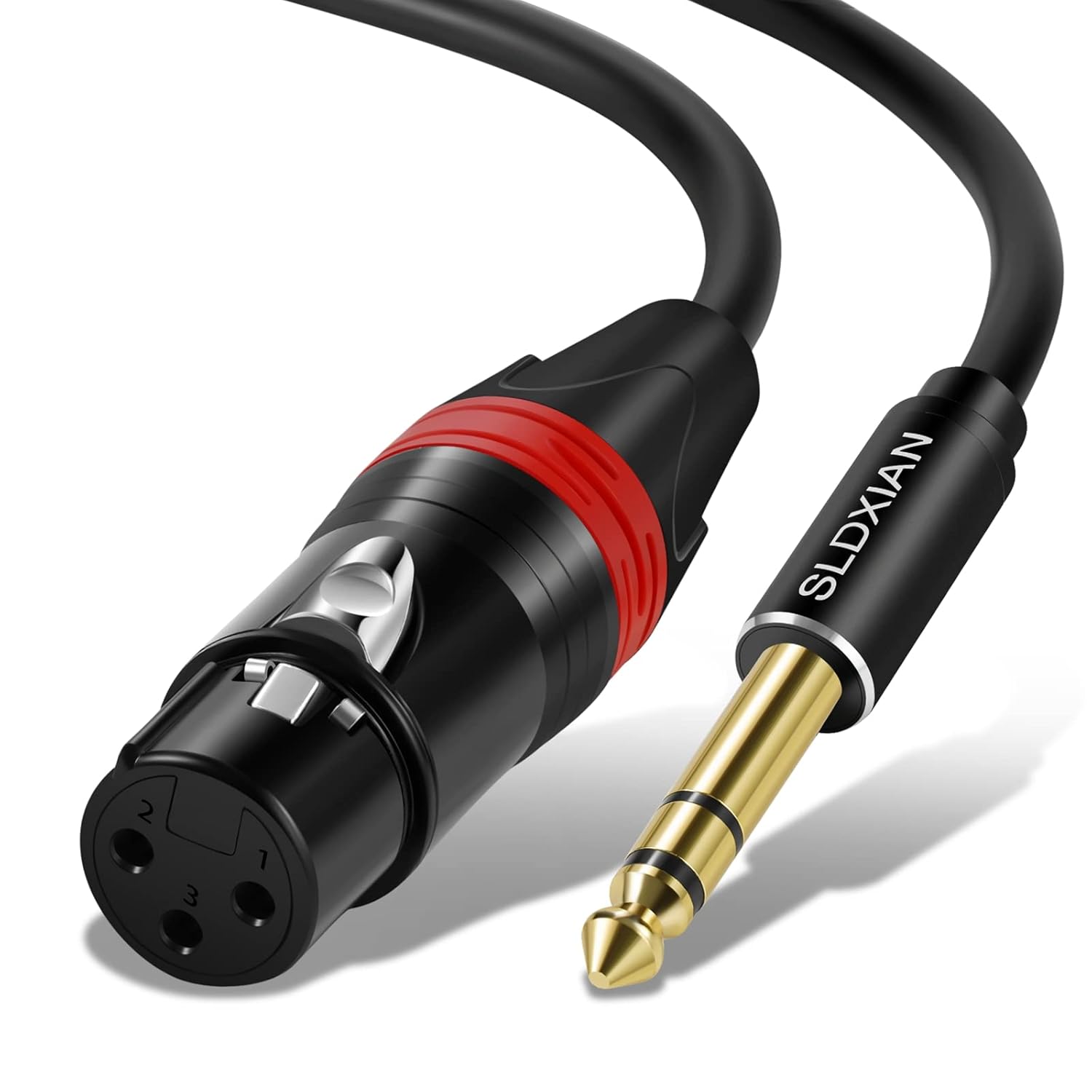
If you’re trying to link different bits of audio kit (for example a guitar or mixer output into an XLR input), an XLR-to-quarter-inch lead can save a lot of faff. This SLDXIAN cable is built as a balanced connection path, using an XLR female end and a 1/4 inch (6.35mm) TRS end.
On paper, it’s aimed at live playing and day-to-day studio routing where you want less signal loss and solid, repeatable connections. The fact it’s described as using corrosion-resistant, gold-plated metal connectors and a tough, flexible PVC jacket makes it fairly sensible for people who plug and unplug often.
That said, cables don’t fix mismatched equipment by magic. The right fit depends on whether your other gear expects balanced TRS versus balanced XLR, and whether the “female XLR” end suits your setup.
What you’ll notice in use
The practical difference with this kind of balanced cable is how it behaves when the route gets longer, or when you’re running signals through a live chain that’s not exactly quiet. The product description focuses on “minimal signal loss” and corrosion-resistant connectors, which is the type of detail you’ll appreciate if you’ve had problems with crackles or intermittent contact from cheaper leads.
There’s also a connection endurance claim: the XLR connector with a locking design is stated to be tested more than 20,000 plug and unplug cycles. That’s not a guarantee that your own use will match the test, but it does suggest the manufacturer expects this lead to be handled regularly.
A small micro-scenario: you’re rehearsing, moving between a mixer and a mic splitter/preamplifier setup. Instead of swapping adapters, you take this lead, connect TRS into the quarter-inch balanced output and lock the XLR into the receiving unit. You’re less likely to spend rehearsal time nudging connectors back into place.
Where it makes sense (and where it doesn’t)
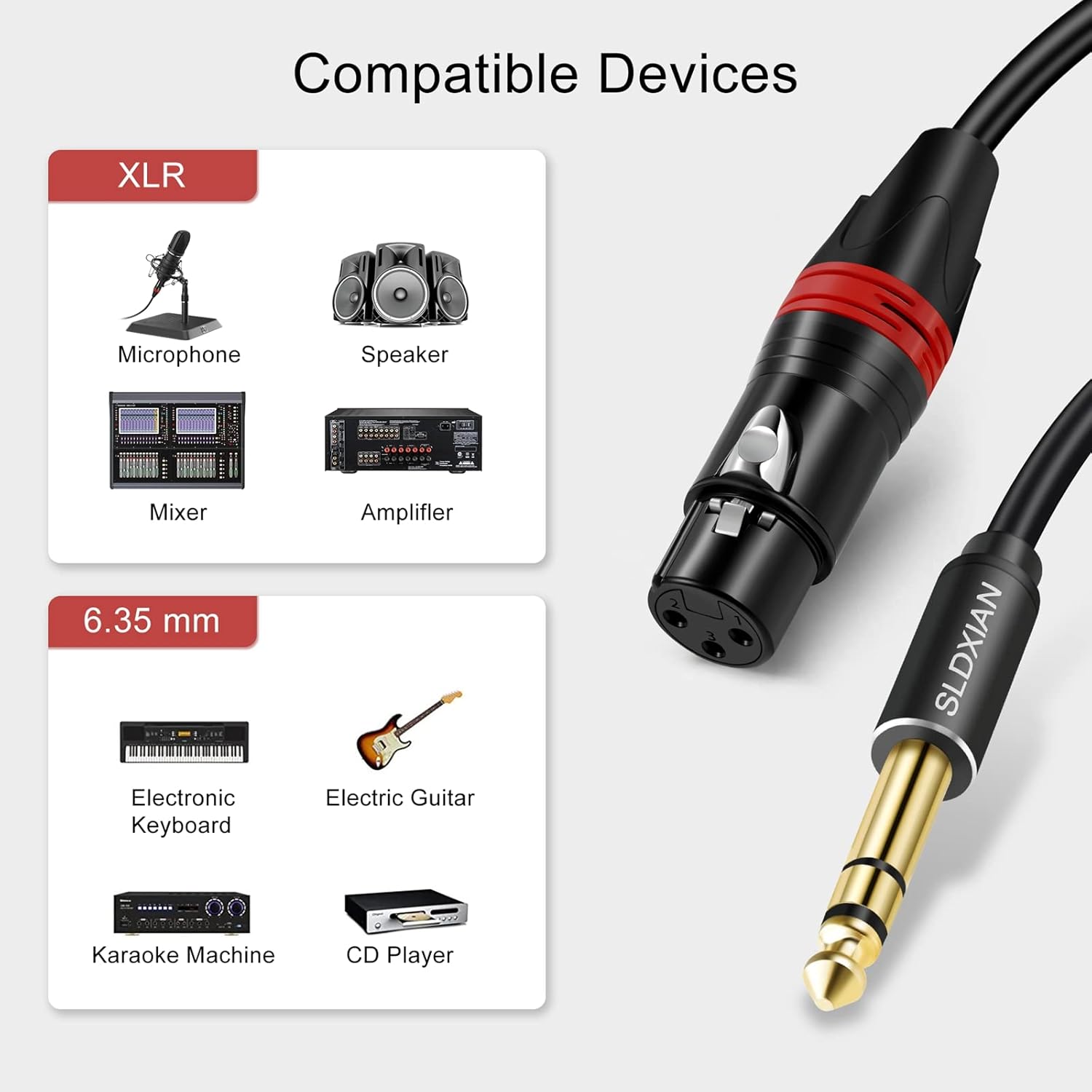
It makes sense if your workflow involves balanced audio connections and you specifically need an XLR female on one end and a 1/4 inch TRS on the other. The description calls out use with items like guitars, microphones, mixers, preamplifiers and speaker/amplifier setups, so it’s positioned as a flexible “grab-and-go” cable for common audio routing.
It might not be the best match if: - You need the opposite gender arrangement (for instance, an XLR male end) and you don’t want to rely on adapters. - Your device requires a different type of 1/4 inch plug (e.g., TS/unbalanced), because this is presented as a balanced TRS-style cable. - You’re expecting it to solve a deeper compatibility issue in your signal chain. A cable like this is for matching the physical connection type, not changing how your equipment interprets the signal.
Key features that matter (without the fluff)
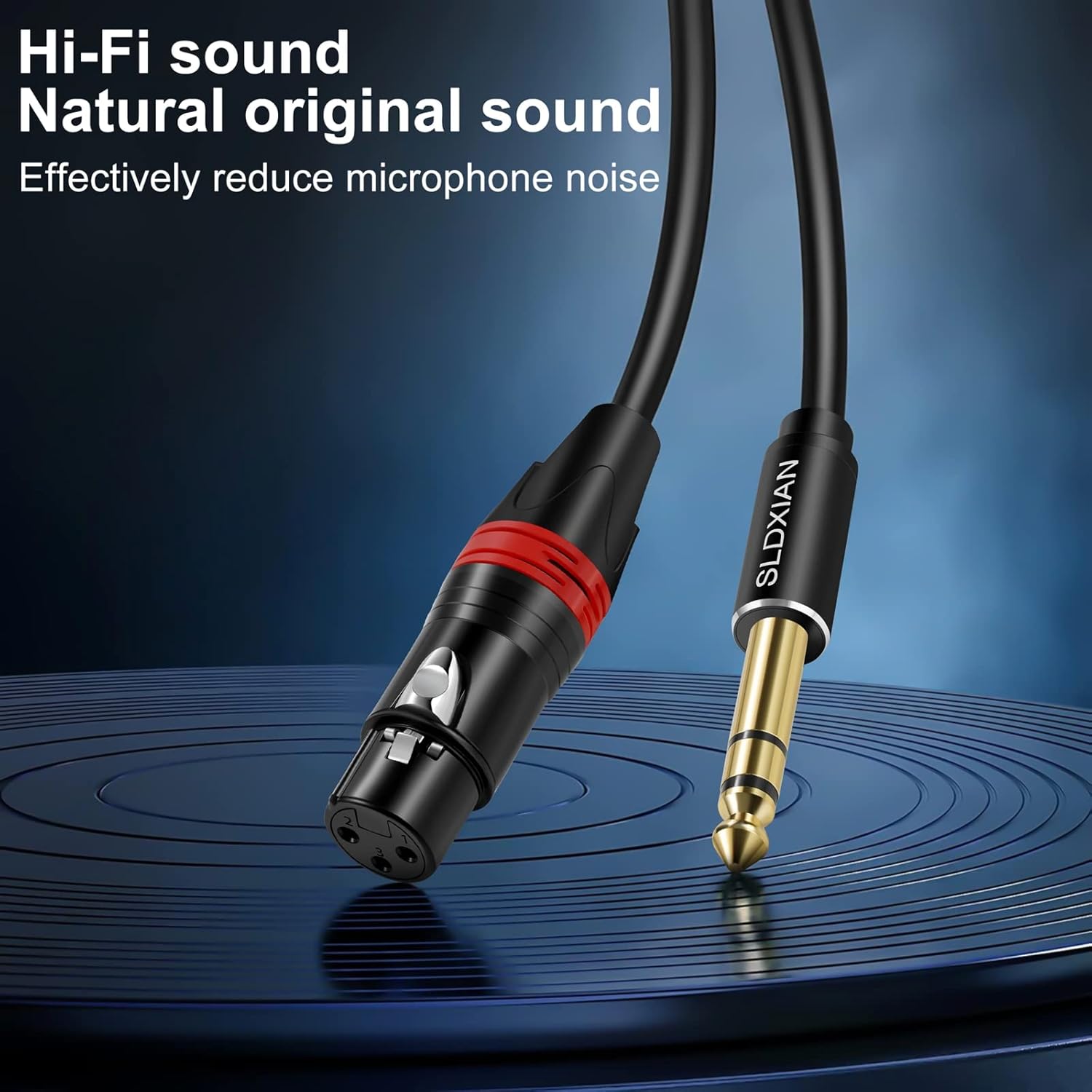
The build is the headline here. The connectors are described as metal with gold plating for corrosion resistance, and the cable uses a soft PVC outer cover for flexibility and durability.
Inside, the description mentions oxygen-free copper cores and a cast aluminium alloy housing for robustness. Again, you won’t “hear” every material choice in isolation, but it does give you a reasonable basis to expect stable connectivity and decent mechanical protection—important if the lead lives in a gig bag.
One more practical detail: the cable is 3m long. That’s often a comfortable length for stage positioning and setup, but if you’re working in a very tight space or need something extremely short/long, you may still want to compare lengths.
The essentials to double-check before you buy
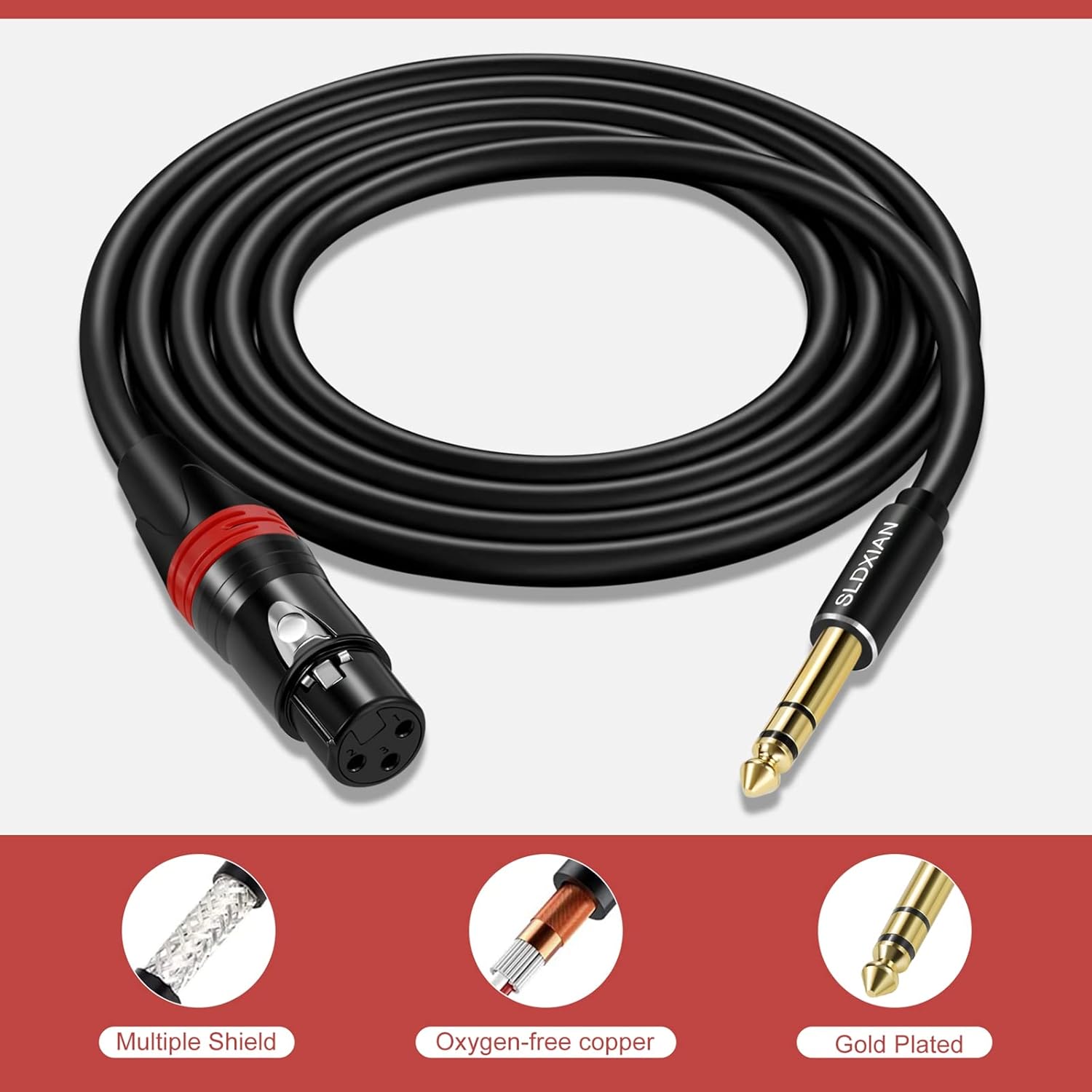
Before committing, it’s worth checking a few basics so you don’t end up with the right cable for the wrong socket. - Connector genders: this is XLR female to 1/4 inch (6.35mm) TRS. - Balanced vs unbalanced needs: the product is positioned as a balanced XLR to TRS lead—make sure your inputs/outputs expect that. - Your gear’s port type: your mixer, preamp, speaker input, or other device must actually use the connection style this cable provides. - Routing needs: 3m is a common “stage” distance, but it’s not a universal length.
Pros
- Gold-plated, corrosion-resistant metal connectors aimed at stable contact
- Described as balanced (TRS to XLR) for typical audio routing needs
- Locking XLR design claimed tested over 20,000 plug/unplug cycles
- Soft PVC jacket for flexibility, suitable for frequent handling
- 12 months of warranty mentioned by the brand
Final verdict

It’s a solid pick if you need a balanced XLR female to 1/4 inch (6.35mm) TRS lead for live playing or routine mixing/preamplifier routing, and you want a cable built around durability and repeatable connections.
You may want to skip it if your setup needs a different connector gender or doesn’t align with balanced TRS expectations—because in those cases, adapters or a different cable type will become unavoidable. If your goal is simply to get the correct physical connection without constant troubleshooting, this one is easy to justify on value and day-to-day reliability.
Mini FAQ
Is this cable balanced?
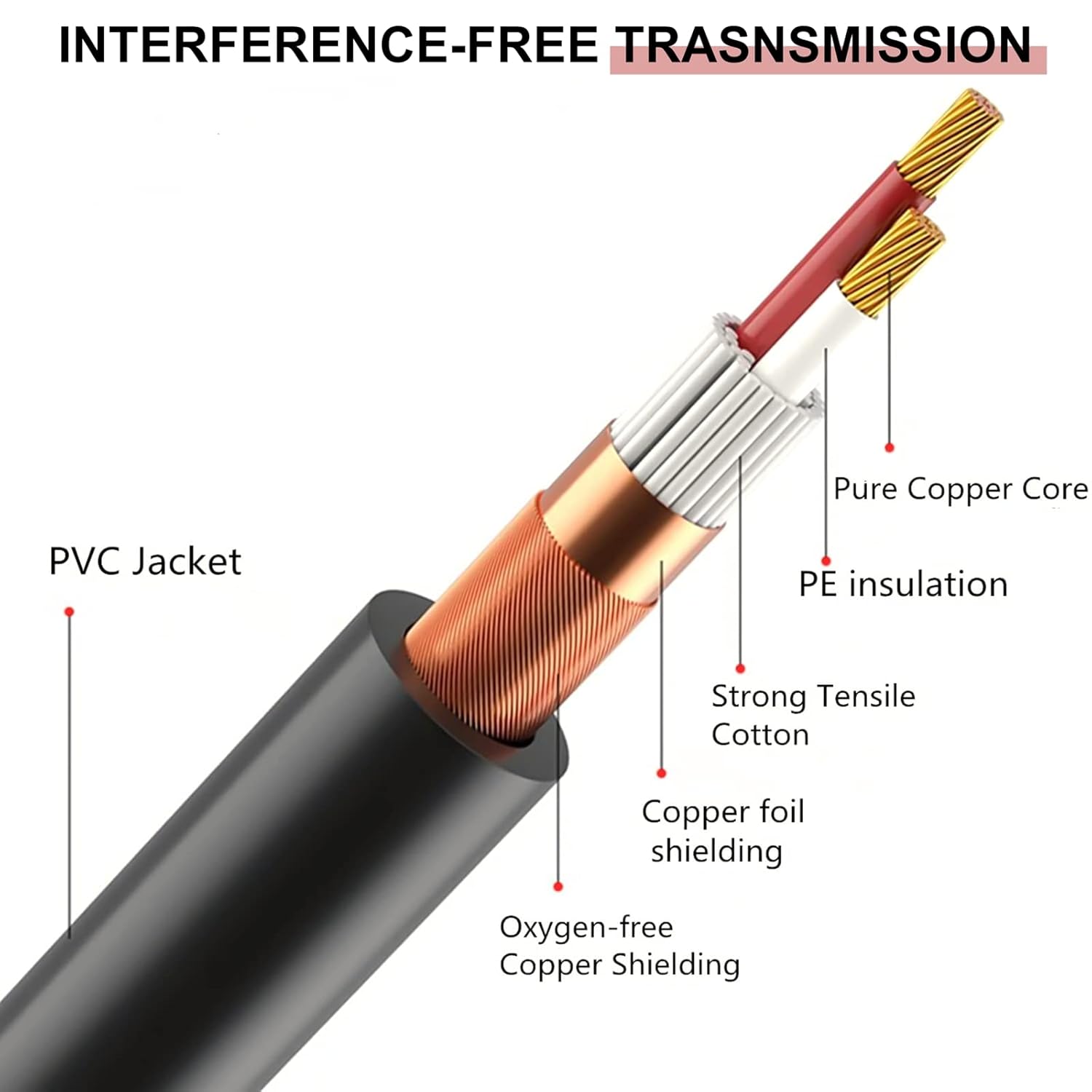
It’s described as a balanced XLR-to-TRS microphone cable, which is the main reason people choose it for typical balanced audio setups.
Does the XLR end lock in place?
The description says the XLR connector uses an auto-lock design, designed to stay connected during use.
What devices is it meant for?
The base description mentions use with guitars, microphones, mixers, preamplifiers, speakers, and amplifiers—essentially the kinds of gear you’d normally route through balanced connections.
Will 3m be enough for live use?
3m is often workable for stage setups and simple routing, but if your run is much shorter or much longer, you’ll want to check your distance needs first.
Is it covered by warranty?
SLDXIAN states a 12-month warranty for this cable.