

SinLoon PD 100W DC4530 to USB-C Cable: 18cm PD Aware Power Delivery for mobile, tablet and laptop charging
Product description
What this is and what it solves
The SinLoon PD 100W DC4530 to USB-C cable is a power extension that lets you power or charge USB‑C devices from a DC 4.5mm x 3.0mm (DC4530) input. It targets users who want a compact, lightweight way to connect a DC power source to a USB‑C device, without carrying a bulky brick. If your setup includes devices that support USB‑C Power Delivery, this cable aims to provide a practical bridge between a higher‑voltage DC supply and a PD‑enabled Type‑C device.
How it works and what to expect on paper
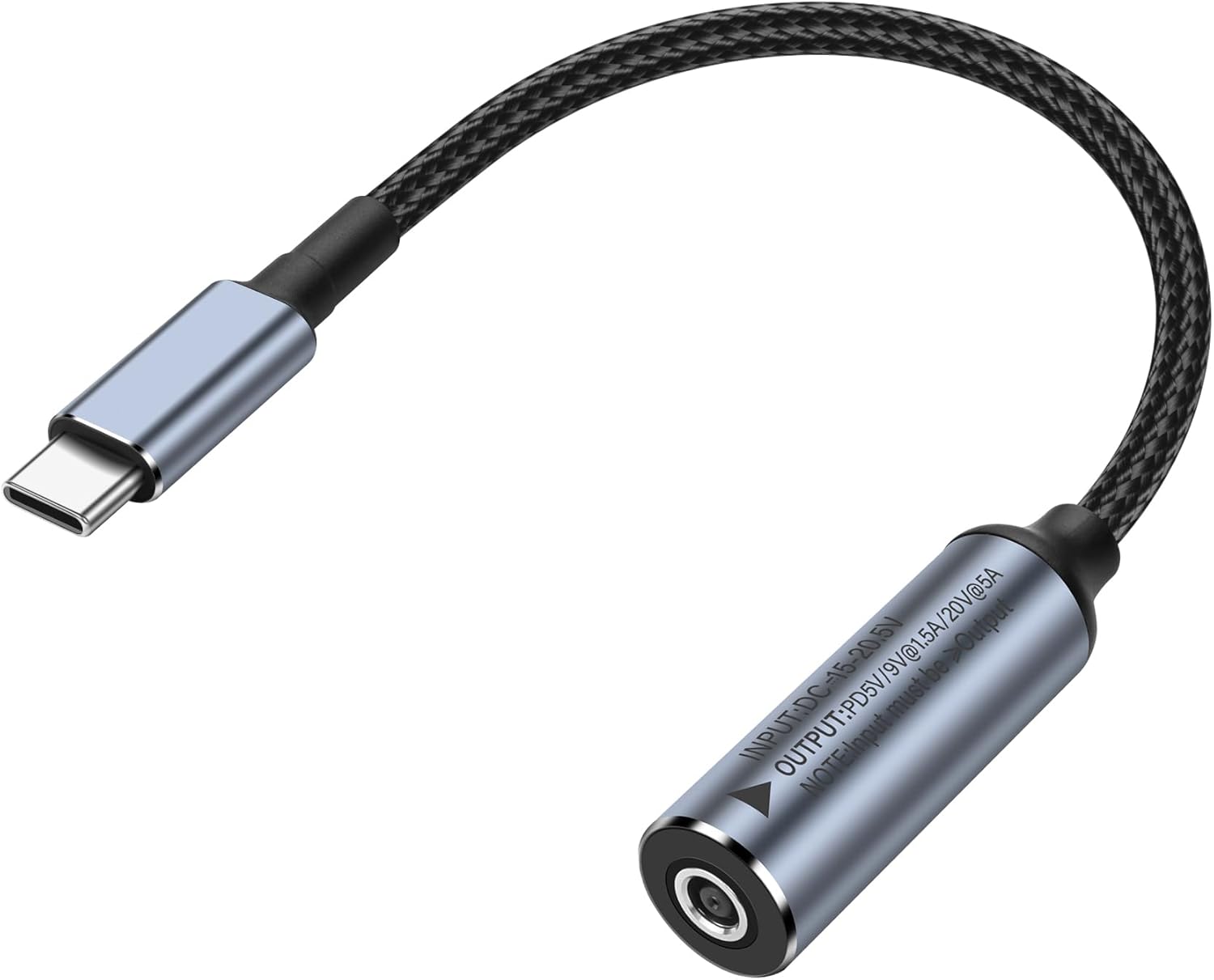
On the input side you have a DC4530 female connector rated at 15V–20.5V. The output side is a USB‑C male connector that supports PD 5V, 9V and 20V at up to 2A, or up to 5A at 20V. The built‑in PD identification chip helps negotiate the correct voltage with compatible equipment. In practice, this means you can run small chargers, phones and tablets, and some laptops that fall within the stated PD range, from a DC brick or adapter designed to supply the higher PD voltage. The warning here is practical: the input power must exceed the output power, and the connected device should not demand more than 100W. If you connect a power brick rated at 90W to a laptop that needs 90W or more, it may not charge.
What stands out
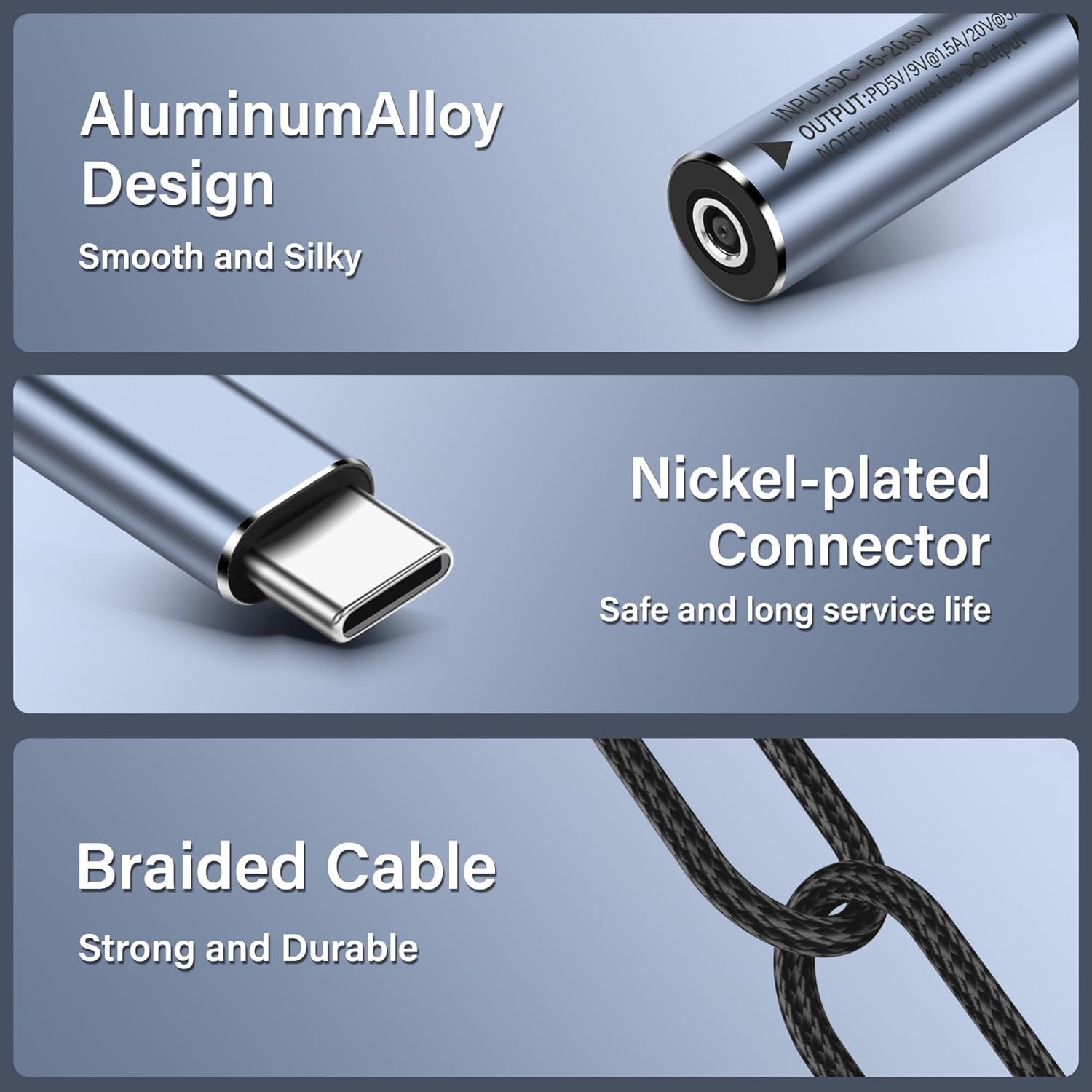
The design emphasises portability and simplicity. The head is metal with injection‑moulded construction, and the cable body uses a nylon braid with a pure copper core, aiming for durability and flexibility in everyday use. At 18cm in length, it avoids a heavy tangle of cables while still offering enough reach for desk setups or travel. The built‑in PD chip is a notable feature, attempting to manage voltage negotiation automatically rather than requiring manual input settings.
Where it fits in the real world (use cases)
If you travel light and want to reduce the number of bricks you carry, this cable can be a convenient option for charging a compatible USB‑C phone or tablet from a DC supply in a bag or a small power hub. It can also serve as a backup charging path when your primary USB‑C charger isn’t available, provided your power source and device align with the PD specifications. A practical scenario is using a compact DC power adapter in a studio or office setup and plugging the setup into a USB‑C device that supports the PD profile offered by the cable.
What you’ll notice in day‑to‑day use
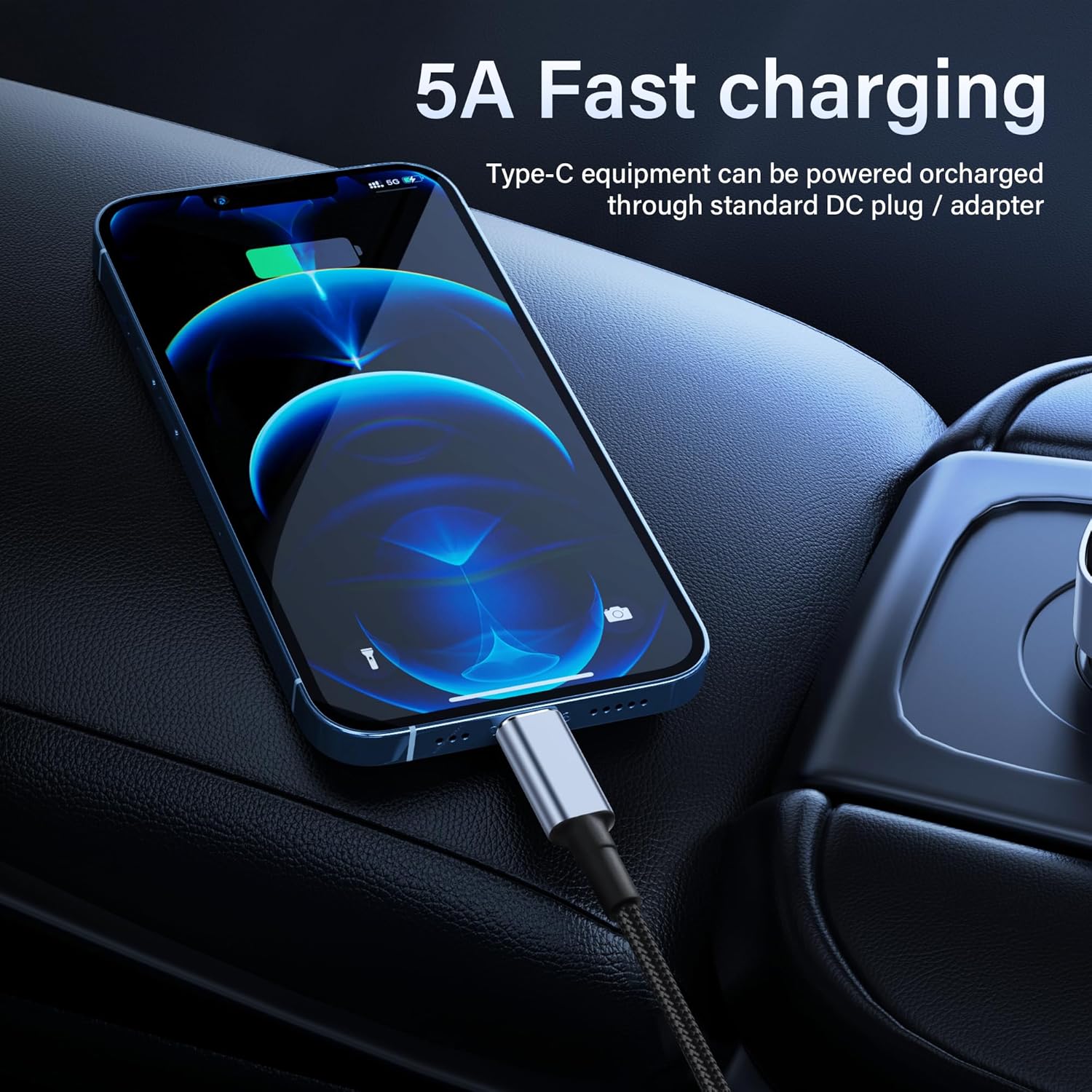
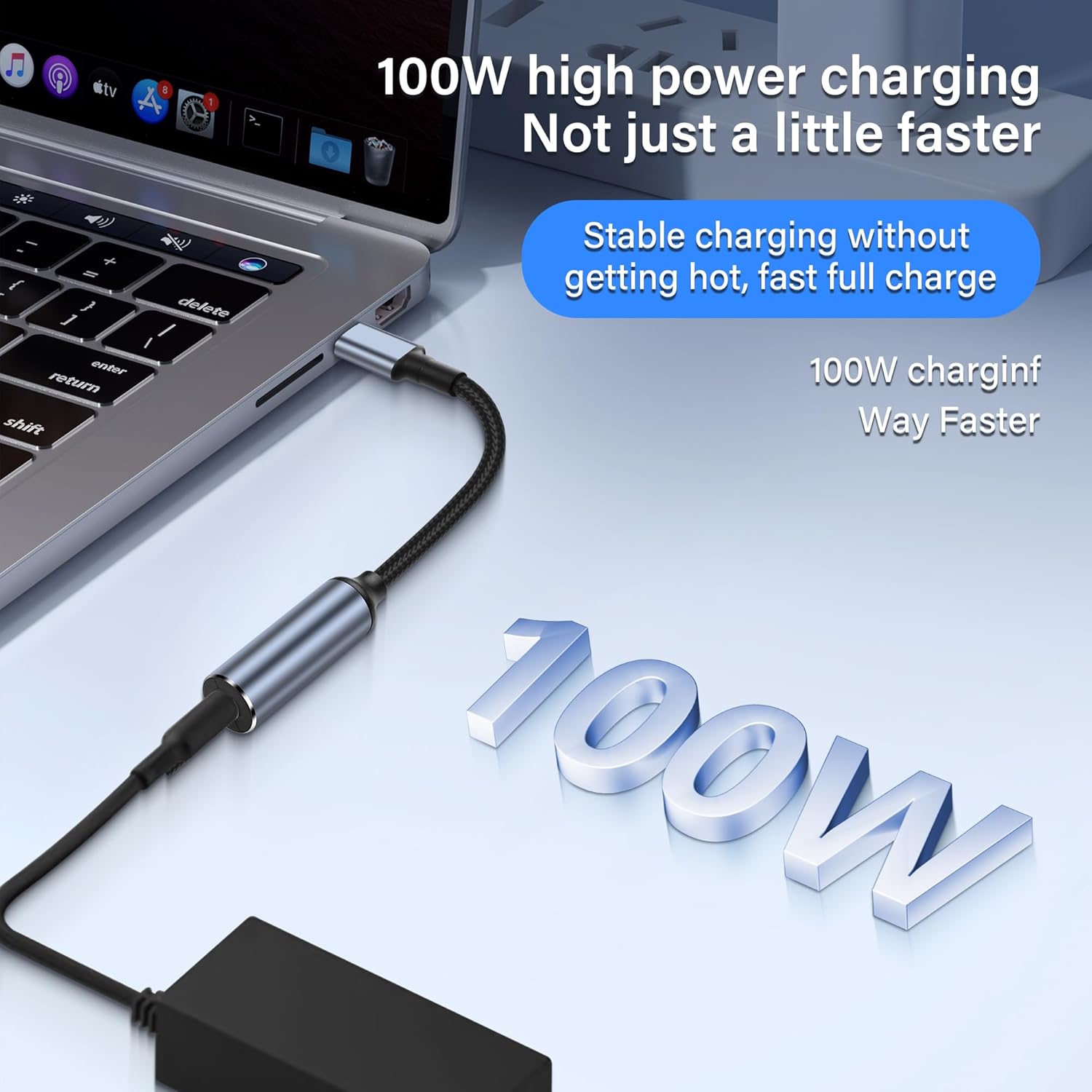
You’ll likely appreciate how light and concise the connector feels, especially if you’re moving between workspaces or travelling. The key limitation is the power ceiling: up to 100W through the PD channel, and only if your DC source can provide more than the device requires. If you’re charging devices that demand more than 100W, or you’re pairing with a power brick that isn’t rated to supply the higher PD voltage, charging may not occur. It isn’t a universal charger for all laptops, think of it as a flexible link for PD‑capable devices where the source and device are within those limits.
Who it’s for
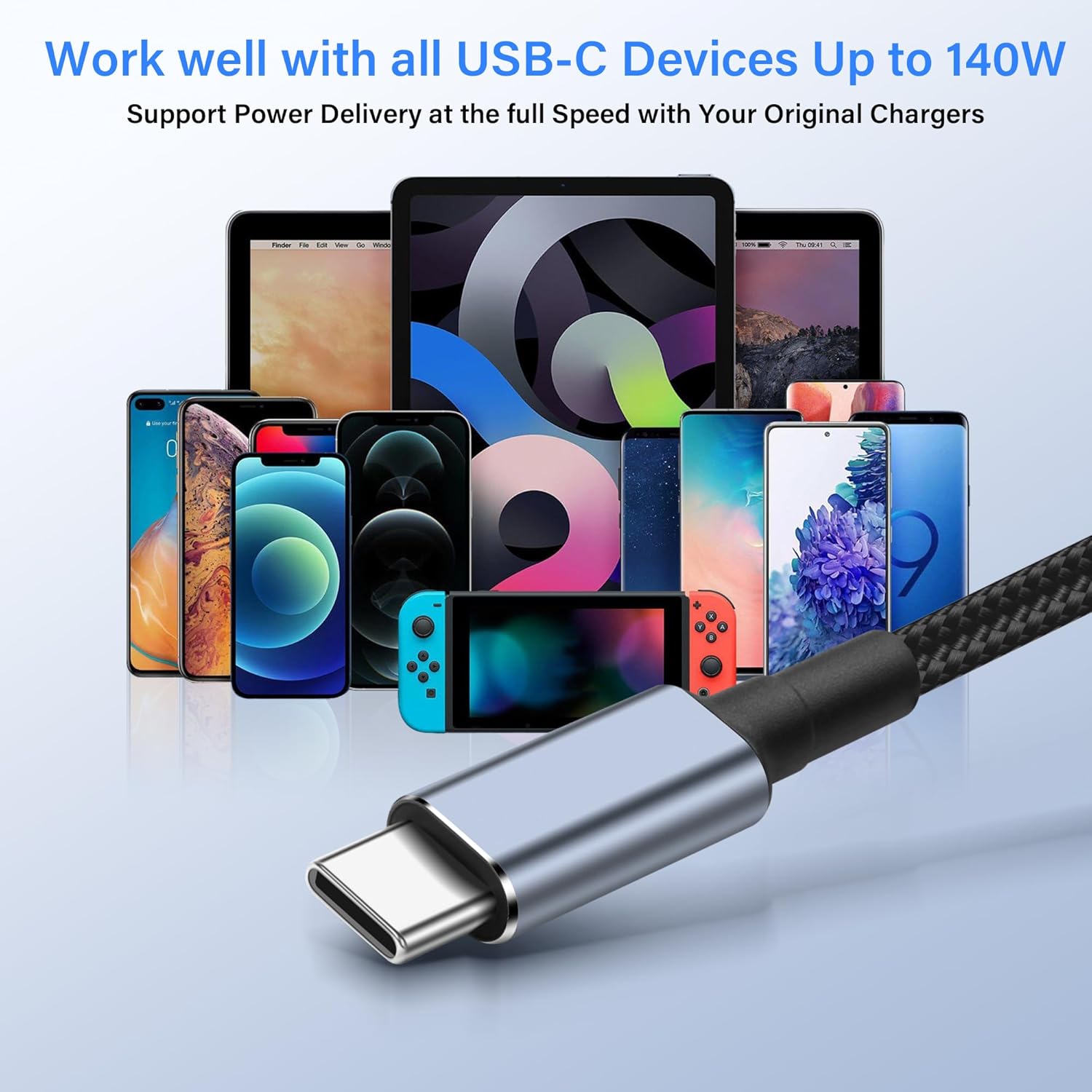
This cable suits users who already own a DC4530‑style power source and want a compact way to deliver PD to a USB‑C device. It’s more appropriate for phones, tablets and some smaller laptops or notebooks that fall within the PD 5V/9V/20V profiles and under the 100W ceiling. If your typical charging needs involve devices outside that PD range or power envelope, this cable may not be the best match.
What to check before buying
- Confirm your power supply or brick can deliver more than the device’s PD requirement and stays within the 100W limit. The tech note warns that a 90W brick may not support a 90W laptop reliably.
- Ensure your USB‑C device supports PD negotiation at 5V/9V/20V to take advantage of the cable’s automatic identification chip.
- Consider the 18cm length: does it give you enough reach without dragging across desks or bags? If you need more length, look for alternative cables with longer reach.
- Inspect build quality if you anticipate frequent plugging/unplugging, the nylon braid and copper core are designed for durability, but the real‑world life will depend on handling.
Technical snapshot (for quick reference)
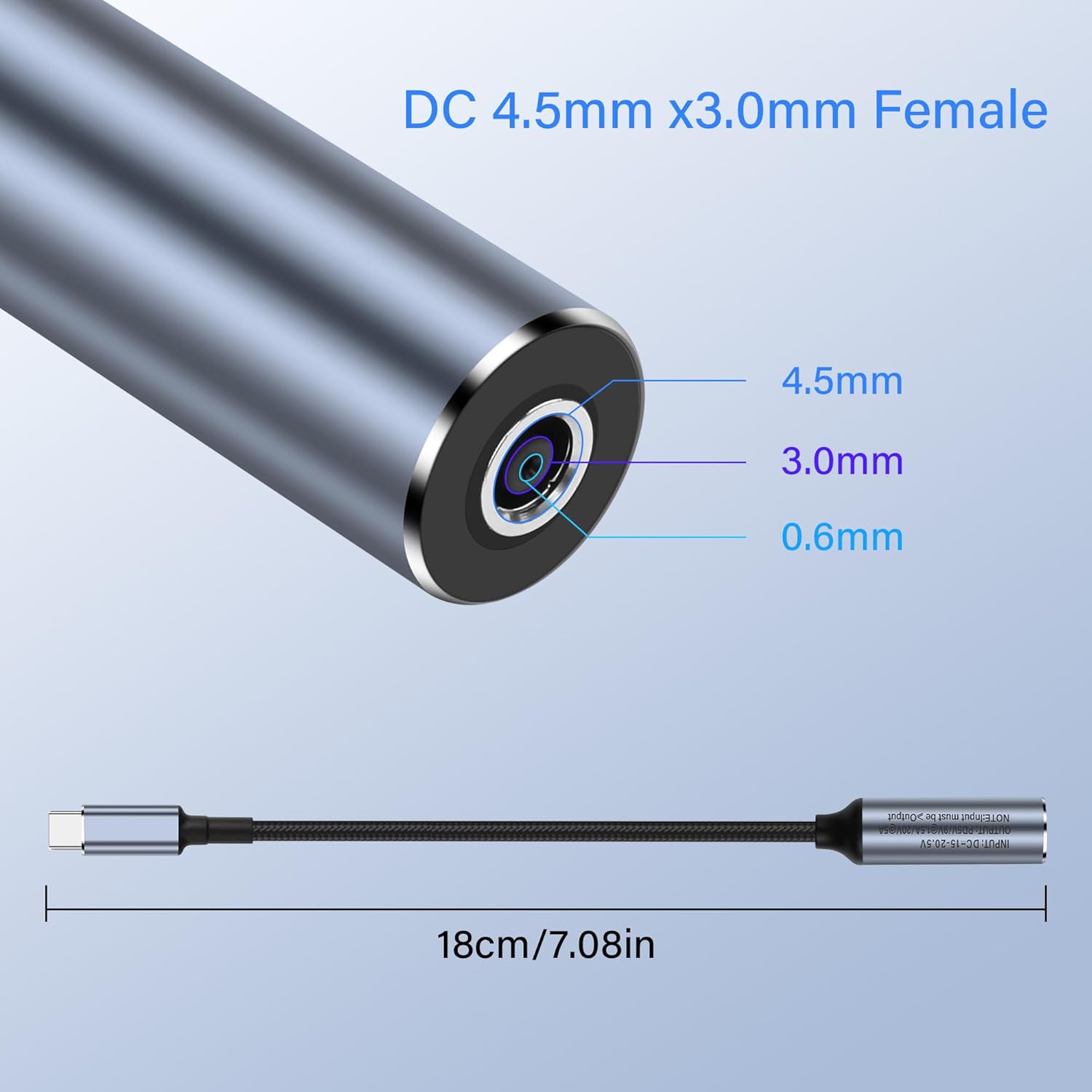
- Input: DC4530 female connector, 15V–20.5V
- Output: USB Type‑C male, PD 5V/9V/20V, current up to 2A on 5/9V, up to 5A at 20V
- Built‑in PD identification chip for automatic negotiation
- Cable length: 18cm
- Materials: metal connector head, nylon braided cable, copper inner core
- Compatibility note: intended for PD devices and DC sources that stay within the stated limits
Practical example of use
Imagine you’re in a temporary studio and you have a compact DC power brick rated around 20V. You connect the SinLoon cable to the brick, then plug your USB‑C laptop into the other end. If the laptop negotiates 20V via PD correctly and the brick can supply enough wattage without dropping below the required level, you could charge the laptop while on a workstation, without hauling your full charger across the room. It’s a neat way to streamline cables on the move, but it clearly works best when the power source and device are within the PD envelope described.
FAQ (based on available data)
- Can I use this with any USB‑C device? It will work with USB‑C PD devices that negotiate within 5V/9V/20V and stay under 100W, assuming your source can supply the required voltage and current.
- Will it charge a high‑power laptop? Only if the laptop’s PD requirements are within the 100W ceiling and your DC brick can provide sufficient power above what the laptop consumes.
- What if my brick is under 100W? It may not charge devices that demand higher wattage, the input must be greater than the output for charging to occur reliably.
Is it worth it?
It’s a good fit if you prioritise compact, light travel charging and already operate PD‑enabled devices from a compatible DC source. If you need higher wattage or longer reach, or if your devices frequently require more than 100W, you may want to look at alternatives that better align with those needs. In short, practical and portable, but not a universal solution for all PD devices.