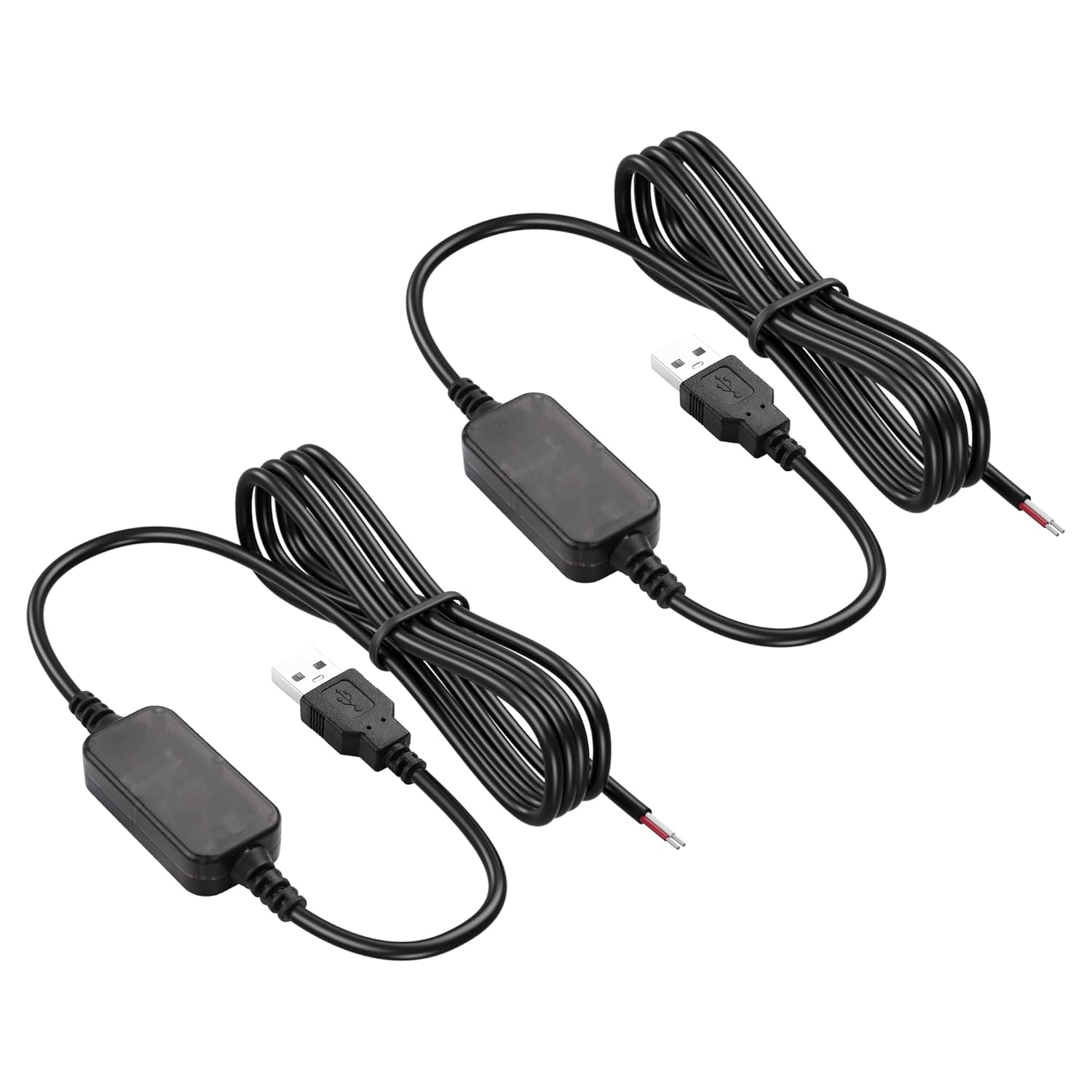
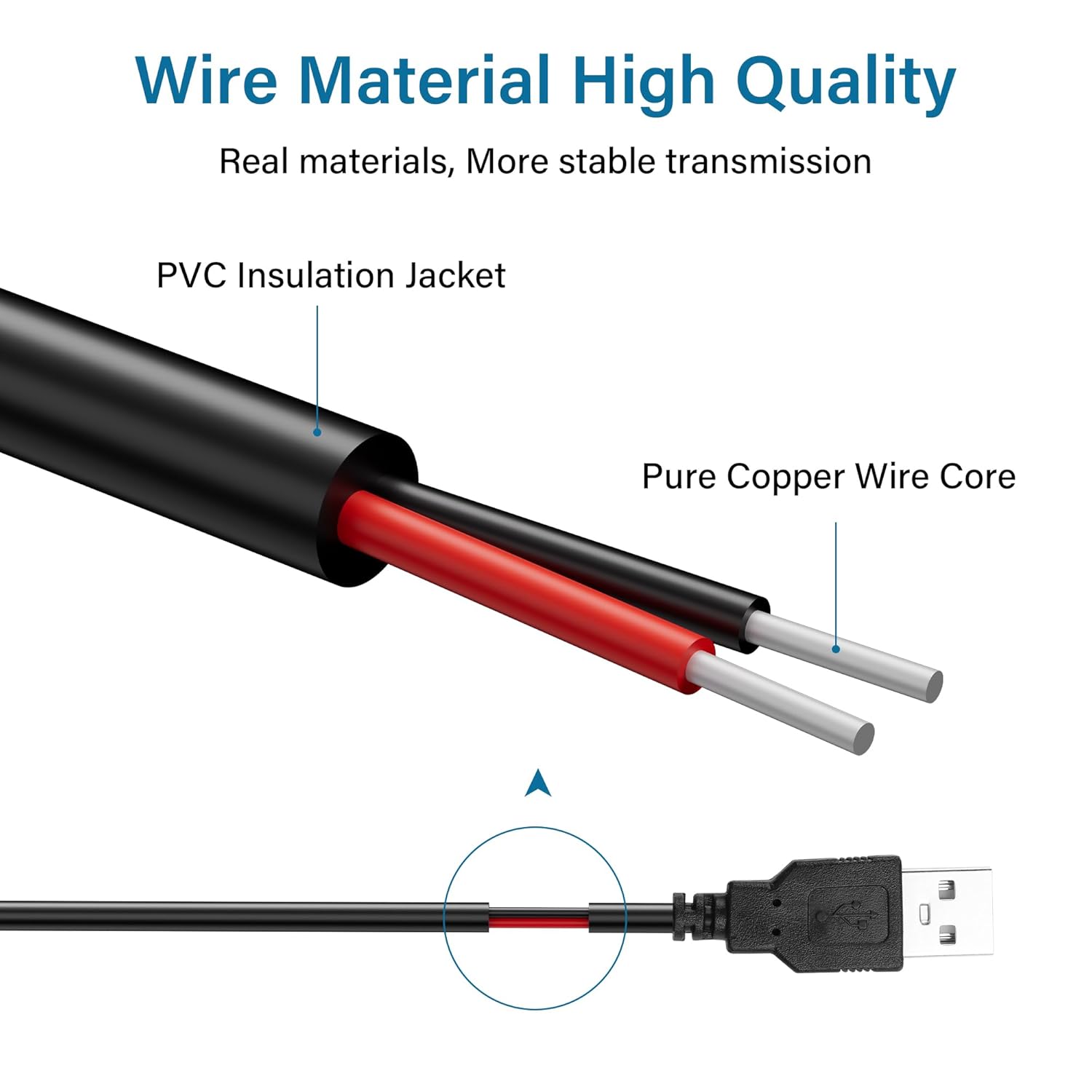
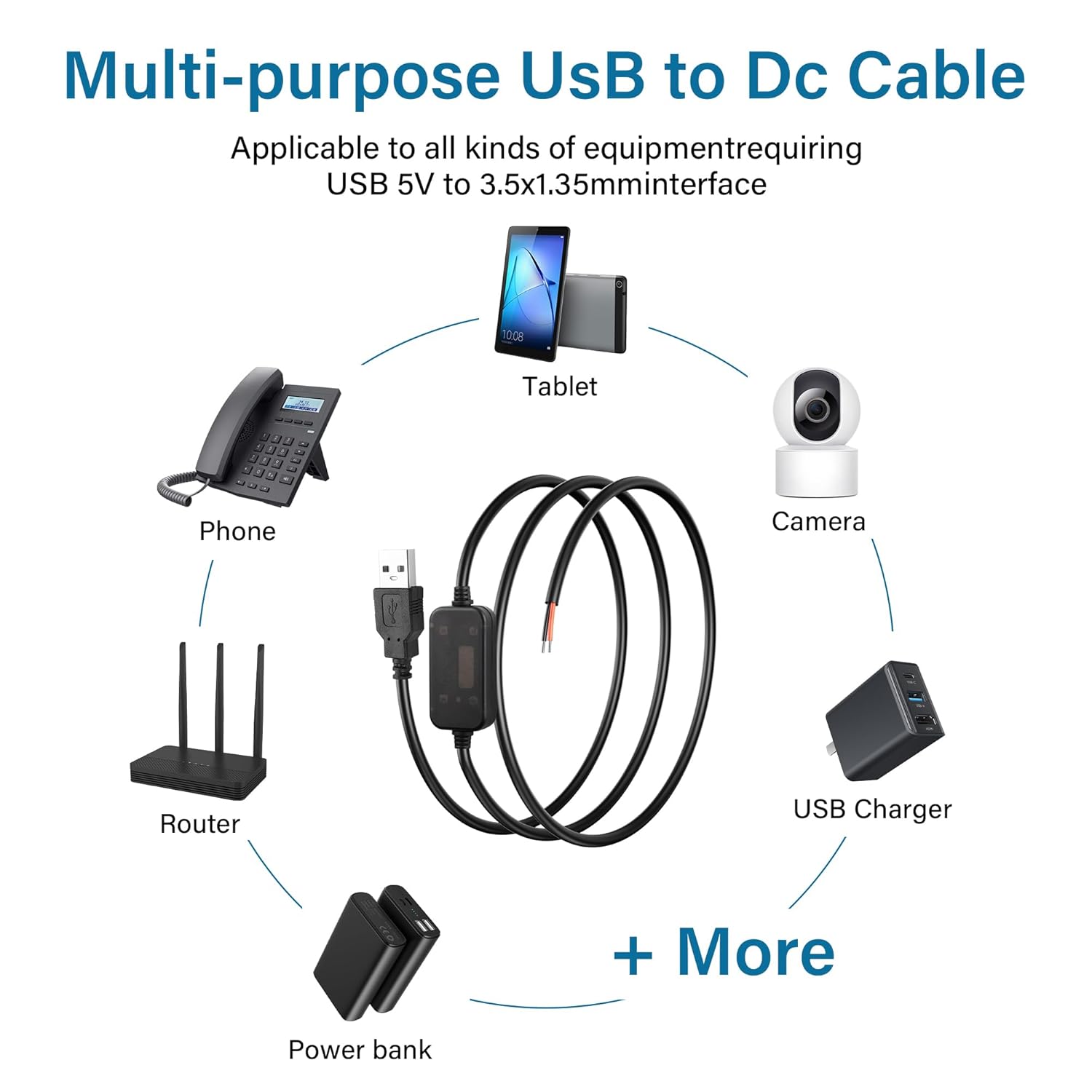
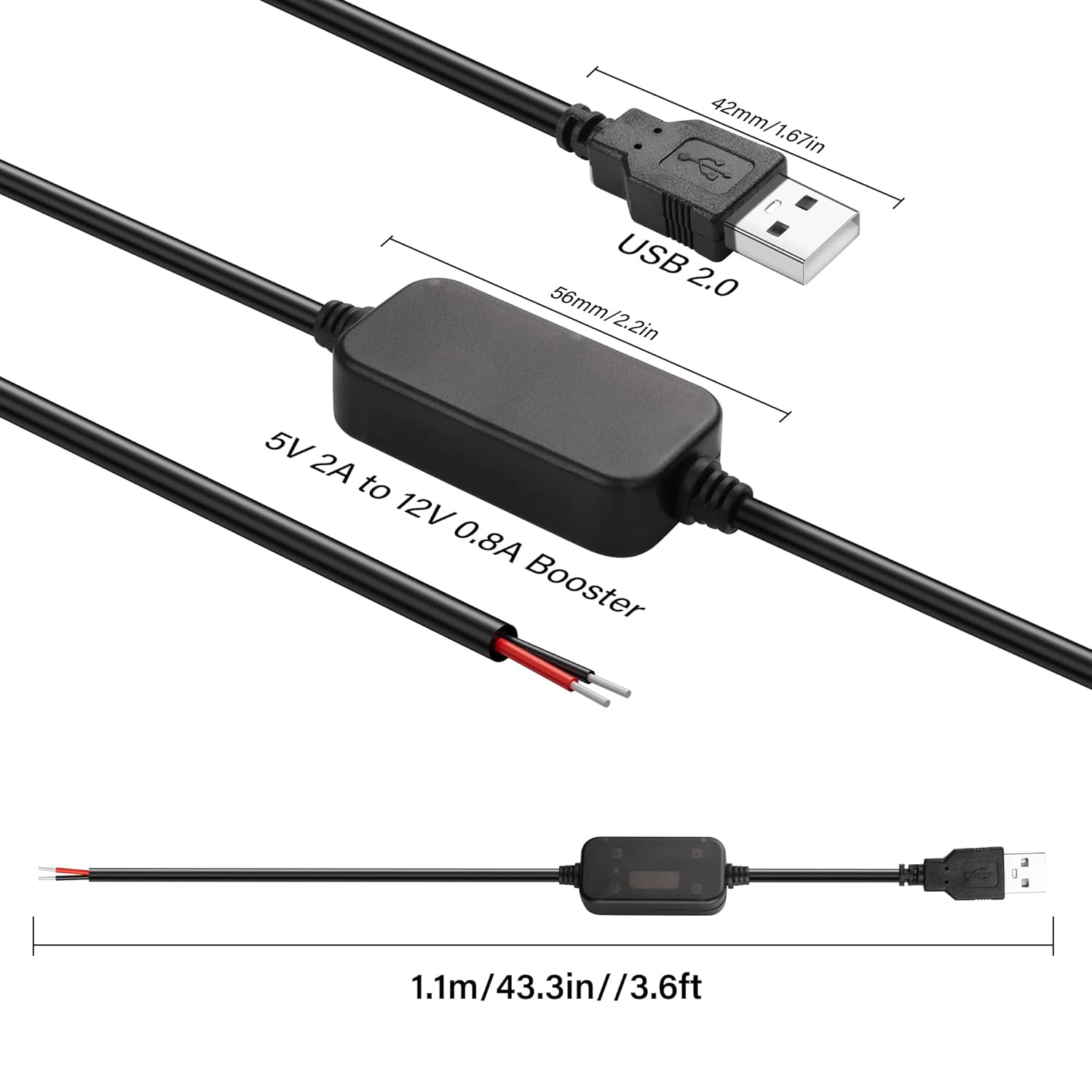
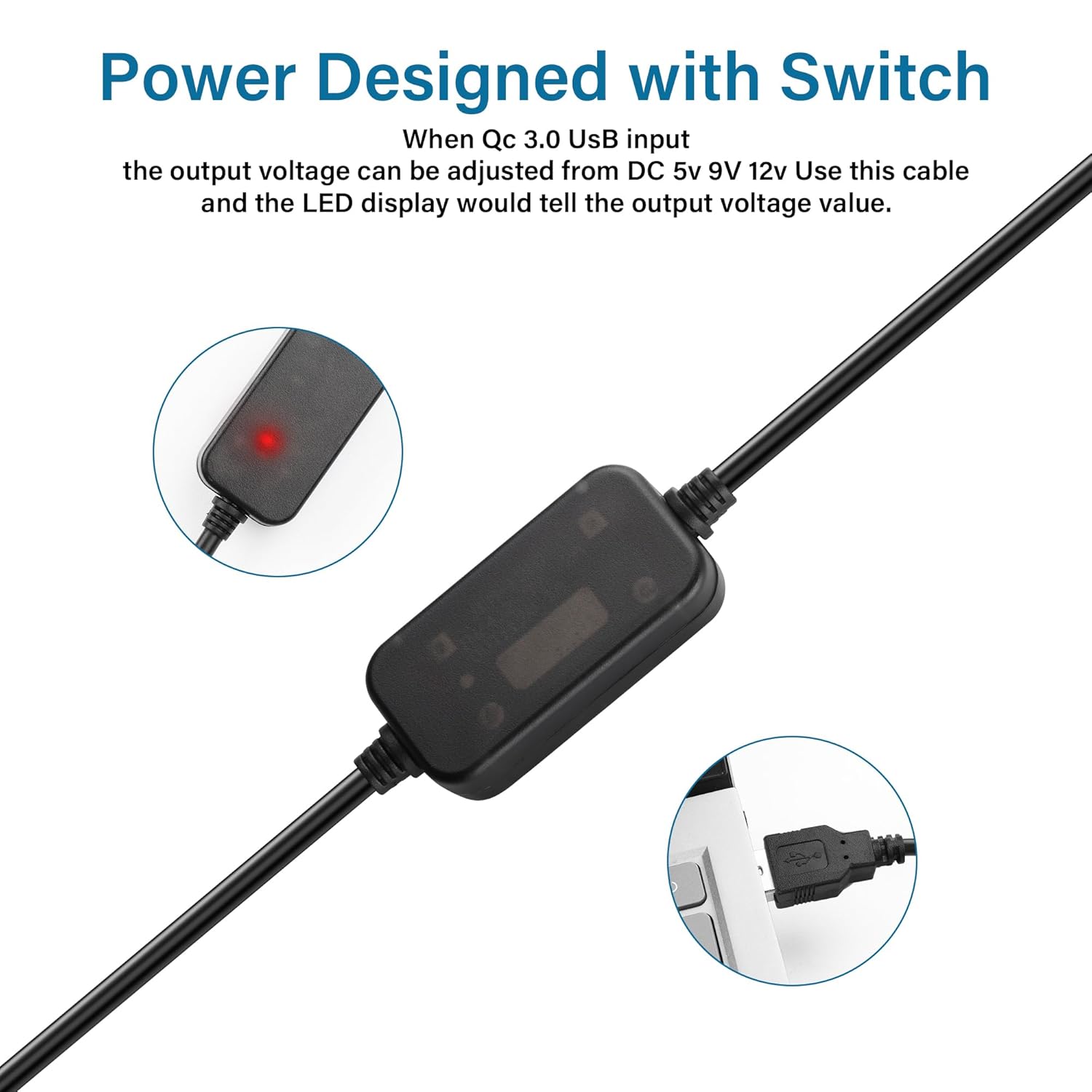
What it is and what it solves\n\nThis SinLoon boost cable is a DIY-friendly power accessory designed to convert a USB 5V source into a stable 12V output for low-power devices. With two cables included, you can power small projects or gadgets that require a modest 12V supply without soldering. The 22AWG copper cores are chosen to improve efficiency and durability over longer runs, making it useful for setups like cameras, mini speakers, or microcontrollers that need a bit more than USB can provide.\n\n## How it works on paper\n\nThe device relies on an integrated boost converter to step up the 5V from a USB port to 12V, supporting up to 2A input and 800mA output. It’s important to stay within these limits for reliable operation. The design leverages a bare-wire termination, allowing you to connect directly to your project’s power rails or screw terminals, which can be convenient when prototyping or testing.\n\n## What stands out\n\nThe product emphasises practicality: DIY-friendly terminals mean you don’t need soldering, and the 110 cm length offers flexibility for positioning. The included protection IC helps guard against over-voltage, over-current and short circuits, which is a sensible safeguard for hobby projects where power conditions can be variable.\n\n## Potential limitations\n\nIt may not suit higher-demand devices or continuous high-power use since the output is limited to 800mA at 12V. If your device requires more current, or if you need a rugged, purpose-built 12V supply, this solution could fall short. Also, the accuracy and stability of the boost conversion depend on the input source quality and load, so expect some variability in real-world conditions.\n\n## Suitable use cases\n\n- Small CCTV cameras or DIY security devices with modest 12V needs.\n- Low-power LED strips or mini fans that can run from 12V.\n- Arduino or microcontroller projects that require a higher voltage than USB provides.\n\n## Who it’s for\n\nIdeal for hobbyists and tinkerers who want a no-solder power option from USB sources, and who are comfortable staying within the device’s voltage/current limits. It’s less appropriate for users needing a robust, continuous 12V supply for demanding equipment.\n\n## What to check before buying\n\n- Confirm your device’s voltage and current needs stay within the 12V/800mA window.\n- Ensure your USB source can deliver enough current for the 2A input specification.\n- Consider enclosure or cable management if you’ll run the wires in visible or stressed routes.\n\n## Practical example of use\n\nYou might connect the USB power bank to the two DC boost cables, route the bare ends to a small CCTV camera’s power inputs, and see if the 12V supply is steady enough for daytime operation. It’s a straightforward setup for a temporary, low-power powering solution during a project or an experiment.\n\n## Quick FAQ\n- Will it power a standard USB device directly? No, it converts 5V USB power to 12V for compatible devices within its limits.\n- Can I run it off a laptop USB port? Yes, provided the port can supply enough current and you stay within the rated 800mA output.\n- Is soldering required? No, the design is DIY-friendly with bare-wire terminals.\n\n## Decision point\n### Is it worth it?\nWorth considering if you need a simple, solder-free 12V boost from USB for low-power projects and you’re mindful of the current limits. If your device demands more power or you want a more rugged supply, you may want to explore alternatives.