

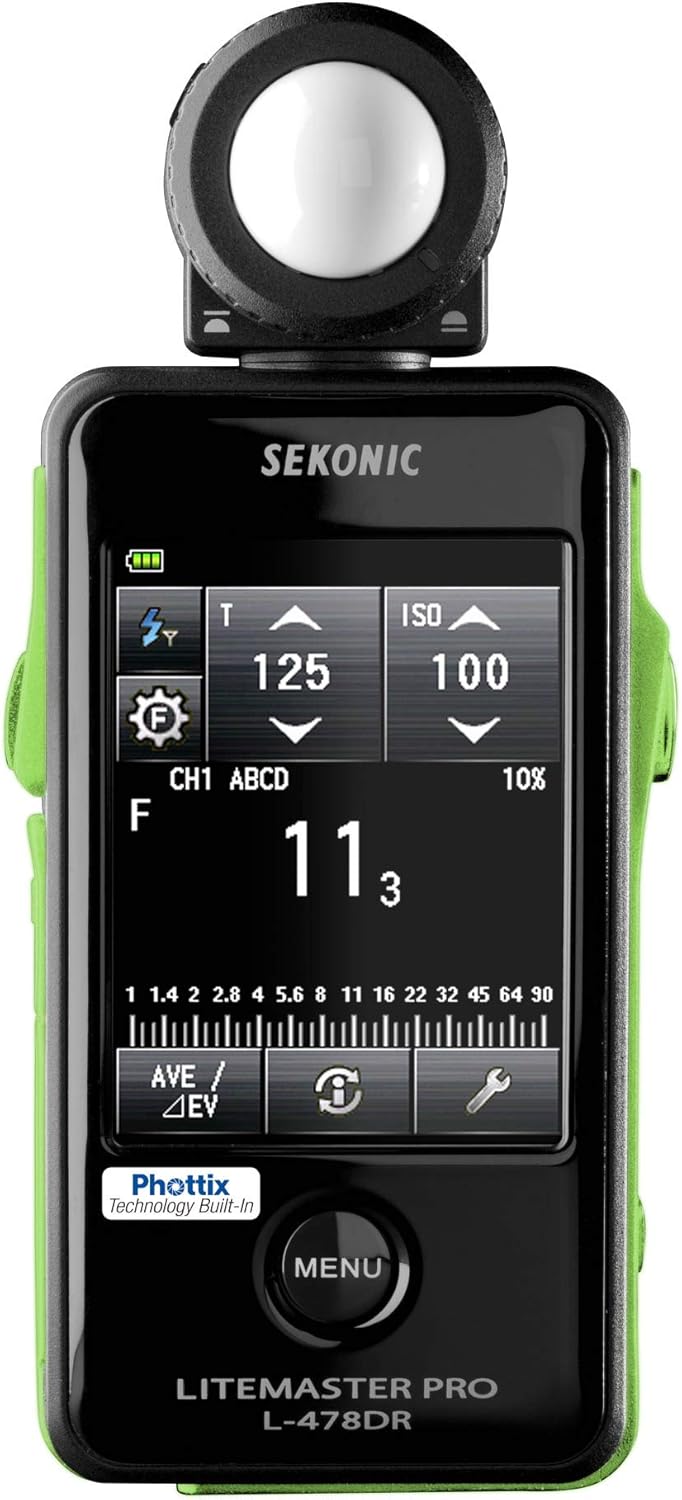
Sekonic L-478D LiteMaster Pro touch-screen light meter (L-478D) for ambient & flash readings
Product description
If you shoot both stills and video, a light meter is one of those tools you end up relying on because it removes guesswork. The Sekonic L-478D LiteMaster Pro is a touch-screen light meter aimed at photographers and filmmakers, with support for ambient and flash light readings.
The headline here is the touch-screen control paired with a large 2.7" LCD screen. That matters in real-world use when you’re on set, moving quickly between shots, or fine-tuning settings without digging through lots of physical buttons. It’s not perfect for everyone, though—if your workflow is very basic or you only ever meter in one simple scenario, you may find this level of control feels like overkill.
Quick overview
The Sekonic L-478D LiteMaster Pro (L-478D) is designed to read and help you dial in exposure for both ambient light and flash. It’s positioned as a “LiteMaster Pro” touch-screen meter for people who care about repeatable results, and it’s bundled with a strap and case, which is handy for carrying between locations.
On paper, it’s built to support modern workflows: you can calibrate to your camera using Sekonic’s Data Transfer software, and there are Cine/HD Cine modes mentioned for today’s HDSLR and video Cine cameras.
What matters most (touch-screen control and screen)
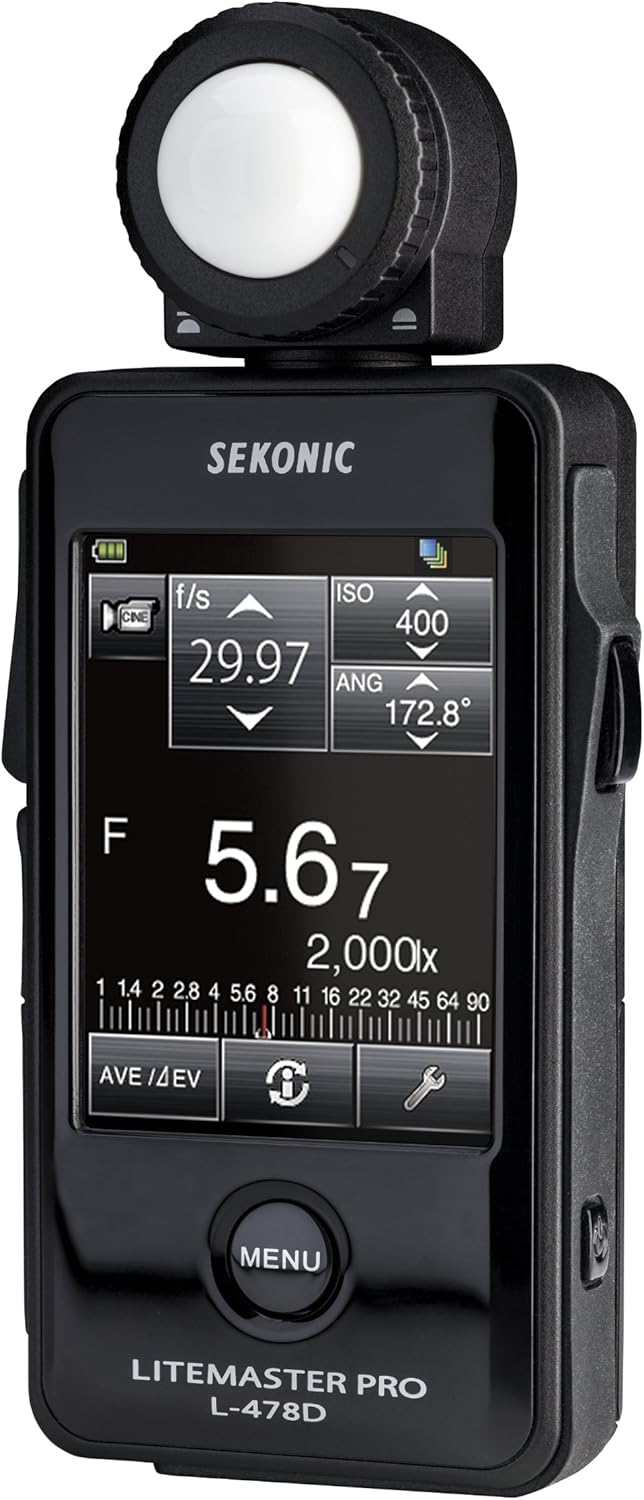
A large 2.7" LCD screen and touch-screen operation are the two biggest practical differences versus older-style meters with smaller displays and more button-heavy navigation. In day-to-day shooting, this can make it easier to review readings and adjust settings without constantly re-checking the display angle.
There’s also a “World’s first” claim in the description for touch-screen operation. Whether you’re impressed or not, the real buying question is simple: do you prefer interacting with the meter via a touch interface? If yes, this style of control is likely to feel natural. If you’re the type who wants fast, tactile button presses and minimal screen interaction, you may prefer a more traditional interface.
Metering features you’ll actually use
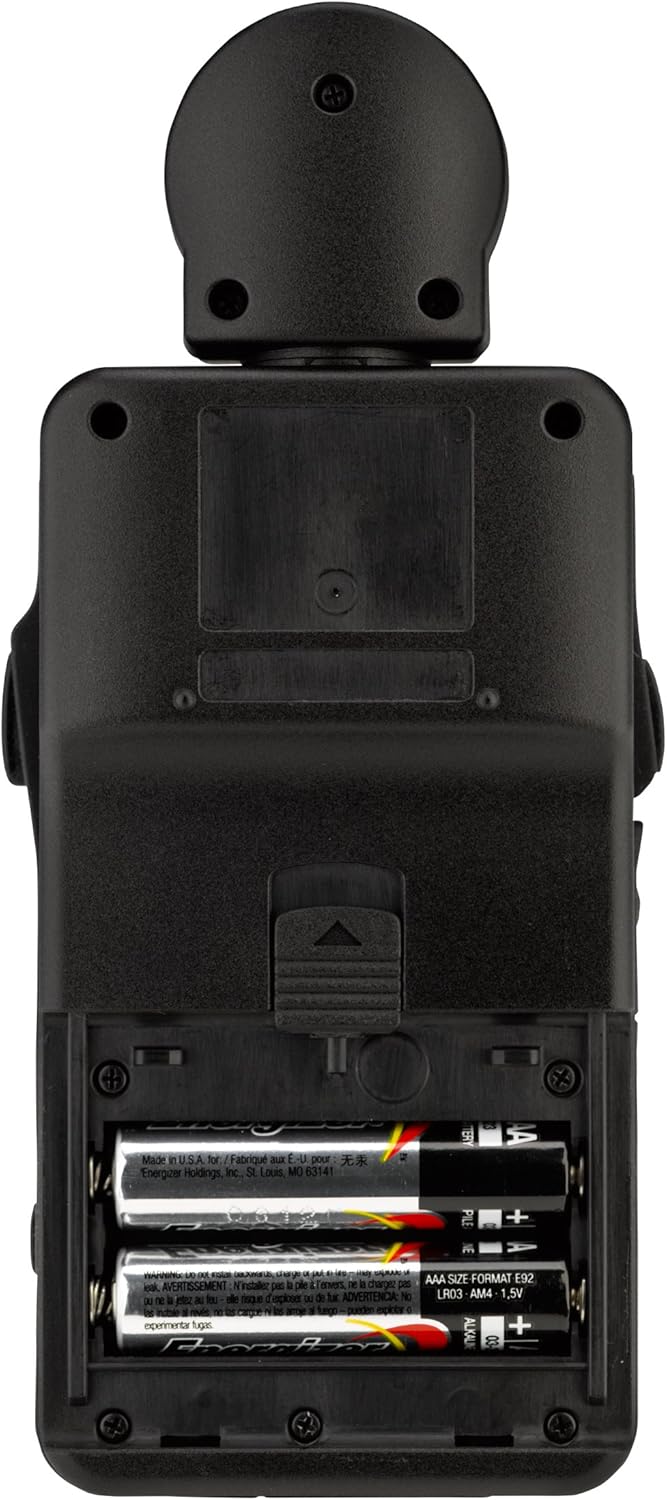
This model is described as supporting illumination measurement and an extended ISO range. Combined with ambient and flash light reading, it’s the kind of tool that can cover common production needs—from assessing light in a scene to checking how flash will behave.
Two workflow-friendly elements stand out from the provided information:
- Calibrating to your camera via Sekonic’s Data Transfer software. If you’re working in a system where calibration matters for consistency, that’s a thoughtful addition.
- Cine/HD Cine modes, plus video-focused options referenced for HDSLR and Video Cine cameras.
It’s also mentioned that you can select shutter angle and use an infinite frame rate approach, which points to video/film-style exposure control rather than just photography-only convenience.
Tech summary
- Touch-screen-operated light meter for ambient and flash light readings
- 2.7" LCD screen
- Calibrate using Sekonic Data Transfer software
- Cine/HD Cine modes for HDSLR and video Cine cameras
- Infinite frame rate and shutter angle selection
- Illumination measurement and extended ISO range
- Strap and case included
Where it shines, and where it may not
Where it shines best is when you’re doing more than one kind of job: mixed lighting, ambient + flash, and a video-oriented approach that benefits from shutter angle and frame-rate considerations.
It may be less satisfying if you’re only after a simple meter for occasional stills. The touch interface, calibration step, and cine-specific thinking can be more complexity than you need. Also, if you’re not using the camera-calibration and cine modes described, you might feel like you’re paying for features that sit unused.
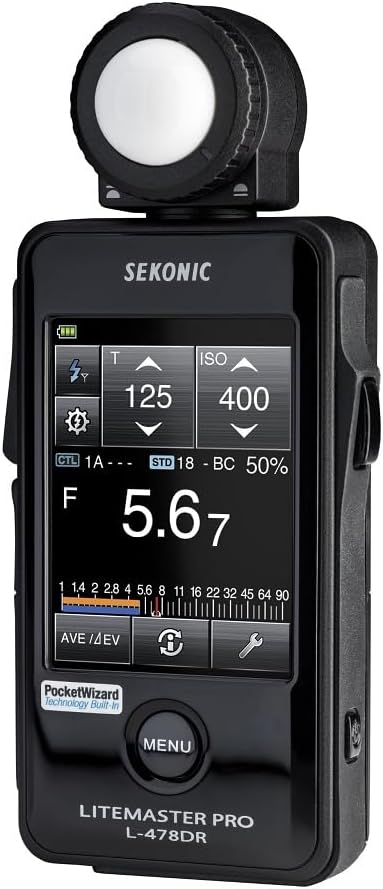
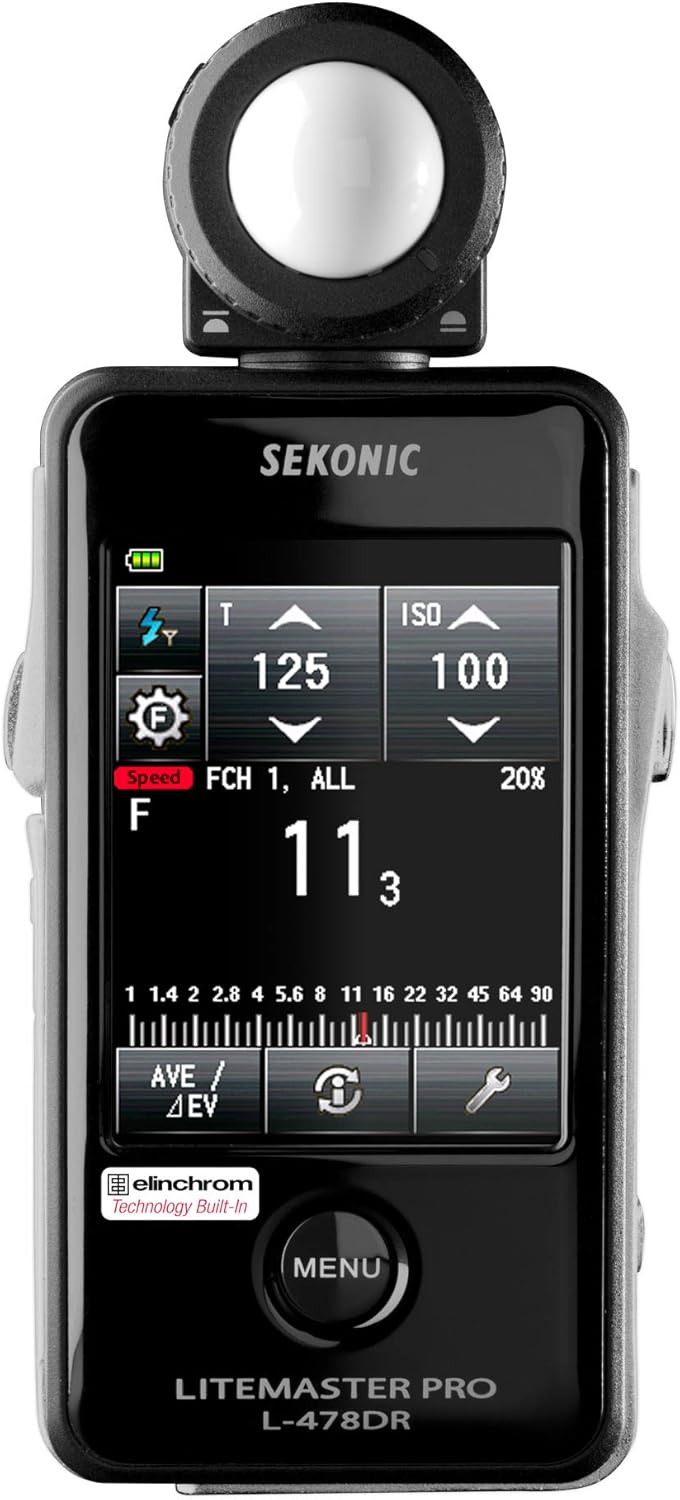
Worth considering if: you shoot video alongside stills, want a meter that can handle ambient and flash, and you like the idea of managing settings directly on-screen.
It’s not the best choice if: your workflow doesn’t touch shutter angle/frame-rate decisions, you don’t plan to calibrate to your camera, or you prefer a simpler device with less on-screen interaction.
Practical example: using it on set
Imagine you’re running a small interview setup. First, you check ambient light to establish a baseline exposure—then you add a flash or practical light and take a flash reading to see how it changes the scene. With the touch-screen interface and the larger display, you can move between ambient and flash checks and adjust based on what you’re seeing, rather than keeping your settings mental and hoping nothing has shifted.
Mini FAQ
What is the Sekonic L-478D LiteMaster Pro used for?
It’s a touch-screen light meter for ambient and flash light readings, aimed at photographers and filmmakers.
Does it support camera calibration?
Yes, it’s described as calibrating to your camera using Sekonic’s Data Transfer software.
Is it designed for video work?
The description specifically references Cine/HD Cine modes, shutter angle selection, and infinite frame rate, which are signals it’s meant to fit video-oriented workflows.
What’s included in the box?
The information provided says a strap and case are included.
Is a touch-screen light meter better than traditional controls?
It depends on preference. If you like quick on-screen navigation and a larger display, it can feel more convenient. If you prefer physical controls and minimal screen interaction, you may find it less appealing.
Should you buy it?
You’ll like the Sekonic L-478D LiteMaster Pro if you want one meter that covers ambient plus flash, and your workflow genuinely benefits from cine/video controls such as shutter angle selection and frame-rate handling. The calibration support and larger 2.7" touch-screen display also point to a more precise, production-focused approach.
You may want to skip it if you only need basic metering for occasional stills, or if you’re not planning to use the calibration and cine modes mentioned. If you’re unsure whether those features match your shooting style, that’s the main decision checkpoint before buying.