

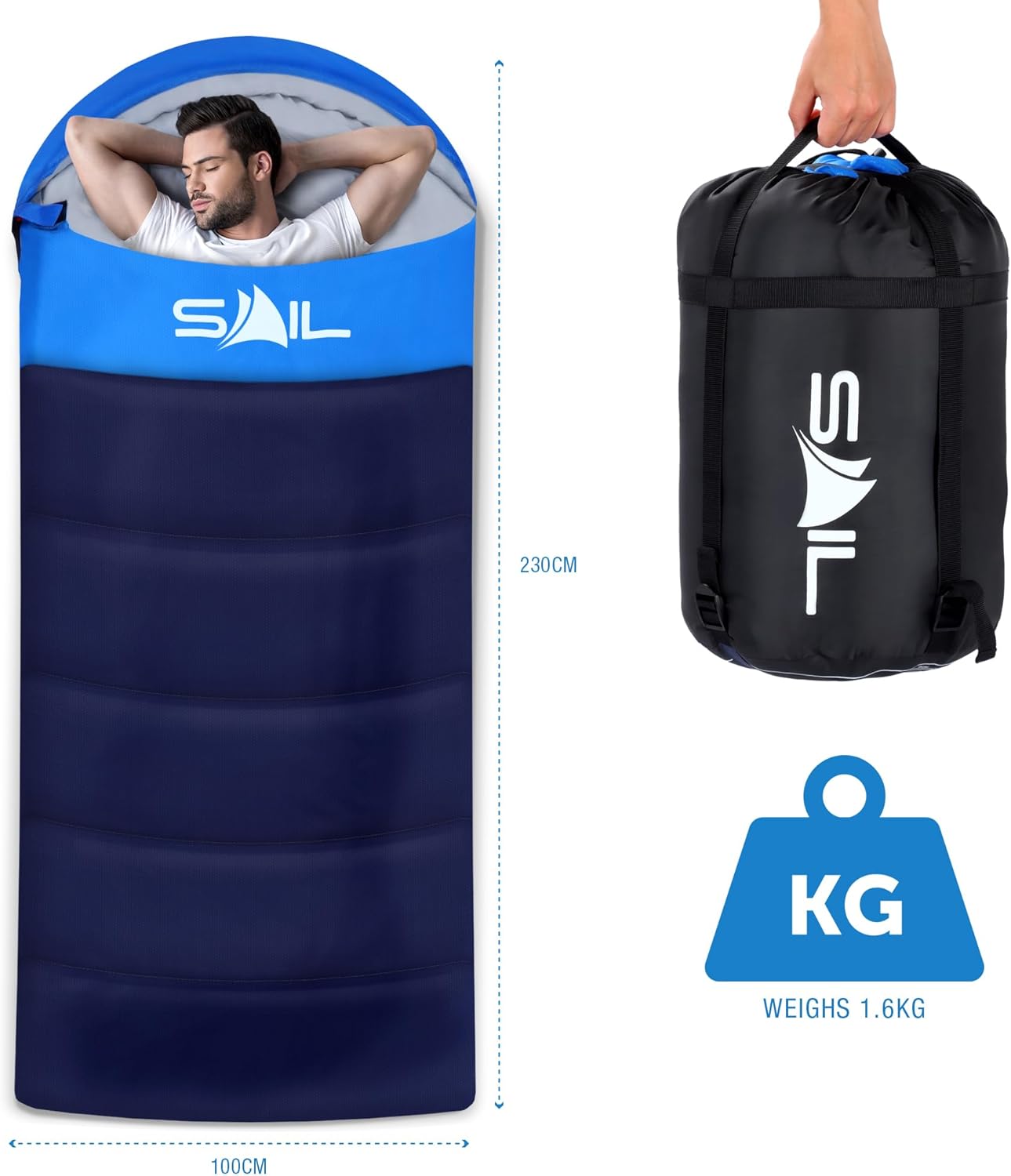
SAIL XL Extra Wide Sleeping Bag for Big & Tall (3–4 Season, Lightweight, Waterproof) 230cm x 100cm
Product description
The essentials for big & tall comfort
If you’re big & tall, a standard sleeping bag can feel like it’s designed for someone else’s shoulders and legs. This SAIL XL aims to solve that with an extra-wide, ergonomic silhouette that’s meant to remove the “pinched in” feeling you get in narrower models. On paper, the oversized profile is there so you can shift position more naturally during the night, which is a big deal if you sleep better with a bit more room rather than having to stay perfectly still.
It’s also positioned as a lightweight option for people who still want cold-weather capability. You’re not just buying a roomy bag, you’re also getting a 3–4 season approach (depending on conditions) with insulation designed for colder ranges.
That said, “extra wide” doesn’t automatically mean “warmer than everything else”. If you’re pushing it well beyond what your trip actually needs, you may find yourself paying for insulation you don’t strictly use.
Key features that matter in real life
The bag’s build is split into three main ideas: roomy shape, temperature control, and moisture resistance.
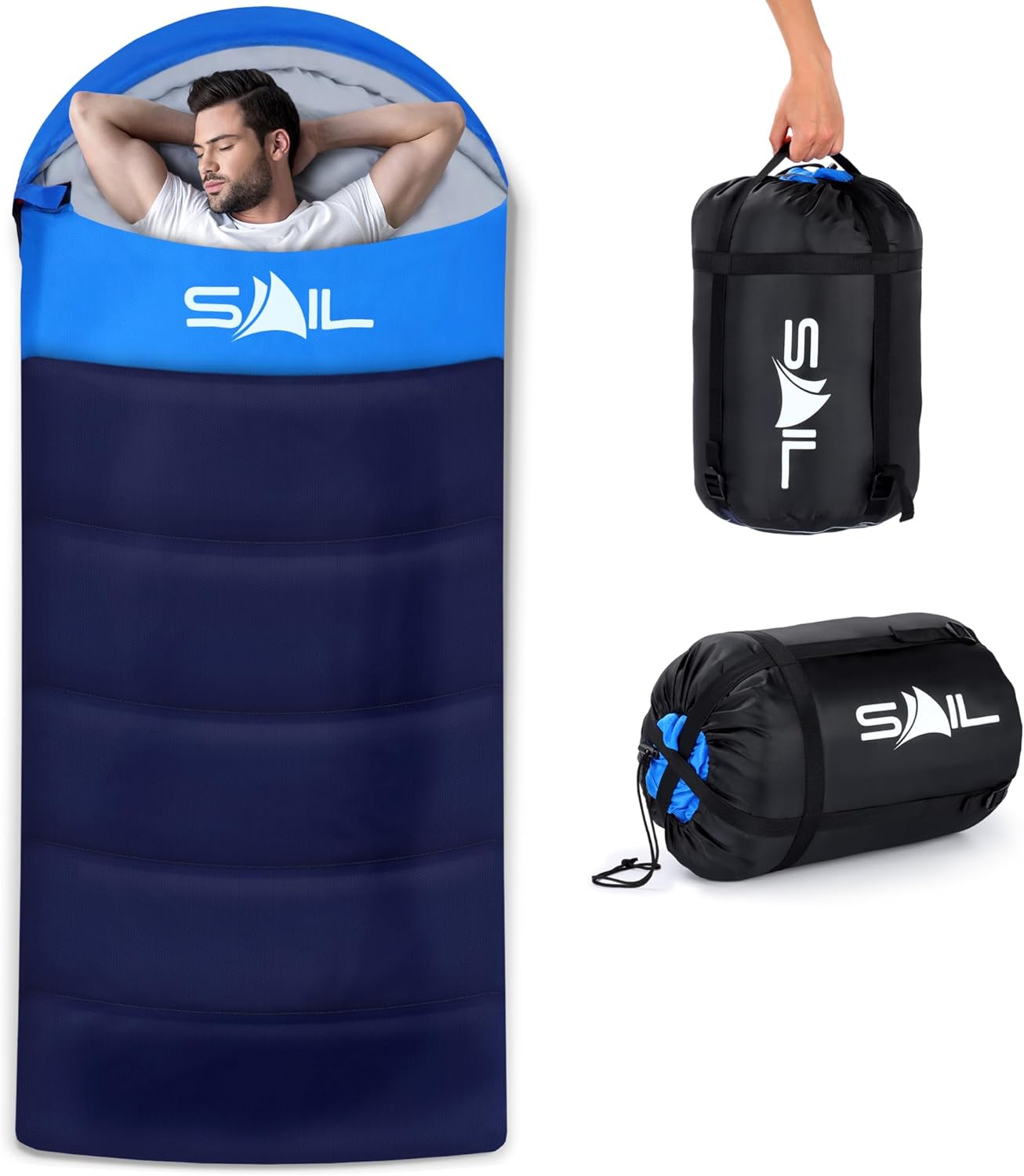
First, the XL “big & tall” shape is engineered with an unrestricted fit in mind. The extra-wide architecture is designed to reduce constriction, so you’re less likely to feel trapped when you roll over. If you’ve ever woken up annoyed because your arms or knees have gone numb from being wedged, this is the kind of design you’ll notice.
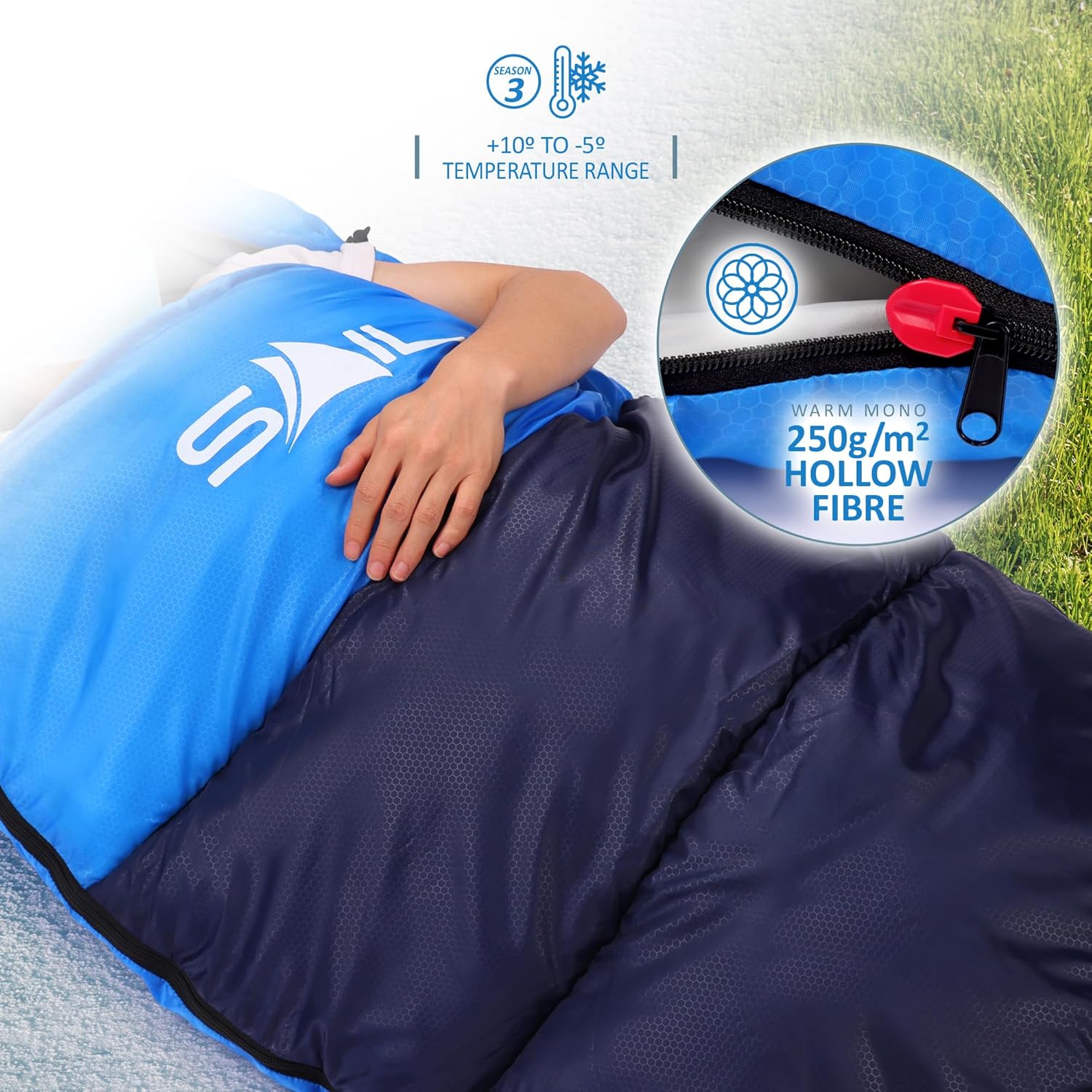
Second, it uses a high-loft 250GSM thermal fill. The description suggests insulation performance across a useful span, including a listed insulation range of 10°C to 0°C, with an extreme resilience rating of -5°C. In plain terms: it’s meant to cope with spring through late autumn, and it’s presented as dependable for colder conditions.
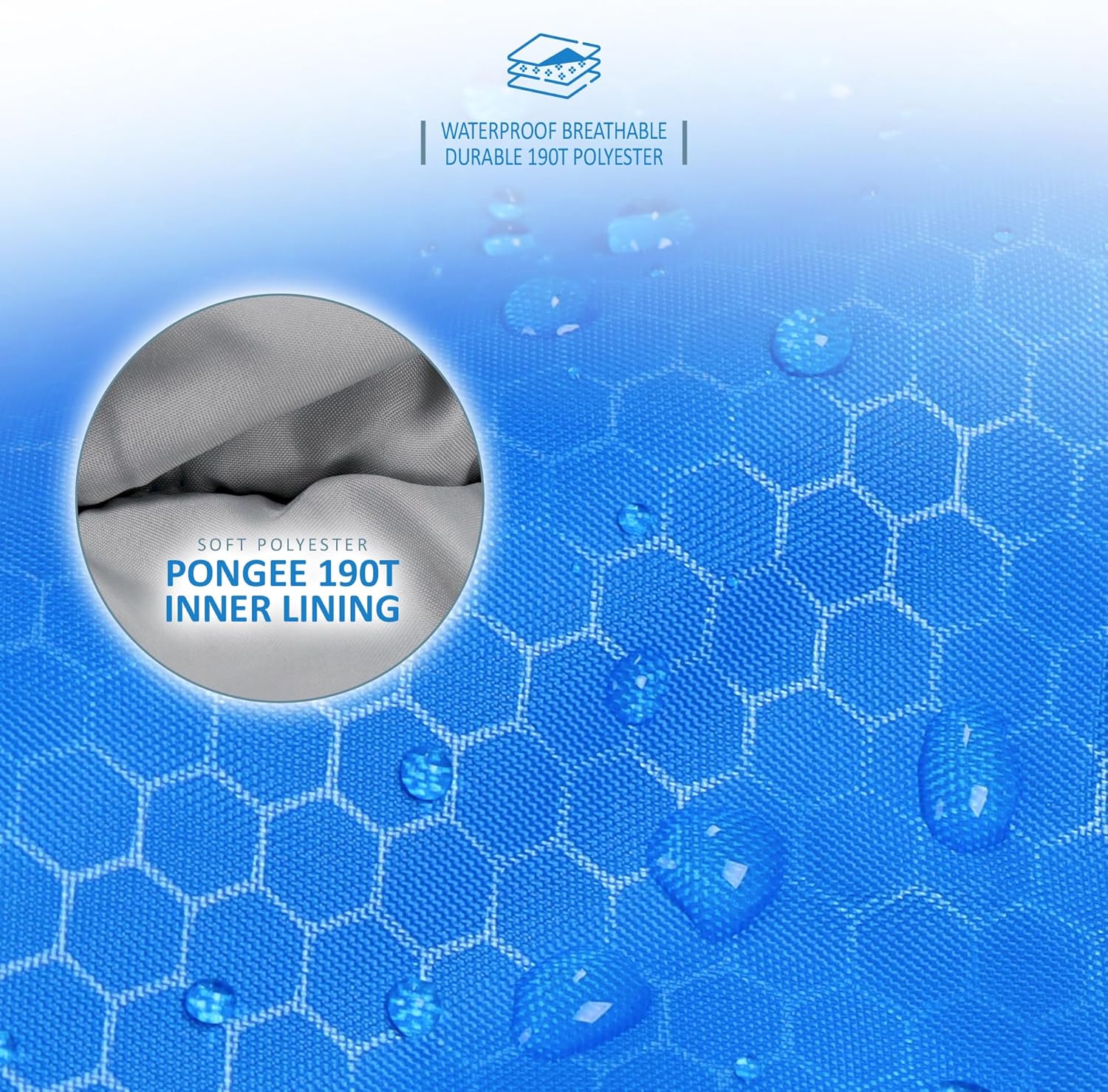
Third, the outer shell is described as hydrophobic and water-resistant, using a high-denier waterproof polyester with a rip-stop exterior. That’s relevant if you camp near damp ground, deal with condensation, or simply want a bag that’s less likely to shrug off light moisture.
One practical micro-scenario: imagine setting up after a damp day, then getting back under a sheltered spot but still with cool air at night. A moisture-repellent shell can help with the “wet ground / clammy feel” problem—assuming you also manage your sleeping area sensibly with a suitable sleeping mat and shelter.
What to know about warmth and seasons
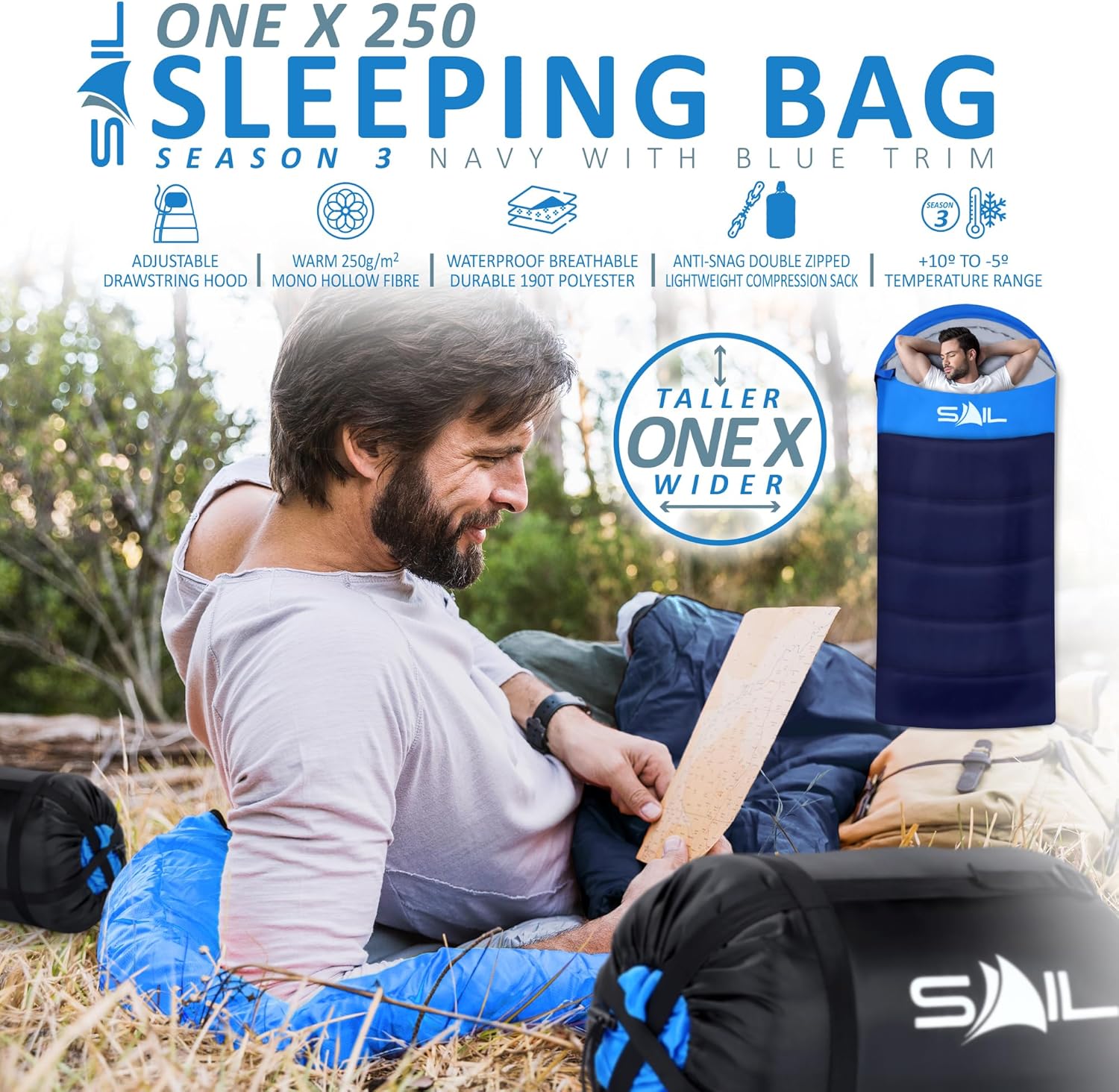
This is marketed as a 3–4 season sleeping bag, with insulation guidance specifically calling out 10°C to 0°C, and an extreme resilience rating of -5°C. Those numbers can be useful, but it’s worth treating them as guidance rather than a guarantee—sleep comfort depends a lot on the sleeping mat you use, your clothing, and how humid/cold the campsite is.
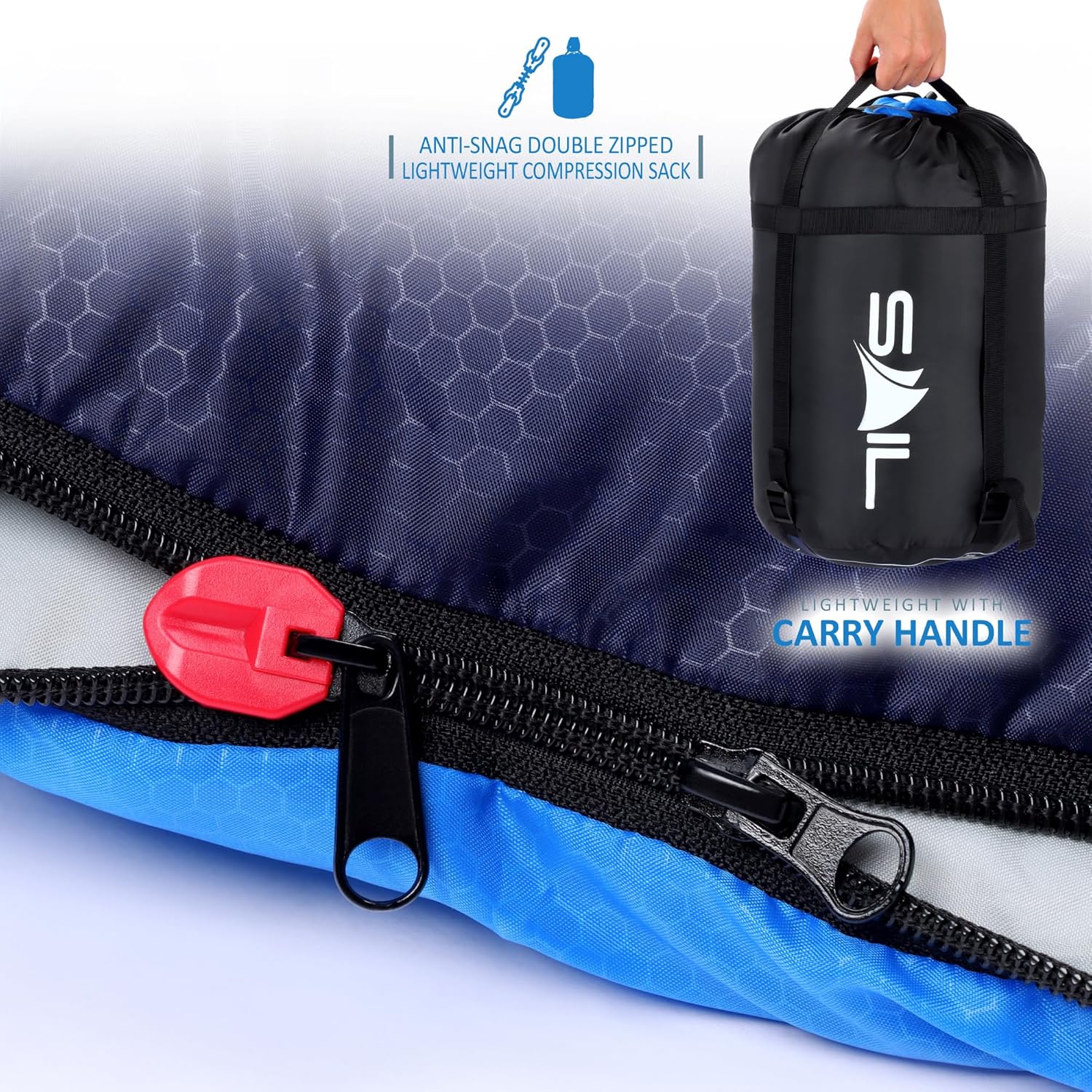
Where this bag seems to sit in the market: it’s not positioned as a bulky winter beast. It’s lightweight, with a stated weight range of 1.6kg to 2.7kg, and it’s designed to compress efficiently into a stuff sack. That usually means it’s for people doing hiking, backpacking, and general camping who want a balance between packability and cold-weather capability.
If your trips are consistently deep-winter and you tend to run cold no matter what, you may want to consider whether your “backup plan” needs extra insulation beyond what a lightweight bag can reasonably deliver.
Waterproof shell and durability: where it can help
The shell is described as high-denier waterproof polyester with hydrophobic, water-resistant behaviour, plus a rip-stop exterior. That combination targets two common frustrations:
- Moisture from the ground, light wet conditions, or condensation.
- Fabric wear when you’re moving around on rougher terrain or pitching up in less-than-perfect conditions.
However, “waterproof sleeping bag shell” in a product description can still mean different things in practice. For example, it’s usually not the same as being designed to survive direct, sustained heavy rainfall without any shelter. So it’s sensible to think of this as moisture-resistant and protective for typical camping situations, rather than a substitute for good site choice and proper rain management.
Everyday packability and size
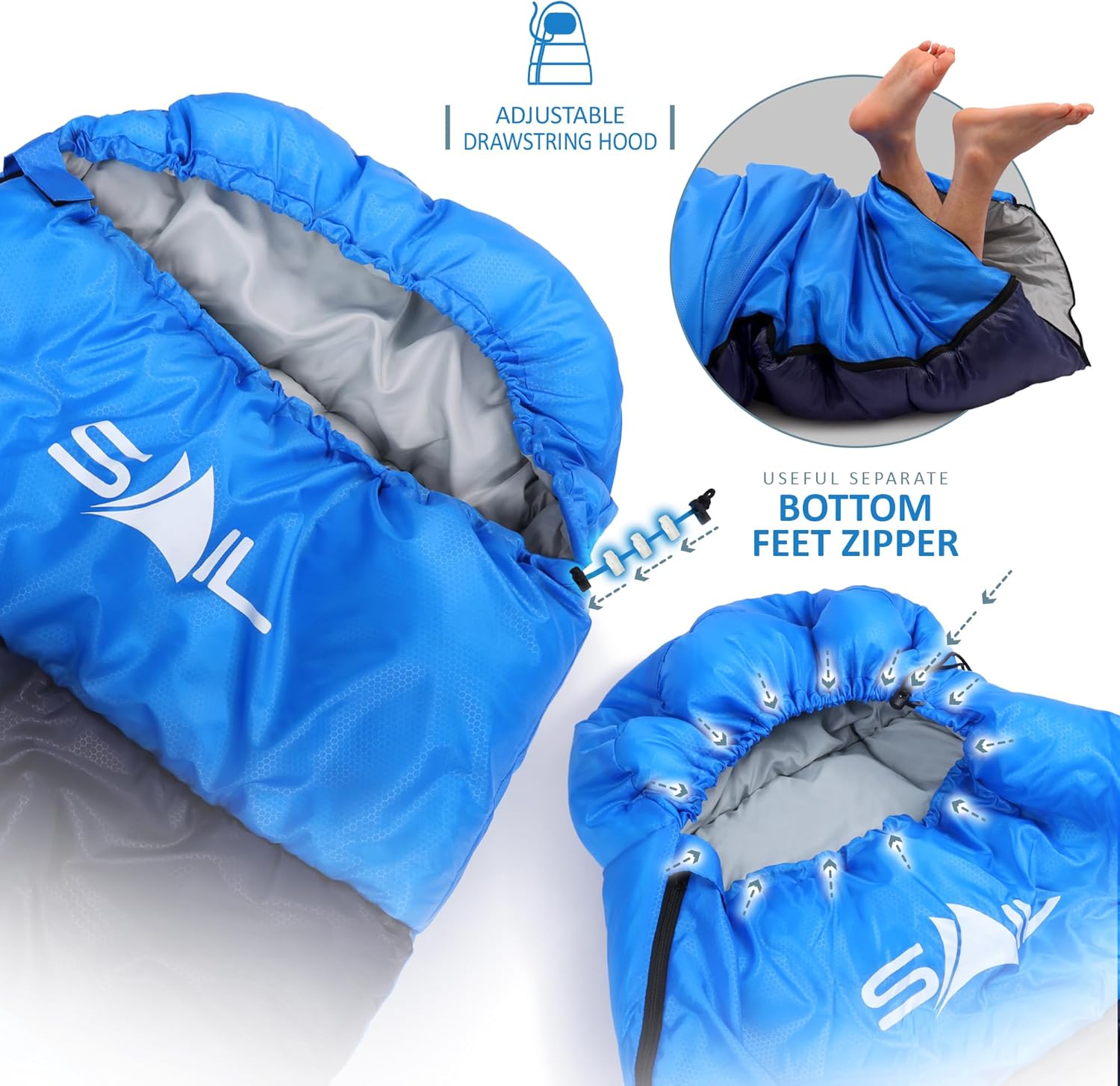
The size is given as 230cm x 100cm, with an extra-wide 100cm width that’s meant to support a more unrestricted fit for big & tall users. There’s also a listed weight figure of 1.6kg (the description also mentions a 1.6kg–2.7kg range), so it may vary depending on the specific version or measurement.
For hiking and backpacking, the key selling point is the strength-to-weight ratio. It’s designed to be lightweight and compresses into a stuff sack with a high-tension design, so it’s meant to be less intrusive in your pack.
If you’re the kind of camper who carries a lot of other gear and prefers less bulk, this bag’s approach makes sense. If you only ever car-camp and don’t care about weight, you might not get as much value from prioritising compressibility—at that point, choosing purely for maximum warmth could be more important.
Who it suits (and who should probably look elsewhere)
It makes sense if you:
- Need more room than standard adult sleeping bags offer.
- Want a cold-weather capable bag for spring through late autumn, with potential use in colder nights.
- Prefer a lighter pack for hiking or backpacking.
- Value moisture resistance for indoor/outdoor camping where condensation or damp ground is a factor.
It might not be a great match if you:
- Expect “winter” performance without relying on your sleeping mat and layering.
- Want a truly spacious bag for very specific sleeping positions, especially if you find extra width doesn’t compensate for temperature needs.
- Only camp in situations where weight and pack size don’t matter, because you may not be getting the best return on features aimed at portability.
Worth considering if you’re comparing alternatives: some people choose between roomy comfort and thermal performance. This one tries to combine both, but it’s still a lightweight design—so thermal expectations should be realistic.
Tech specs and quick checks before you buy
A few details worth checking to avoid surprises:
Tech specs
- Dimensions: 230cm x 100cm
- Weight: 1.6kg (with a stated range of 1.6kg–2.7kg)
- Insulation fill: 250GSM inner filling
- Temperature guidance mentioned: 10°C to 0°C, extreme resilience rating -5°C
- Shell: hydrophobic, water-resistant waterproof polyester, rip-stop exterior
- Seasons: 3–4 season use (described as optimised for spring through late autumn)
- Warranty: 365-day warranty
Also consider whether you’ll be using the bag indoors as well as outdoors. The product description explicitly mentions indoor & outdoor use, so it’s not presented as a “strictly outdoors only” bag.
Mini FAQ
What is the sleeping bag’s main benefit?
The extra-wide XL silhouette is built to reduce constriction and help big & tall users shift position more naturally, while still aiming to cover a useful temperature range.
Is it suitable for damp conditions?
The shell is described as hydrophobic and water-resistant with a waterproof polyester build and rip-stop exterior, which should help with moisture and condensation compared with non-treated fabrics.
How light is it for hiking or backpacking?
It’s described as lightweight, with a listed weight of 1.6kg and also a range of 1.6kg–2.7kg, depending on the version/packing details.
Will it keep you warm in winter?
It’s presented as capable for cold-weather excursions, with guidance that includes 10°C to 0°C and an extreme resilience rating of -5°C. Still, comfort will depend on conditions and your sleeping mat.
Is there a warranty?
Yes, the listing mentions a 365-day warranty in case the product is at fault.
Is it worth it?
It’s worth buying if you’re big & tall and you want a sleeping bag that prioritises room to move without ignoring cold-weather use. The extra-wide design and the stated moisture-resistant, waterproof shell make it a practical choice for real camping and backpacking—especially when you’re dealing with damp ground or condensation.
You may want to skip it if you’re chasing maximum winter warmth as a standalone solution, or if you don’t care about pack size and weight (because this is clearly designed with portability in mind). In the end, if you match it with the right sleeping mat and don’t overshoot the temperature expectations, it looks like a solid, comfort-led upgrade over more restrictive standard bags.