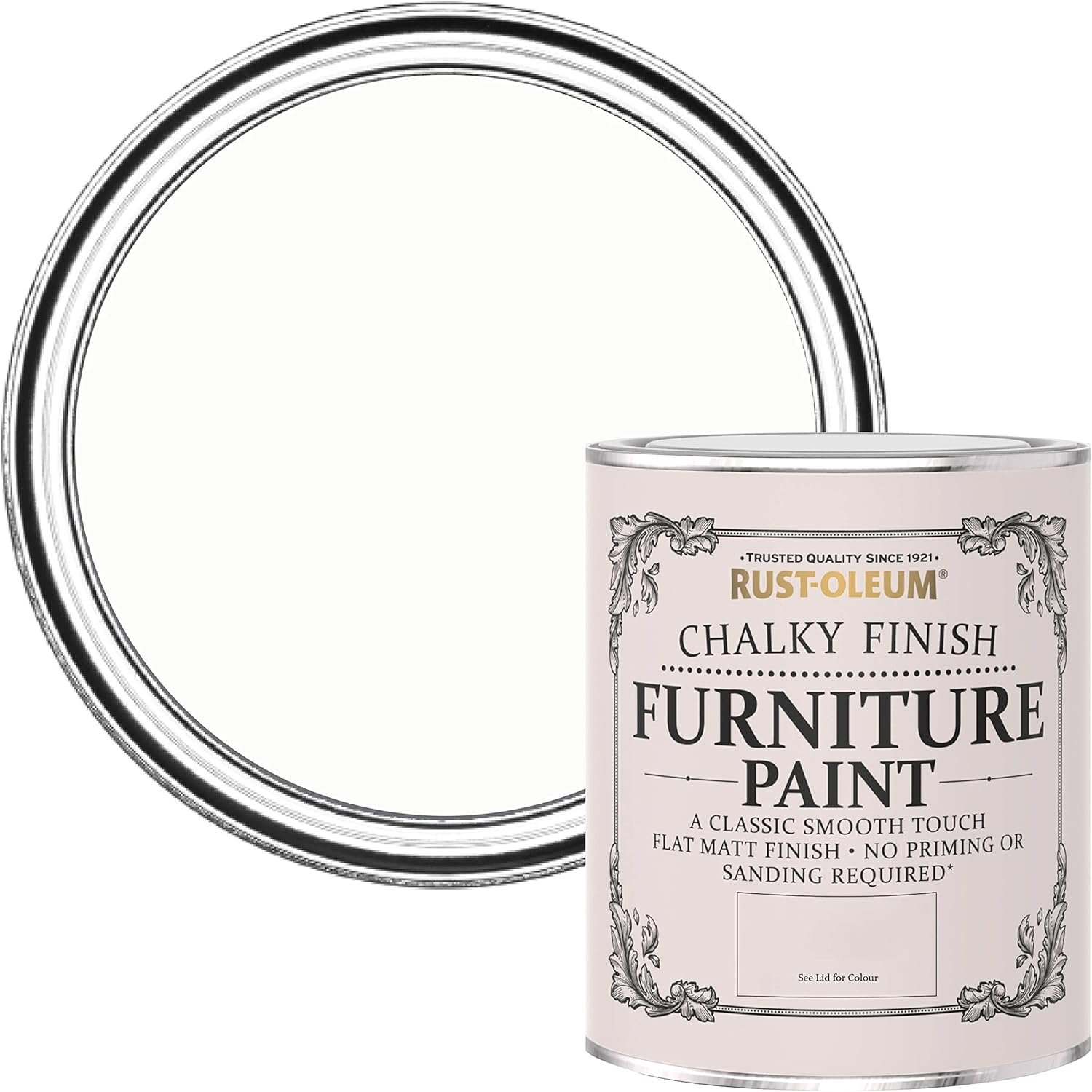
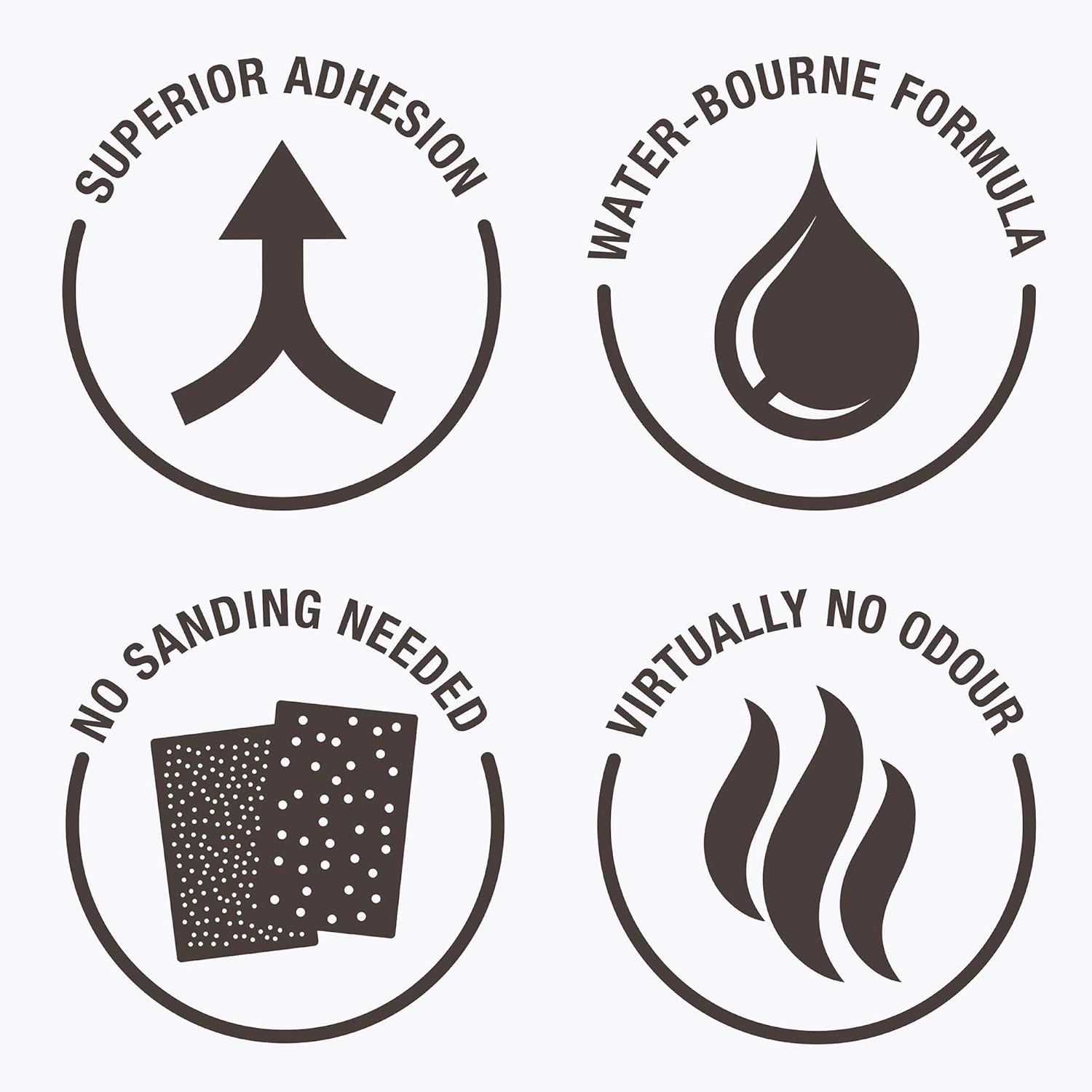
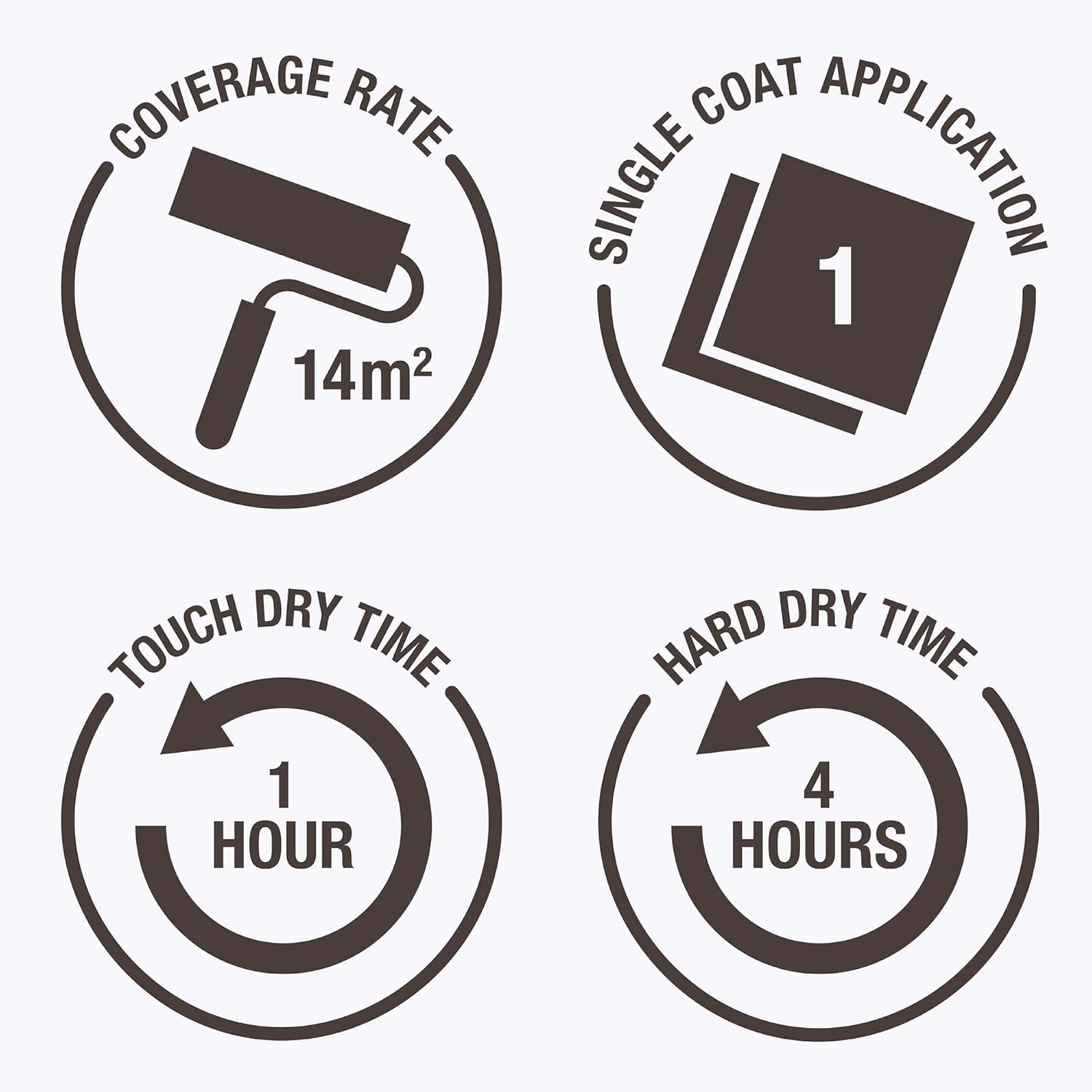
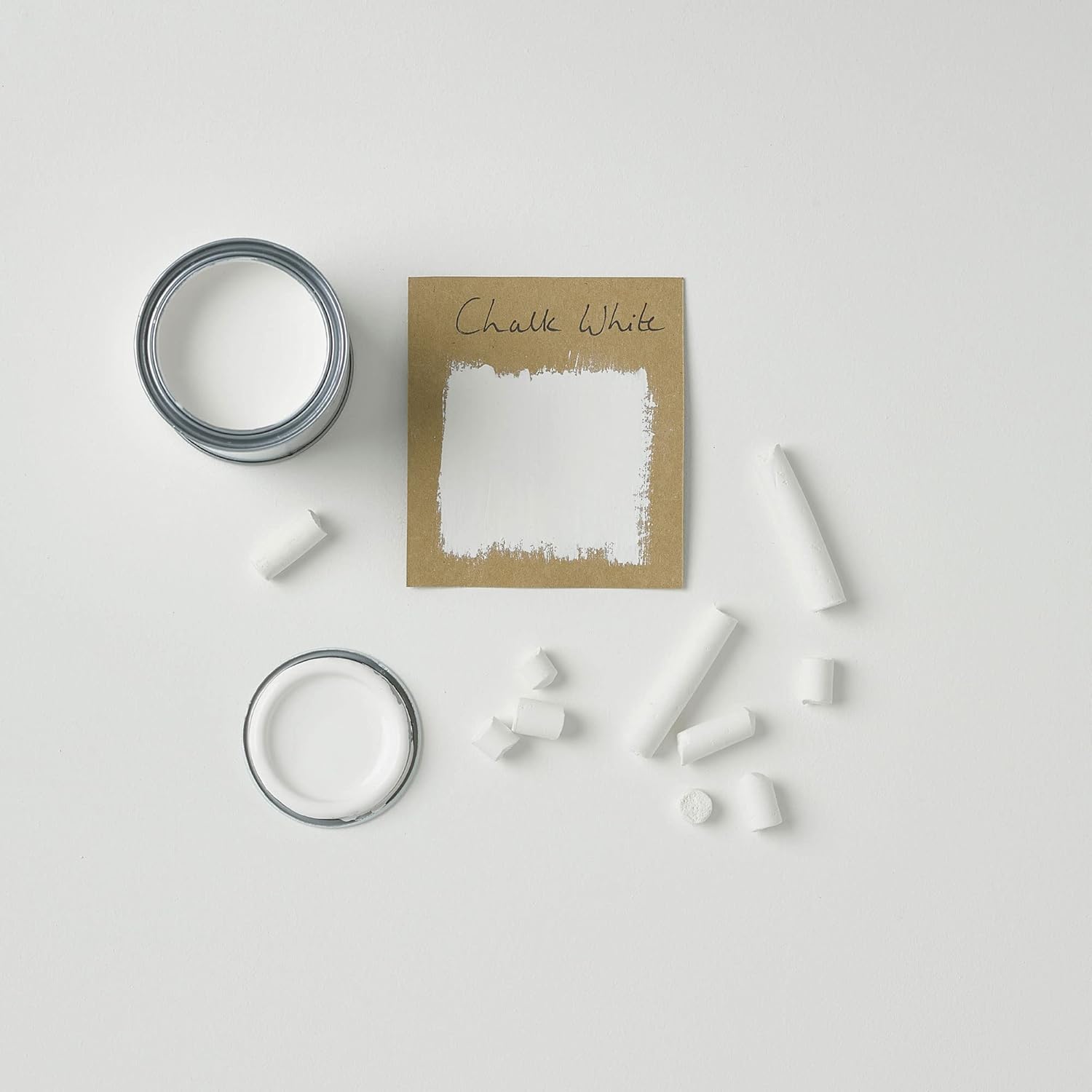
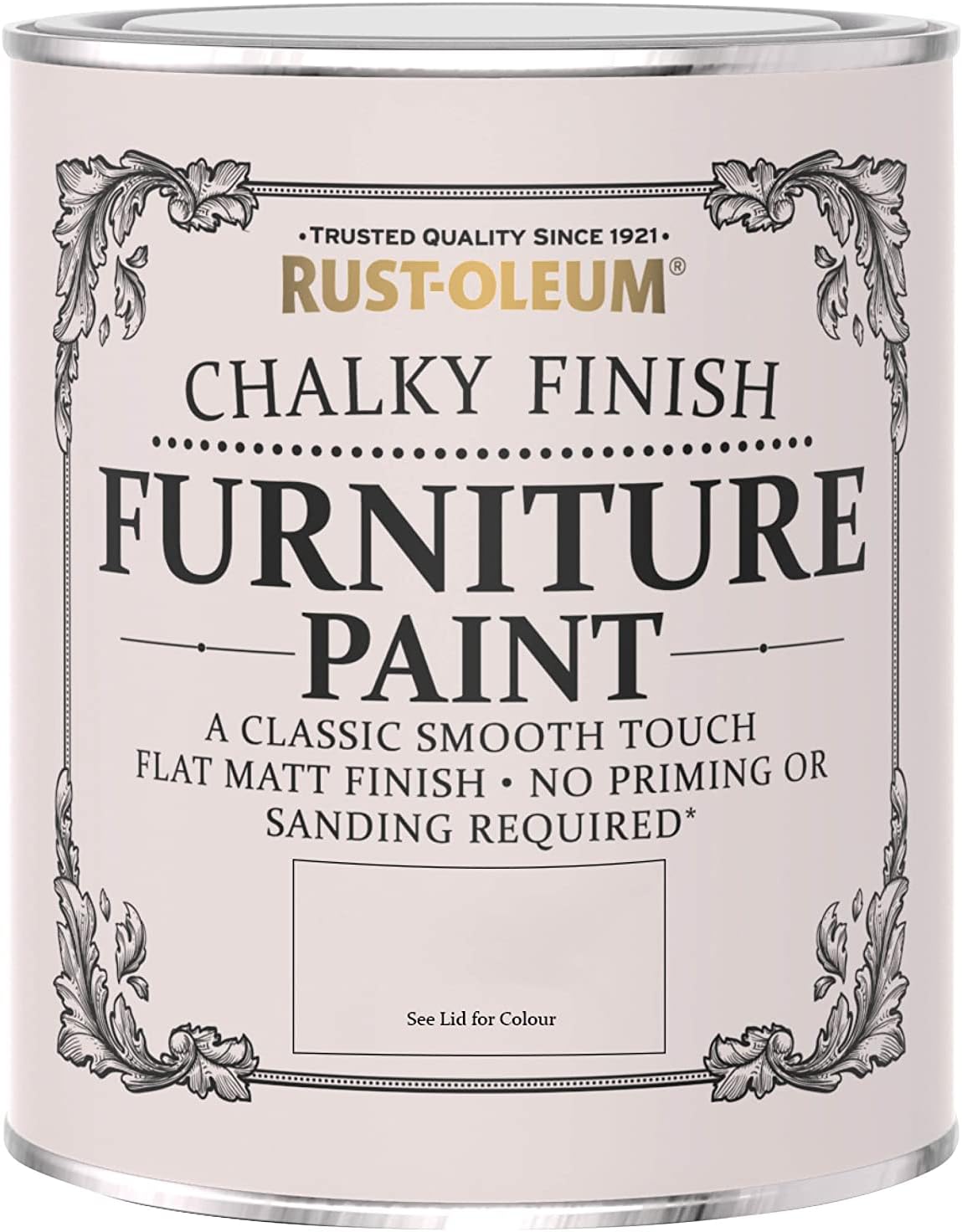
What it is and what it’s for\nRust-Oleum Chalky Furniture Paint Chalk White is a water-based decorative paint designed for interior furniture projects. It promises low odour, easy handling and straightforward coverage, aimed at giving a chalky, vintage-inspired finish to milk-churn style pieces, cabinets or drawers without the need for heavy prep work. If you’re aiming for a soft, matte look on a dresser or side table, this paint positions itself as a practical, low-muss option.\n\n## Key benefits in practical terms\nOn the surface, the formulation is designed to offer minimal odour, which helps when you’re painting indoors without extended ventilation. The claim of exceptional coverage in just one coat is appealing for small to mid-sized projects, potentially saving time and material. The “no priming or sanding necessary on most surfaces” note can simplifyTodo tasks, especially for quick makeovers, however, it’s wise to test on a sample panel or a hidden area to confirm adhesion and finish on your specific surface, particularly if you’re working with glossy, very smooth or highly porous materials.\n\n## What to watch out for (limitations)\nThis product is marketed for interior use only. If your project involves exterior conditions or high-moisture environments, you’ll want to consider an alternative appropriate for such settings. Results can vary depending on the substrate: for example, previously waxed or oiled surfaces may require some prep to ensure adhesion. While one coat sounds efficient, you may still choose to apply a second coat for deeper colour depth or a more uniform finish, particularly on lighter woods or darker base colours.\n\n## How it’s used in practice\nBegin with a clean, dry surface. Wipe away dust, remove loose paint or wax layers if present. Apply evenly with a brush or roller, the aim is a smooth, consistent layer rather than heavy build-up. Allow to dry according to the manufacturer’s guidance and assess coverage after the first pass. Depending on the piece colour and the level of wear, you might notice some variations still visible, which could be resolved with a light touch-up or a second coat.\n\n## Who it’s for\nThis style of paint suits DIY enthusiasts, hobbyists and anyone wanting a straightforward chalk paint solution for interior furniture revamps. If you value a softer, chalky appearance and a relatively quick project timeline, this product should align well with those goals. It may be less appropriate if you require a highly robust exterior finish or if you’re painting objects that will face heavy daily use or moisture.\n\n## What it isn’t the best option for\nIf ongoing durability in high-traffic areas or washability is a priority, consider finishes designed for higher durability or water resistance. For surfaces that require strong bonding to non-porous substrates, a primer or alternative preparation method may still be needed.\n\n## Quick decision guide\nIf you prioritise convenience, interior furniture projects with a soft, matte look and a low odour, this chalk paint offers a sensible balance of ease and finish. If you anticipate issues with adhesion due to previous finishes or unusual substrates, test first and be prepared to tweak by light sanding or priming on problem areas.\n\n## Practical use case example\nYou’re revamping a chipped oak sideboard. A single coat of Chalk White could deliver a refreshed, matte palette while preserving the wood’s texture. For a smoother overall look, you might lightly sand imperfections first and ensure even application along edges and panels.\n\n## FAQ (practical only)\n- Do I need a primer? Generally not on many surfaces, but testing is wise on problematic substrates.\n- Can I seal it afterwards? A protective topcoat can be added if you want extra durability.\n- How long to cure? Allow the surface to dry fully before use, follow the manufacturer’s recommended cure times.\n
Is it worth it? \nA solid pick if you want a straightforward interior chalk finish with minimal prep, and you’re working on furniture where a softer, vintage look suffices. It may not be the best choice if you need ultra-durable, exterior-grade or high-traffic results.