

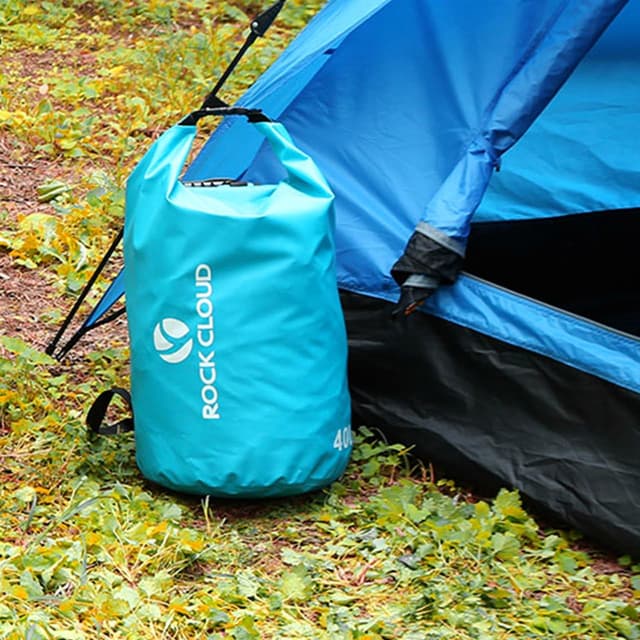
ROCK CLOUD waterproof dry bag (dry sack) for kayaking, rafting and camping
Product description
Key takeaways
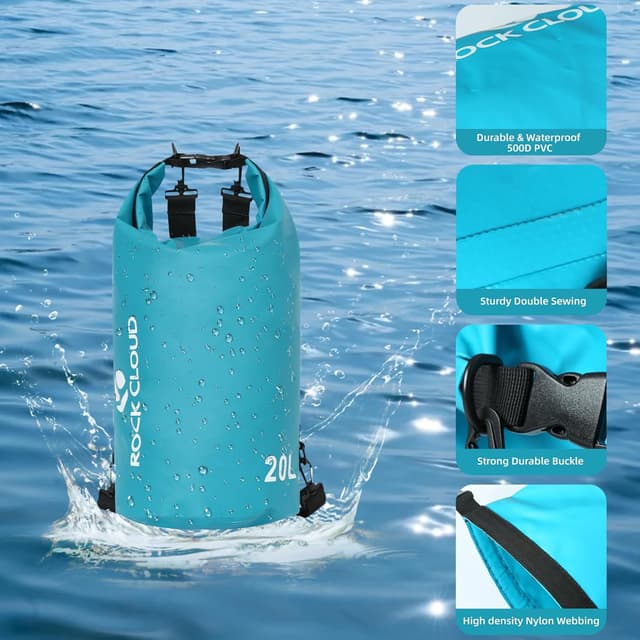
A ROCK CLOUD dry bag is the kind of purchase you don’t think about until you need it: a simple way to keep clothes, spare layers and small kit dry when you’re dealing with spray, rain, river mist or wet beach sand. On paper it ticks the basics well thanks to a roll-top closure designed to form a watertight seal, plus a ripstop canvas build with welded seams.
The roll-top system is typically what makes dry bags worth it in real life—if you wrap and seal it properly, you can treat this as a reliable barrier rather than just “water-resistant storage”. Where it may not be the perfect match is in the details you can’t see from a description alone, like how you pack the bag (air gaps, sharp items, and overfilling all matter).
The essentials
This ROCK CLOUD dry sack is built for outdoor and water-based days: kayaking, rafting, canoeing, beach sessions, surfing, swimming, camping, hiking, fishing, and even ski trips. The brand positions it as a carry-anywhere option across seasons, which is sensible if you want one bag you can throw into a car and use for multiple activities.
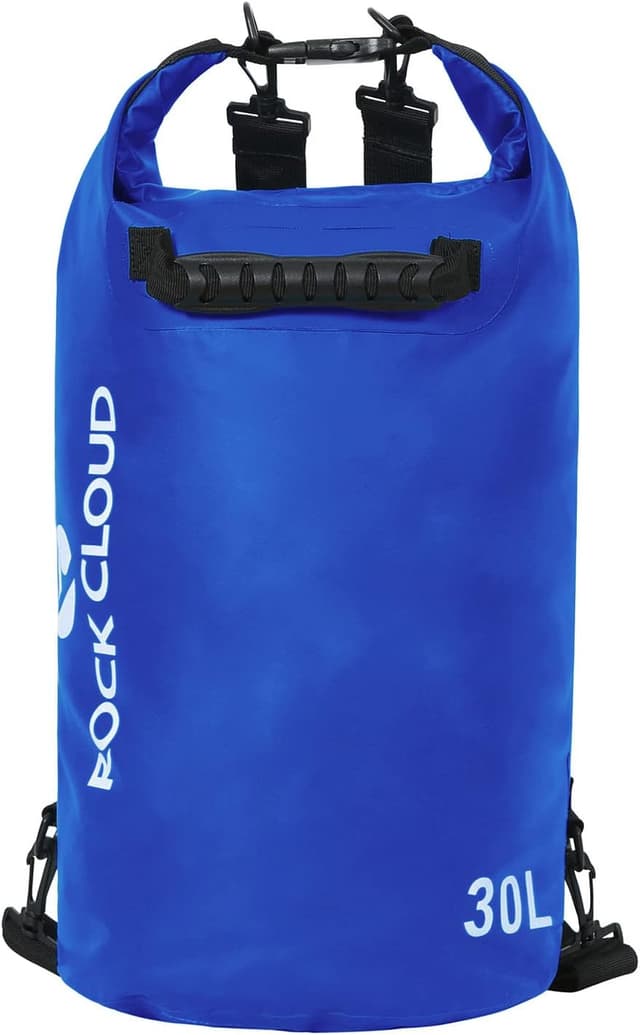
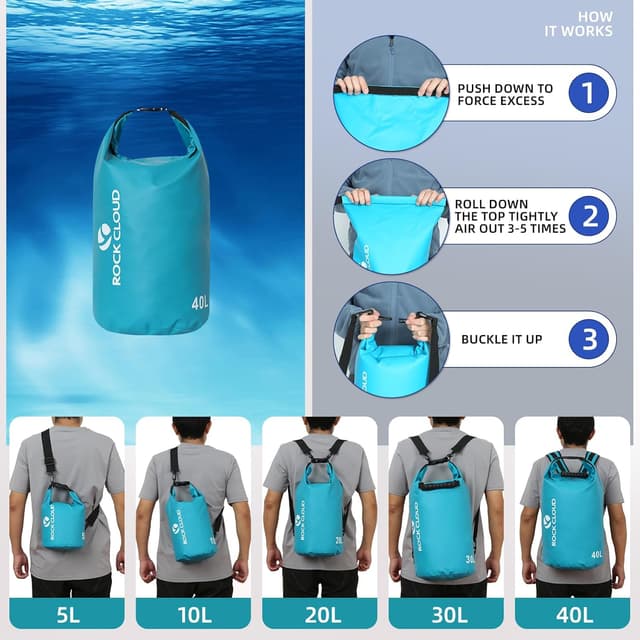
How it works is straightforward: you place your items inside, fold the opening over multiple times (the guidance is roughly 3–5 rolls), then fasten the closure. It’s designed to be simple to operate even when you’re wearing gloves or you’re in a hurry after getting splashed.
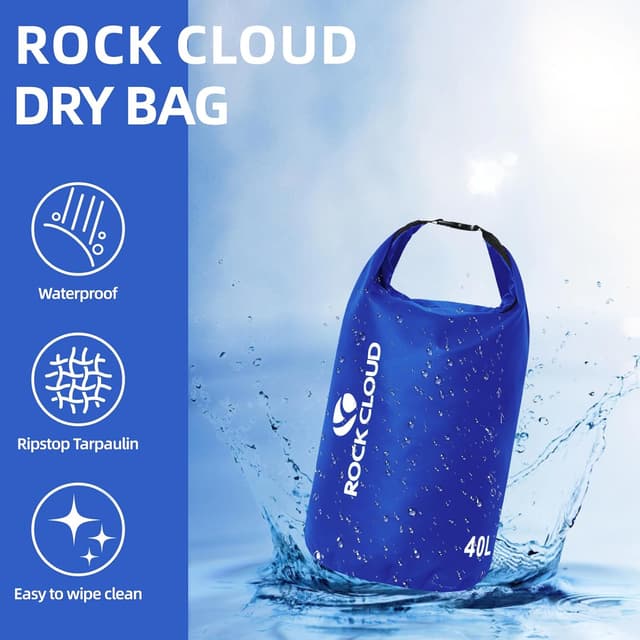
It’s also described as easy to clean because the surface is smooth, which is useful if you’re moving between salt water, mud and campsite surfaces.
What you’ll notice day to day
The main things that stand out here are durability cues and practical packing.
- The bag uses ripstop canvas with welded seams, aiming to resist tearing, ripping and punctures.
- The closure is roll-top, which is the usual approach for dry storage when you’re relying on a watertight seal.
- Different sizes are offered, with a stated range including 5L, 10L, 20L, 30L and 40L.
- The 40L option is said to come with thicker, backpack-style shoulder straps for heavier loads, while smaller sizes have adjustable and removable straps to suit lighter carries.
One limitation worth bearing in mind: it explicitly isn’t suitable for underwater sports. If your plans involve prolonged submersion or activities where the bag would be expected to sit underwater for extended periods, this kind of “dry sack” may not be the right tool.
Who it suits (and who should skip it)
It makes sense if you want a dry bag for keeping gear protected during typical wet conditions—river paddle days, canoe outings, beach transport, camping in damp weather, or trips where your kit might get hit by rain or spray. If you’re the sort of person who’s tired of soggy spare clothes in a backpack, this is the direct fix.
It might not suit you if your priority is underwater use, or if you plan to store fragile items without taking a bit of care over sharp edges. Dry bags can only do their job if they’re used as intended—overstuffing or packing items carelessly can reduce how well the seal holds.
Size guide by scenario
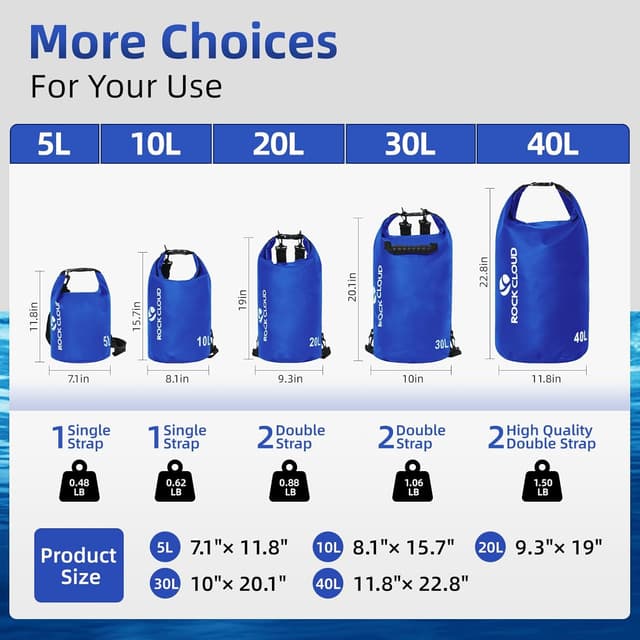
You’ve got a range of sizes here, so choosing the right one matters more than with a single “one size fits all” product.
For small essentials like a phone, a compact change of clothes or a few snacks, 5L–10L could be enough. If you’re packing more than that—say, a dry layer plus towels or extra gear—20L–30L is where this starts to feel like a proper day-bag. The 40L model, with shoulder straps described as thicker and backpack-like, is the one to look at if you’re carrying heavier loads.
If you’re unsure, it’s worth thinking about how you pack: a larger bag doesn’t always mean better sealing performance if it encourages you to overfill.
Tech specs
- Type: waterproof dry bag / dry sack
- Closure type: roll-top sealing system
- Materials: ripstop canvas with welded seams (puncture and tear resistant)
- Sizes: 5L, 10L, 20L, 30L, 40L
- Strap notes: 40L has thick backpack-style shoulder straps, 20L and 30L have adjustable and removable shoulder straps, 5L and 10L have one adjustable removable shoulder strap
- Suitability note: not suitable for underwater sports
Best use cases (quick examples)
If you’re kayaking and the deck gets splashy, you can put a dry base layer and spare socks inside, roll the top several times and seal it tightly before you start. That way, when you finish and you’re ready to swap out of wet kit, you’re not hunting through damp fabric.
For a beach day, the approach is similar: store a towel, dry clothes and a small electronics pouch in the dry sack, then keep it sealed when you move between the car, the shoreline and any windy breaks.
Is it worth it?
This ROCK CLOUD dry bag is worth considering if you want a roll-top dry sack for keeping gear dry in wet but normal outdoor conditions—on the water, at the beach, or during camp and hiking. It’s positioned as durable (ripstop canvas, welded seams) and practical (easy cleaning, multiple sizes, and strap options that suit different loads).
However, don’t treat it as an underwater solution. If your use case involves submersion or prolonged underwater activity, the stated “not suitable for underwater sports” is a clear sign to look elsewhere.
Mini FAQ
Can I use this dry bag for underwater sports?
No. The description notes it isn’t suitable for underwater sports.
How do I make sure the bag stays watertight?
Follow the roll-top method described: place items inside, then fold/roll the opening several times (around 3–5), and secure the closure.
Is it easy to clean?
It’s described as easy to clean due to its smooth surface, which should help after beach sand or general outdoor grime.
Which size should I choose?
It depends on what you’re carrying: smaller sizes suit smaller essentials, while larger sizes (especially the 40L) are better for heavier or bulkier loads. The bag also has different strap setups depending on size, so pick based on how you plan to carry it.