

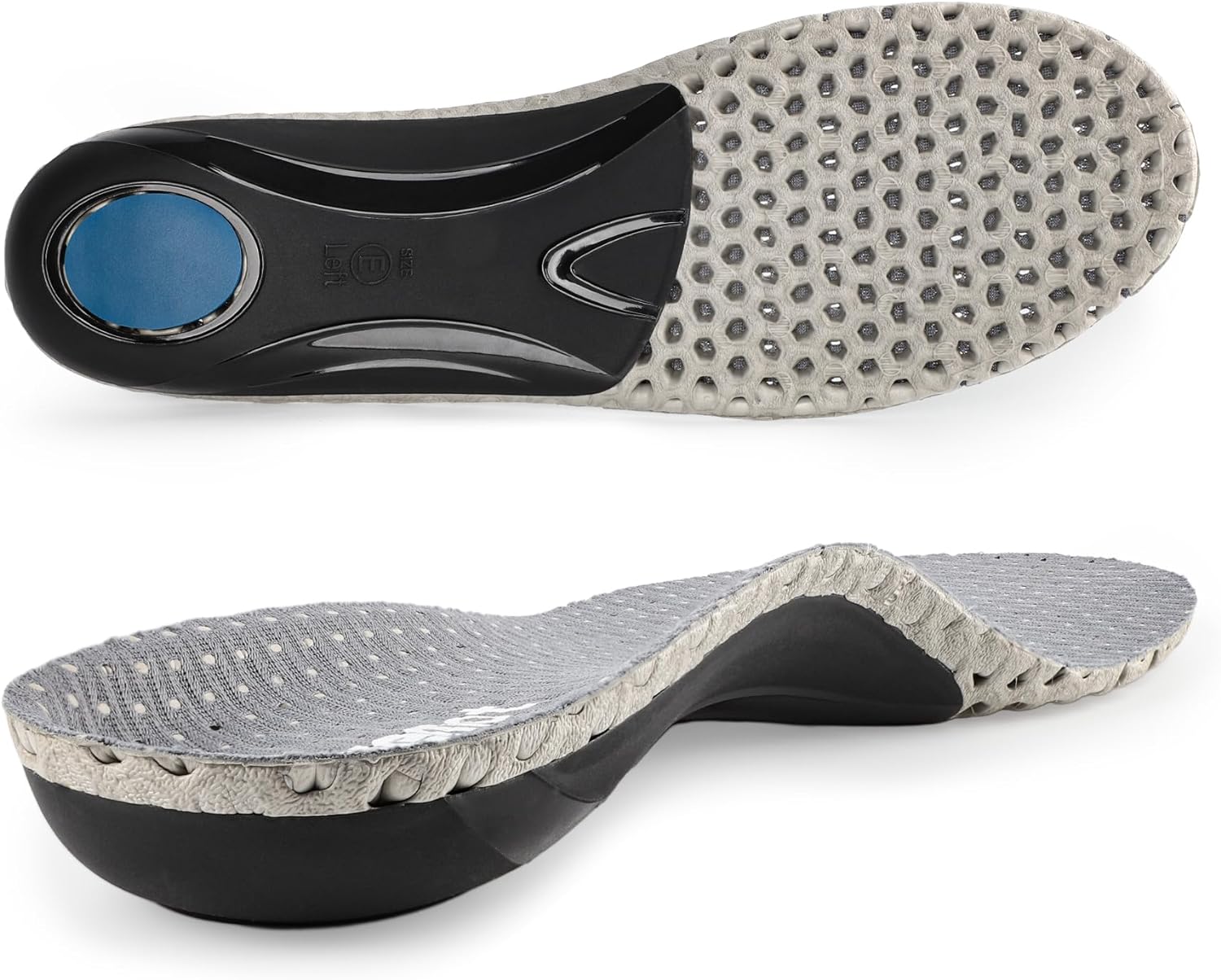
riemot arch support shoe inserts with U-heel design for plantar fasciitis and flat feet (UK 3–13)
Product description
What these insoles are for
If you’re dealing with sore feet after long shifts, or you simply notice your arches don’t feel supported in everyday shoes, riemot’s arch support shoe inserts are aimed at that exact problem. They’re positioned as comfort orthotic insoles with arch protection and shock-absorbing cushioning, so you get a more stable feel underfoot when you’re on your feet for hours.
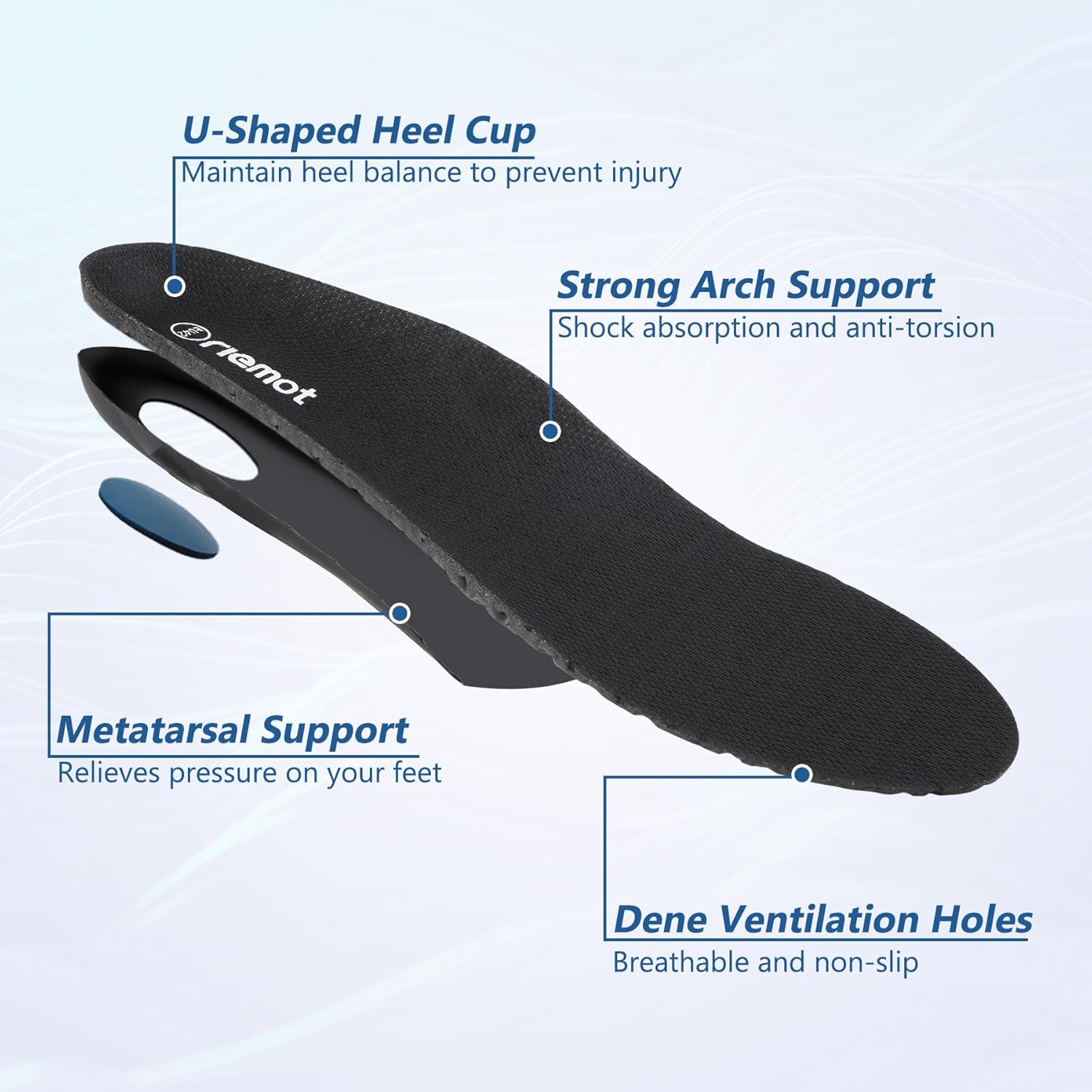
They’re also designed around an idea that’s pretty common in foot-care insoles: redistribute pressure and reduce strain. On paper, the combination of an ergonomically shaped insole and a deeper U-heel cup is meant to keep your heel more stable and help take the edge off impact.
Where the design choices matter
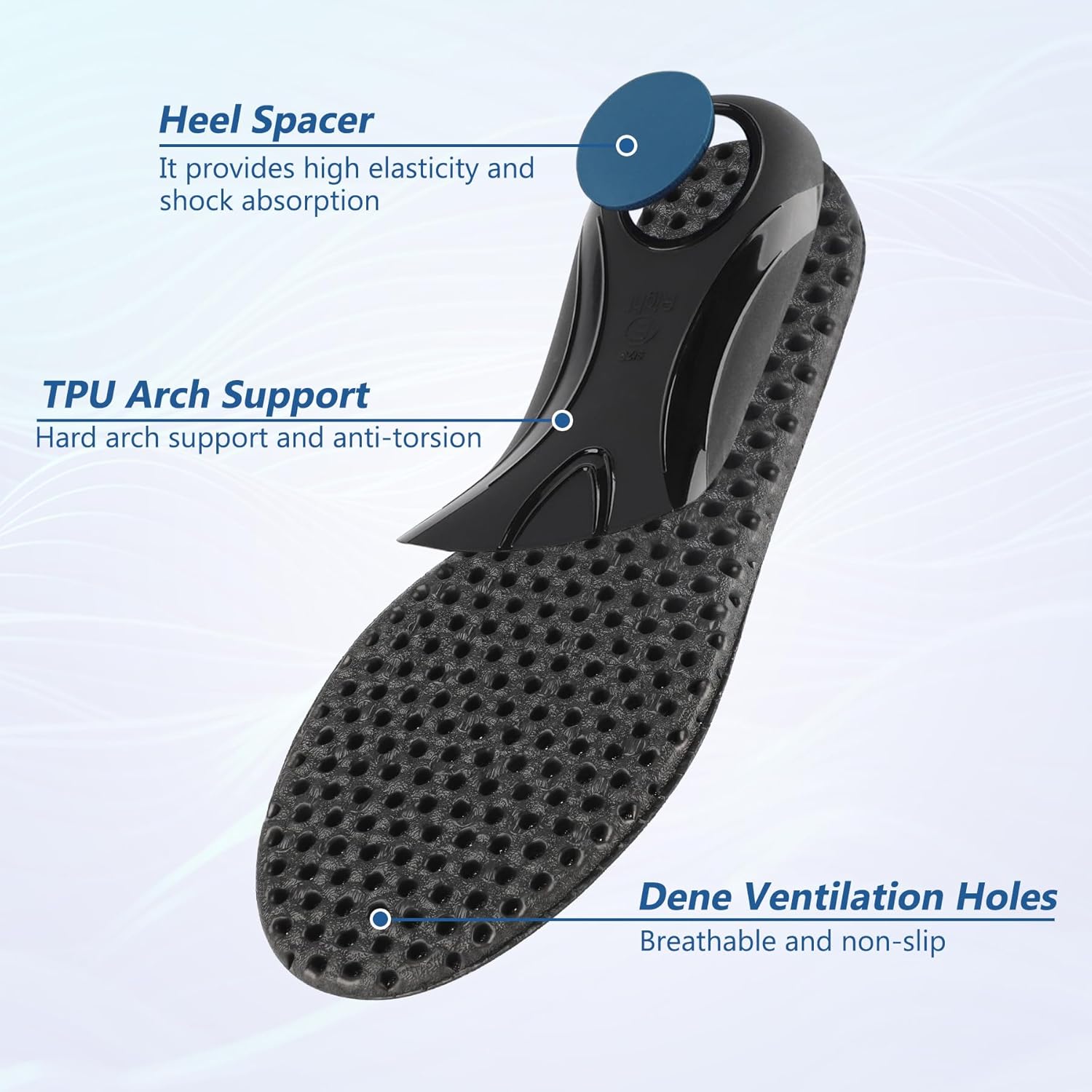
The standout detail is the U-heel design: a deep, U-shaped heel cup intended to improve stability. The base is described as durable EVA foam, and the intention is to absorb impact and reduce friction between your foot and the inside of the shoe.
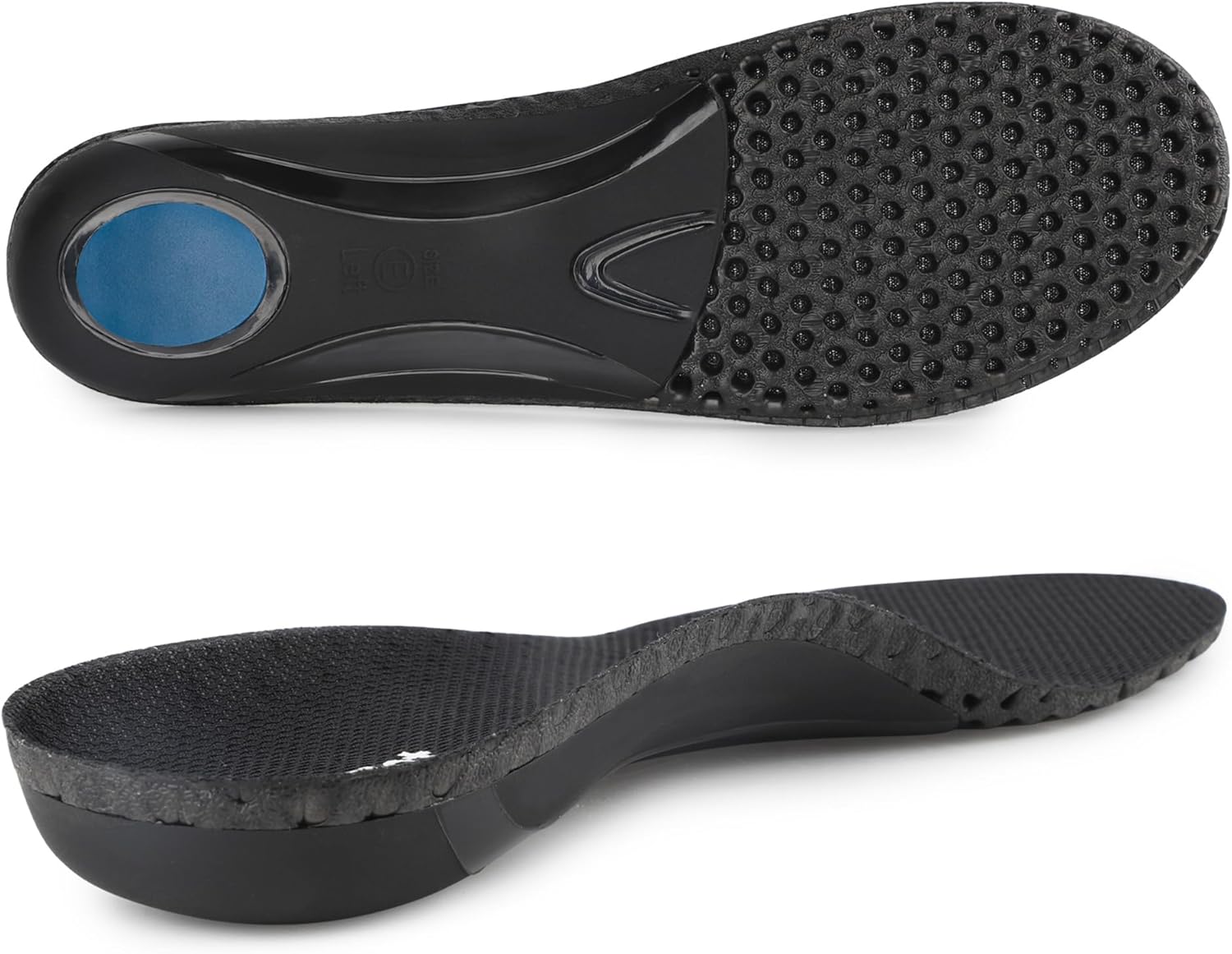
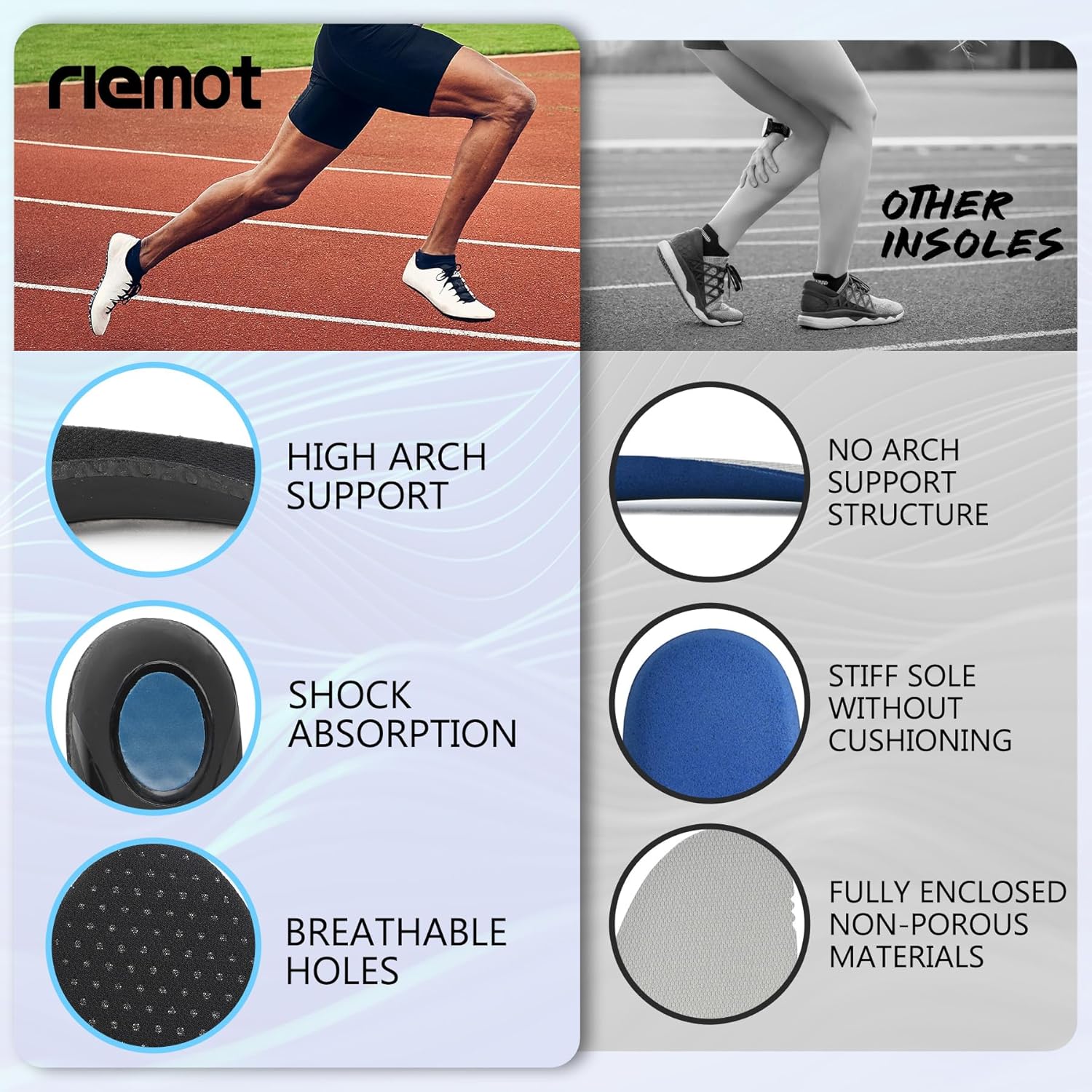
The rest of the build is built for day-to-day wear. There’s a high-quality fabric approach with a honeycomb pattern, breathable honeycomb vents in the forefoot area, and bottom holes to encourage moisture wicking. In practical terms, that means they’re trying to keep things more breathable during long wear, not just pad your feet for a short walk.
And if you move around a lot—standing work, training, or active days—this type of insole is usually chosen because it offers structure without making the shoe feel bulky.
Comfort and support you can expect (and the limits)
For prolonged standing and sports, these inserts are described as heavy-duty, with arch protection plus cushioning. If your main issue is discomfort linked to flat feet or plantar fasciitis, an arch-support insole like this can be worth considering because it targets the “support” side of the equation rather than only adding softness.
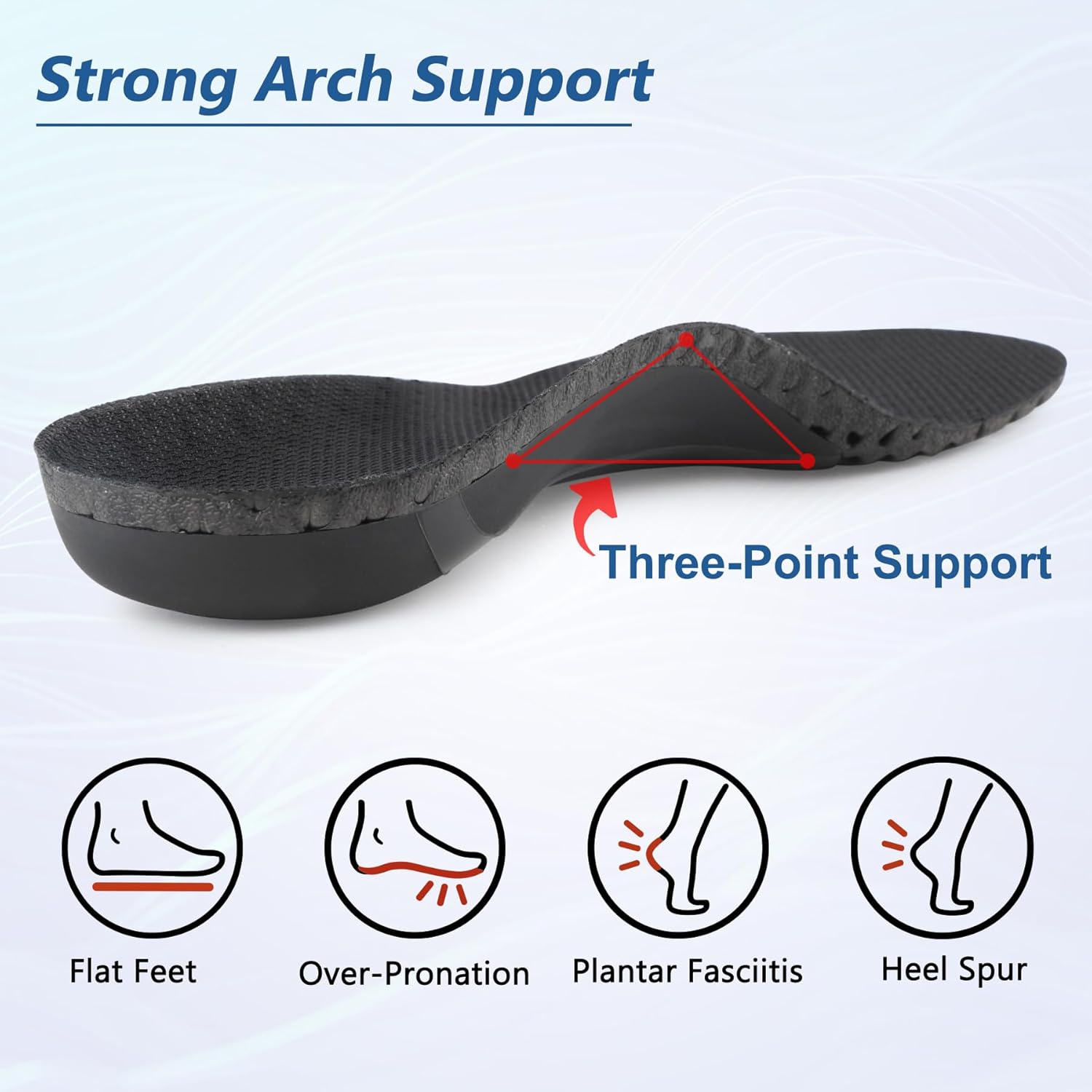
That said, it’s sensible to keep expectations realistic. Insoles aren’t a cure, and support needs vary from person to person. You may find them helpful for everyday comfort, but if your condition is more severe, or if you’ve been advised to use specific orthotics, these may not match what a professional setup would provide.
Also, “fit most types of shoes” is helpful, but it doesn’t mean every shoe will feel right. Some footwear has very limited insole depth, and that can affect how snug the insert sits.
Getting the right fit in your shoes
A key plus here is that the insoles can be cut to better fit. That’s useful if you’re trying to match the insert to your shoe’s existing insole shape or if you want a cleaner fit without overhang.
The practical way to do it is simple: remove your existing insole (if your shoe allows it), place these inserts on top to check coverage, then trim carefully. You’re aiming for a secure, flat fit—nothing that curls at the edges.
It’s also worth noting that friction reduction and stability depend on the insert sitting properly. If it slides or ends up too small, you’ll lose some of the benefit.
Best use cases for buyers in the UK
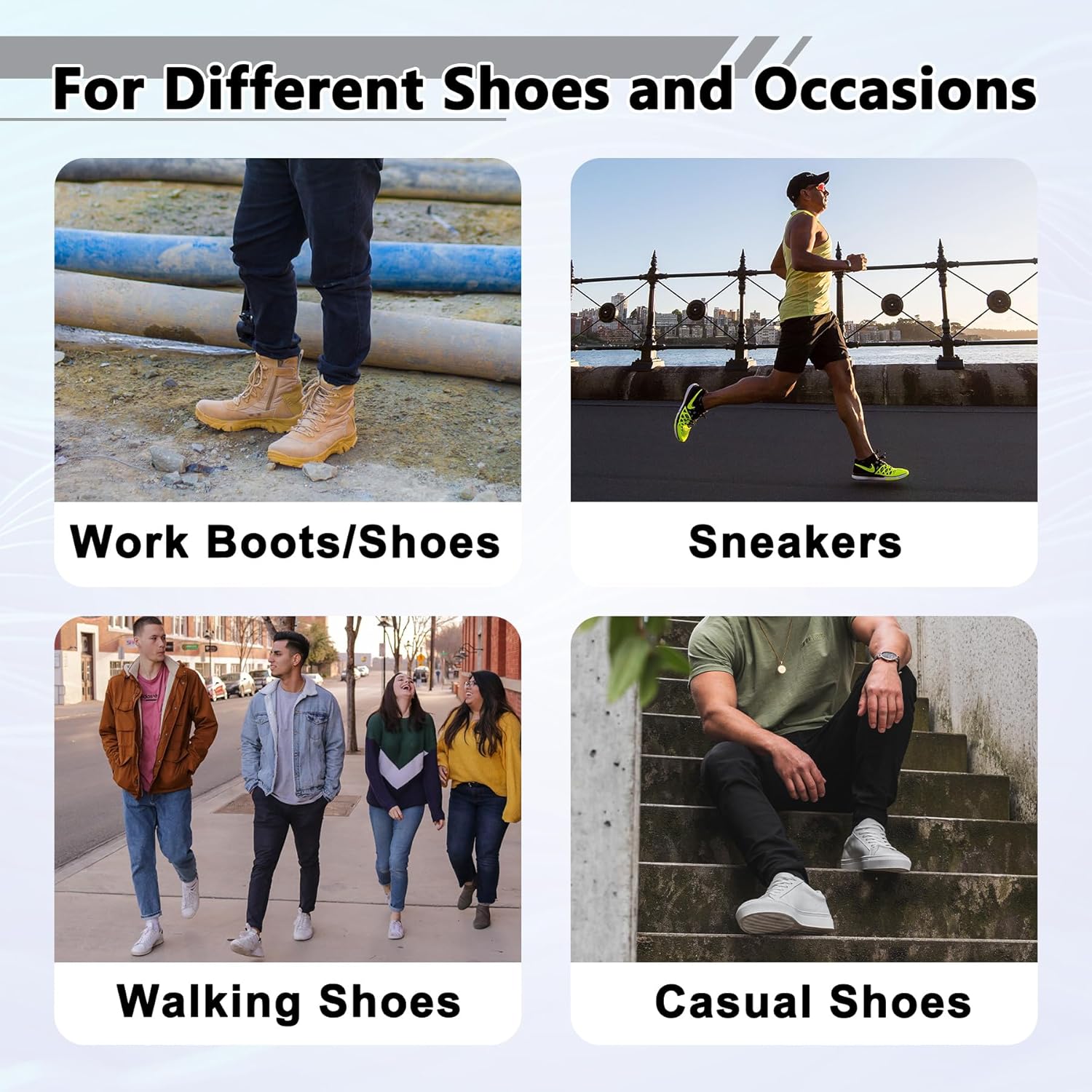
These riemot arch support shoe inserts are pitched for prolonged standing workers and active lifestyles. The included use-cases from the description include work boots, sneakers, slippers, and work shoes, plus sports and water skiing enthusiasts.
A concrete example: if you work retail or hospitality and spend most of your day on hard floors, swapping to an arch-support insole can make a difference in how “tired” your feet feel at the end of a shift—particularly if your current footwear feels too flat or unsupportive.
If you’re buying for hiking boots or trainers, the goal is similar: add structure and cushioning for longer periods on your feet, without needing a complete shoe replacement.
What to check before buying
Before committing, double-check a few things:
- Your shoe type: these are intended for a range of footwear, but space inside the shoe matters.
- How well you can customise: the ability to cut is there, but it helps if you’re comfortable trimming accurately.
- Your comfort needs: if you’re specifically managing plantar fasciitis or flat feet, you should still expect trial-and-error, especially with how much arch support you personally tolerate.
It might not be a great match if your current shoes already have a supportive insole that sits perfectly and you hate the feel of any extra layer. In those cases, adding an insert can sometimes feel like it changes the shoe’s balance rather than improves it.
Final verdict: When it makes sense
Worth considering if you want supportive, cushioning arch support insoles for daily wear—especially if you’re on your feet a lot and your current footwear feels unsupportive. The deep U-heel design and breathable, moisture-wicking approach are the kind of details that tend to matter in real usage, not just on a product page.
Better avoided if you’re looking for a guaranteed medical-grade orthotic solution, or if your shoes have very little room for an insert layer. It also may not suit you if you strongly dislike the feel of firmer support under the arch or if trimming would be a hassle.
If you can measure and fit carefully, these could be a practical value-for-comfort upgrade for UK buyers who want more stability and cushioning without jumping straight to custom orthotics.
Mini FAQ
Are these inserts breathable?
They’re described as breathable thanks to honeycomb vents in the forefoot area and bottom holes intended to help moisture wicking.
Can you adjust the fit?
Yes. The insoles can be cut to fit better, depending on your shoe’s existing insole and shape.
What shoes are they suitable for?
They’re described as suitable for work boots, sneakers, slippers, and work shoes for daily wear or active lifestyles.
Do they help with plantar fasciitis and flat feet?
They’re marketed for arch support and cushioning, including for plantar fasciitis and flat feet. Results can still vary from person to person, so it’s wise to expect a “try and see” period.
Will they work for sports?
They’re presented for prolonged standing and sports, with stable shock protection and arch protection as part of the design intent.