


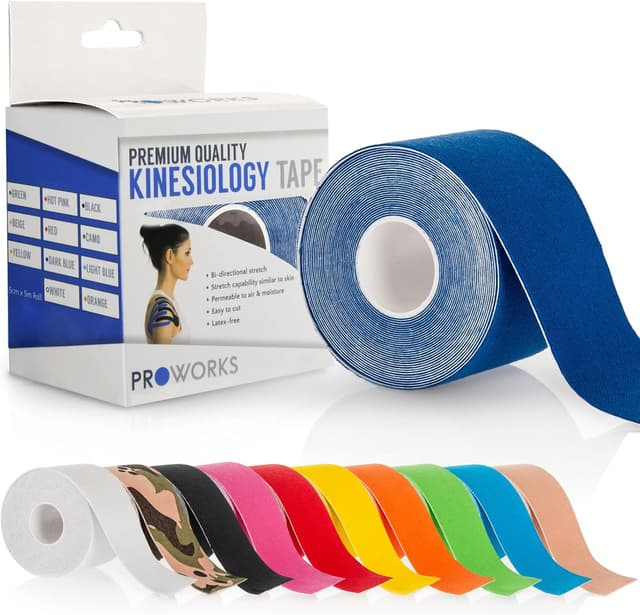
Proworks Kinesiology Tape (Dark Blue) 5m roll of elastic muscle support tape
Reviews
Price
Product description
If you’re looking into kinesiology tape for exercise, sport, or injury recovery, the Proworks Kinesiology Tape is the kind of roll you’ll reach for when you want extra support while you move. This is a 5m roll in dark blue, built as a flexible, elastic strap-style tape that’s meant to stay comfortable during activity.
The essentials
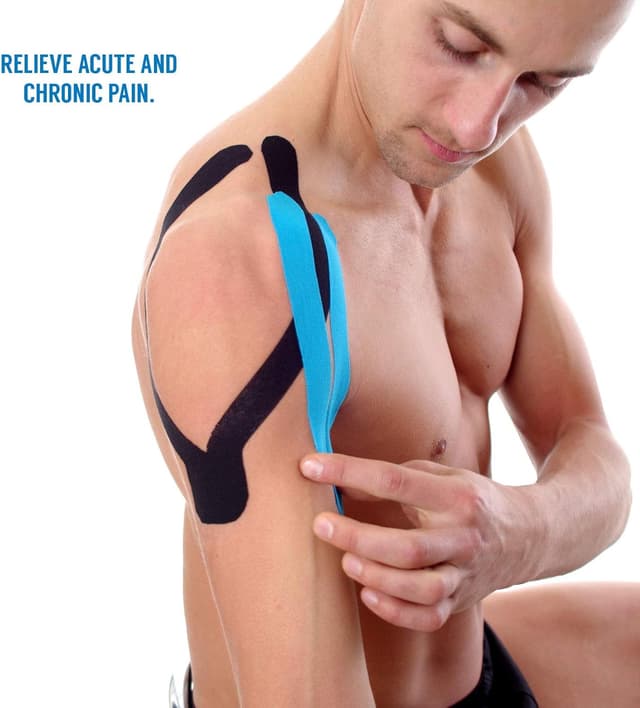
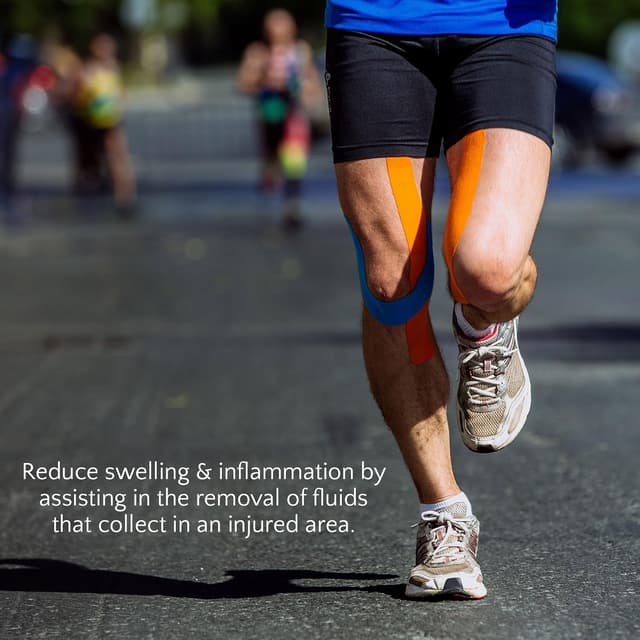
On paper, this tape is designed to help with muscular support and guidance during training, physiotherapy routines, and everyday recovery. The brand’s positioning focuses on more than just “holding something in place”: it’s intended to reduce muscular inflammation and tension, and to provide proprioceptive support (so your body can sense positioning and movement better). It also claims to support circulation and lymphatic flow, which is often the practical reason people like kinesiology tape as part of a broader recovery approach.
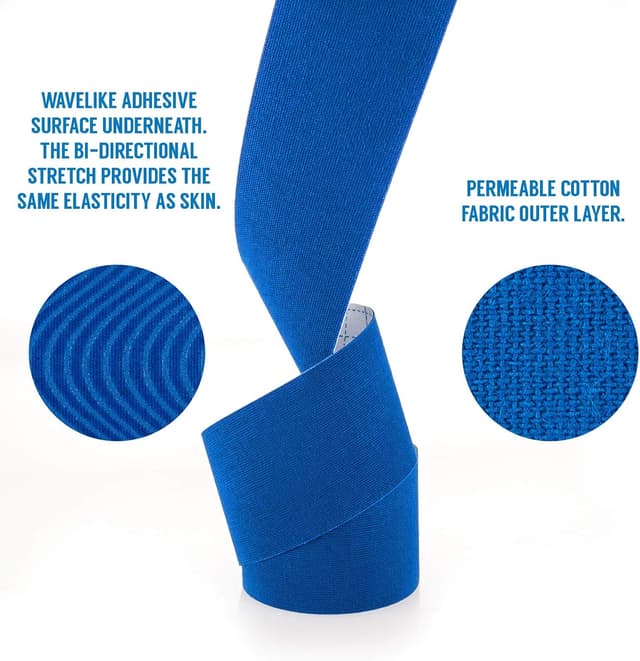
One thing that stands out in the description is the construction. The fabric layer is described as hypoallergenic, soft, and breathable, with an outer textile that aims to keep things comfortable rather than stiff. The adhesive is described as long-lasting and water resistant, and it’s also designed to stretch in both directions—so it can move with you instead of feeling restrictive.
That “moves with you” detail matters. If you’ve ever used a tape that feels like it fights your range of motion, you’ll know why people keep looking for more elastic, skin-friendly options.
What you’ll notice in use
This tape is designed to be applied and worn while exercising, playing sport, or during physiotherapy-style care. The idea is support plus freedom: the external tissue layer is meant to stay soft and breathable, and the bidirectional elasticity is there so the tape can stretch as your skin and muscles move.
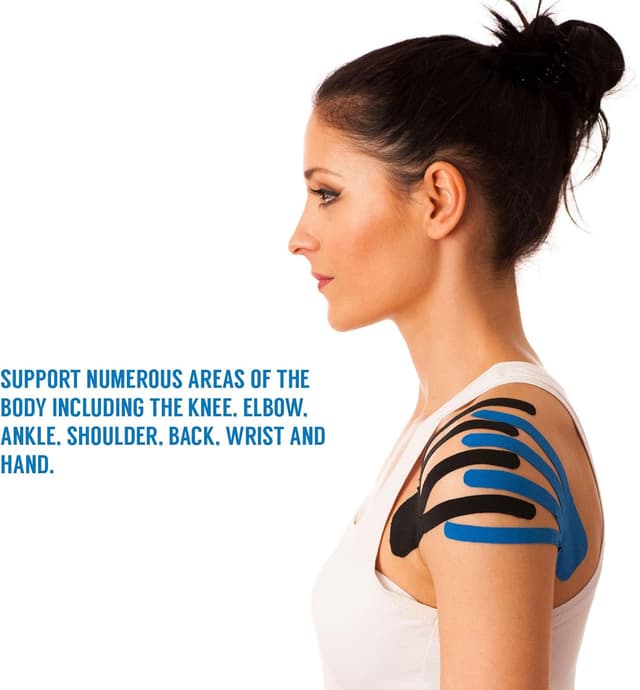
A practical example: if you’re training through mild discomfort around a joint (for instance, something like a knee or ankle issue that you’re managing with a physiotherapy plan), you’d typically apply the tape according to the technique you’ve been shown, then continue your session. The goal here isn’t magic—it’s to add a bit of guidance/support so you can move more confidently while still following sensible training limits.
Where it shines (and what’s a bit more limited)
Where it shines: it’s aimed at people who want an elastic, breathable kinesiology tape that’s described as water resistant and easy to apply. If you’re using it as part of a consistent routine—before sport, during exercise, or as part of recovery sessions—having a tape that’s built for movement and comfort can be a genuine advantage.
Still, a limitation worth noting: the description doesn’t spell out specific medical evidence, timeframes, or detailed performance metrics. So if you’re expecting a tape that “fixes” an injury on its own, it may feel like it comes up short. Kinesiology tape is best treated as supportive in combination with appropriate exercise, rest, and (where needed) professional guidance.
Also, the removal method matters. The tape is described as easy to remove using baby oil for 5-10 minutes (or warm water and soap). If you’re the type who needs truly instant peel-off without preparation, you may want to think twice about the hassle versus other application products.
Key specs that matter for buying decisions
- Name: Proworks Kinesiology Tape
- Type: Elastic muscle support tape (kinesiology tape)
- Format: 5m roll
- Size: 5cm x 5m
- Material: 95% cotton, 5% spandex, adhesive layer
- Colour: Dark blue
- Water resistance: described as water resistant
- Hypoallergenic layer: described as hypoallergenic, soft and breathable
How to apply and remove (based on the instructions given)
The process is fairly standard for kinesiology tape, but the specifics here are helpful. Apply baby oil to the tape and leave it for 5-10 minutes. Then slowly pull the tape in the direction of hair growth while keeping the skin taut. The description also offers an alternative method: use warm water and soap instead of baby oil.
This is one of those “small details” that can make the difference between a comfortable removal and a frustrating one. If you’ve got sensitive skin, it’s worth following the stated removal approach rather than forcing it.
Who it suits best (and who may want to skip it)
It makes sense if you’re after a kinesiology tape roll you can use during exercise, sport, or recovery routines, and you care about comfort while moving. It also suits people who want a tape with a breathable hypoallergenic fabric layer and an adhesive that’s described as long-lasting and water resistant.
It might not be a great match if you need something that’s quick to peel off with zero prep, or if you’re expecting the tape to replace medical advice or a structured rehabilitation plan. And if you only plan to use kinesiology tape very occasionally, you may want to weigh whether a 5m roll is the right size for your habits.
Mini FAQ
FAQ
What is kinesiology tape meant to do?
Based on the product description, it’s intended to provide muscular support during exercise and sport, and to assist with prevention and recovery by reducing muscle inflammation and tension while offering proprioceptive support.

Is it designed for movement during workouts?
Yes. The description highlights bidirectional stretch and elasticity intended to let you move freely without feeling limited.
Is it suitable around sensitive skin?
It’s described as having a hypoallergenic, soft, breathable outer fabric layer. As always, individual skin reactions vary.
How do you remove it safely?
The instructions provided say to apply baby oil and leave it for 5-10 minutes, then slowly pull in the direction of hair growth while keeping skin taut. Warm water and soap can be used as an alternative.
Is it worth it?
The Proworks Kinesiology Tape is worth considering if you want an elastic, breathable support tape designed for use during exercise, sport, or physiotherapy-style recovery, and you like the idea of an adhesive that’s described as long-lasting and water resistant. It’s especially appealing if comfort and movement matter more than anything.
You may want to skip it if you’re after a no-fuss, peel-and-go tape, or if you’re expecting it to act as a standalone solution for an injury. For most people, it fits best as a supportive tool alongside sensible training and recovery practices—rather than a cure on its own.