


Proworks Kinesiology Tape 5m roll for muscle support, exercise & injury recovery (white)
Reviews
Price
Product description
What it is and why people use kinesiology tape
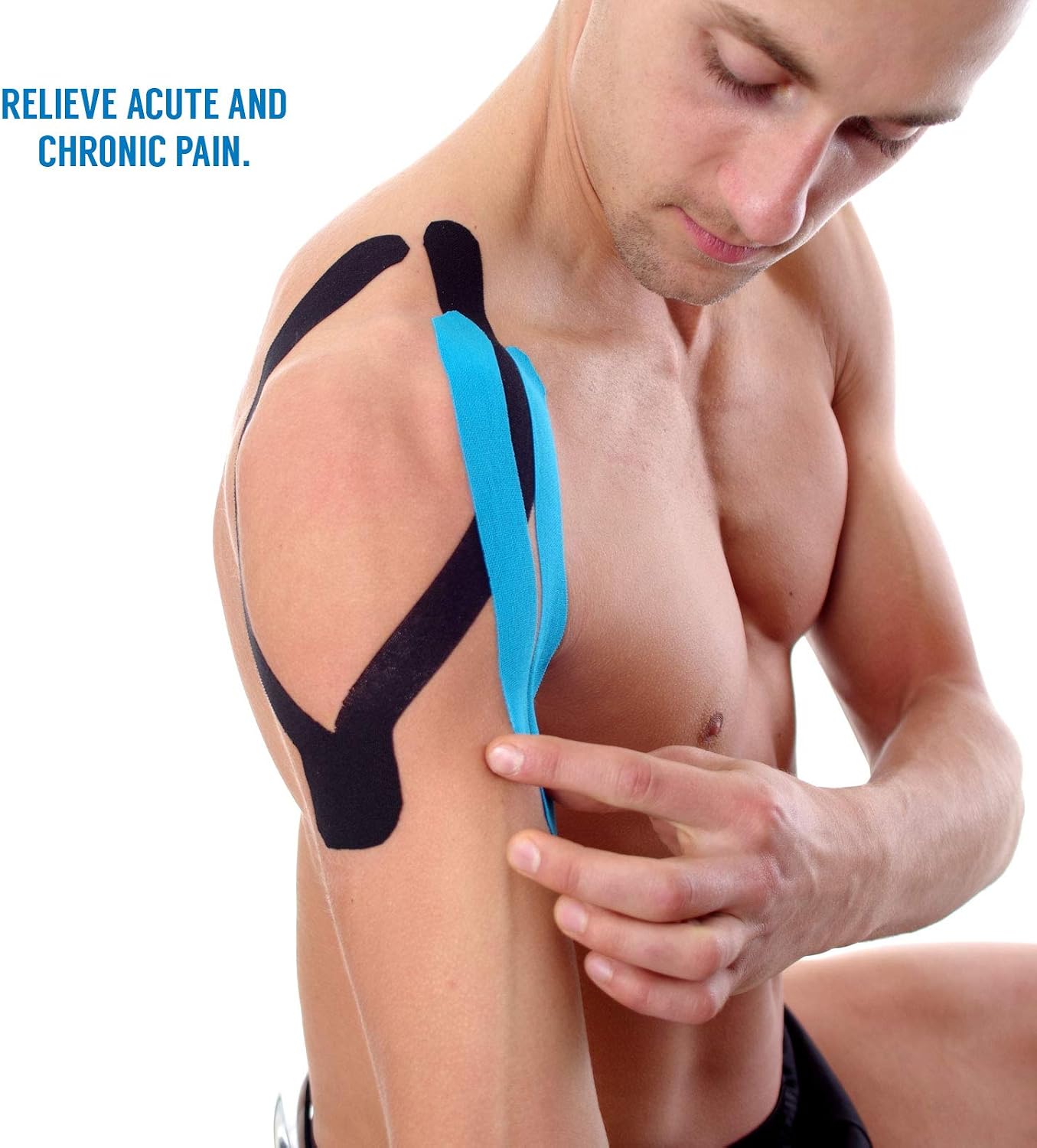
Proworks Kinesiology Tape is an elastic muscle support tape aimed at movement-based support—something you apply while training, playing sport, or as part of a physiotherapy-style routine. On paper, the idea is to help with prevention and recovery by easing muscle inflammation and reducing tension around ligaments. It also claims to support proprioception and encourage circulation and lymphatic flow, which is why many people reach for kinesiology tape when they want a “stay-mobile” approach rather than something rigid.
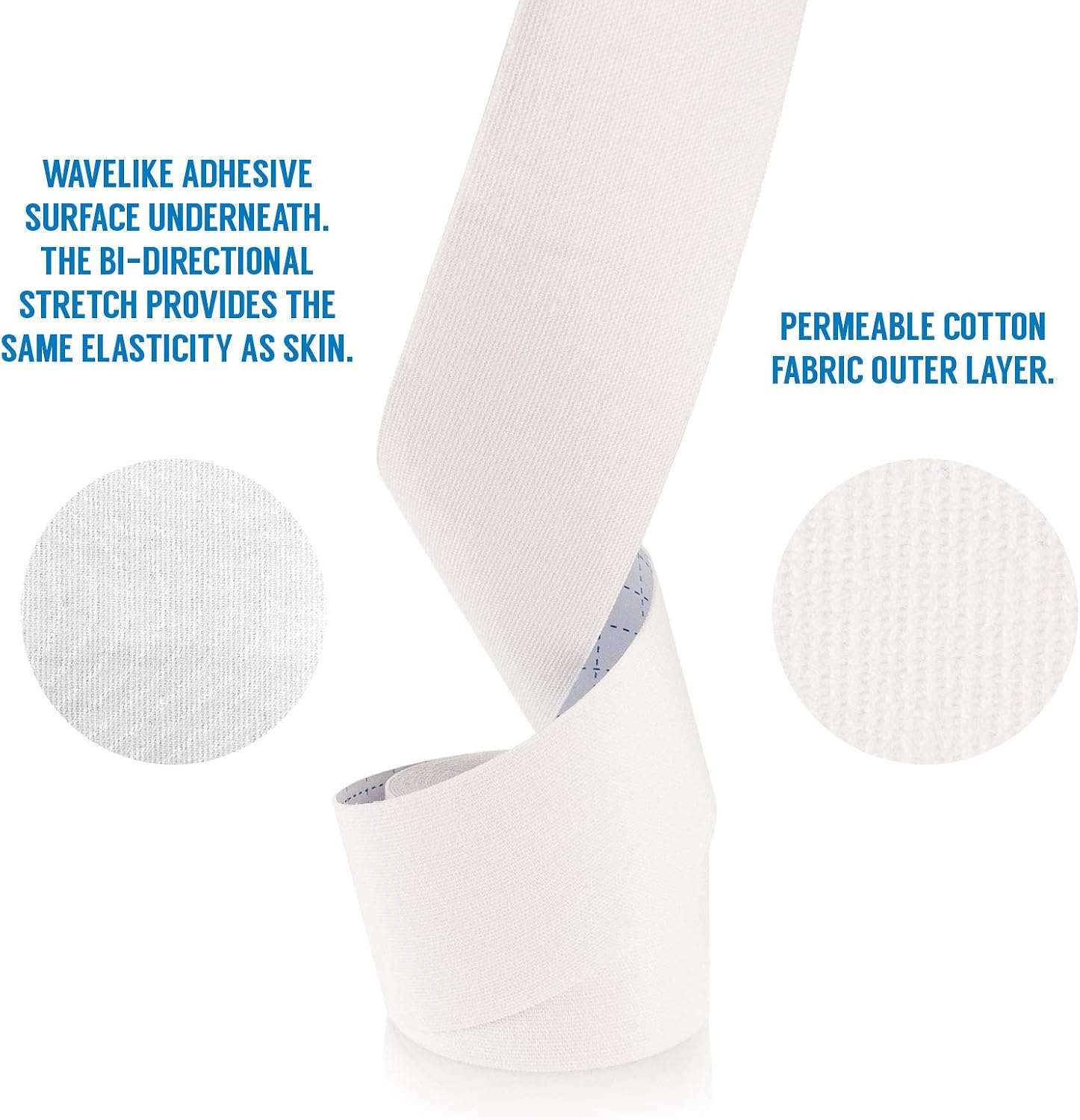
That “still moving” angle matters. If you’ve ever tried taping that feels like it locks you up, kinesiology tape is meant to be different: the adhesive is described as long-lasting and the stretch is designed to mimic skin’s elasticity in two directions. In practice, it can feel like support without the same restriction you might expect from a firmer wrap.
Key takeaways for buying
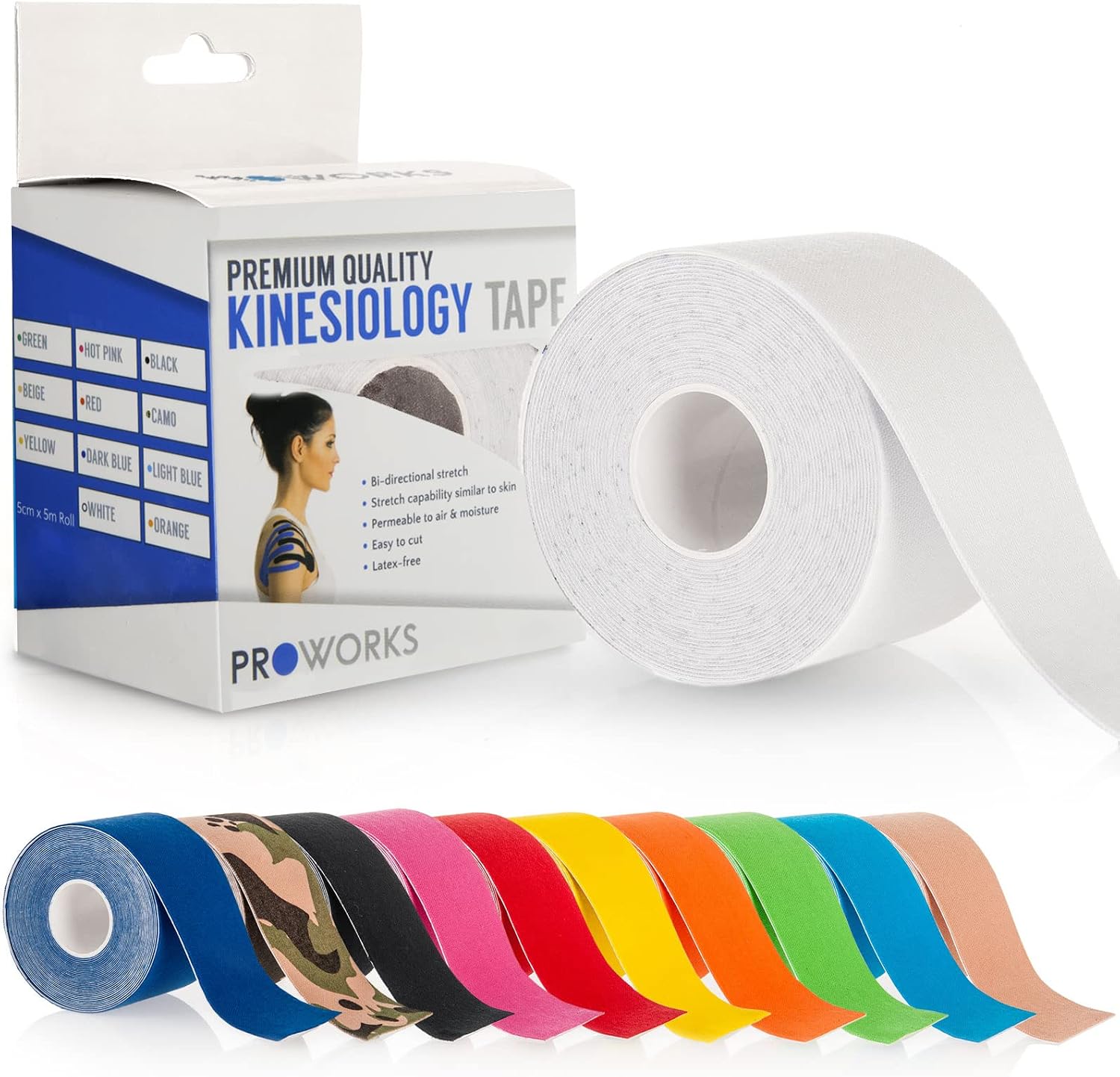
This is a 5m roll, with a stated size of 5cm x 5m, and it’s made from 95% cotton and 5% spandex. The outside layer is described as hypoallergenic, soft and breathable, which is a practical comfort point if you’ll be wearing it during exercise rather than only for a short indoor session.
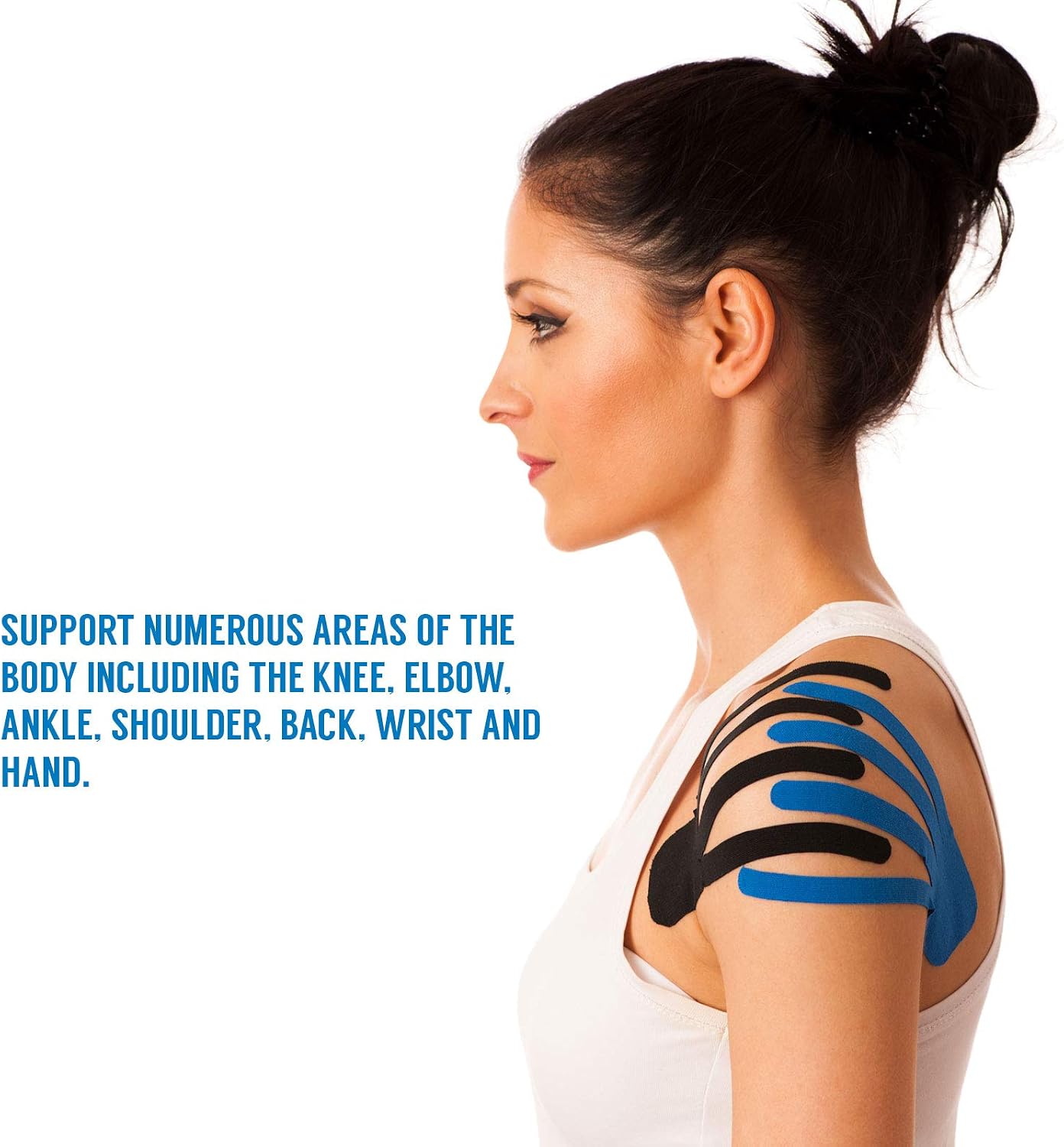
A couple of details also shape the real-world experience: - The tape is described as water resistant, so it’s not immediately ruined by normal wet conditions. - It’s designed to be easy to apply and easy to remove, provided you follow the suggested method. - It’s intended to offer support across multiple areas (the description lists places like the spine, shoulders, neck, elbows, chest, wrists/hands, knees and ankles), so you’re not just buying it for one specific job.
What’s good about it (and where it may fall short)
Where it makes sense: if you want something you can apply for training, sport practice, or recovery support, and you care about comfort while wearing it. The hypoallergenic, breathable fabric layer and the “bidirectional” stretch design are the kinds of features that often determine whether kinesiology tape gets used often—or gets left in the drawer.
Where you should be cautious: the benefits described (faster recovery, improved circulation/lymph flow, reduced inflammation) are more of a broad outcome claim than a guarantee. Also, tape doesn’t replace medical advice—if you’re dealing with a serious injury, it’s still worth getting proper assessment.
And finally, removal can be a bit of a faff if you don’t have the patience and products to hand. The instructions suggest baby oil and waiting 5–10 minutes, or warm water and soap—so it’s not the “peel off instantly” type.
How it’s meant to be applied (a practical mini-scenario)
The description is quite clear about removal and gives you a hint about what the application expects: keep the skin taut and apply in a way that respects hair growth direction when removing.
A simple example: imagine you’ve trained and you’re dealing with a sore, tight-feeling area near a joint (say, around the wrist or knee). You’d apply the tape as directed for that area so it can move with you. Later, when it’s time to take it off, you don’t just rip it away—you apply baby oil, wait 5–10 minutes, then slowly pull the tape in the direction of hair growth while keeping the skin tense. That slow, controlled removal is part of making the experience comfortable.
The essentials on comfort, materials and durability
This roll is white and is designed for elasticity and stretch without being overly stiff. With a fabric layer made from cotton/spandex and a hypoallergenic, breathable feel, it’s set up for flexibility during daily movement.
The adhesive is described as long-lasting and water resistant. That doesn’t mean it will survive everything (especially heavy soaking), but it does suggest it’s built for real-life use where you might sweat or get exposed to light moisture.
If you tend to sweat a lot during workouts, or you’re applying tape for sport sessions, that water-resistant note is one to take seriously—because comfort and staying power are often what separate “it worked” from “it kept peeling”.
What to check before you buy
Before committing to a roll, it’s worth thinking through three practical points:
1) How you’ll use it: this tape is positioned for exercise, sport and injury recovery support. If you only need something for occasional, very short-term use, you may prefer a different format.

2) Skin comfort and removal: the product is described as hypoallergenic and breathable, but everybody’s skin reacts differently. If you’re sensitive, patch testing is sensible, and make sure you’re comfortable with the removal method (baby oil or warm water and soap).
3) Your expectations: it’s designed to help with support and proprioceptive response, but it’s not a cure-all. If you’re in pain from a serious injury, tape should be treated as a support tool, not the whole solution.
Is it worth it?
It’s a solid buy if you want an elastic, breathable kinesiology tape roll you can use during exercise or as part of a physio-style routine, and you’re looking for a fabric tape that’s meant to move with you rather than restrict you. The 5cm x 5m roll format also suits people who expect to apply tape to different areas over time.

It may not be the best choice if you need something that removes instantly, or if you dislike the idea of taking 5–10 minutes to soften adhesive with baby oil (or using warm water and soap). And if you’re dealing with a major injury, you’ll still want proper professional guidance—tape can support, but it shouldn’t replace assessment.
Mini FAQ
How do you remove Proworks kinesiology tape?
The instructions suggest applying baby oil to the tape and leaving it for 5–10 minutes, then slowly pulling the tape in the direction of hair growth while keeping the skin taut. Alternatively, you can use warm water and soap.
Is this tape meant for exercise?
Yes. The description specifically positions it for use during exercise and sports practice, as well as in a physiotherapy or injury recovery context.
Is the tape water resistant?
It’s described as water resistant, which suggests it’s designed to handle normal moisture and sweat more than a basic craft-style tape.
What is the roll size and material?
The roll is described as 5cm x 5m and made from 95% cotton with 5% spandex, with a stated adhesive layer.