
Proster Voltage Tester non-contact pen with LED 🔌

Description:
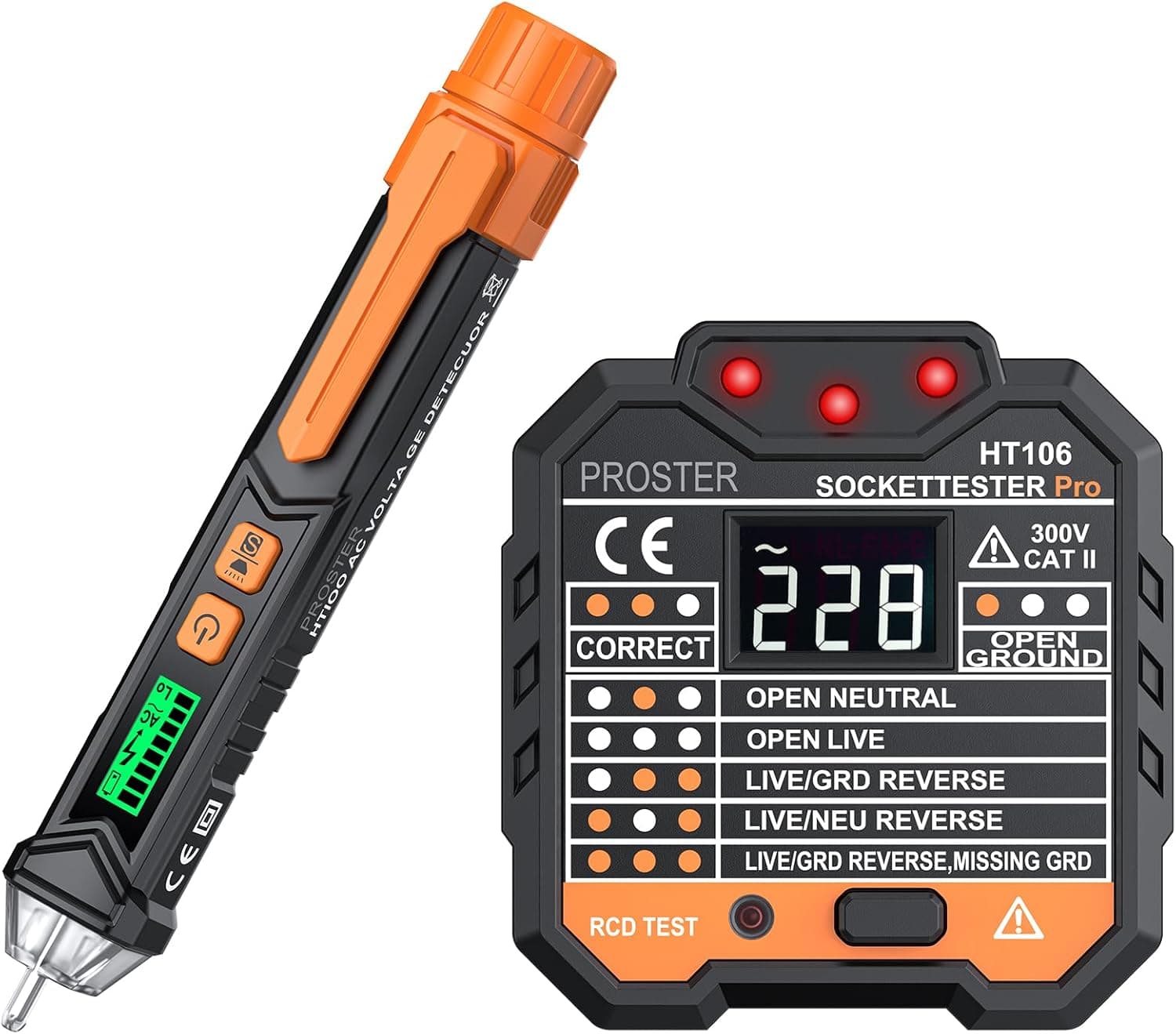
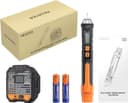
This non-contact voltage pen and socket tester kit brings together handheld detection and plug outlet checks to cover routine electrical troubleshooting at home, in workshops and in educational labs. It helps pinpoint live conductors quickly while the socket tester verifies wiring and RCD/GFCI trip functionality, making fault identification faster and clearer.
Key Points
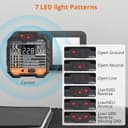
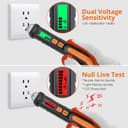
The kit combines a non-contact voltage detector with a three-indicator socket tester, so you can switch between quick live-voltage checks and a more detailed outlet wiring analysis. The voltage pen alerts with sound and light, and the socket tester shows wiring states with seven LED patterns for issues such as open earth, open neutral or reversed live.
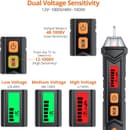
Sensitivity can be selected on the pen to detect lower or higher thresholds, which is useful when working near control equipment or on buried cables. The bright LED torch on the pen helps in dimly lit sockets or behind cabinets, and the socket tester includes an RCD/GFCI test button to check tripping functionality. ⚡🔦
Consider that the socket tester itself has no audible alarm, so rely on the pen for audible confirmation of live voltage. Also note the pen offers two sensitivity ranges according to the manufacturer, which may require familiarisation before use.
Technical Specifications
- Name: Proster Voltage Tester - Socket Tester Kit
- Voltage detection range (high sensitivity): 12–1000 V AC
- Voltage detection range (low sensitivity): 48–1000 V AC
- Socket tester indicators: 7 LED light patterns to identify wiring faults
- Safety certification: CE CAT. III 1000 V / CAT. IV 600 V
Usage Recommendations
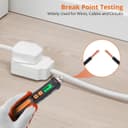
Use the non-contact pen first to screen for live conductors around switches, sockets and cables. Move the probe slowly along the insulation and listen for the audible alarm while observing the LED to confirm presence of voltage. For outlet checks insert the socket tester and read the LED pattern to identify specific wiring issues, then press the RCD/GFCI test button to verify trip operation when appropriate.
When working in confined or poorly lit areas, activate the pen’s built-in flashlight to improve visibility. If you frequently test in workshops with heavy machinery, switch the pen to the higher sensitivity setting to reduce false positives near large metalwork. Remember to test the pen on a known live source before each use to confirm the device is functioning correctly.