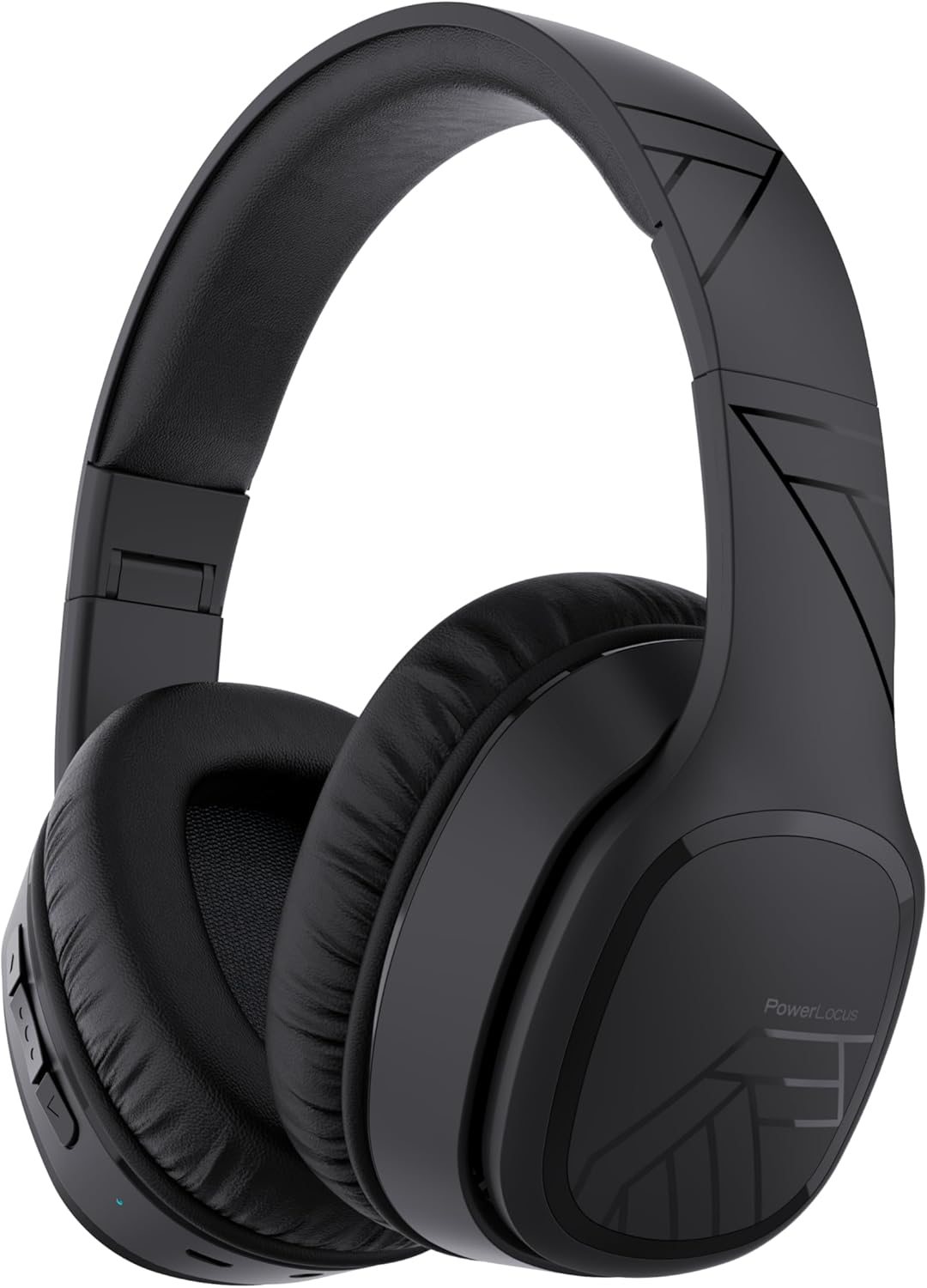
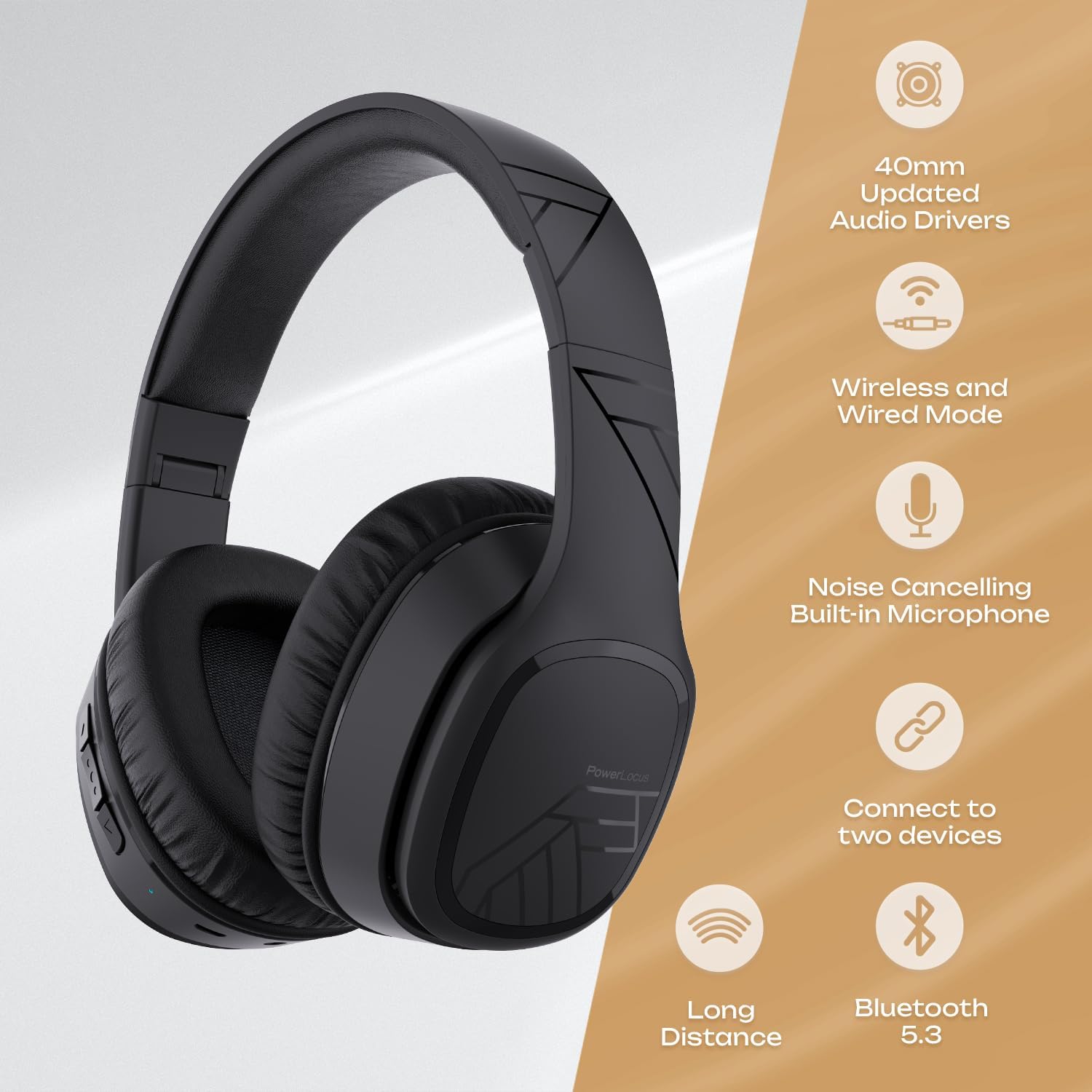
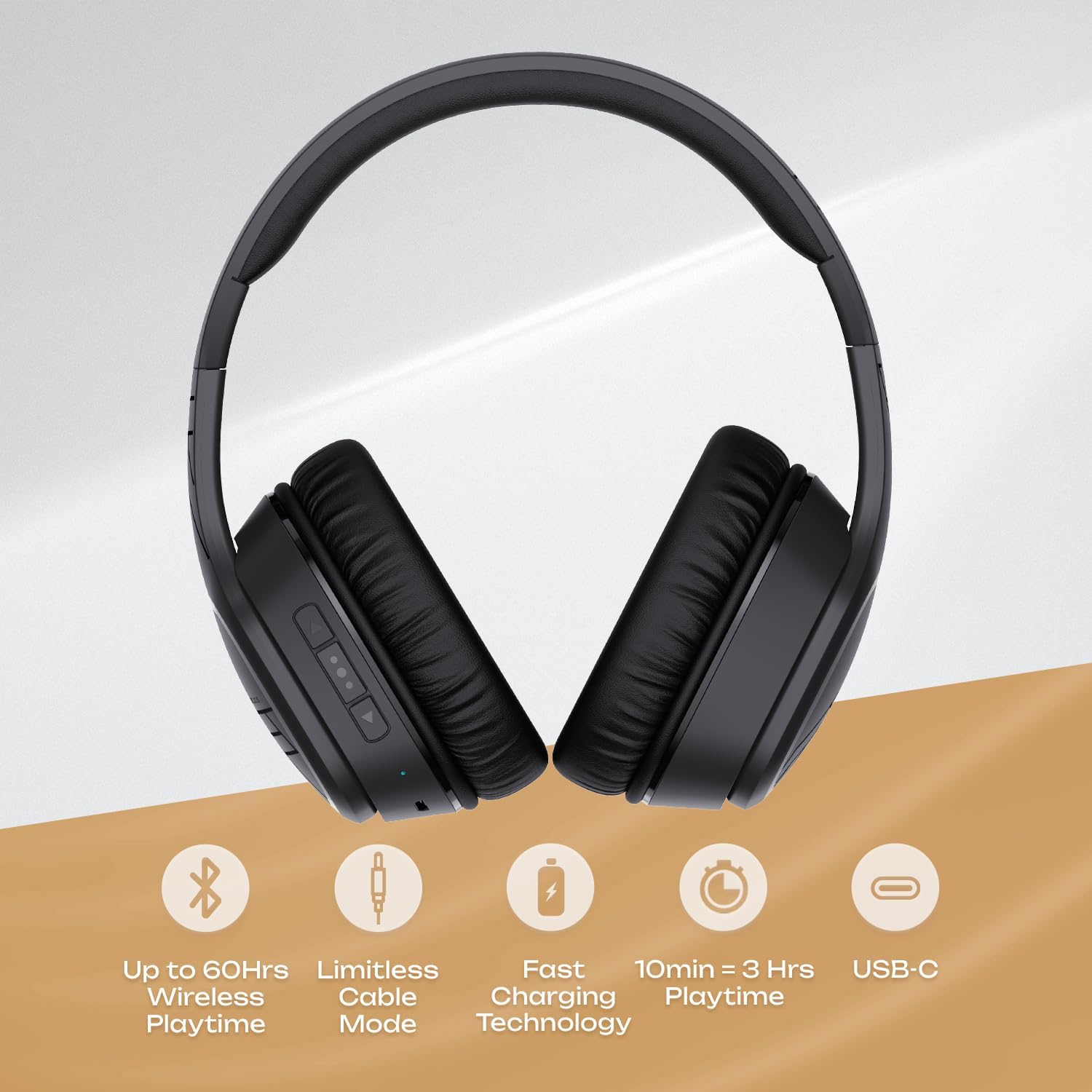
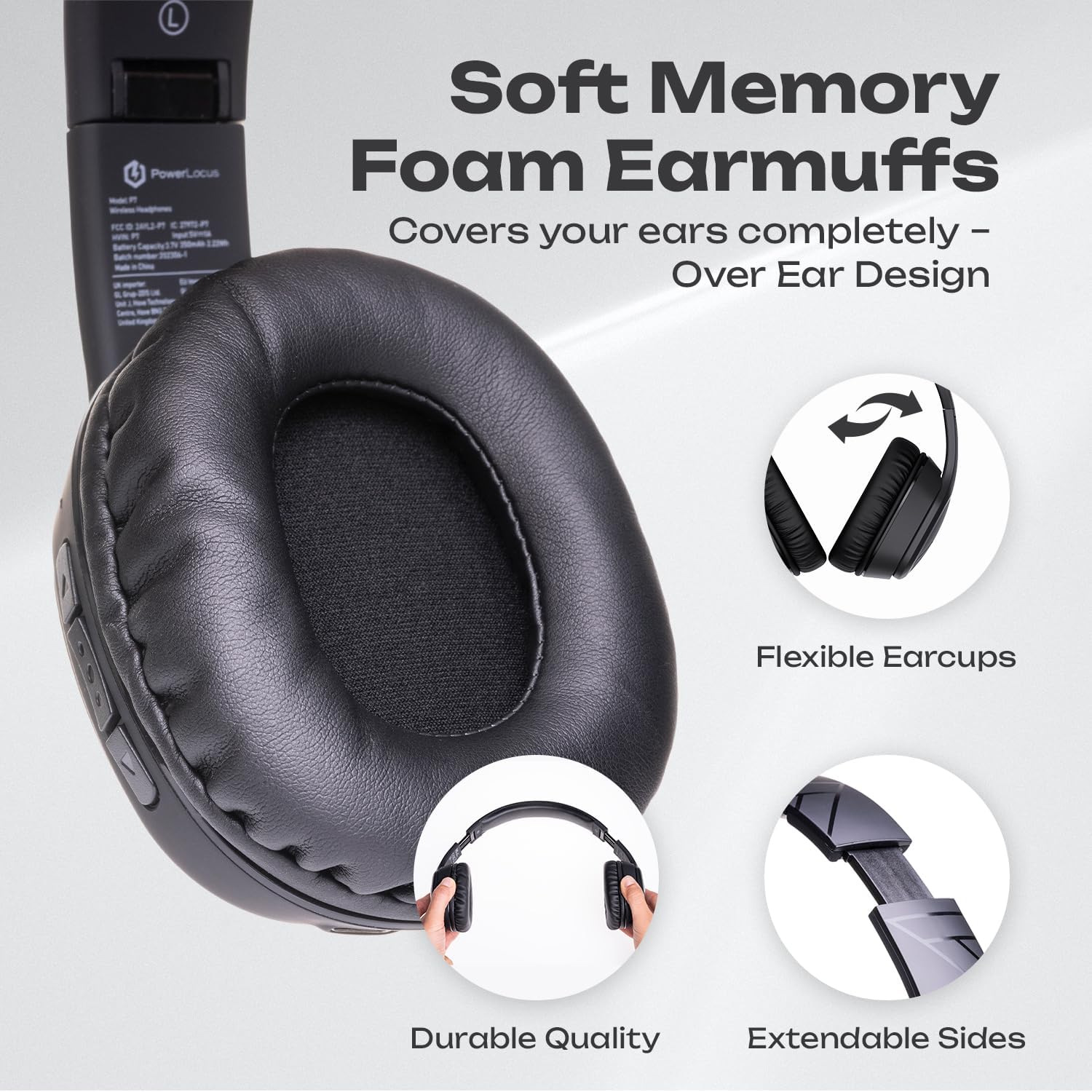
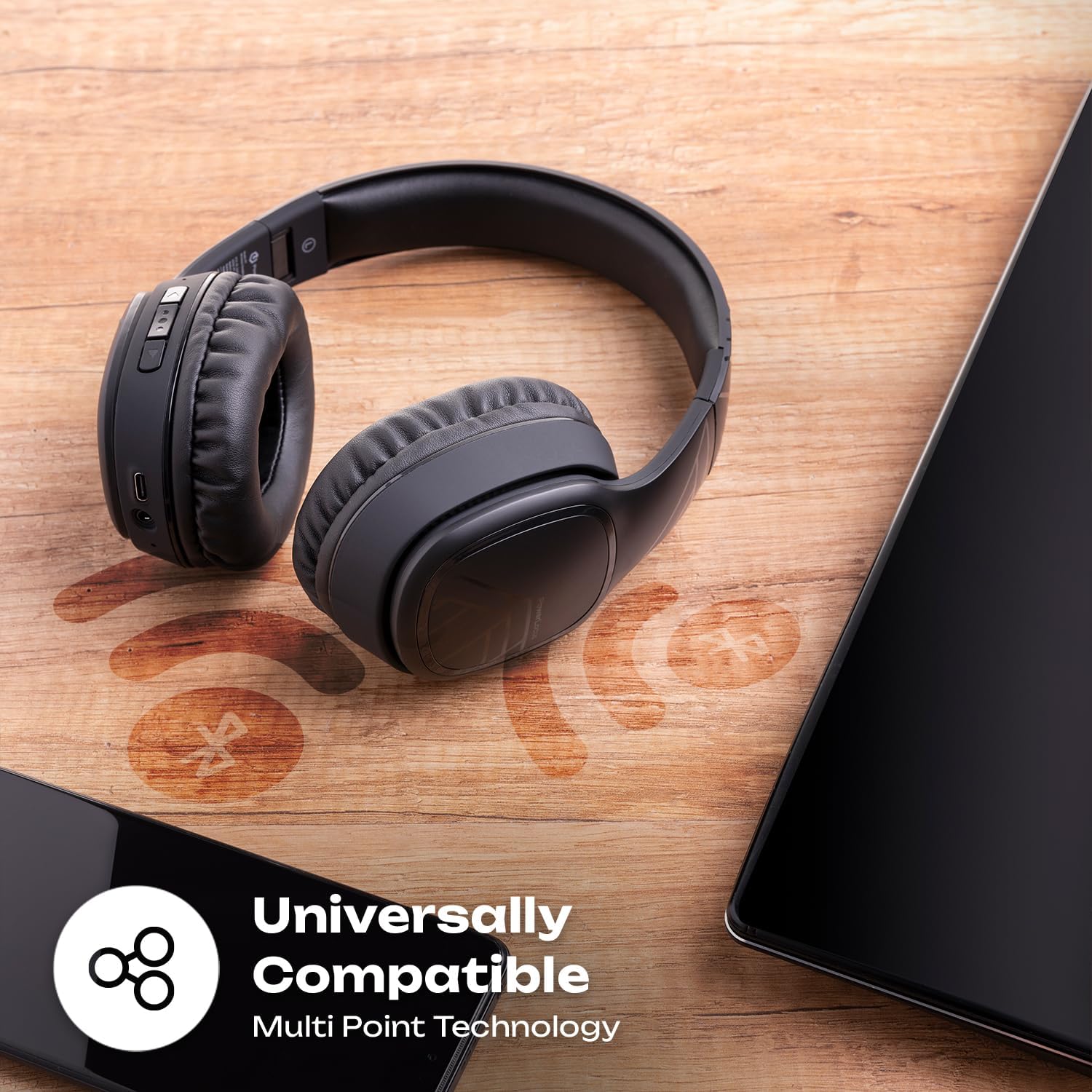
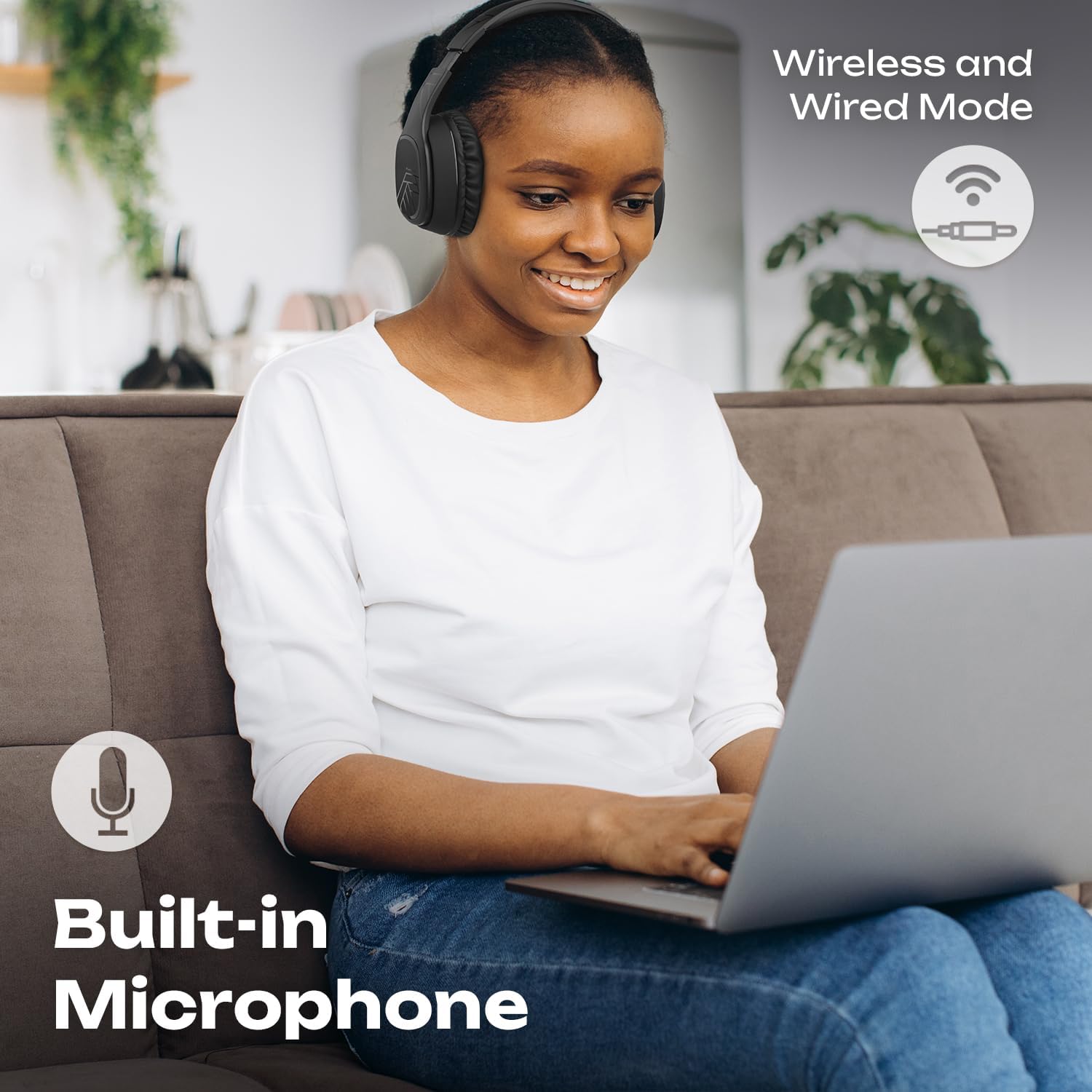
What this is and what it’s for\nPowerLocus Wireless Headphones Over Ear are a pair of Bluetooth over‑ear headphones designed to cover everyday listening, travel, and video calls. With the ability to switch to wired mode, they’re positioned as a pragmatic option for times when Bluetooth isn’t available or you want to save battery. The 3.5mm audio cable and USB‑C charging cable come in the box, along with a premium carry case, making them a sensible pick for commuters, remote workers, and casual gamers who value convenience and a straightforward setup.\n\n## Battery life and charging reality\nA standout claim is up to 50 hours of playtime in wireless mode, which, in practice, depends on volume and audio content. When the battery runs dry, you can simply plug in via the wired connection for uninterrupted use. The USB‑C fast charging feature is highlighted as a quick way to top up, which is helpful if you’re short on time. If you travel often, the long playtime is useful, but it’s worth noting that real‑world endurance varies with usage patterns.\n\n## Comfort and build quality\nThe PowerLocus design centres on lightweight wearability. The headband is padded with vegan leather, and the ear cushions use soft memory foam to reduce fatigue during longer listening sessions. The foldable, compact form paired with a carry case aims to balance portability with sturdiness. Swivel hinges on the earcups offer some adjustment, which can help in achieving a more comfortable seal for different head shapes.\n\n## Audio and calls\nThe headphones advertise Hi‑Fi stereo and clear mid‑range with deep bass and extended treble, aiming for a balanced listening profile suitable for music, films, and streaming. The built‑in microphone supports standard calls and online meetings, useful for quick Zoom or video chats. Bluetooth 5.0 is presented as the platform for quick pairing with phones, tablets, laptops, PCs and even TVs, while low‑latency modes are framed as beneficial for gaming or watching videos without noticeable lip‑sync issues.\n\n## Who it fits well\nIf you value a long, versatile battery, a foldable form factor, and a package that includes a case and essential cables, PowerLocus offers a pragmatic option. It may suit people who want a single pair for travel, daily commuting, and home office setups, especially where a wired fallback is reassuring for flights or long journeys.\n\n## Limits and what to watch for\nThe claim of “up to 50 hours” is helpful but may vary with volume and source. While the build feels thoughtful for travel, the wear‑around experience may differ for users with very small or very large heads. If you prioritise studio‑grade accuracy or premium materials, you might find more expensive models offer finer detail and materials.\n\n## What to check before buying\nConsider how often you’ll rely on wireless versus wired use, and whether the included carry case and cables meet your travel needs. If you expect ultra‑low latency for competitive gaming, verify how the low‑latency claim translates in your typical setup (some devices benefit more than others). Also check comfort for extended periods, as preferences for ear cushion firmness vary.\n\n## Practical use example\nImagine travelling on a long flight: you can listen to downloaded shows with wireless streaming, then switch to wired mode when your device’s battery dips, all without swapping gear. The built‑in mic keeps calls clear during layovers or hotel rooms, while the compact case makes packing easier.\n\n## FAQ (based on available details)\n- Can I use them while charging? Yes, wired mode is available when the battery is low or depleted.\n- Will they work with a PC or TV? Yes, they’re described as compatible with phones, tablets, laptops, PC and TV via Bluetooth 5.0.\n- How heavy are they? The headset is positioned as lightweight, with a foldable design to aid portability.\n\n## Final buying verdict\nIs it worth considering if you want a budget‑friendly, travel‑ready pair with long battery life and a wired fallback? Yes, for practical everyday use and versatility. It might not be the best option if you’re chasing studio‑grade audio accuracy or premium materials, for many users, it hits a balanced middle ground between value and functionality.\n