

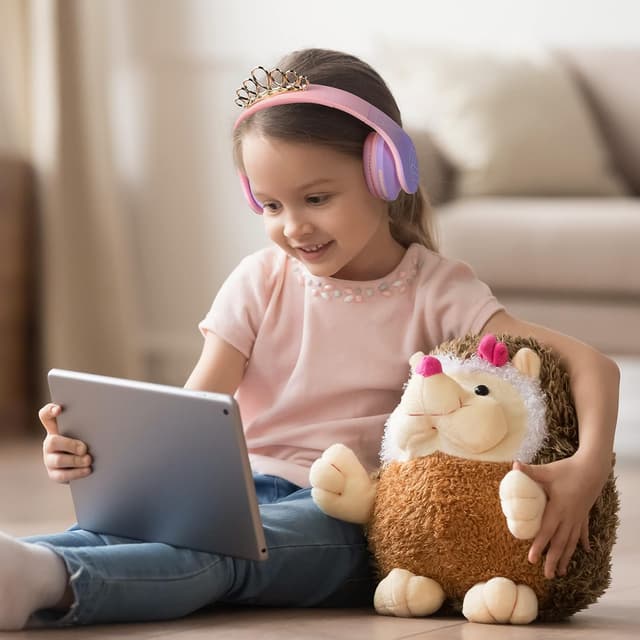
PowerLocus P2 Kids Wireless Over-Ear Headphones (85dB volume limit, Bluetooth 5.0, mic, microSD/TF, foldable)
Reviews
Price
Product description
The essentials
PowerLocus P2 Kids Wireless Headphones are built for the very specific problem of giving children more audio freedom without making volume a worry. They’re over-ear, wireless Bluetooth headphones with a claimed 85dB volume limit for child-friendly listening, plus a built-in microphone for online lessons and calls. On paper, they also offer more than one way to play audio: Bluetooth, a wired audio option, and support for a microSD/TF card.
That mix is the main reason these stand out versus simpler kids’ headphones. If you want something that works for homework videos on a tablet, music on a laptop, and lessons that need a mic, the P2s are clearly aimed at everyday family use—car trips, study-from-home sessions, and screen time.
Still, it’s worth being realistic: features like audio safety and multi-device use don’t automatically mean they’ll suit every household setup. If you mainly connect to a TV, the entry notes you’ll need a specific PowerLocus adapter, and that’s something to check before you buy.
Key features
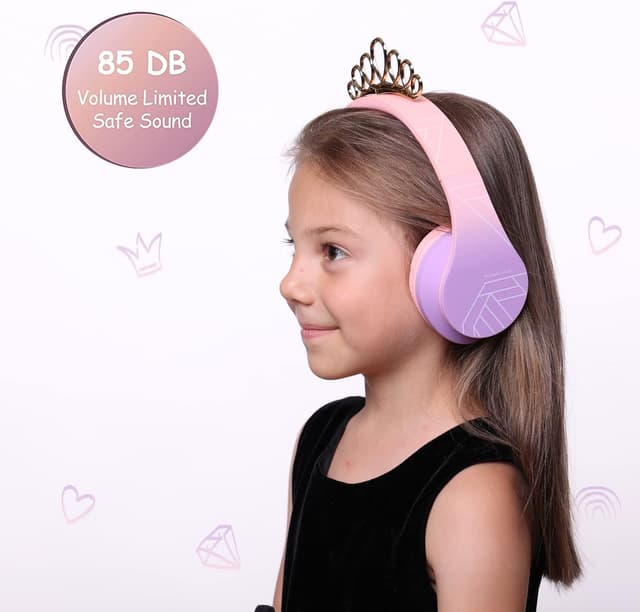
The core concept here is child-focused volume control. The headphones include a volume limit of 85dB that is described as not increasing beyond a safe level, so the sound should stay within a controlled range for children’s ears.

For connection, they use Bluetooth 5.0, with a stated wireless range of up to 12 metres without distortion. That’s a helpful detail if you’re letting kids move around a room while listening.
You also get a built-in microphone. That matters for online classes: a child can listen and speak without needing separate earbuds or an external mic in many typical school or video-call setups.
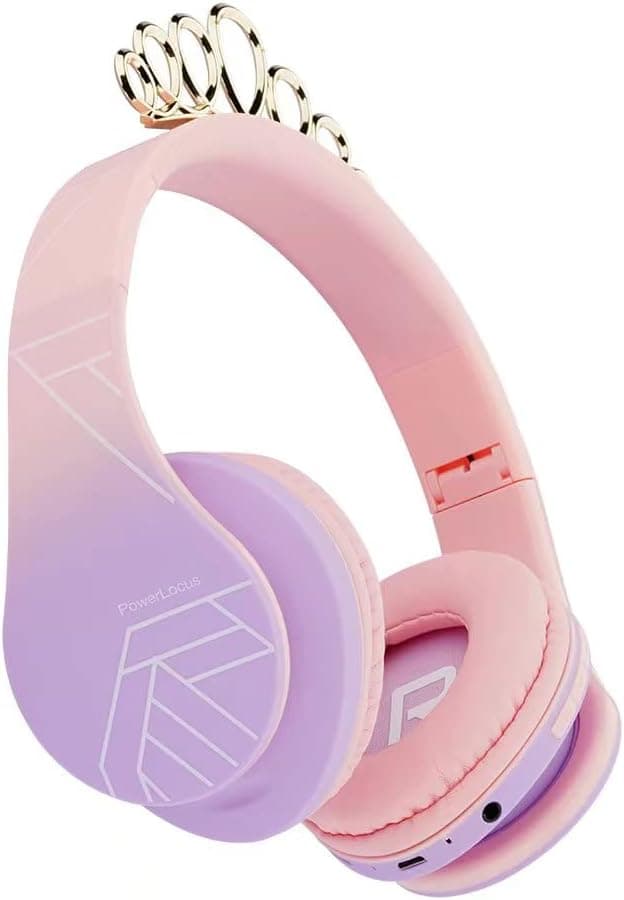
Controls are kept simple with buttons for changing tracks and adjusting volume. They’re also foldable and come with a rigid protective carry case, which should help if these headphones go in and out of bags regularly.
There’s one more angle: microSD/TF support, plus a wired audio cable option for use with various devices. The description mentions iPhone/iPad, laptop/PC, and TV (with the noted adapter), which is useful if you don’t want to rely solely on Bluetooth.
What you’ll notice day to day
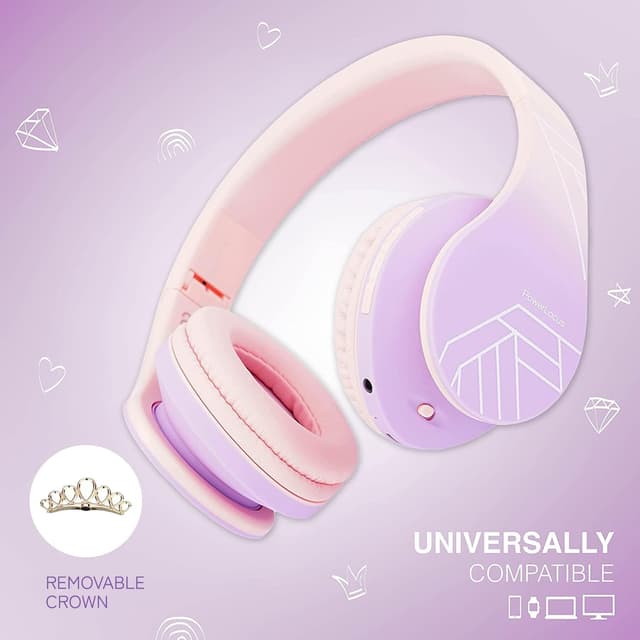
In daily use, the comfort and stability are where kids’ over-ear headphones either win or become a chore. Here, the P2s are described as using soft, cushioned ear pads with a foam padding headband to cover the ears fully and provide acoustic isolation. The idea is that they should be wearable for hours without discomfort.
There’s also the practical “it just connects” element: the Bluetooth connection is described as automatically connecting after sliding them on. That’s the kind of small convenience that saves time when you’re trying to get a child settled for lessons.
A micro-scenario: imagine a child starting an online class on an iPad at the kitchen table. They put the headphones on, the Bluetooth pairing kicks in, and the built-in mic lets them speak during the lesson. Later, for a car journey, you fold the headphones and pop them in the carry case so they’re less likely to get squashed in a bag.
Where it shines
These headphones make most sense if you’re prioritising safe volume for children, straightforward controls, and flexibility across devices.
Where they look particularly sensible: - Family situations with multiple devices: the Bluetooth plus cable plus microSD/TF approach reduces the “does it work with this?” friction. - Online learning and calls: the built-in microphone is aimed at listening and speaking, not just audio playback. - Travel and storage: foldable design and a rigid carry case are practical for school bags and trips.
There’s also the 24-hour customer service and a long warranty mentioned (36 months). That’s not a technical spec, but it can matter when you’re buying for something that will get everyday knocks.

Things to double-check before buying
No product description covers every setup detail, and the P2s have a couple of points you’ll want to verify.
First, TV connectivity: the text says you’ll need a PowerLocus adapter to connect to a television. If your main use is TV viewing, you’ll want to confirm you have the right adapter plan already.
Second, audio source expectations: the product supports Bluetooth, wired audio, and microSD/TF cards, but the description doesn’t spell out how easy the microSD/TF playback experience is in practice (for example, how navigation works). If your priority is “drop a card in and it’s seamless”, it’s worth checking what features are supported in the way you expect.

Finally, the Bluetooth range is stated (up to 12 metres). Actual performance can depend on walls and interference in a home—so treat that as a best-case figure.
Pros
- 85dB volume limit designed to keep child listening levels controlled
- Bluetooth 5.0 with a stated up-to-12-metre wireless range
- Built-in microphone for speaking during online lessons/calls
- Multiple ways to play audio: Bluetooth, wired audio, and microSD/TF
- Foldable design plus a rigid carry case for travel
When it makes sense
It’s a good fit if you’re buying for regular use around school work, family media time, and travel, and you want a volume-limited over-ear option with a mic. The multi-connection approach also suits households with more than one device.
It’s not the best choice if your setup depends heavily on TV and you don’t want to source the mentioned adapter, or if you only want one simple connection method. In that case, a more basic wired or purely Bluetooth setup could be less hassle.
It may not suit you if you expect the microSD/TF experience to feel identical to streaming apps on modern devices—on paper, it offers storage playback, but the description doesn’t confirm the level of on-device control you might want.
Quick overview of typical use
If you’re setting this up for a child who needs both listening and speaking, start with Bluetooth for lessons, then switch to wired or card playback for times where Bluetooth isn’t convenient. Folding it into the case is also a practical move for keeping the headphones together between school days and days out.
Final verdict
Worth considering if your main goal is controlled volume for kids, plus real-world flexibility for audio sources and online learning thanks to the built-in microphone. It could be a solid everyday choice for families, not just a “starter” gadget—so long as you’re happy with the noted TV adapter requirement and you’ve thought about how you’ll use the microSD/TF option.
FAQs
Will these headphones connect automatically via Bluetooth?
The description says that once connected, they should pair automatically when you use them, which is helpful for quick transitions.
Do they work for online lessons because of the microphone?
Yes—there is a built-in microphone, and they’re positioned as suitable for classes where children need to both listen and speak.
Can they be used without Bluetooth?
The entry indicates you can use them via a wired audio cable and through microSD/TF as well as Bluetooth.
What do I need for connecting to a TV?
The description states you’ll need a PowerLocus adapter to connect them to a television.
Are the volume levels really limited?
The headphones are described as having an 85dB volume limit intended to keep output within a safe range for children.