

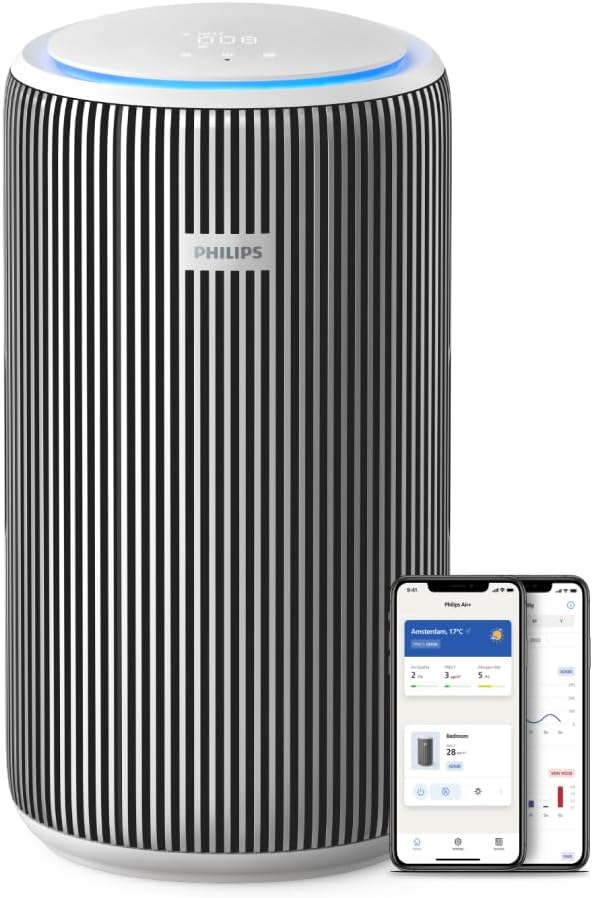
Philips Air Purifier 3200 Series AC3220/10 review
Product description
Performance and filtration
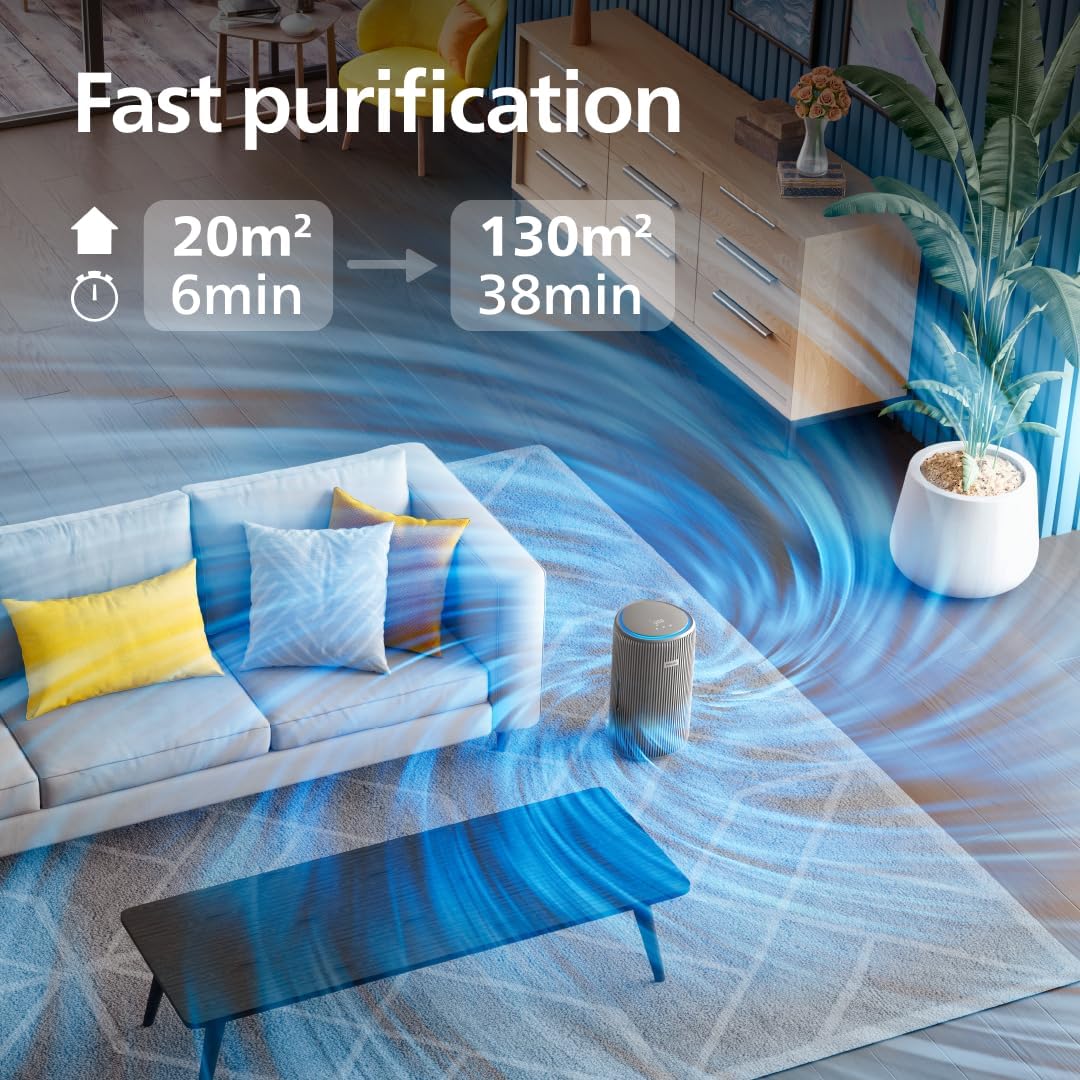
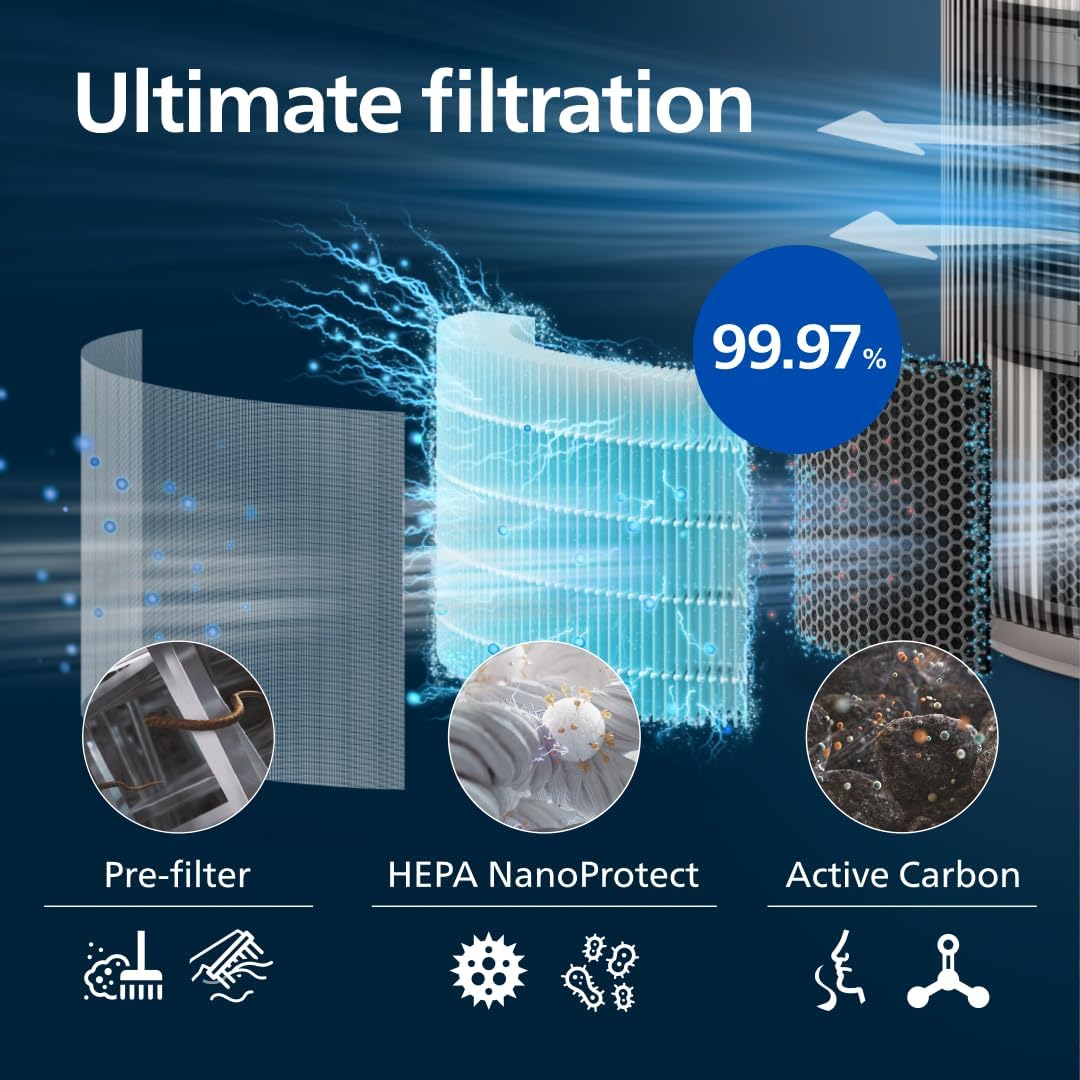
This model uses a three-layer filtration system that captures 99.97% of particles down to 0.003 microns. That includes pollen, dust, dust mites, pet dander, and smog, while the Active Carbon layer helps reduce gases and odours. Philips also notes a 99.9% reduction for airborne viruses and bacteria, which may be a meaningful reassurance for allergy sufferers seeking cleaner air. The large coverage is stated as up to 135 m², and it can purify 20 m² in under 6 minutes under ideal conditions, which gives a sense of rapid air turnover in moderate spaces.
Noise and energy use
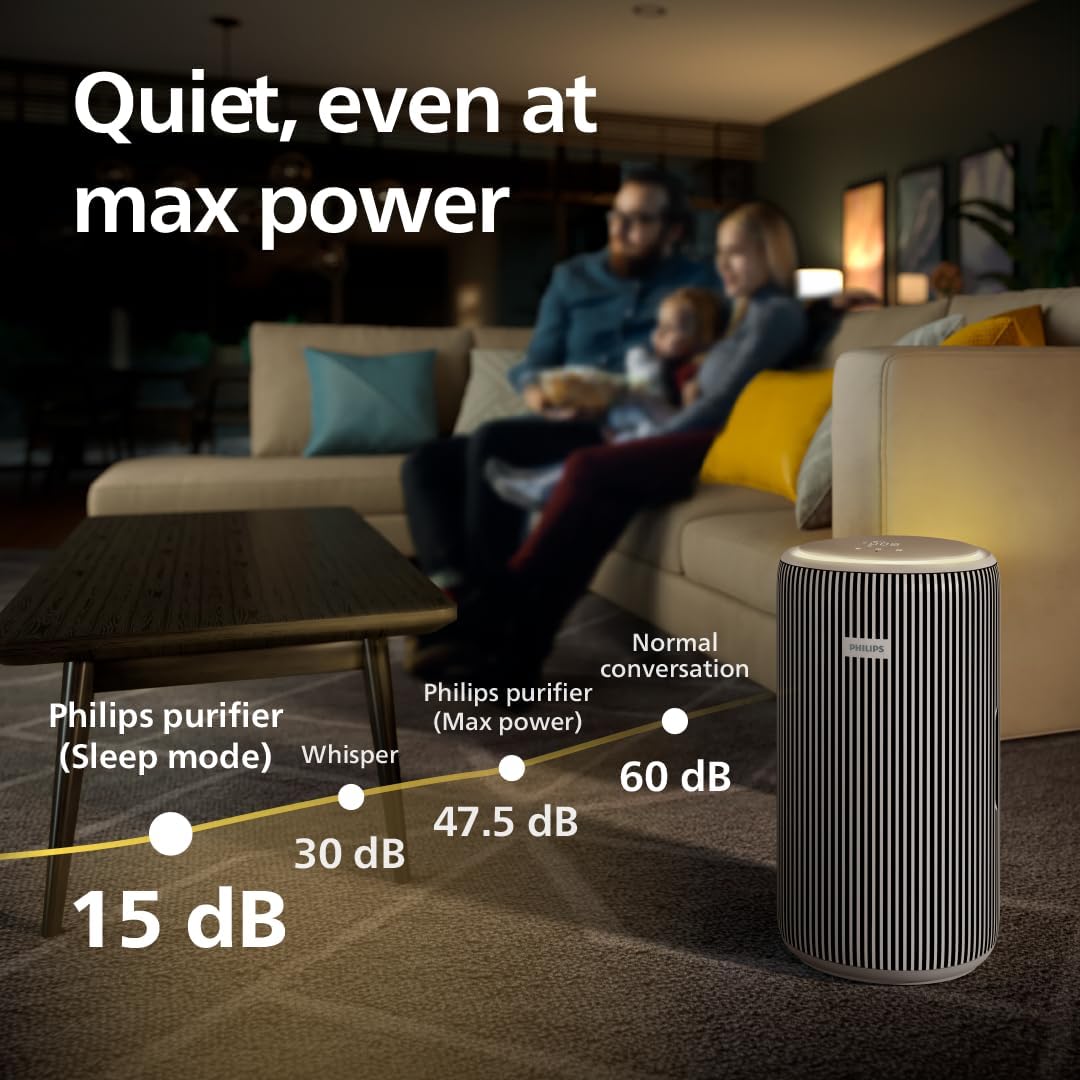
A standout claim is the 50% quieter operation thanks to SilentWings technology, with a fan design inspired by owl flight. In practical terms, purifiers often reach 15 dB(A) on the quiet setting, remaining unobtrusive during quiet activities. When pushed, the device still stays outpaced by normal conversation, which helps maintain a calmer home environment. Power consumption is modest, with a maximum around 36W, suggesting a low ongoing energy footprint compared with larger, more power-hungry purifiers.
Who it’s for and where it fits
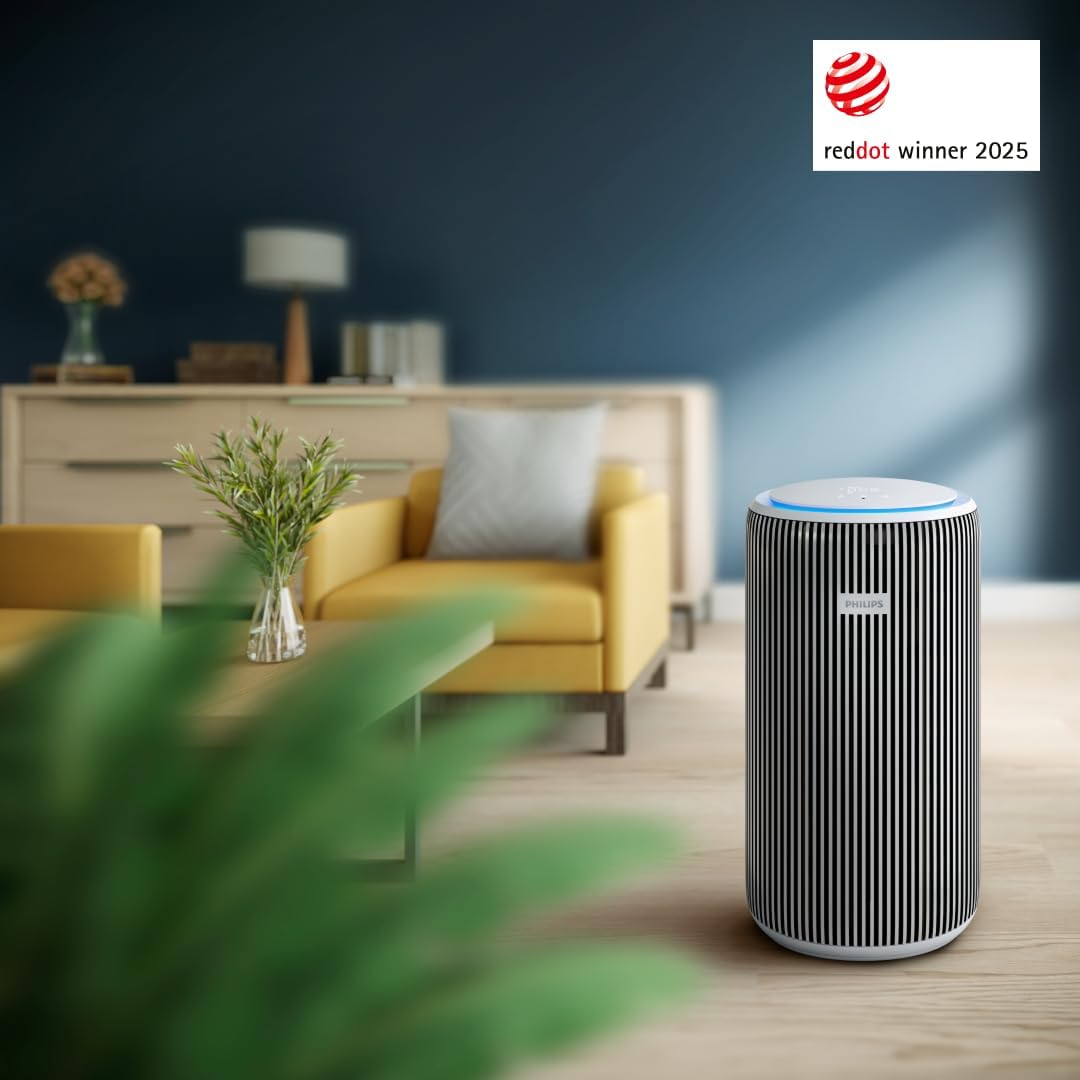
This purifier targets households dealing with seasonal or general allergies and those who want a reasonably quiet device capable of handling sizeable rooms. It can be particularly appealing if you prioritise a strong filtration stack (HEPA + carbon) and a higher CADR for faster air turnover. If you prioritise absolute quietness at all times, the max-speed performance may still introduce a perceptible hum, though the shorter-term trade-off is faster air cleaning.
What works well in everyday use
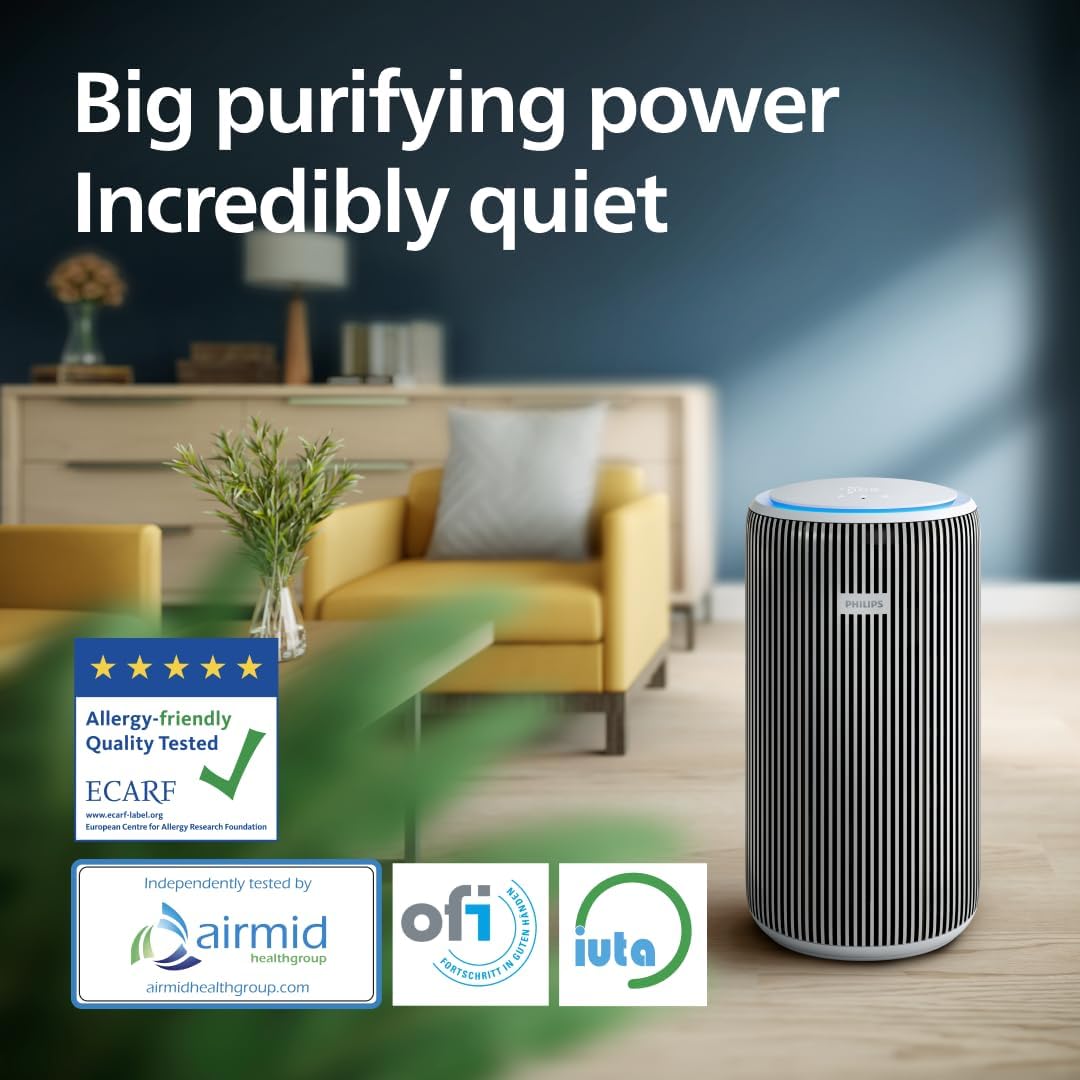
On a practical level, the combination of high filtration efficiency and relatively low energy use makes it suitable for living rooms, open-plan spaces, or bedrooms where an influx of pollutants or odours is a concern. The 3-layer filter setup is a straightforward approach to tackling common indoor air quality issues, while the ECARF allergy certification adds a credible benchmark for allergy sufferers.
Limitations and who might rethink it
If you live in a compact space with a single, small room, a purifier designed for larger areas could feel oversized or less cost-effective. Likewise, if you need the absolute quietest performance at all times, you may want to compare to models that emphasise ultra-low-noise modes specifically at the very lowest speed. Additionally, the description does not provide price, maintenance intervals, or filter lifespan, so it’s wise to verify these details before buying.
What to review before buying
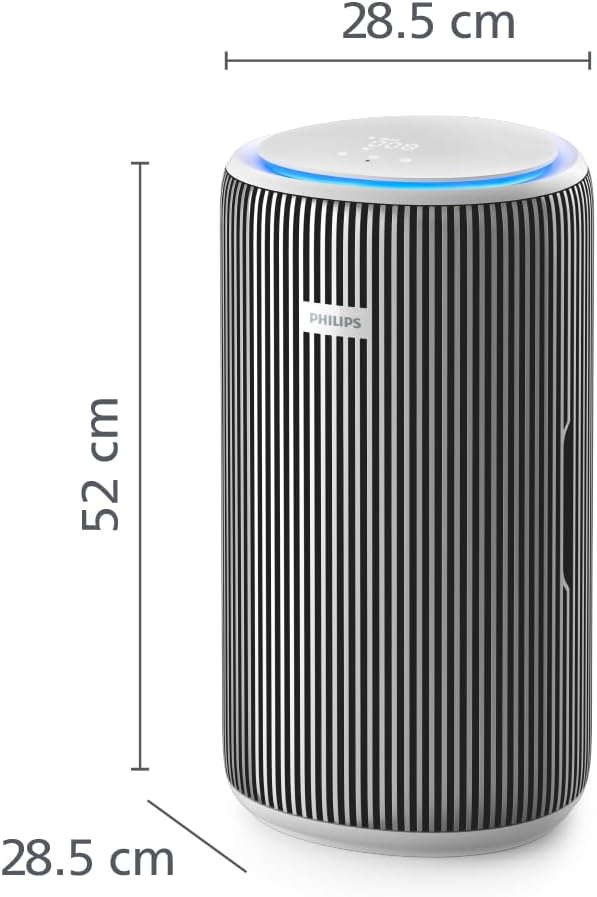
Check the filter replacement costs and frequency, as a three-layer system typically requires periodic changes to maintain performance. Confirm the exact dimensions and whether the unit’s noise level at your preferred speed aligns with your tolerance for background sound. Consider your room size in relation to the stated coverage to avoid over or under-purifying a space. If you weigh energy use, the 36W max is competitive, but real-world consumption depends on how often you run it at higher speeds.
Practical usage example
Imagine moving from a busy kitchen with lingering cooking odours to a calmer living room. In that scenario, the purifier would likely ramp up briefly to refresh the air quickly, then settle into a quieter, ongoing cleaning cycle. The result should be a noticeable reduction in odours and floating particles in a space where family members spend time together during evenings and weekends.
What this means for alternatives
If you’re shopping around for large-area purifiers, this model sits between entry and mid-range in terms of capability: strong filtration and fast air exchange, but not marketed as the absolute quietest or cheapest option. For smaller rooms or budget-conscious purchases, smaller or simpler purifiers may be more appropriate. If you prioritise a dedicated quiet mode and cost-per-use over sheer coverage, you might consider devices that emphasise ultra-low noise at lower speeds.
Final decision
Should you buy it?
It makes sense if you prioritise strong three-layer filtration, substantial coverage of up to 135 m², and a comparatively quiet operation at typical speeds. It’s a solid pick if you value allergy-friendly certification and a reasonable energy footprint. Not the best option if you need the absolute lowest noise at all times or if you require precise maintenance cost data before committing. If your space is large and you want fast air turnover, this Philips unit aligns well with those needs.
FAQ
- Can this purifier handle a 135 m² area? It’s advertised to cover up to that size, with faster purification for smaller spaces, but real-world performance depends on room layout and air flow.
- How quiet is it on day-to-day use? The model benefits from SilentWings technology and claims about 15 dB(A) on the quiet setting, actual experience may vary with room acoustics and speed chosen.
- What should I consider about maintenance? With a 3-layer filter, plan for regular checks and filter replacement as per usage and manufacturer guidance to maintain performance.