

Pet Microchip Scanner FDX-B (ISO11784/85) EMID — 134kHz/125kHz Reader with 1.44" LCD
Product description
What this is and what it fixes
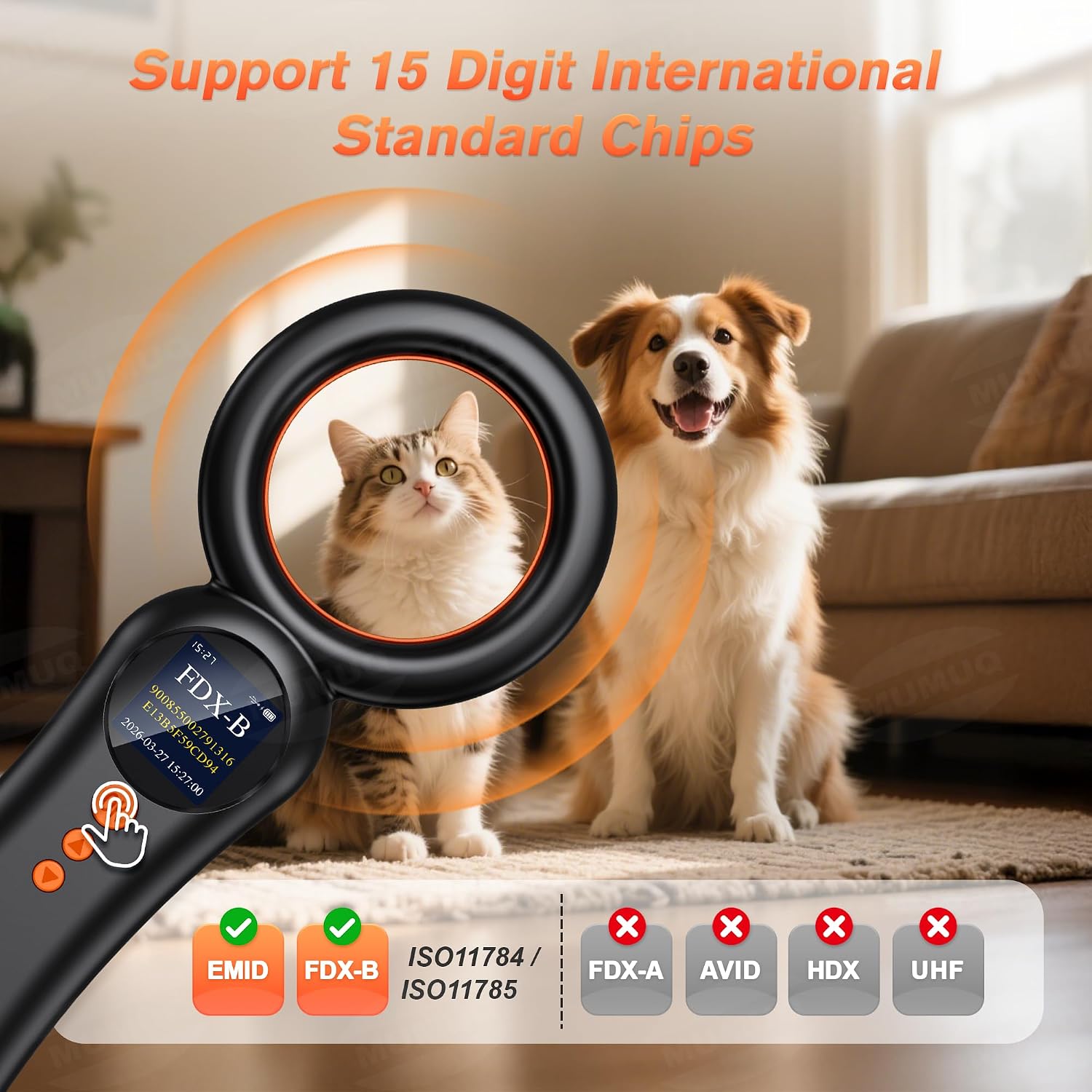
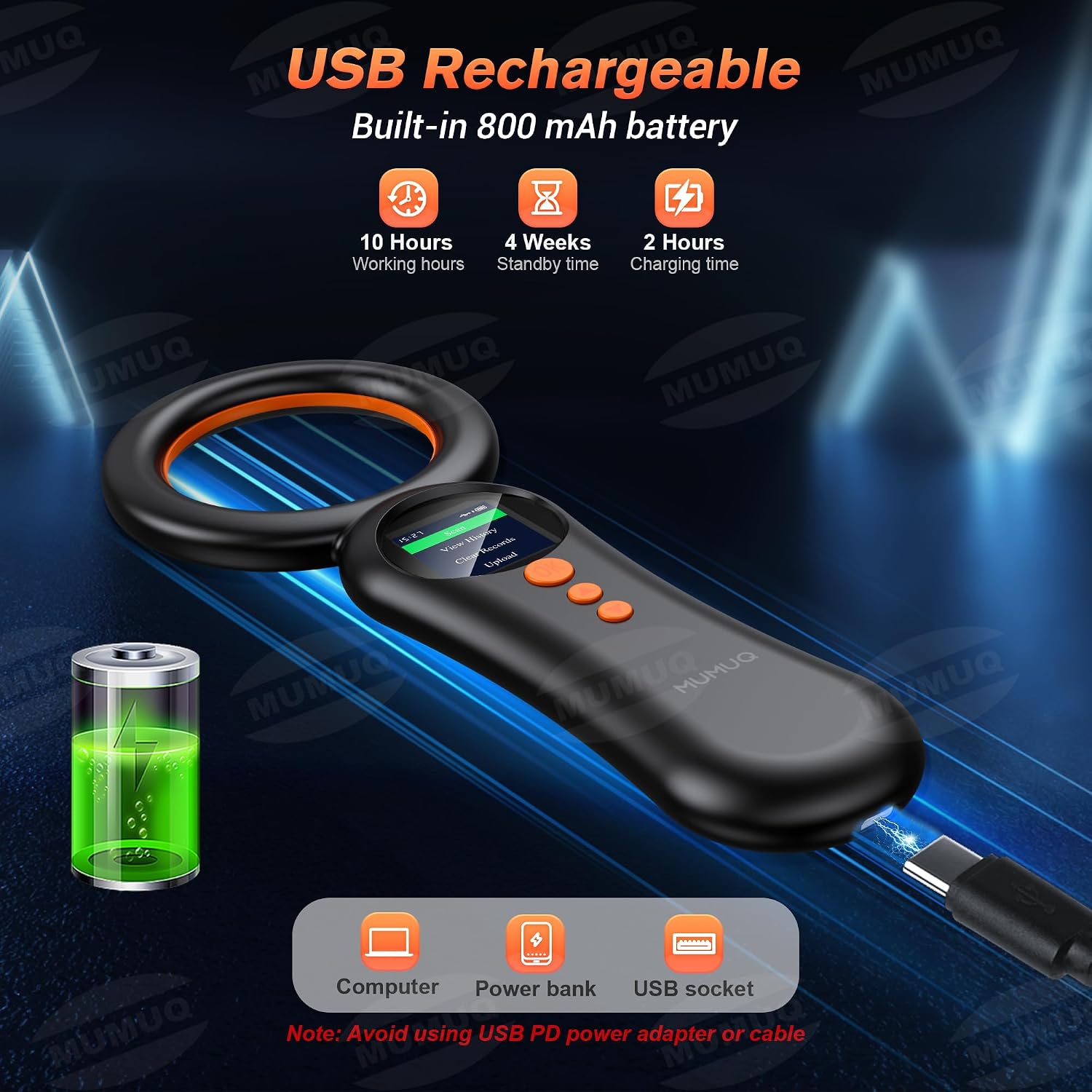
The Pet Microchip Scanner FDX-B is a handheld reader designed to interpret 15‑digit international microchip IDs using EMID and FDX-B protocols (ISO11784/85) at 134.2kHz/125kHz. It targets universal compatibility for the majority of global pet chips and aims to make field identification and data capture straightforward for animal care professionals and responsible owners alike.
How it works in practice
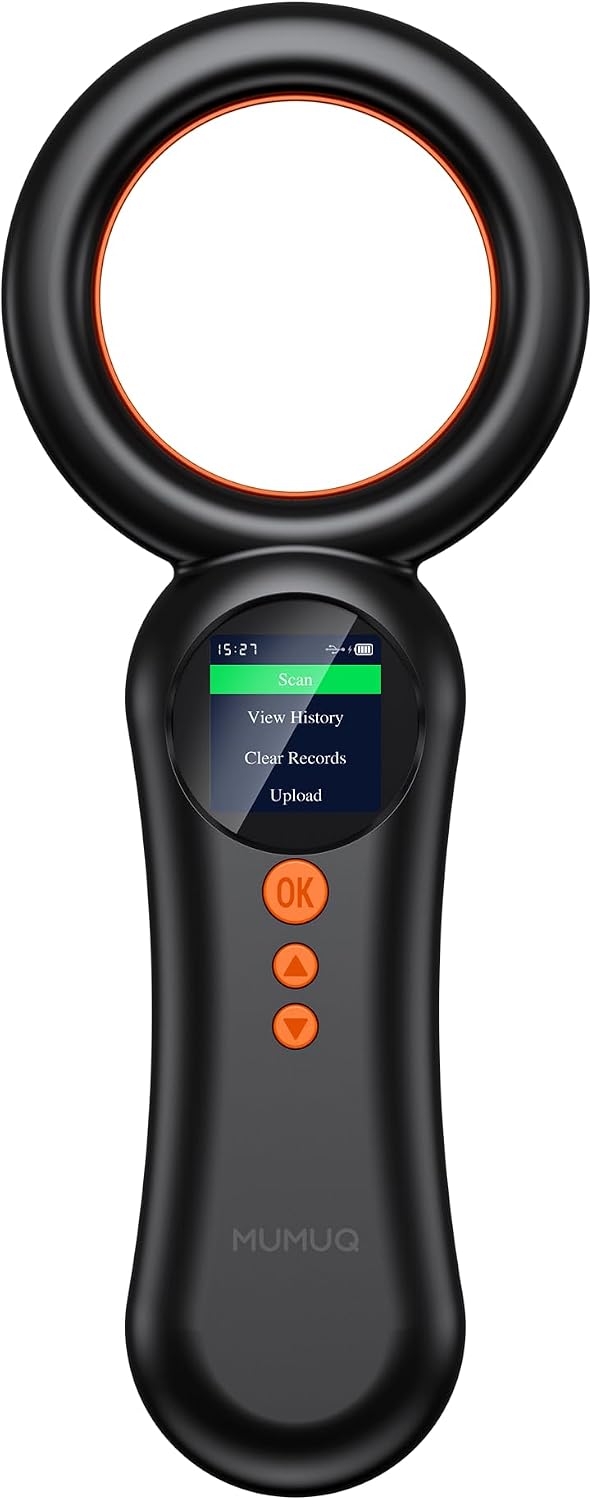
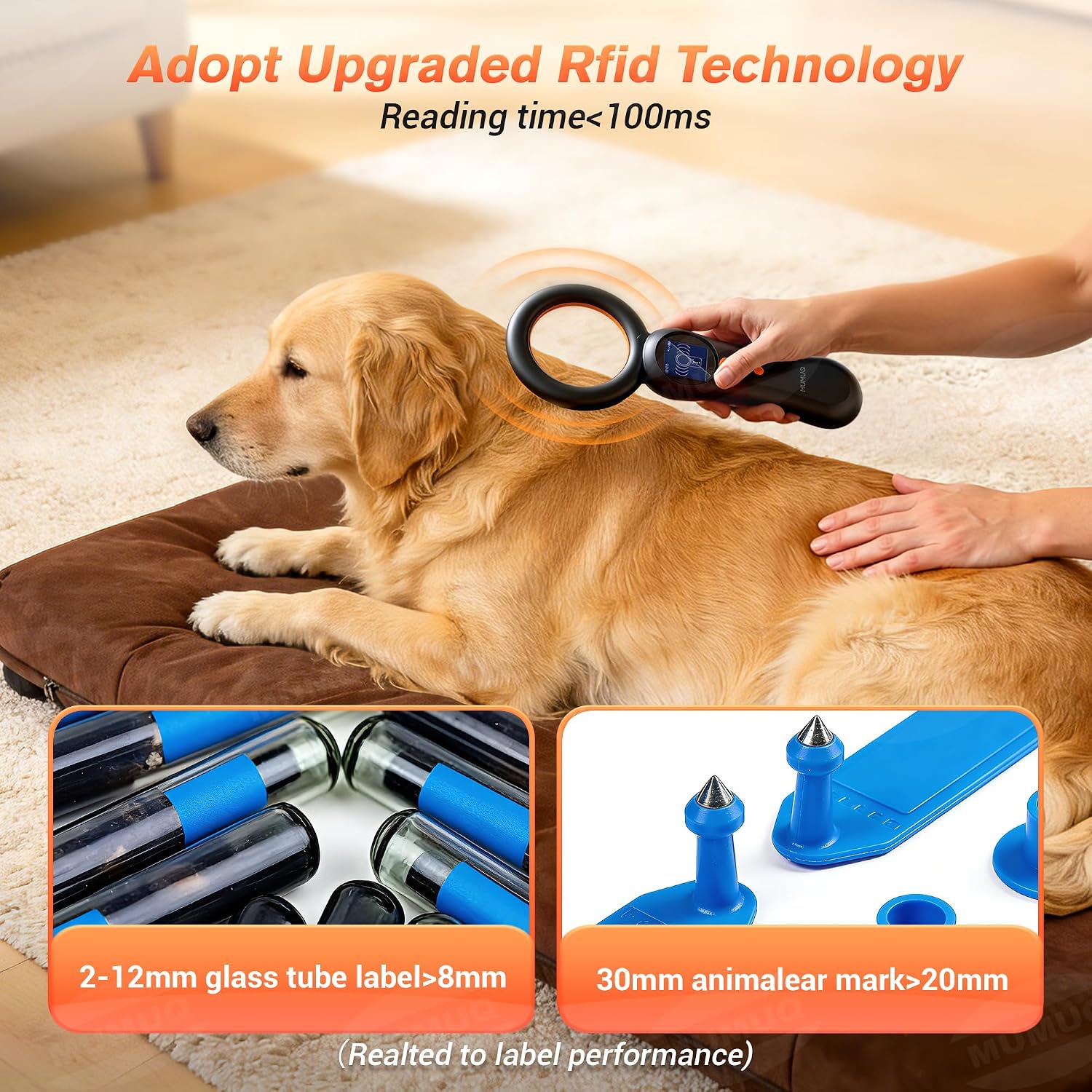
Powered by an 800mAh rechargeable battery, the scanner delivers rapid reads (under 100 ms) with confident detection ranges: over 8 cm for glass tube tags and over 20 cm for larger 30 mm ear tags. The aim is to speed up tag reads in busy environments without sacrificing accuracy, so you can identify animals quickly, whether you’re at a clinic, shelter, or field operation.
What stands out on paper
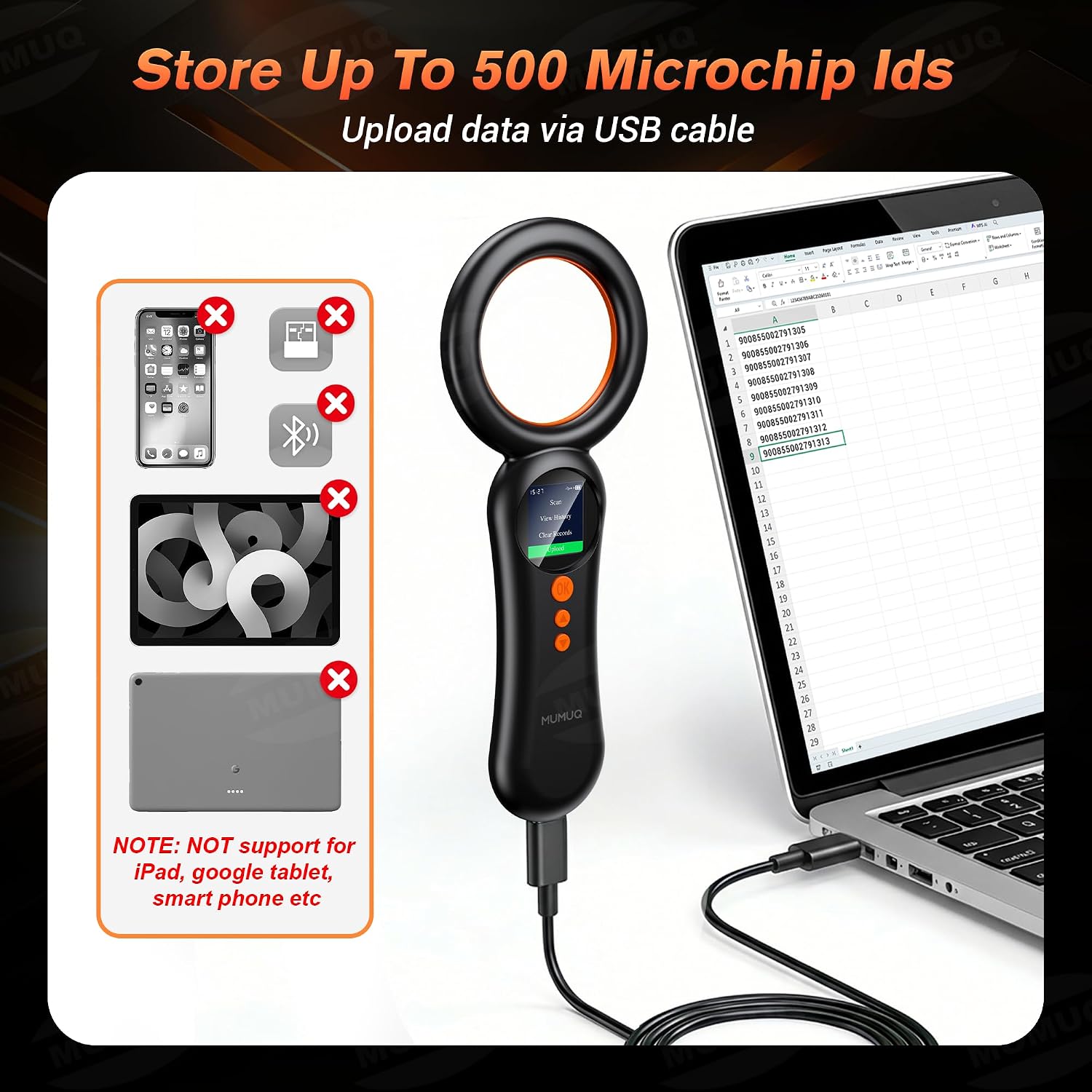
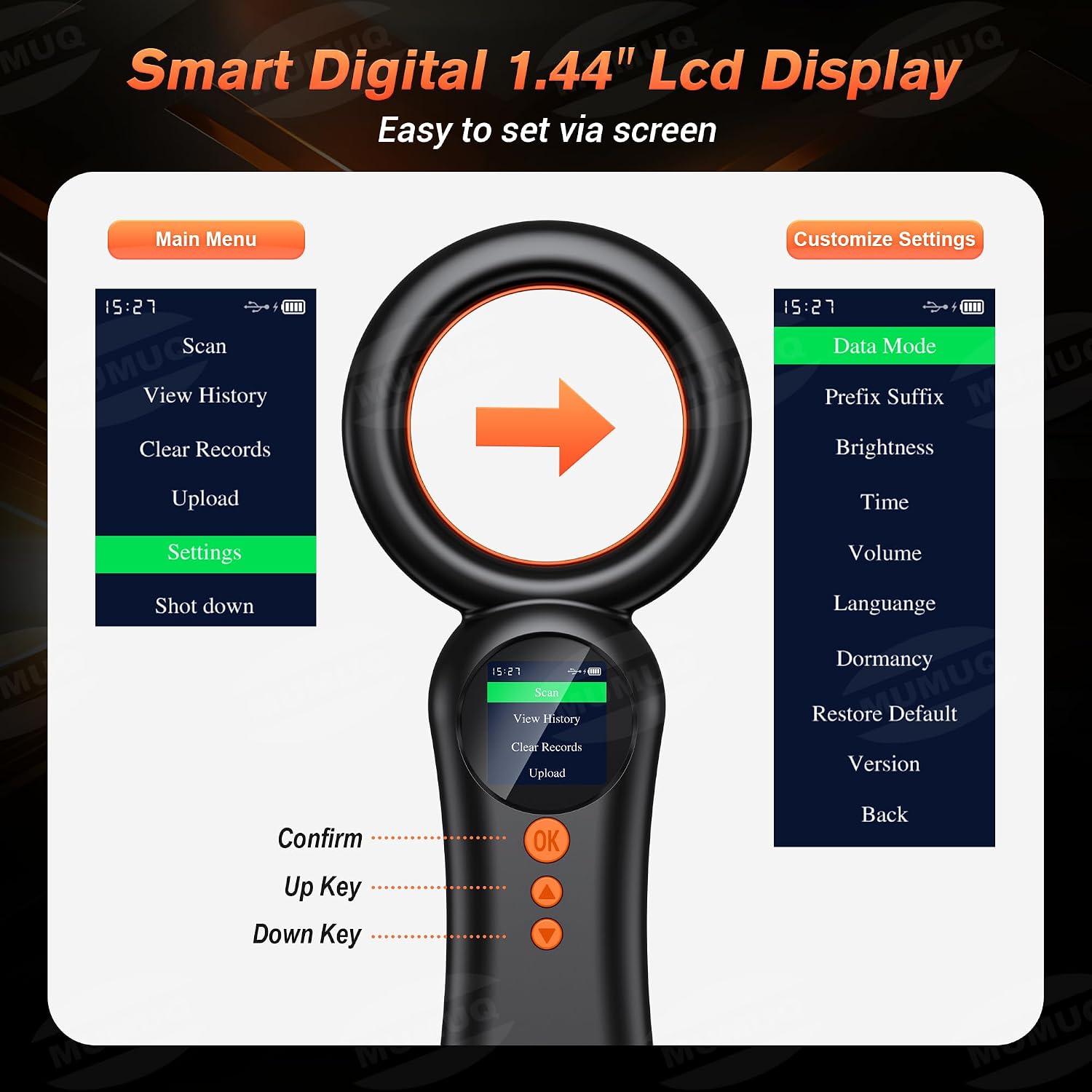
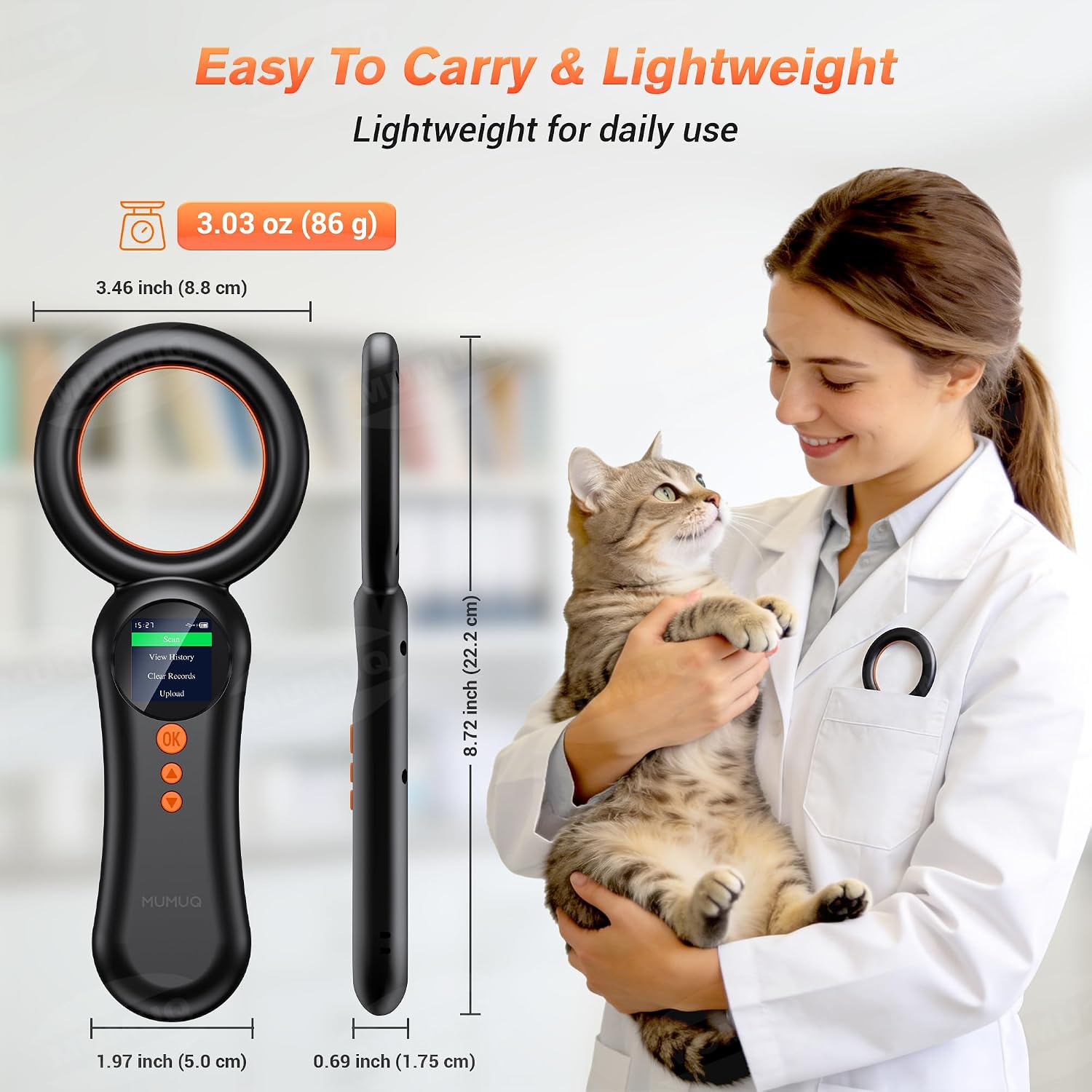
One clear strength is the 1.44-inch colour LCD display. The larger screen helps you view the tag ID clearly in varying lighting conditions, which reduces misreads and makes training new staff easier. The device stores up to 500 data records, and these can be uploaded to a PC via USB for back‑ups and long‑term record keeping.
The practicality and limits you should note
This reader is designed for 15‑digit international standard microchips. It does not support AVID or 9‑digit IDs, HDX, UHF, or other 125 kHz chips outside the EMID protocol. If your practice relies on any non‑EMID/FDX‑B chips, this scanner will not read them. Also, the note about data transfer means direct tablet or smartphone connections aren’t supported—PC transfer is required for logging.
Who it’s best for
- Veterinary clinics, rescue centres, breeders, and farmers who work with a range of domestic and livestock animals and need a compact, reliable reader.
- Field workers who prioritise a device that’s lightweight, with a long battery life and a straightforward interface.
- Users who value a visible, settable menu and the ability to store and export IDs for record-keeping.
Who it might not suit
- Owners or organisations that require AVID, 9‑digit IDs, HDX, UHF, or non‑EMID 125 kHz chips.
- Anyone wanting direct Bluetooth or wireless syncing with tablets or phones—data needs to be uploaded to a PC via USB.
- Those seeking a feature‑rich alternative with a broader chip compatibility, this model focuses on standard EMID/FDX‑B compatibility.
When to buy and when to think twice
- It makes sense to buy if your needs align with EMID/FDX‑B compatibility and you want a dedicated, portable reader with reliable read times and a clear display.
- If you frequently encounter non‑EMID chips or need wireless data transfer, you may want to assess whether this device fits your workflow or if another option would better cover those chips and connectivity needs.
Key checks before purchase
- Confirm your pet or facility uses 15-digit international standard chips (EMID/FDX‑B). If not, the device may not read all chips you encounter.
- Consider your data workflow: is USB PC upload sufficient, or do you need more flexible device-to-device transfer?
- Check the physical use case: the weight and size are compact, but ensure it suits your typical scanning distances and lighting conditions.
Practical use example
Imagine a shelter worker scanning a litter of new arrivals during intake. The bright 1.44" screen makes IDs legible in a busy room, and the fast read time means you can process each animal quickly, updating the central database as you go. The 500‑record storage keeps the day’s IDs together, which helps with later reconciliation and follow‑ups.
What to know about alternatives and buying strategy
If you prioritise minimum extra gear and straightforward operation for standard chips, this device offers a pragmatic balance of portability, speed, and storage. For users who need broader chip coverage or wireless syncing, it may be worth comparing with readers that support non‑EMID or offer Bluetooth/VIN connectivity. In many scenarios, a dedicated EMID/FDX‑B reader represents a sensible mid‑range choice: not the cheapest, but with a practical feature set for everyday animal management.
Is it worth it?
Final verdict: Worth considering if your work relies on 15‑digit EMID/FDX‑B chips and you value a clear display, reliable reads, and local data storage with PC upload.
FAQ
- What frequencies does it read? It reads 134.2kHz and 125kHz, covering EMID and FDX‑B protocols.
- How many records can it store? It stores up to 500 data records.
- Can I connect it directly to a tablet or smartphone? No, direct USB to PC is required for data transfer, tablet/smartphone connectivity isn’t supported.