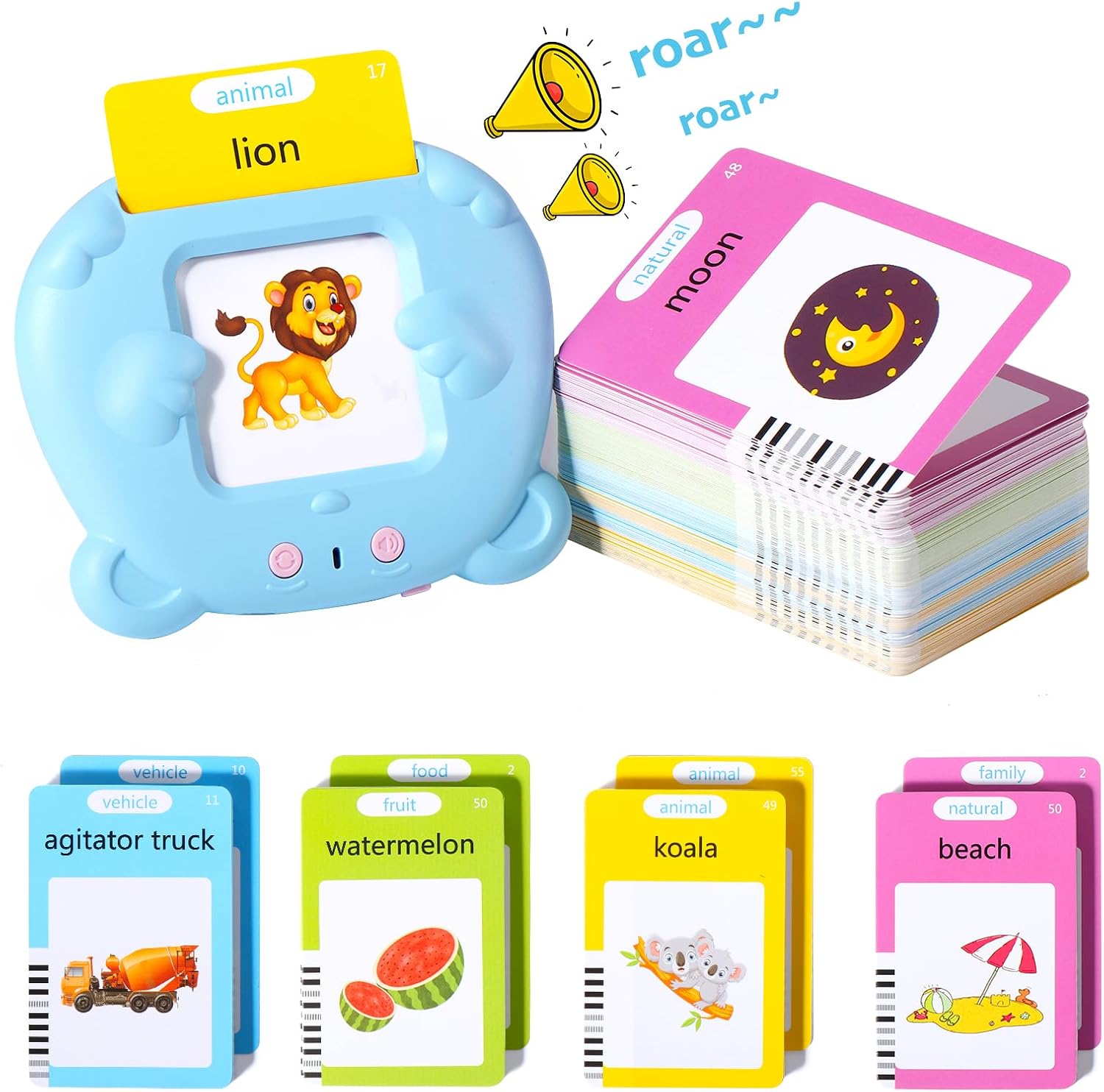
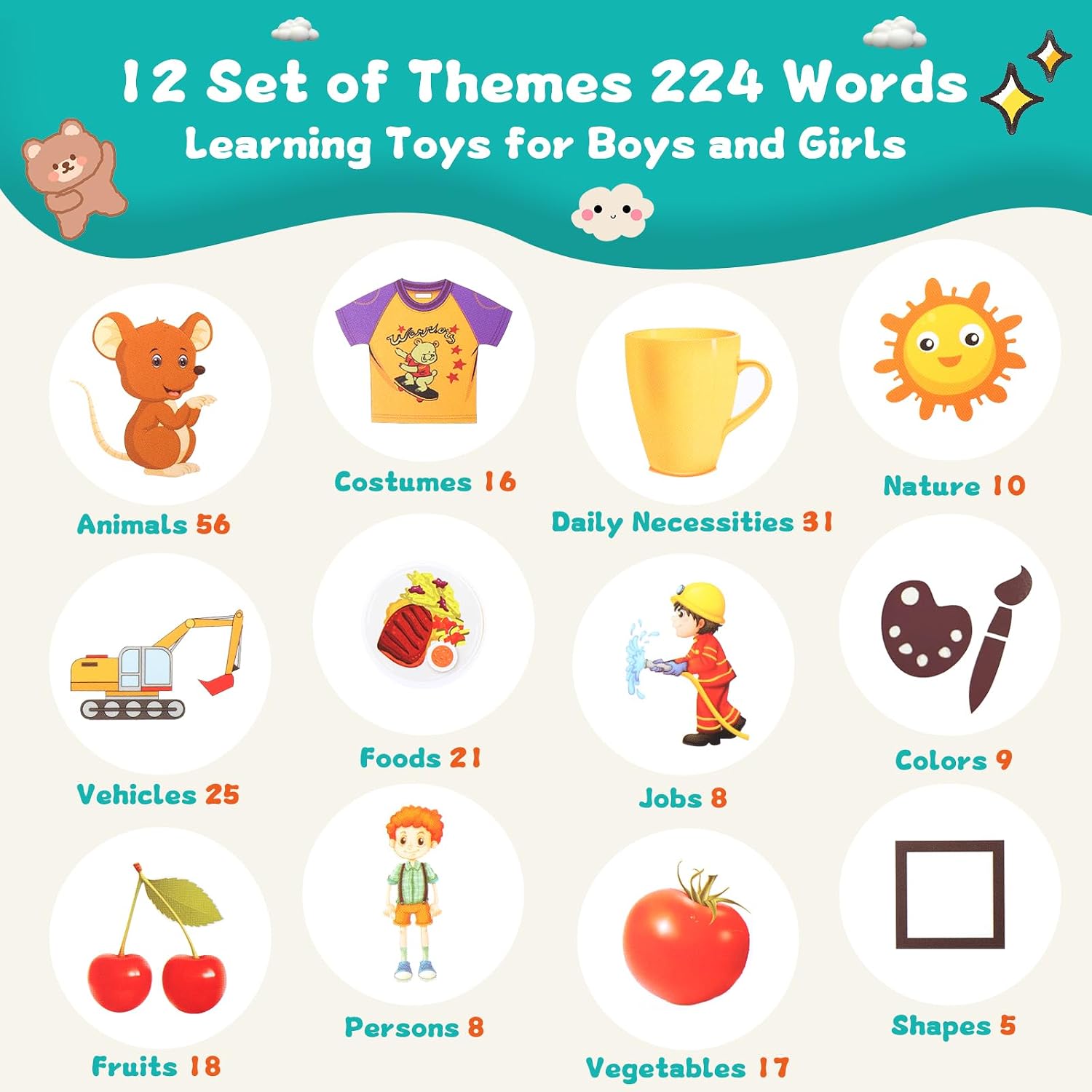
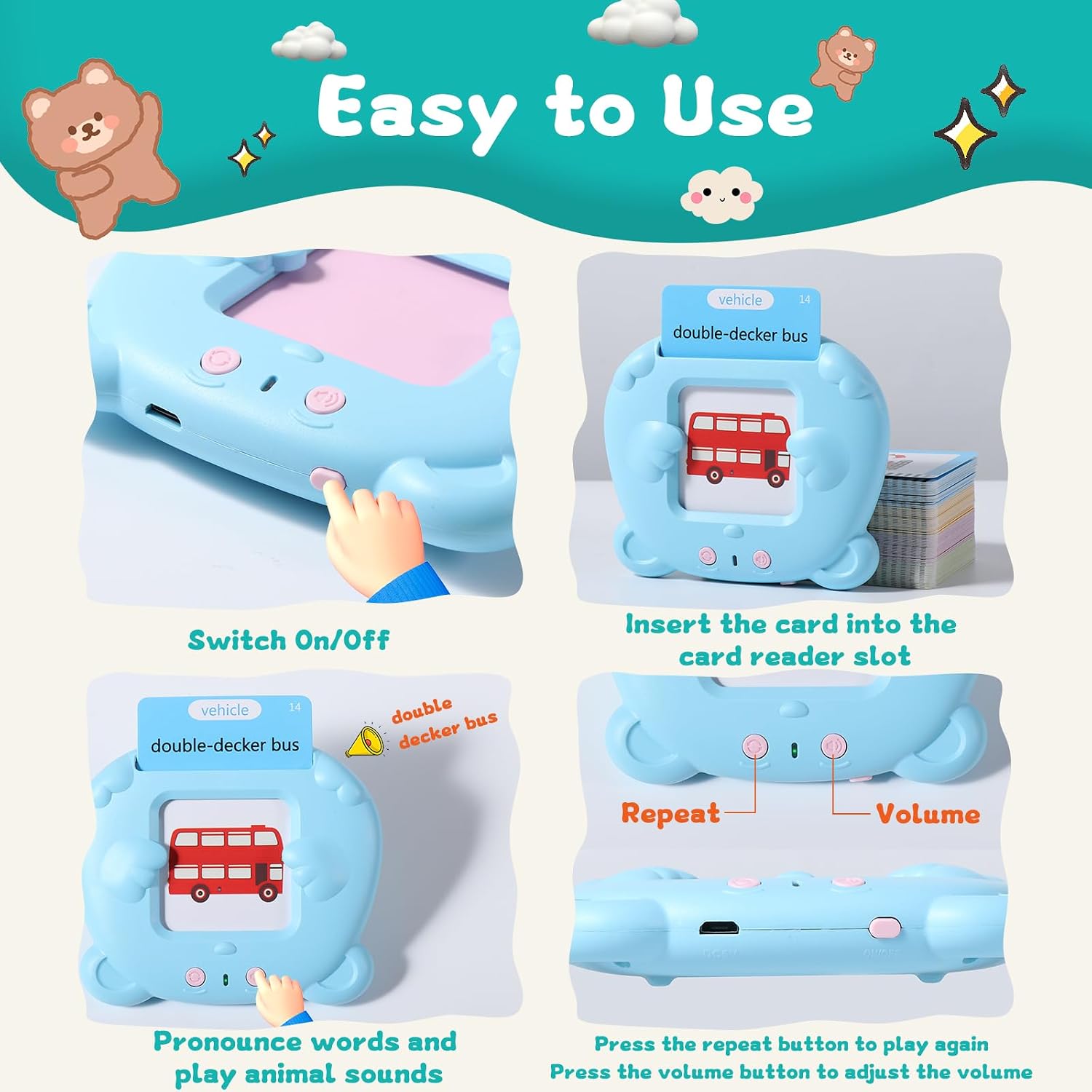
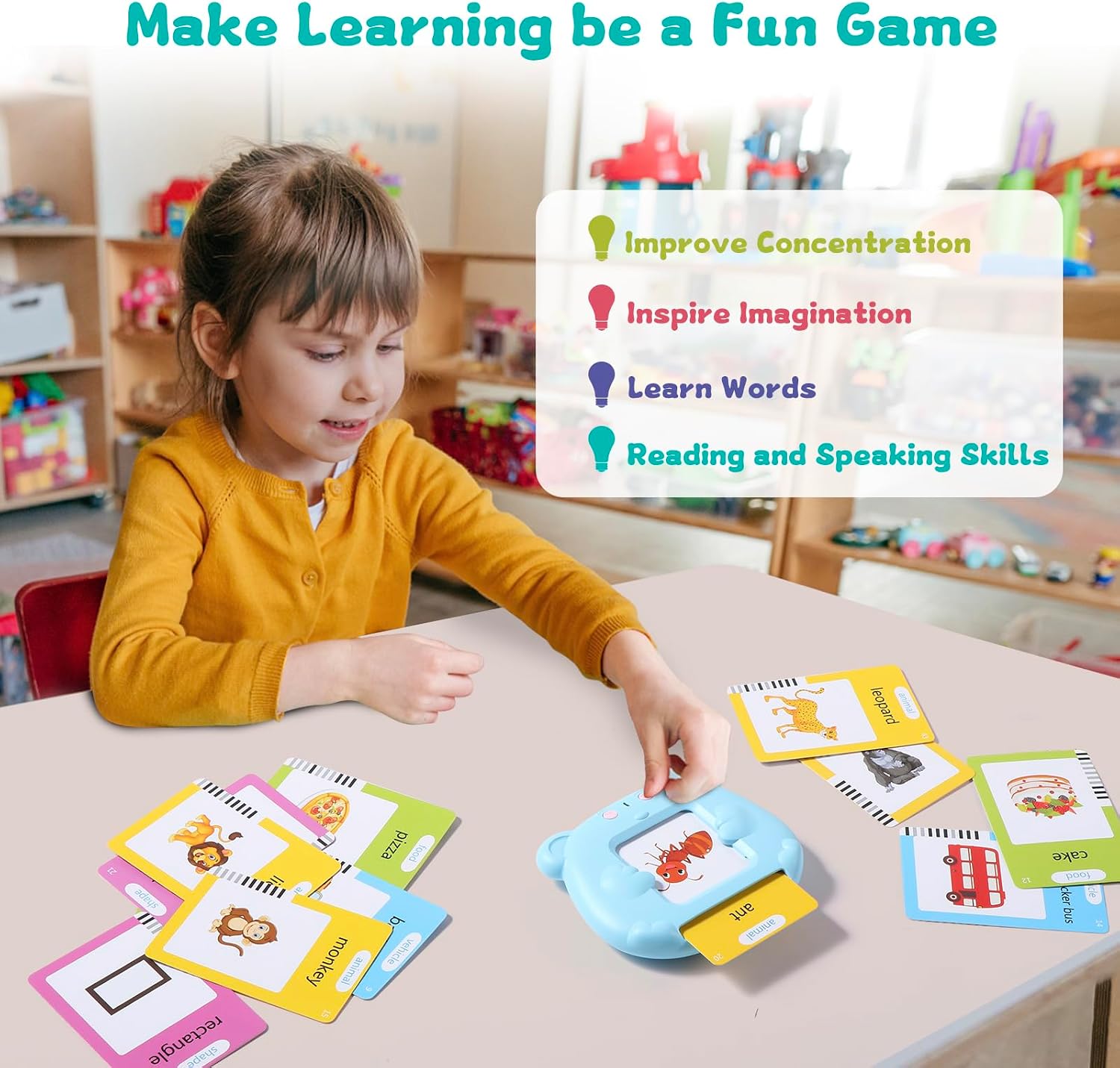
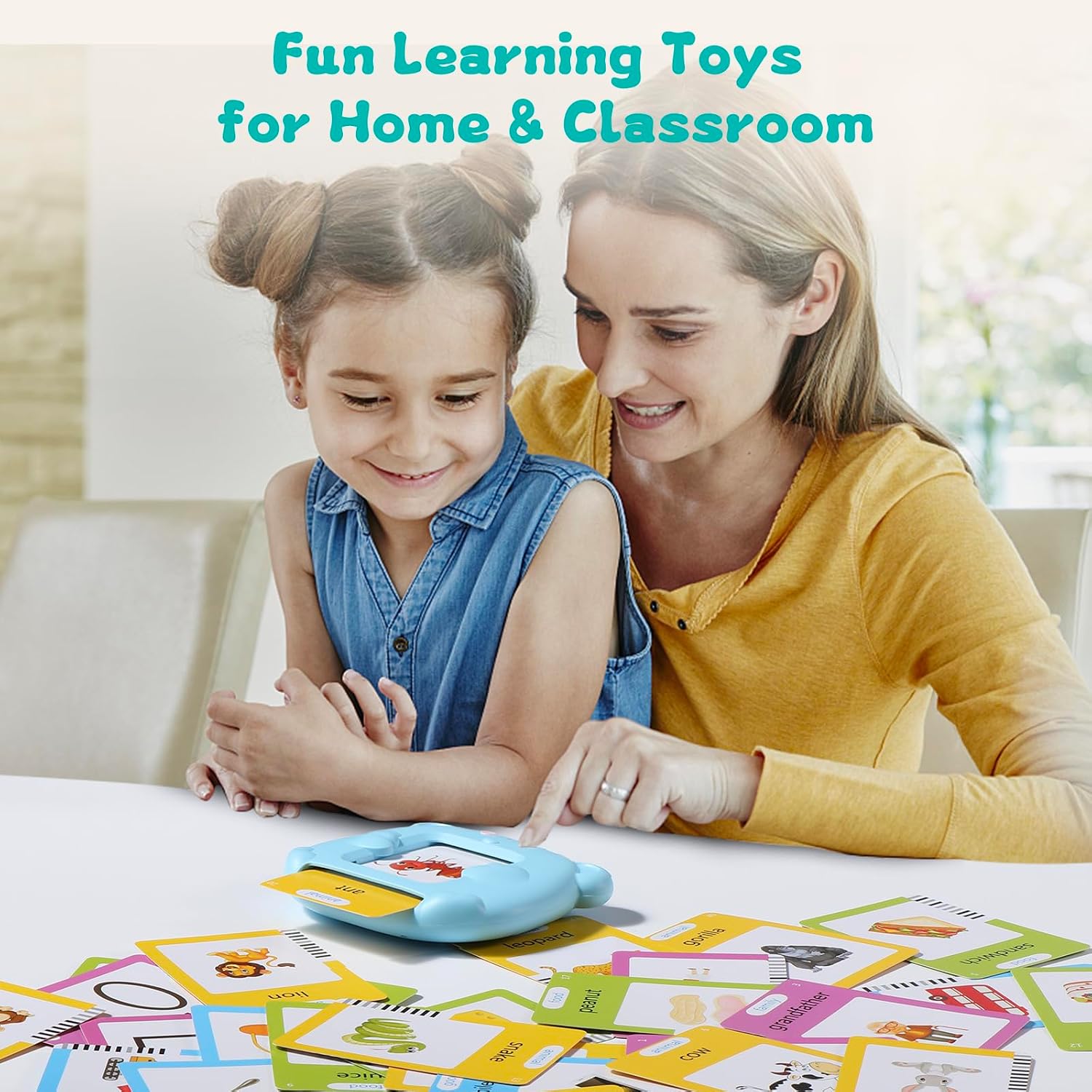
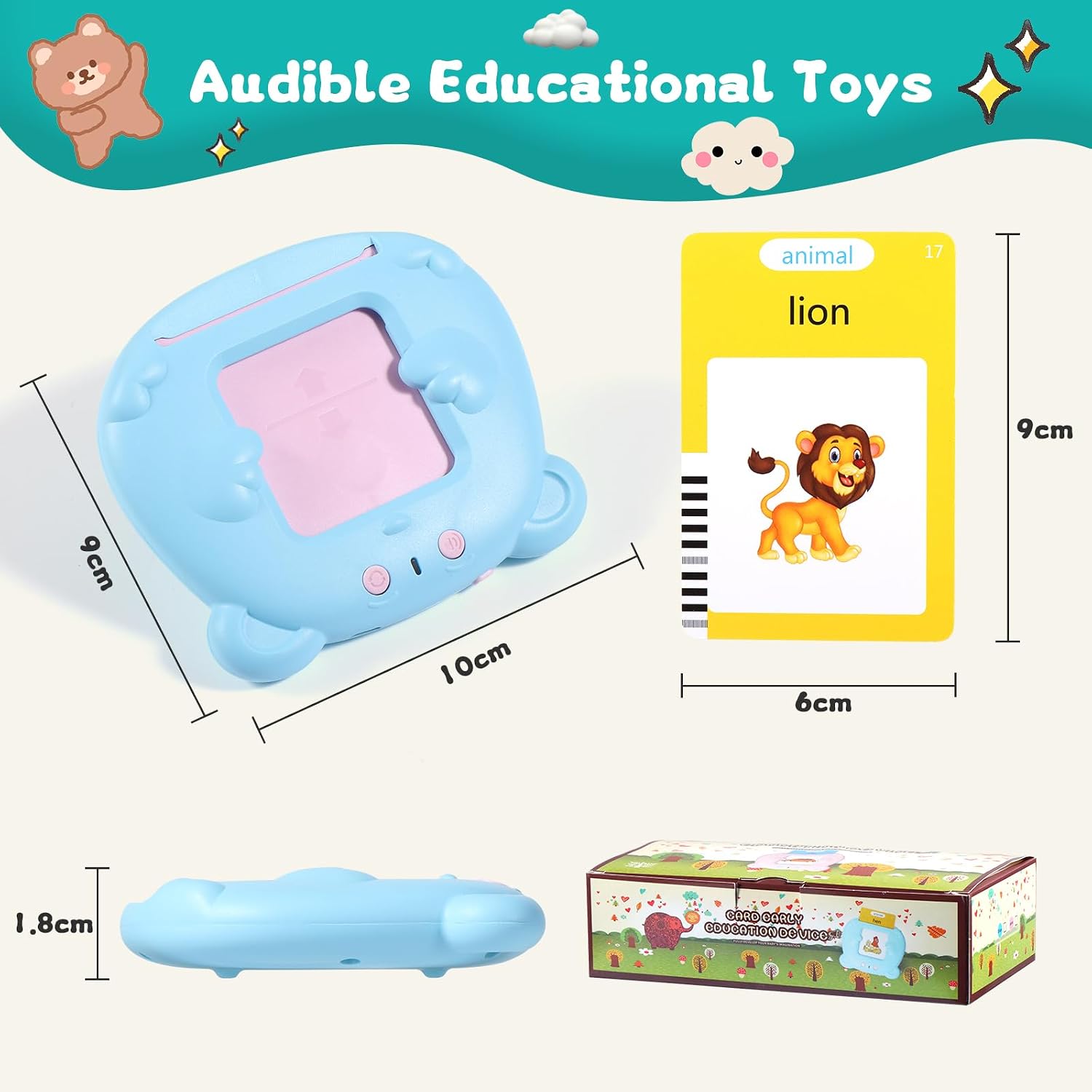
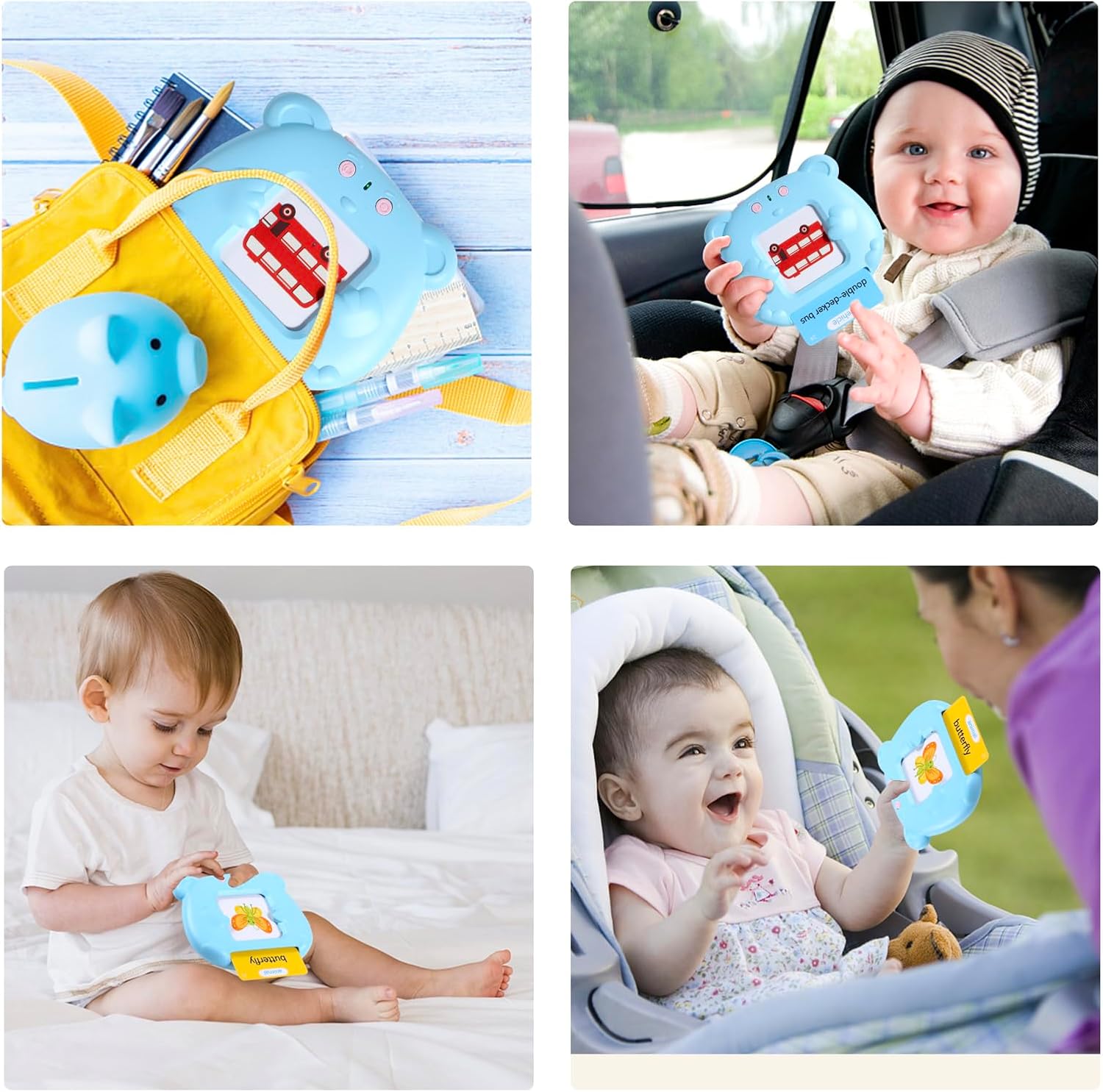
What it is and what it does\nOderra Talking Flash Cards are an interactive, audio-based learning set designed for toddlers and early primary learners. The package includes 112 flash cards, each side carrying words that total 224 spoken items when used with the card reader. The themes cover animals, food, vehicles, colours, vegetables, daily necessities, clothing, nature and more. Designed to aid language development and visual word recognition, the cards are meant to be easy for little hands and curious minds to engage with during home learning or travel.\n\n## How it helps with language development\nOn paper, the concept is straightforward: combine pronunciation with vivid illustrations to reinforce word recall. For parents and carers, the audio prompts can support pronunciation modelling and assist children in building a basic vocabulary. Because the device uses animal and vehicle sounds alongside the words, it aims to make learning more multisensory and potentially more memorable for younger learners. That said, the effectiveness will vary with consistent use and social interaction around the cards, rather than technology alone.\n\n## What stands out in use\nThe toy is lightweight and portable, so it’s convenient for short sessions at home or on journeys. The visual appeal of colourful pictures helps sustain attention, and the audible prompts can keep boredom at bay when screen time is limited. The design claims to be gentle and safe for small hands with smooth edges. The inclusion of a USB charging cable and instruction manual adds practicality for families who want a straightforward setup.\n\n## Limitations to keep in mind\nIf you prioritise rapid, advanced literacy from day one, this set may neither replace a structured reading programme nor offer the depth of more comprehensive language tools. The impact relies on regular, guided use, passive play is unlikely to deliver consistent progress. Also, the number of words (224) is helpful for a broad vocabulary start, but it’s a fixed set, so it won’t adapt to a child’s evolving interests beyond those themes.\n\n## Who this is for\nIt suits parents or carers looking for a low‑screen, audio-assisted way to introduce vocabulary and basic reading concepts to children aged around 3–6. It also works as a supplementary tool in early language development or as a travel companion to minimise screen time. It’s reasonably priced for a family looking to add a tactile, engaging learning element to daily routines.\n\n## When it makes sense to buy\nConsider this if you want a practical, portable reading aid that can be used without constant adult instruction. It’s useful for reading practice, word recognition, and reinforcing everyday vocabulary in a calm, interactive way. It may be a good fit for families who value routine and repetition in early language learning.\n\n## What to check before purchasing\n- Ensure the reader is compatible with the cards and that charging equipment is available.\n- Consider whether the themes align with your child’s current interests to maximise engagement.\n- Think about how you’ll integrate the device into your wider reading routine rather than using it in isolation.\n- Check for any display or audio settings that may be adjusted to suit a child’s needs.\n\n## Practical use: a concrete example\nDuring a short afternoon session, you might pick a theme such as animals. You hold up a card showing a picture of a cow, and the reader pronounces the word clearly while the image reinforces the meaning. Your child repeats after you, then you swap to a vehicle card and similar activity repeats, introducing a gentle rhythm to support memory and pronunciation. Over time, you can weave in questions like “Which card shows the apple?” to encourage recognition and speaking.\n\n## Quick FAQ\n- Do the cards cover multiple age ranges? They’re designed for 3–6 year olds, with a focus on vocabulary and early reading skills.\n- Is there a limit to how often you can reuse a card? The device is designed for repeated playback to help vocabulary expansion.\n- Can it be used without the reader constantly turned on? The reader is central to pronunciation, so usage relies on the device being active.\n\n## Decision time: Is it worth it?\nWorth considering if you want a tactile, audio-driven supplement to a child’s early reading journey and you value screen-free learning moments. It may not be the best option if you need deep, customised literacy progression or a broader, adaptive vocabulary program.\n