

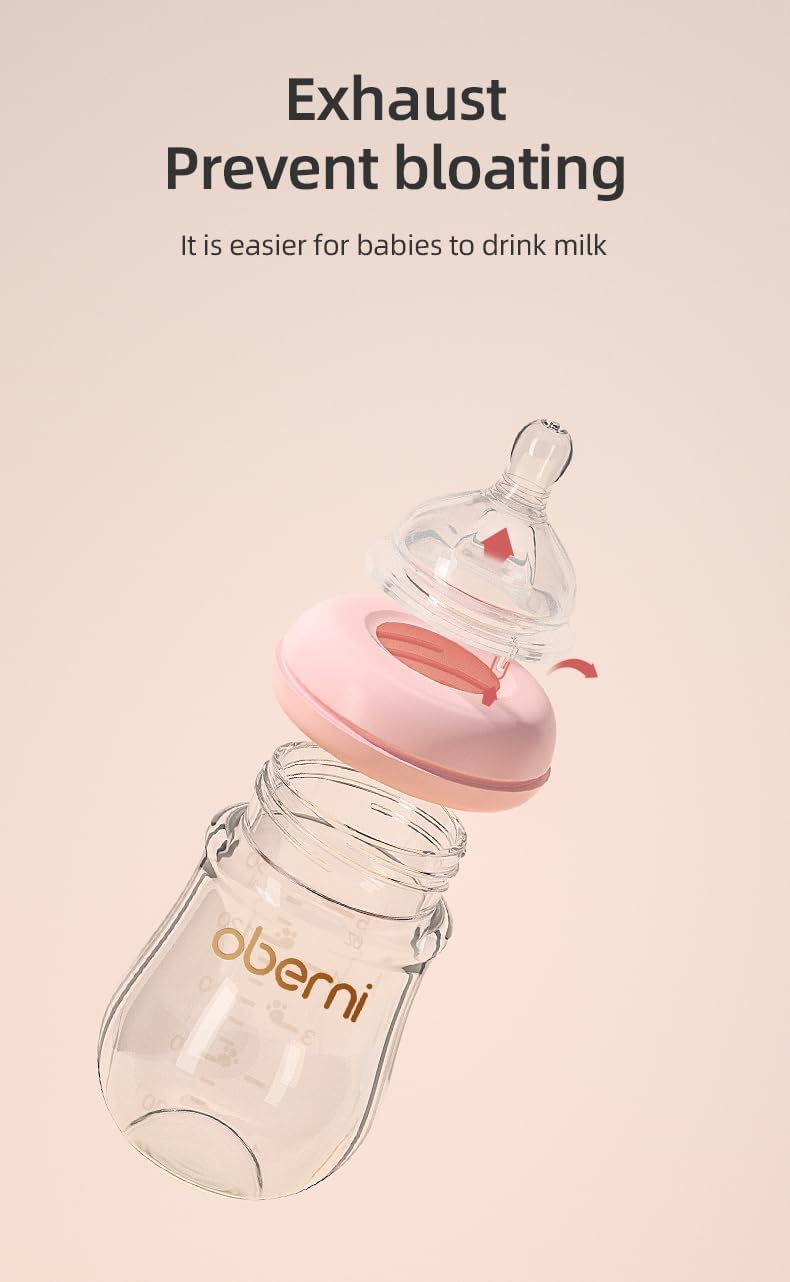
Oberni Anti-Colic Glass Baby Bottles with Slow Flow Teat – 150ml, Wide-Neck (2-Pack), Blue
Product description
What it is and who it suits
This product is a pair of 150ml glass baby bottles with a wide-neck design, aimed at newborns and babies aged 0+ months. The key feature is a soft, breast-like silicone teat designed to reduce air intake and help minimise colic, paired with a slow flow rate that mirrors natural breastfeeding. The bottles are heat-resistant and suitable for sterilisation, making them a practical choice for daily use and routine cleaning. If you’re looking for a non-plastic option that still supports easy feeding, this set provides a straightforward solution for early months.
How it performs in everyday use
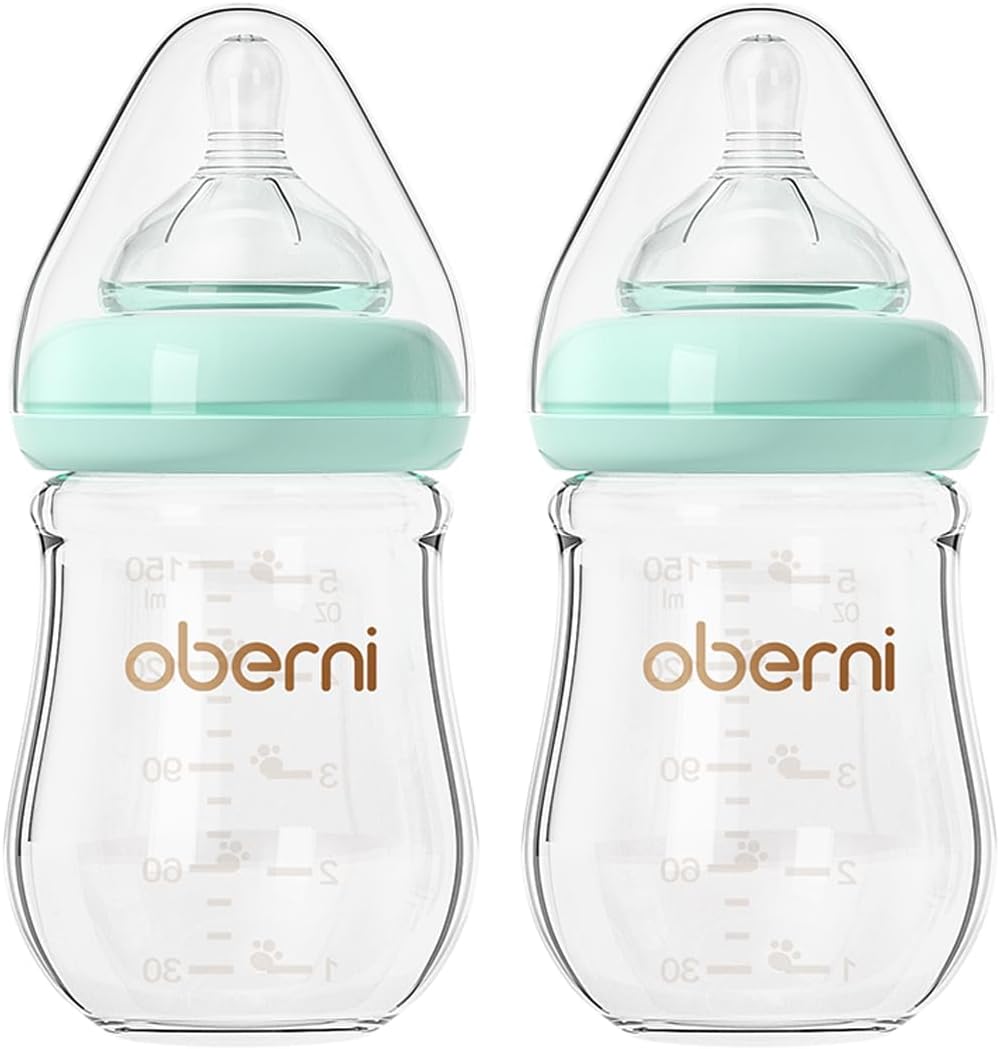
On the practical side, the wide-neck opening makes filling and cleaning easier, which is often a deciding factor for tired parents. The slow flow teat helps regulate the feeding pace, which can be beneficial for babies who struggle with gulping or gas. The silicone teat’s breast-like design is meant to feel familiar for newborns, potentially easing transitions between breast and bottle.
What works well and where it falls short
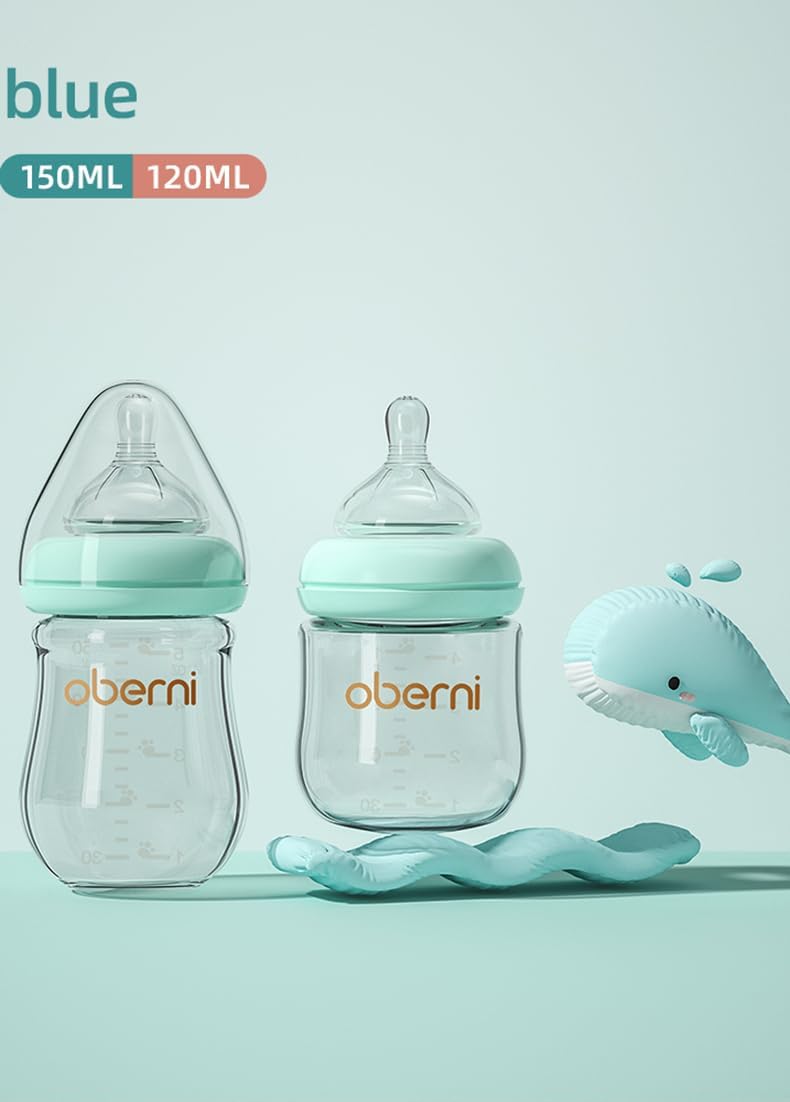
What stands out is the combination of glass with heat resistance and the simple, intuitive teat design. It avoids plastic concerns and heavy odours that some alternatives carry. However, there’s no information about the exact teat material durability over repeated sterilisation cycles or about how the bottles perform with different sterilisation methods. The 150ml capacity is appropriate for newborns but might require more frequent refills for older infants or longer feeding sessions.
Ideal for (and not ideal for) whom
It fits parents seeking a glass bottle option with a slow-flow, breast-like teat to manage colic and mimic natural feeding. It may not be the best choice if you need a larger capacity bottle for longer feeds or if you require a wide range of sizes in the same set.
When it makes sense to buy

If your priorities include a non-plastic bottle, ease of cleaning, and a teat designed to reduce air intake, this two-pack can be sensible for early months. The 0+ months guidance suggests suitability from birth, but consider your baby’s feeding pace and preference for teat flow when deciding.

Before you buy: what to check
- Confirm how you typically sterilise bottles in your routine and ensure the glass is compatible with that method.
- Consider whether you prefer a set with more capacity or additional flow rates as your baby grows.
- Think about cleaning logistics with a two-pack: will you rotate between bottles or keep one on standby?
Quick comparison mindset
Compared with plastic bottles, these glass bottles offer a different feel and potential durability in sterilisation. They sit in the practical middle ground: better heat tolerance for sterilisation than some plastics, while not being the lightest option. If you prioritise lightweight or travel-friendly bottles, you might lean towards other materials, but if you value a non-plastic build and a gentle flow, these are worth evaluating.
Practical use example
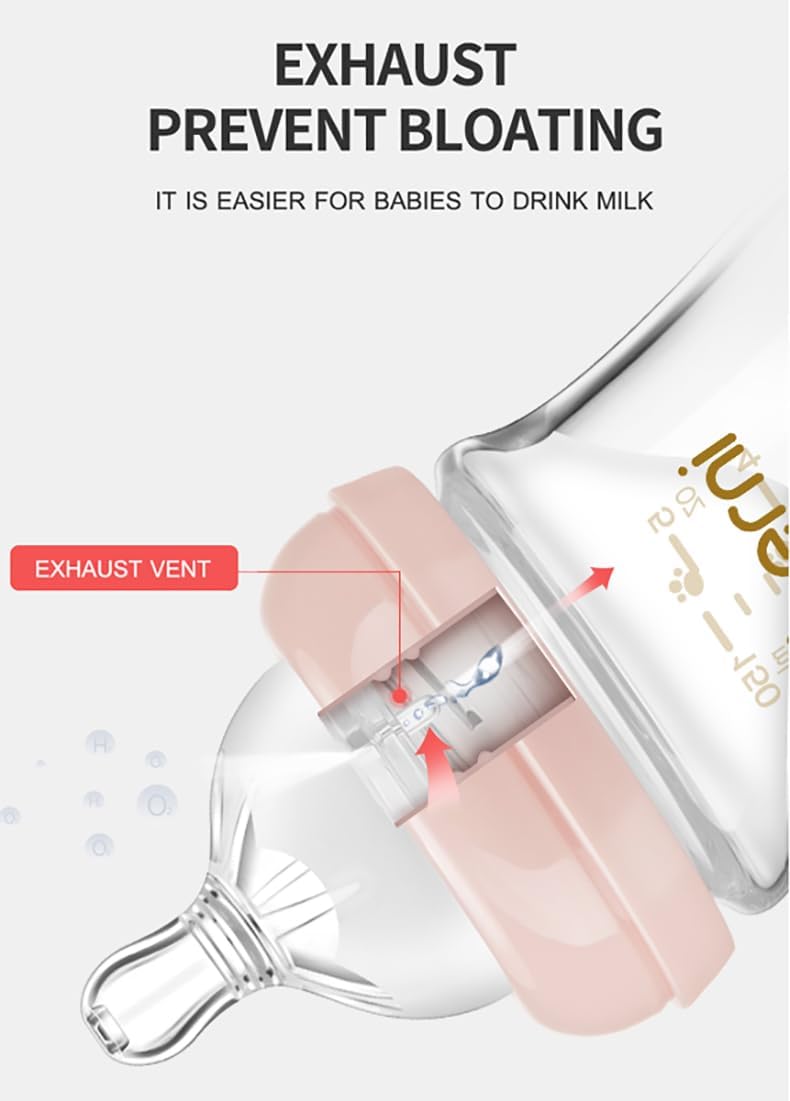
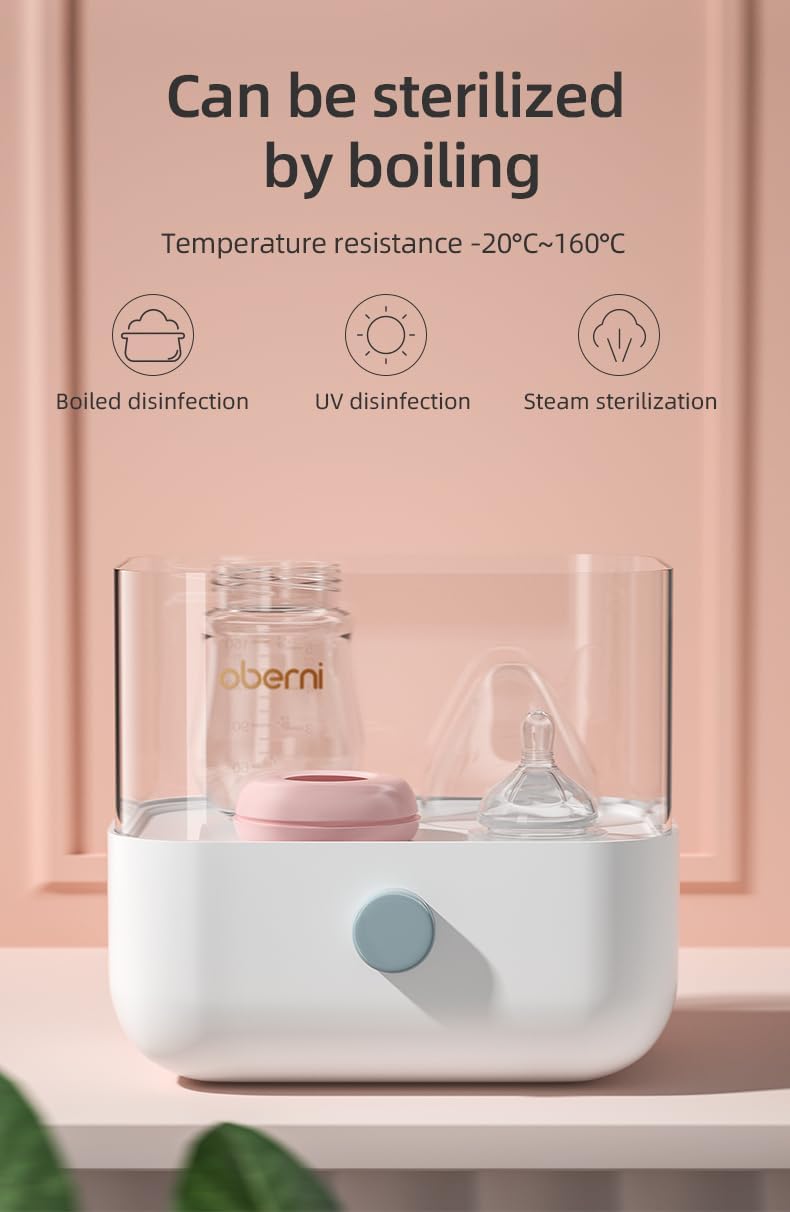
Imagine a typical night feed: you fill, sterilise, and hand your baby a bottle that feels familiar with a calm, slow-flow teat. The wide neck saves you from wrestling with narrow openings, and the glass base gives a solid, reassuring heft that doesn’t cloud with heat, making the routine a touch less stressful.
FAQ (practical answers based on available data)
- Is the teat designed to reduce air intake? Yes, described as anti-colic and breast-like.
- What is the capacity? 150ml per bottle.
- What age is it suitable for? 0+ months, newborns and beyond within the stated capacity.
Buying verdict
Is it worth it?
Worth considering if you prioritise a glass bottle with a slow-flow, breast-like teat to help manage feeding comfort and reduce air intake in newborns. It may not be the best option if you need a larger capacity, extra flow options, or specific compatibility with a wider sterilisation system. If your setup aligns with a two-pack glass solution, this could be a pragmatic addition to a newborn feeding routine.