


Oberni Anti-Colic Baby Bottle 270 ml
Product description
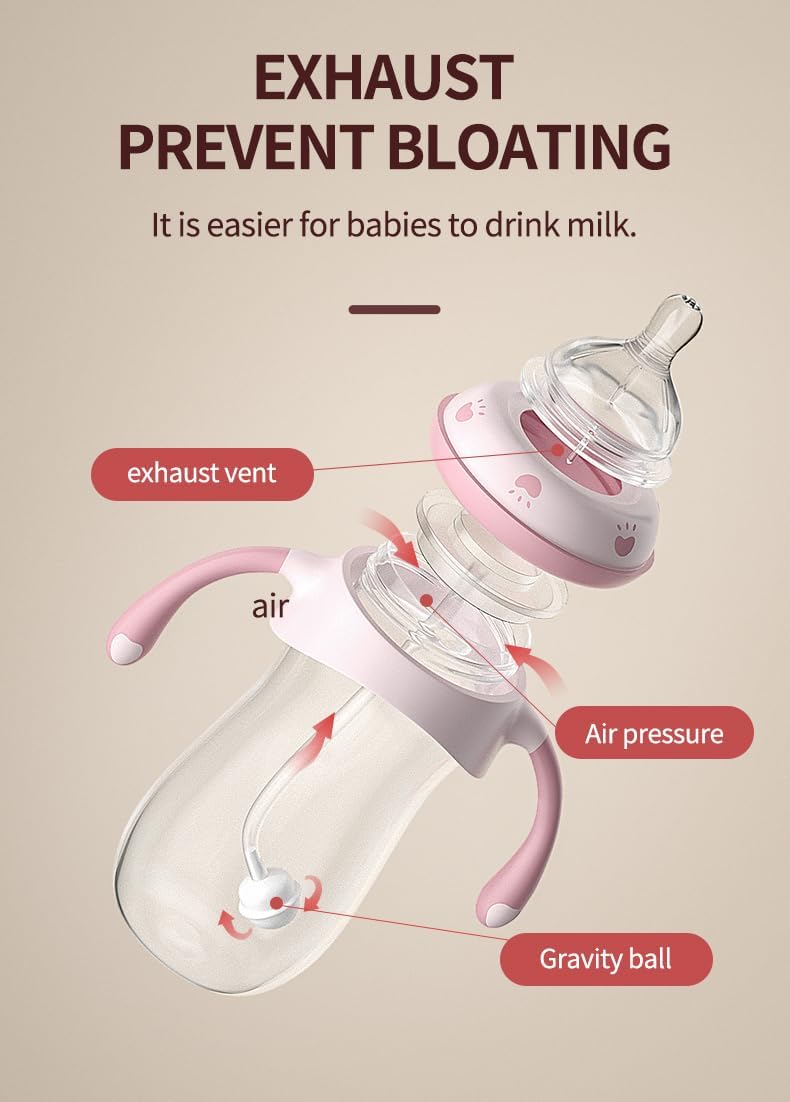
This 270ml green baby bottle combines an anti-colic vented valve with a breast-like silicone teat to make feeds smoother and reduce swallowed air. It is intended for babies aged around 12 months and offers a wide neck and non-slip handles for easier filling, cleaning and hand-held feeding.
Technical Specifications
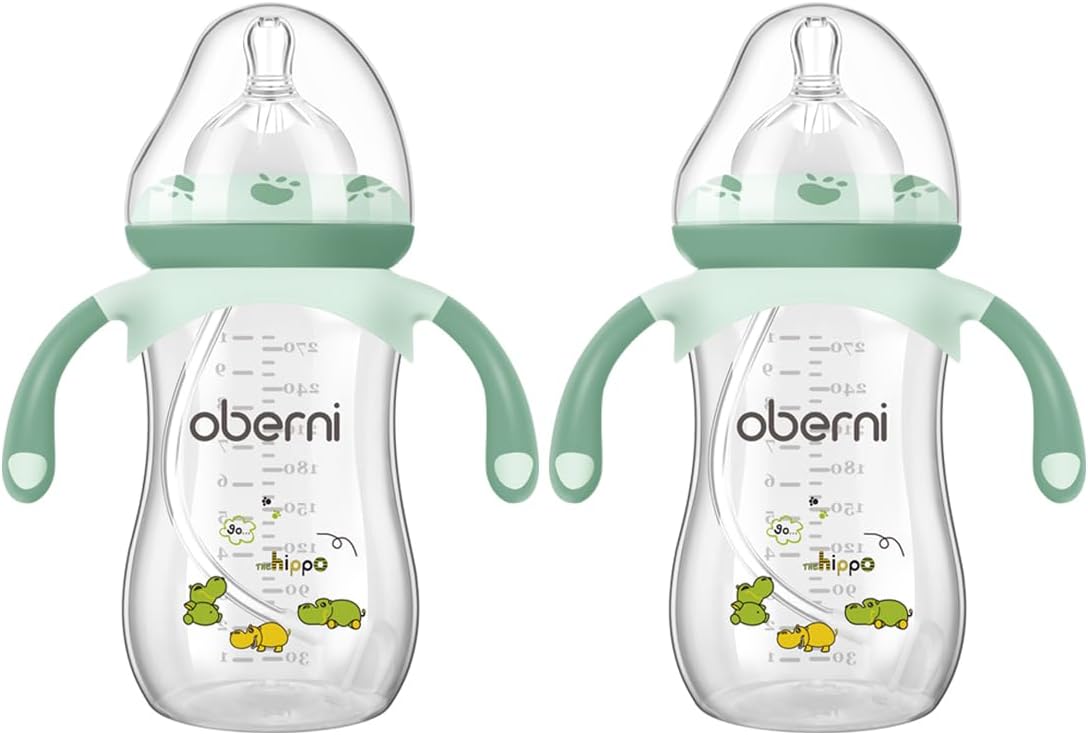
- Name: Oberni Anti-Colic Baby Bottle with Size 4 Teat (2 Pack)
- Capacity: 270 ml / 9 oz
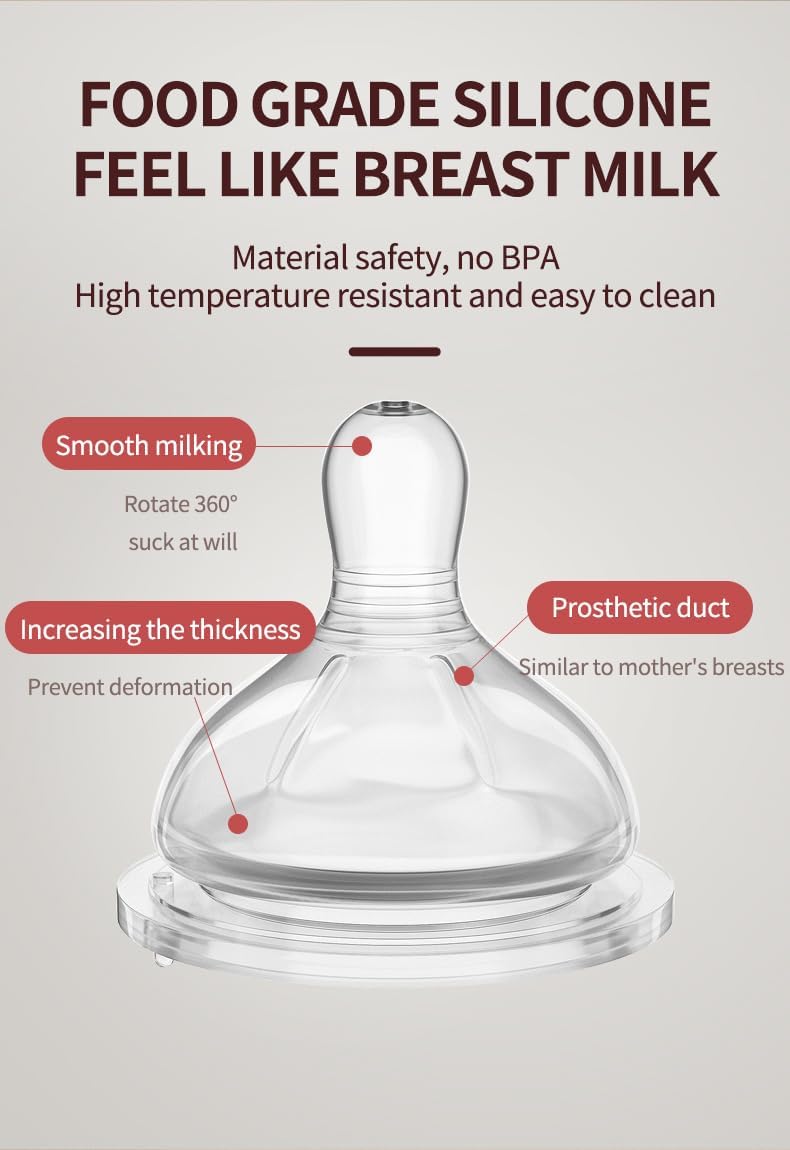
- Teat: Size 4 fast flow, food-grade silicone
- Materials: 100% BPS and BPA-free polypropylene and silicone
- Pack: 2 bottles, green colour
Key Points
The vented valve in the nipple helps lower the amount of air the baby swallows, which may reduce colic, spit-up and burping during feeds. The wide-neck design makes the bottle easier to fill and clean, which saves time after late-night feeds. The non-slip handles give older infants some independence when they start to hold their bottle, and the weighted straw helps maintain fluid flow even when the bottle is tilted or held at odd angles. 😊
Benefits
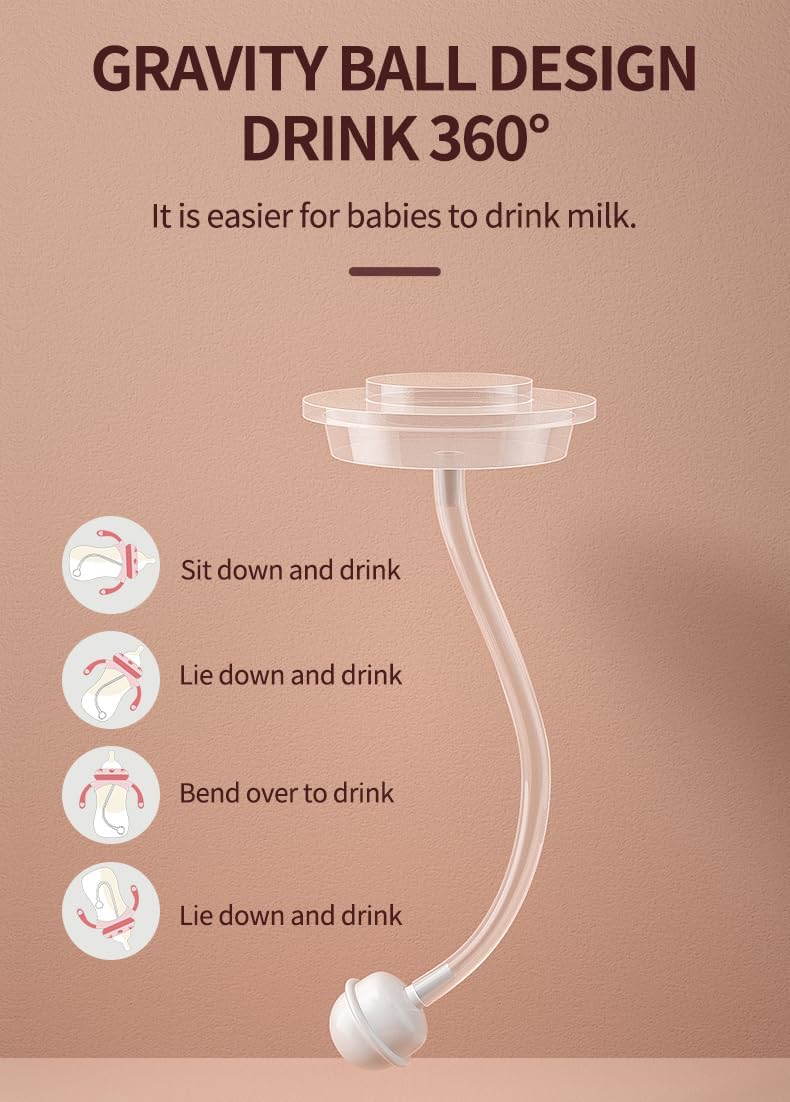

The soft, flexible breast-like teat encourages natural latching and a familiar feeding motion for babies transitioning between breast and bottle. Made from materials described as non-toxic and odourless by the manufacturer, the bottle is lightweight and durable for daily use. The fast flow Size 4 nipple suits babies of around one year, which can be helpful as feeding needs increase and faster milk flow is appropriate. Breast-like teat and BPA-free are key attributes to note for parents looking for gentle feeding options.
Usage Recommendations
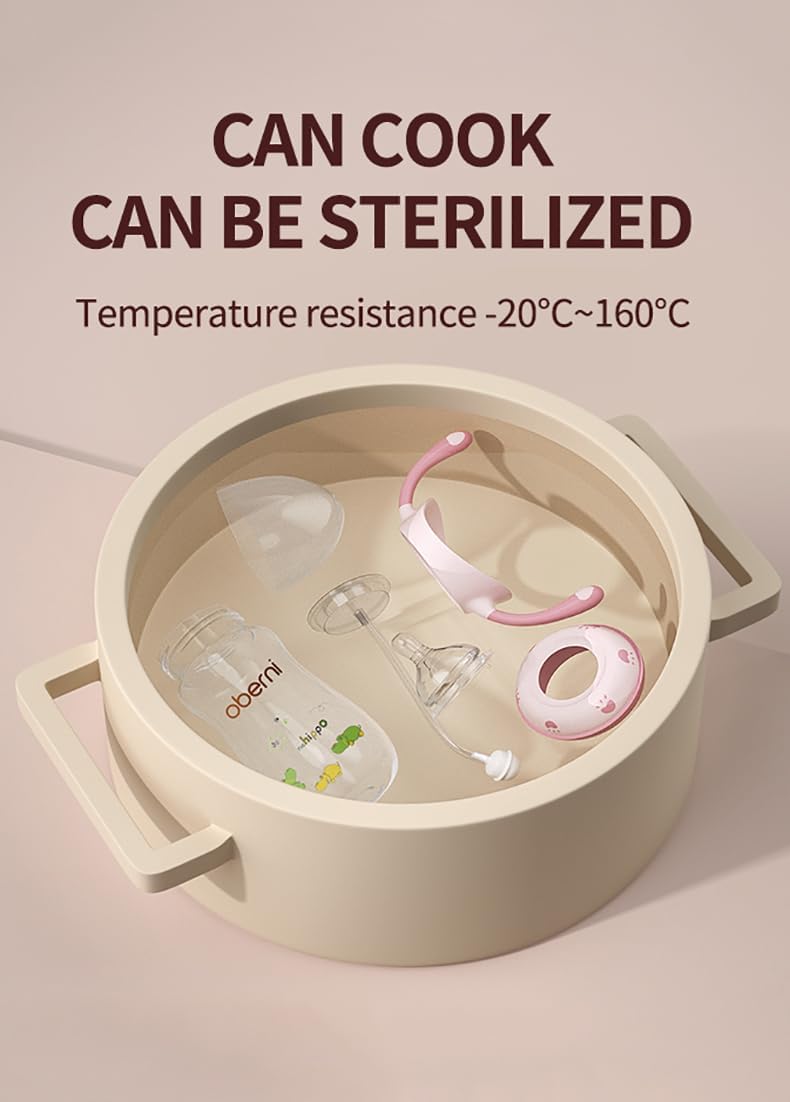
Before the first use, wash and sterilise all components according to the manufacturer's guidance. The bottle is practical for daytime and travel feeds because the handles improve grip and the weighted straw helps with drinking while moving. Consider that the Size 4 fast flow nipple may be too quick for younger infants under 12 months or those who prefer a slower flow, according to the manufacturer, so check the flow against your baby’s feeding comfort. Also, bear in mind that some babies need a short adaptation period when switching teat shapes or flow rates.