

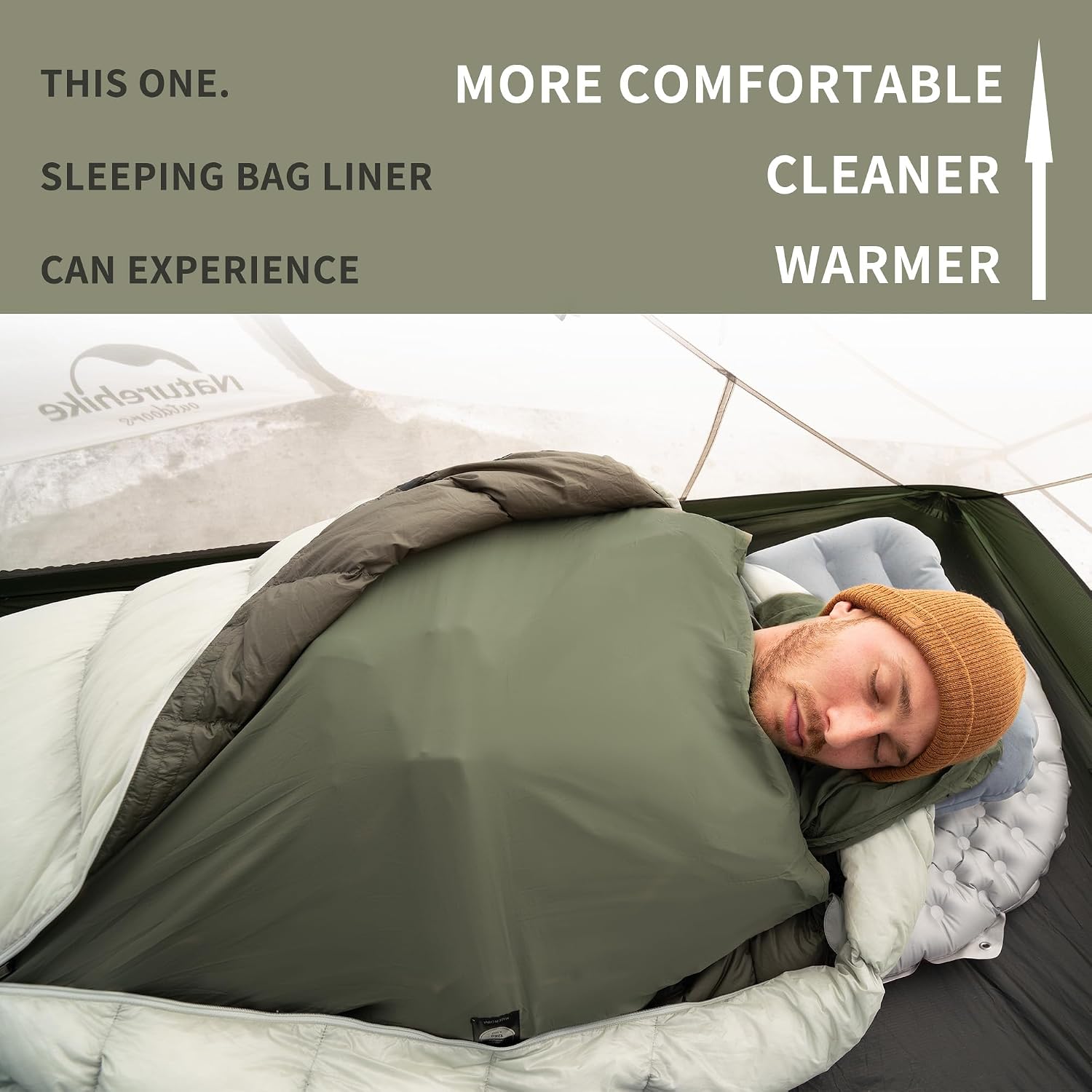
Naturehike Ultralight Sleeping Bag Liner (128g) travel sheet for backpacking, hostels & huts
Product description
What it is and why people buy it
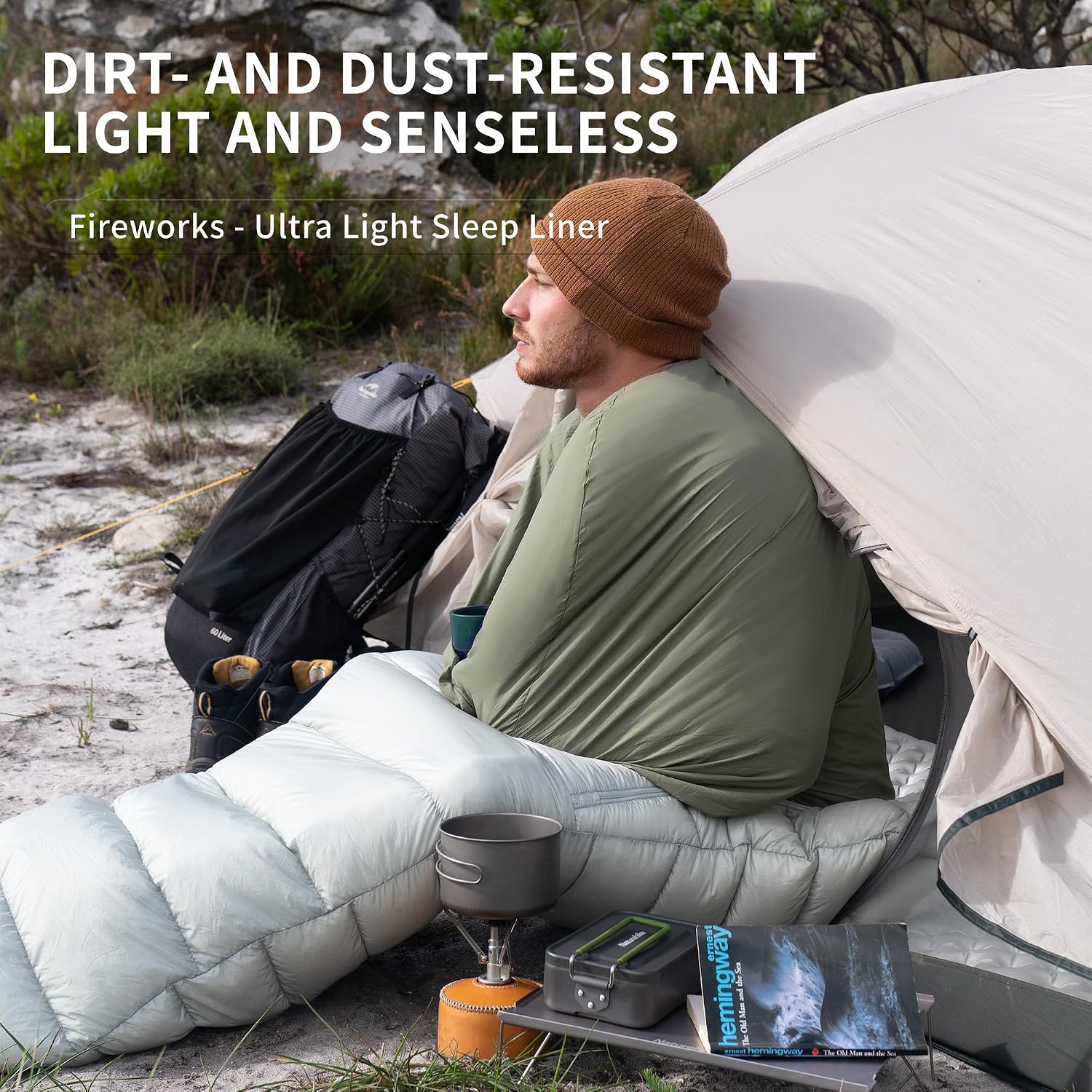
Naturehike’s ultralight sleeping bag liner is a travel sheet designed to add a layer between you and the sleeping environment. On paper it’s mainly about staying cleaner and more comfortable in places like hostels, huts, basic campsites, or when you’d rather not sleep directly against a guest blanket.
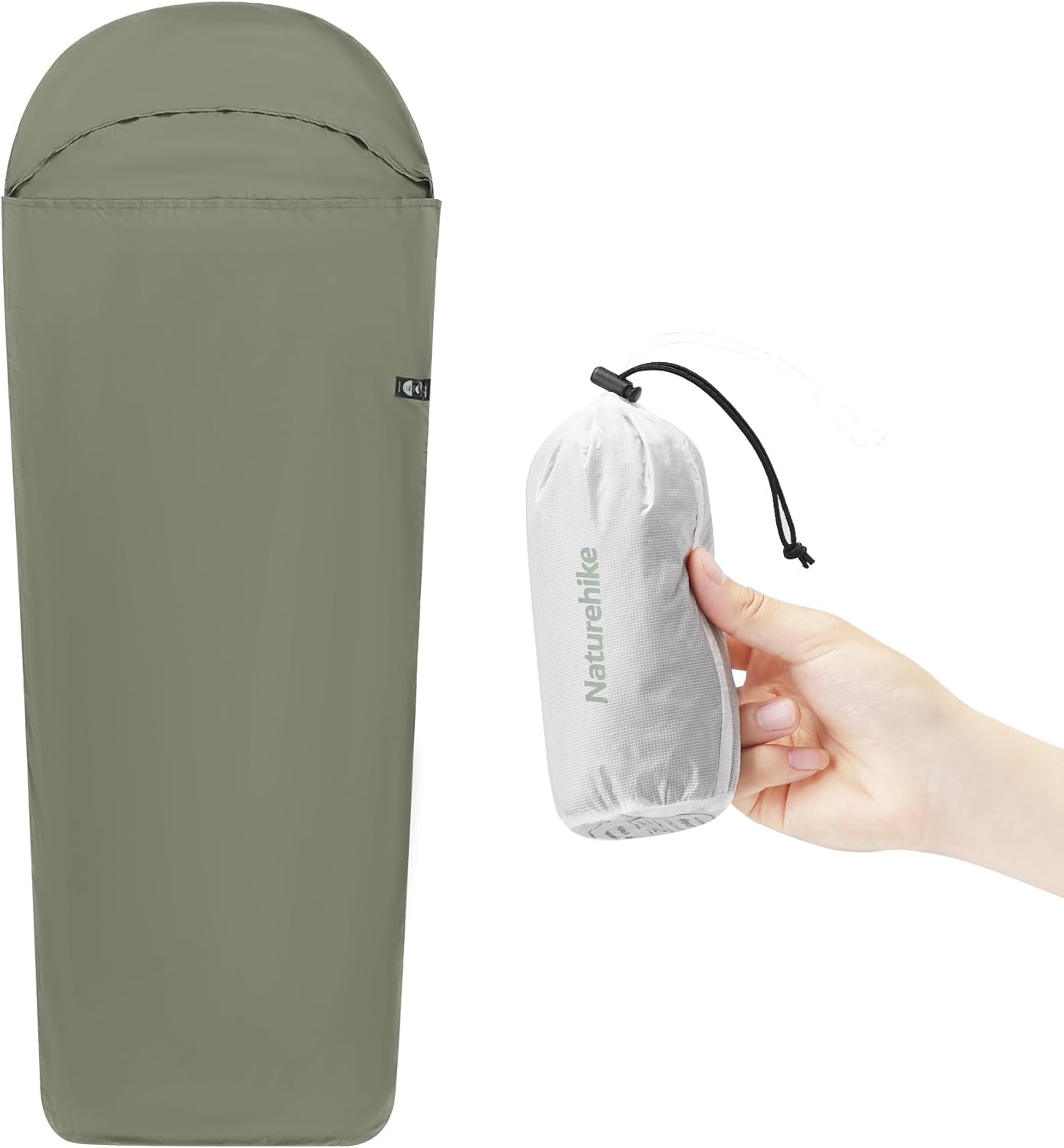
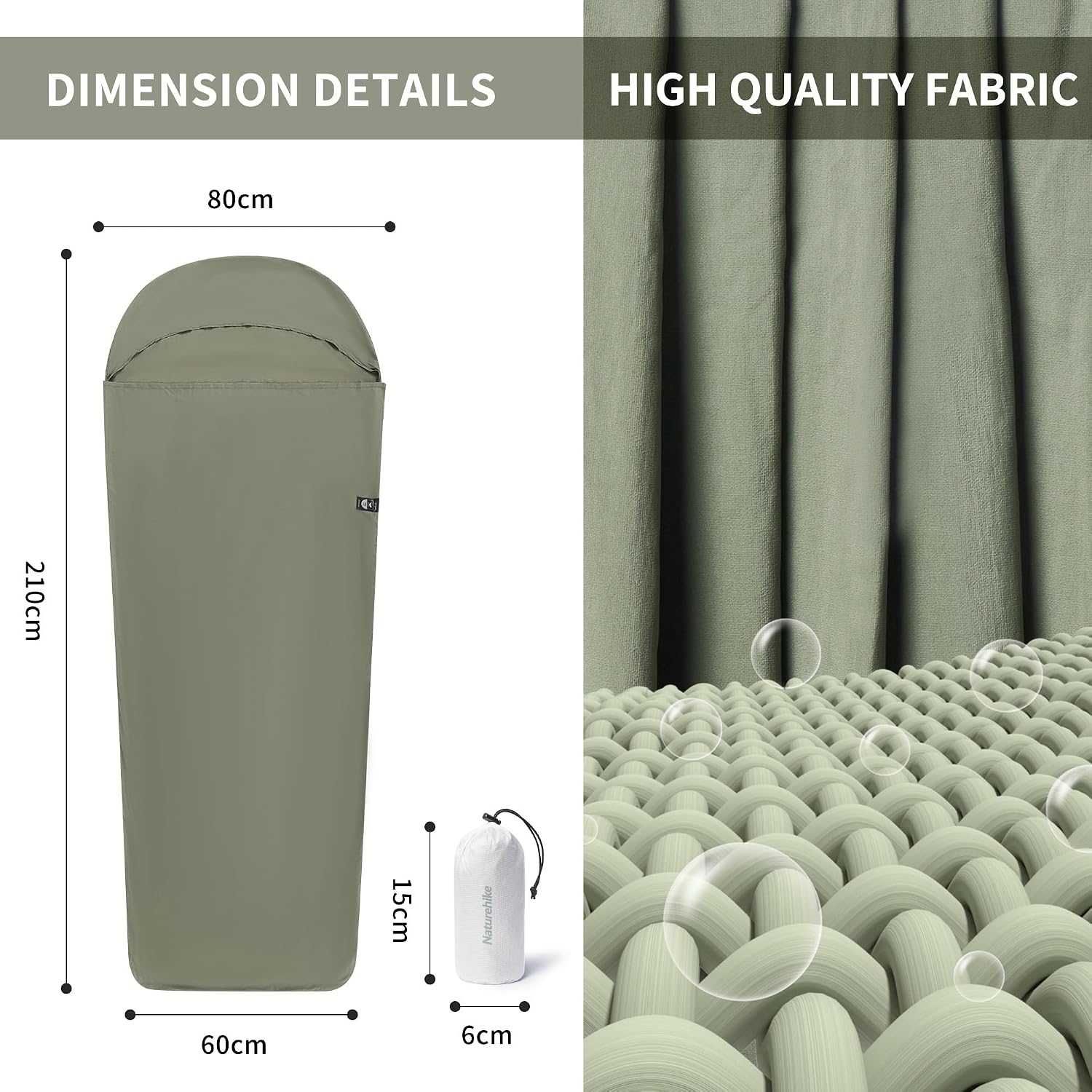
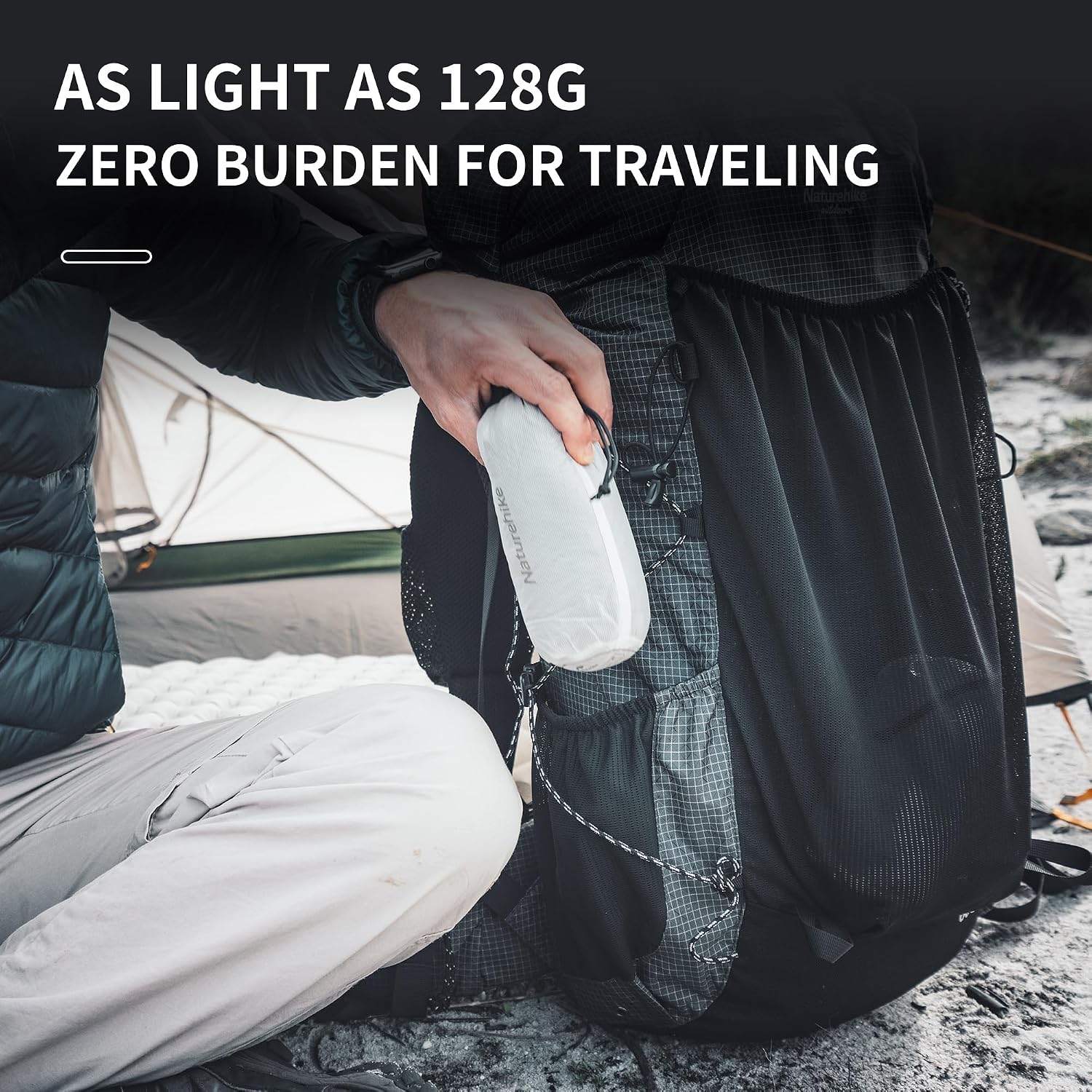
It’s extremely light (listed at 128g total), and the packed size is small enough to disappear into a daypack or backpack rather than taking up noticeable space. That matters when you’re trying to keep your kit streamlined, because liners can be bulky in some systems.
Key takeaways (at a glance)
This liner is built around an ultralight 10D fabric and uses a soft, velvety-feel textile that’s described as breathable. The idea is that it feels comfortable on skin while also helping manage moisture. It’s also positioned as washable for longer trips, with a machine-washable liner and a wash tag that’s meant to be stored inside so it doesn’t snag on the zip.
It also leans into hygiene: the liner fabric is described as anti-bacterial and anti-mite, aiming to reduce the kinds of odours and itching people often notice after extended stays or repeated bedding use.
What you’ll notice in everyday use
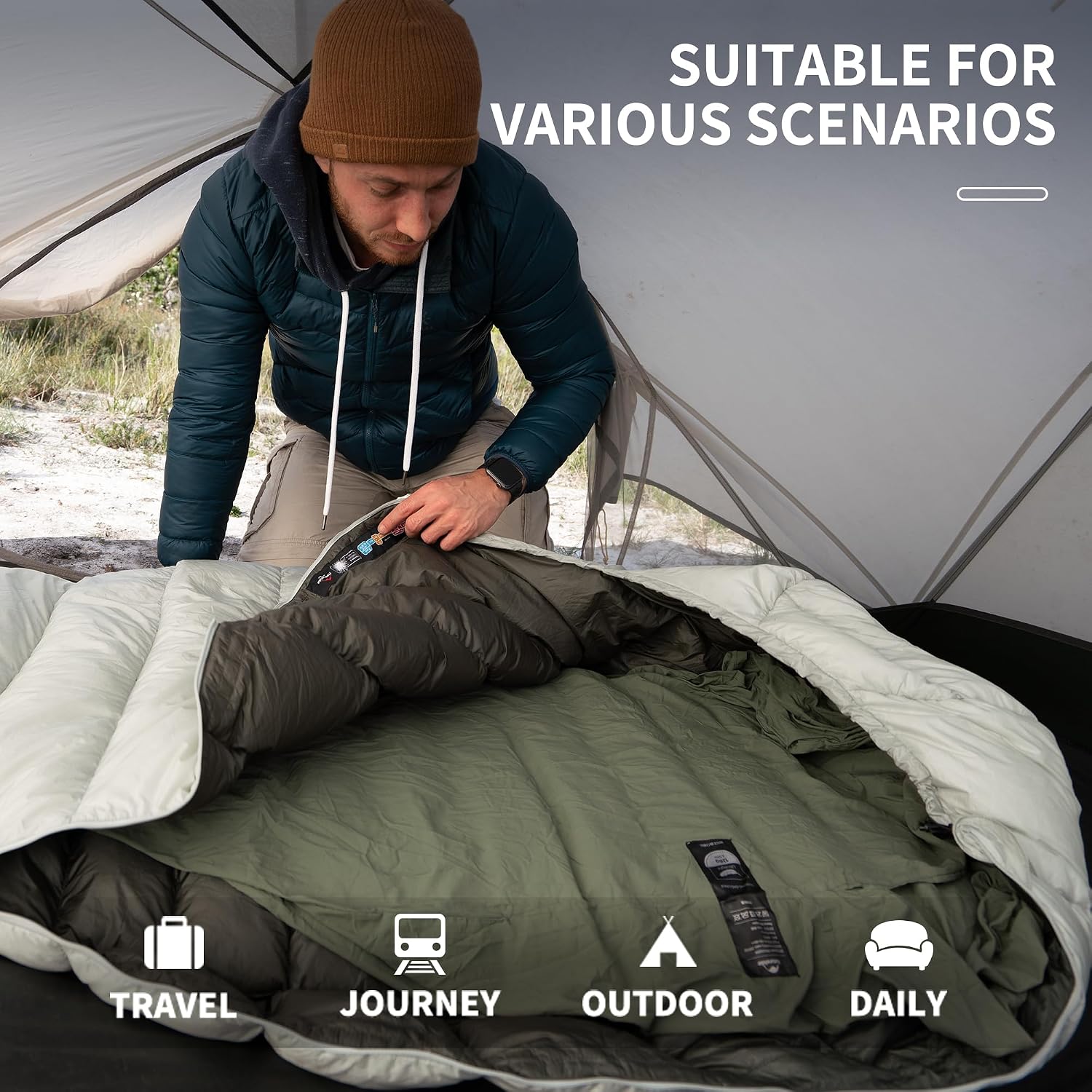
A liner is one of those “small thing, big impact” pieces of travel gear. In a hostel or hut, you can quickly unroll this, tuck it in, and sleep with a bit more confidence about cleanliness.
In practical terms, it can help your sleeping bag feel easier to keep fresh. Instead of having to wash your main sleeping bag frequently, you’re handling the liner more often—so your main insulation stays protected.
One more detail: the fabric is described as easy to access and comfortable to hold while you set up. That’s not glamorous, but when you’re tired and just want to get to sleep, setup speed counts.
Comfort, warmth and moisture handling (where it helps, and where it doesn’t)
A sleeping bag liner is not the same thing as a full sleeping bag. So if you’re expecting it to replace insulation for colder nights, it may fall short. Where it can work well is in improving comfort inside your existing bag by adding a barrier layer that absorbs moisture released by the body and helps keep the sleeping bag’s interior feeling drier.
Worth noting that breathability helps, but the liner won’t turn every cold night into a warm one. It’s more of a “comfort and cleanliness upgrade” than a winter solution.
Hygiene claims: anti-bacterial and anti-mite, but be realistic
The liner is described as inhibiting bacteria and mites and reducing itchiness and odour. That’s a meaningful promise for people with sensitive skin or anyone who regularly stays in shared accommodation.
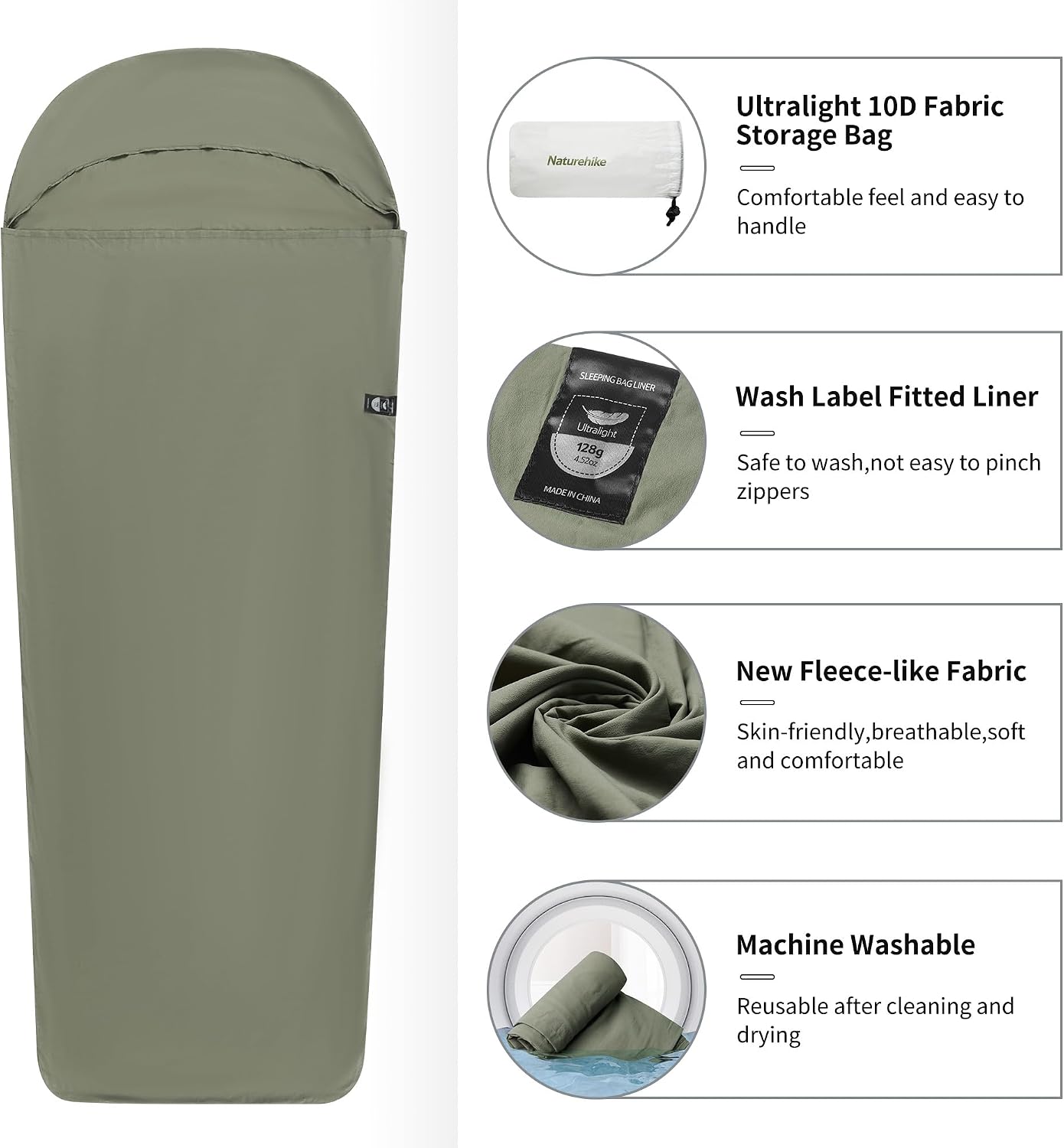
However, it’s still a fabric layer you’ll use repeatedly, so your results will depend quite a bit on how often you wash it, how you store it, and your own sensitivity. The fact it’s machine-washable is a big plus here, because it gives you a realistic way to keep it fresh.
Size and packability (good for lightweight kit)
This one is built for carrying light. The expanded size is listed as 80x210cm, while the stored size is 6x15cm, which suggests it’s meant for long trips where every cubic centimetre matters.
The compact packed volume also makes it easier to bring as a spare for unexpected nights—useful if you occasionally sleep away from home and like having a “clean bedding” option ready.
Pros
- Very lightweight at 128g, with a small packed size
- Designed to feel soft and breathable against skin
- Anti-bacterial and anti-mite positioning for longer-term comfort
- Machine-washable travel sheet concept with a wash label that’s meant to stay out of the way
- A practical barrier layer for hostel, hut and basic camping situations
Cons / limitations to consider
- It’s a liner, so don’t expect it to provide full warmth on its own
- If you’re aiming for maximum temperature performance, you may need a full sleeping bag system rather than relying on a travel sheet
- Hygiene benefits depend on regular washing and proper storage
What to check before you buy
Before you commit, it’s worth checking how you plan to use it: a liner is most useful when you already have a sleeping setup (like a sleeping bag) or when you’re treating this as a bedding layer for shared spaces.
Also, think about how often you’ll wash it. The product is described as machine-washable, but in real travel life you’ll still want the ability to wash and dry it reliably to fully benefit from the hygiene angle.
Is it worth it?
It’s worth considering if you travel to places where bedding cleanliness is a bit of a lottery, or if you like the idea of sleeping in a barrier layer that helps keep your main sleeping bag interior drier and cleaner. The 128g weight and compact pack size make it a sensible add-on for backpacking and “sleep away from home” weekends.
You may want to skip it if your main goal is warmth for colder nights, or if you already have a robust, hygienic bedding setup and don’t need a liner-style barrier. In that case, you’d probably get more from investing in insulation rather than a thin travel sheet.
Mini FAQ
How does a sleeping bag liner help when staying in hostels?
It acts as a barrier between you and shared bedding, which can make sleeping feel cleaner and more comfortable.
Can it be machine-washed?
The liner is described as machine-washable, and the wash label is intended to be stored inside the liner to avoid snagging on the zip.
Is it warm enough on its own?
It’s designed as a liner, so it’s better seen as a comfort and hygiene layer rather than a complete replacement for a full sleeping bag.
What’s the packed size like?
It’s listed as 6x15cm when stored, so it’s designed to take up very little space in your kit.
Who tends to benefit most from anti-mite and anti-bacterial features?
People who are sensitive to itching or odour, or anyone who expects to use it over longer trips, may find the hygiene positioning particularly relevant.