

Murad Rapid Relief Sulfur Mask (Blemish Control Clay Face Mask with Salicylic Acid) – 75ml
Product description
The essentials
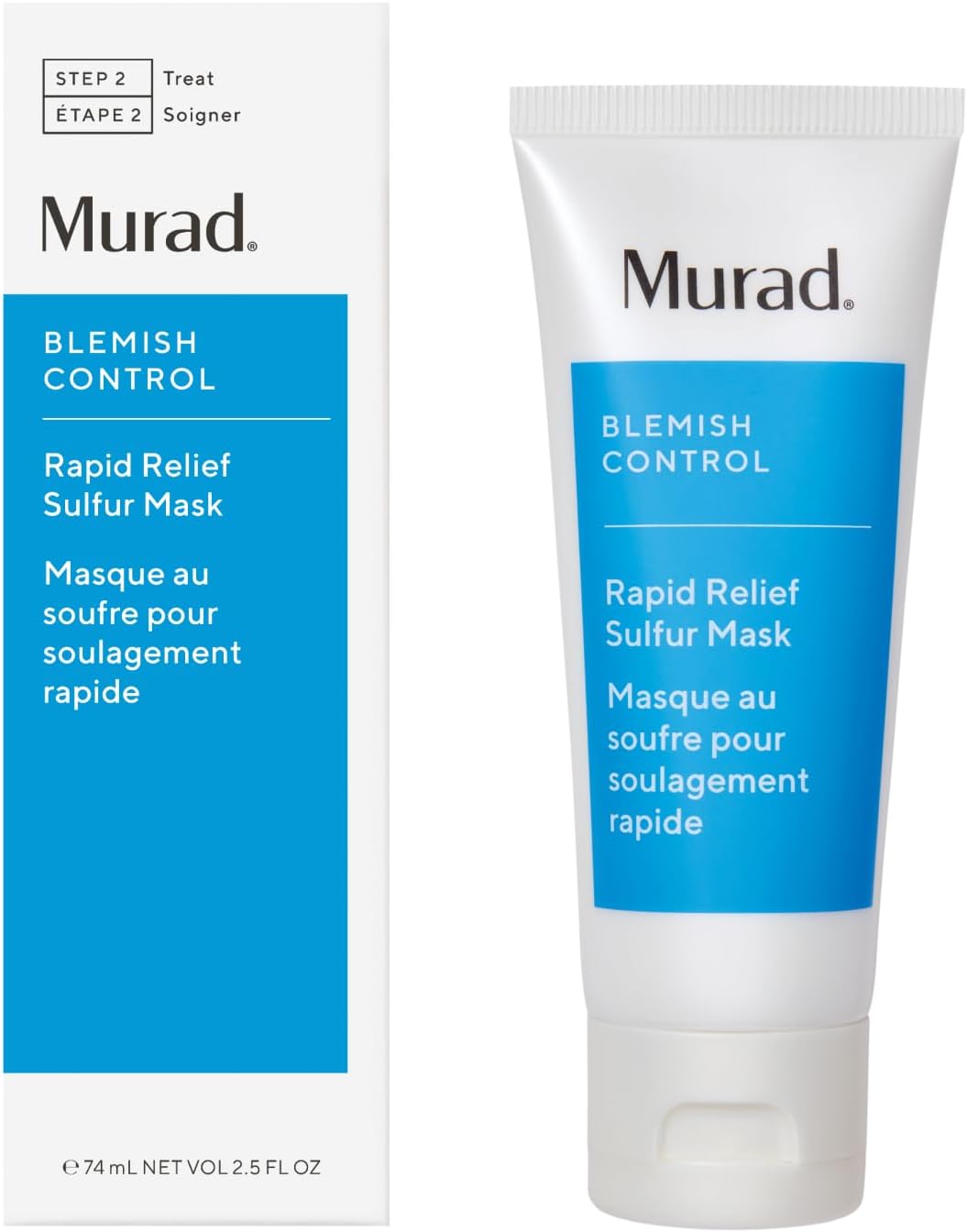
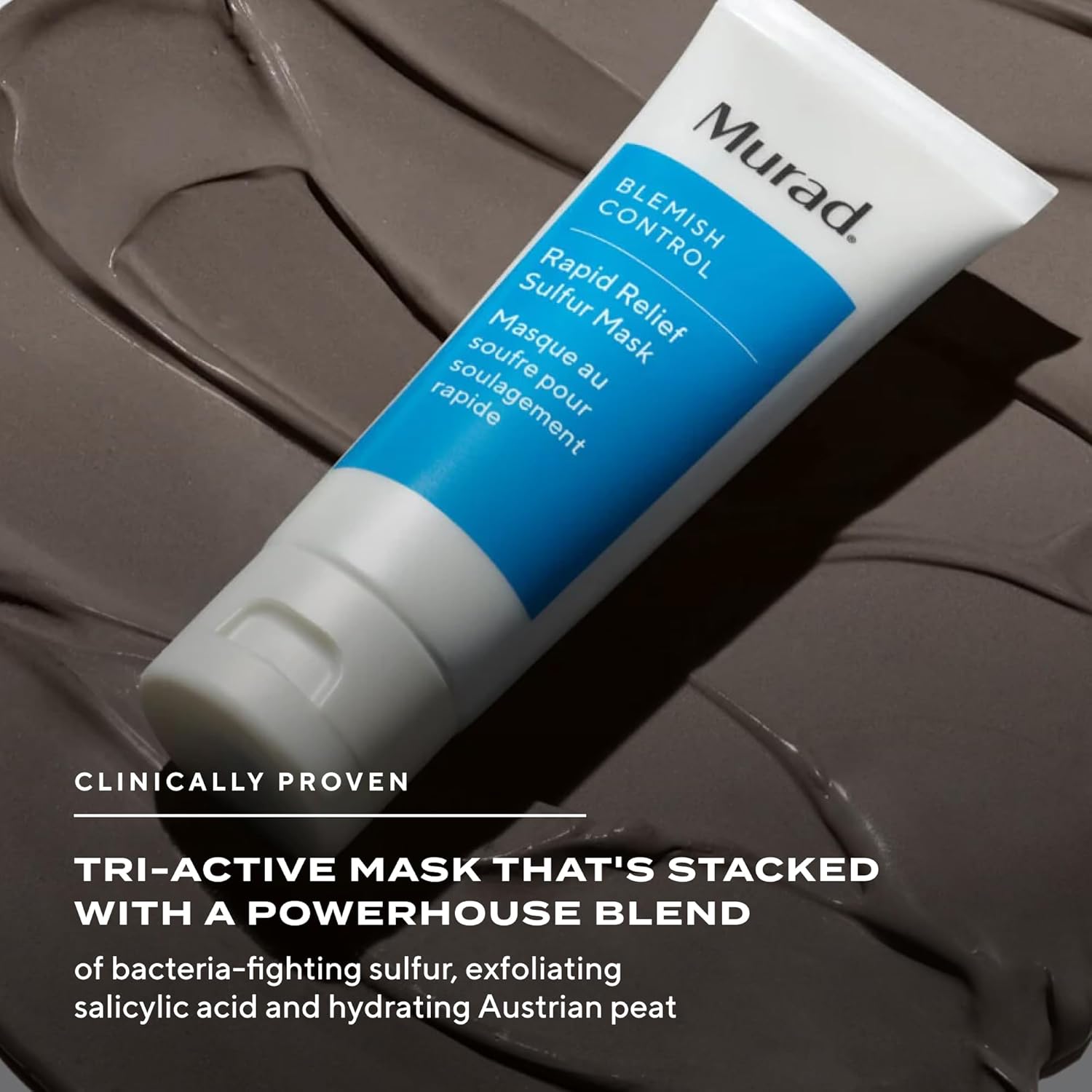
If you’re dealing with recurring spots, clogged pores, or that frustrating “my skin looks oily but still breaks out” cycle, a blemish-focused clay mask can be a handy reset. The Murad Rapid Relief Sulfur Mask is a kaolin clay face mask designed to target blemishes using a mix of sulfur (known for its anti-bacterial angle), salicylic acid (for exfoliation), and hydrating Austrian peat.
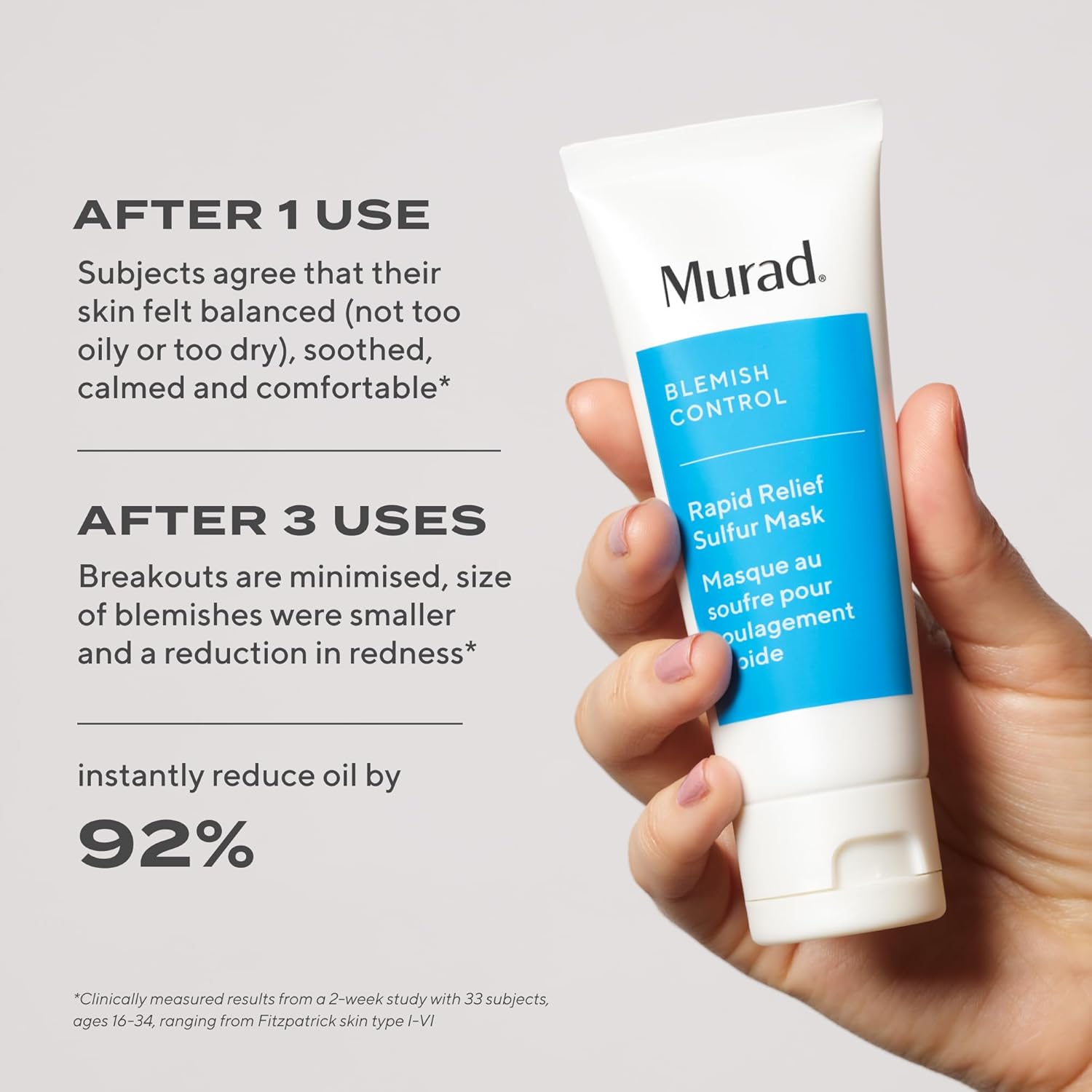
The brand’s key promise is fairly direct: it’s positioned to help reduce the look of major pimples in just 3 uses, while also working on redness and pore congestion over time. That’s an aggressive timeline for a mask, so it’s worth treating it as “on the paper” guidance—results can still depend on your skin routine, how often you use it, and what’s causing the breakouts.
One more practical detail: sulfur can smell, and this formula aims to neutralise that with eucalyptus. The mask is described as a silky smooth texture that rinses off easily, so you’re not stuck fighting a dry, tight clay layer.
Key takeaways
This mask is built around three jobs at once: exfoliate (salicylic acid), absorb excess oil (oil-absorbing kaolin clay), and soothe/hydrate (Austrian peat extract). The idea is to calm the visible signs of congestion and blemishes rather than just drying skin out and hoping for the best.
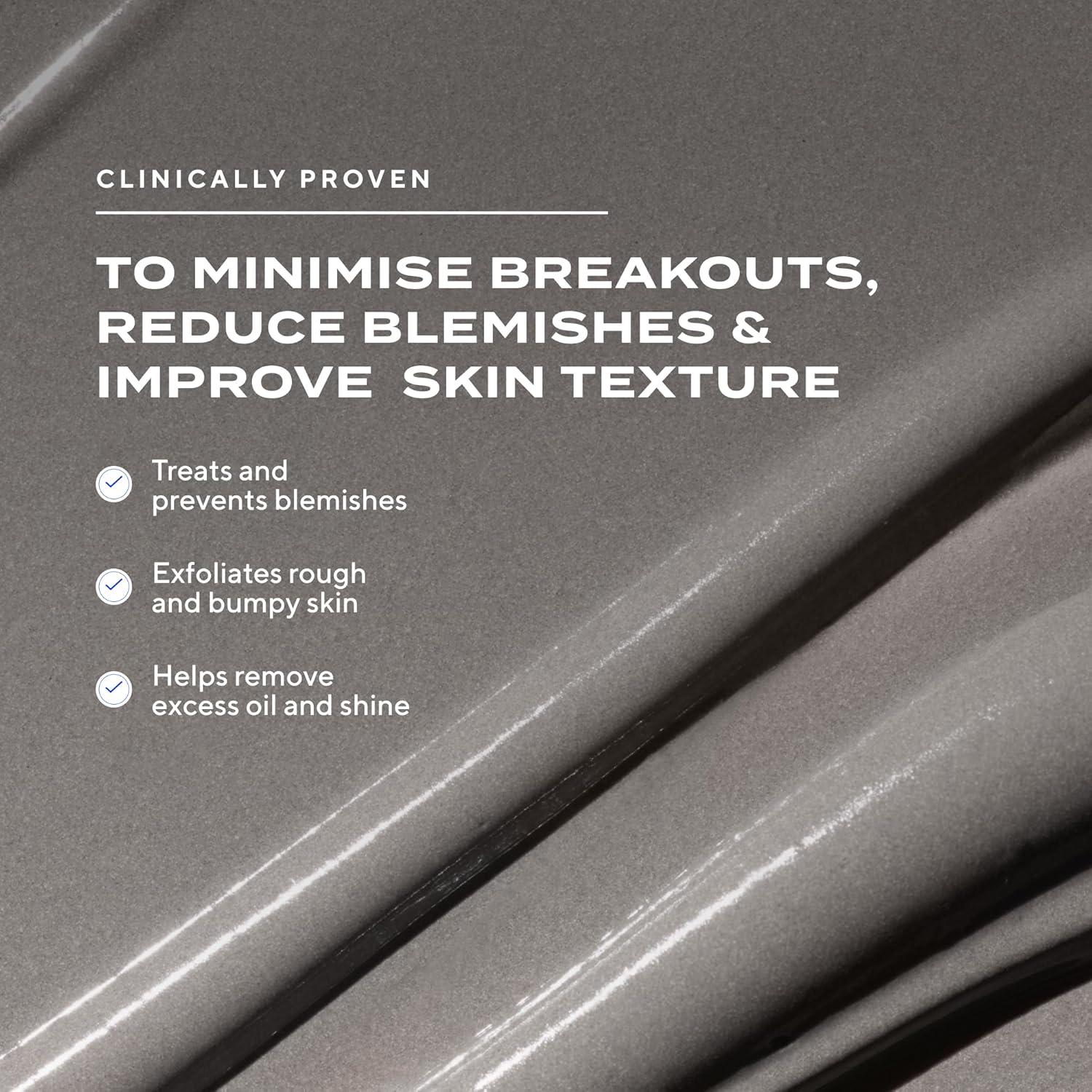
What you’ll likely notice day to day, based on the formulation notes, is less shine and a more even, calmer look after use. The formula is also described as uniquely soothing, with the goal of minimising breakouts, reducing blemish size, and improving redness, pore congestion and skin texture.
Where it may fall short: if your skin is extremely dry or you’re already using strong actives frequently, a blemish-control clay mask may feel a bit intense. Even with hydration included, clay products can be drying for some people, especially if overused.
What to know before you buy
Before committing, it helps to look at what you’re trying to fix. This one is clearly aimed at blemish-prone, oily-to-combination skin and spot/congestion moments—more “targeted treatment” than a gentle weekly hydrating mask.
It’s also worth checking your routine. If you already use salicylic acid or other exfoliating actives, piling everything on can be too much, even if the product is meant to be soothing. If you’re unsure, consider patch-testing or using it less frequently at first.
Also, don’t ignore the sensory bit: sulfur odour is said to be neutralised with eucalyptus. That should help, but if you’re sensitive to strong herbal/eucalyptus notes, you may still want to think about whether that’ll be comfortable for you.
What stands out in use
A mask is only useful if it behaves during application and removal. Here, the description focuses on avoiding the typical “clay mask crack and constrict” problem by using kaolin clay blended with hydration from Austrian peat. That matters because tight, drying masks can be uncomfortable and can encourage you to stop using them—or use them too quickly and unevenly.
A practical example: on a night when you’ve noticed clogged pores and a couple of fresh inflamed spots forming, you could apply the mask as a short reset rather than relying on spot treatments alone. After rinsing, the goal is a visibly clearer complexion, less redness around spots, and reduced oil feel—without the skin looking stripped.
If your breakouts are mostly hormonal and deep, clay + exfoliation may not work miracles, but it can still improve texture and the visible “congestion” layer.
Who it suits (and who should skip it)
It makes sense if you want a blemish-control clay mask that combines exfoliation and oil absorption in one step, and you’re specifically looking to reduce the look of major pimples, redness and pore congestion. It’s a good fit if you’re the type of person who likes tangible “before/after” moments from skincare.
It might not be a great match if you have very dry, easily sensitised skin, or if you’re already using multiple exfoliating actives in your routine. Also, if you prefer masks that are primarily moisturising and barrier-focused, this leans more toward treatment than comfort.
Is it worth it?
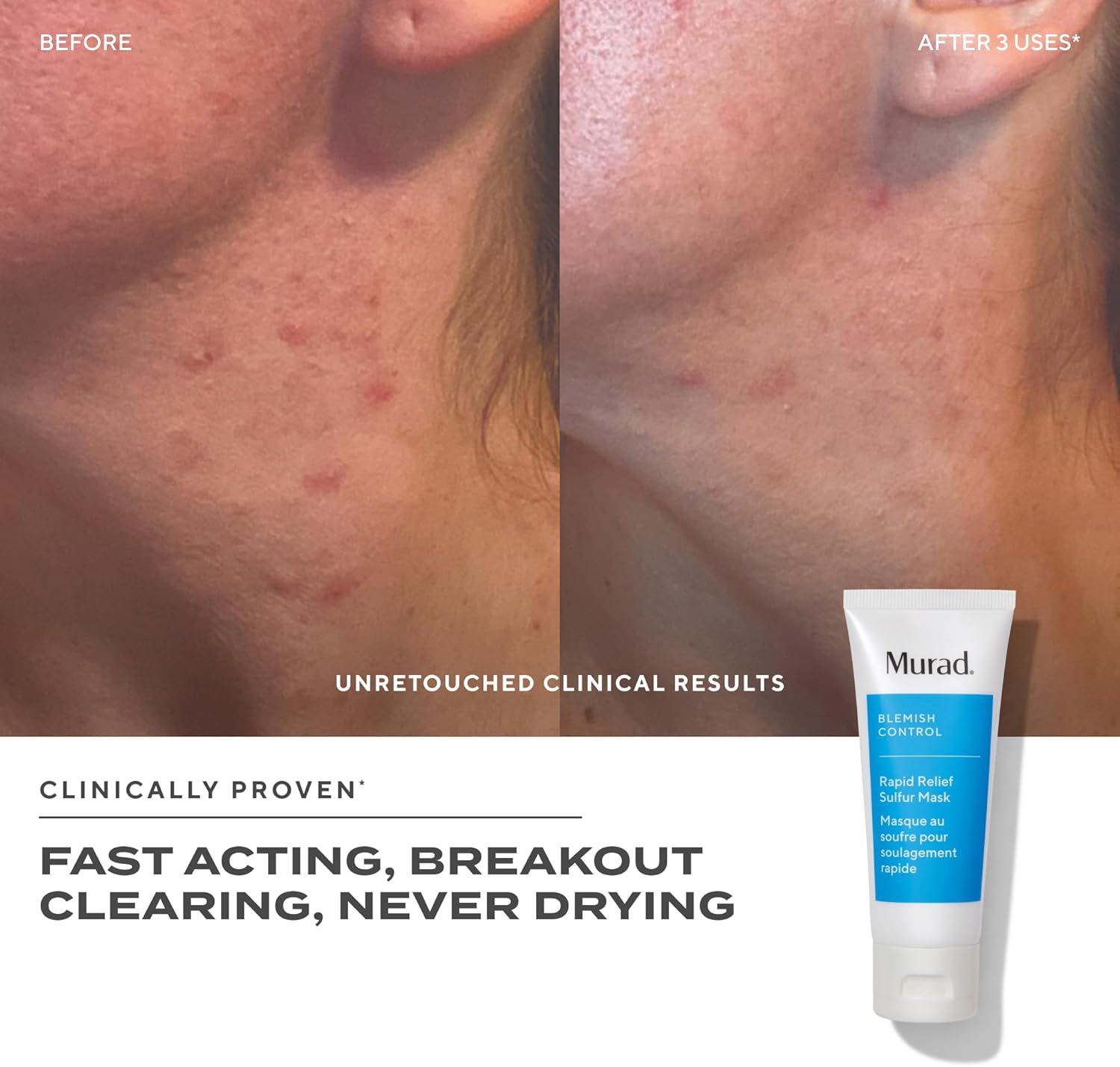
Worth considering if you’re trying to control blemishes and clogged pores with a mask that’s designed to absorb oil, exfoliate with salicylic acid, and soothe with Austrian peat—especially if you’re expecting noticeable improvement over a short run of uses.
You may want to skip it if your skin is typically on the dry/sensitive side, or if you already do a lot of exfoliation. In that scenario, the clay element could leave you feeling tight or over-processed, even with hydration included.
Overall, it’s a blemish-targeted option that looks best for spot-prone routines and “reset” sessions. Just be mindful of how it fits with the rest of your actives, and start carefully if you’re not used to salicylic acid.
FAQ
How fast will I see results?
The product is positioned to fast track major pimple reduction in just 3 uses, with benefits described around redness, pore congestion and skin texture. Real-world results can vary depending on your skin and routine.
Does it smell strongly?
Sulfur odour is described as being neutralised with refreshing eucalyptus. That should make it more wearable, but if you’re sensitive to eucalyptus/herbal scents, it’s worth noting.
Is it a moisturising mask?
It includes hydration-replenishing Austrian peat, but it also relies on oil-absorbing kaolin clay and exfoliating salicylic acid. So it’s treatment-led rather than purely moisturising.
What skin types is it aimed at?
Based on the focus on oil absorption, pore congestion and blemish control, it suits blemish-prone skin—particularly when congestion and oiliness are part of the problem.
Can I use it if I already use salicylic acid?
It contains salicylic acid, so if your routine already includes exfoliating actives, you’ll want to be cautious about overdoing it. Consider patch-testing and starting slowly.