

6-Minute® Kids Diary – Kids Journal 6–12 to Develop a Happy Self, Mindfulness and Positive Habits – Gratitude Journal for Girls & Boys
Product description
What it is
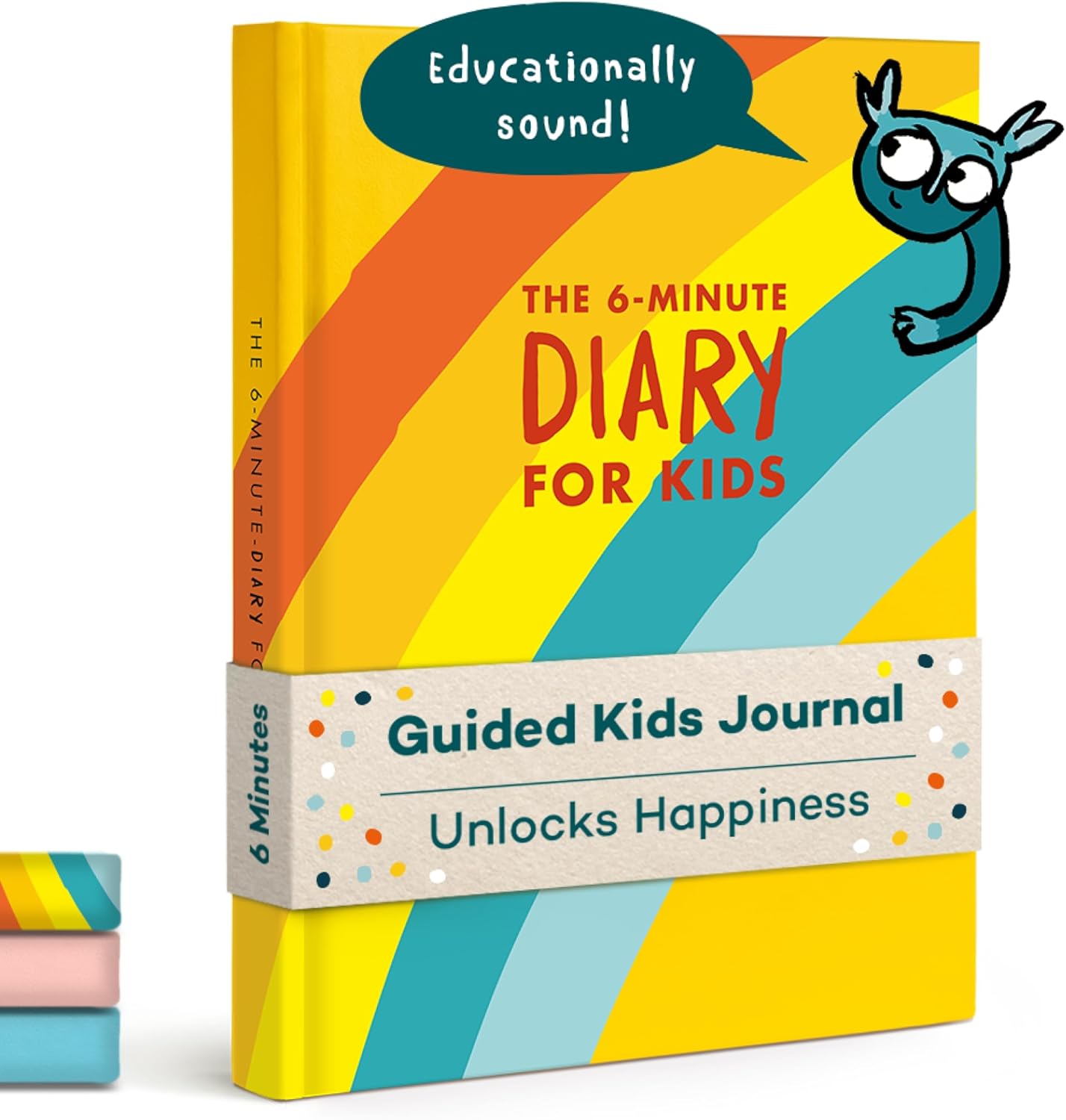
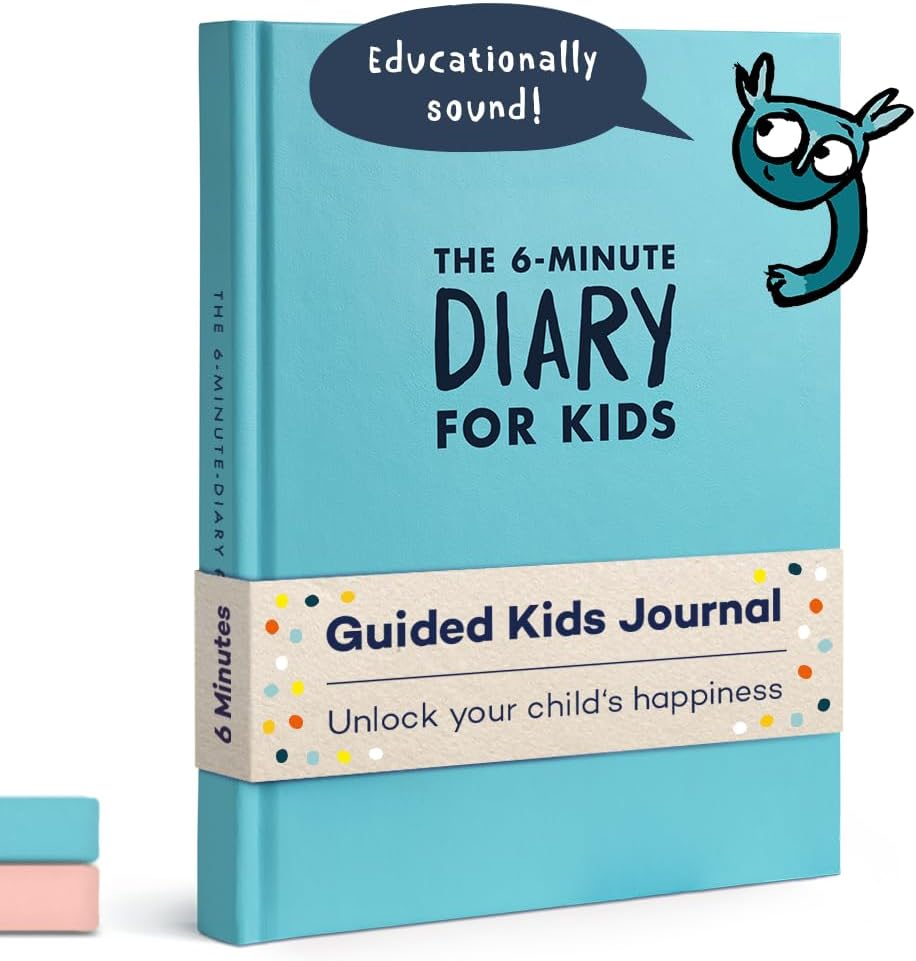
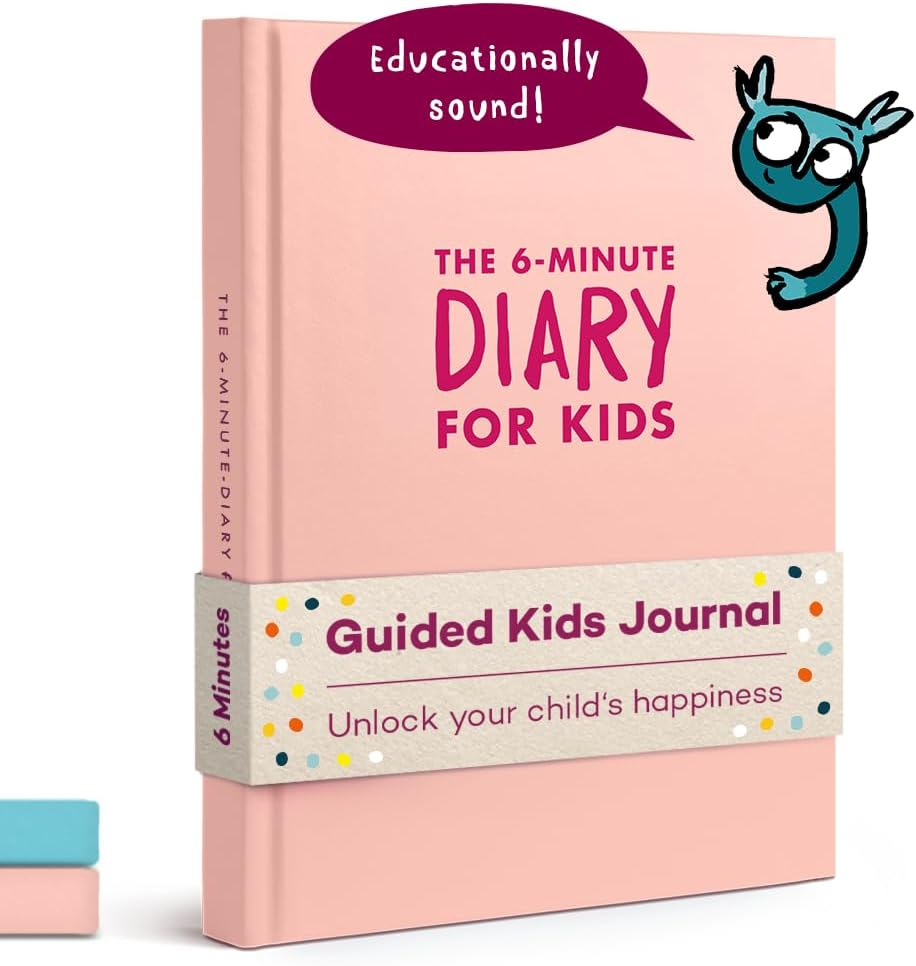
The 6-Minute® Kids Diary is a compact gratitude and mindfulness journal designed for children aged 6–12. It emphasises daily reflection and positive habits, encouraging young readers to notice what goes well and to express appreciation. The book frames emotional awareness in a gentle, age-appropriate way, inviting kids to name feelings, explore small moments of joy, and build routines that support wellbeing over time.
Why it matters
Research broadly points to gratitude as a simple, practical route to greater happiness and resilience. For children, developing a practice of thankfulness and mindful thinking can help them cope with everyday worries and setbacks. The diary presents a structured yet approachable path to emotional balance, aiming to lay the foundations for healthier social interactions and self-esteem in a non‑academic, child-friendly format.
What stands out
On the page, the emphasis is on accessibility and habit formation rather than complicated psychology. The diary uses short prompts and reflective questions that are suitable for both boys and girls, encouraging a growth mindset and the realisation that feelings are part of daily life, not something to be judged. Its straightforward approach makes it feasible as a bedtime routine or a calm moment after school.
Who it’s for
This is well-suited to parents, carers or authorised guardians who want a practical, non-intrusive tool to help a child cultivate gratitude, emotional literacy and self‑confidence. It’s appropriate for a wide range of personalities, from thoughtful planners to more energetic, later‑to‑reflect children who benefit from a gentle structure.
Potential drawbacks
It may not feel groundbreaking to a child who thrives on more interactive or visually rich activities. For families seeking a highly journal-heavy experience with frequent deep dives, this diary’s short prompts may feel a bit light. Also, the product description doesn’t specify materials, page count, or durability details, so these practicalities would need to be checked if they matter for daily use.
Before you buy
Consider whether your child benefits from short, positive prompts and a routine that fits into a daily moment of quiet. If your aim is to foster a steady mindset for resilience, this format can work well, if you’re after intensive emotional coaching, you might want a Supplementary resource as well.
How it compares to alternatives
Compared with more traditional journals or activity books, this diary centres on gratitude and mindfulness rather than task-heavy exercises. It’s a pragmatic option for parents who prefer a low‑maintenance, non-pressurised approach to developing emotional skills. If your child responds better to interactive tasks or visual journaling, you may prefer something that blends quick prompts with pictures or stickers.
Is it worth it?
Should you buy it?
Worth considering if you prioritise a calm, routine-friendly entry into emotional literacy for a child who benefits from concise prompts and a growth mindset approach. It may not be the strongest choice if you expect extensive, in-depth emotional analysis or heavy use of case studies.
Practical usage tips
Make a regular slot for the diary—ideally at the same time each day—to help it become a habit. Keep a small, accessible place for the child to write and ensure prompts are read aloud if needed to model reflection. A short daily entry can be complemented by a weekly quick review to highlight progress and recurring themes.
What to check before buying
Verify the formal details such as page count, paper quality and dimensions to ensure it suits your child’s drawing or writing style. If you value portability, confirm that the diary’s size fits into a school bag or backpack.
Quick FAQ
- What age is this journal best for? It targets ages 6–12, with prompts appropriate for early and middle primary years.
- How often should it be used? Daily use is suggested to build consistency, but it can be adapted to a few times per week if needed.
- Does it cover emotions beyond gratitude? Yes, it invites mindful exploration of a full range of feelings and their expressions in a gentle way.
Final nudge
If you’re seeking a straightforward, habit-forming tool to seed gratitude and emotional balance in a child, this diary offers a practical route without overwhelming prompts or complexity. It isn’t a cure‑all, but it can be a useful part of a broader approach to well‑being in the early school years.