

Mcbazel Soil Meter 3‑in‑1 soil tester 🌱
Product description
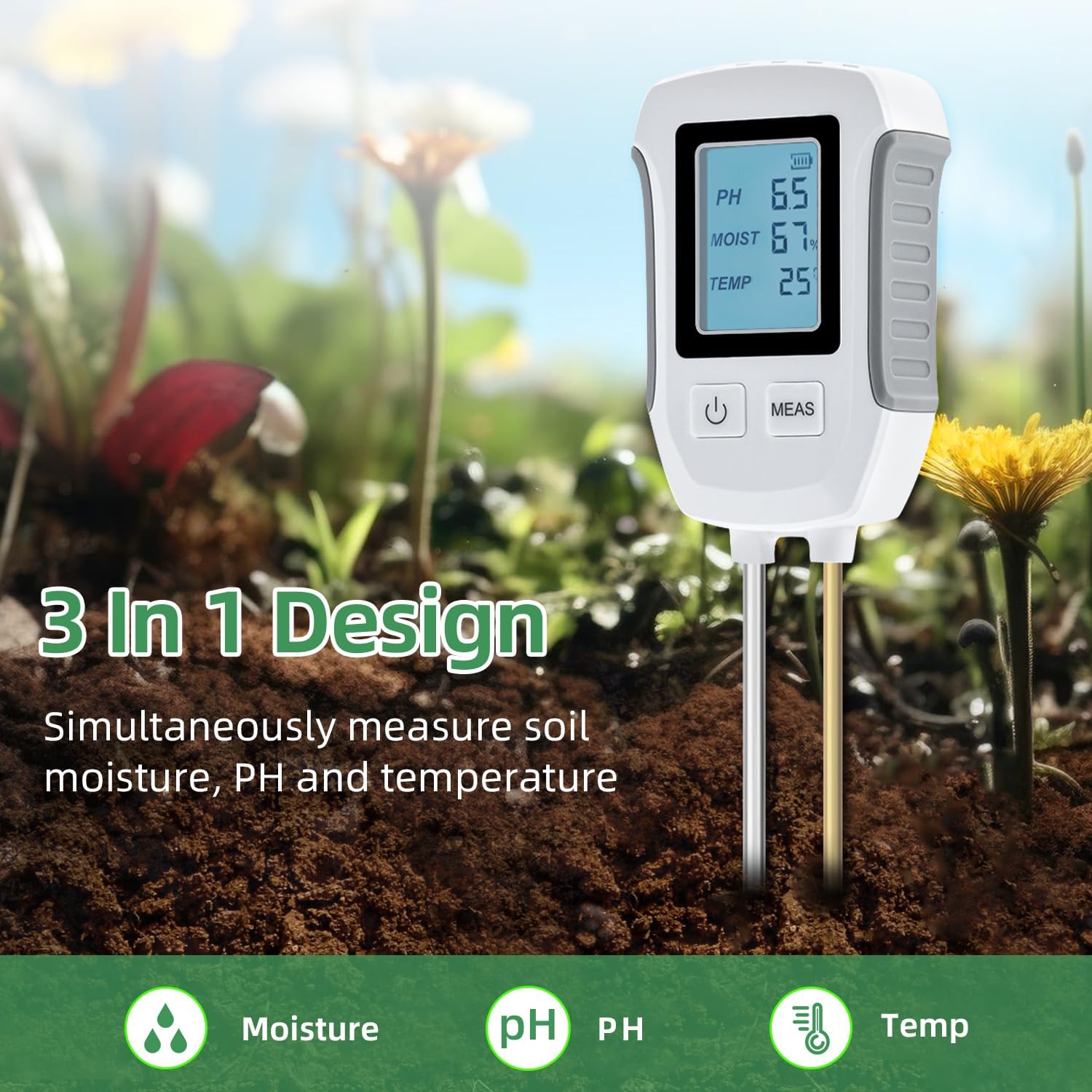
This compact gardening tool measures key soil parameters to help you keep plants healthy. As a digital soil moisture meter it combines pH, moisture and temperature readings in one handy probe, making spot checks quick and straightforward for pots, beds and lawns.
Key Points
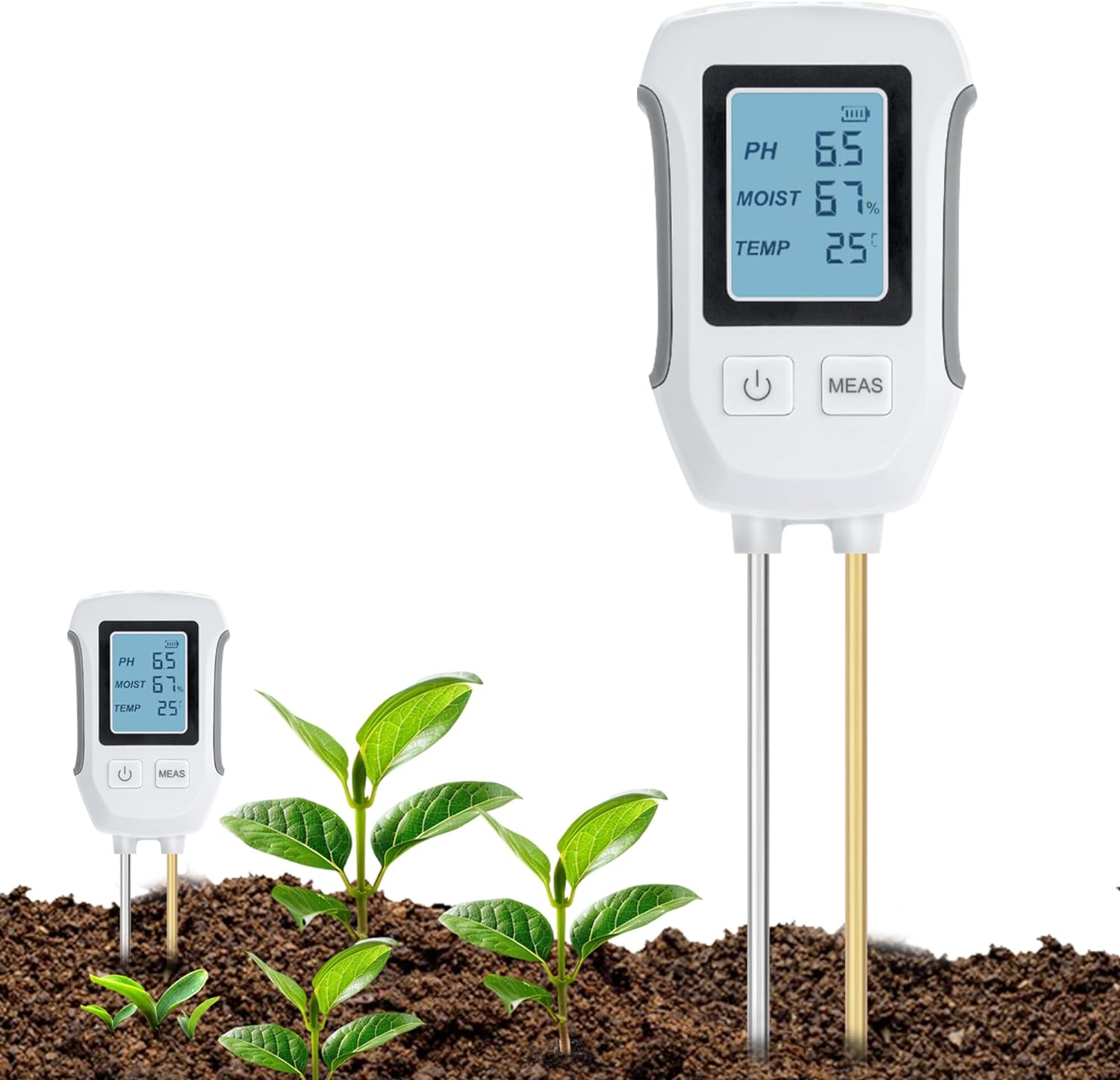
The meter uses a dual-probe design to capture simultaneous readings of soil pH, moisture and temperature, which reduces the need for separate instruments and speeds up routine checks. The backlit LCD ensures results are readable in low light, so you can test early morning or late evening without strain. The ABS plastic housing gives the unit a lightweight but sturdy feel suitable for regular outdoor use. For best results, take several readings at consistent depths and average them, as soil contact affects accuracy 🌱.
Technical Specifications
- Name: Mcbazel Soil Meter
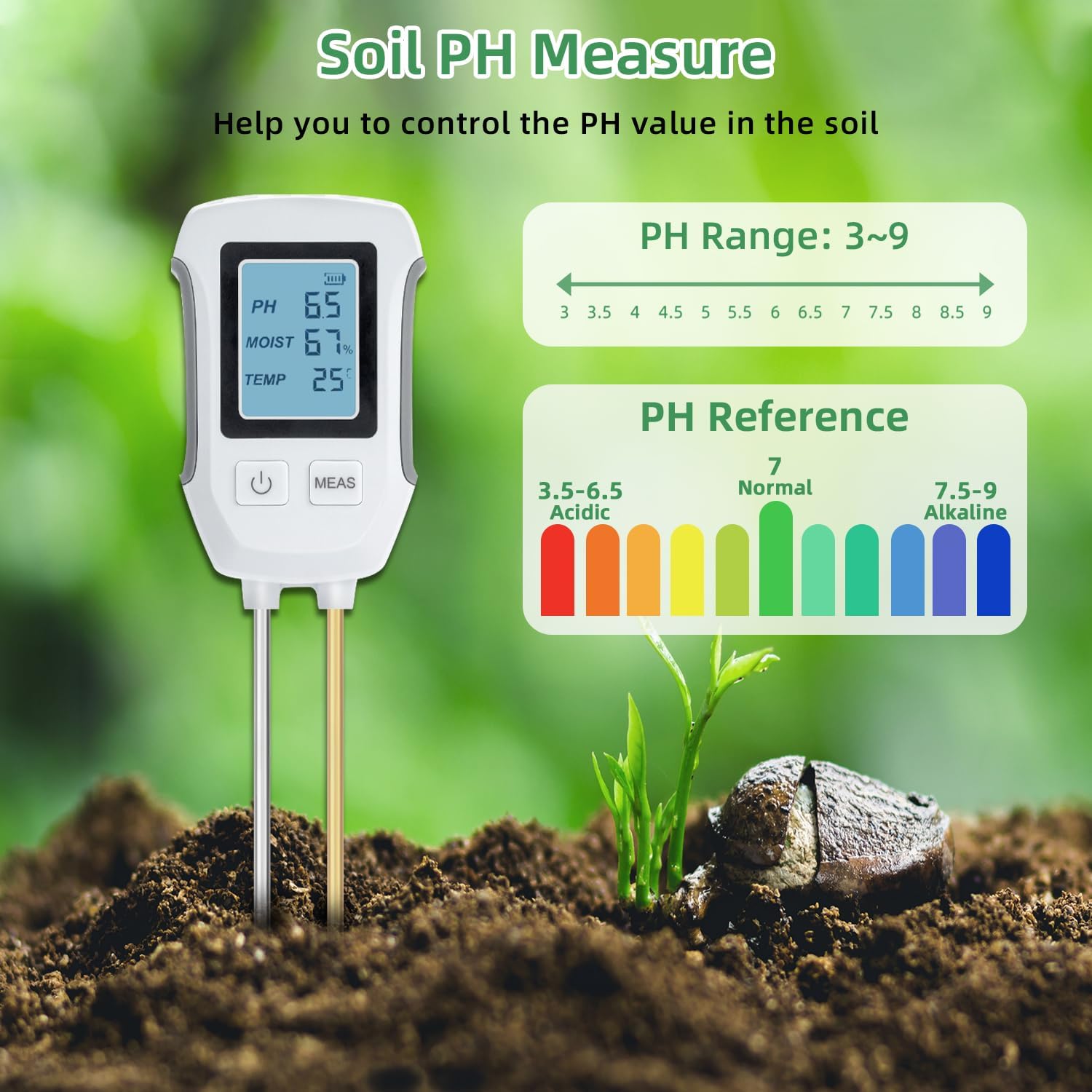
- Measurements: pH, soil moisture, temperature
- Temperature range: -10 °C to 90 °C
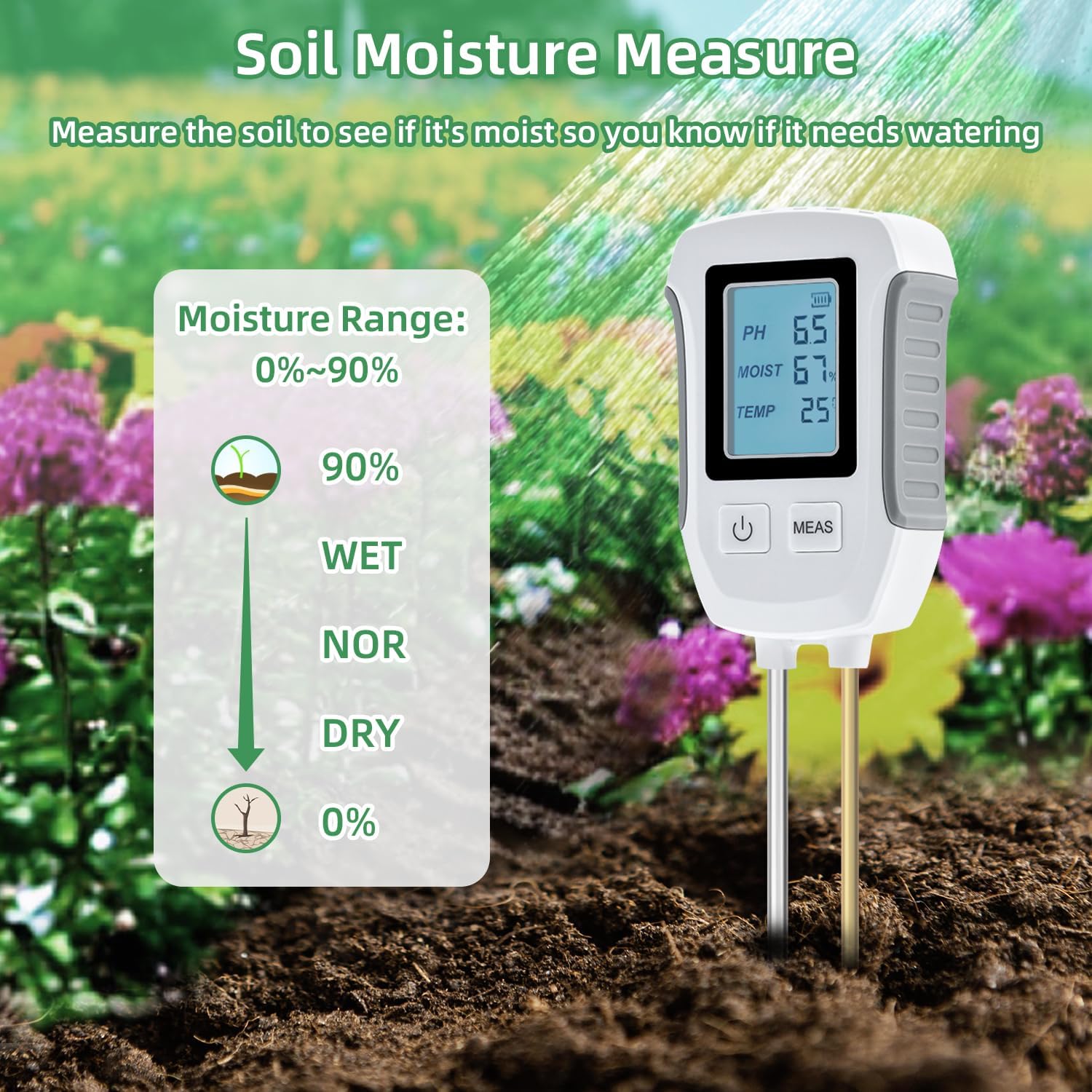
- Humidity detection range: 0% to 90%
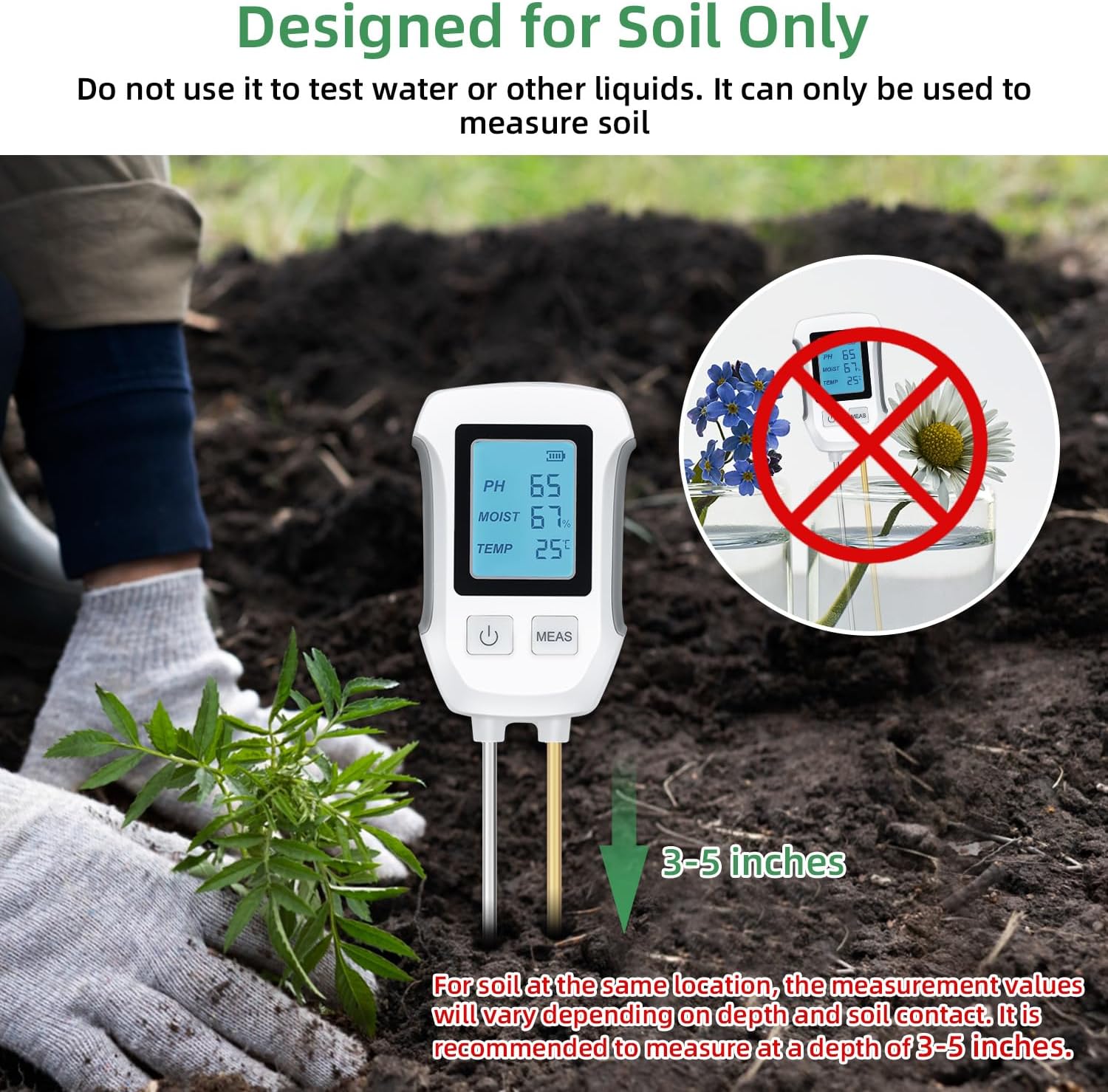
- Recommended measurement depth: 3 to 5 inches
Advantages
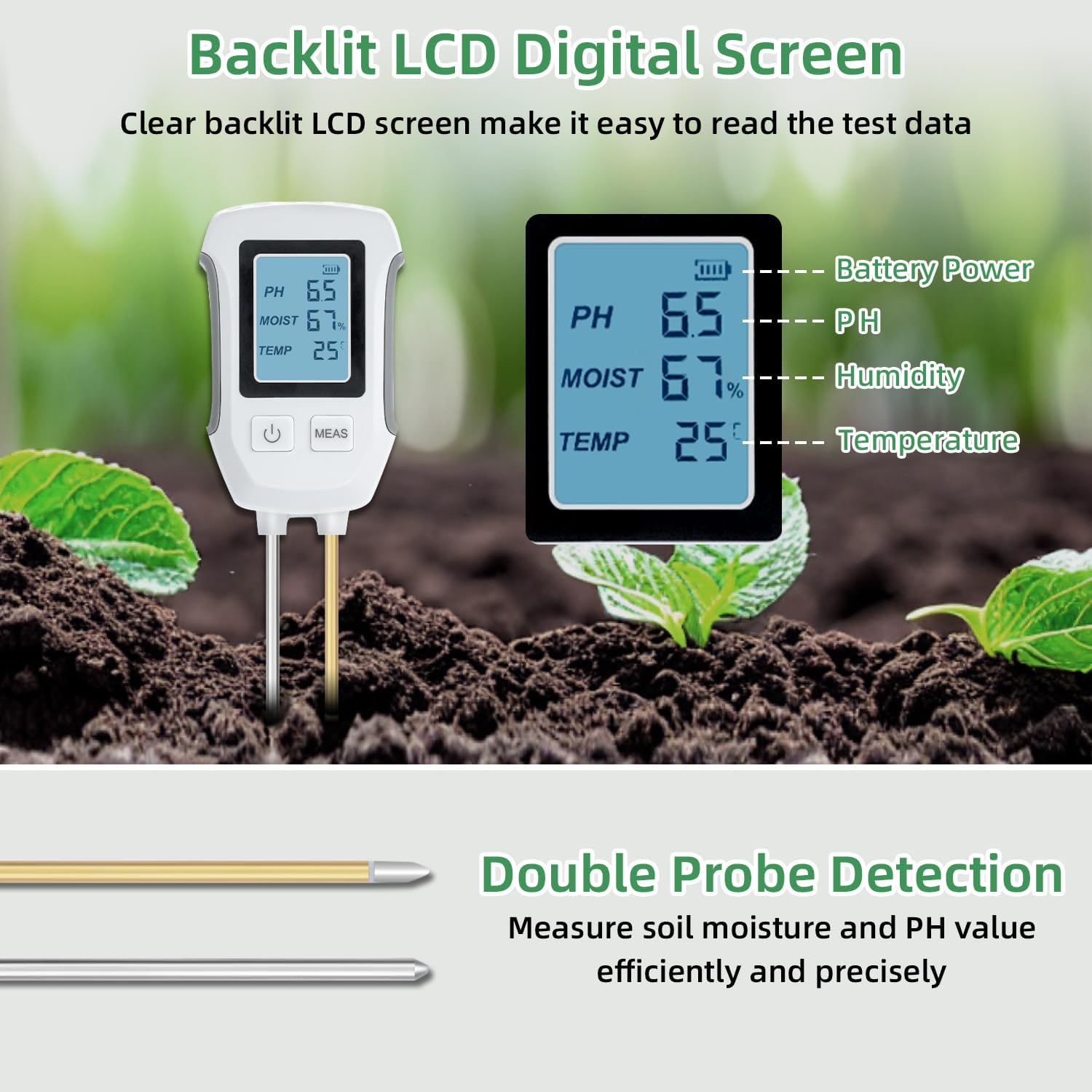
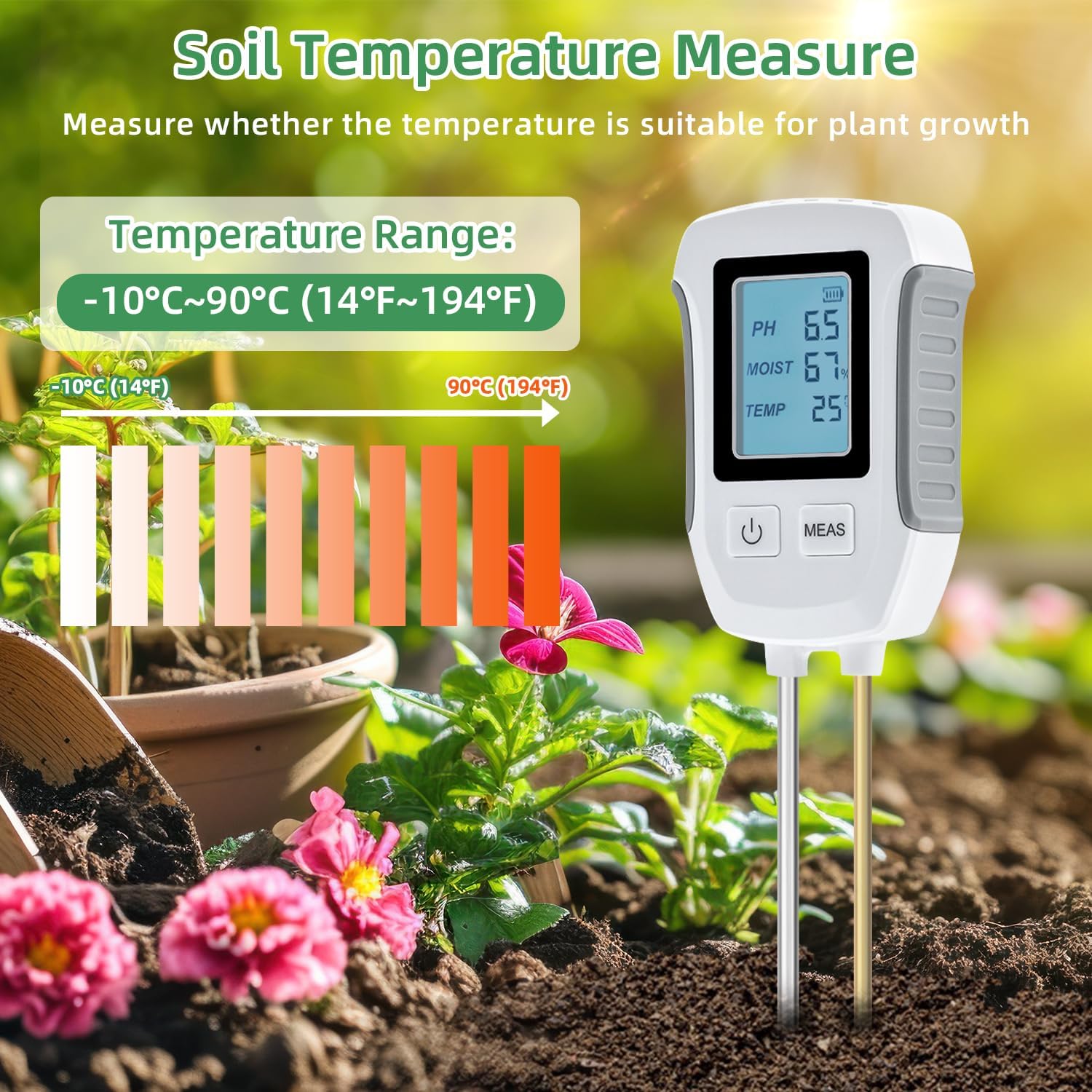
This model keeps laboratory-style parameters accessible on the go, so you can identify overly acidic or alkaline patches and adjust feeding or soil amendments accordingly. The simultaneous readout saves time when managing multiple plants or a small market garden. The straightforward digital display lowers the learning curve, which is helpful for beginners and experienced gardeners alike 🌡️.
Usage Recommendations
Insert the probe gently to the recommended depth and ensure firm contact with the soil for consistent readings. Avoid forcing the probe into very compacted or rocky ground, as that can damage the sensors. Take measurements in several spots and note variations across a bed or container, then use the average to guide watering, lime or sulphur applications. Consider that readings may shift after heavy rain or immediately after watering, so allow the soil to settle if you need a typical baseline.
Limitations to bear in mind include potential deviations when the probe is inserted at different depths or angles, and the unit may not replace laboratory analyses when you require highly precise pH measurements according to the manufacturer. The tool is designed for routine field checks and practical gardening decisions.