

Mammut Alto Light HS Pants for Men – 2.5-layer weather protection with PFC-free DWR
Product description
The essentials
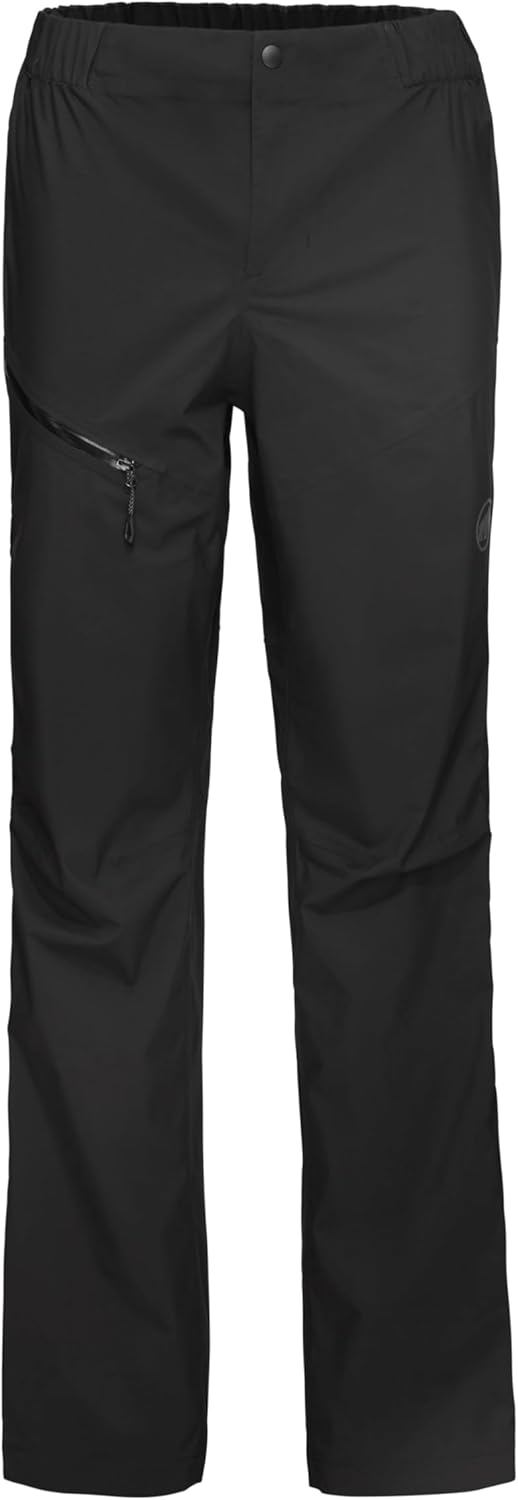
If you’re after dependable weather protection in a lightweight, move-with-you shell, the Mammut Alto Light HS Pants for Men are a sensible “layer up and go” choice. They’re built around a 2.5-layer Mammut DRY Tour laminate and finished with a PFC-free Durable Water Repellent (DWR), which is exactly the kind of combo you want when conditions are changeable but you don’t want bulky kit.
On paper, these trousers look made for active days rather than long hours stood still. The stretchable fabric and elastic waistband suggest comfort matters here, not just weather resistance. That’s a decent direction if your priority is staying agile on the move—whether that’s hiking in mixed UK weather or heading out for a technical route where you’ll be constantly adjusting your layers.
It’s also worth noting the sustainability angle in the dye approach. Mammut says the more sustainable solution dye method uses up to 90% less chemicals, up to 85% less water, and generates up to 12% less carbon emissions. Real-world impact depends on the whole supply chain, of course, but it’s a credible nod if you care about the materials story.
Is this the kind of shell you’ll forget you’re wearing? Maybe. But the real limit with 2.5-layer designs is that they’re typically not as robust or cosy as thicker, more fully lined shells—especially when you’re expecting sustained, heavy downpours and lots of abrasion.
Key features that affect day-to-day use
The headline is the 2.5-layer setup with the DRY Tour laminate. In practical terms, that’s aimed at keeping you protected while keeping weight down. The PFC-free DWR should help the outer surface shed light rain and mist so the fabric doesn’t soak through quickly during typical wet-weather outings.
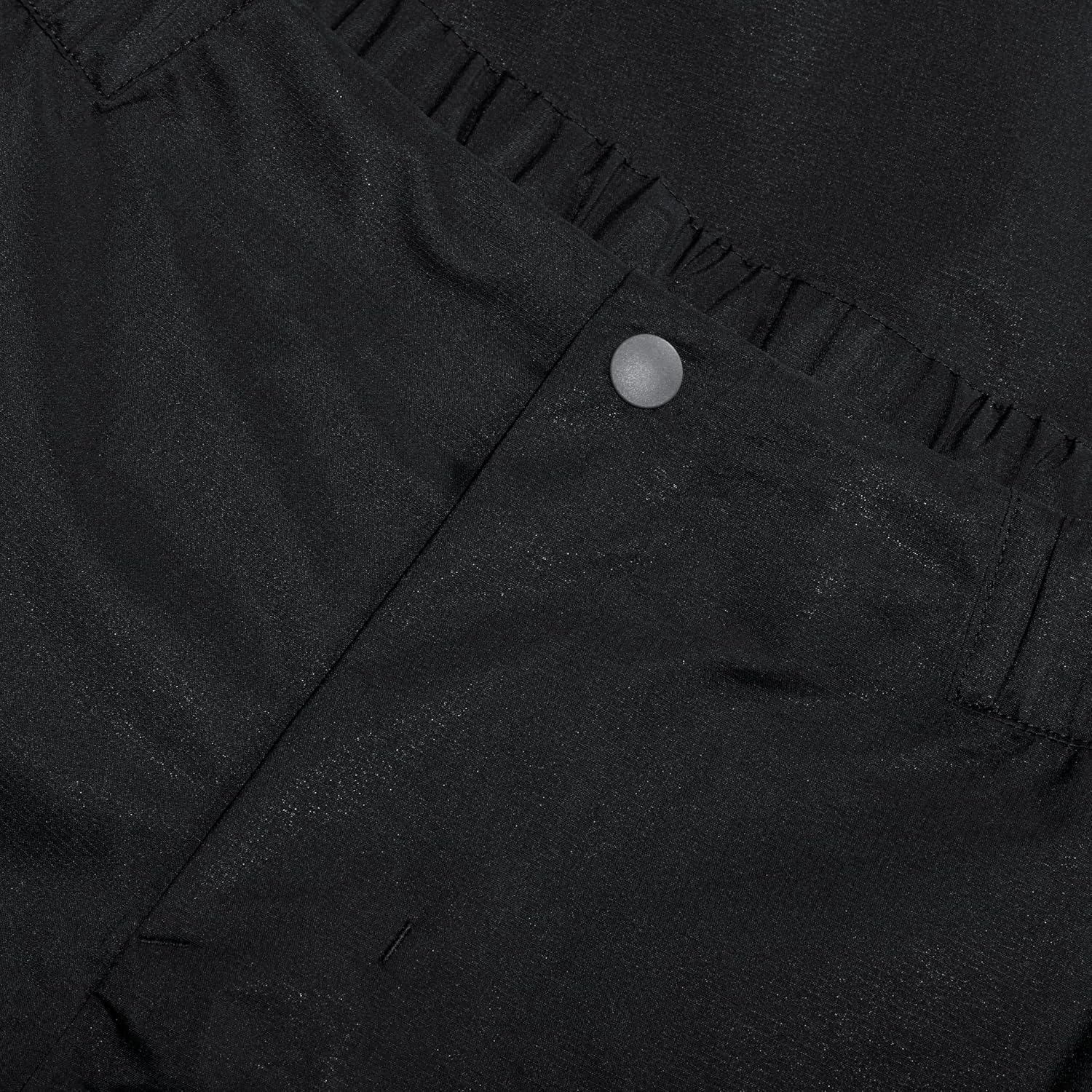
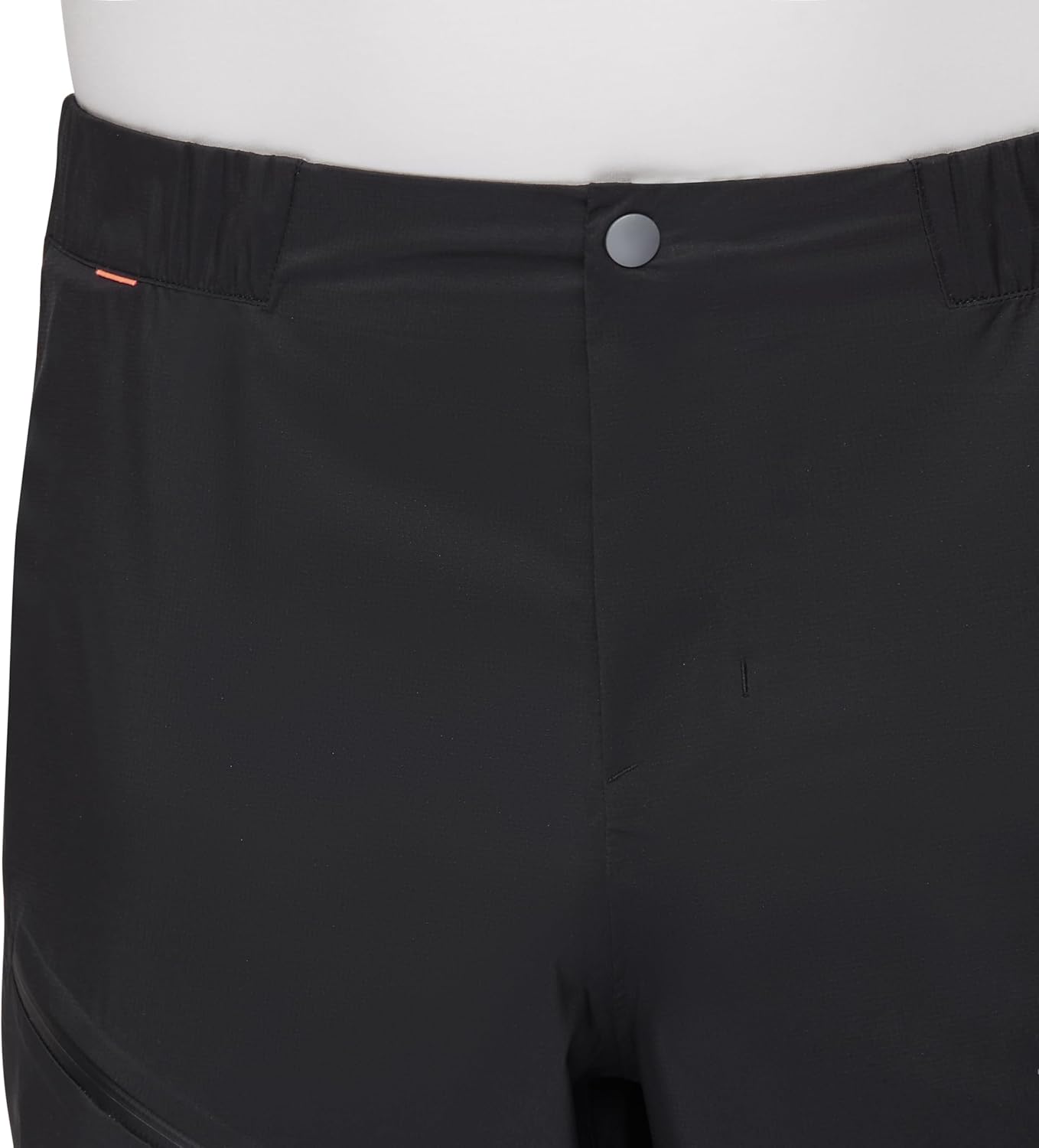
The stretchable material and elastic waistband are the bits you’ll notice when you’re moving. Elastic waistbands can be a mixed bag depending on how you like your fit, but for active use they often make day-to-day adjustments easier—especially if you’re wearing base layers beneath or you tend to want a less restrictive feel.
What stands out (and what may feel limiting)
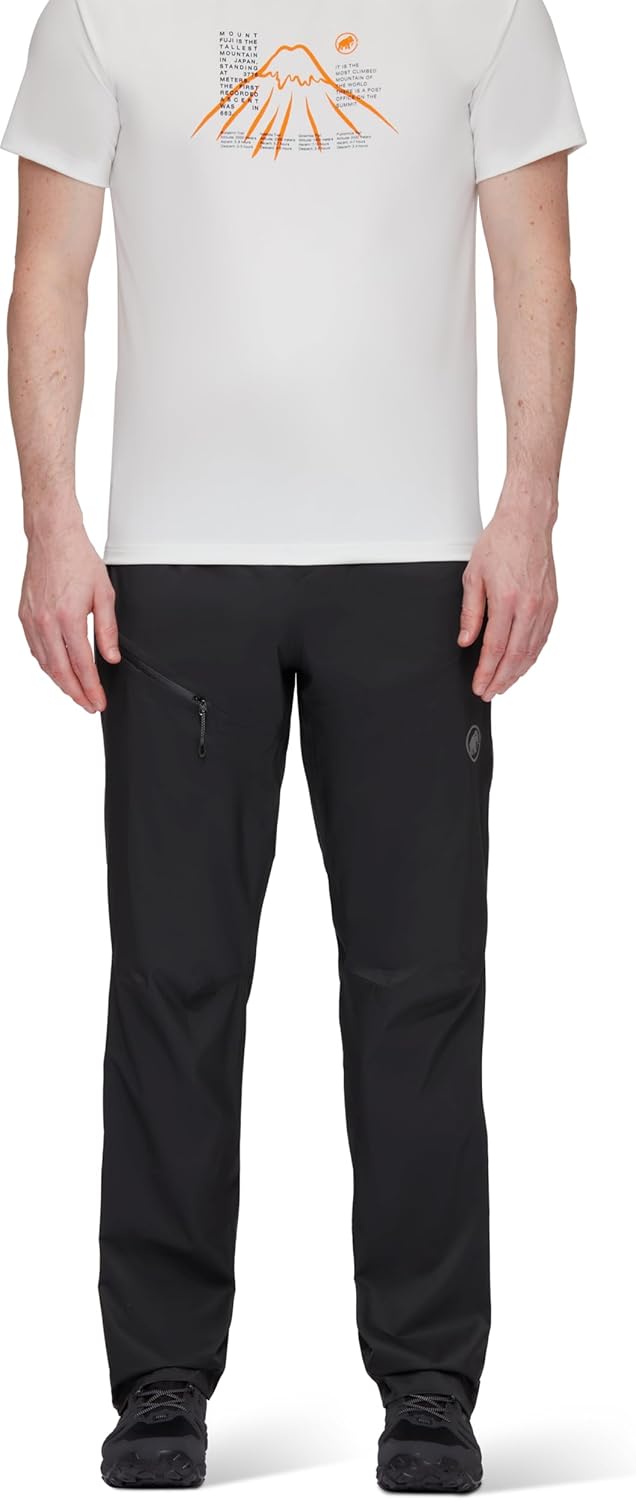
Where these pants feel especially focused is comfort during motion. A lightweight, stretchable shell with an elastic waistband is a clear attempt to avoid that stiff, swishy “hard shell” feeling.
However, the “2.5-layer” part is also the trade-off. Compared with more substantial 3-layer garments, you may find these suit short bursts of bad weather and changeable conditions better than long, hard, wet spells. Also, no matter how good the DWR is, it can wear down over time—so if you’re planning lots of wet use, you’ll want to think about care and reproofing later.
If you’re not doing much in the way of wet, windy conditions, you might also question whether shell trousers are the right purchase at all—sometimes a lighter wind layer or a regular waterproof-resistant approach can be easier to live with day to day.
Who it suits best
It makes sense if you want men’s waterproof shell trousers that are lightweight enough to pack with your active kit, but still serious about weather protection.
You’ll likely get the most from them if you: - go hiking or outdoors where rain can start without much warning - prefer a flexible fit that won’t feel restrictive when you move - want a PFC-free DWR approach for the outer protection layer - care about a more sustainable dye method, at least at the product-materials stage
Getting the most from them
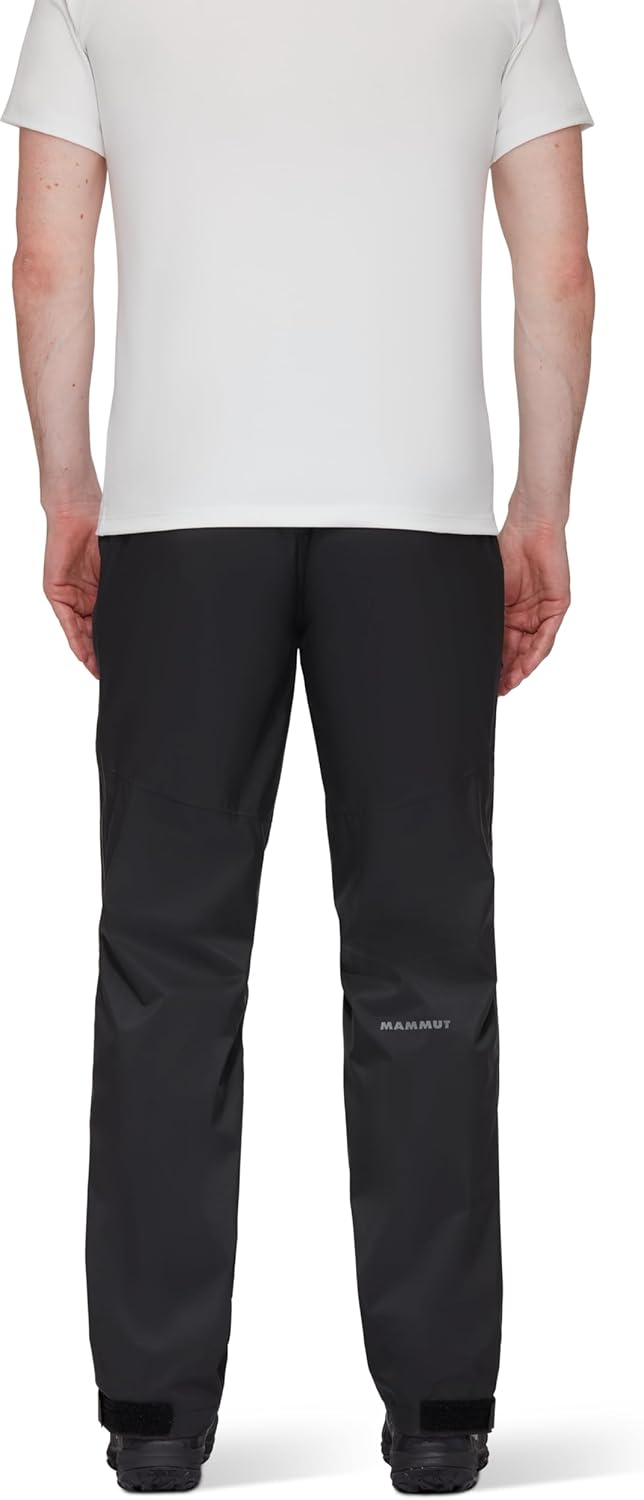
A good micro-scenario: you start the walk in dry-ish conditions, then the sky drops low and you’re hit with drizzle on the lower slopes. With trousers like these, the goal is to put them on quickly over what you’re already wearing and keep moving without feeling trapped in heavy fabric.
To get that kind of performance, it helps to treat the DWR as part of the system. If you wash too aggressively, ignore cleaning guidance, or store them damp, the water repellency can fade. And if you expect constant, abrasive use (rough rock scrambling, frequent contact with sharp edges), you may find more durable shell options are better suited.
Tech specs
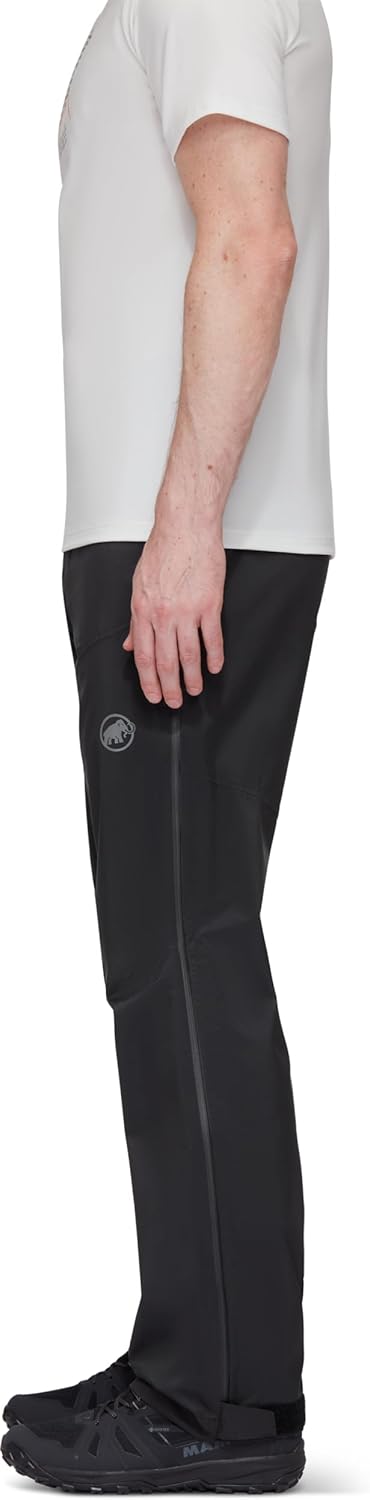
- Type: 2.5-layer waterproof shell laminate (Mammut DRY Tour)
- Water repellency treatment: PFC-free Durable Water Repellent (DWR)
- Fit details: elastic waistband
- Material feel: lightweight and stretchable
Final verdict
Is it worth it?
Worth considering if you want lightweight men’s HS shell trousers built for active use, with 2.5-layer DRY Tour protection and a PFC-free DWR. The stretch and elastic waistband point to comfort-first design, and the sustainability dye approach is a genuine extra if that matters to you.
It’s not the best choice if you need maximum toughness for constant heavy rain and high abrasion, or if you want something that feels heavily insulated and protective while stationary. This is more of an “move through weather” garment than a sit-and-stay-in-the-storm solution.
If you’re deciding between a lighter approach and a more robust waterproof shell, a key factor is how often you’ll actually face wet conditions and how demanding your routes are. For frequent changeable UK outings, these trousers could be a practical purchase—just don’t expect 2.5-layer shells to behave like the most demanding, fully rugged options.
Mini FAQ
What does 2.5-layer protection mean for day-to-day wear?
It’s designed to balance weather protection with lower weight. You get a waterproof laminate performance, but it’s not usually the same level of comfort or durability as heavier, more layered shells.
Is the DWR PFC-free?
Yes. The trousers use a PFC-free Durable Water Repellent (DWR) treatment.
Are these trousers built for active movement?
They’re described as lightweight and stretchable, with an elastic waistband, which suggests they’re geared towards comfort when you’re moving rather than rigid, stiff feel.
Does the sustainability dye method matter in practice?
It’s still a materials and production claim, but if you care about reducing chemical and water use and lowering carbon emissions, it’s a positive detail worth factoring in.
Who should probably skip these?
If you’re expecting long periods of heavy wet weather, constant abrasion, or you want a more substantial, hard-wearing waterproof build, you may want to look for a more robust shell approach instead.