

Linsoul Kiwi Ears Cadenza II Cadenza II 10mm Titanium Driver KARS 2.0 wired IEMs (Grey)
Product description
Key takeaways (at a glance)
If you’re shopping for wired in-ear monitors that aim to sound balanced rather than overly bass-heavy, the Linsoul Kiwi Ears Cadenza II is an interesting budget-leaning option on paper. It’s built around a single 10mm dynamic driver, tuned using Kiwi Ears’ KARS 2.0 acoustic resonance system, and finished with a CNC machined aluminium faceplate.
A lot of budget IEMs can either sound lively in the lows or a bit flat through the mids. The Cadenza II’s pitch is more specific: precise sub-bass behaviour, a carefully shaped midrange warmth for vocals, and treble that targets clean detail without going sharp in an obvious way. That’s the kind of tuning approach that can appeal if you listen to a mixed playlist and don’t want obvious frequency “rollercoasters”. Still, tuning is personal—if you love a big, dramatic bass slam or extra sparkle, you might find it a little restrained compared with more showy options.
What to know about the sound tuning
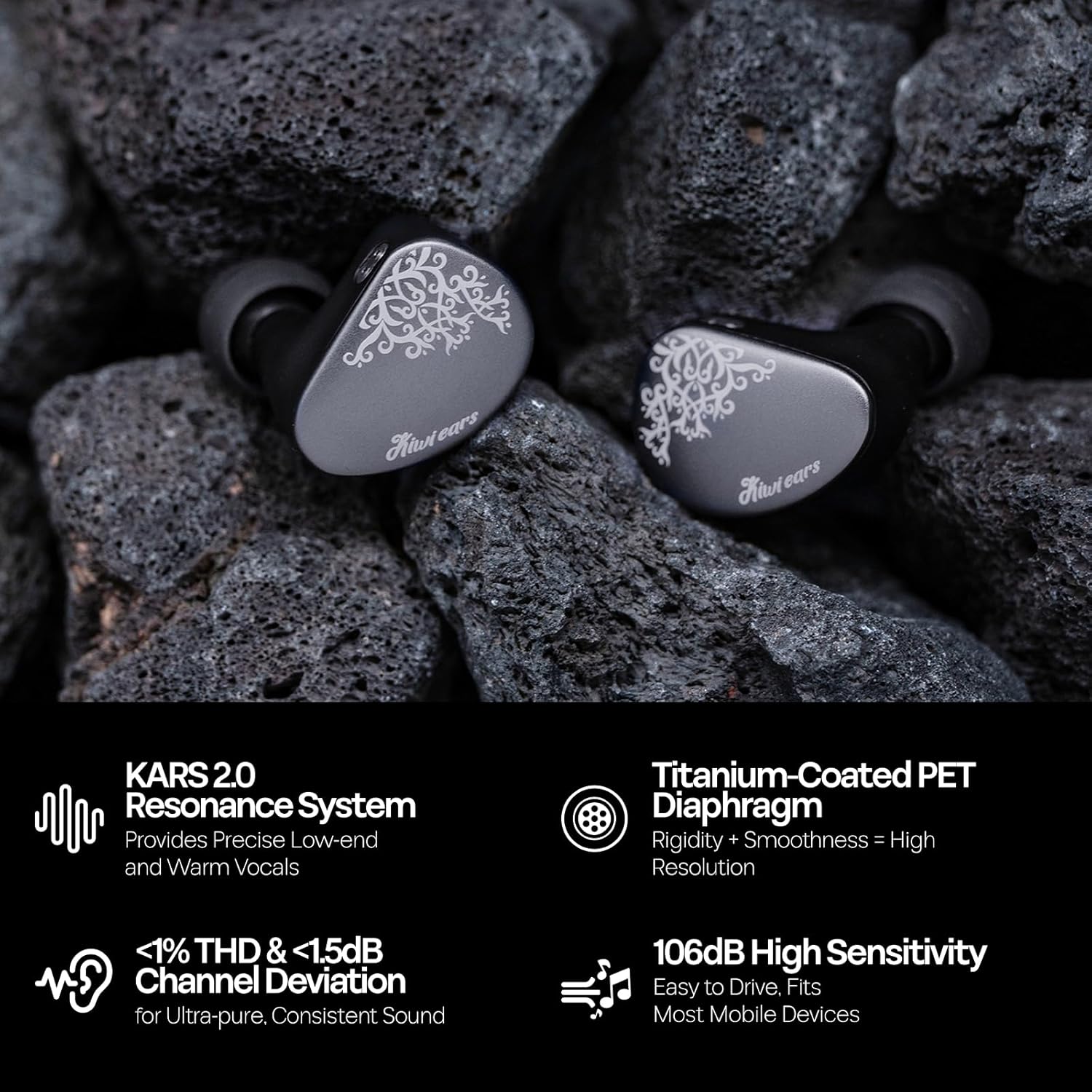
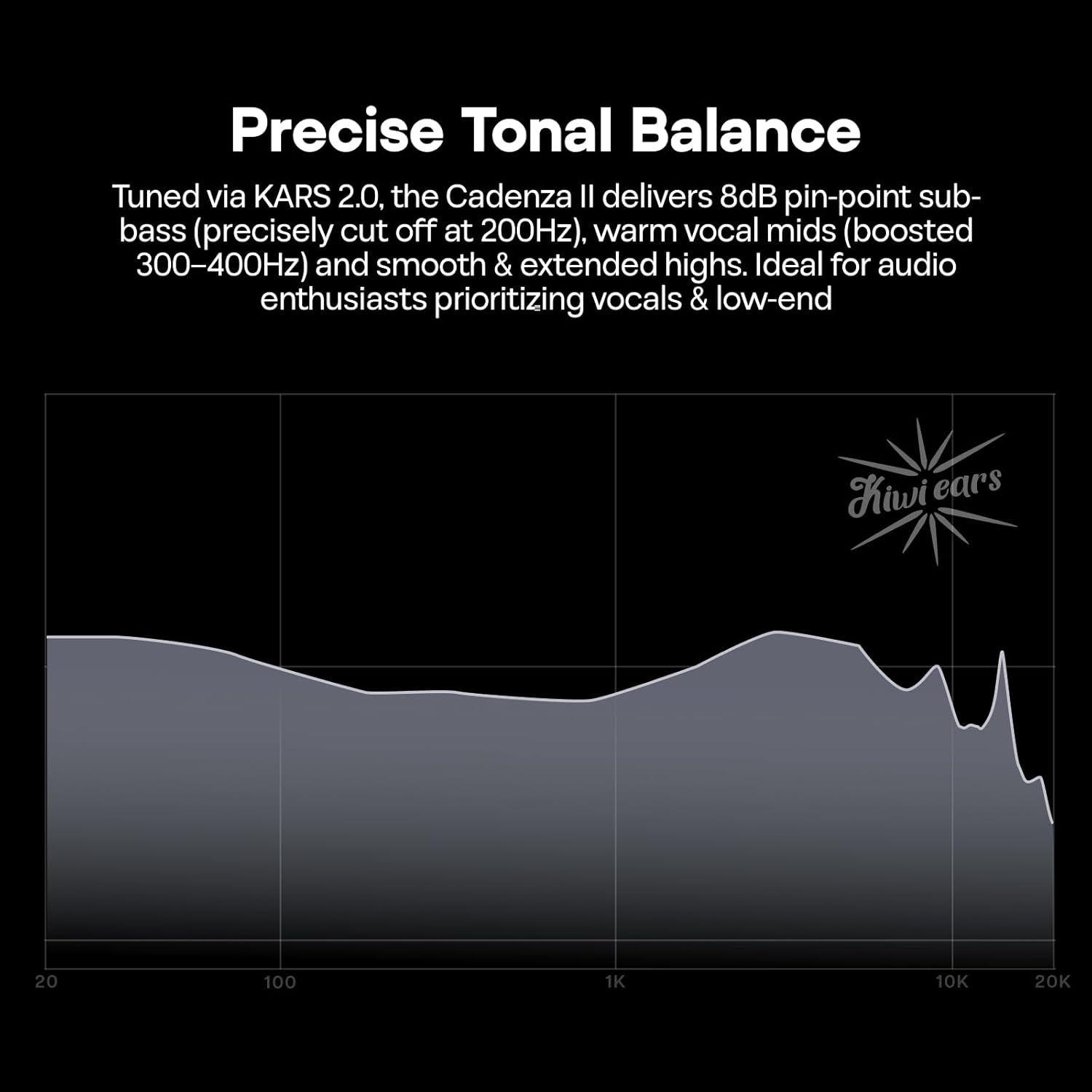
Kiwi Ears positions the Cadenza II around KARS 2.0 (their updated Kiwi Acoustic Resonance System). The main idea here is efficiency and integration into the acoustic design, alongside more controlled low-end tuning.
On the low frequencies, the tuning description focuses on pinpoint sub-bass with a clean cutoff at 200Hz, which is meant to keep the bass from “spilling” into the lower mids. Then there’s a small low-mid bump around 300–400Hz for a more lush, warmer midrange character, without turning the result into something muddy. The midrange is described as neutral but not sterile—again, that’s a meaningful direction if you want vocals to sound present.
The treble tuning is also quite deliberate: the driver’s treble peaks are described as landing around 3kHz, with smooth, extended decay. In day-to-day terms, that usually points to a presentation where vocals and instruments can keep their shape, and cymbal textures aren’t overly harsh (though, to be fair, whether it feels “right” depends a lot on your source and tips).
Where it stands out in everyday use
This model is aimed at people who want a single-driver IEM experience with careful tuning and a driver/material story that’s more ambitious than you’d expect at the “budget” end.
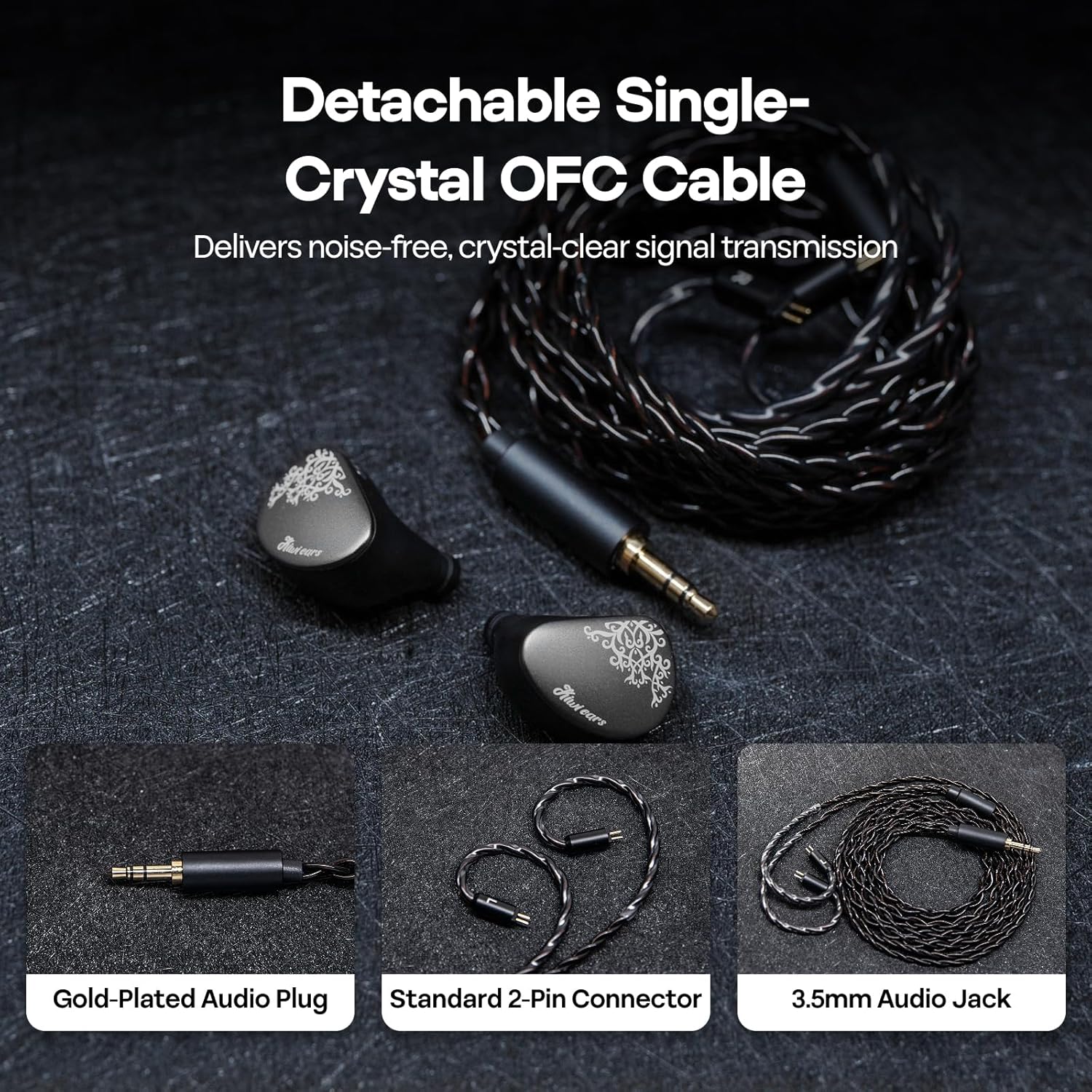
The Cadenza II also includes a detachable 2-pin 0.78mm cable system. That’s a practical win: you can replace the cable if it gets damaged, and you can mix cables to suit preferences and keep the IEMs in service longer. If you’re the kind of listener who throws wired IEMs into a bag and uses them daily, that modular approach matters more than the marketing suggests.
If you game as well, the “sub-bass clarity” and “tonal balance” framing is relevant: a cleaner separation between bass and lower mids can make it easier to pick out midrange cues like voices, footsteps, or instrumental lines. It’s not a guaranteed “competitive edge” feature on its own, but it does fit the tuning goal.
Tech specs and build (what you’re getting)
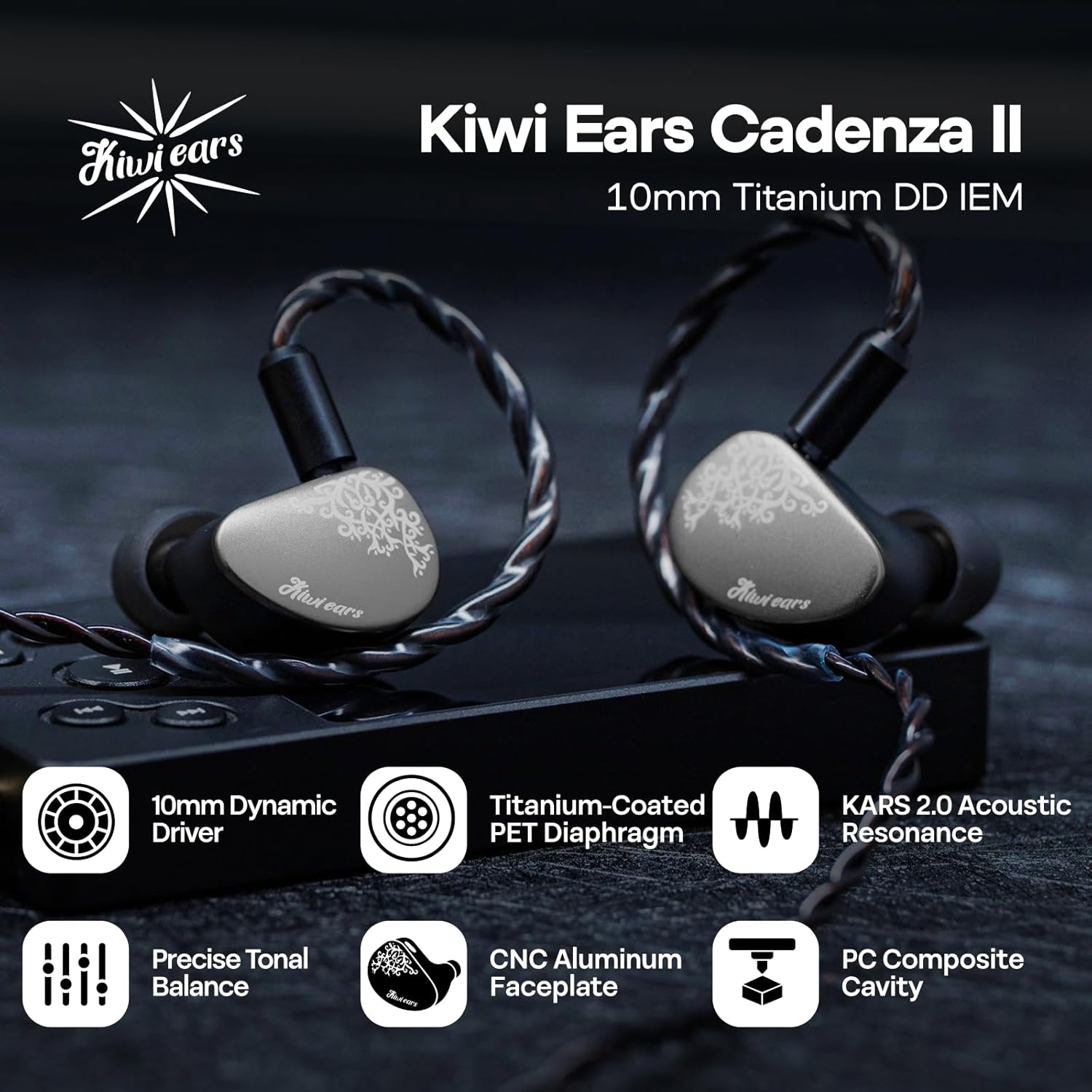
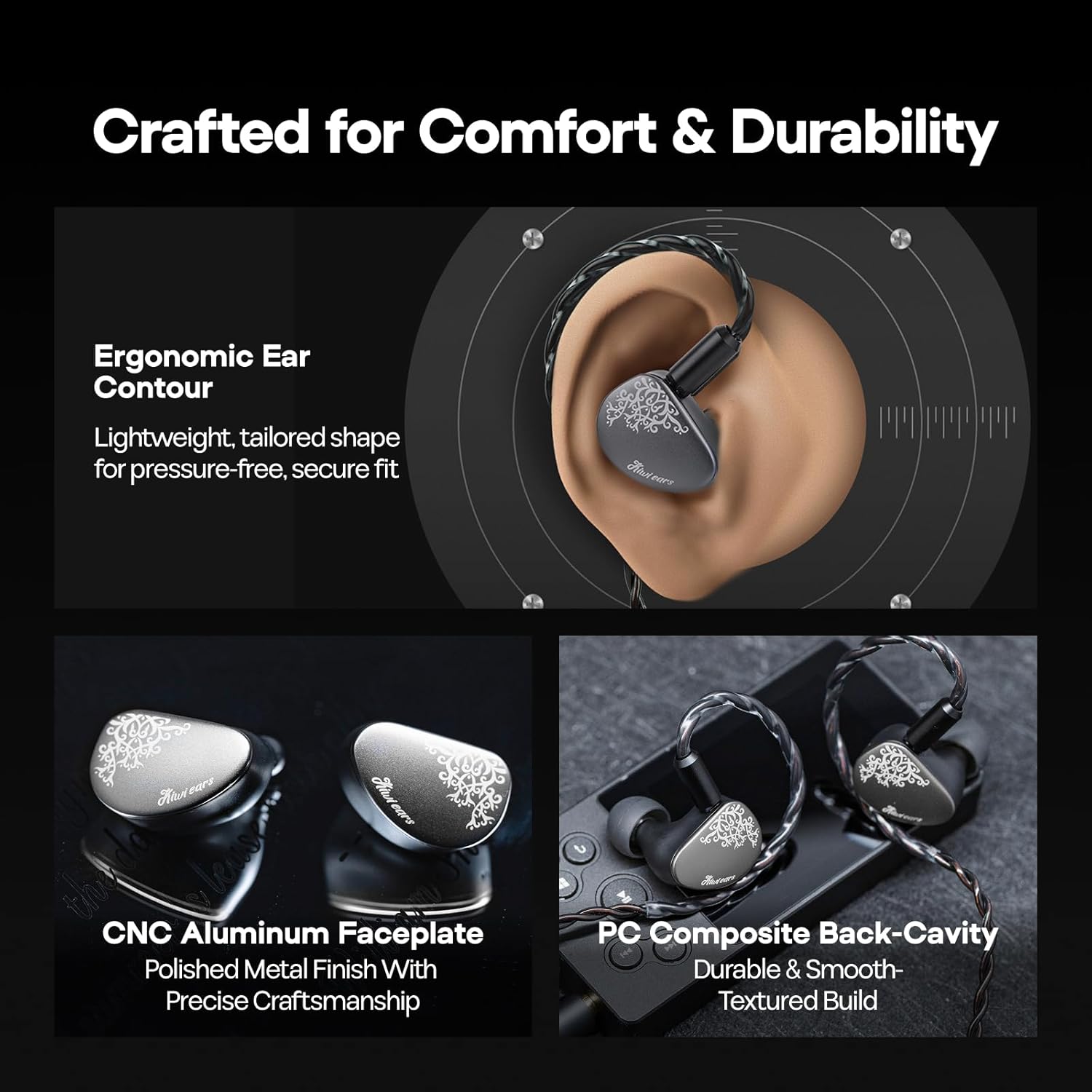
This is a 1 dynamic driver in-ear monitor with a titanium-coated diaphragm driver approach, described as using a titanium-strength element with the fluidity of polyethylene terephthalate. The package also includes an updated magnetic array structure aimed at higher technicalities and resolution within Kiwi Ears’ dynamic-driver lineup so far.
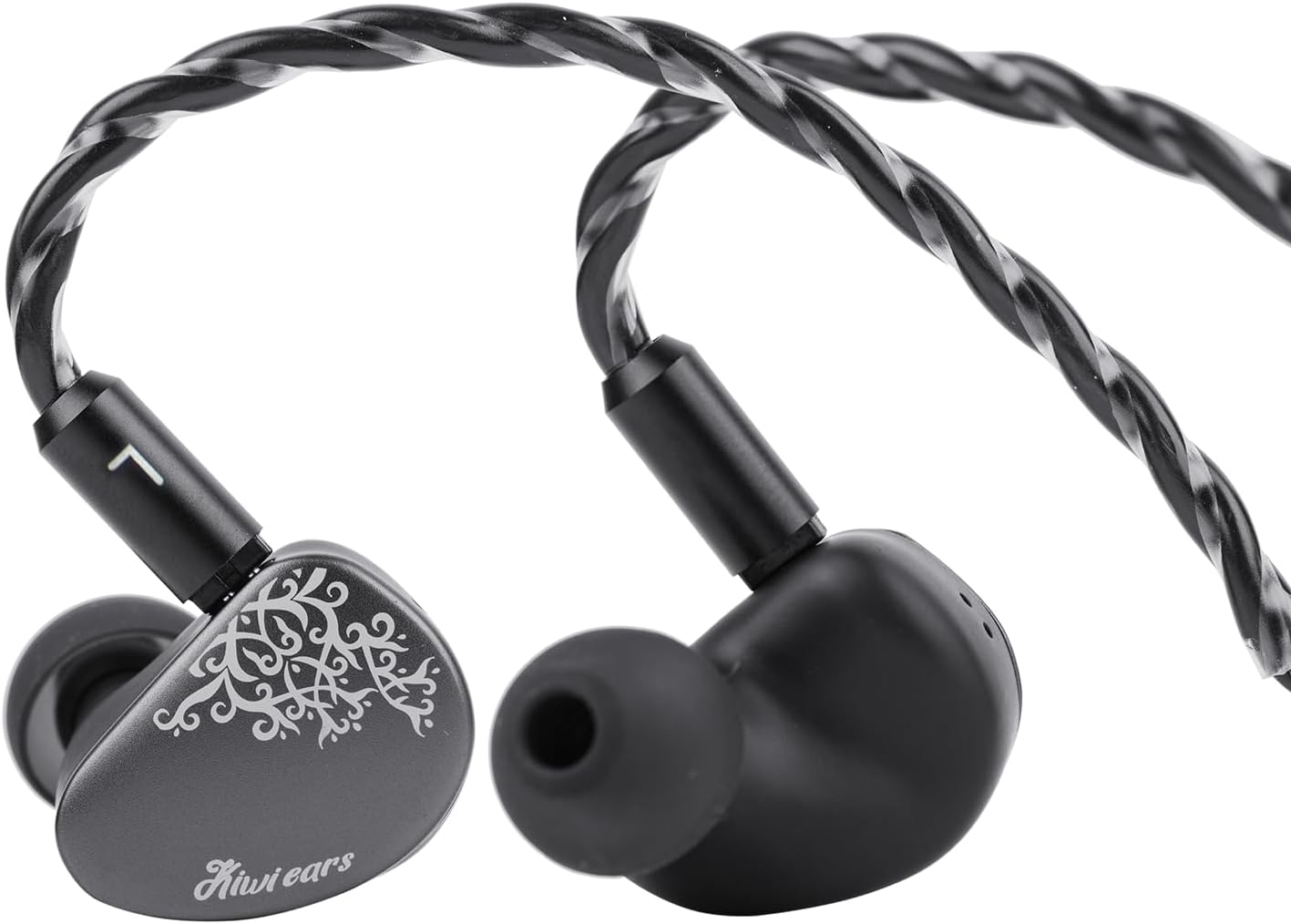
On the physical build side, you get a durable polycarbonate composite shell, plus a CNC machined aluminium faceplate (laser engraved) with a honeycomb design. It’s the sort of finish that’s meant to look “premium” without being overly delicate for normal handling.
Tech specs
- Driver type: 1 dynamic driver
- Driver size: 10mm
- Acoustic system: KARS 2.0
- Cable connection: Detachable 2-pin 0.78mm
- Driver diaphragm: titanium-coated polyethylene terephthalate (with described titanium + PET composition)
- Faceplate: CNC machined aluminium (laser engraved)
- Shell material: polycarbonate composite
Comfort, fit and what to double-check before buying
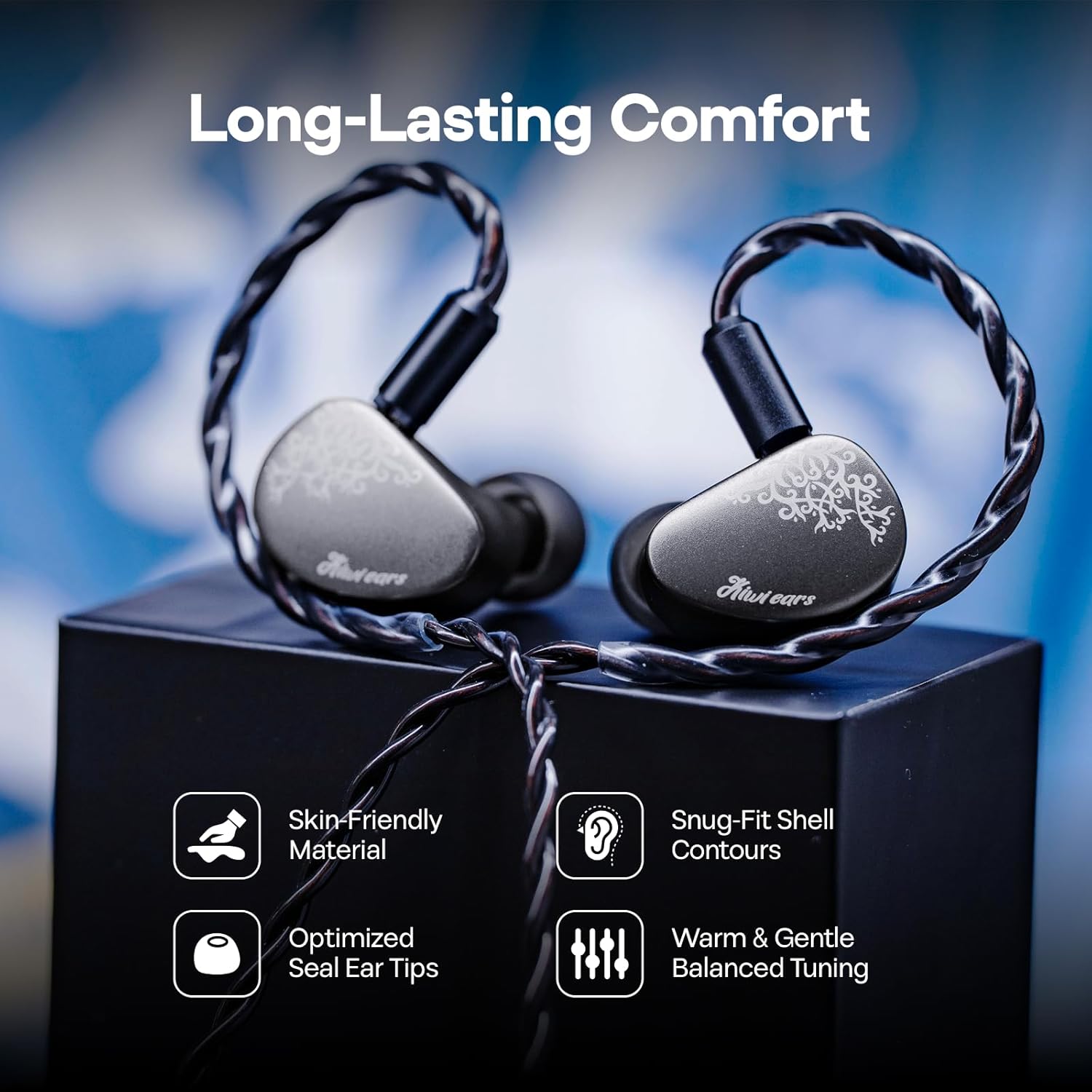
The most common thing that can make or break an IEM purchase isn’t the driver—it’s fit. The Cadenza II uses a detachable 2-pin cable system, but your comfort and seal will still come down to tip choice and how well the IEMs suit your ear shape.
Also, the sound-tuning claims are specific, but you should treat them as “targets” rather than guarantees. If you’re using a phone output, a low-quality dongle, or a device that doesn’t drive IEMs well, treble extension and bass control can feel different. And because the tuning aims for tonal balance and controlled sub-bass, it may feel less “fun” if you’re after big mid-bass punch.
If you’re considering this for music-heavy listening, it’s worth checking your preferred genres: the midrange warmth focus suggests it could suit vocal tracks, acoustic sessions, and general listening. But if your priority is a thick, warm, exaggerated low-mid sound, you may find it more restrained.
Should you buy it?
The Cadenza II makes sense if you want a wired 1DD IEM that’s designed around tonal balance, careful low-end control, and a smooth, extended treble tuning target—plus a detachable cable so you’re not stuck if the lead wears out.
You may want to skip it if you know you prefer a more dramatic bass-forward signature, or if you’re extremely sensitive to treble character and need a lot of control over that through swapping sources and tips.
Overall, it looks like a thoughtful value-for-money pick for listeners who care about tuning direction and day-to-day practicality (especially the detachable cable). It’s not perfect for everyone, but if your goal is “cleaner lows, warm-but-neutral mids, and non-shouty treble”, it’s worth having on your shortlist.
Mini FAQ
What does KARS 2.0 do on the Cadenza II?
KARS 2.0 is described as Kiwi Ears’ acoustic resonance system update, aiming for greater efficiency, tighter integration into the acoustic design, and precise low-end tuning for controlled sub-bass.
Is it detachable-cable or fixed-cable?
It uses a detachable 2-pin 0.78mm cable system, so you can replace or swap cables for longevity and preference.
What kind of sound signature is it tuned for?
The description points to precise sub-bass behaviour, a slight 300–400Hz low-mid bump for vocal warmth, and treble peaks around 3kHz with smooth, extended decay.
Will it work for gaming?
There’s no gaming-specific feature listed, but the tuning focus on separation and balanced tonality could help in games where voice/instrument cues matter—results will still depend on your source and ear fit.
Does the titanium-coated driver matter for real-world performance?
It’s part of the tuning and technical intent: Kiwi Ears describes a titanium-coated diaphragm and magnetic structure built to improve technicalities and resolution within their dynamic-driver line. How it lands for you will still depend on your listening setup and tips.