

3/4 Length Orthotic Insoles for Plantar Fasciitis, Flat Feet & Overpronation (Dual-Cushion Heel + Arch Support)
Product description
The essentials
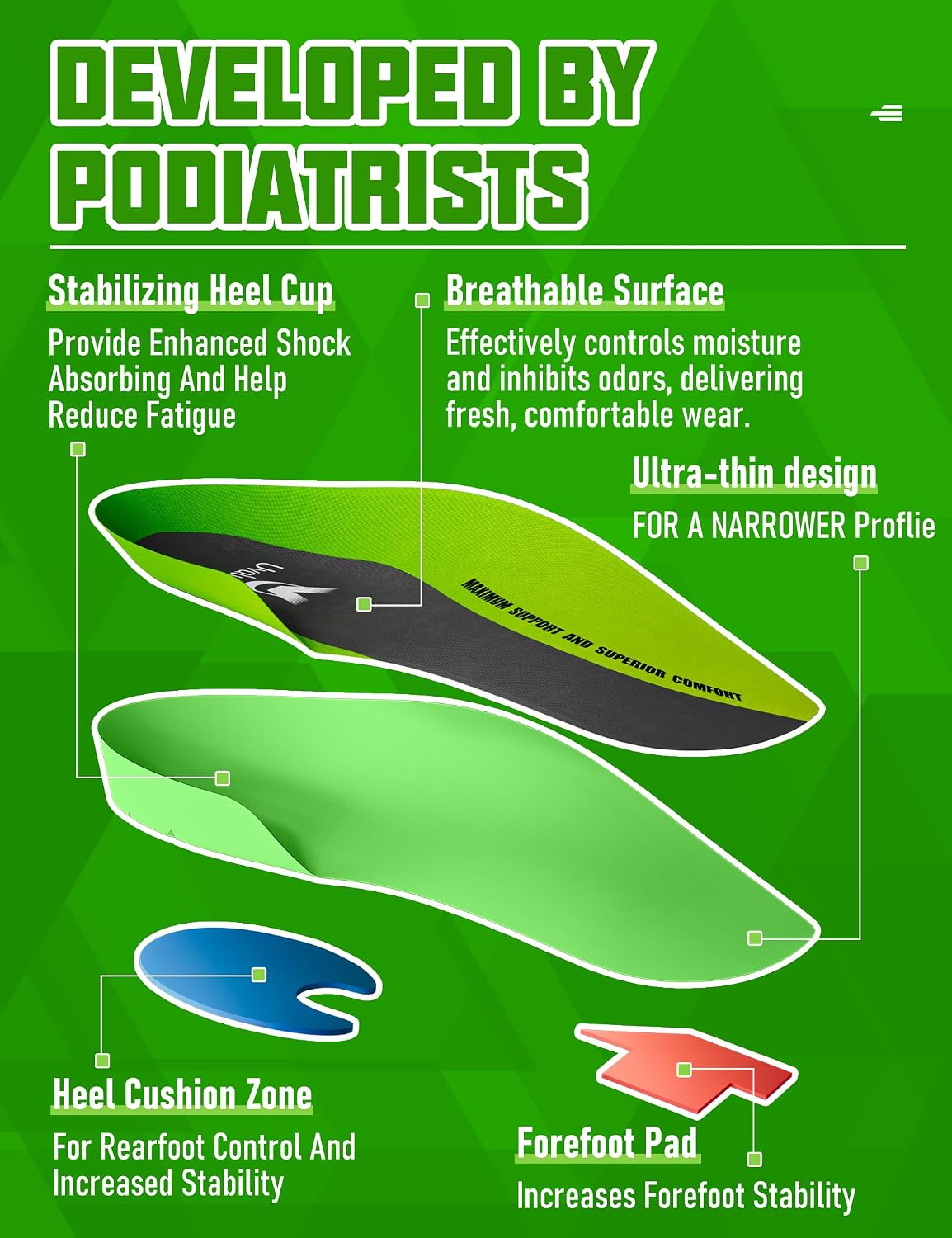
If you’re dealing with heel pain, plantar fasciitis discomfort, flat feet, or overpronation, getting the “right” insole is often less about hype and more about whether it supports your foot’s natural alignment without making your shoes feel crowded. These 3/4 length orthotic insoles are built around medial arch support, a deep heel cup for stability, and dual-cushioning pads for heel and forefoot comfort.
On paper, the idea is straightforward: contour to your foot to reduce concentrated pressure on the arch, keep the heel from slipping, and provide extra cushioning where it tends to hurt. The 3/4 length format also matters, because it aims to cover heel to arch while leaving toe space, which can help if you wear narrower shoes or want something that doesn’t feel like a full-length “block” in your footwear.
Key features that actually affect comfort
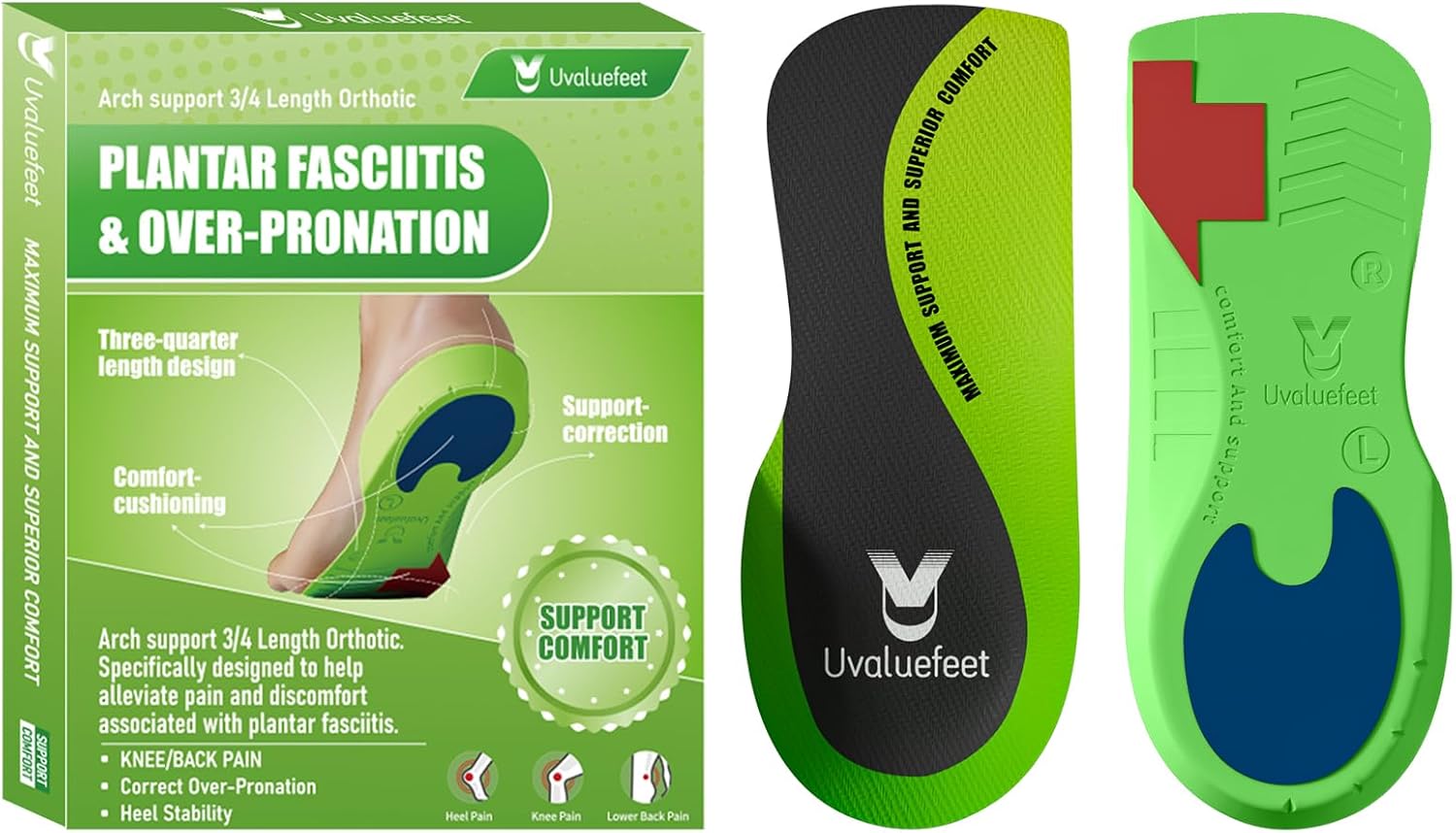
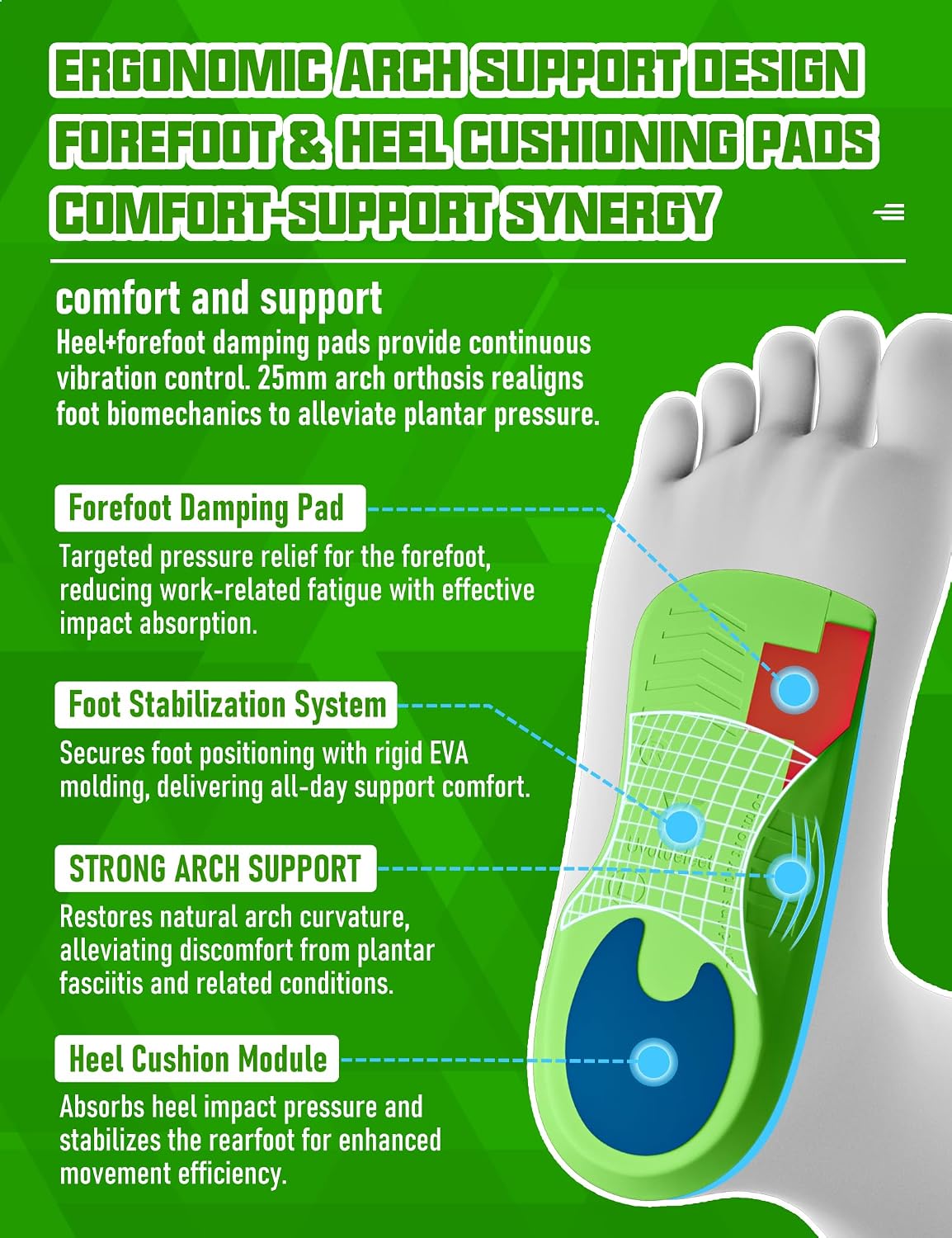
The standout elements here are the support shape and the cushioning strategy. A deep, U-shaped heel cup is designed to lock the heel in place, which can help with balance and reduce friction and slippage. If your problem is made worse by your foot moving around inside the shoe, that kind of heel stability is the difference between “it feels supportive” and “it feels like it’s doing something”.
The dual-cushioning pads (heel + forefoot) are there to absorb shock and reduce heel pressure during everyday walking, standing, or running. This isn’t the same as a rigid orthotic insert that you can “feel” immediately, the goal is more like a soft landing zone paired with an alignment-focused arch section.
There’s also a breathable, unisex build using sweat-wicking fabric and EVA material with an odour-control angle. That won’t fix foot pain on its own, but in real use, moisture and smell are often what make people stop using insoles consistently.
What they’re for (and when they can help)
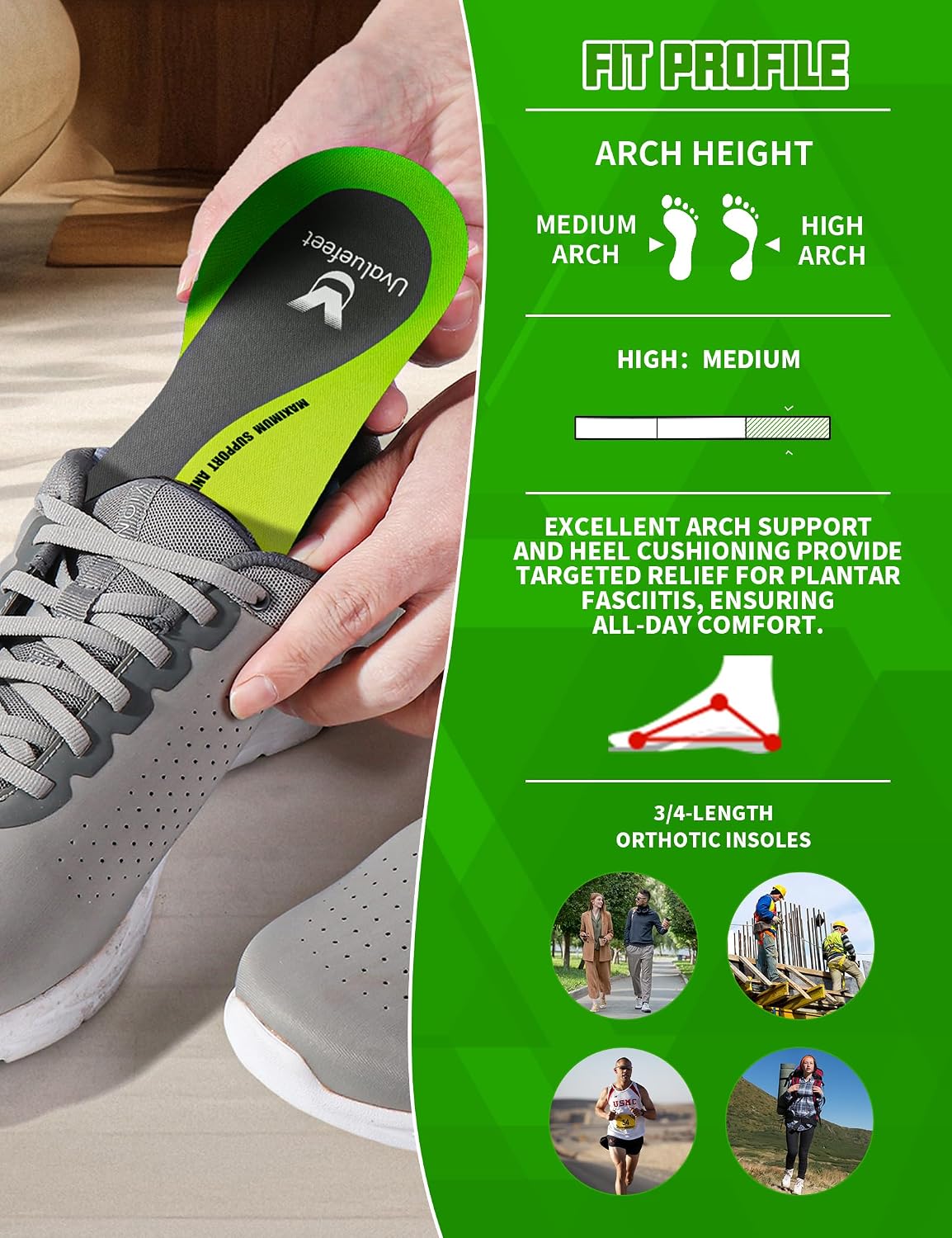
These insoles are positioned for people who want medium to high arch support and are looking for relief for plantar fasciitis, overpronation, and discomfort linked to flat feet. They’re also marketed as suitable for Achilles tendonitis support.
A practical example: if you’re on your feet for long shifts in work shoes or trainers and you notice heel soreness building up by the afternoon, these insoles are designed to reduce concentrated pressure on the arch and cushion the heel/forefoot. If your pain is more about “my heel slips and I overwork my arch”, the deep heel cup design may be the more relevant feature.
That said, not every foot problem responds the same way. If your symptoms are severe, ongoing, or you’ve had medical advice restricting footwear or insoles, it’s sensible to check first—insoles can be helpful, but they’re not a replacement for proper assessment.
Fit, sizing, and everyday usability
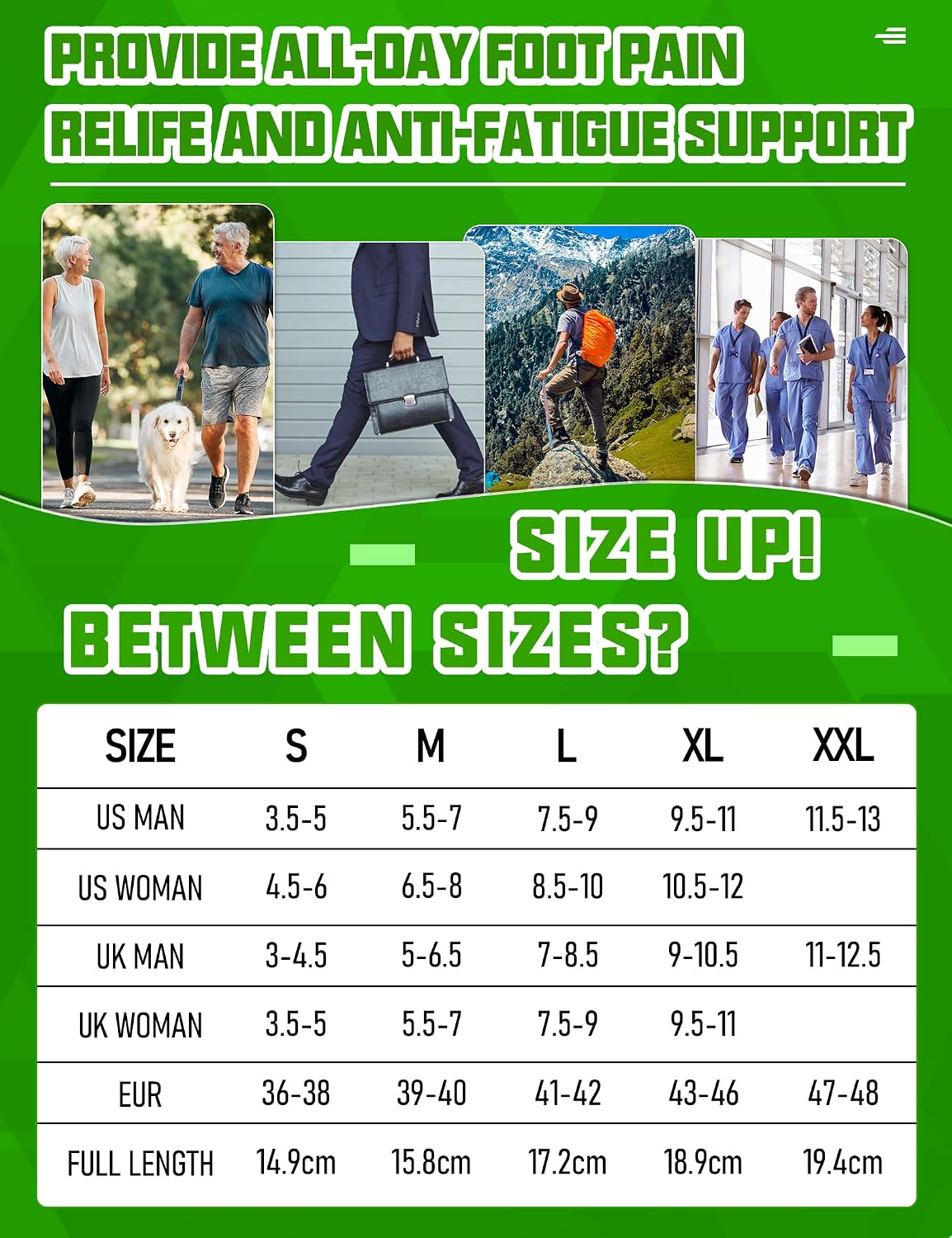
They’re 3/4 length orthotic insoles, which means they’re meant to sit from the heel to the arch while leaving space for your toes. This can be useful if you find full-length insoles push your feet forward or crowd the toe box, especially in dress shoes, boots, or slimmer trainers.
The brand also states they can fit nearly all shoe types, including sneakers, casual shoes, work shoes, dress shoes, or boots. In practice, this usually works best when you’re able to place the insole without folding or forcing it, and when your shoe already has some internal room.
One point to consider before buying: if your footwear is very tight or your current insole setup is minimal, a 3/4 insert can still change the feel and tightness in the forefoot. It may suit you better if you’re currently using removable insoles or there’s space for an orthotic layer.
Who should consider these (and who might want to skip)
It’s a good fit if you want a supportive arch insole with a deep heel cup to reduce slippage, and you’re aiming for cushioning in the heel and forefoot for everyday comfort.
It may not be a great match if your main issue is something more specific that needs a highly individual prescription orthotic, or if you’re very sensitive to changes in shoe volume and fit. You may want to skip it if you already know you need a very particular arch height or a custom shape—these are designed as a general, supportive option rather than a fully bespoke device.
Care & limitations to keep in mind
The materials mentioned (EVA and a sweat-wicking fabric) suggest they’re intended for regular wear, including active days. Still, since we don’t have specific cleaning instructions here, it’s worth treating them like fabric/EVA insoles: avoid aggressive soaking and check the care guidance provided with the product.
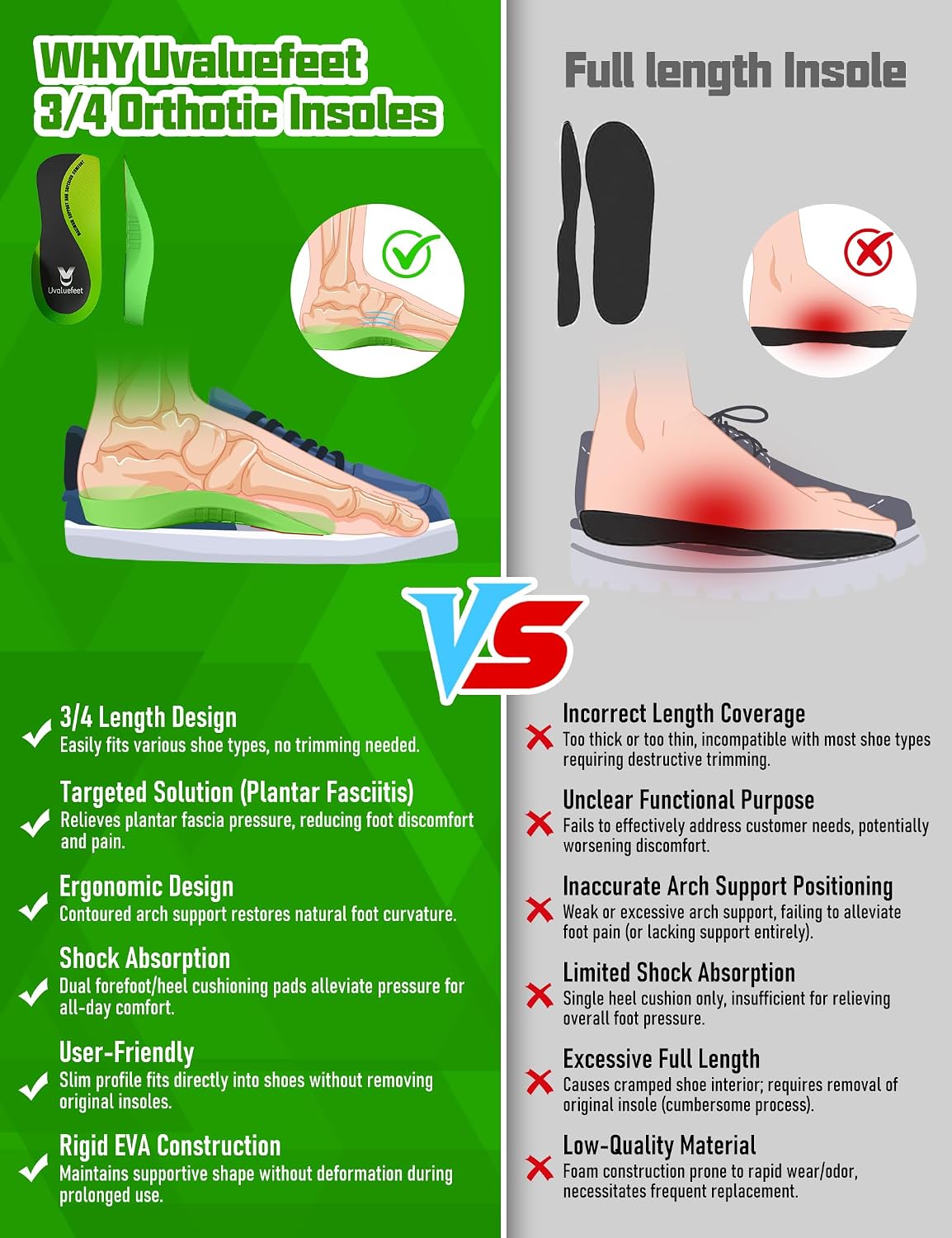
Also, even with the “dual cushioning + heel cup + arch support” approach, results can depend quite a bit on your gait, how your shoes fit, and how your foot pain behaves day to day.
Frequently asked questions
Are these full-length insoles?
No. They’re 3/4 length orthotic insoles, covering heel to arch while leaving room for your toes.
What conditions are they meant to target?
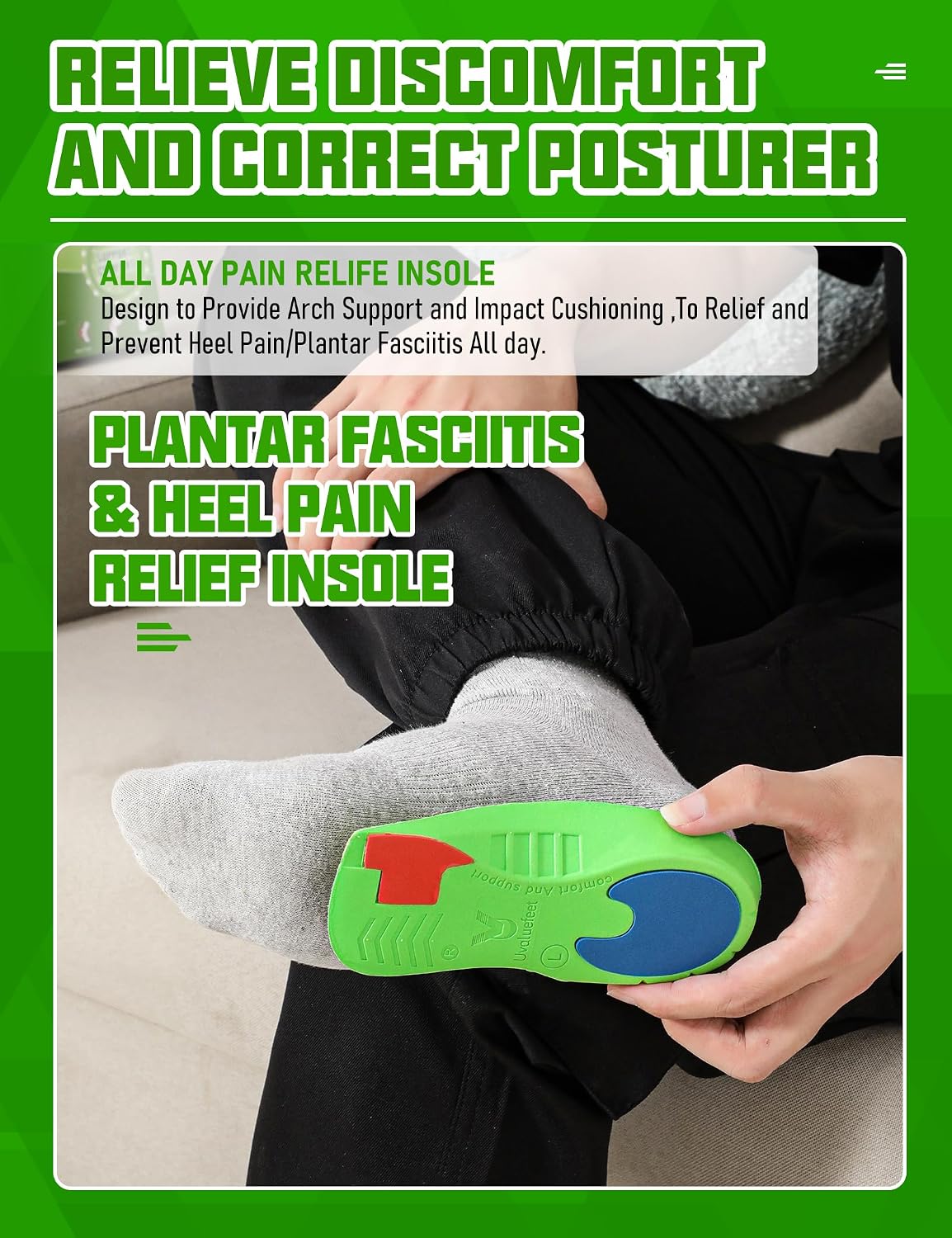
They’re described for plantar fasciitis, flat feet, overpronation, and Achilles tendonitis-related discomfort.
Will they fit different kinds of shoes?
The description states they fit nearly all shoe types, including trainers, casual shoes, work shoes, dress shoes, and boots—though very tight footwear may still feel different.
Is the cushioning aimed at heel pain?
Yes, the dual-cushioning design includes heel and forefoot pads, with the aim of reducing heel pressure and improving shock absorption.
Is it worth it?
Worth considering if you want 3/4 orthotic support for everyday use, especially if heel pain or arch pressure shows up during walking or standing and you’d benefit from a deep heel cup to reduce slipping. If you regularly wear shoes where toe space matters, the 3/4 format could be a practical advantage.
It might not suit you if your foot issue needs a very specific custom solution or if you’re likely to struggle with shoe fit changes once an insole is added. If you’re unsure, it’s sensible to start by checking whether your shoes have room for a removable insole and whether you can comfortably place the insert flat without crowding the toe box.