

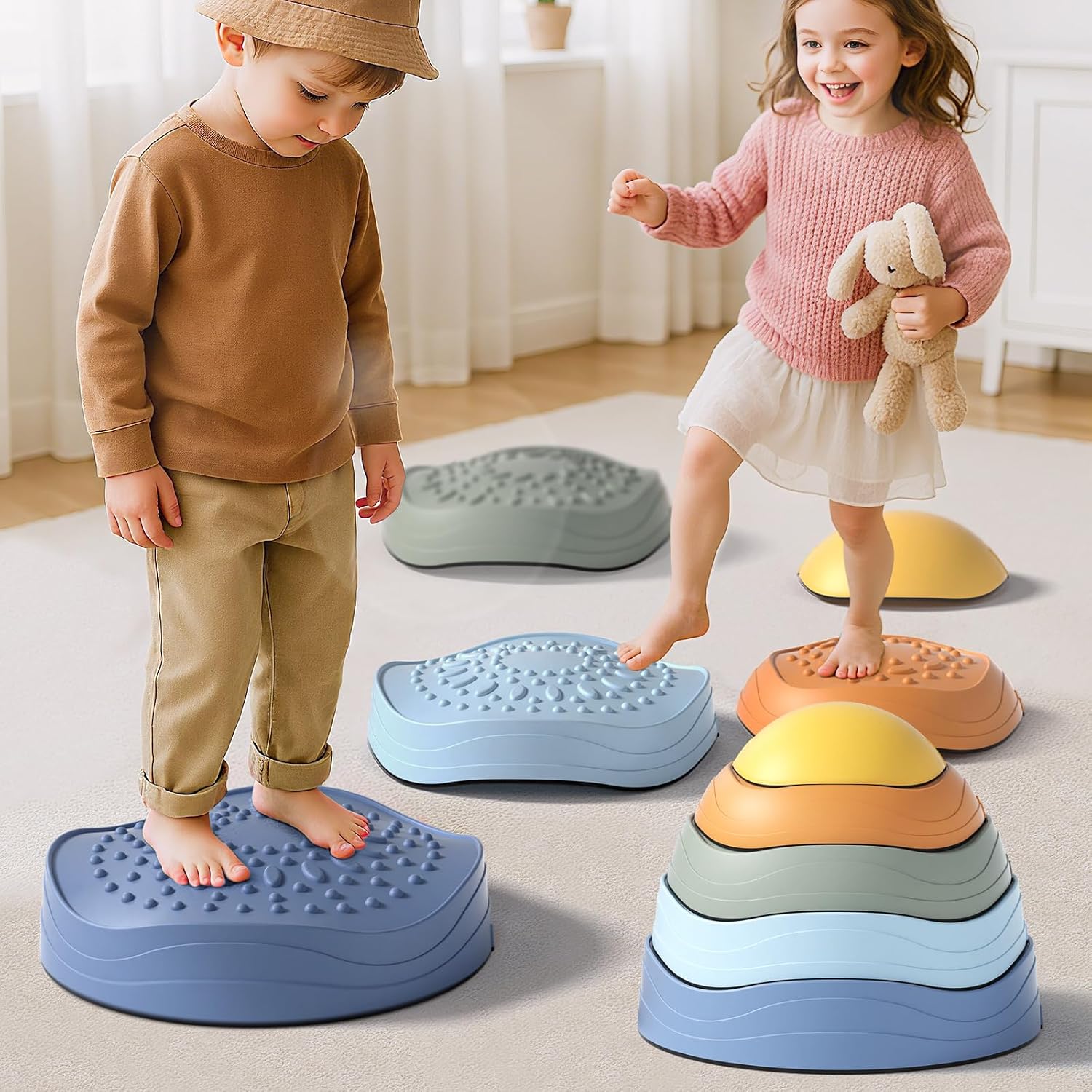
Lehoo Castle Stepping Stones for Kids (Age 3–5) – sensory balance stepping stones
Product description
What these stepping stones are for
Lehoo’s Castle Stepping Stones are playful, sensory-focused stepping stones designed for toddlers and young children, with the idea of supporting balance, coordination and exploratory play. The premise is simple: bright colours, varied textures and a curved surface can make moving over them more interesting than a flat floor—especially for children who learn well through hands-on activities.
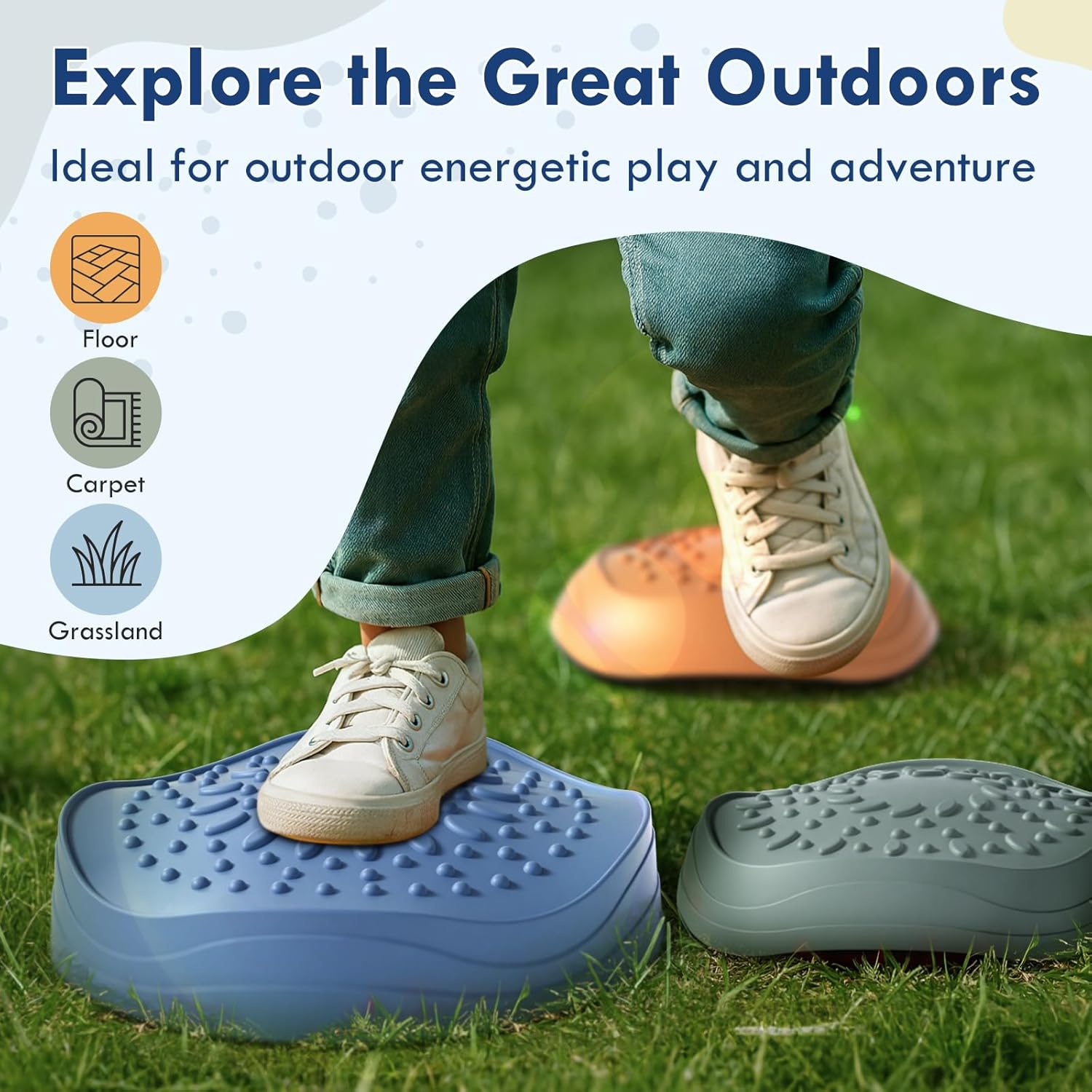
From a buyer’s point of view, these are best thought of as an at-home obstacle-course starter. You can use them in a hallway, living room, garden patio or a safe patch of outdoor space to encourage stepping, stepping-stops and “try again” movement. They’re also positioned as sensory toys for autism, so the experience is meant to engage touch, sight and balance at the same time.
Worth noting though: without detailed build information in the listing you’re using (materials, size, thickness), it’s difficult to judge how they’ll hold up to heavier day-to-day use or rougher outdoor surfaces.
Where it shines in everyday play
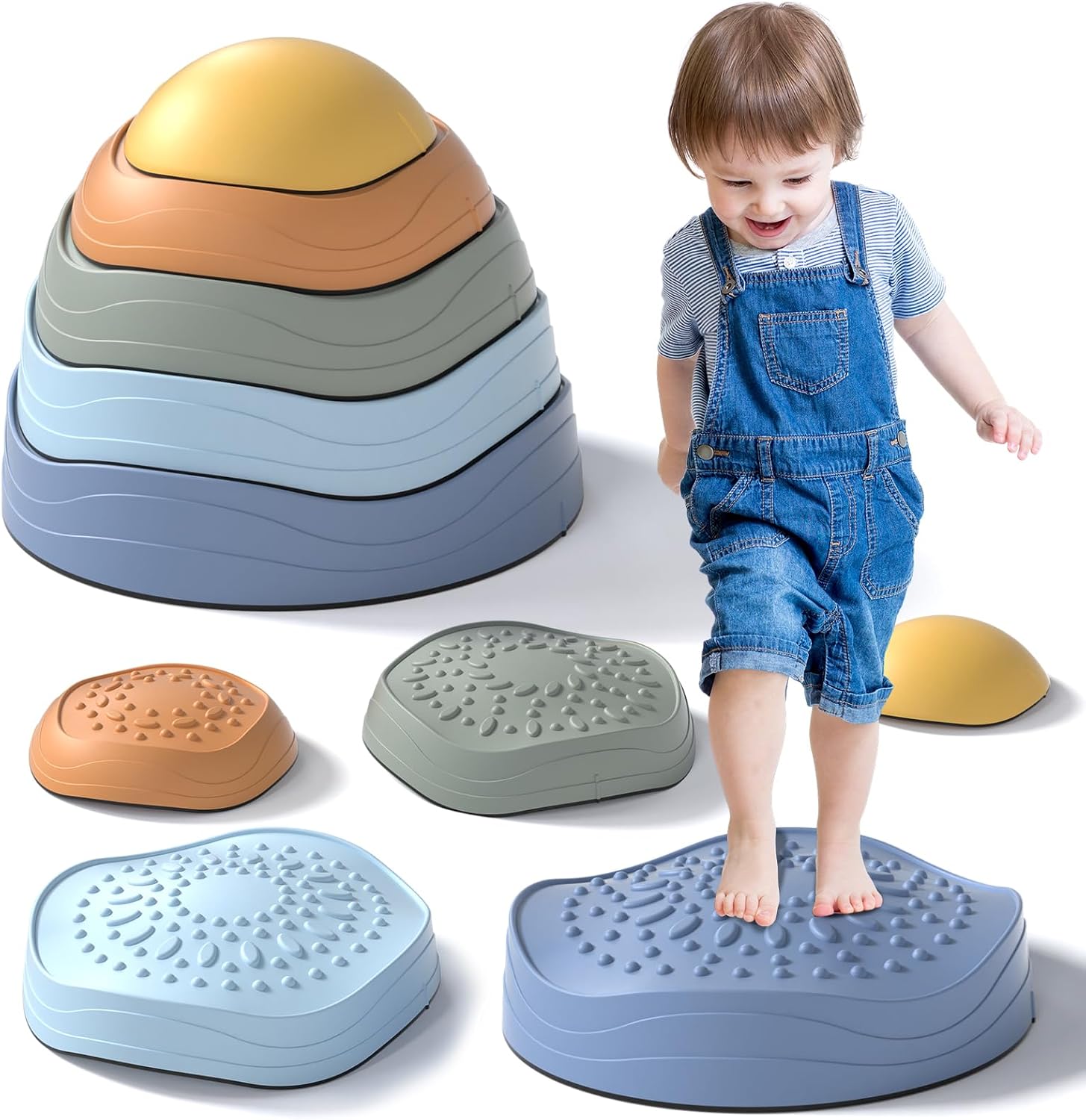
The combination of a curved surface and varied textures is the part that matters most for real use. It gives your child something to notice and respond to while moving—rather than just repeating the same step pattern. In practice, that can look like: - Setting them up as a short “castle path” across the room, then letting your child practise careful steps without needing instructions. - Turning it into a simple obstacle course: step across, pause at the end, then walk back and try again.
Because the design is aimed at sensory play, it can also be useful for families looking for activities that keep hands and feet busy at the same time. Bright colours help with visual interest, while textures can add a tactile “check” during movement.
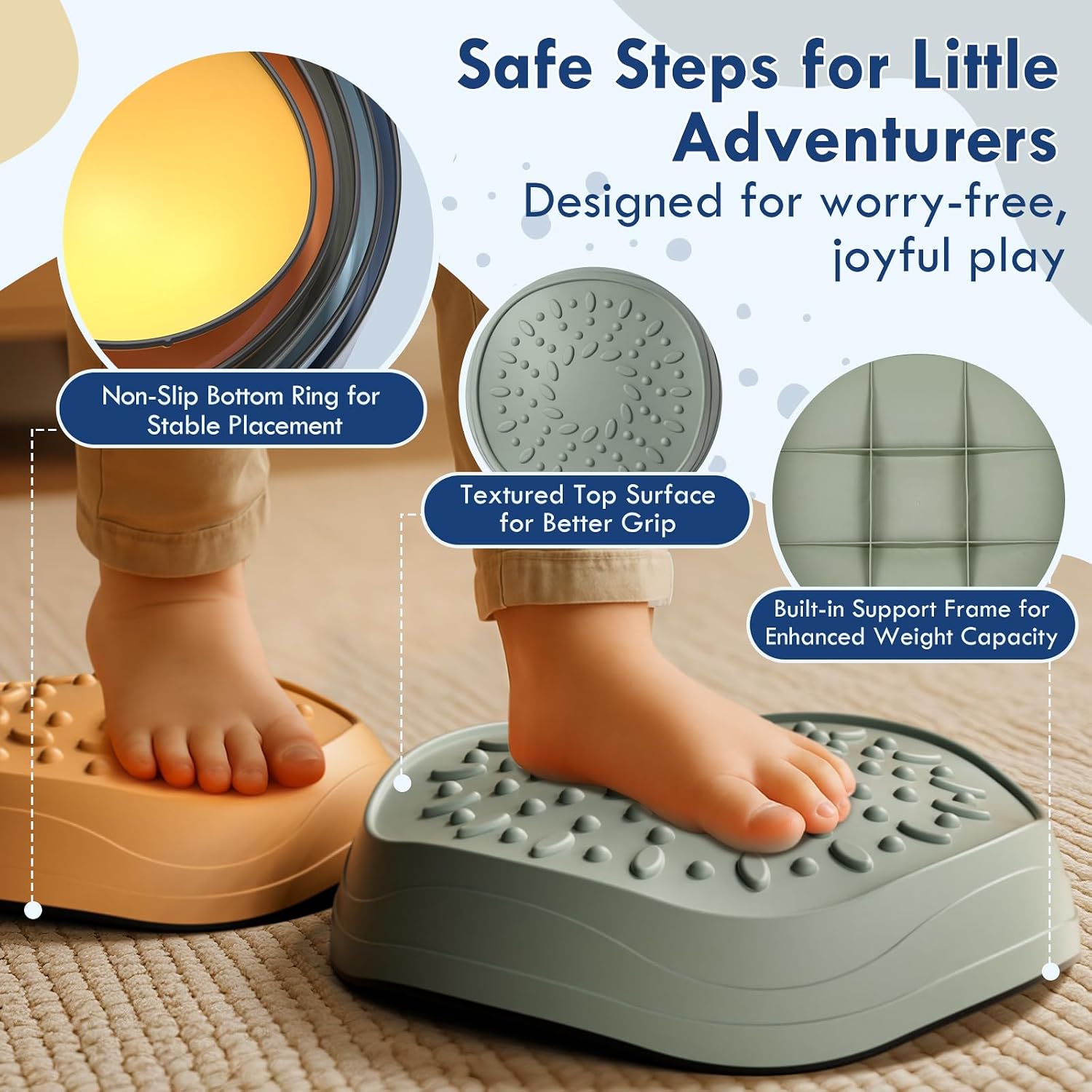
If you’re shopping specifically for a sensory routine—something you can use regularly without much set-up—these stepping stones fit that brief. They’re not a gadget, they’re a physical play setup that invites repeated use.
What to consider before you buy
The main limitation is simply the lack of concrete details in what you’ve provided. Before committing, it’s worth checking the listing for: - How non-slip they are in the conditions you care about (indoor smooth floors vs outdoor surfaces) - The overall size and weight, so you can picture the footprint in your home - What the stones are made from and how easy they are to clean - Any guidance on supervision and suitable play space
Also, while they’re marketed as sensory toys for autism, that doesn’t automatically mean they will suit every child. Sensory preferences vary a lot—some kids may like textures more than others, and some may prefer flatter stepping options.
Who they’re best suited for (and who might skip them)
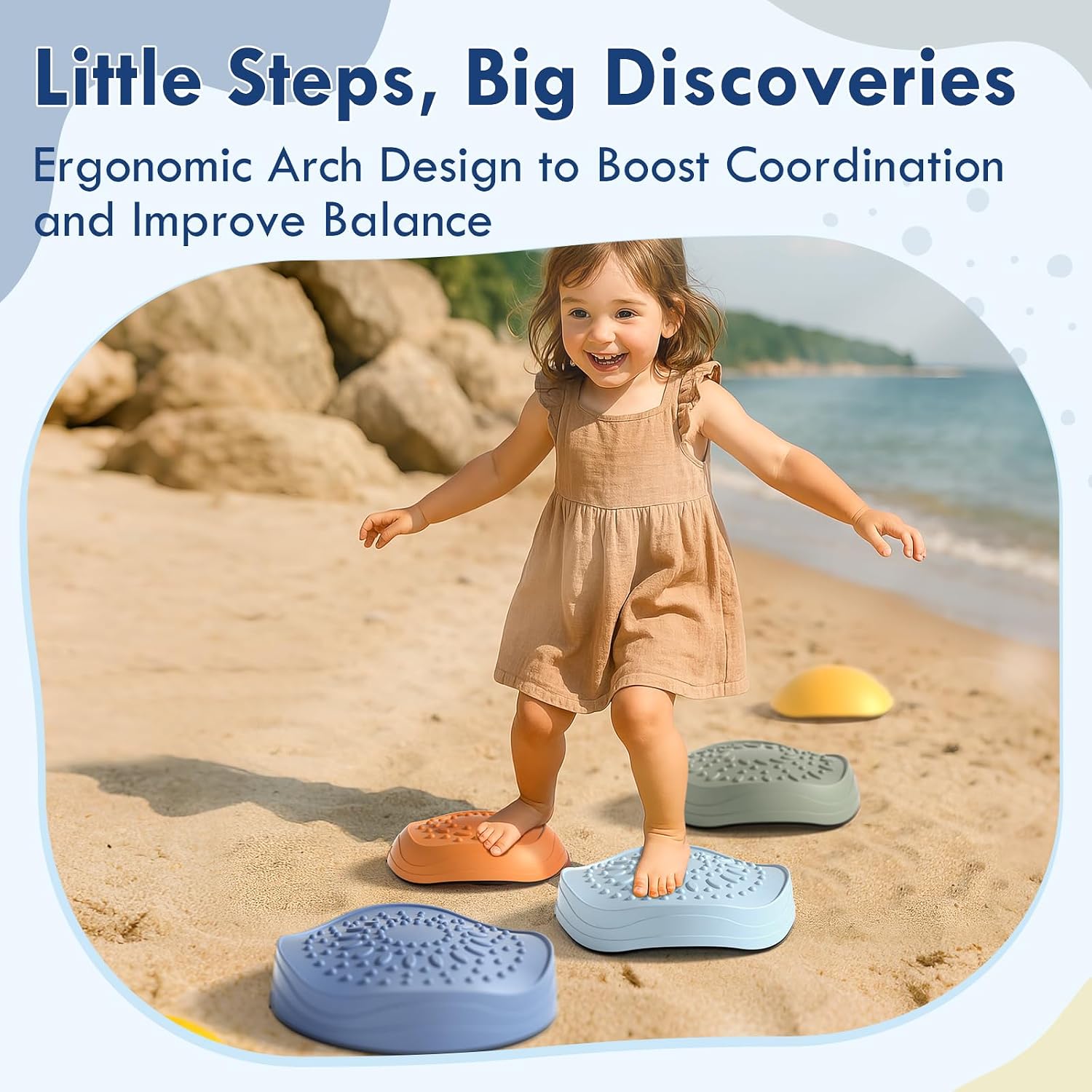
It makes sense if you’re after a simple, hands-on balance play setup for children around the stated age range. The “outdoor toy” angle and non-slip positioning suggest they can be used beyond indoor floors, as long as you’ve got a safe, appropriate area.
It might not be the best match if: - you need something with clearly documented safety specs or firm anti-slip performance details - your child is much younger/older than the target age range and you’re expecting it to work without adjustment - you’re looking for a long-term, high-impact physical training tool—these lean more toward sensory play and obstacle-course fun than structured fitness
Key takeaways for parents
If prioritising engaging sensory play, balance practice and imaginative movement, these stepping stones are a sensible option on paper. The curved surface and varied textures are the features most likely to make sessions feel different from plain floor games.
Still, for peace of mind, don’t rely only on the headline description. Check the listing details for dimensions, material and the non-slip claims in the exact conditions you’ll use—because that’s where these products often make or break the experience.
Is it worth it?
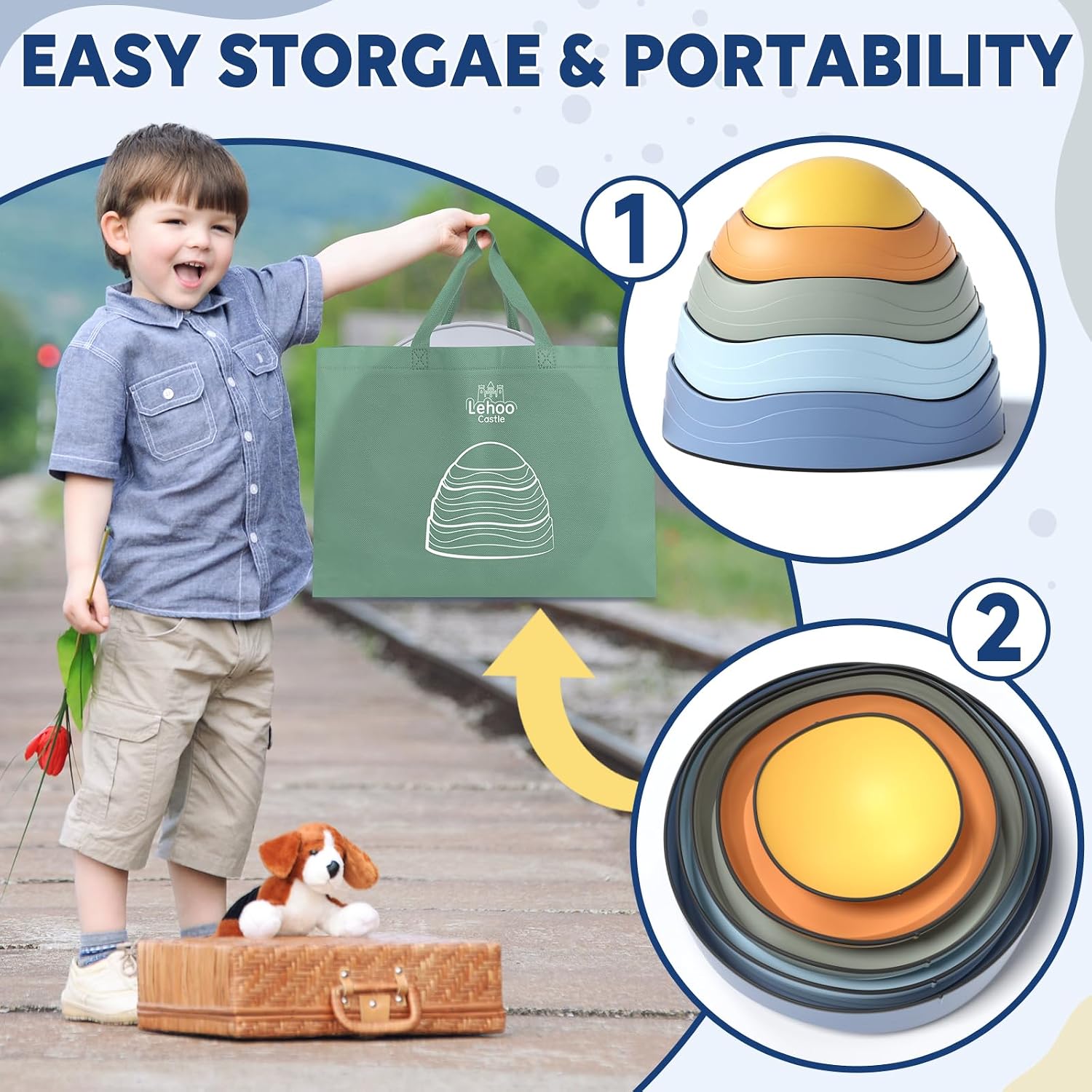
Buy these Lehoo Castle Stepping Stones if you want an easy-to-set-up sensory obstacle course for ages 3–5, and you’re specifically interested in balance stepping plus tactile and visual engagement. They’re the kind of toy you can bring out for short bursts of play, then put away, while still encouraging coordination.
You may want to skip them if the safety and durability details aren’t clear enough for your home environment, or if you know your child is very sensitive to textures/foot feel. In that case, you’ll likely get more confidence from options with more complete build and anti-slip information.
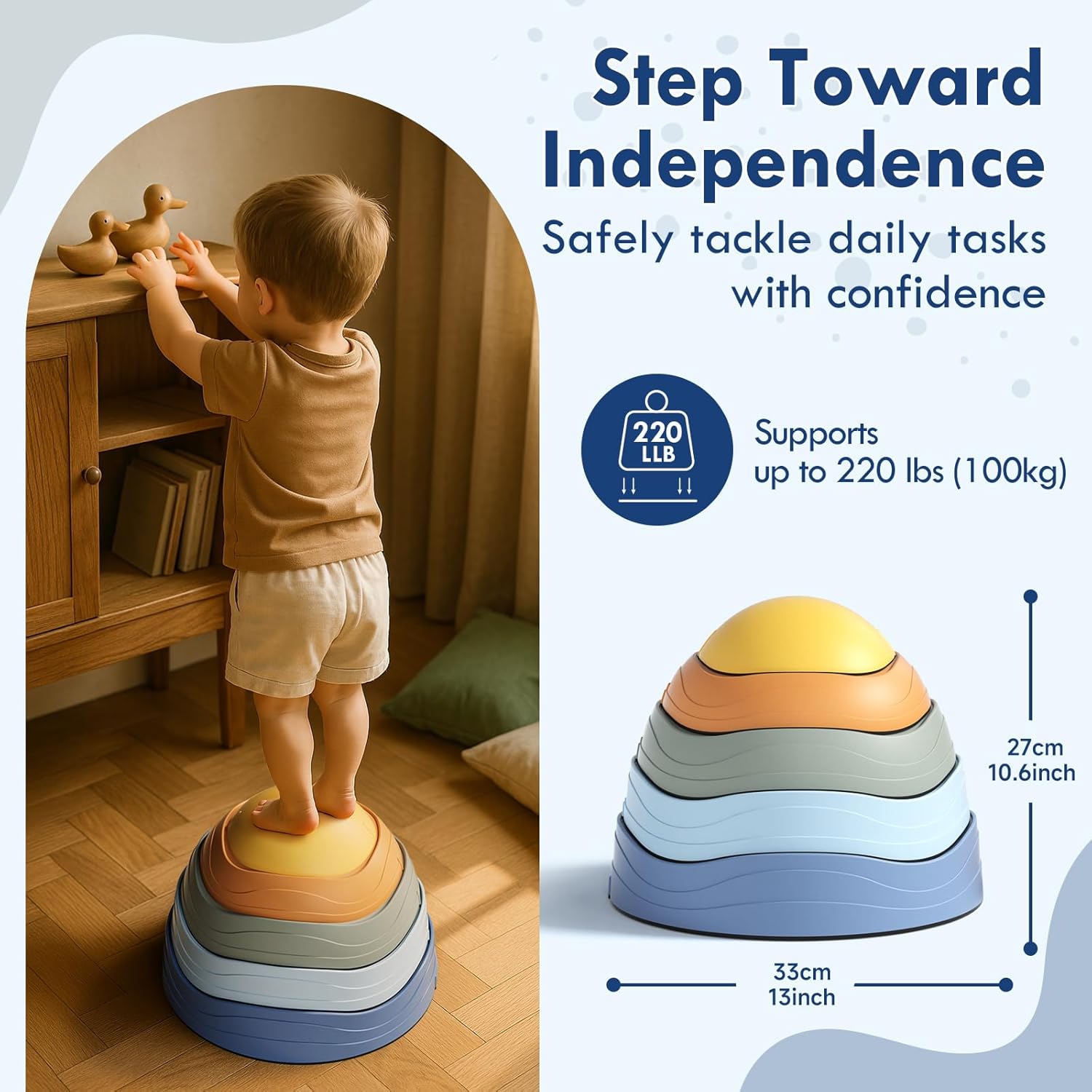
A practical rule of thumb: if you can confirm the non-slip behaviour and the size fits your space, they’re a worthwhile sensory play purchase. If you can’t, the appeal may stay theoretical.
Quick overview questions (FAQ)
Do these stepping stones work for indoor and outdoor use?
They’re described as non-slip outdoor toys, but the exact safe use depends on the surface. Check the listing details for non-slip performance and suitable play areas.
Why are they marketed as sensory toys for autism?
The description points to engagement of touch, sight and balance through bright colours, varied textures and a curved surface. That sensory angle is the core of the design.
What ages are they aimed at?
They’re stated for kids aged 3–5.
What kind of play can you do with them?
On paper, they fit obstacle-course style play and imaginative stepping activities—think crossing a path, pausing at the end, or repeating a short route.