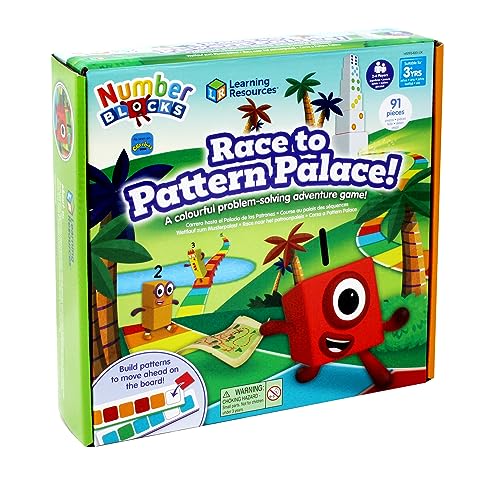
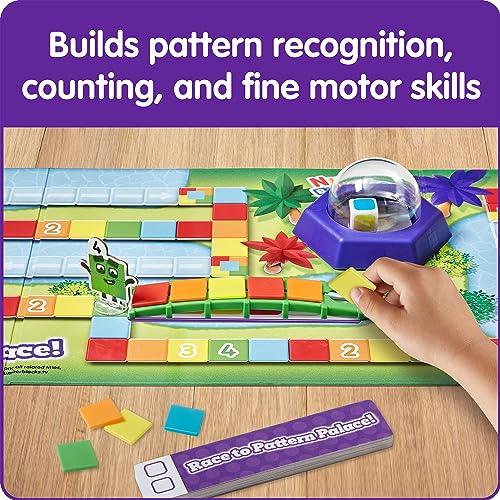
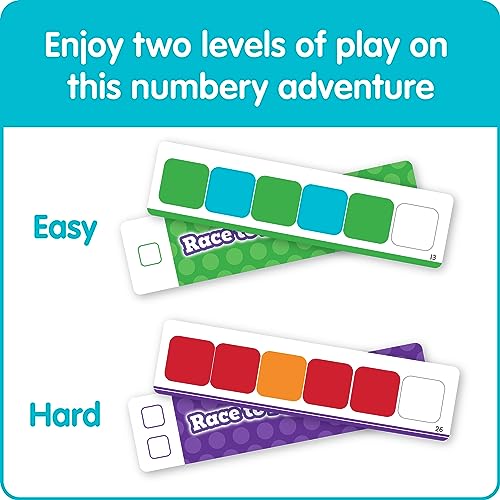
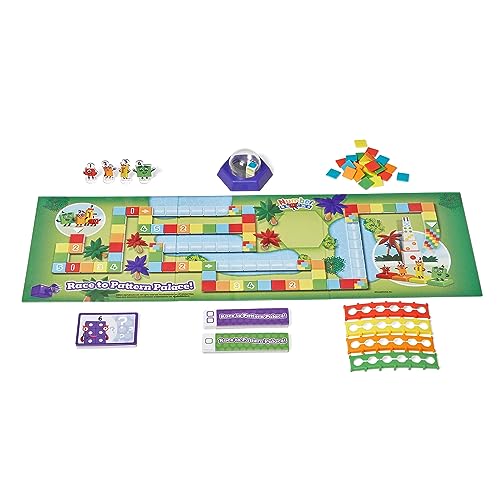
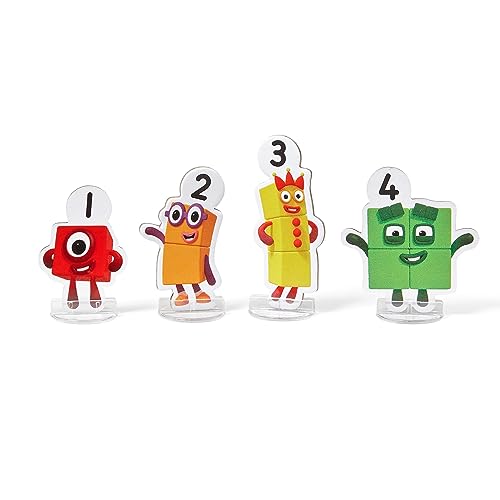
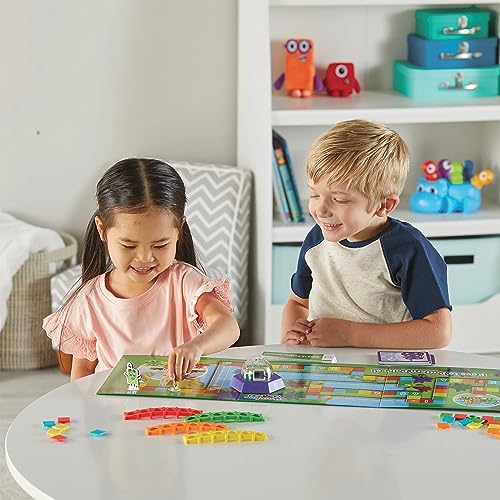
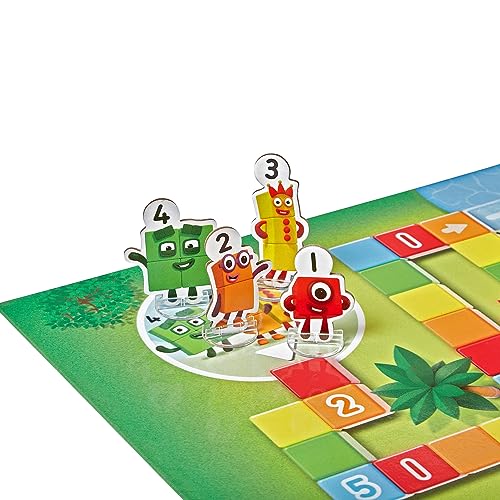
What it is and what it aims to solve\nThe Learning Resources Numberblocks Race to Pattern Palace is a colourful, story-inspired board game for 2–4 players aged 3 and up. It invites children to recognise colours and patterns, count along the way, and develop fine motor skills by racing to Pattern Palace. On the page, the product sits as a practical learning tool that blends play with early maths concepts, rather than a dry workbook. On the surface, it resembles a race game, but the core aim is pattern and colour recognition, with counting woven in to keep the pace engaging for young learners.\n\n## How it works in practice\nPlayers move their pawns around the board by rolling a die kept secure in a dice popper, which helps reduce misthrows in a classroom or home setting. The game includes bridge tiles and cards that enrich the pattern-building activity, giving kids opportunities to compare shapes, duplicate patterns, and anticipate what comes next. The structure is deliberately simple to start with, then scales up a little for more advanced play. If you value a toy that remains useful as your child grows, this two-level design aims to deliver that, though the jump between levels isn’t heavy or intimidating.\n\n## What stands out day-to-day\nThe set contains a sizeable mix of components: a game board, dice popper, 4 player pawns, 25 bridge tiles, 4 bridges, 16 Six’s Trick Cards, and 40 pattern cards. This breadth means it can offer varied rounds and keep young minds engaged without constant repetition. It’s easy to set up and reasonable to store, making it suitable for classrooms, playgroups, or family play at home.\n\n## Suitability: who it’s for\nIt’s pitched at early years (3+) learners who enjoy Numberblocks and the related patterns-and-colours theme. If your child is just beginning with counting or pattern recognition, the lower level should feel approachable. If you’re seeking a more routine, independent activity, this game still requires guidance and interaction, so it’s not a solo task.\n\n## Pros and why it may work for your family\n- Combines familiar Numberblocks characters with tangible pattern activities, which can help sustain interest.\n- Two levels of play support progression as a child develops.\n- The dice popper is a practical touch for classroom or group play, reducing spill and disputes over dice.\n- No batteries are required, so it’s ready to play without a tech setup or charging routine.\n\n## Cons and limitations to consider\n- It may not captivate children who need more dynamic, fast-paced challenges beyond basic patterns and counting.\n- The depth of learning is modest, for faster progress or deeper maths, you may want more advanced resources.\n- The visual theme relies on Numberblocks familiarity, which helps some kids more than others.\n\n## Before you buy: what to check\n- Ensure the child enjoys Numberblocks or pattern-based activities.\n- Consider whether you’ll use it mainly at home or in a small classroom setting, as social play dynamics are part of the experience.\n- Look at space for cards and tiles, a larger table helps with group play.\n\n## Practical usage example\nPicture a quiet afternoon where a parent and child roll the dice, place a bridge tile, and build a sequence of patterns on the board. The child explains what colour or shape comes next, reinforcing early counting as they move pawns forward. The shared activity can become a gentle routine that blends gaming with learning.\n\n## How this compares to other approaches\nIf you like physical, hands-on pattern work over digital apps, this game offers a tangible, social alternative. It sits between a simple colour-match toy and a more involved maths board game, making it a reasonable middle-ground option for families seeking collaborative play rather than screens.\n\n## FAQ\n- Is it suitable for 2 players? Yes, it supports 2–4 players.\n- Do you need any prep before playing? The game is designed for easy setup, no batteries required.\n- Can it be used as a classroom activity? It works well in small groups, with the dice popper helping to manage turns.\n\n## Final verdict\nIf you prioritise a lightweight, collaborative maths-based game that grows with a child, this offers a sensible blend of pattern work, counting practice and social play. It won’t replace more comprehensive maths resources, but it can sit nicely alongside them as a regular, approachable learning activity.