

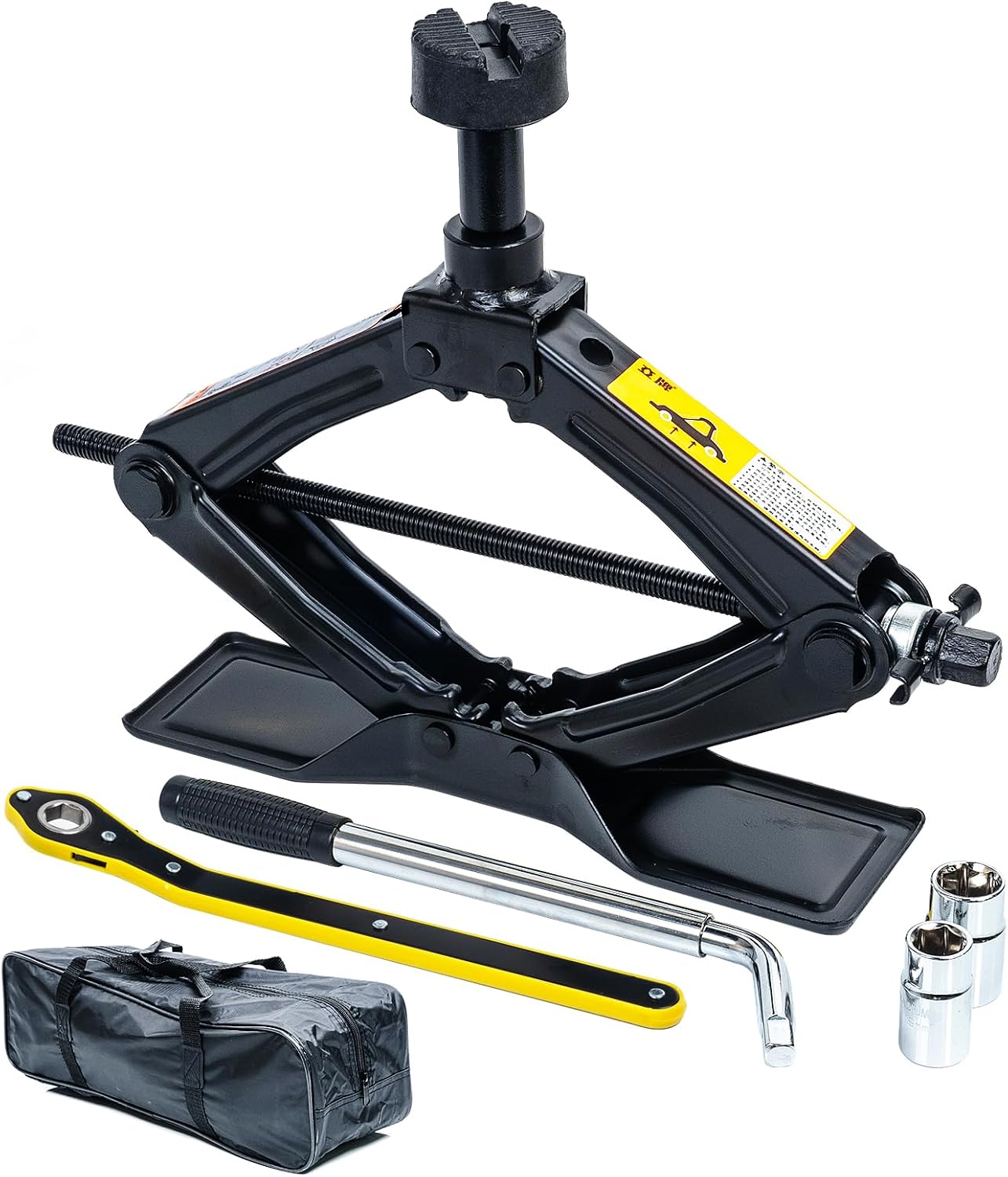
LEADSTAND 2-ton scissor jack with drill conversion head (labour-saving design)
Product description
What it is and why you’d want it
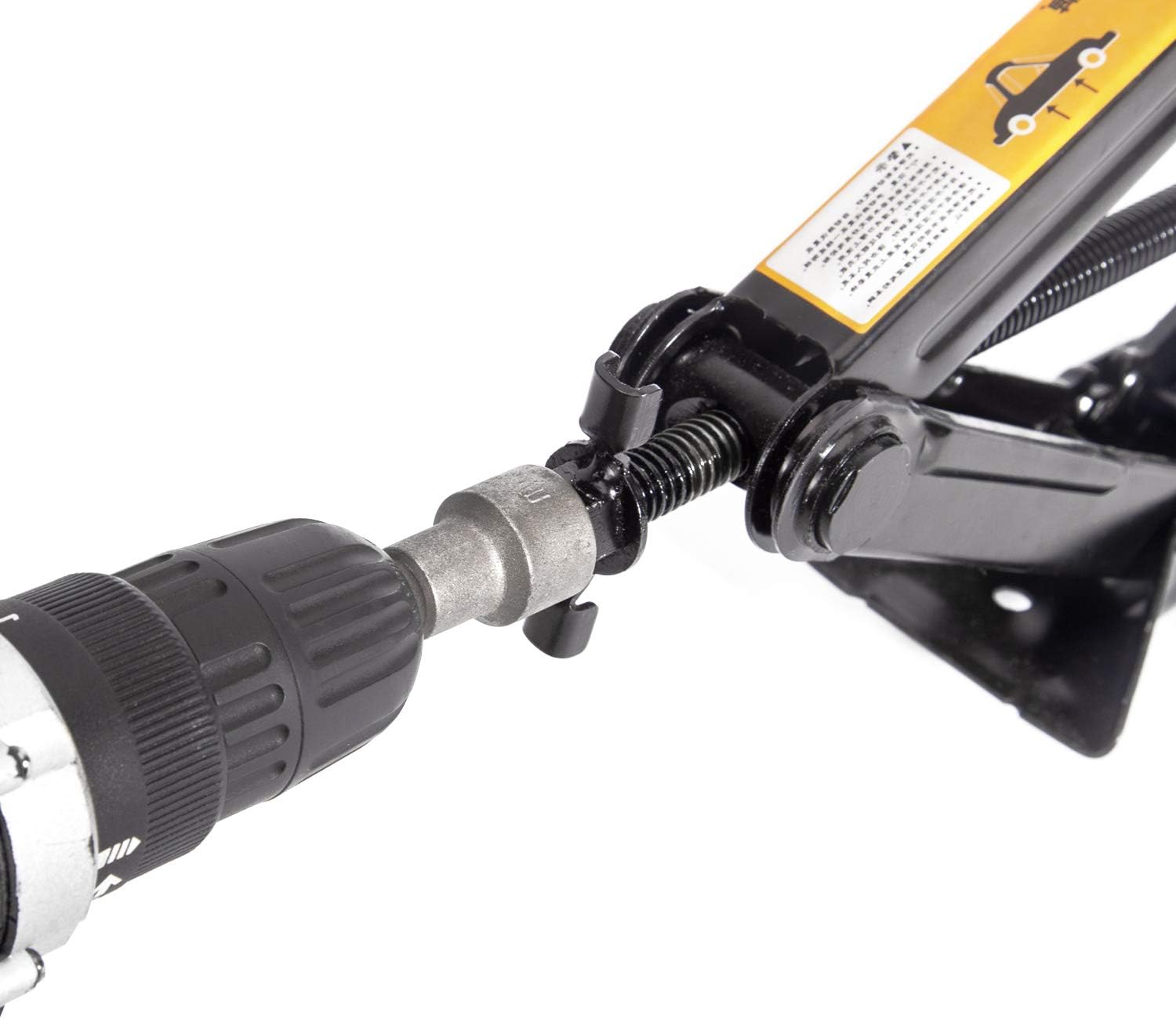
This LEADSTAND scissor jack is built for one job: lifting a car safely enough for roadside or home use, with a more “hands-off” approach than traditional jacks. The standout idea is that it can be operated with an electric drill (using the included conversion head), or with a ratchet wrench. Over the years, that sort of flexibility tends to matter when you’re dealing with a flat tyre in the cold, in a tight driveway, or when you simply don’t want to wrestle with a manual mechanism.
On paper, it’s aimed at everyday drivers who want something straightforward for common vehicle types rather than a heavy, specialist piece of equipment. That said, you should still treat any jack as a serious safety tool and double-check that it suits your vehicle and use case before relying on it.
Key features that affect real use
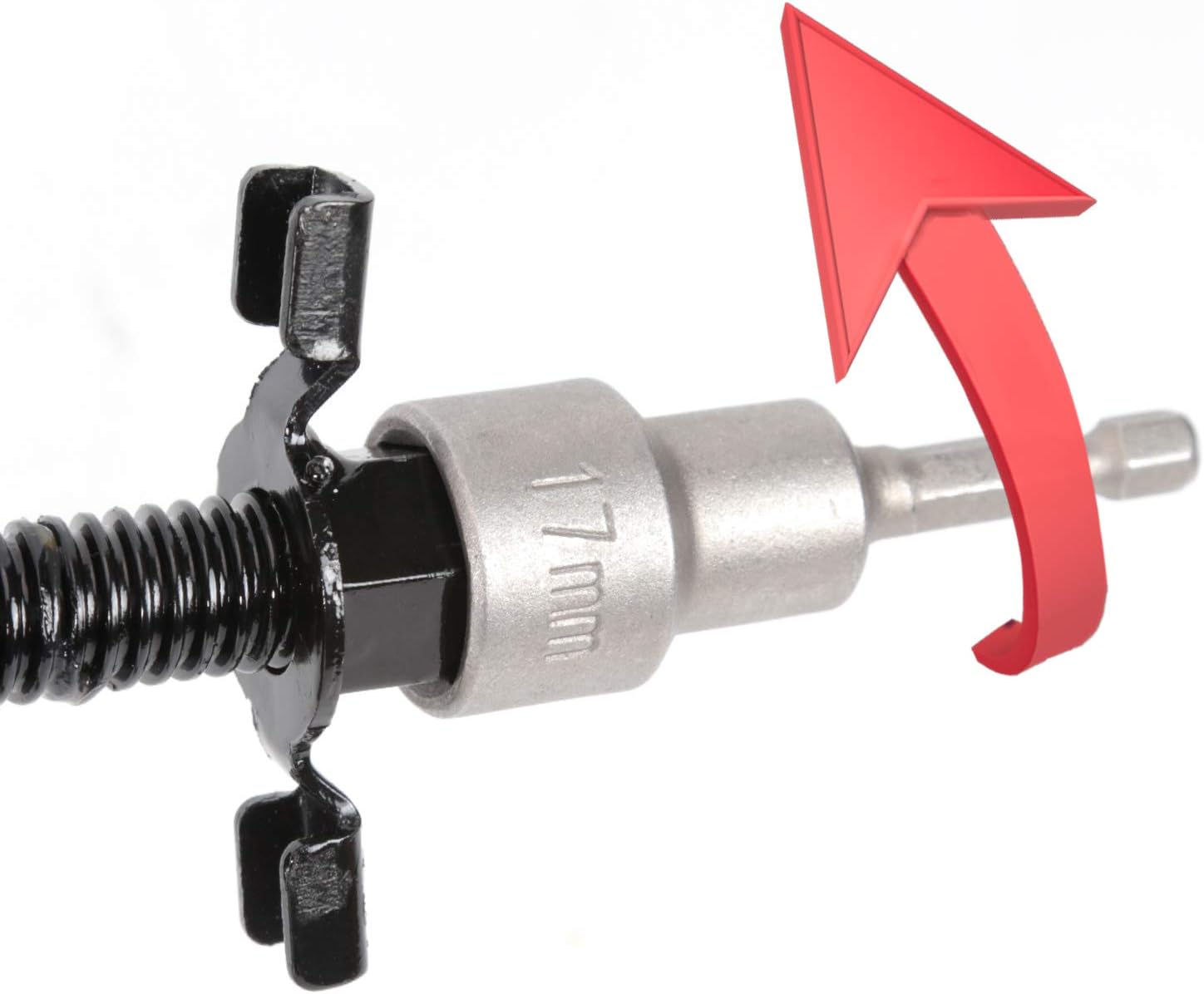
The main selling point here is the labour-saving design. Instead of manual operation, the jack uses a “special electric drill bit conversion head”, which means the lifting action can be driven by a drill. If you’ve ever used a conventional scissor jack, you’ll know the difference is mostly about effort and speed.
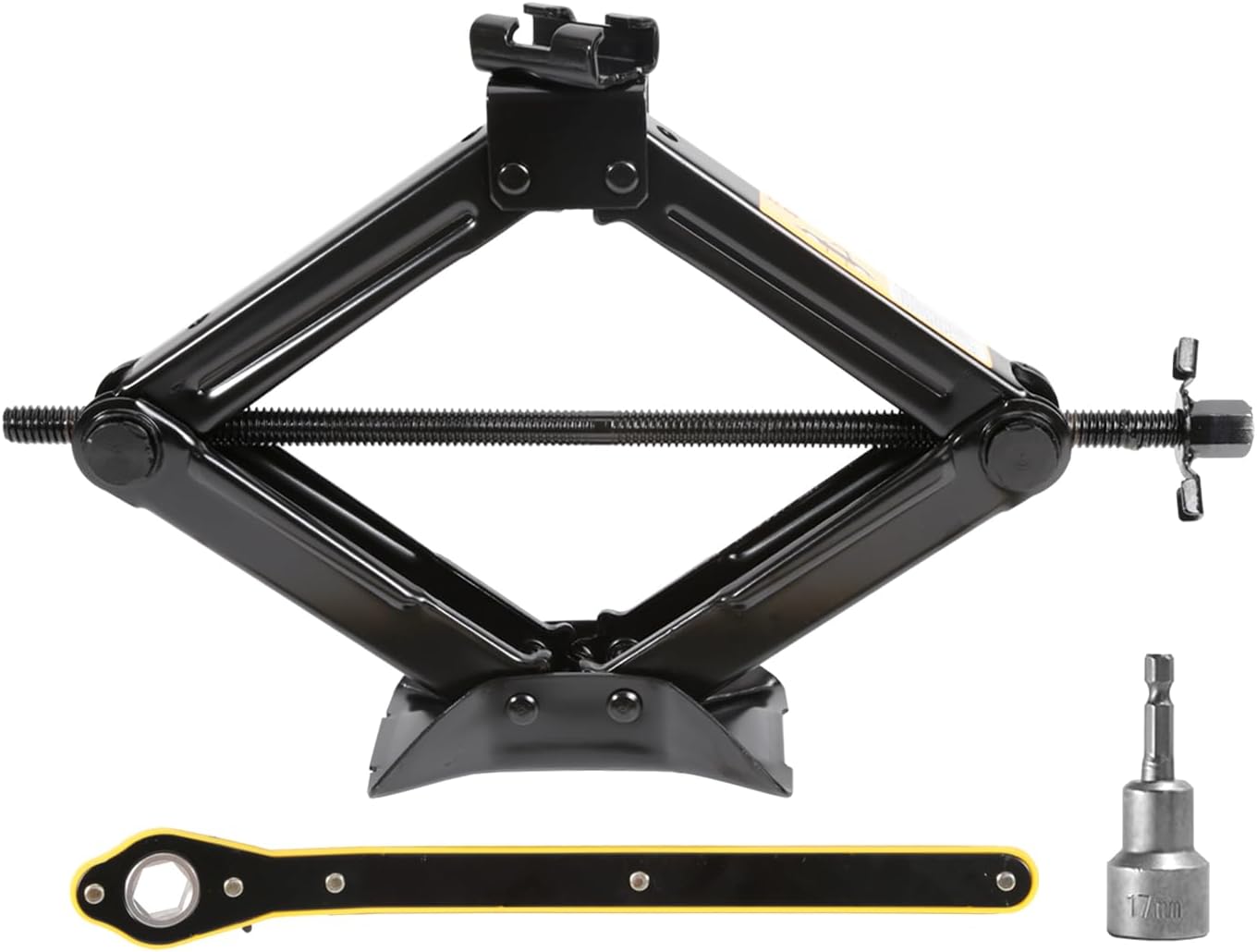
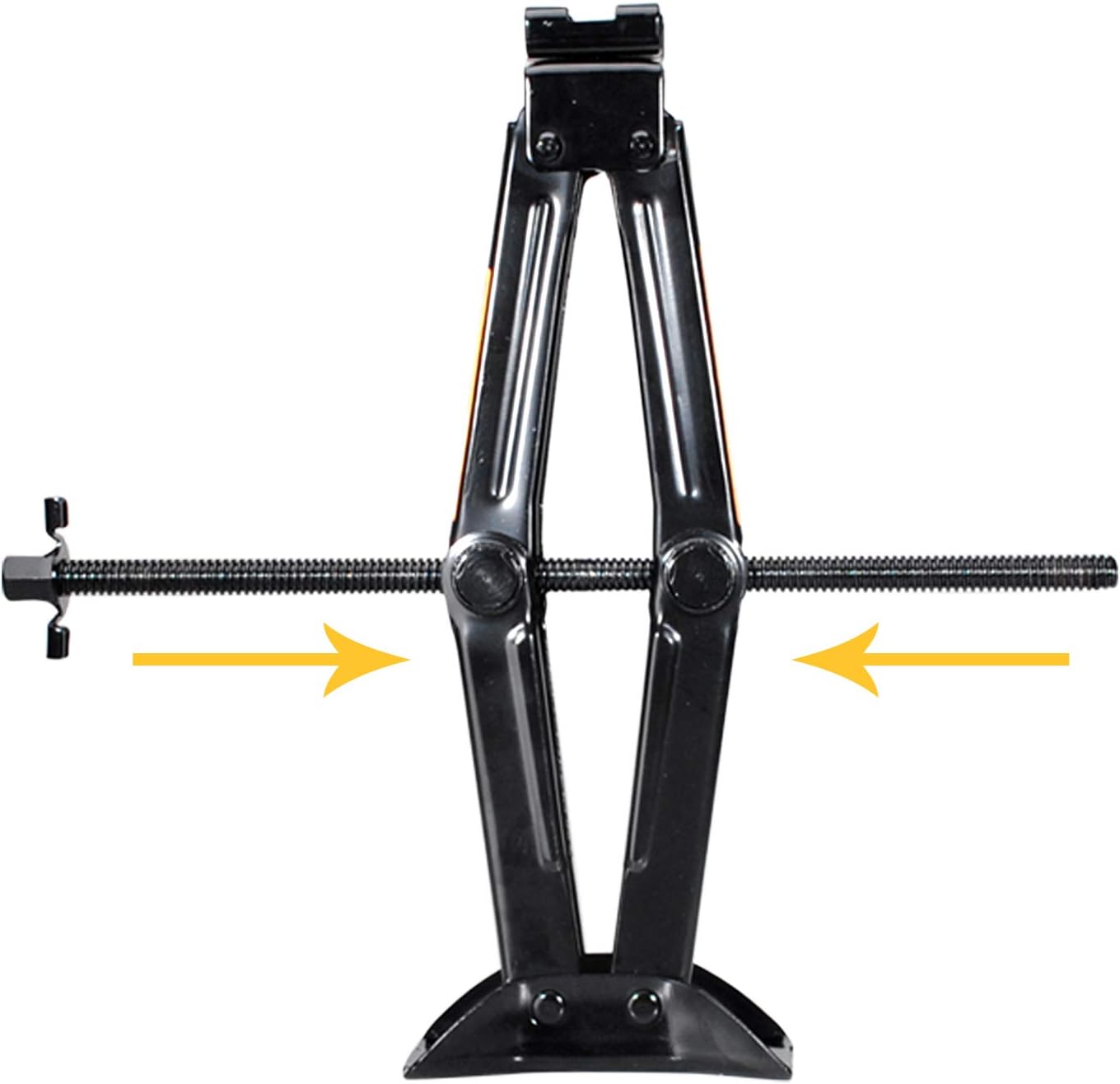
It also mentions a time-saving thread design: a reverse double thread rod described as being “100% faster than conventional unidirectional threaded rods”. The practical takeaway is simple: fewer turns/less crank time, especially when you’re trying to get back on the road quickly.
There’s another practical angle: being able to switch between an electric drill and a ratchet wrench can help if you don’t have the battery/power situation you hoped for. In the real world, that’s often where these “conversion head” jacks earn their keep.
What vehicles it’s suitable for
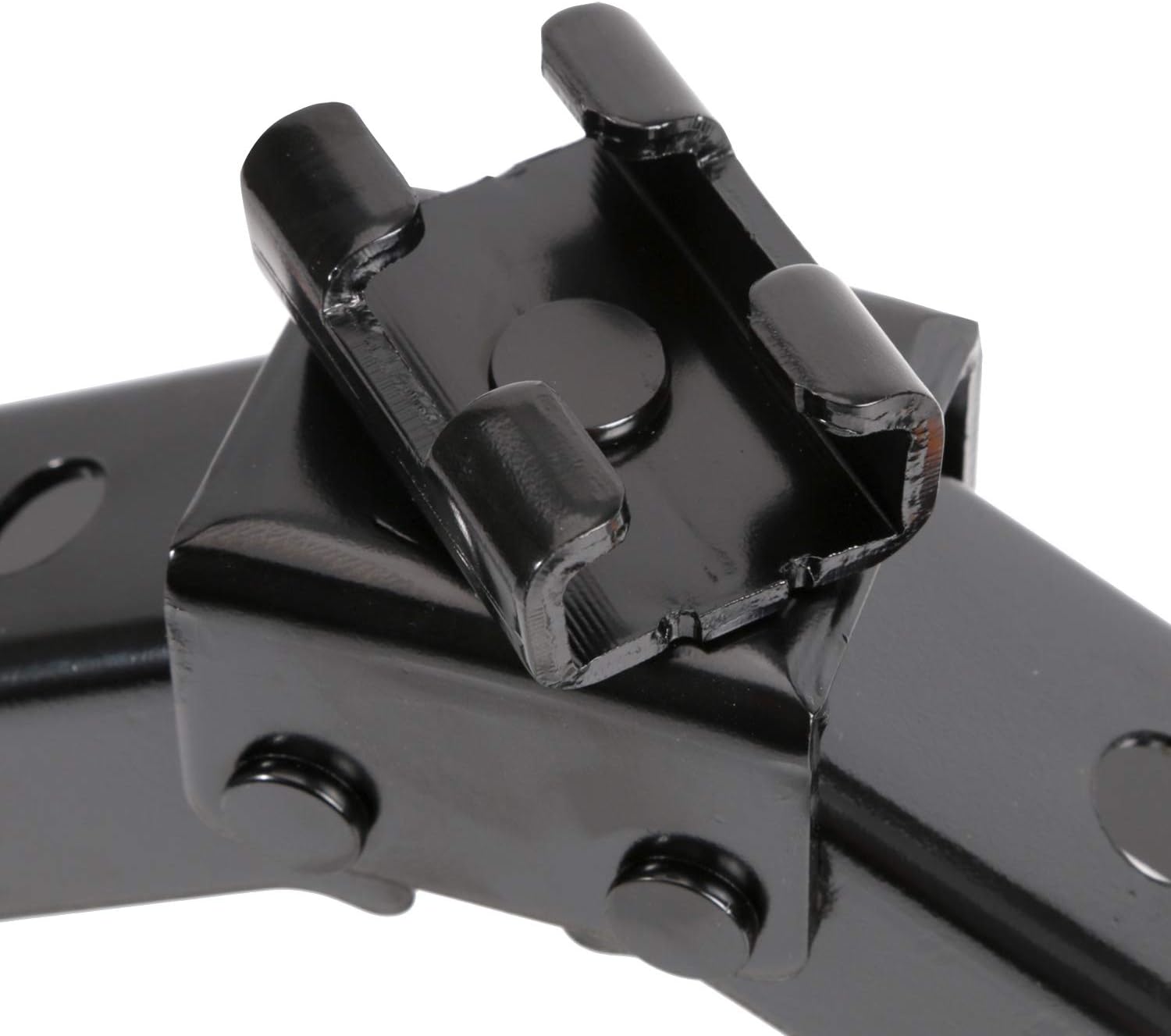
The description says it’s suitable for “any vehicle” in a fairly broad sense, including sedans, coupes, SUVs, MPV, hatchback, crossover and wagon models. That breadth is useful when you’re shopping for a jack that you won’t immediately outgrow.
However, the one limit you shouldn’t ignore is the rated load: it states 2.0 tons (4409lbs). For obvious reasons, that rating should be considered against your vehicle requirements (and any safe working approach you follow). If your vehicle’s needs are on the high side, this could end up being the wrong size.
What stands out, and where it may feel limited
Where it looks most convincing is convenience. An electric drill-driven scissor jack can feel noticeably less draining, particularly if you’re working alone. The reverse double thread rod concept is also the kind of improvement you notice in use, because it reduces repetitive effort.
That said, it’s not perfect for every situation. If you prefer a totally self-contained setup with no tools needed, you may find the drill requirement (or the drill conversion step) a bit more involved than a purely manual jack. Also, if you often lift for longer jobs rather than quick tyre changes, the scissor-jack format may be something you want to rethink depending on your routine.
So it’s a strong pick for quick, practical lifting—just don’t assume it’s a substitute for proper safety procedures or for equipment that’s better suited to heavy, frequent lifting.
Tech specs (from the provided details)
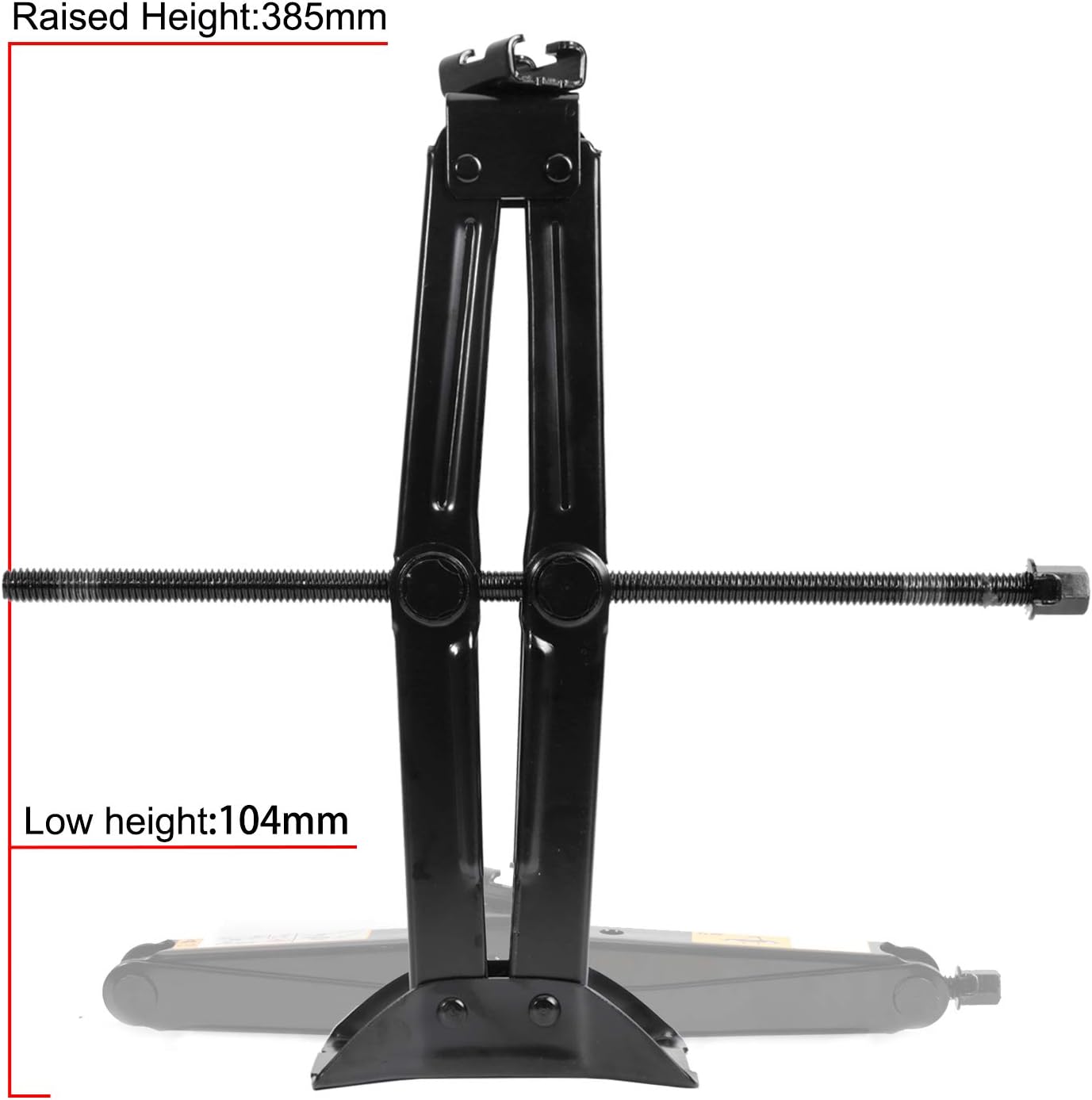
- Name: LEADSTAND Scissor Jack with drill conversion head
- Type: Scissor jack
- Load capacity: 2.0 tons (4409lbs)
- Design: labour-saving operation
- Compatibility note: can be operated with an electric drill or a ratchet wrench
Pros, cons and quick decision guide
Pros you’ll likely notice: - Labour-saving operation via electric drill conversion head - Option to use a ratchet wrench if a drill isn’t available - Reverse double thread rod design aimed at reducing the time/effort versus conventional unidirectional setups
Where you should be careful: - The stated 2.0 tons capacity (4409lbs) means you must check it fits your vehicle and safe lifting approach - If you don’t want any dependency on a drill, you may prefer a simpler manual-only jack
Worth considering if you want a practical roadside/home jack for common car and SUV types and you value speed and reduced crank effort. It might not suit you if your priority is a fully tool-free setup, or if your vehicle’s lifting needs push beyond the stated load rating.
How to use it in a typical scenario
Imagine you’re changing a tyre outside on a driveway: you position the scissor jack at the correct lift point, connect the electric drill using the conversion head, and run the mechanism to raise the wheel to the required height. When you’re done, you reverse the process to lower it smoothly.
The point isn’t to “make it complicated” — it’s that the drill-driven approach can reduce the amount of physical work compared with turning a handle for every inch of lift. Still, keep your eyes on stability and placement as you go.
Is it worth it?
This LEADSTAND scissor jack is worth buying if you want a 2.0-ton jack for everyday vehicle use (cars and SUVs are explicitly mentioned) and you appreciate the labour-saving, drill-driven approach to lifting. The option to use a ratchet wrench as well is a sensible backup, especially when a drill might not be conveniently ready.
You may want to skip it if you’re sensitive to needing extra tools, or if your vehicle is near the edge of what a 2.0 tons rating can reasonably handle. In general, if you’re buying for light, routine jobs like tyre changes and you like the idea of faster operation, it fits that purpose well—just don’t ignore capacity checks and safe lifting habits.
Mini FAQ
Can it be used without an electric drill?
Yes. The description says it can be operated with an electric drill or a ratchet wrench, so you’re not locked into one tool.
What load capacity does it have?
It’s listed as 2.0 tons (4409lbs). You should confirm that this matches your vehicle and safe working requirements.
What vehicles is it designed for?
The listing states suitability for a range of vehicles including sedans, coupes, SUVs, MPV, hatchbacks, crossovers and wagons.
Does the design help with speed?
The description claims a reverse double thread rod design that is 100% faster than conventional unidirectional threaded rods—so the intended benefit is less time and effort during lifting.