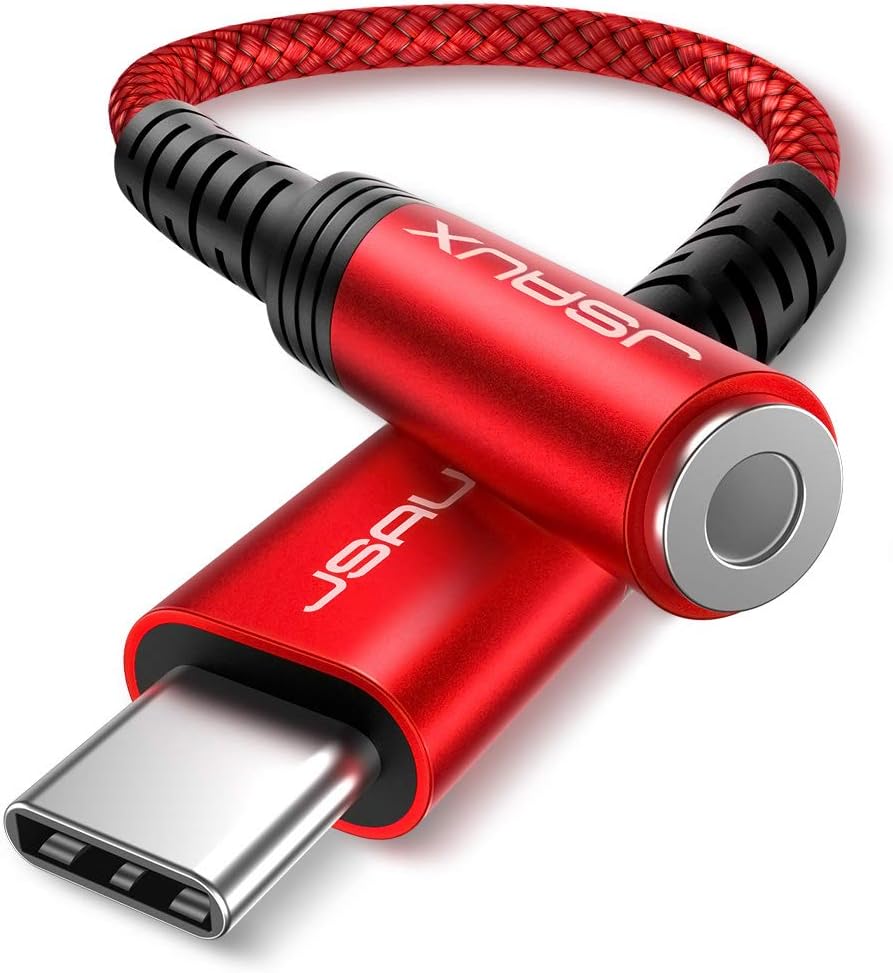
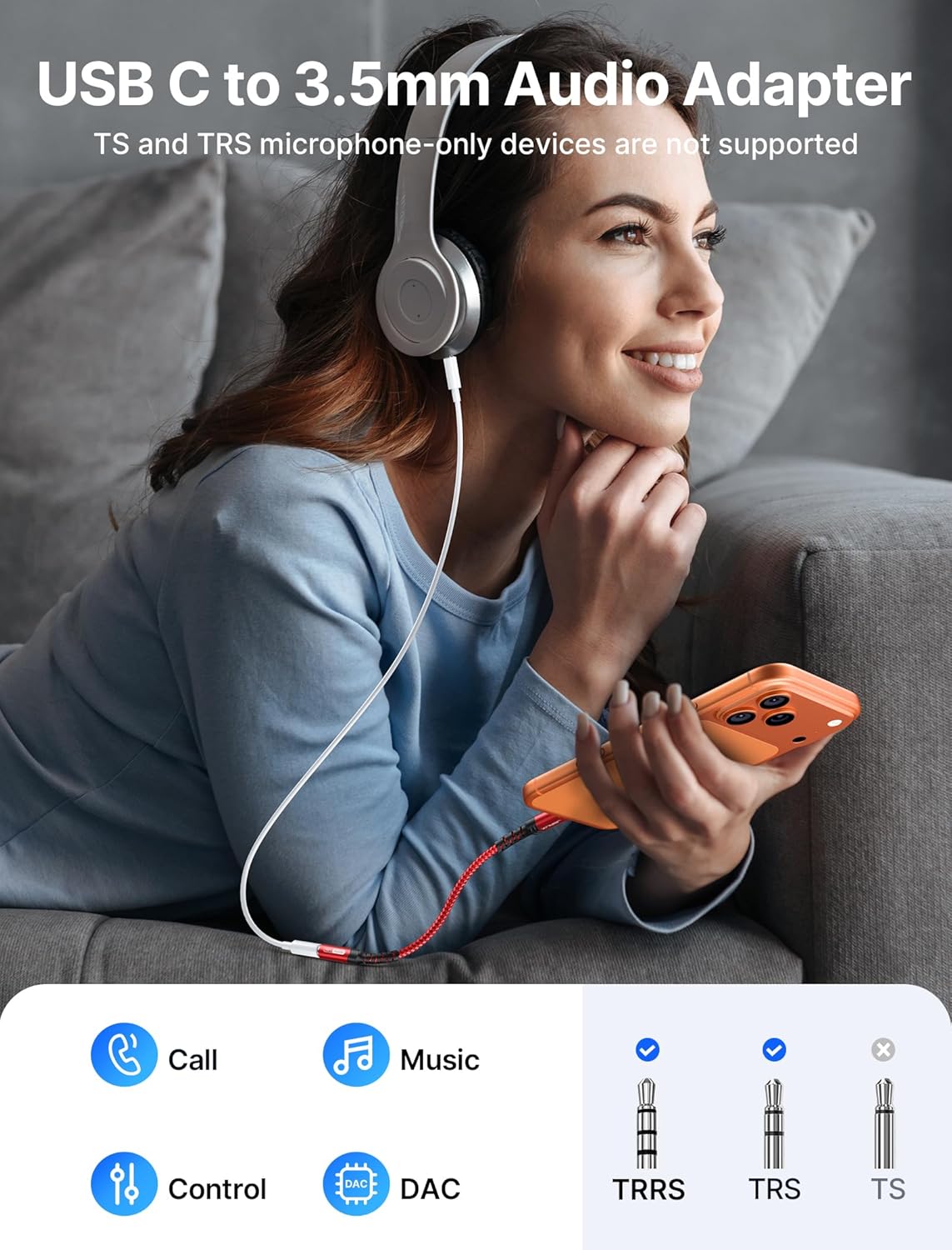
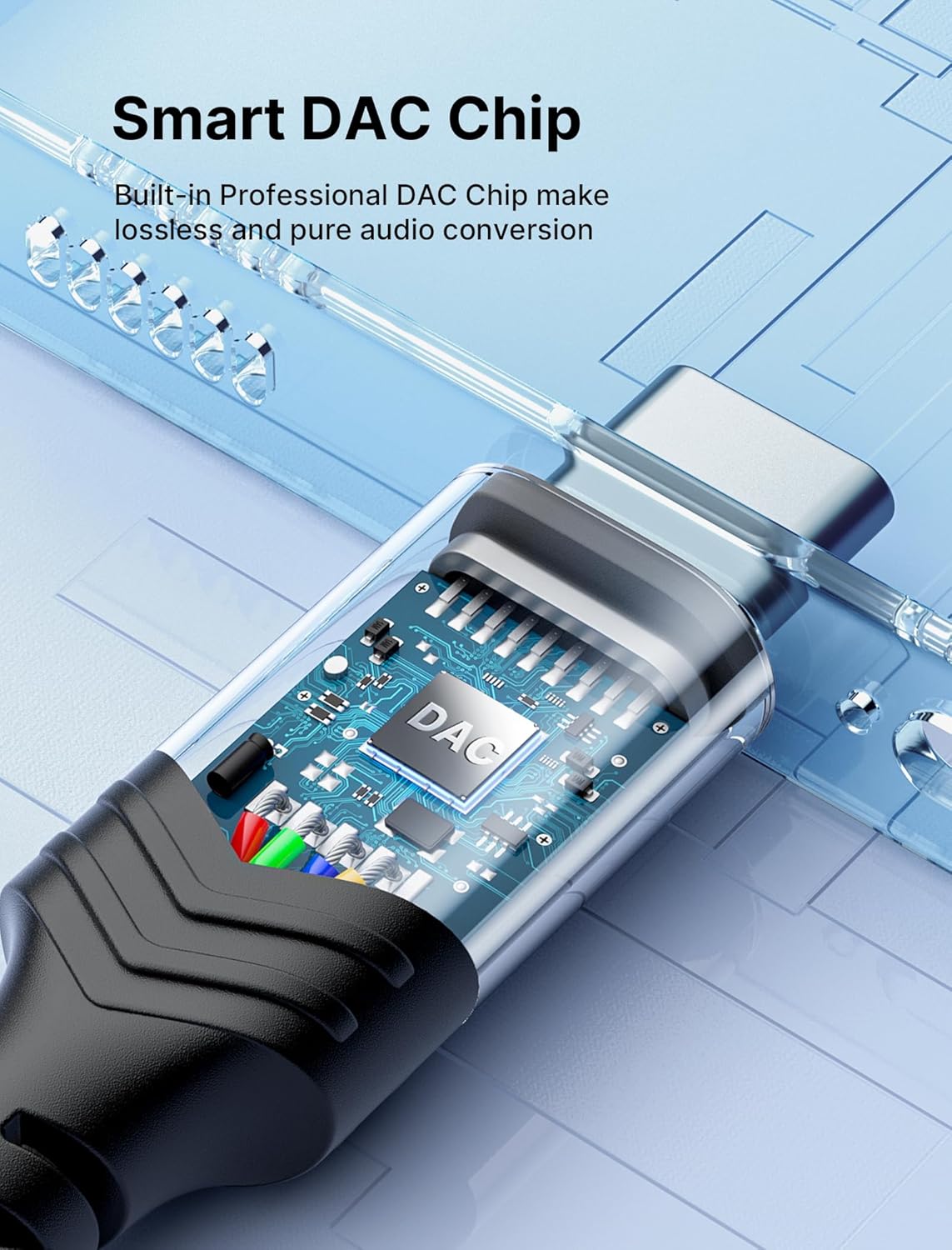
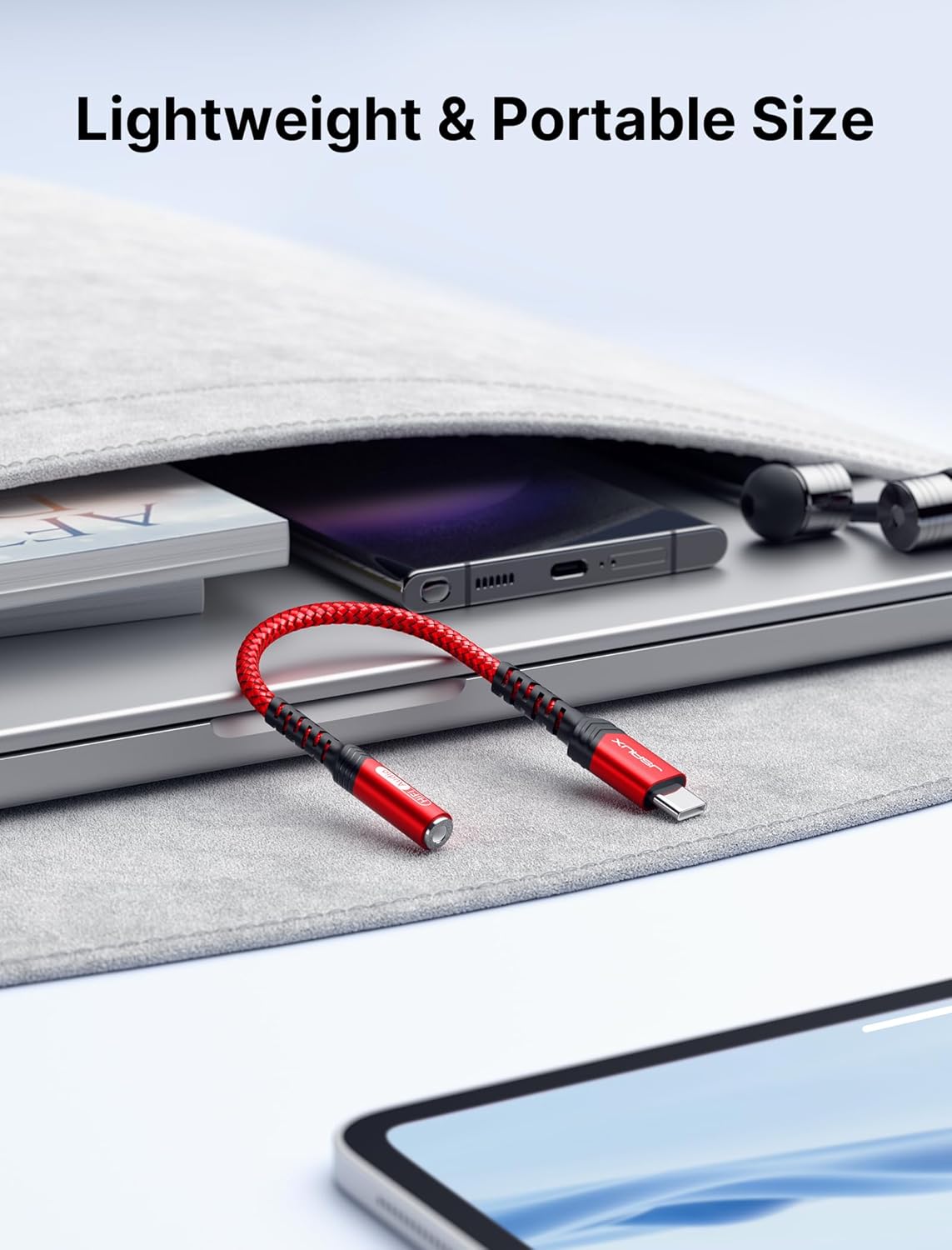
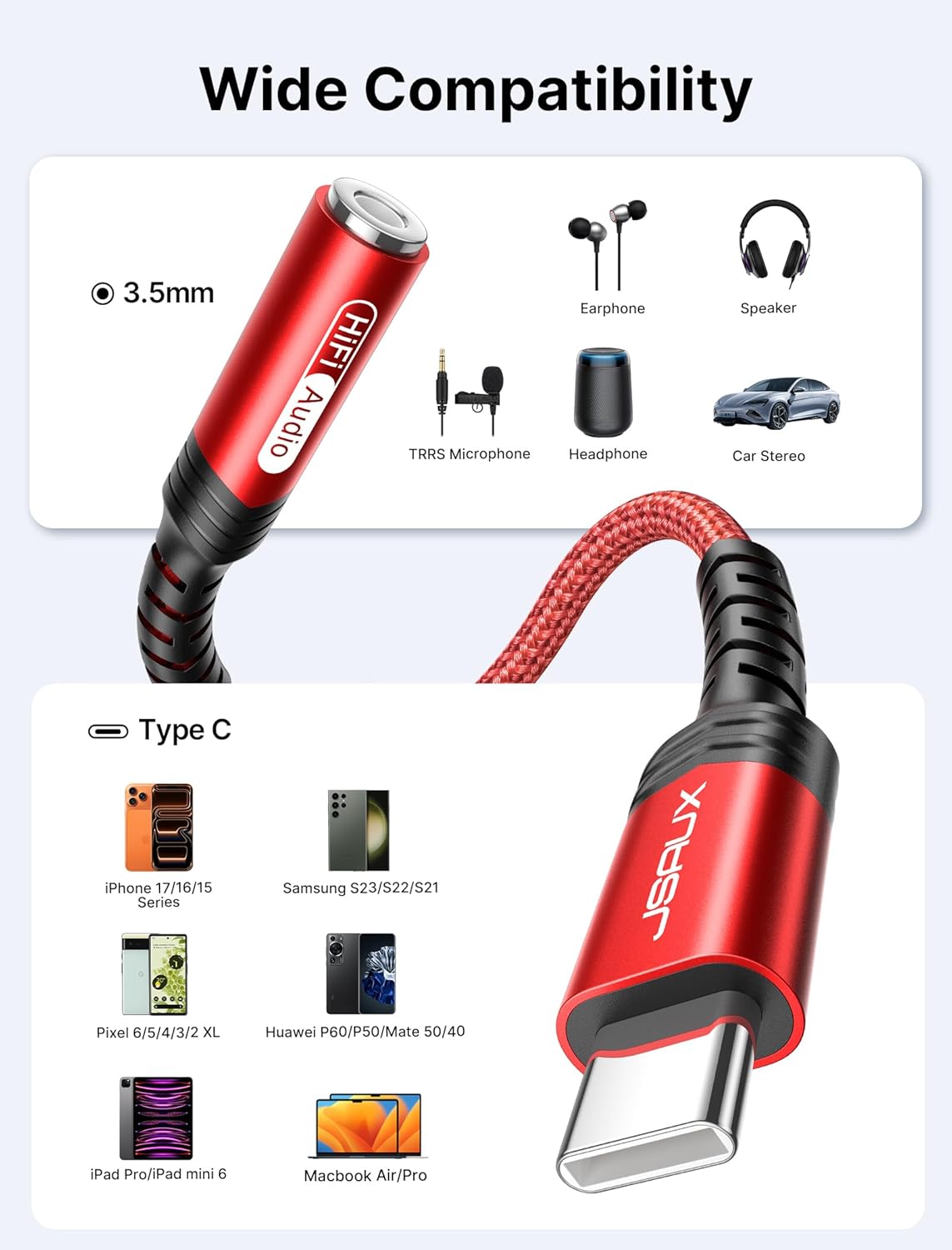
What it is and what it solves\nThe JSAUX USB C to 3.5mm Headphone Jack Adapter is a compact dongle designed for devices without a 3.5 mm port. It uses a 24‑bit/96 kHz DAC to convert digital audio to analogue, aiming to preserve the original sound of your headphones. On paper, it offers a straightforward way to listen to wired audio on many modern USB‑C phones and tablets, without needing a separate DAC or dongle for each device.\n\n## How it performs in practice\nIf you prioritise a simple, portable solution for listening to music or watching videos, this adapter provides a reasonable option. The integrated DAC is intended to reduce noise and interference, which can translate to clearer highs and more defined mids in bustling environments like commuting or busy offices. However, the experience will still depend on the quality of your headphones and the source files. It isn’t a magical upgrade, and some hi‑fi expectations may not be met if you connect budget earphones or low‑bit streams.\n\n## Compatibility and what it means for you\nThe adapter is marketed as compatible with a broad range of USB‑C devices, including newer iPhone models via USB‑C and several Samsung Galaxy and Google Pixel lines, among others. It does not support the microphone function in all cases, nor is it compatible with Apple EarPods with a 3.5 mm plug. If you rely on headset controls or in‑line mic calls on certain phones, you may find the mic functionality inconsistent (and in some cases absent) depending on the device. Note that some older or non‑Standard USB‑C implementations may behave differently.\n\n## Durability and build feel\nDurability is addressed with a strain‑relief design, and the adapter is described as capable of withstanding more than 15,000 flex tests. In real use, that suggests a practical longevity for daily carry in a bag or pocket, but you should still handle it like a small electronic accessory, avoiding heavy tugs or bending at the connector.\n\n## Who this is for\nThis is aimed at users who want wired audio on devices that lack a 3.5 mm jack but still prefer the reliability and simplicity of a wired connection. It’s especially relevant if you own several USB‑C devices and want a single dongle to cover music listening, videos, and occasional use with non‑microphone headsets. If your needs include regular hands‑free calling or a headset mic, this adapter may not fully meet those expectations.\n\n## When it makes sense to buy\nConsider this dongle if you: you want a compact, travel‑friendly solution to keep using wired headphones on USB‑C devices, don’t require microphone input, value a straightforward plug‑and‑play approach without extra software. It’s a sensible pick for commuting, workouts where you avoid wireless devices, or desktop use with USB‑C laptops that lack a 3.5 mm port.\n\n## What to check before buying\n- Confirm your device supports USB‑C audio output through a 3.5 mm adapter and whether mic control is essential for your setup.\n- If you rely on inline microphone calls, be prepared for limited compatibility depending on the model.\n- Double‑check the 3.5 mm headphones you intend to use are compatible with analogue audio rather than any special digital‑only features.\n\n## Quick comparison perspective\nIf you’re weighing options for wired audio on modern phones, this kind of USB‑C to 3.5 mm dongle sits between bare metal adapters and more feature‑rich DAC/amp dongles. For those mainly listening to music with decent headphones, and who don’t need mic input, it’s a practical, no‑frills choice. If you require robust hands‑free calling or mic compatibility across all devices, you might prefer alternatives offering dedicated mic support or wider compatibility.\n\n## The decision in practice\n### Is it worth it?\nIt makes sense if you want an affordable, compact solution to reconnect wired headphones to USB‑C devices when a 3.5 mm port is missing. It isn’t a premium upgrade, and if mic support or universal call compatibility is a priority, you may want to look at other options.\n\n## Frequently asked questions\n- Will the adapter work with my iPad Pro?\nYes, it is compatible with USB‑C iPads that support audio output, but note that cable‑control and call features may not function on some models.\n- Does it support microphone input?\nIn many cases, no, the mic function is not consistently supported across all devices. Check your device’s behaviour with the dongle.\n- Can I use this with non‑Apple USB‑C phones?\nYes, it’s designed to work with a wide range of USB‑C devices, including many Samsung, Google Pixel and other Android models, subject to their own audio output capabilities.