

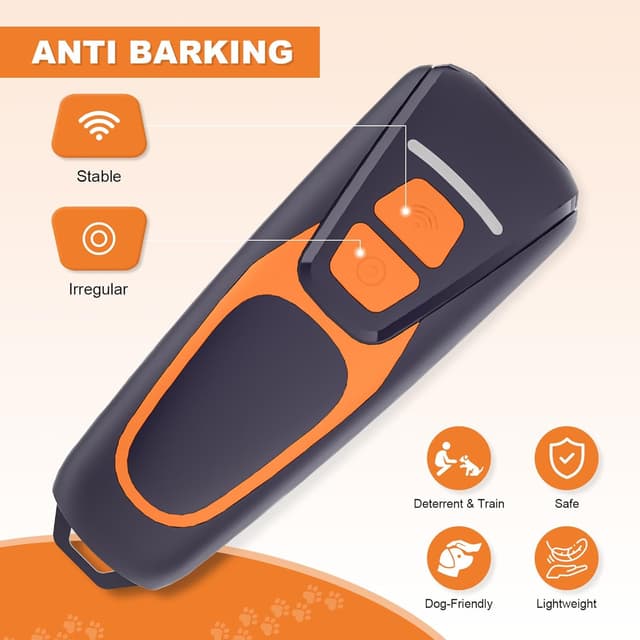
Honey Paws Ultrasonic Bark Deterrent

Price evolution
Product description
The essentials
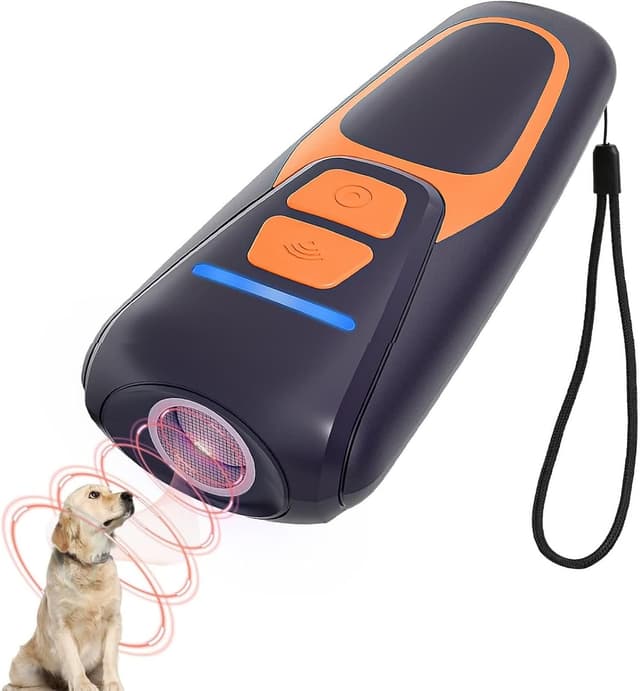
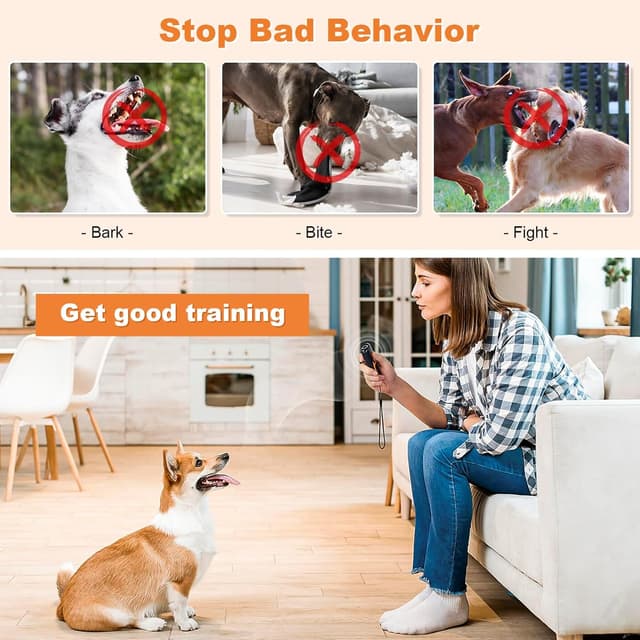
The Honey Paws ultrasonic anti barking device is designed to train a dog to reduce unwanted barking using humane sound cues rather than shocks. It works at distance with a reach up to 50 feet, making it suitable for both indoor training and outdoor walks. The device offers two modes, fixed and variable frequency, to suit different temperaments and environments while remaining gentle and safe for most dogs. Its compact design and light weight make it easy to carry, while a wrist strap keeps it accessible during daily activities. The product uses high frequency sound between 25kHz and 29kHz, inaudible to humans but noticeable to dogs, guiding behaviour without pain or distress. This approach is intended to support consistency in training and improve quiet behaviour in a range of settings, from home to parks, with minimal disruption to everyday life. 🐕 It provides a practical option for owners seeking a humane deterrent that respects the dog’s wellbeing while addressing nuisance barking.
Technical details
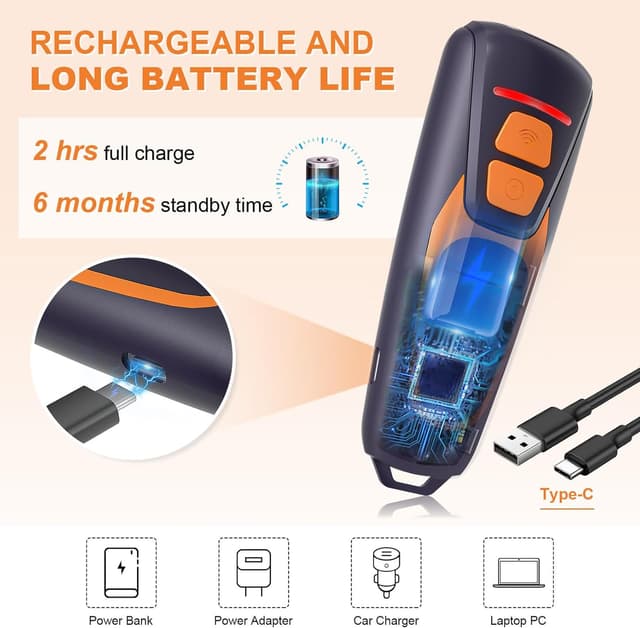
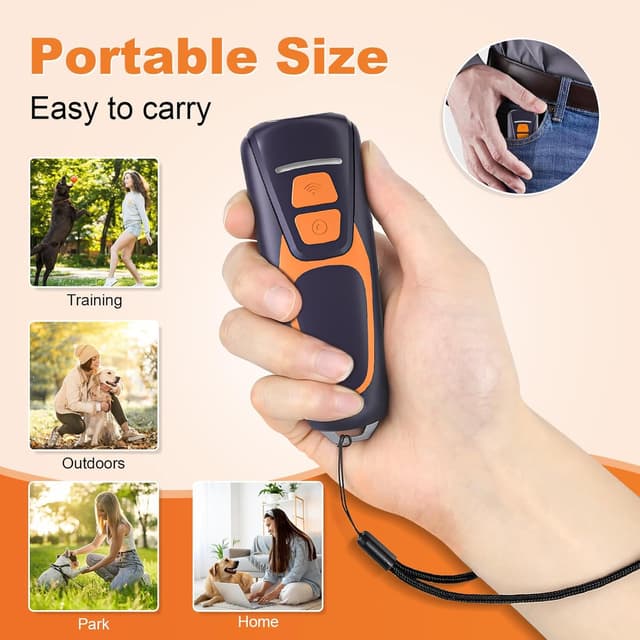
Honey Paws ultrasonic deterrent features a rechargeable lithium battery that eliminates the need for frequent battery replacements. A quick 2-hour charge delivers up to 30 days of standby power, reducing the hassle of frequent recharging. The device is compact, measuring around 12×4.5×2 cm, and includes a wrist strap for easy carrying when outdoors. Its 50 ft range means you can use it across rooms or on walks, ensuring you can grab your dog’s attention quickly and effectively in various environments. The two modes offer flexibility: fixed frequency provides consistent cues, while variable frequency helps prevent habituation over time. This makes it a versatile tool for many training scenarios while avoiding discomfort or physical retaliation. 🛎️ The device is designed for both indoor and outdoor use, making it a dependable option for everyday training, travel, parks, and hiking.
Usage tips
This section focuses on practical tips to maximise效果 and safety during training. Start with short sessions in a calm environment to establish baseline responses and track progress over time. Use the device as part of a broader training plan that includes positive reinforcement and consistent cues. If your dog seems hesitant or confused, switch to the adjustable mode to find the frequency that yields the most noticeable but gentle response. Remember to observe your dog’s body language and step back if signs of stress appear, opting for shorter sessions and more rest periods. The goal is steady improvement, not a quick fix, so patience and consistency are key. For outdoor use, keep sessions brief and direct your dog’s attention away from distractions to avoid overstimulation. Always ensure your pet has a comfortable, safe environment when using the device and avoid pointed directions toward the dog’s face. 🌟