

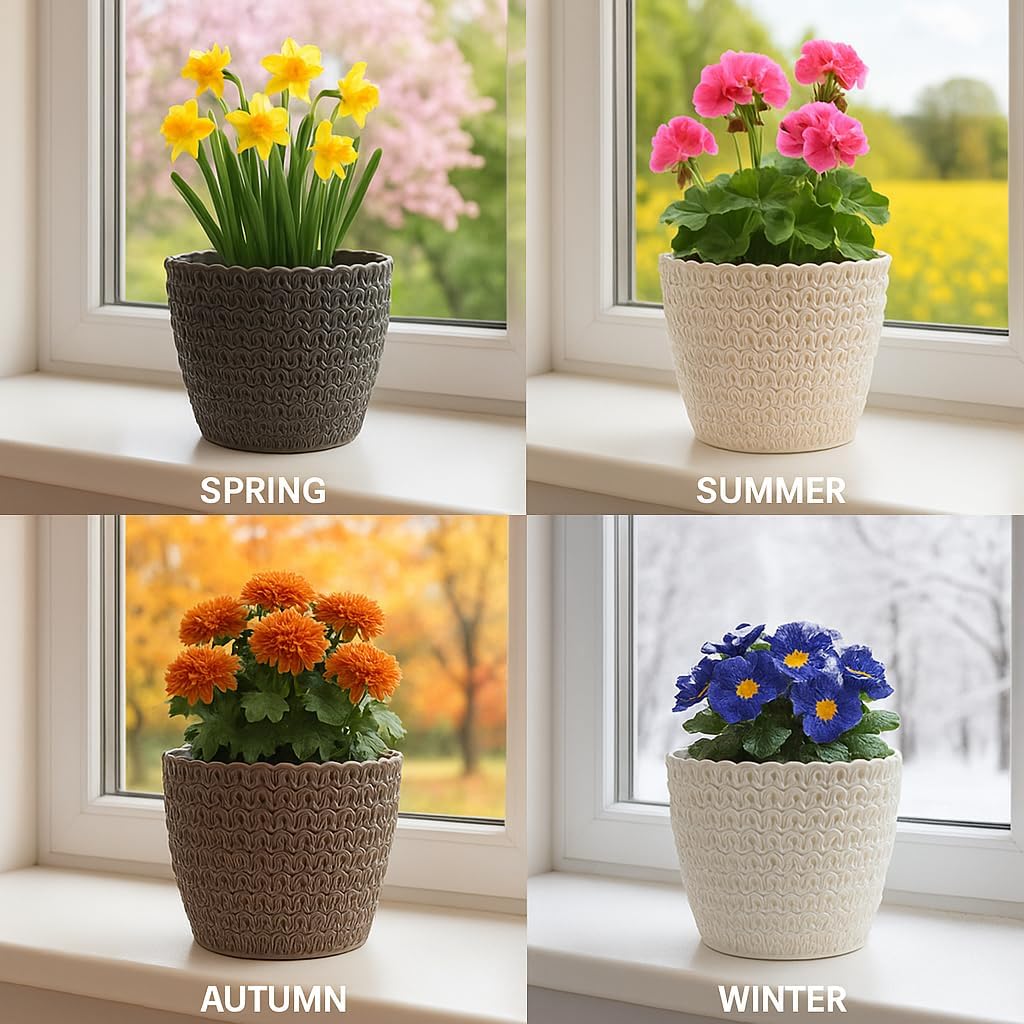
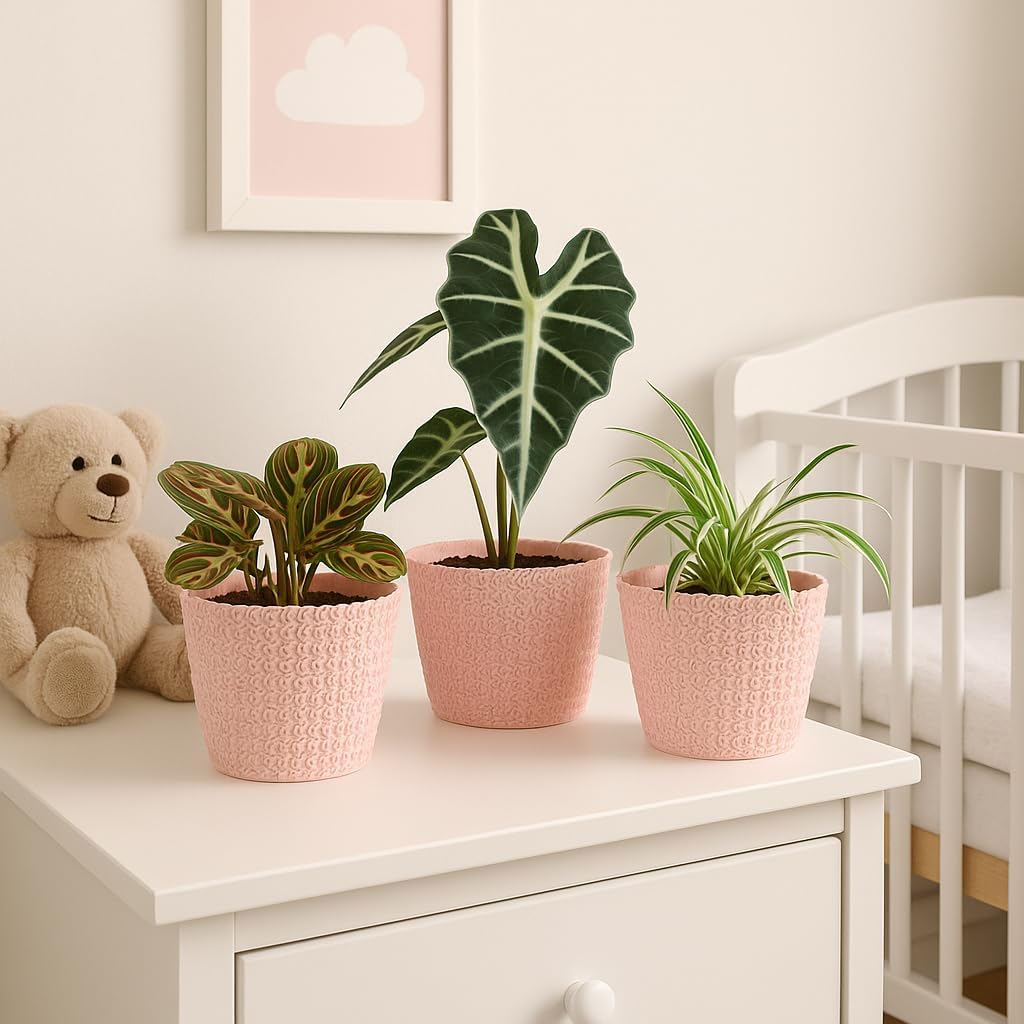
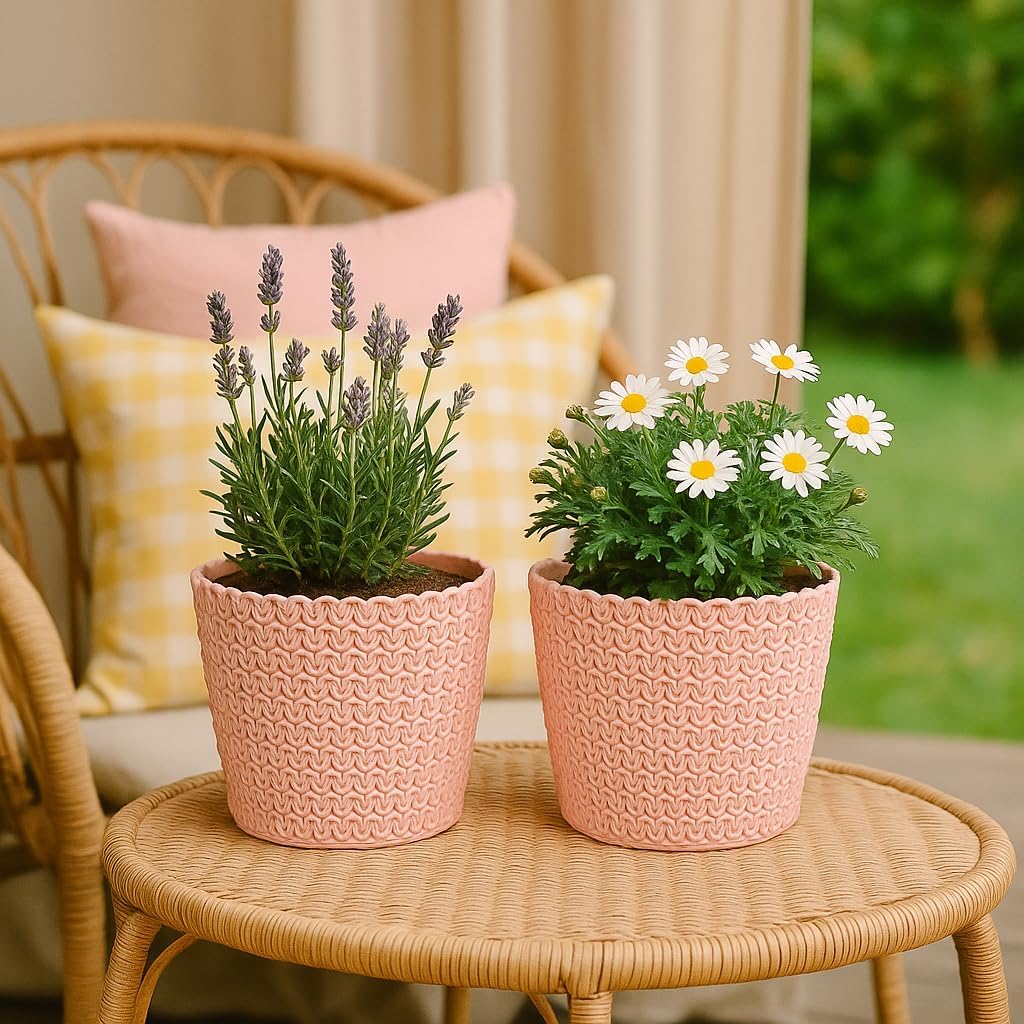
Home Garden Ornaments 14 cm woven-effect planter 🌱
Product description
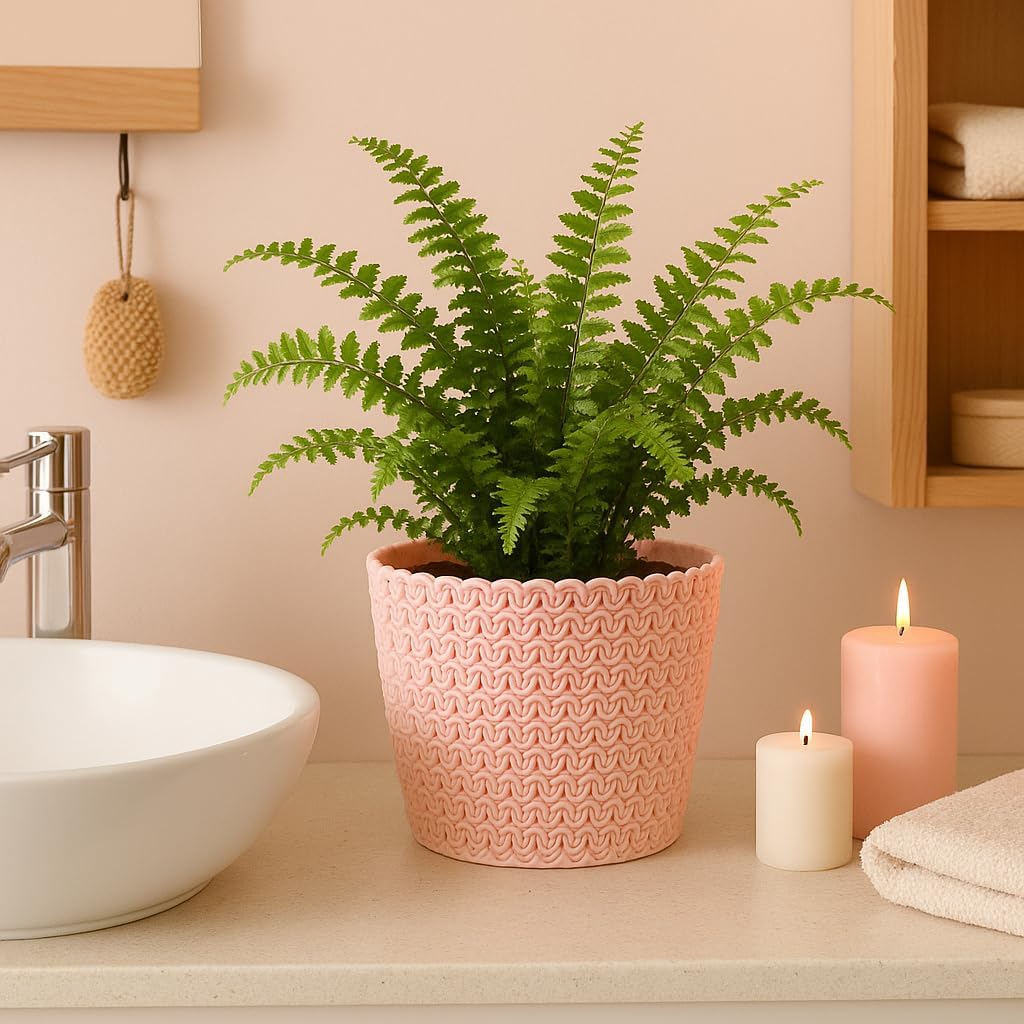
This plastic planter brings a decorative touch to windowsills and shelves while keeping maintenance simple, especially when arranging herbs or succulents. The plastic planter with woven effect texture offers a modern look and lightweight handling, making it easy to move plants around the home.
Key Points
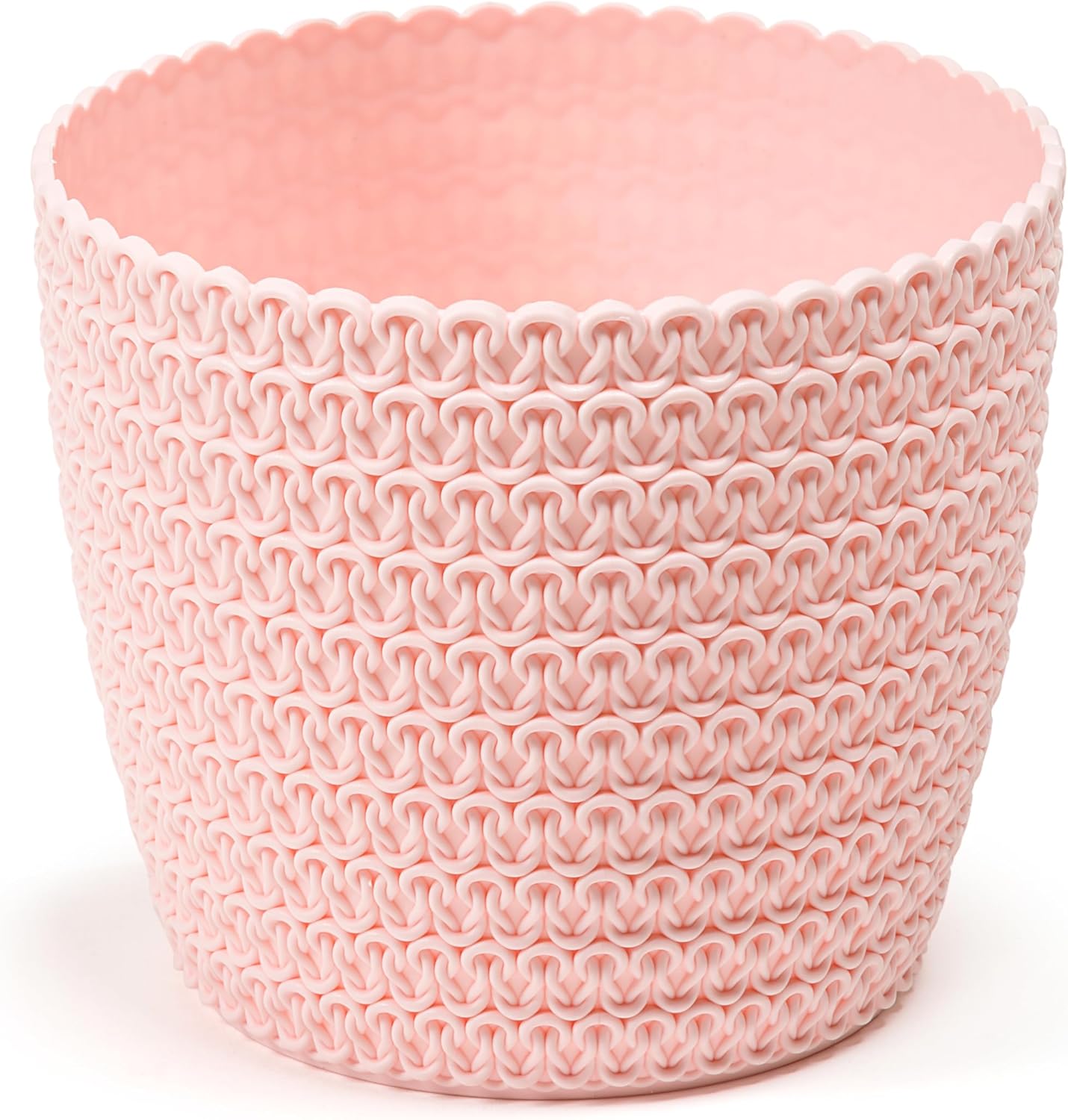
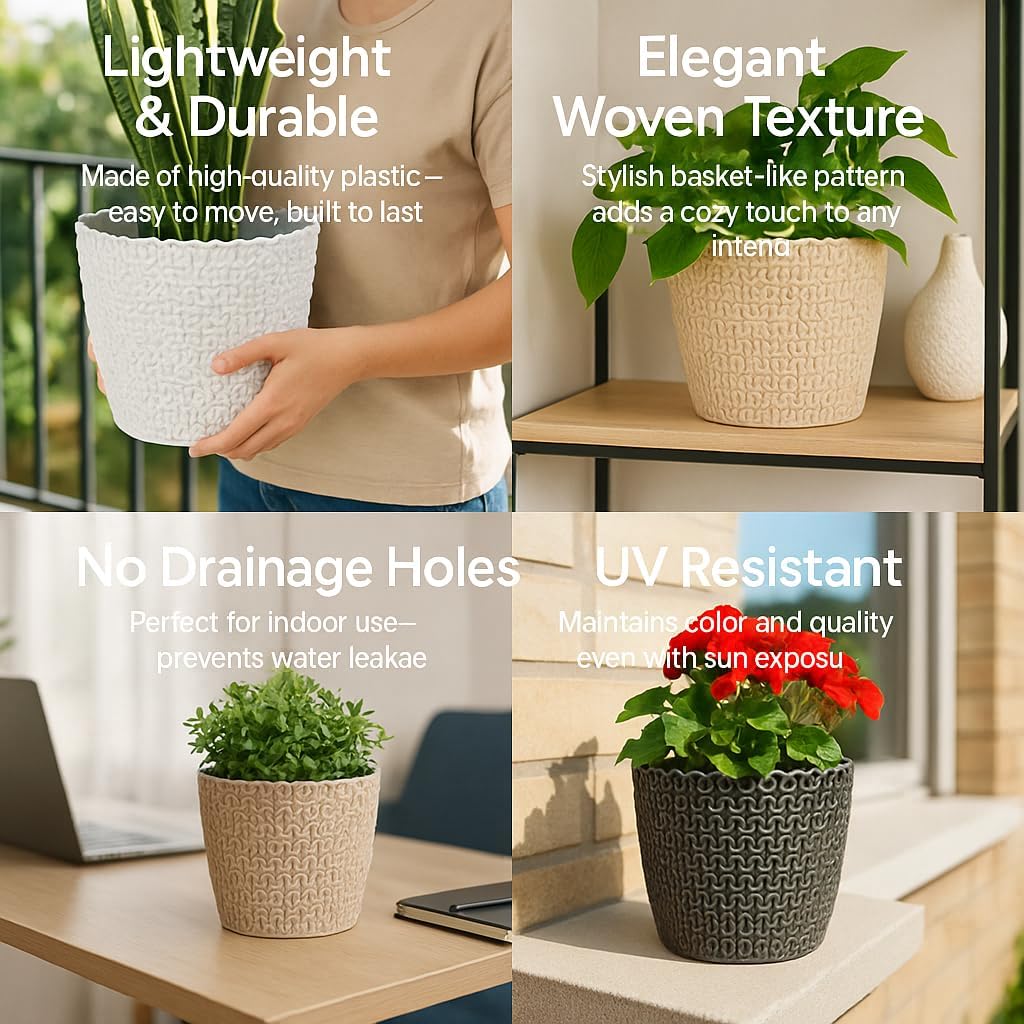
This pot stands out for its decorative woven pattern that blends with neutral palettes and contemporary interiors. It is lightweight and durable, so repositioning or rearranging a display is straightforward. The design includes no drainage holes, which keeps furniture and surfaces protected when used indoors, but consider using a layer of gravel or a separate liner for plants that need strong drainage 🌿. The pink-beige colour provides a subtle accent without overwhelming other décor.
Technical Specifications
- Name: Home Garden Ornaments Plant Pots Indoor – Plastic Planter with Woven Effect Texture (Pink-Beige, 14 cm / 5.5 inch)
- Material: Plastic
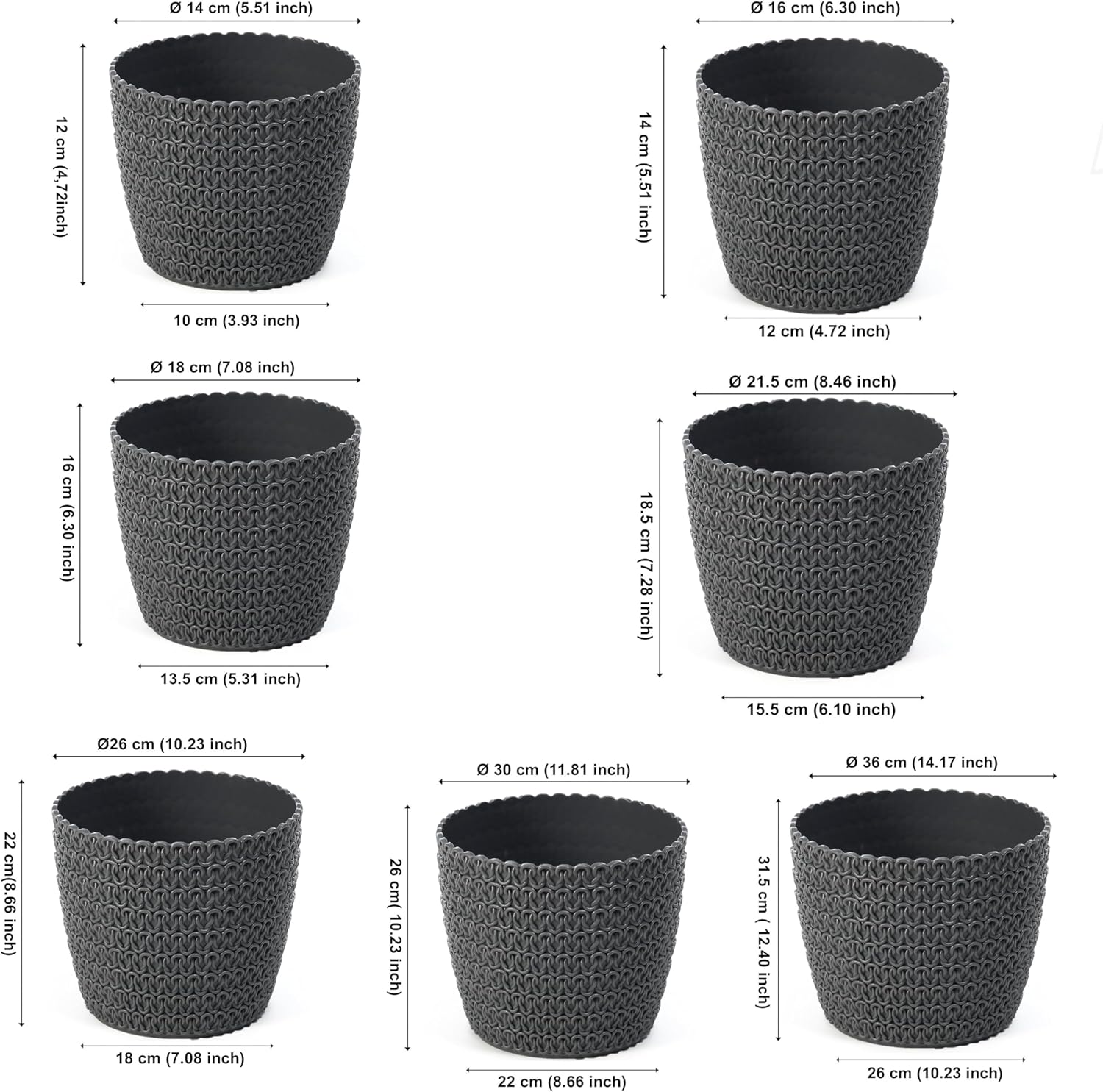
- Diameter/Height: 14 cm / 5.5 inch
- Drainage: No drainage holes
- Finish: Woven-effect texture
Usage Recommendations
Place the pot on trays or protective mats when used on wooden furniture to avoid any damp marks. For succulents or plants that prefer drier conditions, the absence of drainage can be an advantage, as it reduces quick water loss. For orchids or other species that need air around roots, use an inner pot with holes and then place it inside this decorative outer container to provide both ventilation and a tidy appearance 🏠. Rotate plants occasionally to ensure even light exposure.
Benefits
The planter offers a practical combination of style and convenience, with a pattern that adds subtle texture to living rooms, kitchens and office spaces. Because it is made of plastic it is easy to clean and resists chipping, which helps when moving plants or changing arrangements. According to the manufacturer, the construction keeps its shape over time, which supports repeated use and seasonal redecorating. One nuance to consider is that the lack of drainage means watering must be more controlled, particularly for moisture-sensitive species.