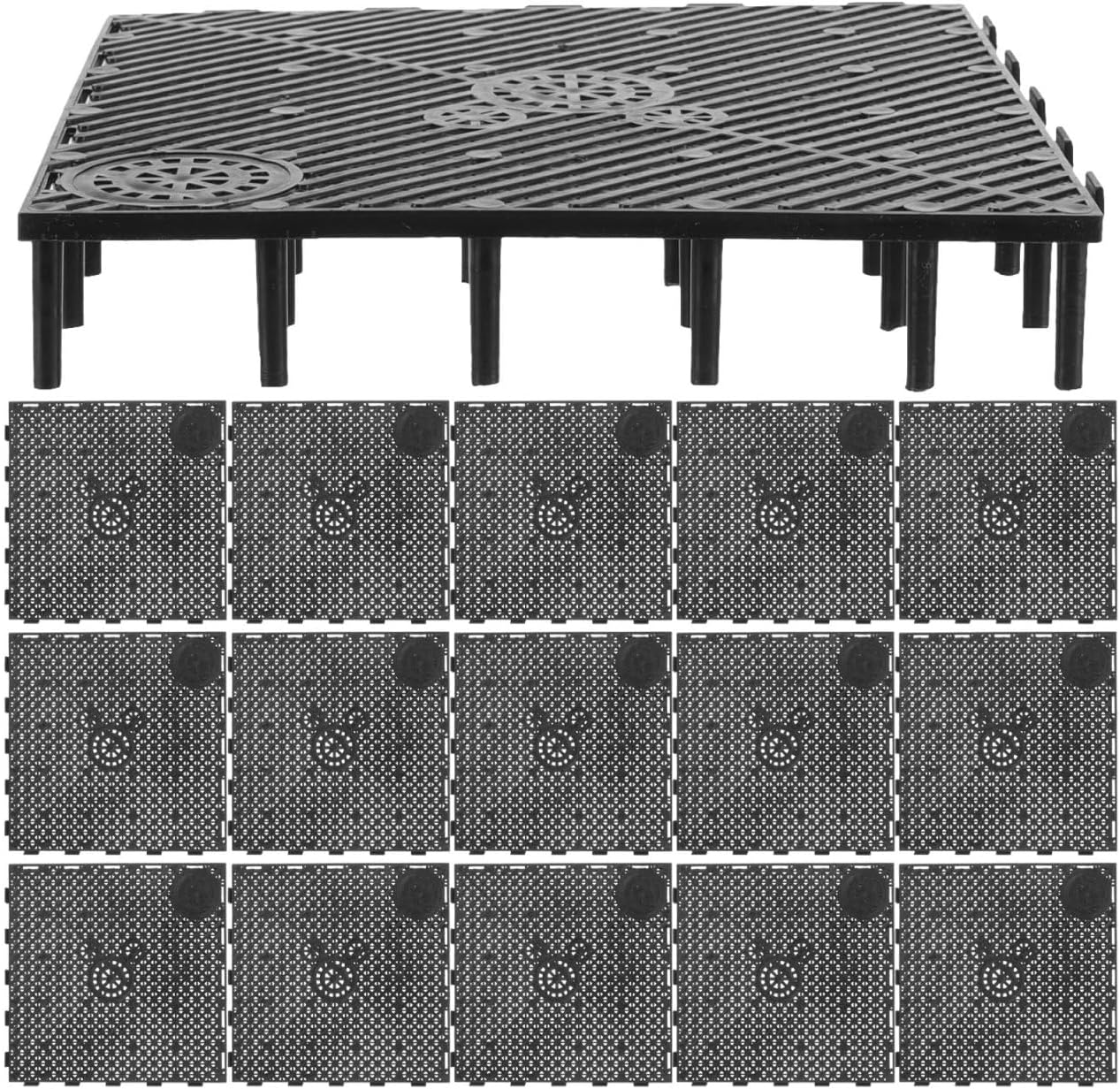
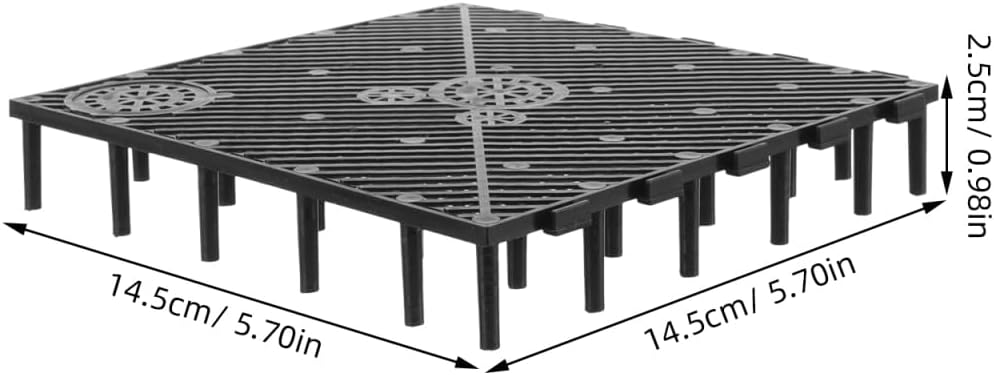
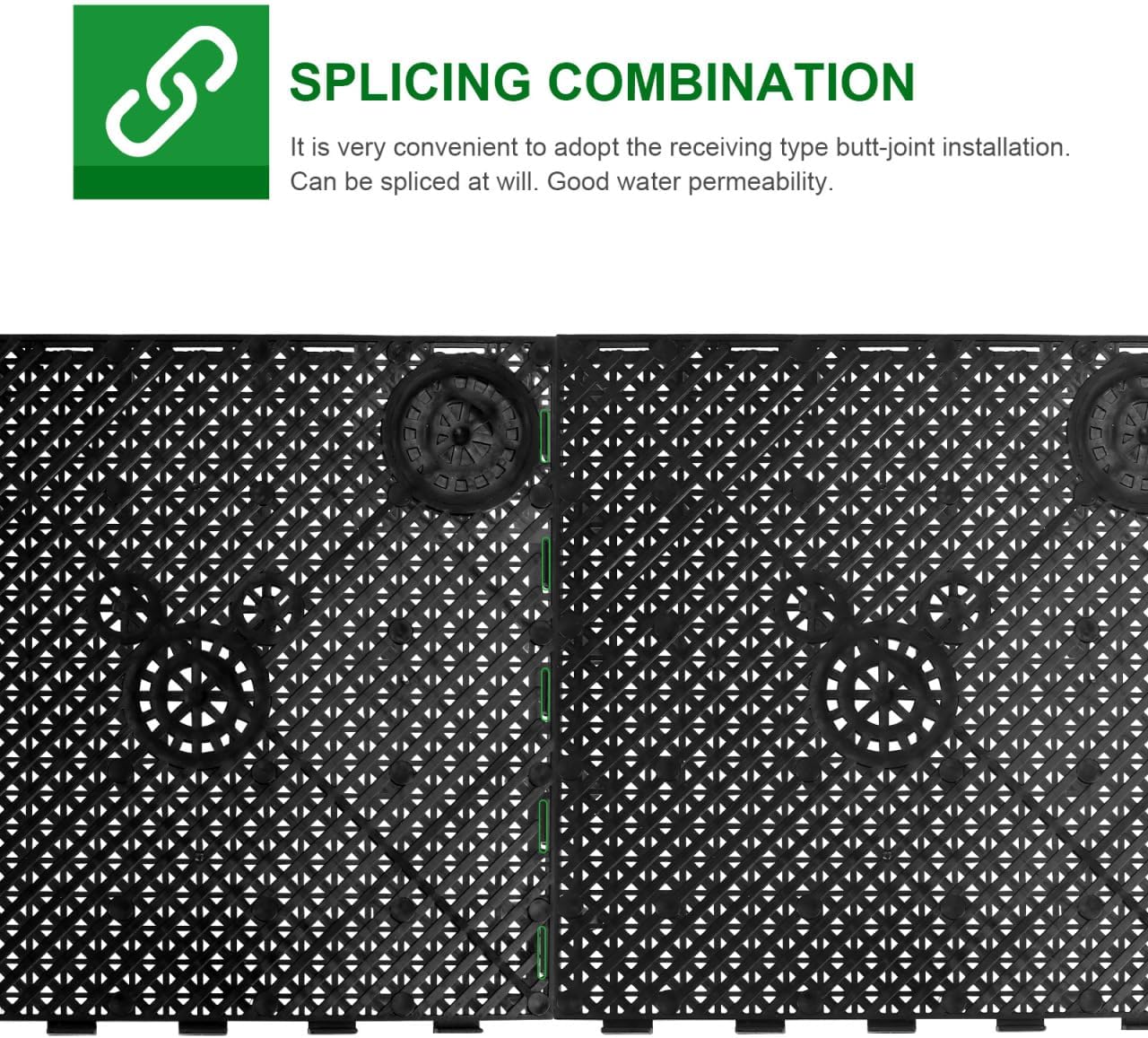
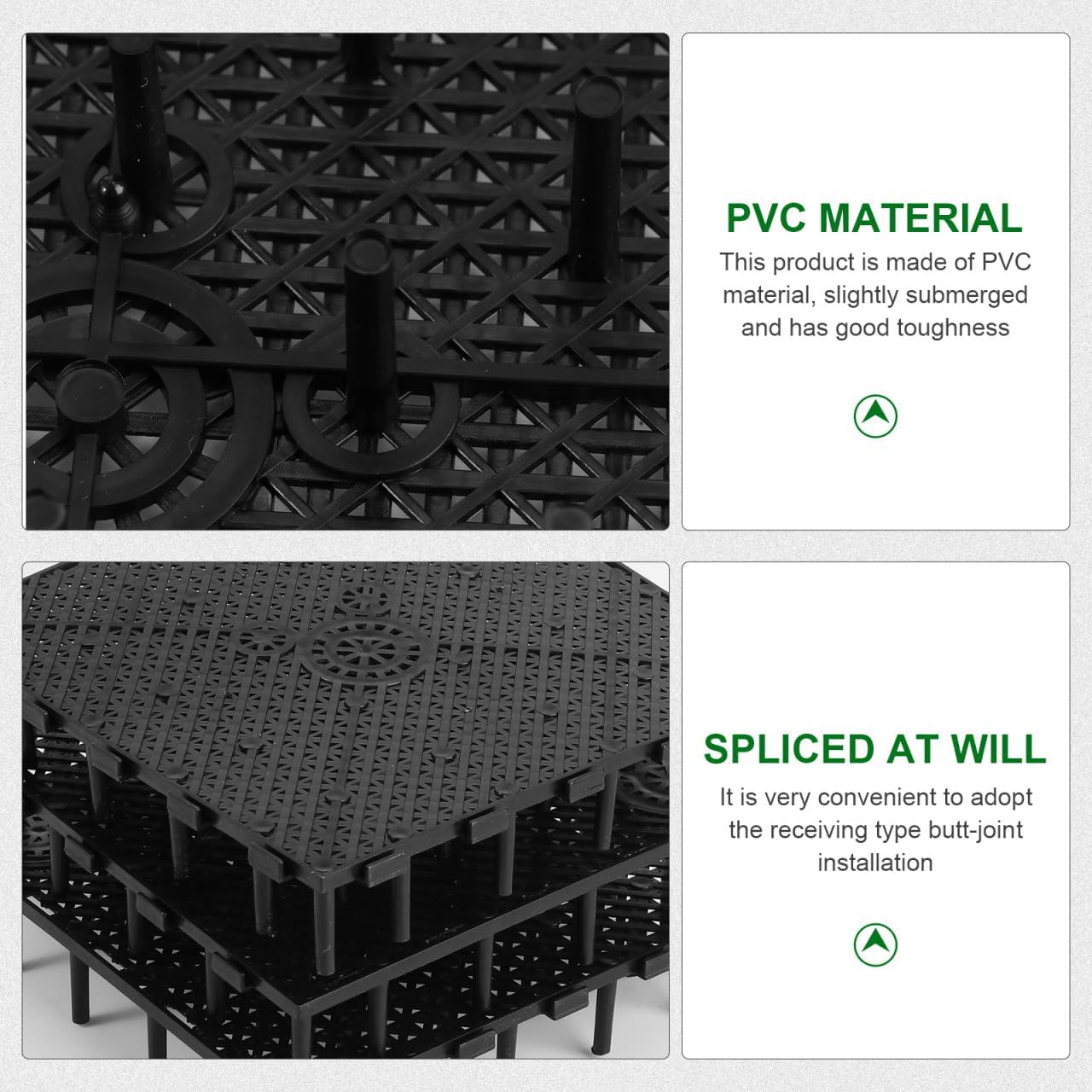
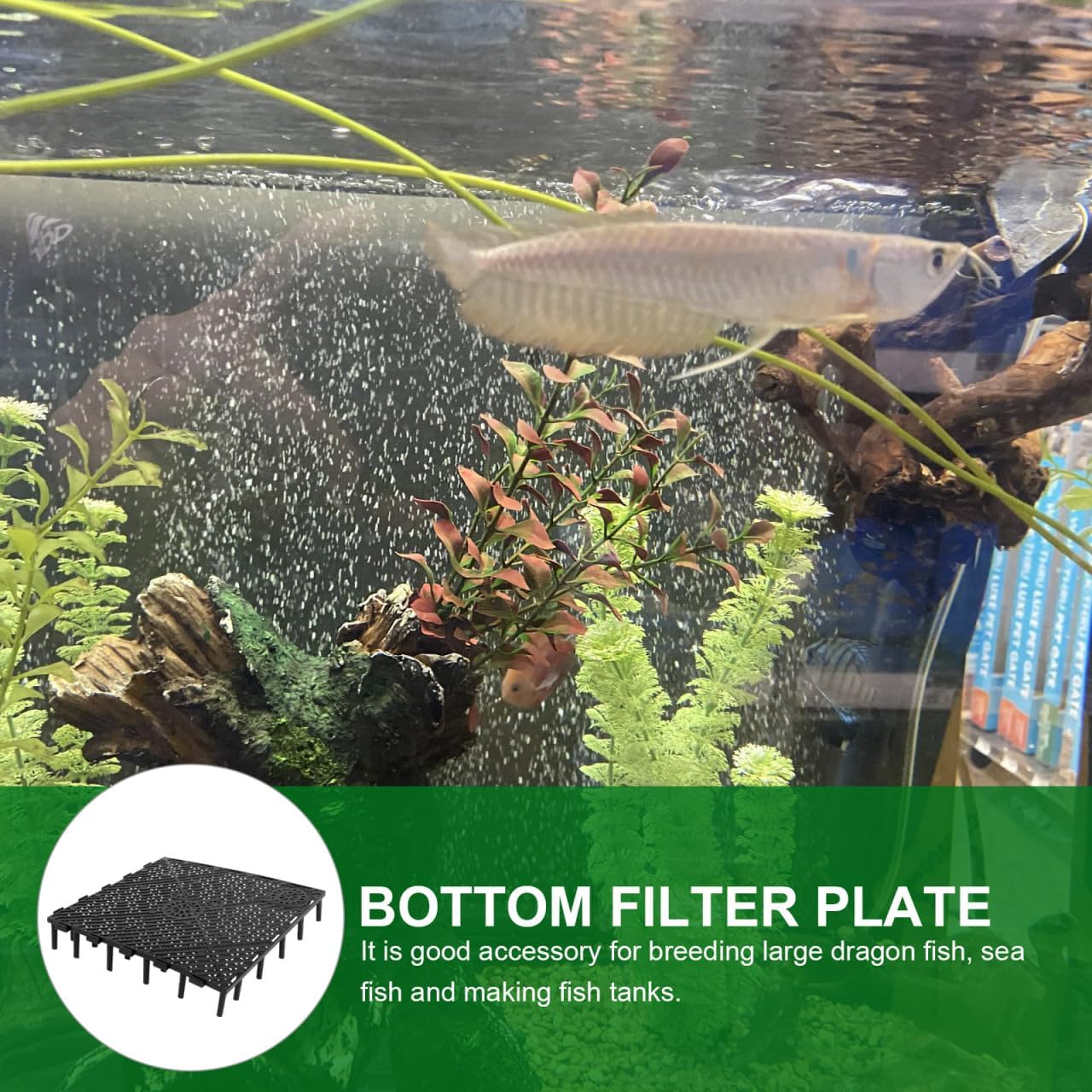
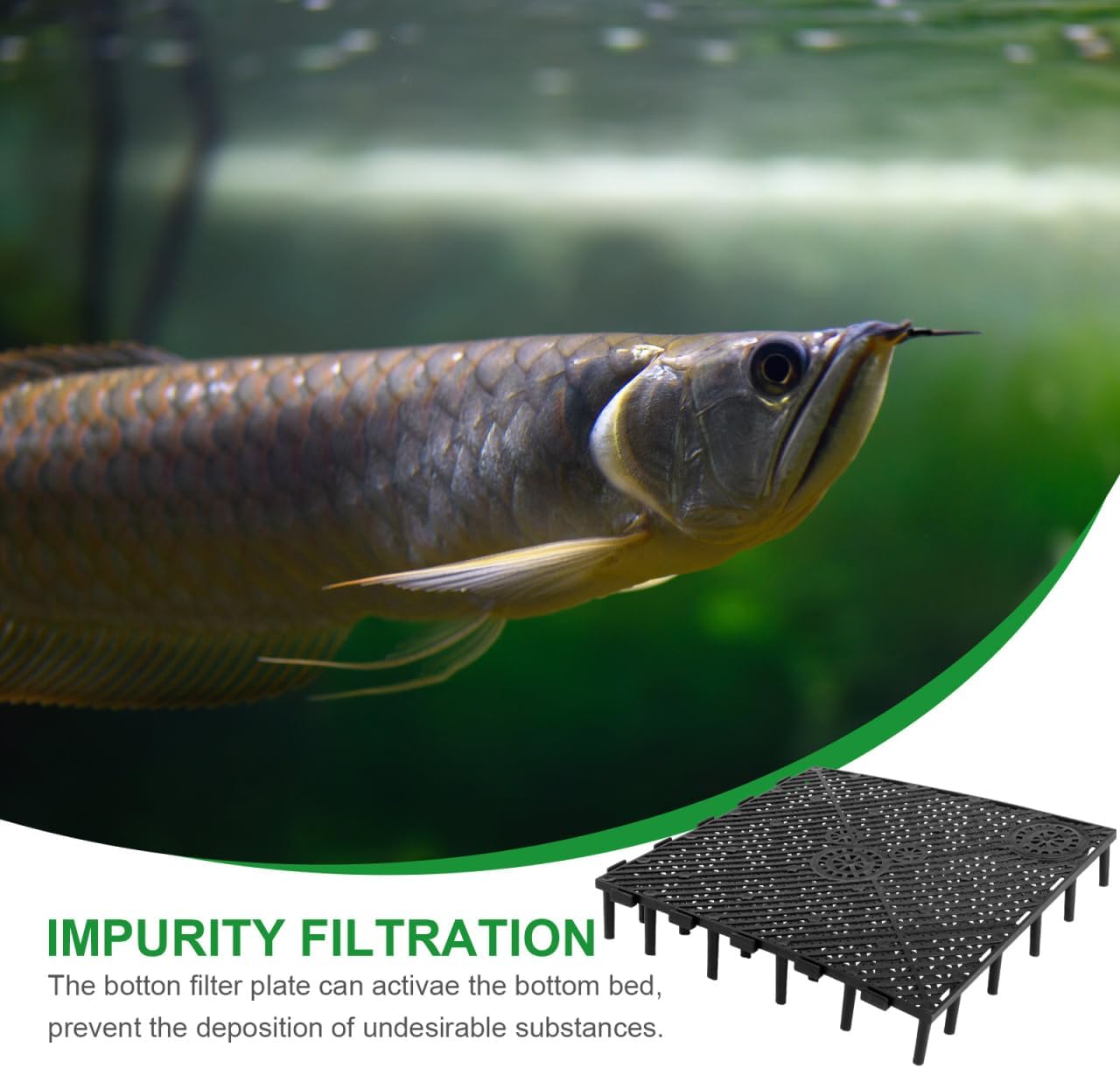
What this is and what it aims to solve\nThe Hemobllo Undergravel Filter Board is a modular PVC grid system designed to sit beneath gravel or sand in a fish tank. Comprising 20 pieces, each about 14.5 x 14.5 x 2.5 cm, the set provides flexible coverage for larger aquariums and introduces a hidden water channel to improve circulation. On paper, placing a grid under substrate helps promote water movement and can reduce the formation of anaerobic pockets, which is a consideration for anyone aiming to maintain a healthy aquatic environment without fuss.\n\n## How it works in practice\nThe boards interlock with a clip‑together system, making assembly straightforward and expandable. The design is also easily cut with simple tools to match unusual tank shapes or dimensions. When connected to an air pump, filter pump, or submersible pump, the grid channels water efficiently beneath the substrate, supporting better gas exchange and clearer water.\n\n## What to consider before buying\nIf you prioritise a DIY filtration approach or want to experiment with bottom‑fed water movement, this set offers a practical starting point. It’s worth noting that the effectiveness of undergravel filtration depends on other parts of the system—substrate depth, turnover rate, and maintenance routine all influence outcomes. In some setups, routine substrate cleaning and regular inspection of the grid will be necessary to avoid clogging.\n\n## What stands out about the design\nMaterial is non‑toxic PVC, chosen for durability and low impact on water chemistry. The boards resist warping and can bear substrate weight, which gives confidence for heavier gravels or stone features. The interlocking joints are a practical feature, reducing the need for rigid custom builds and enabling on‑the‑fly adjustments.\n\n## Potential limitations or caveats\nThis type of filtration is situational. It may not be the best fit for every tank, particularly if you rely on high Filtration throughput or require visible, surface‑aeration approaches. Some aquarists may prefer external canister filters or sponge filters depending on stocking level, substrate type, and maintenance capacity. It’s also important to ensure the grid doesn’t disrupt existing heaters or lighting in narrow footprints.\n\n## Who this is for\nIt’s suited to hobbyists who want a modular, expandable undergravel approach, breeders who need a straightforward base layer for smaller breeding boxes, or reef tank keepers exploring alternative substrate management—provided they’re comfortable integrating an additional pump line for circulation.\n\n## Who it isn’t ideal for\nIf you’re after a high‑throughput, maintenance‑free system, or if your tank relies heavily on complex external filtration, this bottom grid may not satisfy those needs on its own. It also isn’t a guaranteed replacement for substrate cleaning and mechanical filtration in all setups.\n\n## When it makes sense to buy\nChoose this set when you want to add or extend an undergravel filtration area without committing to custom fabrications. If you’re building a system that benefits from hidden water flow beneath the substrate and you’re comfortable with some DIY adjustment, this product can be a sensible companion.\n\n## What to check before purchasing\nConfirm substrate type and depth in your tank, consider how you will route tubing to the grid, and think about whether you’ll need to trim pieces for a precise fit. Ensure you have a plan for regular maintenance, as grinder or substrate debris can accumulate near the grid over time.\n\n## Practical usage example\nIn a standard community tank, you could lay the grid beneath a light substrate and connect it to a gentle air pump. The result should be smoother water movement beneath the surface, potentially reducing dead zones and aiding debris suspension without creating excessive turbulence at the top layer.\n\n## Technical snapshot\nThe set includes 20 pieces of 14.5 x 14.5 x 2.5 cm PVC boards with an interlocking design. The material is presented as non‑toxic and capable of withstanding typical aquarium substrate loads. While not a standalone filter, it acts as a support mechanism to promote bottom circulation when used with compatible pumps.\n\n## What’s included\nA 20‑piece modular bottom grid system ready for assembly. Each unit is designed to clip together with others to extend coverage as needed.\n\n## FAQ (quick checks)\n- Can the boards be cut to fit irregular tanks? Yes, they’re described as easily cut with wire cutters or heavy shears.\n- Do they require a separate power source? They need to be connected to an air pump, filter pump, or submersible pump to drive water through the grid.\n- Will this affect substrate depth? It sits beneath the substrate, so you’ll need to plan substrate depth to avoid crowding the grid.\n\n## Decision section\n### Is it worth it?\nIf you’re seeking an adjustable, low‑tech way to encourage bottom circulation and reduce anaerobic pockets in a compatible tank setup, this modular grid offers a pragmatic route. It won’t replace a full filtration system, but it can complement one and help you tailor water movement beneath the substrate. Consider your substrate, turnover rate, and maintenance plan to decide if this solution aligns with your aims.