

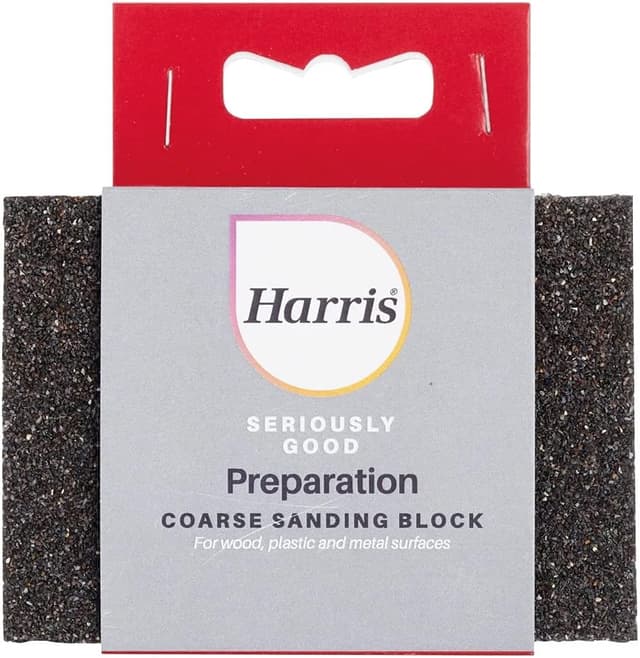
Harris Seriously Good Sanding Block (Coarse) – SGOOD FLEX coarse sanding block
Product description
What it is and why people buy it
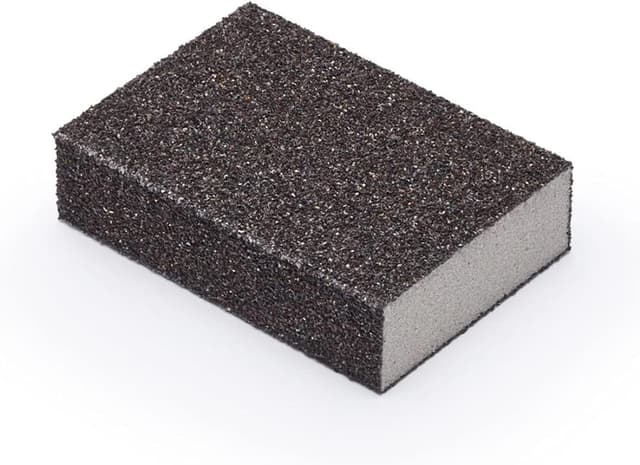
Harris Seriously Good Sanding Block Coarse is a hand sanding block aimed at quick, practical surface prep. It’s the sort of thing you reach for when a project needs abrasion now—before paint, varnish, filler, or finishing steps. The “coarse” part matters: on paper (and in real use), coarse grades are generally better for removing material and knocking down roughness, rather than delivering the final, silky finish.
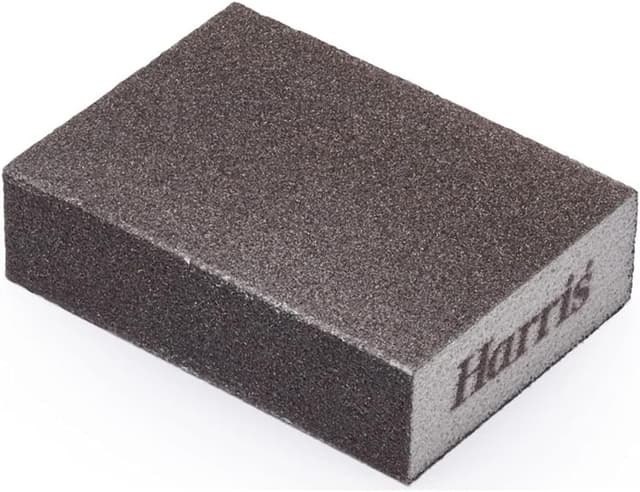
This is also described as an SGOOD FLEX coarse sanding block, which suggests you’re buying into Harris’s approach to flexible, usable sanding rather than just a rigid block. In day-to-day DIY, that’s often what separates a tool you’ll actually pick up from one that ends up left in the cupboard.
That said, it’s not perfect for every situation. If your main goal is delicate finish work, you may find a coarse block gets away from you faster than you’d like. For finer refinement, you’ll typically need something less aggressive.
Key points
It’s a coarse sanding block from Harris designed for hand sanding and surface preparation. As a coarse option, it’s built to do the “rough work” well—deburring, levelling, and tackling uneven patches—before you move on to finer stages. If you’re the sort of person who likes to keep sandpaper, blocks and basics organised rather than relying on one-off sheets, a block like this tends to make the job easier and more consistent.
Where it shines in everyday use
A coarse sanding block is most at home when you’re dealing with surfaces that aren’t ready yet. Think along the lines of: - Smoothing down wood that feels rough to the touch before priming - Levelled-down filler areas that need to be brought in line with the surrounding surface - General scuffing and de-roughening when an old finish has bits of texture
A small, concrete example: say you’ve filled a few small dents on a wooden surface. After the filler sets, you’d start with the coarse block to reduce the high spots and even things out. Once the area feels level, you switch to a finer grade to avoid leaving scratch marks you’ll struggle to hide later.
If you’re expecting it to replace a complete sanding progression (coarse-to-fine), that’s where expectations can go off track. It’s best treated as one step in a workflow.
What you’ll notice when using it
Using sanding blocks is all about control. With a block, the abrasive surface stays flatter than loose sheets, which can help you avoid digging in during hand sanding. The “coarse” grade also means you should expect quicker material removal, but you’ll also want to work carefully—particularly on edges, corners, and thin sections.
A practical limitation to keep in mind: coarse abrasion can leave visible scratch patterns. Those aren’t necessarily a deal-breaker, but it’s a reason to plan your finishing passes rather than trying to get everything done with one abrasive.
Tech specs
- Name: Harris Seriously Good Sanding Block Coarse
- Type: Sanding block (coarse)
- Brand: Harris
- Format: SGOOD FLEX coarse sanding block
Pros, plus the bits to be careful about
Pros - Coarse sanding is well-suited to rough prep and quick levelling. - A hand block format generally offers better control than loose sheets for broad, flatter areas. - The “Seriously Good” range positioning suggests it’s meant for straightforward DIY value, not overly specialised applications.
Worth considering / potential drawbacks - Being coarse, it may be too aggressive if you’re chasing a final finish. - You may still need additional finer sanding after this stage to get rid of coarse scratch marks.
Compatibility
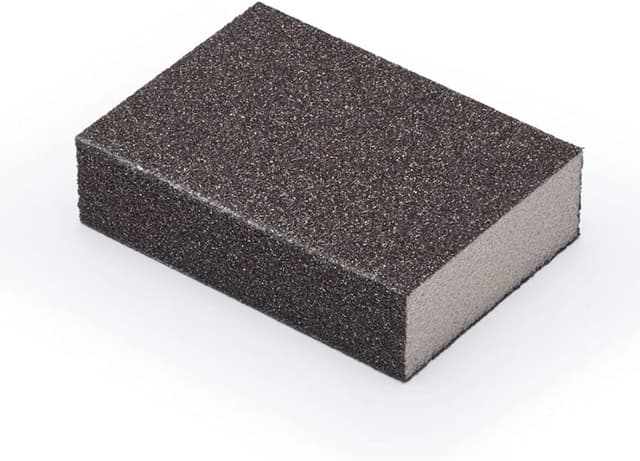
There’s no extra compatibility information provided beyond it being a coarse Harris sanding block. In practice, it’s intended for hand sanding and surface preparation as part of a typical sanding-and-finishing routine.
Getting the most from it
To use a coarse sanding block responsibly, you’ll get better results by: - Checking the surface frequently as you go (it’s easy to overshoot on edges). - Using a progression: coarse for levelling, then finer grades for finishing. - Keeping an eye on what you’re sanding: softer woods and delicate edges can react faster than harder, more forgiving surfaces.
If you’re sanding something painted or varnished, be mindful that coarse abrasion can accelerate wear and reveal underlying layers—sometimes that’s what you want for prep, sometimes it’s not.
Final verdict
Worth buying if you want a coarse hand sanding block for surface prep—especially for levelling, de-roughening, and getting filler or rough wood into a consistent shape before finer finishing steps.
You may want to skip it if your main job is final-surface refinement, because “coarse” can be too aggressive and may leave scratch patterns that need further sanding.
It suits DIYers and homeowners who do regular refurb and prep work and prefer a controlled block approach. If your projects are more about fine finishing straight away, you’ll likely be happier with a less aggressive sanding option.
Mini FAQ
Is this sanding block meant for final finishing?
No—given it’s a coarse sanding block, it’s primarily for the rougher prep stage. Final finishing usually needs a finer abrasive after the level is set.
What kind of jobs is it best for?
It’s designed for surface preparation where you need material removal and smoothing, such as levelling rough patches or bringing filler down.
Does a sanding block remove material faster than sandpaper?
A coarse block often feels quicker for broad control and consistent contact, but the key factor is the coarse grade itself and how you apply pressure.
What should I do after using it?
Plan to move to a finer sanding step. Coarse sanding can leave scratch marks that finer abrasives help remove.