

Handheld Digital Light Meter with Ambient Temperature (0–200,000 Lux)
Product description
What this is and what it solves
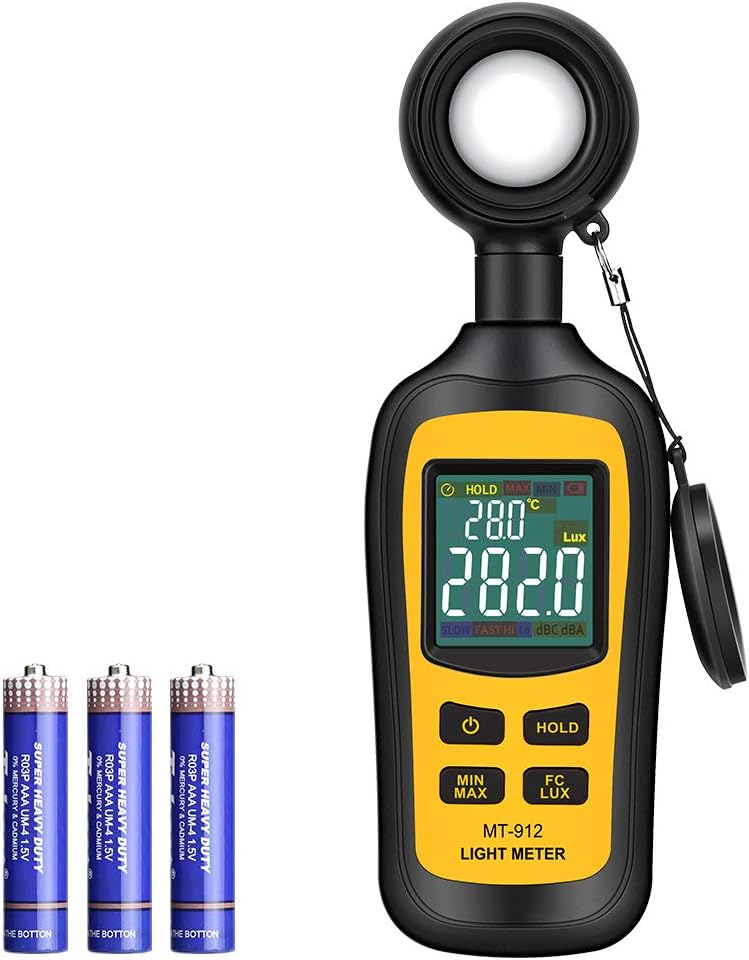
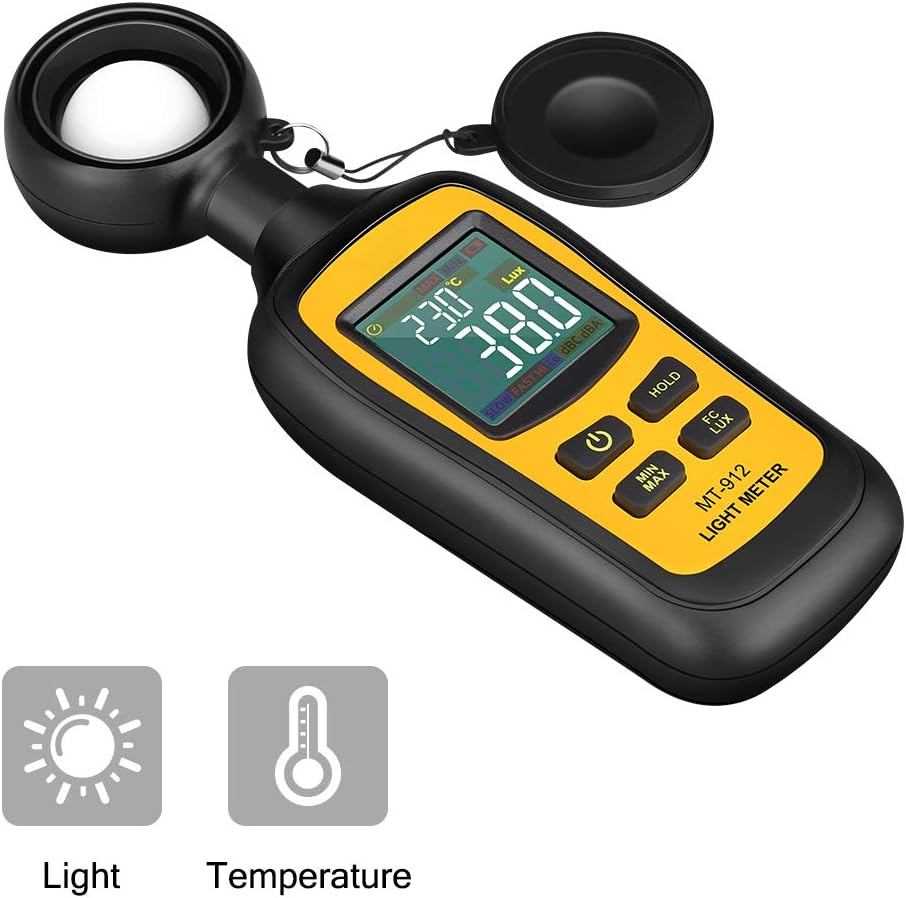
This handheld device is a compact light meter that measures luminosity from 0 to 200,000 Lux and records ambient temperature. On the surface, it resembles a practical tool for photographers and designers, but its utility spans various environments—from a home studio to a factory floor. If you need a quick, portable read on light levels and temperature without dragging in bulk equipment, this meter aims to deliver that convenience in one pocket-sized package.
How it works in everyday use
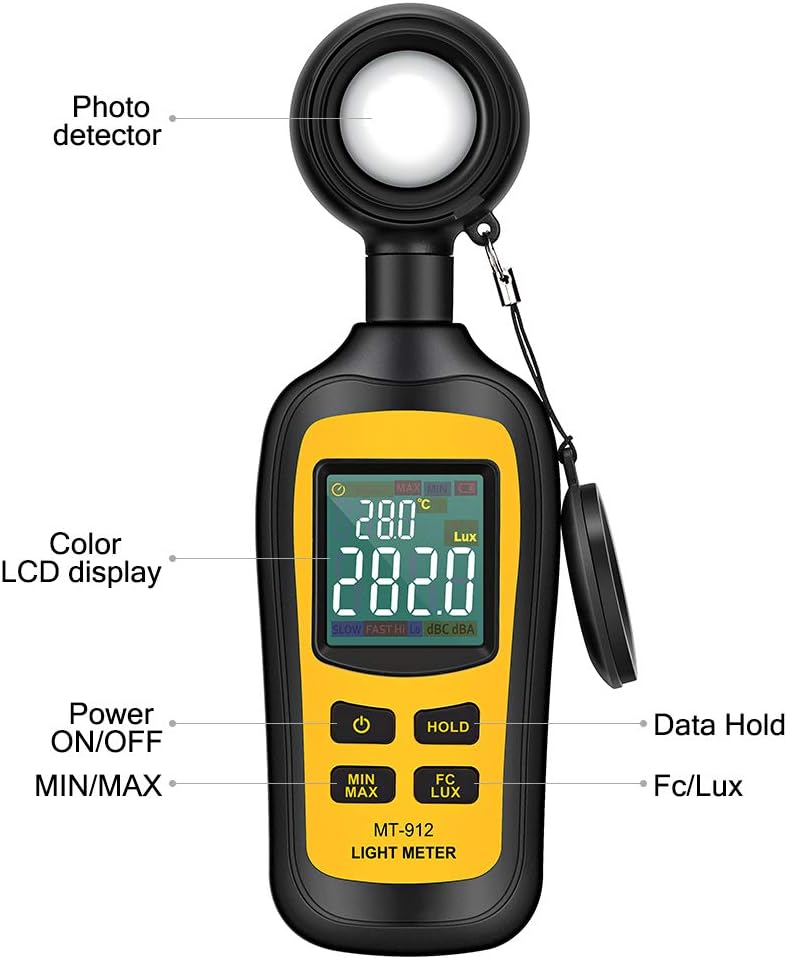
With a four-digit colour LCD screen, you’ll see clear readings, including MIN and MAX values for a running assessment of lighting conditions. The data hold function helps you capture a moment in time—handy when you’re juggling multiple lighting cues or coordinating a set.
Accuracy and what to expect
The device advertises different accuracy ranges depending on the light level: within 10,000 Lux the accuracy is ±3% rdg ±8 digits, above 10,000 Lux it’s ±4% rdg ±10 digits. In practice, these figures offer a reasonable degree of confidence for planning set lighting, photography, or workspace illumination, but they are not a substitute for high-precision laboratory equipment. If your work depends on tiny, absolute lux values, you may prefer more specialized instruments.
Design and portability
Its handheld design is lightweight and compact, which makes it easy to transport between locations—useful for on-site photo shoots, film productions, or moving through different rooms in an office or studio. The combination of lightness and a straightforward display is a practical balance for frequent use without fatigue.
Benefits that stand out
- Simple, portable setup: you can take readings anywhere without bulky gear.
- Dual measurement: light level and ambient temperature in one unit helps you evaluate environmental conditions quickly.
- Useful features: MIN/Max, data hold, auto power off, and a low battery indicator support day-to-day workflows.
Limitations and when it might fall short
- The stated accuracy varies by light level, and the highest precision is not the same across the whole range. If ultra-specific lighting calibration is critical, this may not be the ideal instrument.
- There are no additional technical specifications provided beyond the Lux range and basic features. If you need device compatibility, sensor type details, or ruggedised ratings, you’ll need to look elsewhere.
- It’s designed as a practical, general-use meter. For niche measurements (e.g., scientific experiments with strict metrology requirements), consider more specialised gear.
Who this is for
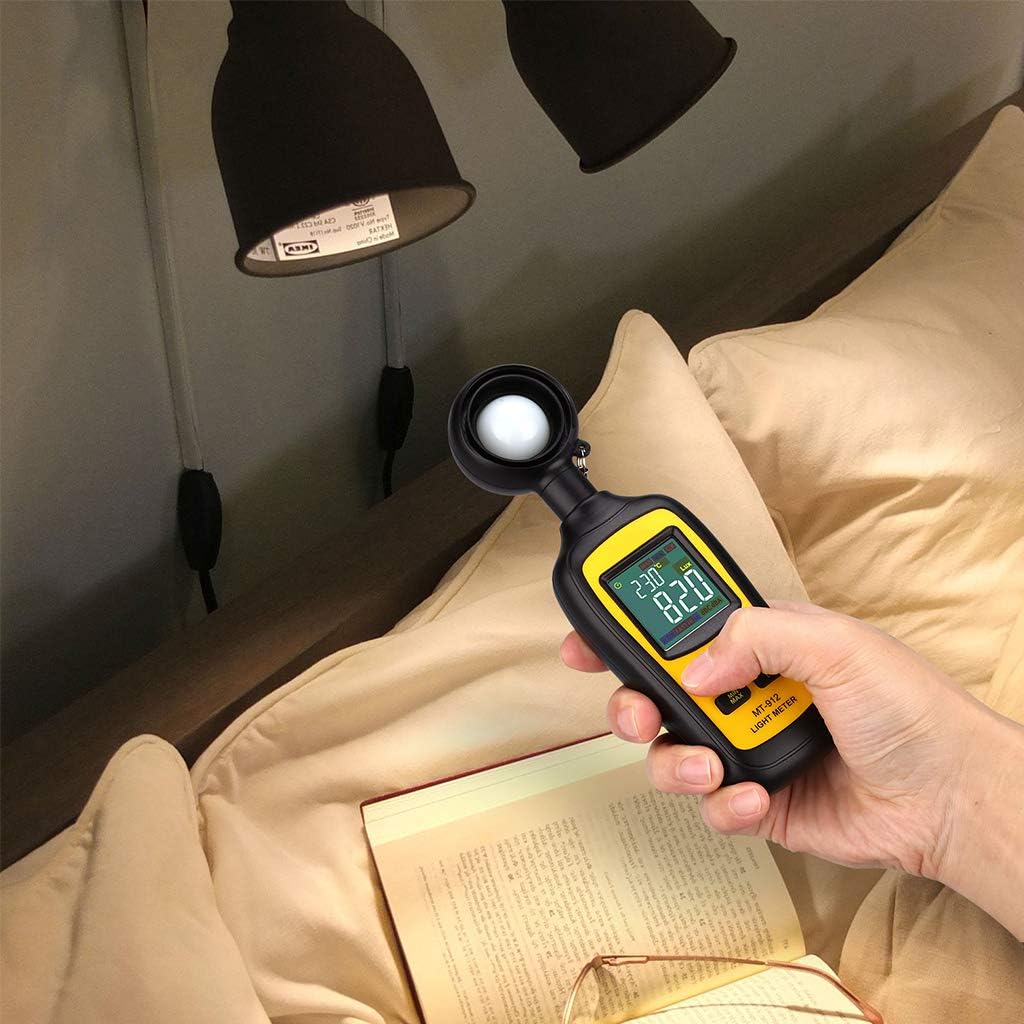
- Photographers and videographers who want a quick light-read on location.
- Set designers or production crews needing a simple way to verify lighting conditions.
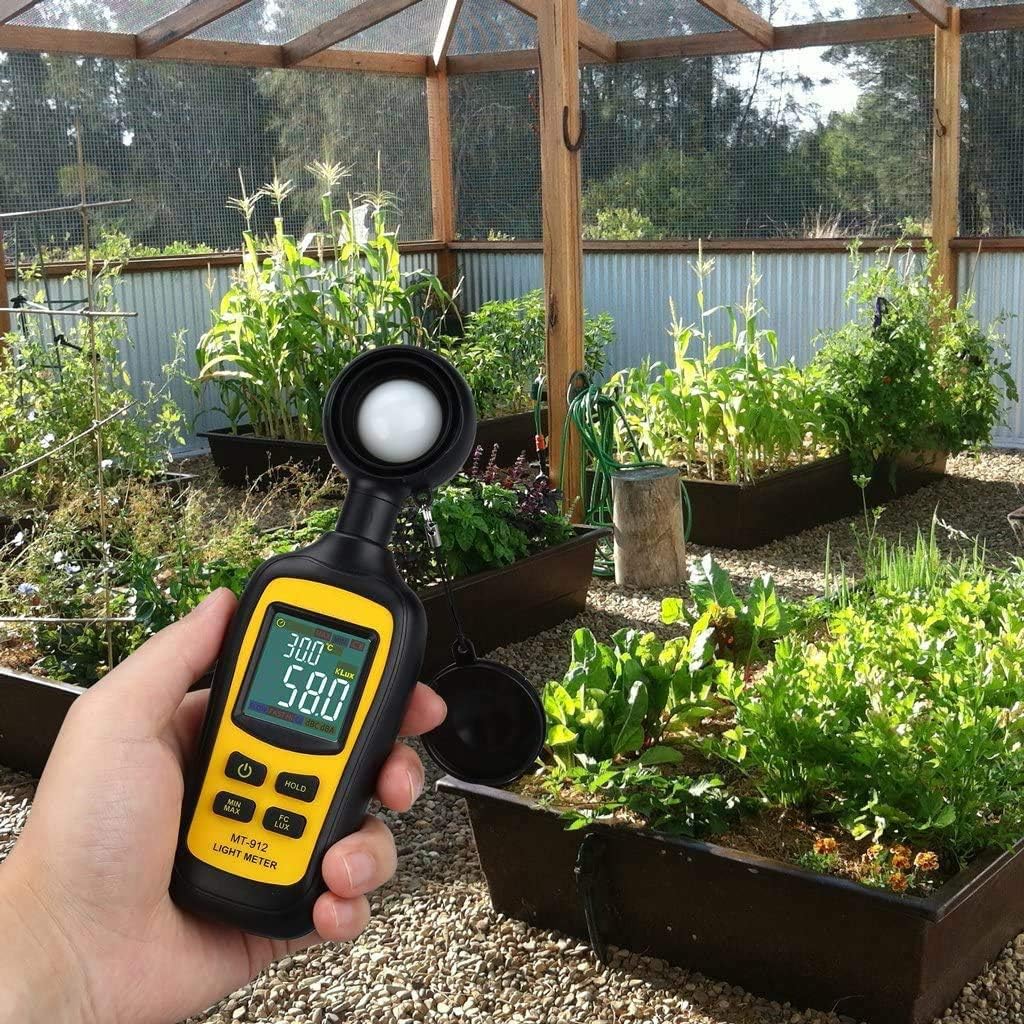
- Office or home users who want to monitor ambient light and temperature for comfort, energy use, or plant care.
Who should think again before buying
- If you require ultra-precise lux measurements at all times, or need features not listed here (e.g., advanced data export, colour temperature, or multi-sensor arrays), this device may not meet those demands.
- If you’re frequently working in environments with sunlight extremes or very small tolerances, you might find the accuracy range limiting.
What to check before purchasing
- Confirm the Lux range (0–200,000) matches your typical needs.
- Consider whether you also require ambient temperature readings as part of your workflow.
- Look for whether the display readability and button layout suit your usage style, especially in low-light or dynamic environments.
- Assess whether the implied portability aligns with how you work—does a handheld unit fit your on-site tasks?
Practical comparison and decision context
This meter sits between a basic light detector and a more feature-rich, laboratory-grade instrument. If you mainly need on-the-go lighting checks for photography or design setups, its combination of Lux measurement with ambient temperature, plus the compact form, offers straightforward value. For more rigorous lighting audits or data logging across projects, you might prefer instruments with tighter accuracy bounds, broader specifications, or better data management features.
Final verdict
Is it worth it?
Worth considering if you prioritise portability and a practical dual-readout (Lux and temperature) for everyday light checks in varied settings. It helps you make quick on-site decisions about lighting without a bulky rig. It may not be the best fit if your work hinges on extremely precise lux readings or advanced data outputs. A consideration for those who value a straightforward, low-profile tool over a feature-heavy model.
Quick FAQ
- How accurate is the light reading at low Lux levels? The specification gives ±3% rdg ±8 digits for ≤10,000 Lux, which is quite reasonable for casual use but may not satisfy high-precision requirements.
- Can it measure colour temperature or other light qualities? The provided details focus on Lux and ambient temperature, no information on colour temperature or spectral response is available.
- Is it easy to carry between locations? Yes—the handheld, lightweight design is described as compact for transport across sites.