

GATES V-Belt 6218MC
Product description
What it is and why people buy it
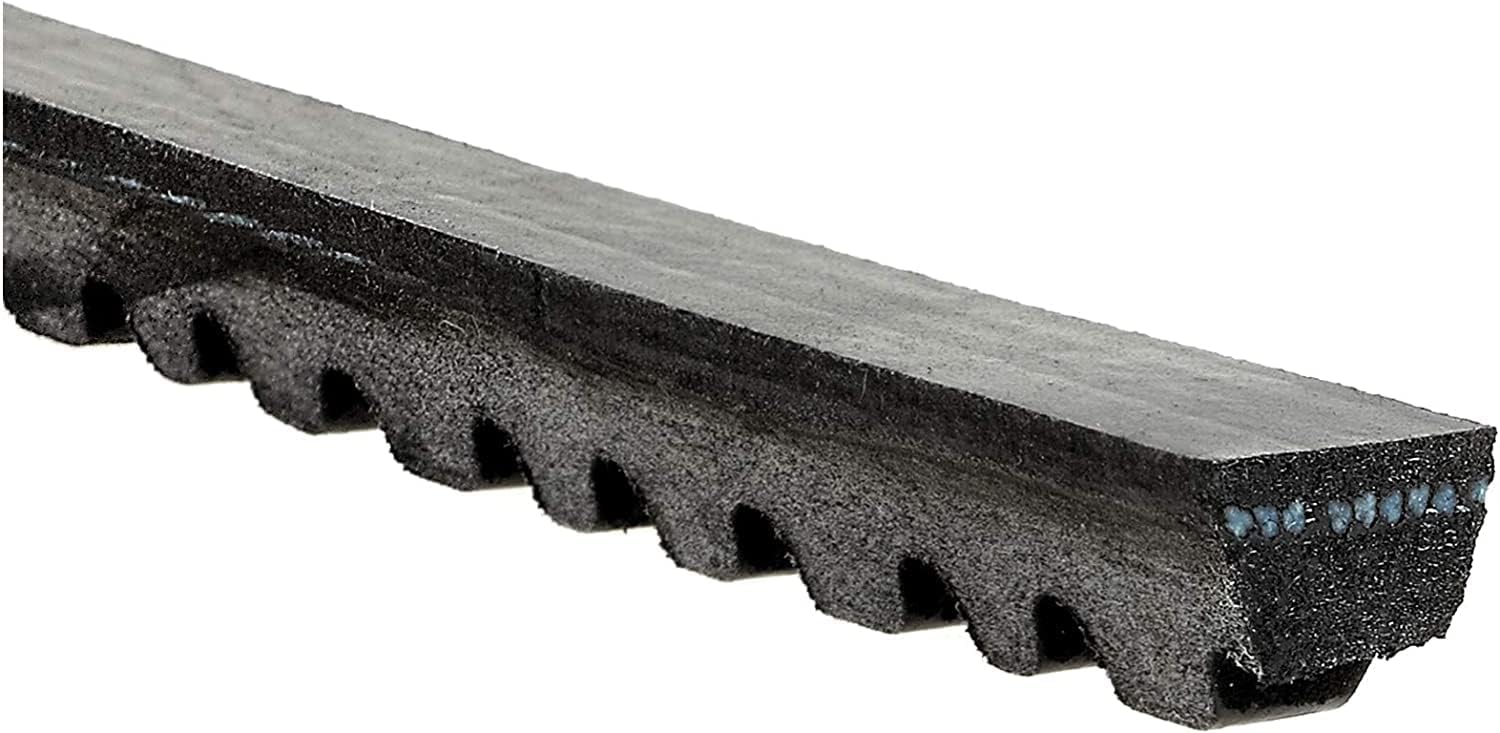
The GATES V-Belt 6218MC is a V-belt designed for power transmission, where the belt needs to keep its effective length stable and maintain a reliable grip on the pulley. On paper, Gates’ approach here is fairly straightforward: flex-bonded tensile cords for length stability, fibre-loaded rubber compounds, and precision forming so the belt sits well against the pulley surface.
If you’re looking up “GATES V-Belt 6218MC” and you’re deciding whether it’s worth adding to your order, the key is whether it matches the job you’re trying to do. V-belts are generally chosen for fit and performance in a specific drive setup, so the buying decision is less about “will it work?” and more about “does this belt match the requirements of your existing setup?”.
Key features that matter in real use
What stands out in the description is the focus on durability under everyday stress. The belt uses fibre-loaded rubber compounds, which Gates positions for superior resistance to oil, heat and wear. That combination is useful in environments where belts can be exposed to contaminants or where temperatures rise during sustained operation.
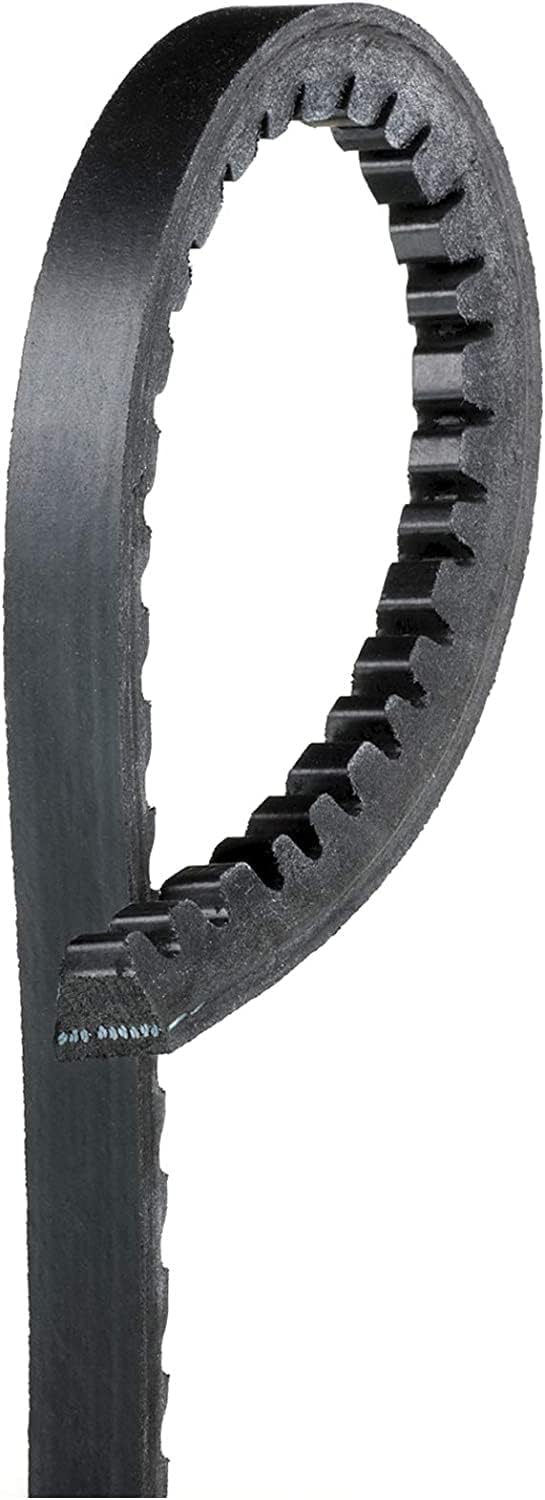
It also mentions precision formed construction for optimum contact between the belt surface and the pulley. That matters because V-belts don’t just need to spin, they need consistent contact to transfer power efficiently. In practical terms, better contact can mean steadier operation and less drama compared with belts that are only a rough match.
The essentials: what to check before buying
It’s tempting to buy any “V-belt” that looks similar, but this is one of those cases where the details need to line up. Since the information provided doesn’t include compatibility notes (for example, which machines or pulley types it fits), you should base your decision on your own measurements/specs and what your current belt calls for.
Worth checking before you commit: - The exact belt identification you need (the 6218MC code is typically the first thing to confirm against your current belt or equipment label) - Whether your system environment involves oil exposure, higher heat, or heavier wear (this belt is described as aimed at those conditions) - That the pulley and belt dimensions/contact requirements are consistent with what the drive expects (precision contact is part of the value here, so mismatched pulleys can blunt the benefit)
A small limitation to keep in mind: without installation specifics or compatibility cross-references in the provided details, you’ll want to rely on your equipment’s requirements rather than assumptions.
Where it shines, and where it may not
This belt seems best suited to setups that benefit from stable length and resistance to oil, heat and wear. If you’re maintaining equipment that runs for long stretches or lives in conditions that can be hard on rubber over time, the fibre-loaded compound angle is a sensible reason to pick Gates.
However, it might not be the best choice if you’re after a belt purely for a low-stress indoor use where oil and heat aren’t relevant, because in those cases the “superior resistance” focus may be more than you actually need. Also, if your current belt number/spec doesn’t line up with 6218MC, you may end up with fit/contact issues even if the idea of a V-belt sounds like a simple swap.
Everyday use example (micro-scenario)
Imagine you’ve got a workshop machine where a drive belt sits in a slightly oily area and runs continuously during production runs. You notice reduced grip or uneven operation, and the belt shows signs of wear. Swapping in a V-belt like the 6218MC—based on its described oil, heat and wear resistance and length stability—can be the kind of practical maintenance move that restores more predictable power transfer.
That’s not to say it’s guaranteed to fix every issue (belt problems can also come from pulley wear or alignment), but it’s a coherent match for the type of wear conditions described.
Mini FAQ
Is this belt meant for oil and heat exposure?
The description explicitly mentions resistance to oil, heat and wear thanks to fibre-loaded rubber compounds, so it’s positioned with those environments in mind.
Does the belt have length stability benefits?
Yes—flex-bonded tensile cords are described as ensuring excellent length stability, which is exactly the kind of feature that helps maintain performance over time.
What’s the most important thing to confirm before ordering?
Confirm the belt identification/spec you need (the 6218MC code) and make sure it matches your drive/pulley contact requirements. The provided details don’t list compatibility by machine.
How do I judge if it’s the right choice for my system?
Use the description to guide expectations: if your use case involves oil, heat and wear, this belt’s stated material choices are relevant. If those factors aren’t present, you may not gain much beyond a standard belt replacement—so focus on correct fit first.
When it makes sense
If you need a V-belt replacement and the 6218MC code matches what your equipment calls for, the Gates 6218MC looks like a sensible pick for drives where you want length stability and resistance to oil, heat and wear. It also aims to maintain good pulley contact through precision forming, which can matter for steady power transmission.
You may want to skip it if you’re unsure about the exact belt specification required for your system, or if you’re planning to fit it without confirming pulley contact and matching requirements. In other words, this is a good “buy” when it matches the job, it’s not a good bet when you’re relying on guesswork about fit.