

FootMaster ProMax Orthotic Insoles for Plantar Fasciitis & Heel Pain (Heavy-Duty Arch Support)
Product description
The essentials (what they’re for)
FootMaster ProMax orthotic insoles are designed for people who get heel pain or plantar fasciitis discomfort, especially when standing for long stretches. On paper, the idea is straightforward: provide arch support, improve how load spreads across the foot, and reduce the shock your body repeatedly absorbs throughout the day. If you notice your symptoms flare after shifts, long walks, or standing work, this type of insole is often worth considering.
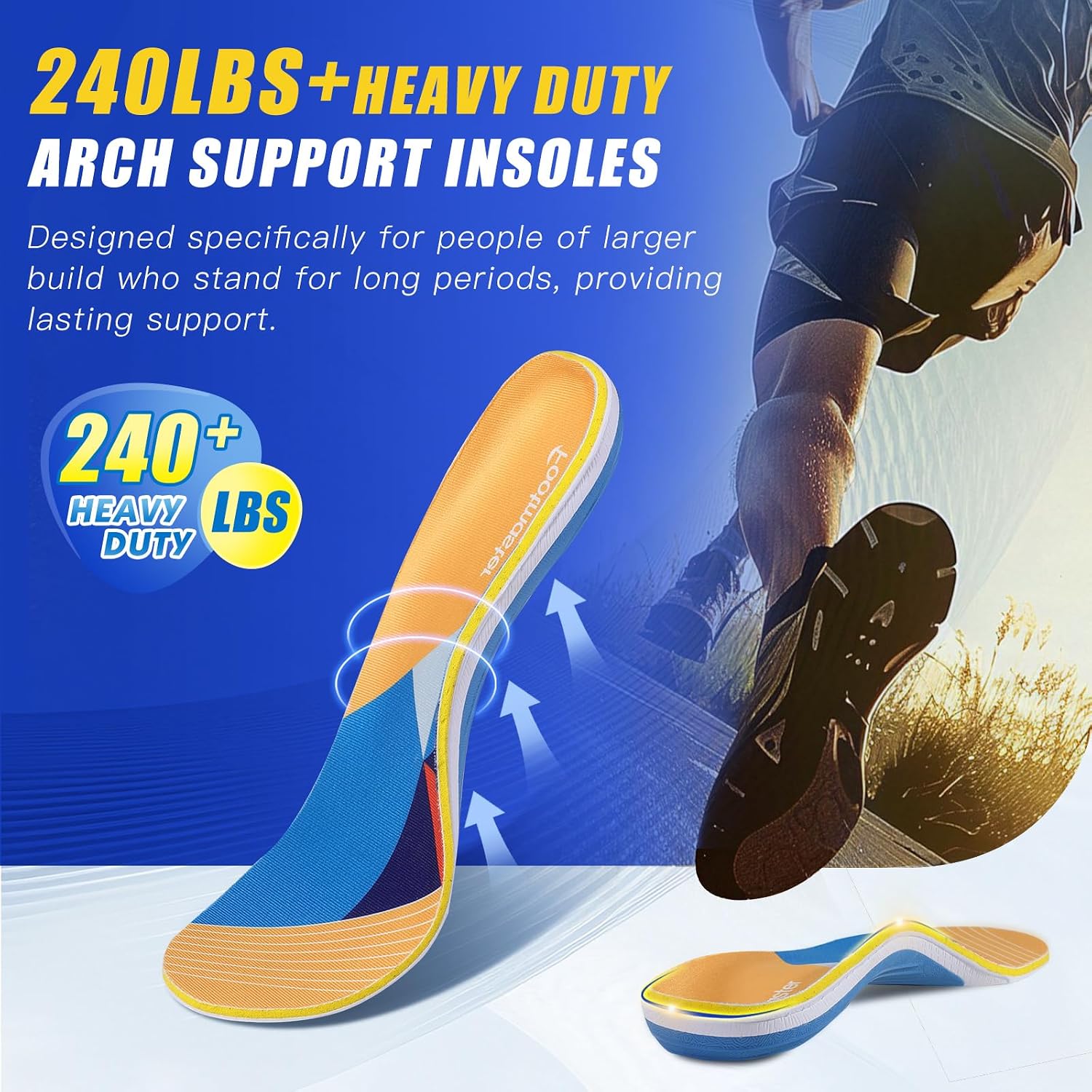
They’re also positioned as “heavy-duty” support, with a stated weight capacity up to 150kg. That matters if you’ve found many everyday insoles feel too soft, collapse quickly, or don’t give enough structure for sustained use.
Key features that affect day-to-day comfort
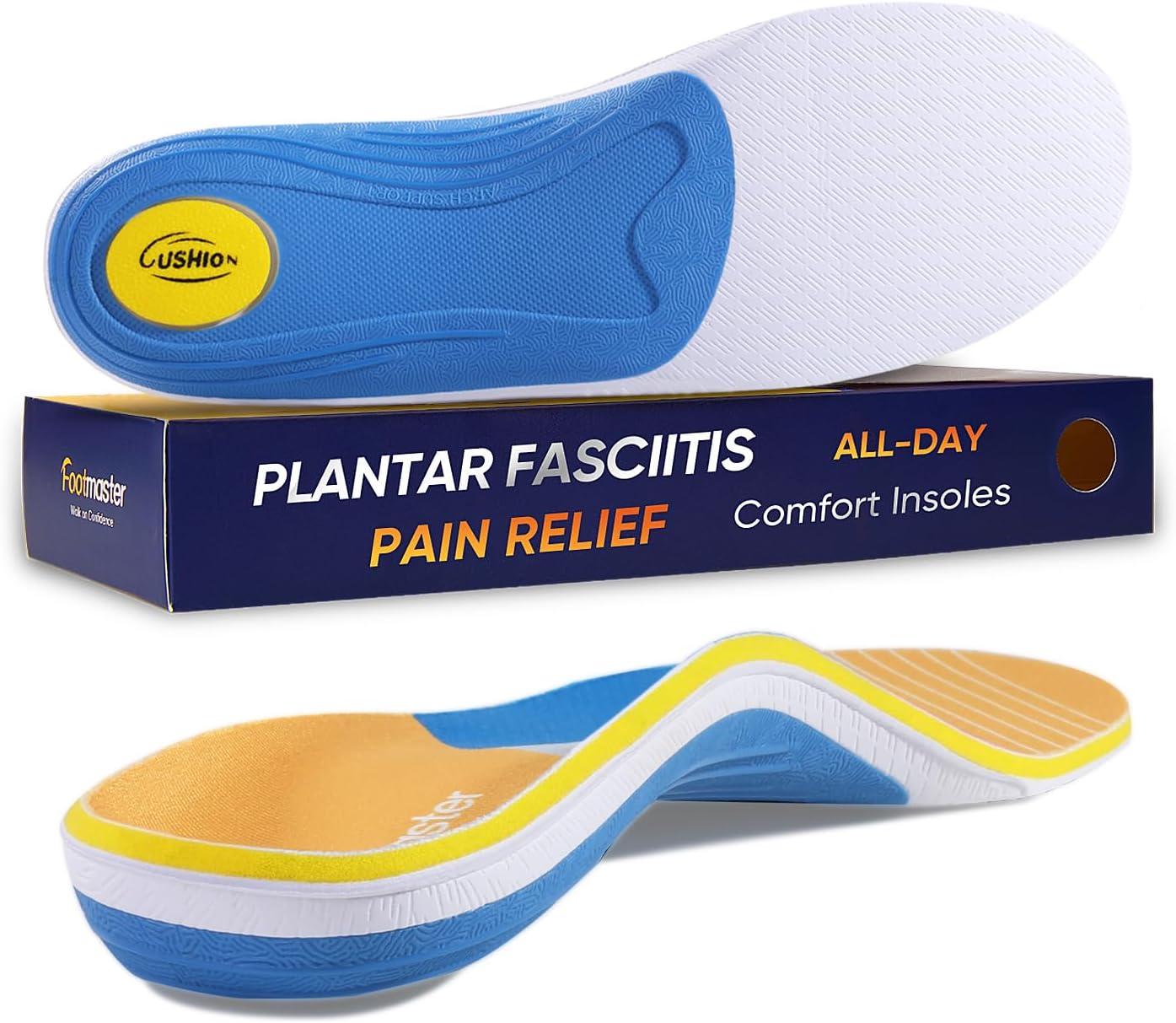
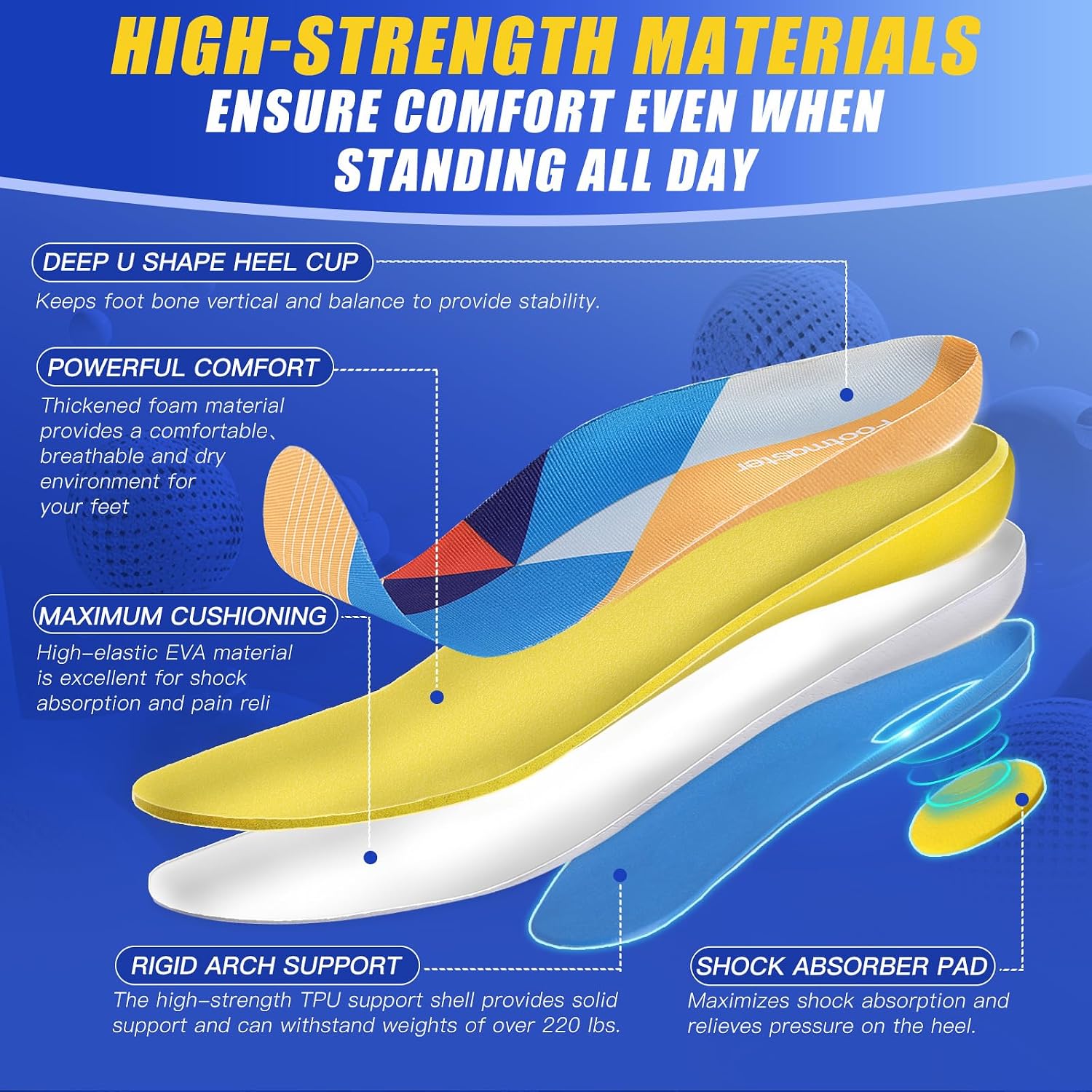
The most notable part of the design is the three-layer pressure-relief system. The brand claims a cushioning layer that improves shock absorption versus standard insoles, alongside a three-point support approach meant to distribute pressure more evenly.
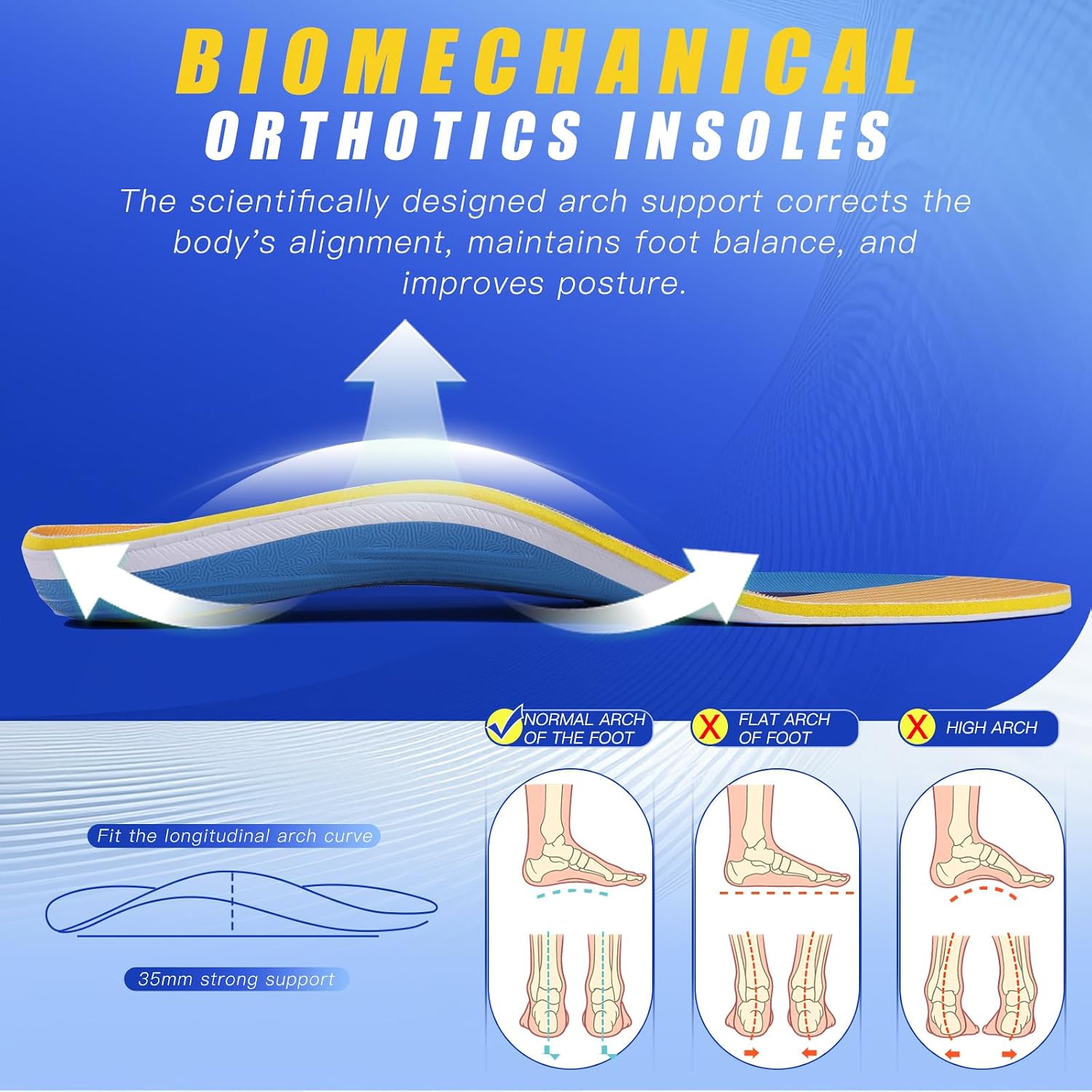
You also get a 3D contoured arch shape intended to mould to the foot and support excessive pronation. There’s a “U-shaped heel” designed to align the ankle–knee–hip line to help redistribute weight. The practical takeaway? Instead of only softening pain, these insoles are aimed at altering the mechanics that can contribute to heel strain in the first place.
For keeping things comfortable across long days, the insoles use 3D airflow mesh to help keep feet dry during extended shifts or big step days. The cushioning is described as EVA foam intended to retain comfort after high mileage of use.
What to expect when you start using them
A common issue with insoles for plantar fasciitis is that they can feel “different” at first, especially if you’ve been walking in flatter, less supportive footwear. FootMaster ProMax includes an adaptation hint: start with 2–6 hours per day to get used to the feel.
If you buy these thinking they’ll instantly fix everything from day one, you might be disappointed. The better way to look at it is gradual adaptation—enough time for your foot and gait to settle into the support.
Worth noting: even with good support, results will depend quite a bit on your footwear, your activity level, and how consistently you wear them while you adjust.
Who they suit best (and who may want to skip them)
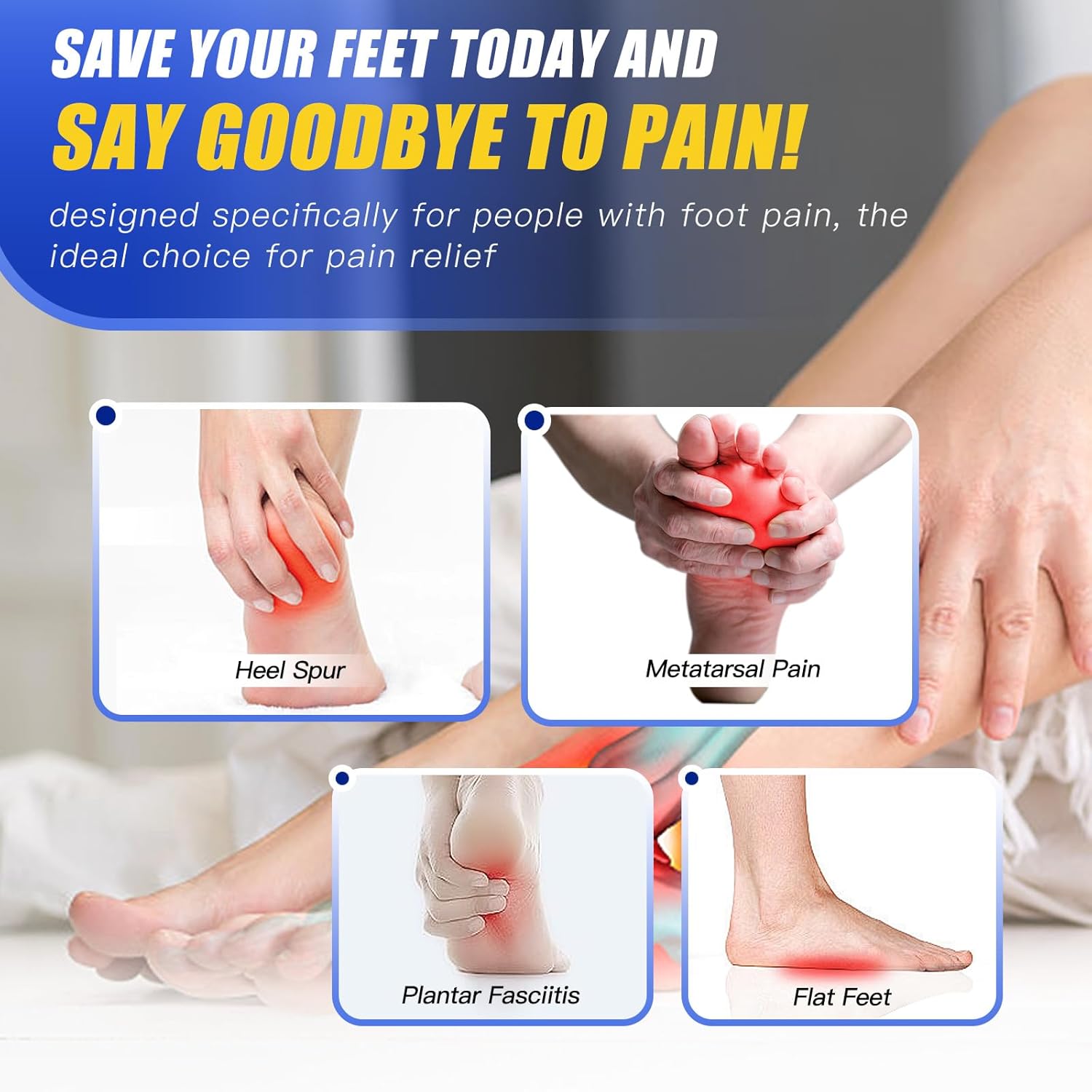
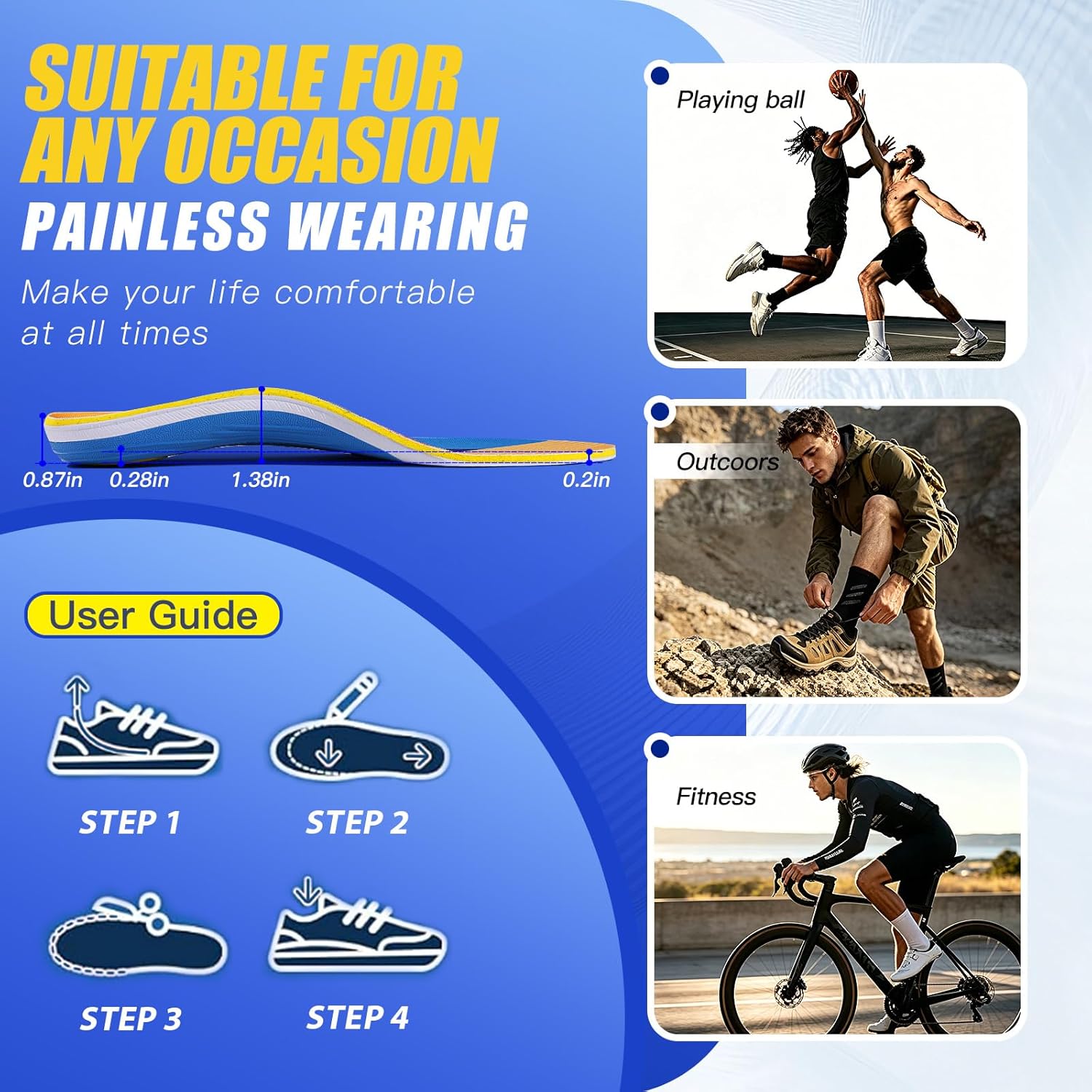
It makes sense if you’re dealing with heel pain or plantar fasciitis discomfort and you spend a lot of time on your feet. The product description specifically calls out occupations that involve long standing—such as manual/labour work, nursing, teaching, retail and hospitality.
It may be a better match than ultra-thin insoles if you want more arch structure and shock absorption for sustained use, rather than something purely for comfort.
It might not suit you if: - You only get occasional, mild discomfort and you’re not looking for true arch support. - You’re sensitive to changes in foot mechanics and don’t want any adaptation period (the 2–6 hours/day guidance suggests that transition matters). - Your shoe fit is very limited. These are trim-to-fit, but if there’s minimal space in your trainers, you may struggle to get a clean fit.
Key specifications to check before buying
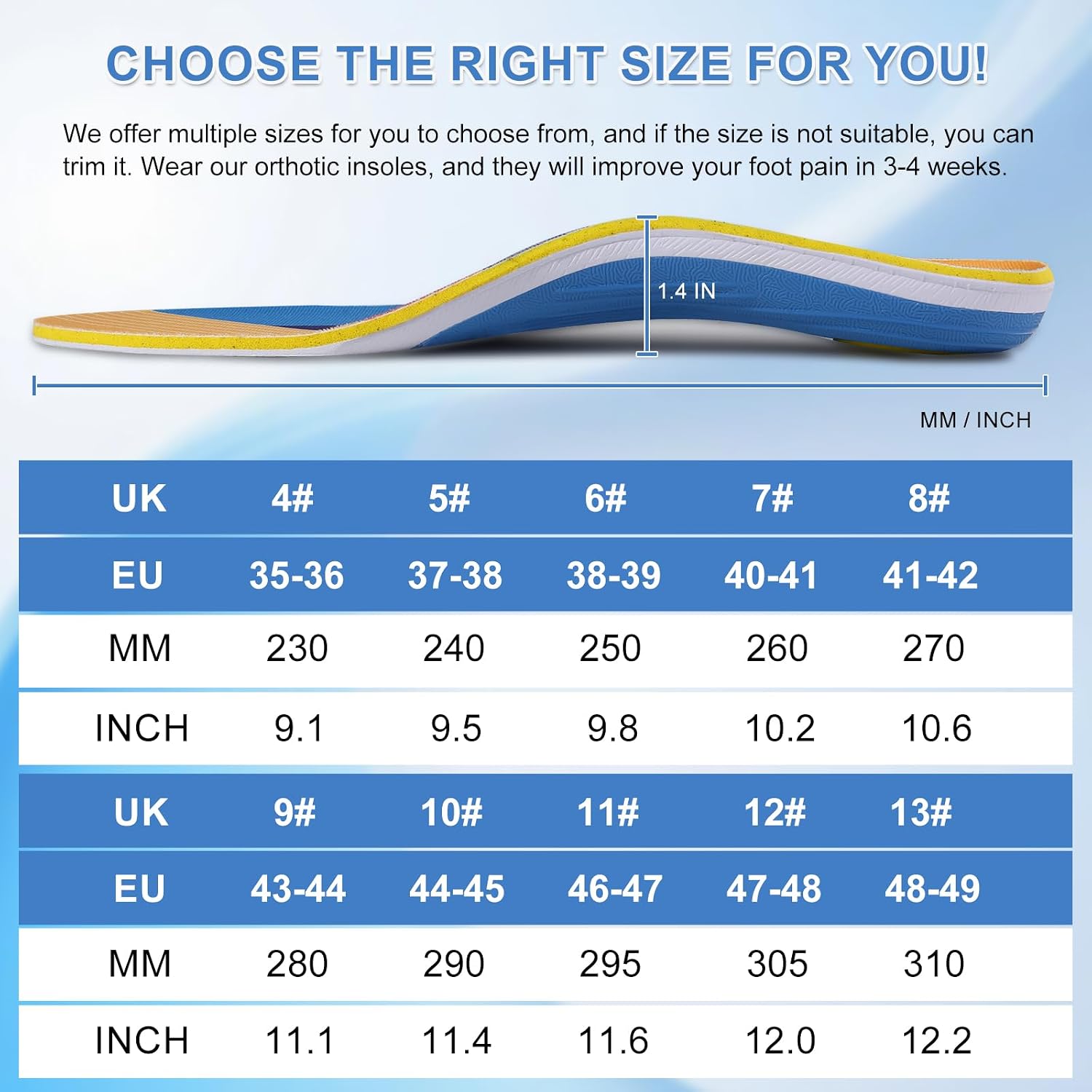
A few details are worth double-checking so you don’t get caught out: - Fit/size: the listing references UK9.5–10. - Weight capacity: up to 150kg (described as heavy-duty). - Construction/approach: triple-layer pressure relief, three-point support, and a contoured arch design. - Use case: targeted at people standing for long periods, with airflow mesh for moisture management.
If you’re between sizes or your shoes are already tight, it’s wise to measure and be realistic about how much material you can remove with the trim-to-fit design.
Is it worth it?
FootMaster ProMax is a solid “try if you need support” option if you’re actively managing plantar fasciitis or heel pain and you’re spending long hours on your feet. The pitch leans on mechanics (arch support, pronation correction, and alignment) rather than just cushioning, which is often what people need when symptoms keep returning.
But it’s not the best choice if you want an instant, no-adjustment solution, or if your footwear leaves little room for an insole. If you can commit to a gradual start (the guidance suggests building up from a few hours a day), and you pick the right size for UK9.5–10, it should fit the kind of day-to-day use it’s meant for.
Quick FAQ
How long should I give them before judging results?
The guidance suggests starting with 2–6 hours per day during adaptation, and the description also references improvements within about a week for many users. Still, individual response can vary.
Are they only for plantar fasciitis?
They’re specifically engineered for plantar fasciitis discomfort and heel pain/heel spur strain, but the underlying idea is support for mechanics and pressure distribution that can contribute to those symptoms.
Will they work in any shoe?
They’re described as trim-to-fit, which helps, but you still need enough room in your trainers/shoes to accommodate an insole comfortably.
What makes them different from basic cushioned insoles?
The design emphasis is on a multi-layer pressure-relief system plus a three-point support structure and contoured arch shape, rather than cushioning alone.