

Folizent 75x300cm Silver one-way reflective privacy window film
Reviews
Price
Product description
The essentials
If you’ve ever had the problem of bright glare in the day or privacy you can’t quite rely on, a one-way reflective window film like this Folizent option is designed to tackle both. On paper, it adds a mirror-like effect in daylight, helps reduce glare, and also claims to cut down UV and infrared heat transfer through the glass.
It’s the sort of product people look at when they want an alternative to bulky curtains or blinds—especially in rented spaces where you might not want to install anything permanent. That said, it’s not a magic cloak for the whole day and night: the film’s privacy effect depends heavily on lighting conditions.
Key points for buyers
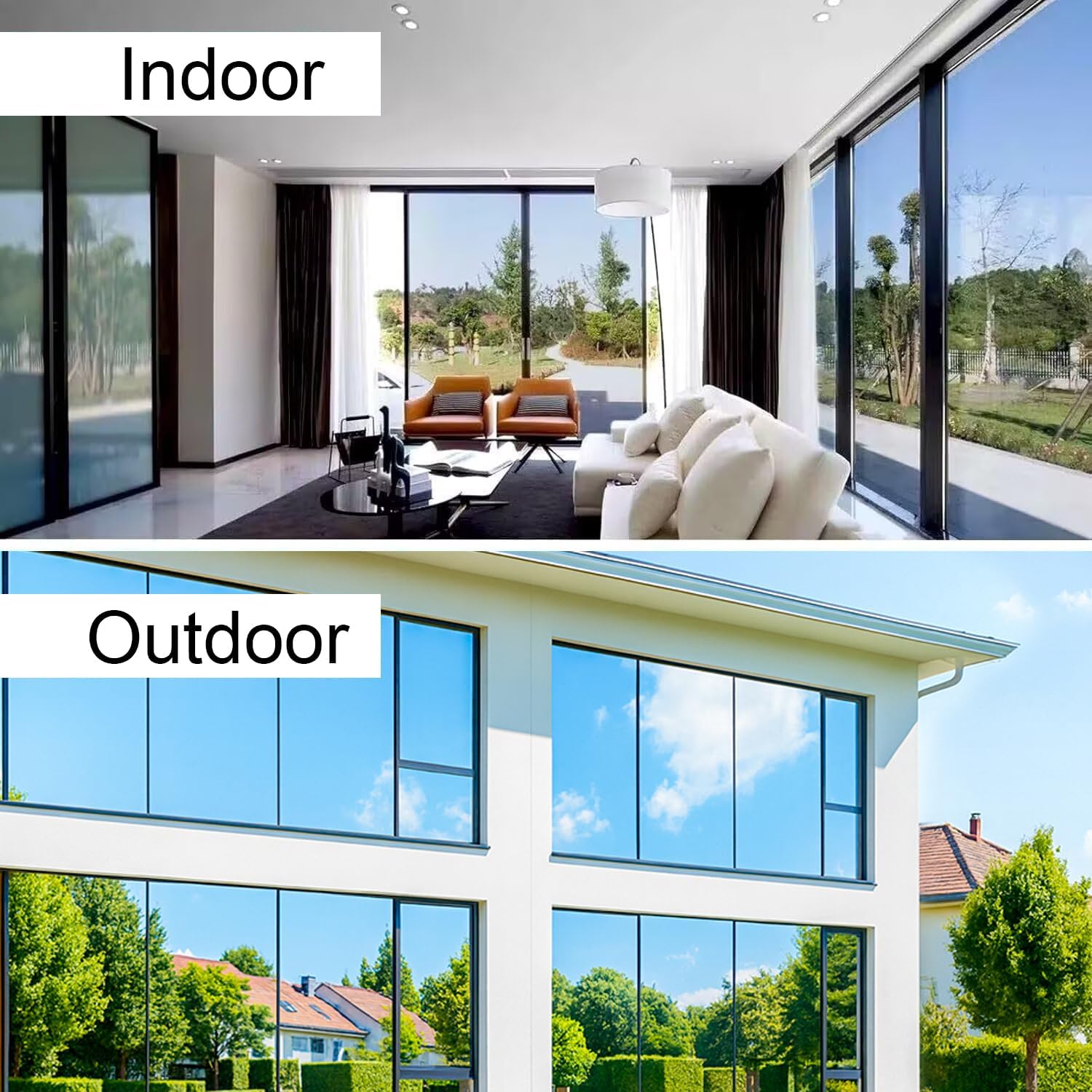
This is a reflective “one-way” privacy film: in daylight it aims to reflect light back from the side with more light, so you can keep a clear view from inside. You’ll also get a softer lighting feel compared with direct harsh sun, based on the way it’s described.
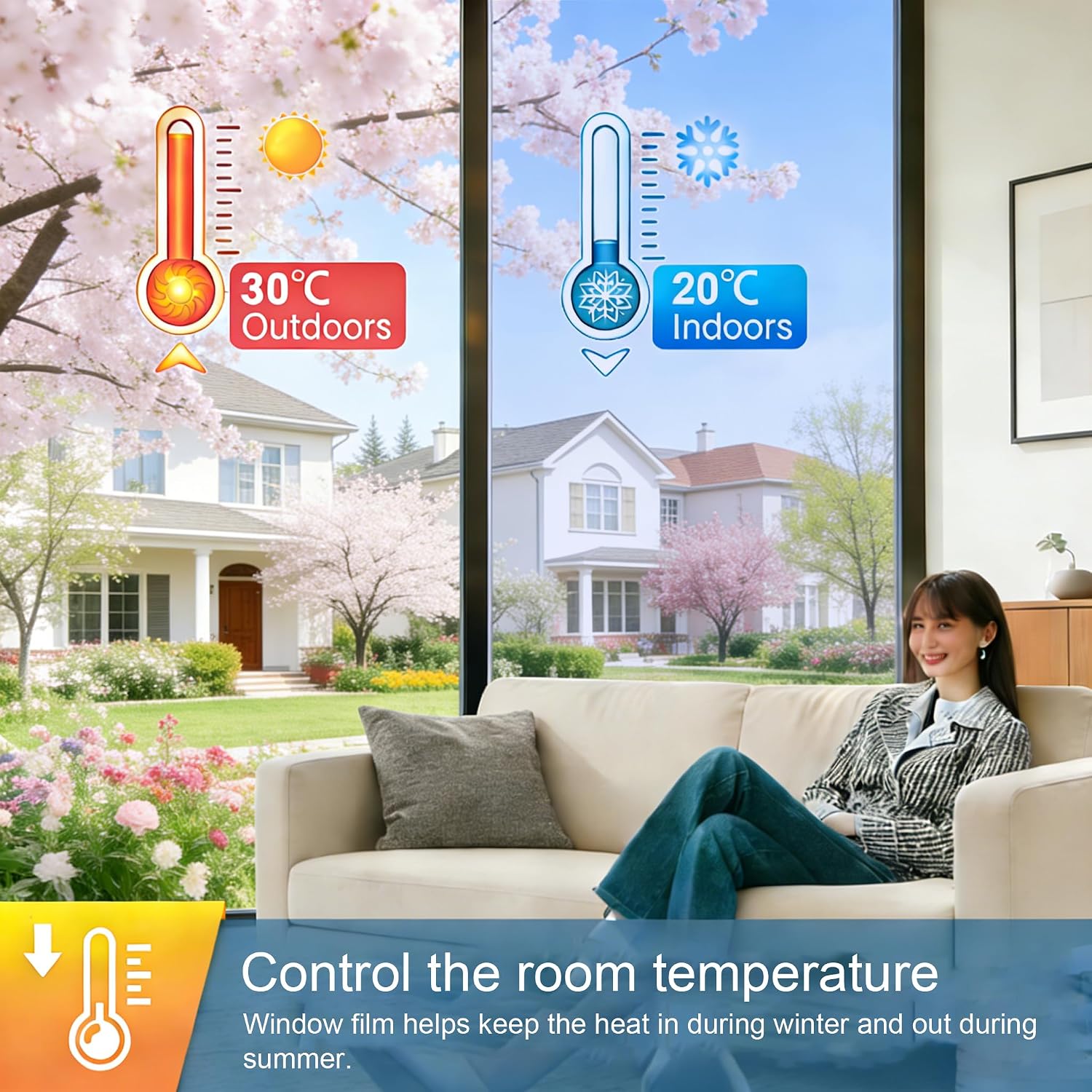
The other big reason to consider it is the UV and heat angle. The manufacturer’s claims are that it blocks 90% of UV rays and 80% of infrared rays, and that the reflective “mirror effect” is engineered to reflect not just light but heat energy to help regulate how much heat transfers through the window.
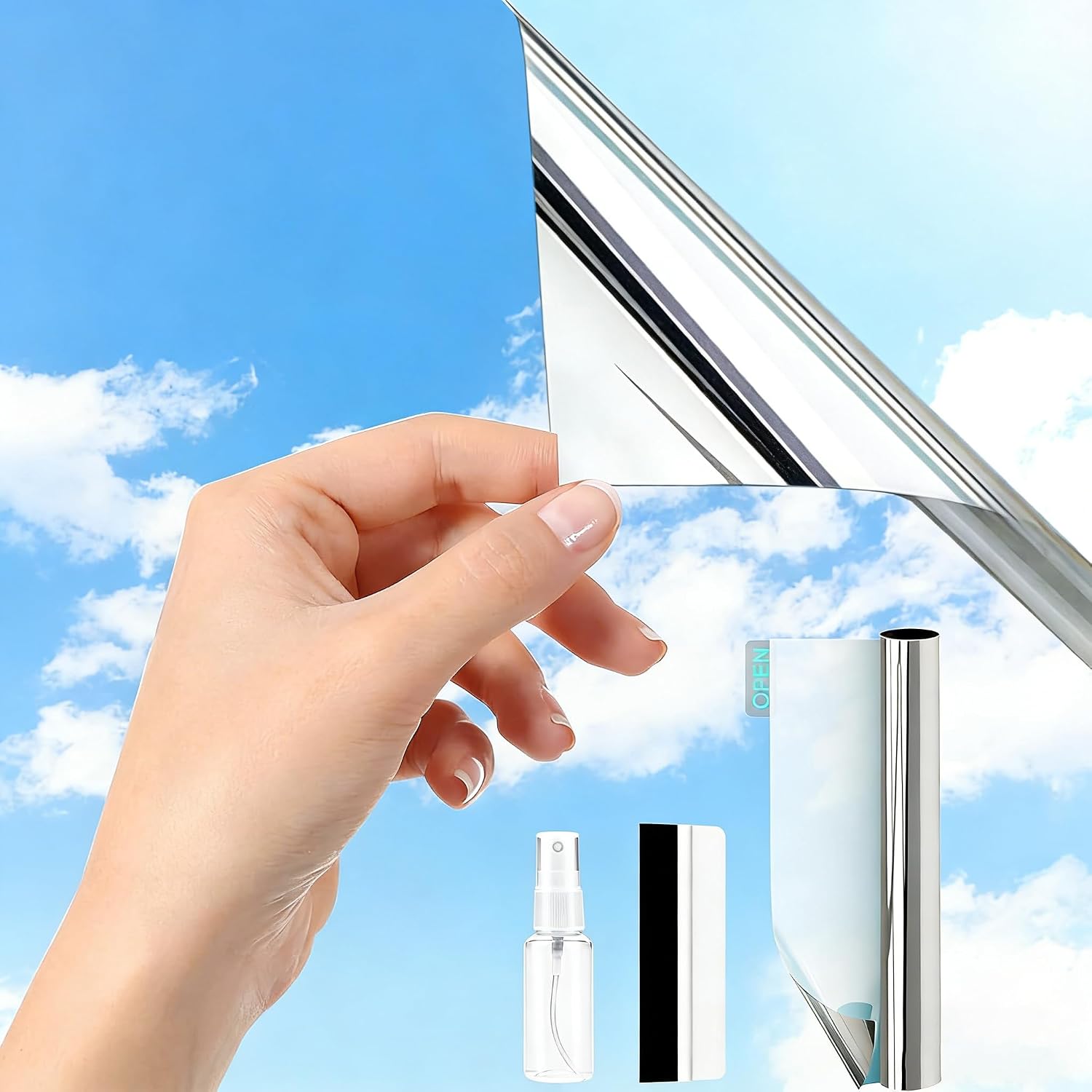
Where it may not suit everyone is if you’re expecting full privacy regardless of whether it’s day or night. The guidance included is pretty clear: at night, when indoor lighting is brighter and the outside is darker, the indoor mirror effect can make it easier for people outside to see in—so you’re advised to draw curtains at night.
What it’s like in everyday use
In practical terms, the day-time experience is meant to be about comfort. Imagine sitting in a living room when sunlight is blasting through the glass: the film is intended to reduce glare and create more “soft light”, rather than that sharp, sun-in-your-eyes brightness.
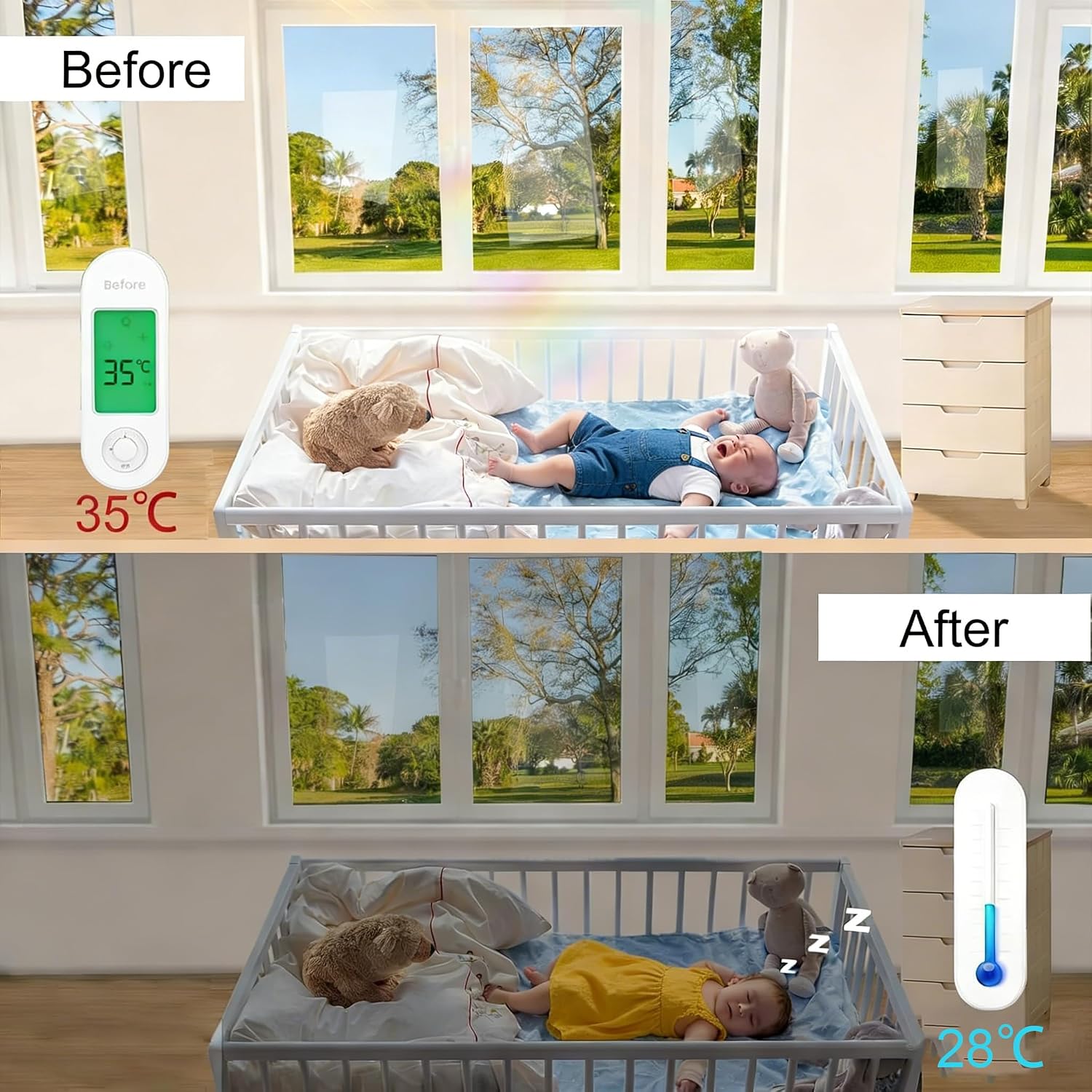
For the “heat” side, the expectation is that windows can feel less like a greenhouse in summer and less like a heat-leak in winter, because infrared light is associated with heat energy. It’s not described as a full replacement for insulation, but the purpose is to minimise heat transfer through the window glass.
And there’s a protection-by-proxy element too: reducing UV exposure is meant to help limit early fading of furnishings over time. If you’ve got curtains, carpets, or upholstery that tend to dull quickly in strong light, it’s one of the reasons people go for UV-blocking films.
What you’ll notice day to day (and where it can fall short)
The good side, based on the claims and intended behaviour: - Daytime privacy via a mirror effect, while still allowing an inside view. - Less harsh glare, aiming for a more comfortable indoor brightness. - UV and infrared reduction claims (useful if sun exposure is a daily issue).
The limitation to keep in mind: - Night privacy isn’t guaranteed. The included note effectively says you should expect to use curtains at night. - Film performance depends on lighting difference (who is brighter: inside or outside). If your lighting setup is unusual—say, bright outside lighting or very dark indoors—the “one-way” effect may not feel as strong.
That “depends quite a lot on conditions” point is important because it’s the difference between a film that feels clever and one that feels misleading.
Tech summary
This product is described as a one-way reflective window film in silver, intended for glass windows and doors on flat, clean, smooth surfaces.
The key performance claims listed are: - Blocks 90% of UV rays - Blocks 80% of infrared rays - Designed to reflect light and heat (mirror effect) to reduce heat transfer through window glass
Dimensions mentioned in the product name are 75x300cm, which suggests a roll format suited to covering larger window areas.
Installation recommendations (what matters for a decent finish)
Installation is one of those areas where shopping for films can go either really smoothly or slightly frustratingly, depending on how careful you are. The guidance provided is practical and worth following:
Start by removing the protective backing film. Then, spray plenty of water before applying the film—this helps you position it and reduces the chance of creasing.
For larger windows, the recommendation is to have two people involved so you can lay it down smoothly. When it comes to bubbles, the method suggested is to use a damp cloth wrapped around a squeegee to remove them.
Finally, trim any excess film and wipe away moisture for a clean finish. If you rush the trimming or don’t fully manage the moisture, you may not get the neat look you expected.
Is it worth it?
Worth considering if you want daytime privacy and less glare without immediately going down the curtains/blinds route, and if your main goal is sun comfort and UV-related fading protection. It also makes sense if you’re a renter or you’re after a non-bulky alternative, because this is positioned as a window film solution for home and office spaces.
Better avoided if you need consistent privacy at night as a standalone solution, because the guidance specifically recommends drawing curtains after dark. You may also want to think twice if you don’t feel comfortable with the installation steps—especially bubble removal and trimming—because the end result depends on careful fitting.

Mini FAQ
Will I still be able to see outside?
Yes, the film is described as offering a clear view from the inside in daylight, while creating a mirror effect on the outside.
Is it really one-way privacy all the time?
Not quite. The note says at night, with more indoor light and darker outside, the indoor mirror effect appears and people outside can see in. Curtains are recommended for night-time.
Does it block UV and heat?
It’s claimed to block 90% of UV rays and 80% of infrared rays, with a reflective mirror effect designed to reduce heat transfer through the window glass.
Where can it be fitted?
The guidance says it works on flat, clean, and smooth glass windows and doors in homes and offices, including rooms like kitchens and living rooms, plus garages.
What’s the easiest way to avoid bubbles?
The installation advice suggests using a damp cloth around a squeegee to remove bubbles after applying the film on a well-wetted surface.