


Flintronic Mini 3D Pedometer for Walking 🚶
Reviews
Price
Product description
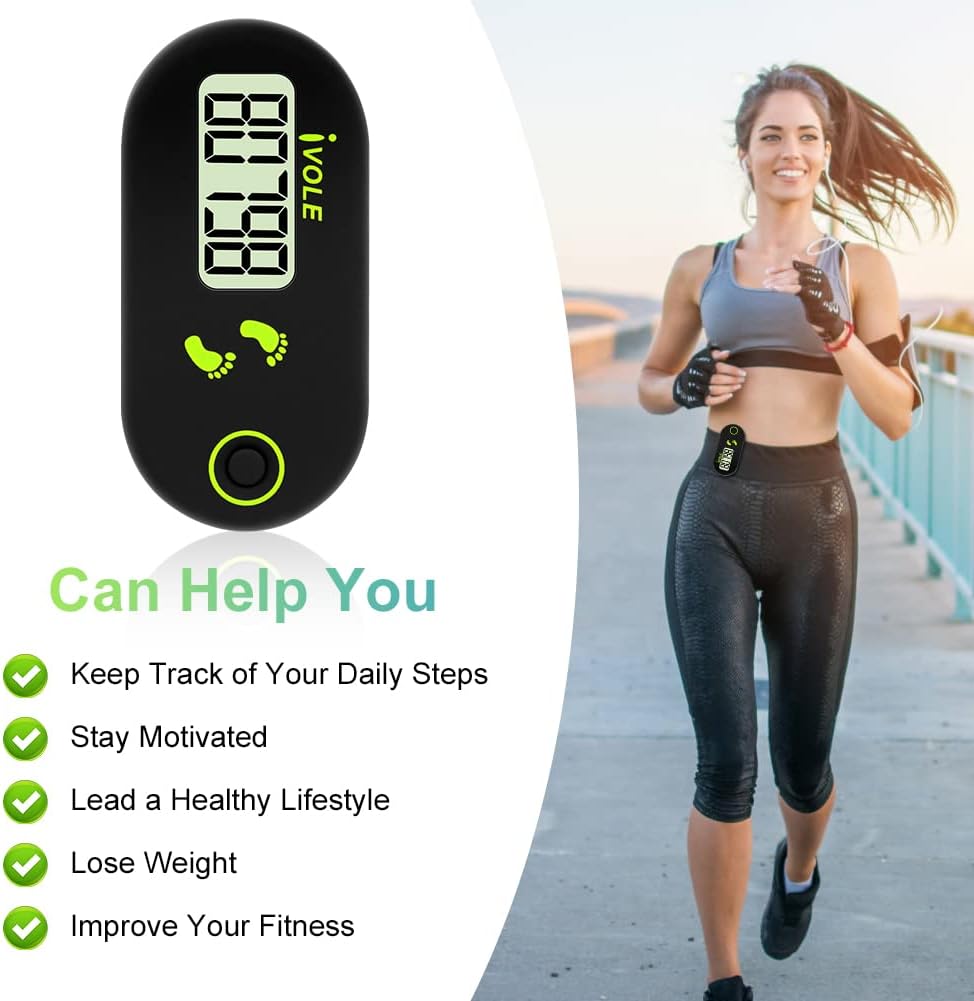
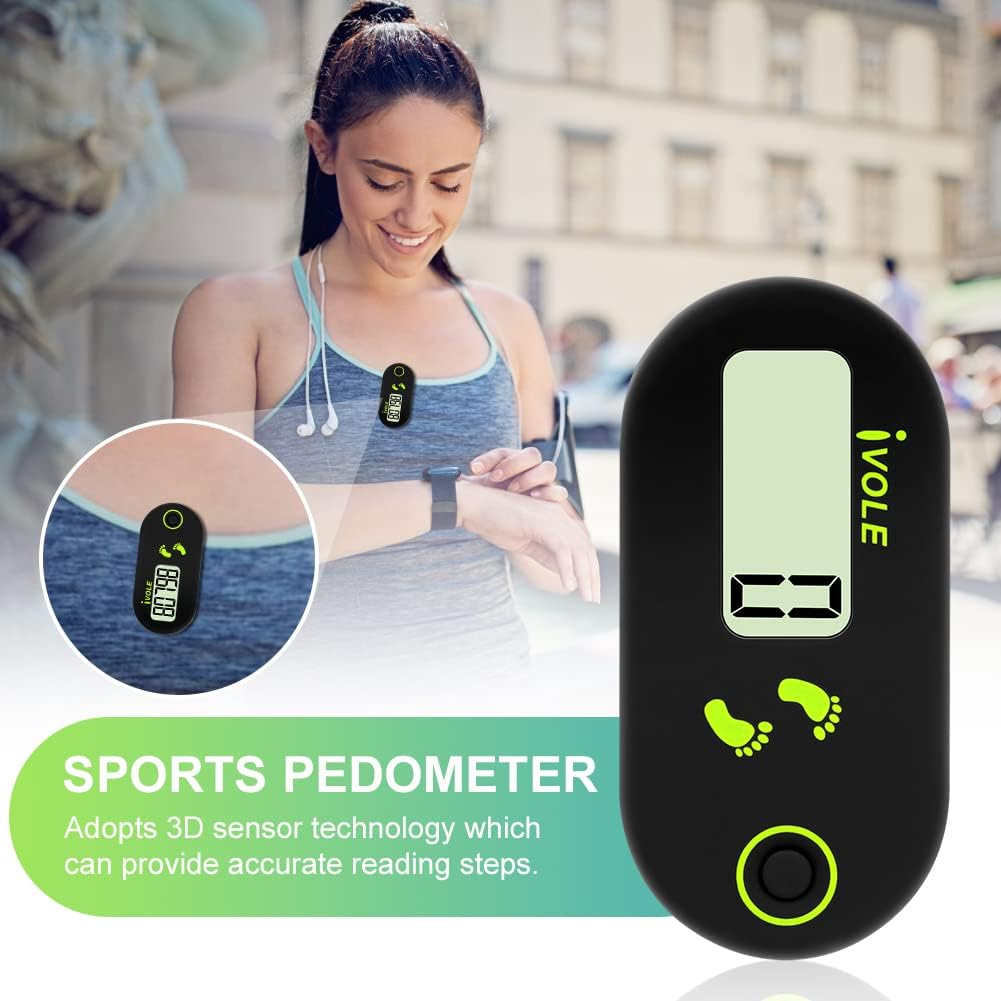
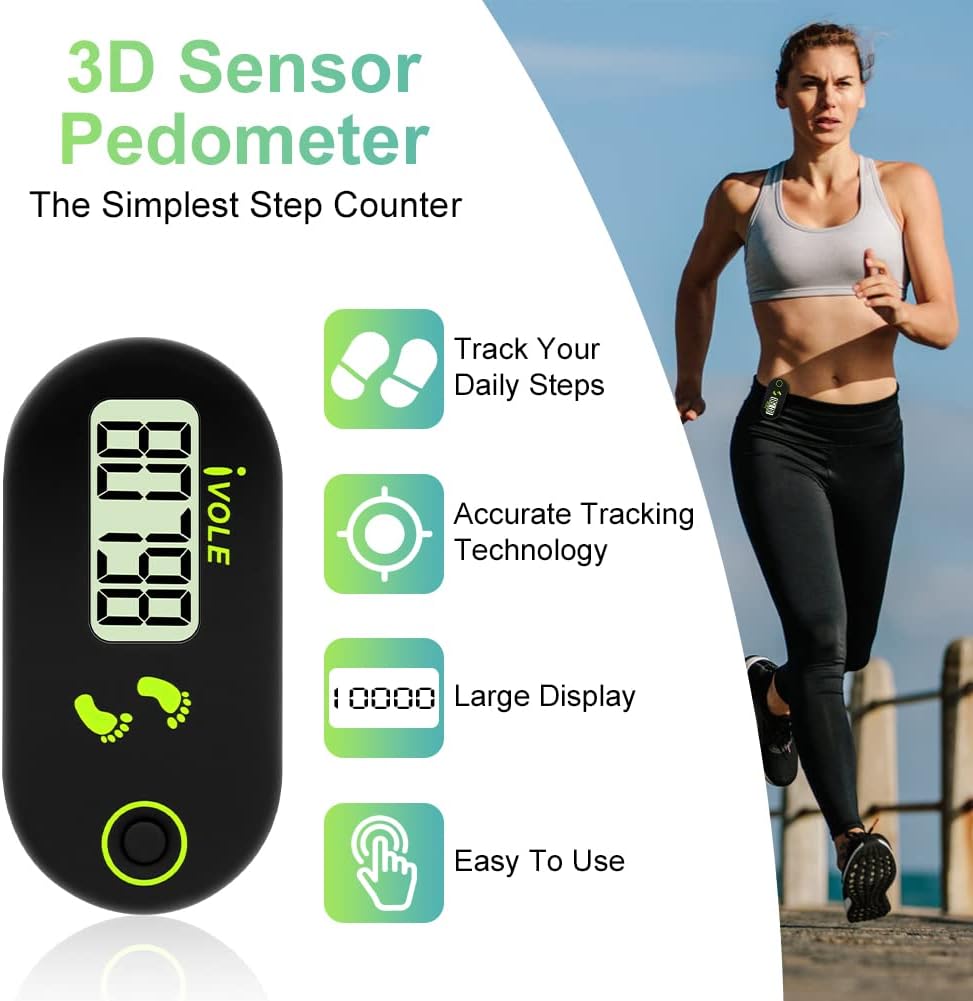
This compact pedometer from flintronic offers a lightweight way to monitor daily activity, ideal for walkers, older children and adults who want simple step tracking. It uses a 3D three-axis sensor to read steps in real time and shows progress on a clear display, helping users stay motivated during walks or light exercise.
Key Points
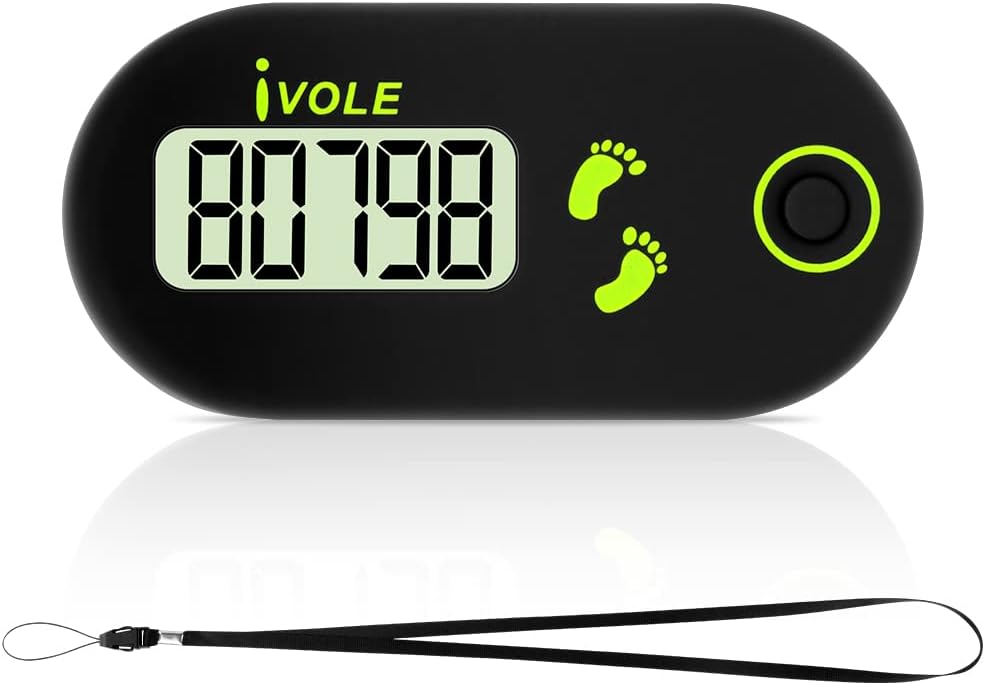
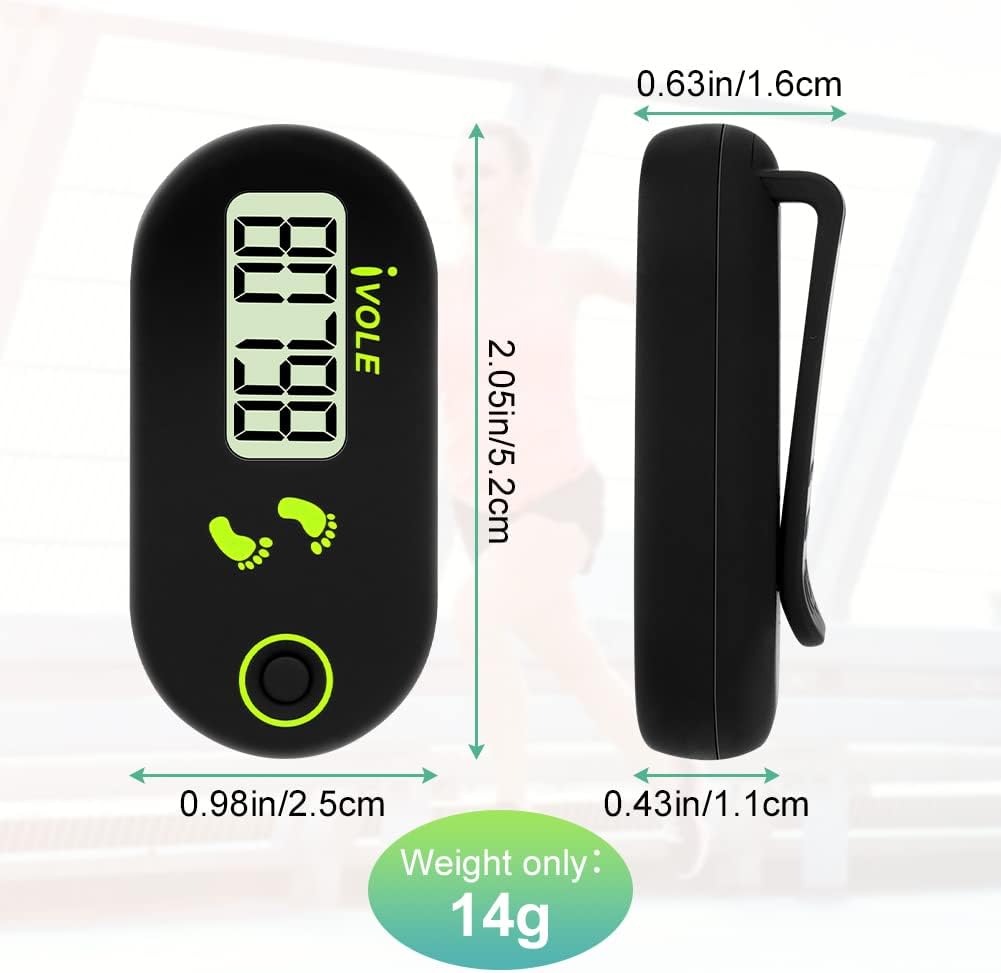
The unit is small and portable, with a clip and lanyard included for convenient attachment to clothing or a bag. Its ABS construction is described by the manufacturer as wear-resistant, making it suitable for regular everyday use. The pedometer ignores very short or accidental movements by only registering steps when five consecutive steps are detected, which helps reduce false counts during routine handling. It comes with a CR2032 button cell fitted and features automatic sleep and wake behaviour that activates when movement is detected, conserving battery life.
Technical Specifications
- Name: flintronic Mini 3D Walking Pedometer
- Material: ABS
- Sensor: 3D three-axis step detection
- Step count range: up to 99,999 (according to the manufacturer)
- Power: CR2032 battery included
Usage Recommendations
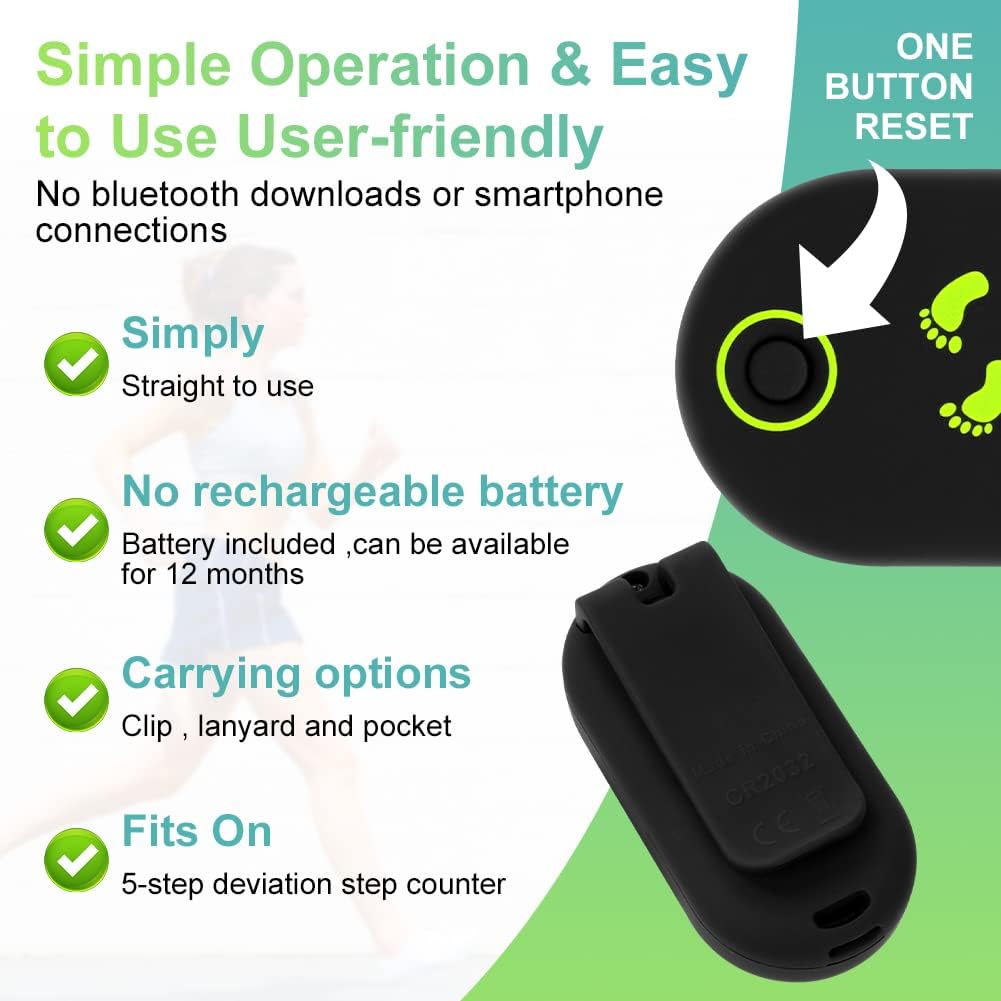
Start the device with the single button and clip it securely so the sensor can register motion accurately. For best results place it on a belt, waistband or in a pocket where vertical movement is transmitted reliably. Because the pedometer requires at least five continuous steps to begin counting, short indoors shuffling may not register immediately. This behaviour helps prevent accidental counts but may mean very brief strolls are not reflected until movement continues.
Advantages
Operation is intentionally straightforward, with just one button to reset or start counting, so the learning curve is minimal for older users or children. The real-time display provides immediate feedback during activity, which can encourage small, achievable goals throughout the day. The lightweight design and included lanyard make it practical to carry during everyday routines, and the low-power consumption system is designed to extend battery life between replacements.
Notes on limitations and practicalities are useful to consider. The pedometer is focused on step counting only and does not include advanced metrics such as distance calibration, heart rate or calories burned. Also the accuracy depends on placement and gait, so results should be taken as indicative rather than medical-grade measurements.