

FLASHFORGE TPU95A Elastic Filament 1.75mm (1kg) – Black
Product description
What it is and what it solves
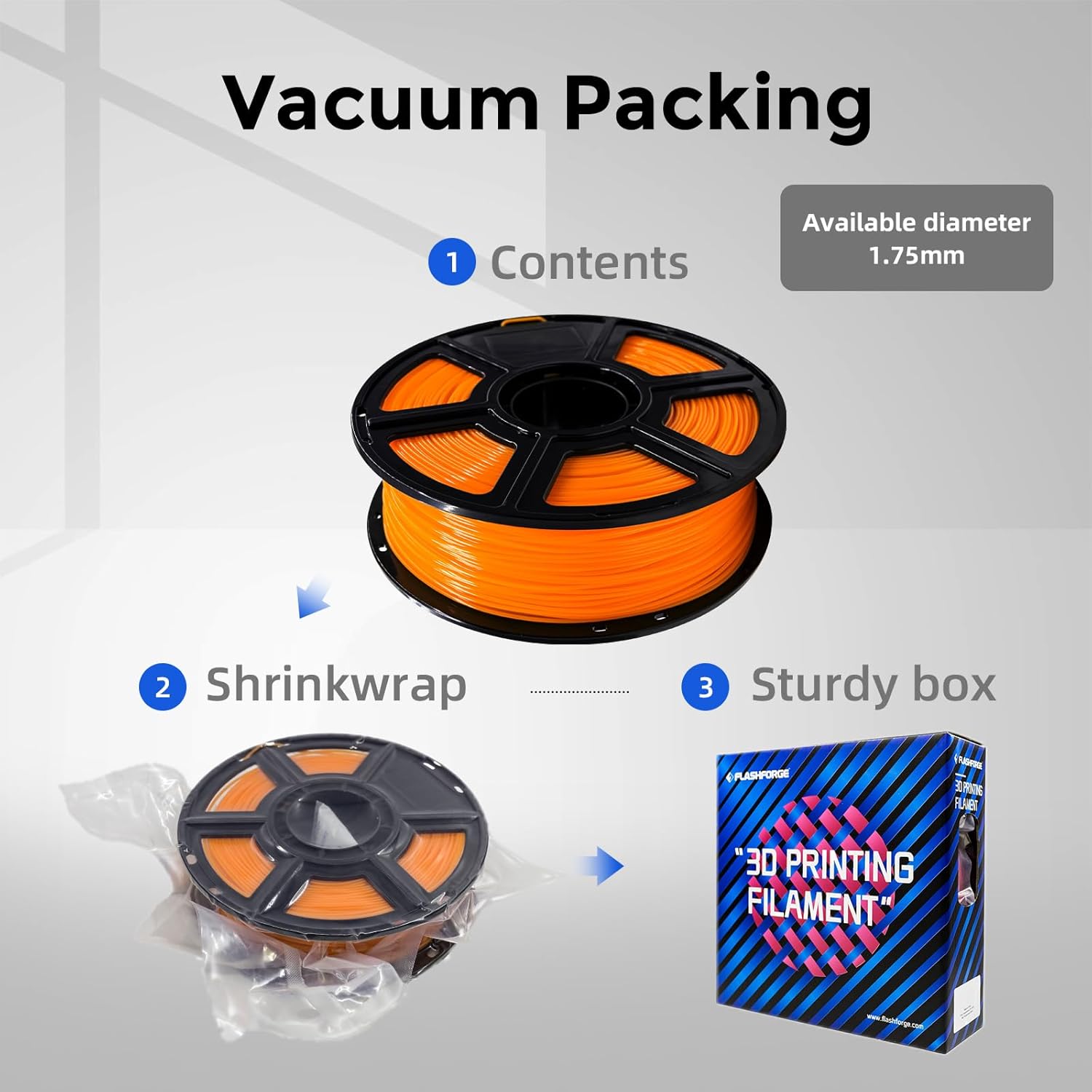
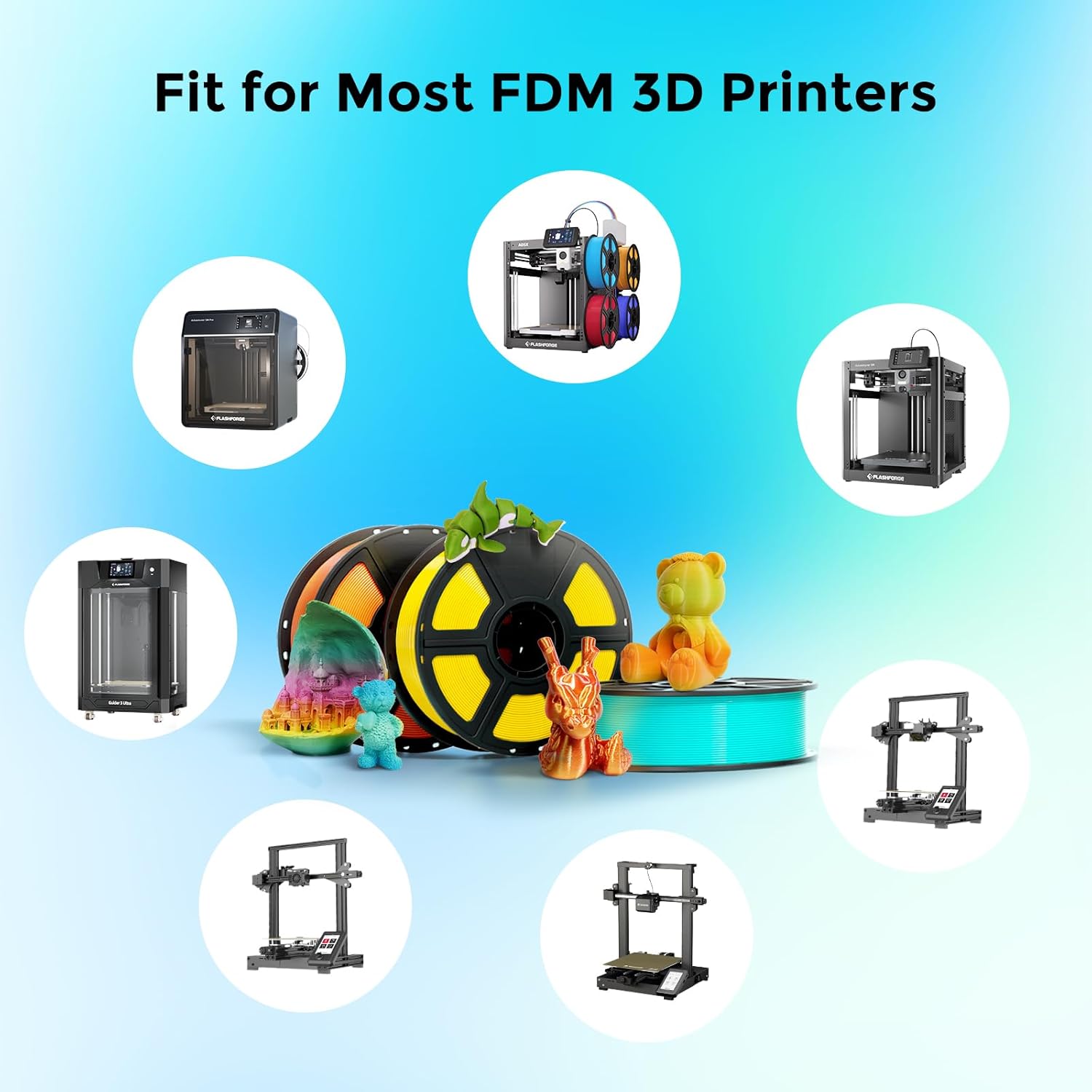
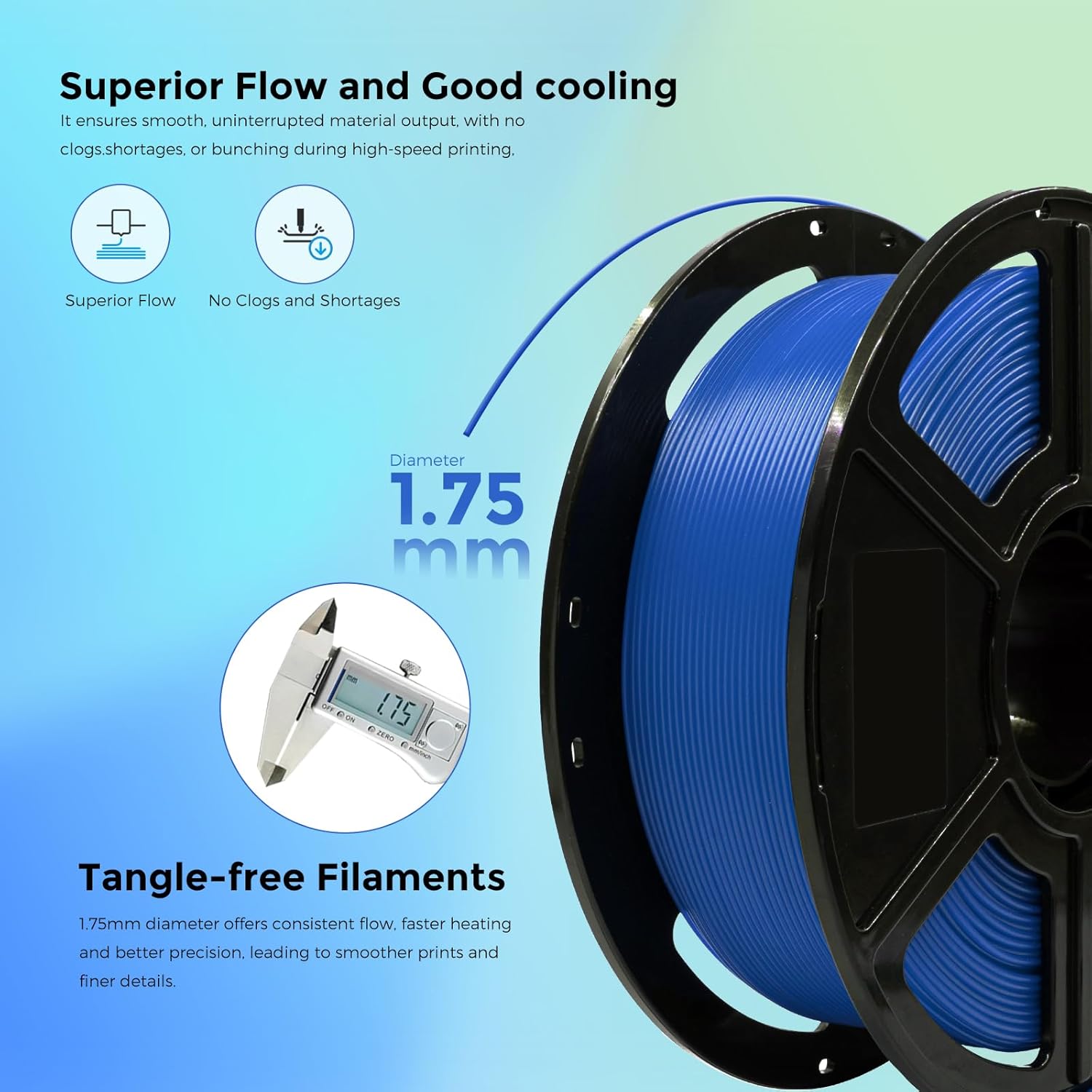
Flashforge's Elastic Consumable is a TPU filament designed for flexibility, toughness and resilience. With a Shore 95A surface hardness, it’s aimed at producing prints that can stretch and return to shape, making it useful for soft prototypes, wearables and functional parts where a bit of give matters. The 1.75mm diameter and 1kg spool size align with common FFF printers, while vacuum packaging helps minimise moisture exposure before use.
How it prints on paper
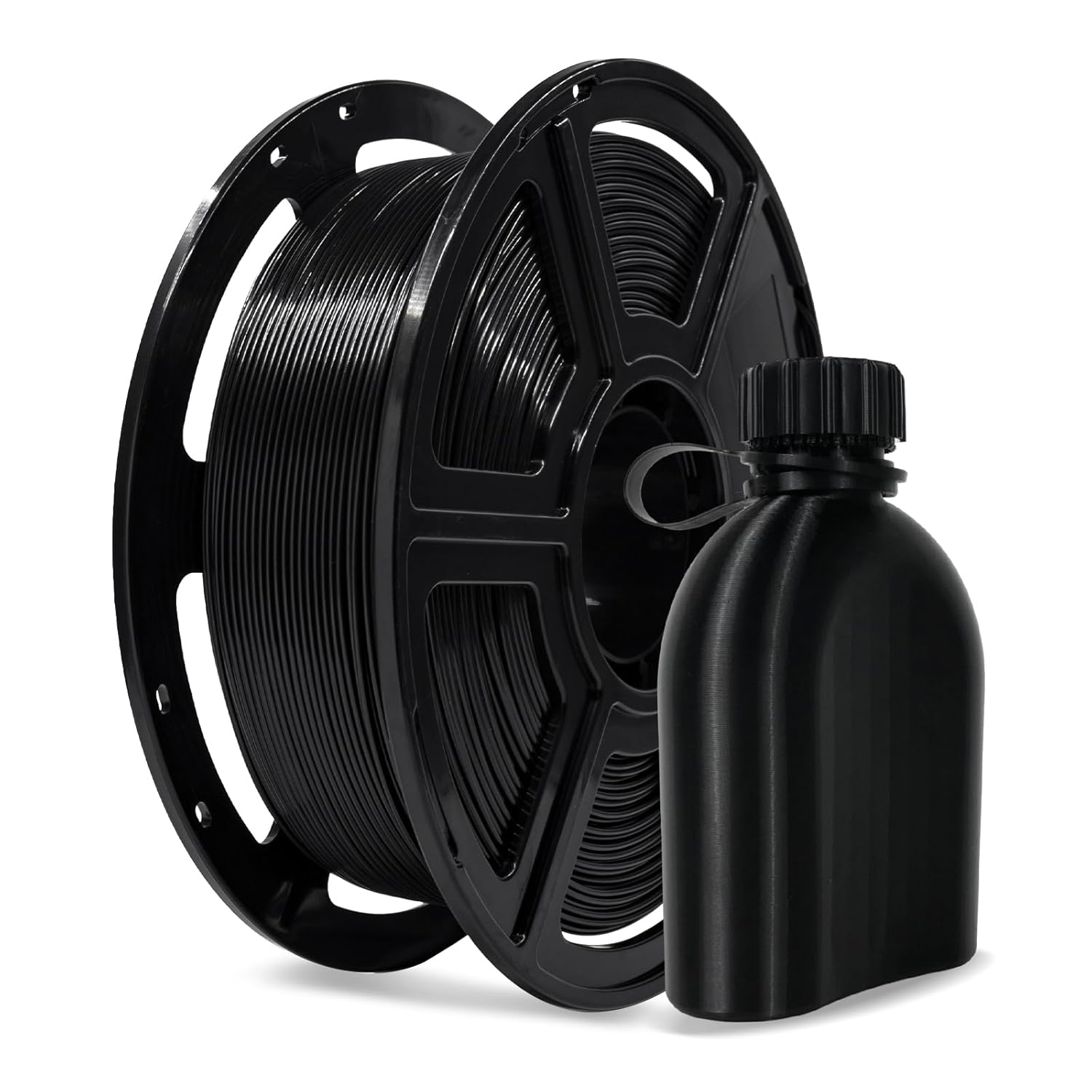
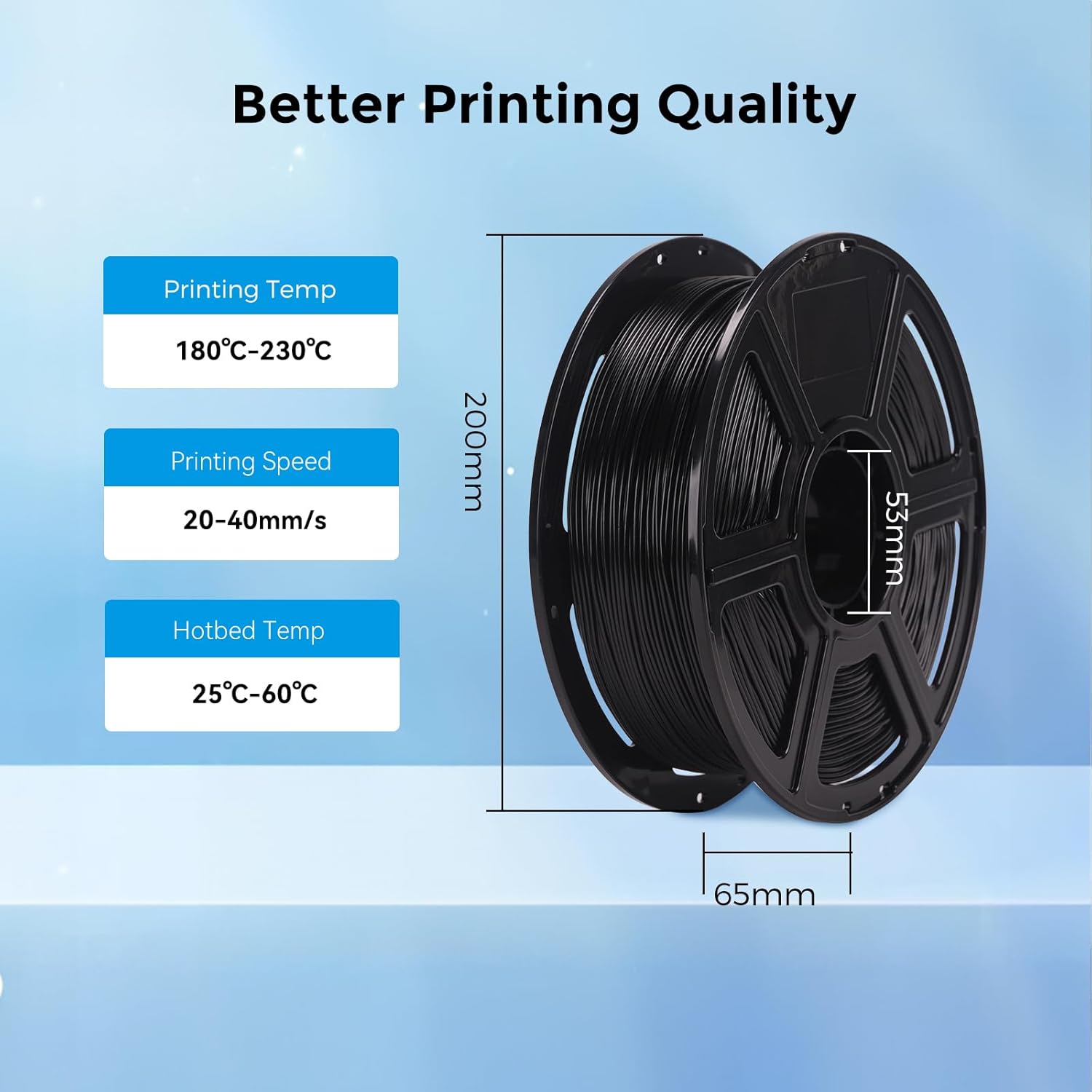
Across the board, TPU95A offers good interlayer bonding, which translates to solid layer adhesion in practical terms. The material is suited to a broad temperature window from -30 to 100 °C, providing a sensible balance for parts that may encounter varying environments. The combination of elasticity and durability is what the formulation aims to deliver, especially for items that require some flexibility without compromising structure.
What stands out
The standout feature is the high elasticity paired with durability. Being able to stretch prints up to three times their original length can enable new design approaches, particularly in wearable components or soft grippers where resilience matters. The wide temperature tolerance expands its use beyond basic prototypes to more functional applications that could see exposure to heat or cold.
Limitations to keep in mind
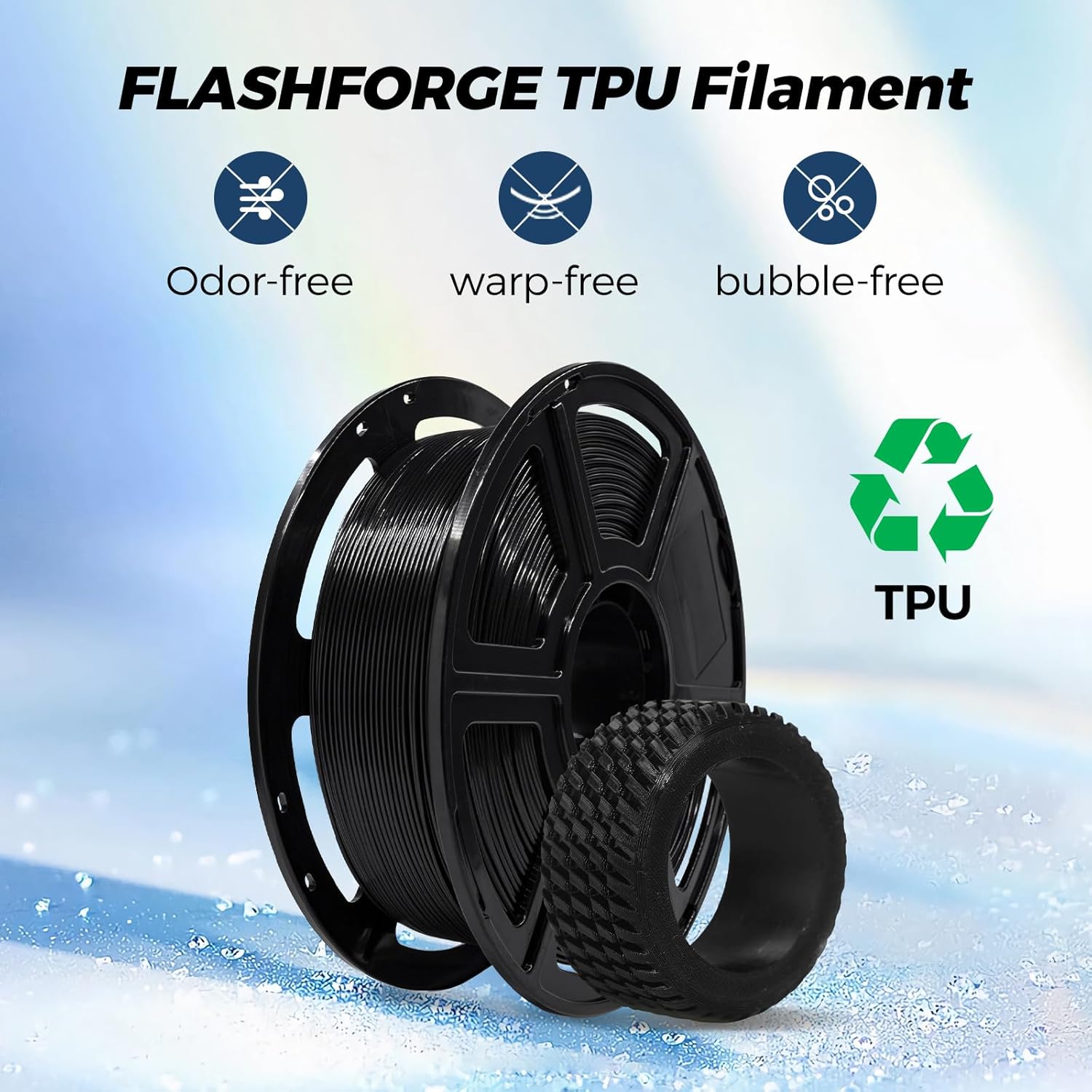
TPU materials can be trickier than standard filaments, print settings sometimes require tuning for extrusion, retraction and speed to avoid stringing or warping. While the product promises good layer adhesion, a user may still need to optimise calibration on their specific printer. Also, the hardness at 95A means it’s less pliable than softer TPU grades, so consider whether the rigidity fits your design goals.
Who it’s for
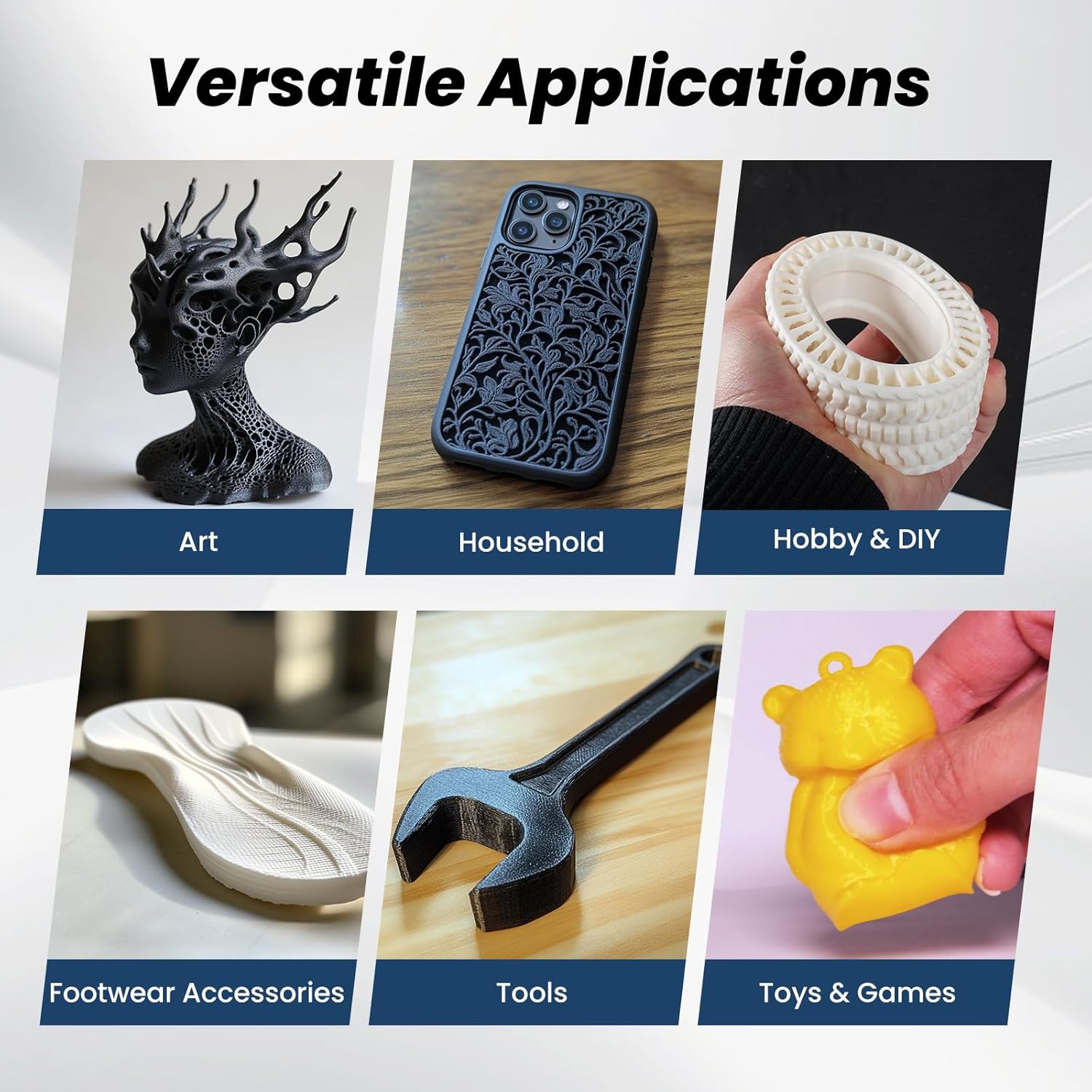
- Makers designing wearables or soft prototypes where a balance of flexibility and strength matters.
- Hobbyists and semi-professionals seeking a durable, impact-resistant TPU for functional parts.
- Projects that may experience repeated bending or compression, where elasticity could extend part life.
Who it isn’t ideal for
If your priority is ultra-soft, highly elastic parts or parts requiring maximum elongation, a softer TPU grade might be preferable. For ultra-tight tolerances or very high-speed print demands, some users may encounter print challenges typical of flexible filaments.
When it makes sense to buy
- You need a robust TPU option that combines elasticity with good abrasion and chemical resistance.
- Your designs involve wearables or soft fixtures that require some stretch without losing integrity.
- You print across a range of environmental conditions and want a filament that won’t degrade quickly with temperature swings.
What to review before buying
- Confirm your printer’s ability to handle flexible filaments and that the extruder/idle travel supports TPU.
- Check your nozzle size and bed adhesion approach to accommodate the material’s propensity to warp if print failure is a risk.
- Consider the colour and finish, this version comes in Black, with potential variations in other batches.
Practical usage example
Imagine a soft, wearable clip that needs gentle bending without cracking. TPU95A’s elasticity allows the clip to flex with movement and return to shape, while the underlying structure remains intact after repeated use. A practical workflow would involve slow, controlled infill and careful heat management to maintain dimensional stability during printing.
How it compares to alternative approaches
If you’re weighing a flexible material versus rigid plastics, TPU95A offers a middle ground: more give than PLA or ABS, but more structure than the softest elastomers. For applications requiring recoverable elasticity, it’s a viable option, for high-stretch applications, you might look to softer TPU grades. In some cases, powder-coated or coated surfaces can also influence wear resistance, consider whether that matters for your end use.
Final verdict
Final verdict
It’s solid value for those needing a resilient, slightly elastic print material in the 95A hardness range. If your goal is wearables or soft prototypes that won’t snap under moderate bending, this filament makes sense. It may not be the best choice if you require ultra-soft flexibility or extremely high elongation, but it offers a practical blend of elasticity, durability and environmental tolerance for everyday maker projects.
FAQ
- Is it easy to print on standard FFF printers? It’s compatible with most proximal feeds, but you may need to fine-tune settings for optimal results.
- What applications suit TPU95A best? Wearables, soft prototypes and functional parts that benefit from elasticity and resilience.
- How should I store the filament? Vacuum packaging is used for transport to minimise moisture exposure, once opened, dry storage is advisable to maintain print quality.