

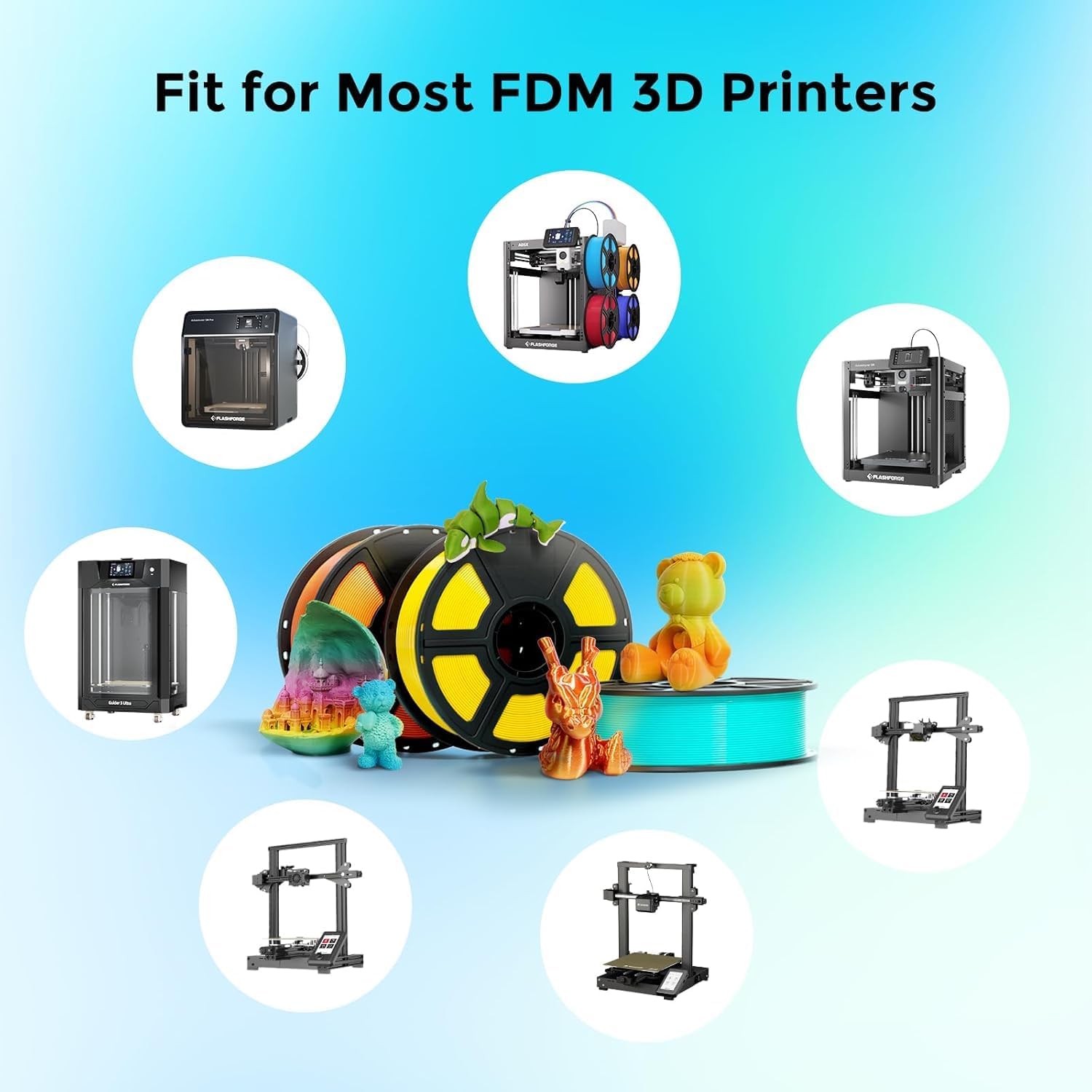
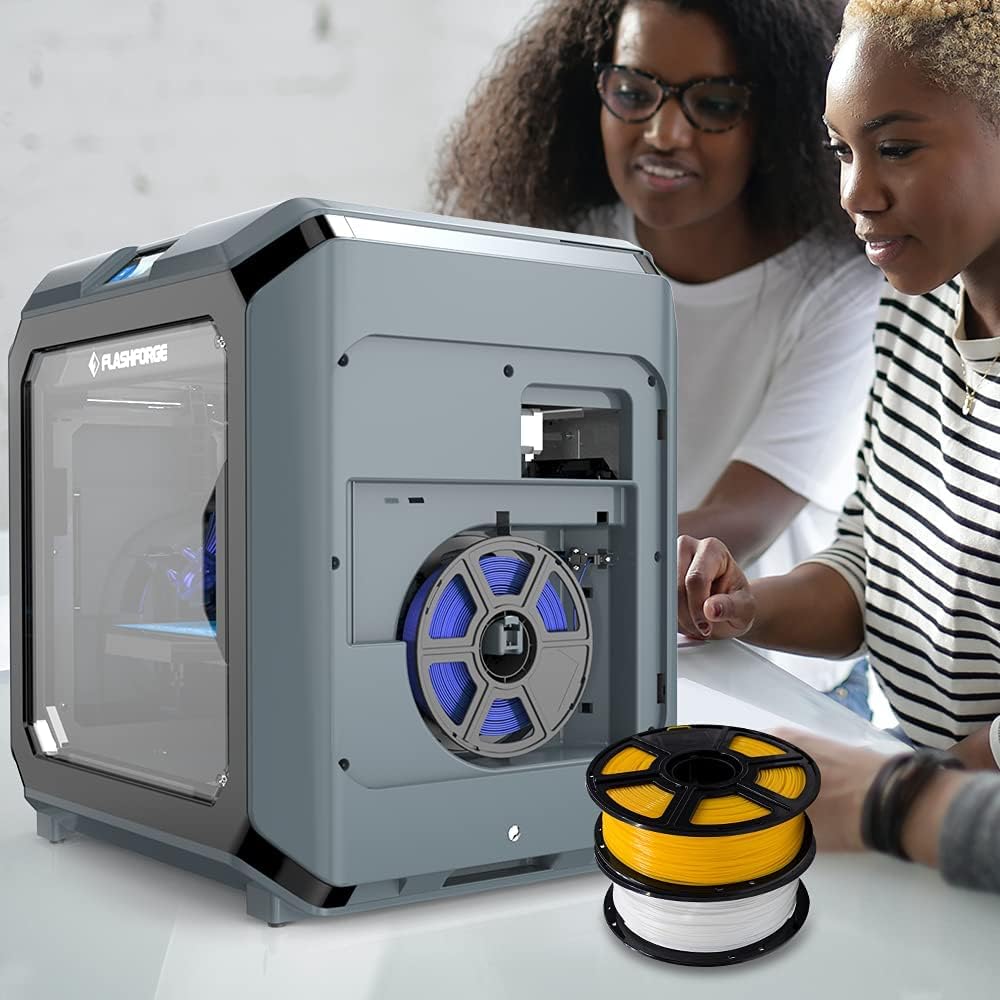
FLASHFORGE PETG CF 3D Printer Filament 1.75mm for Strong Functional Parts
Product description
This PETG CF 3D Printer Filament from FLASHFORGE offers a strong combination of heat resistance and rigidity, designed for complex models and functional parts. It is a 1.75 mm filament on a 1 kg spool, suitable for detailed prototypes and durable components that need structural performance.
This material is built to perform with consistent diameter and stable extrusion, reducing the risk of deformation during prints. It is particularly well suited for parts that must endure mechanical stress or elevated temperatures, while still allowing smooth surfaces and good layer adhesion. For projects that require both strength and light weight, this filament provides a practical balance. 🛠️ If you are upgrading from standard PLA or other PETG formulations, you may notice improved stiffness without a significant increase in print difficulty. 🔧
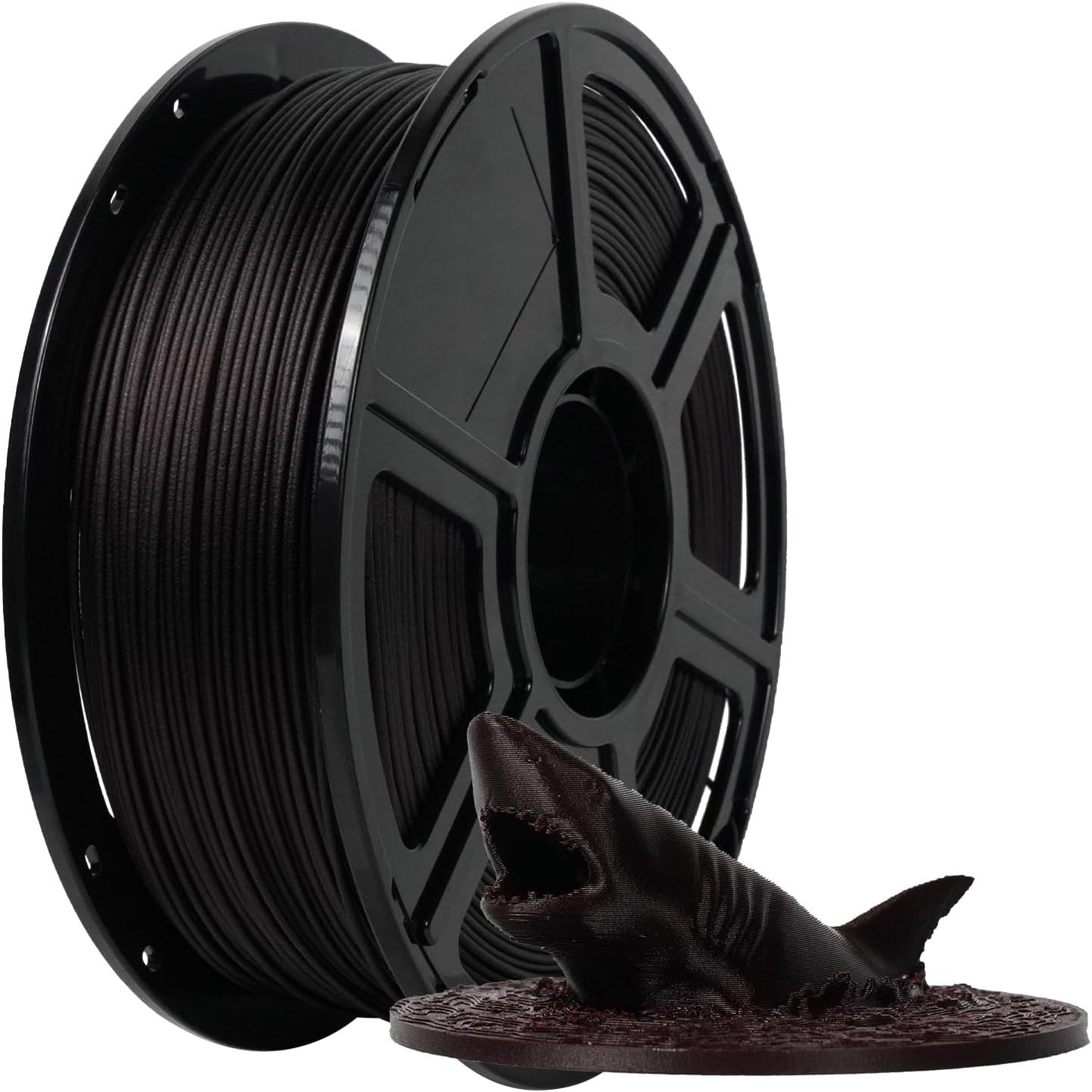
Key Points
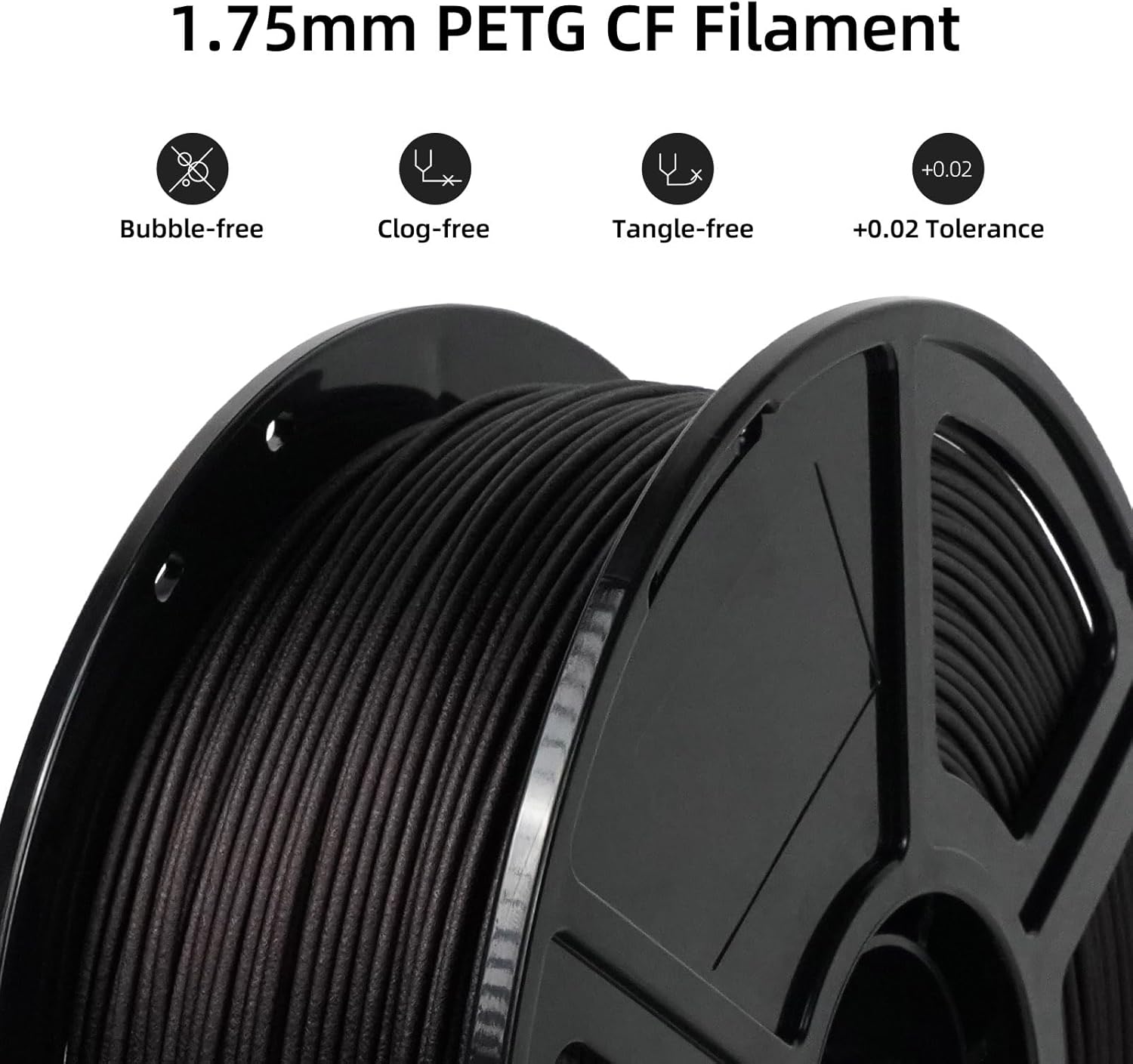
The filament is designed for users who need dependable dimensional stability and robust parts. It supports intricate geometries and dense infill patterns without compromising accuracy. The carbon fibre reinforcement adds rigidity while maintaining manageable weight, which can benefit parts that require precision fits and repetitive load resistance. In practice, you can expect good surface finish and clear feature definition on functional components.
Technical Specifications
- Name: FLASHFORGE PETG CF 3D Printer Filament
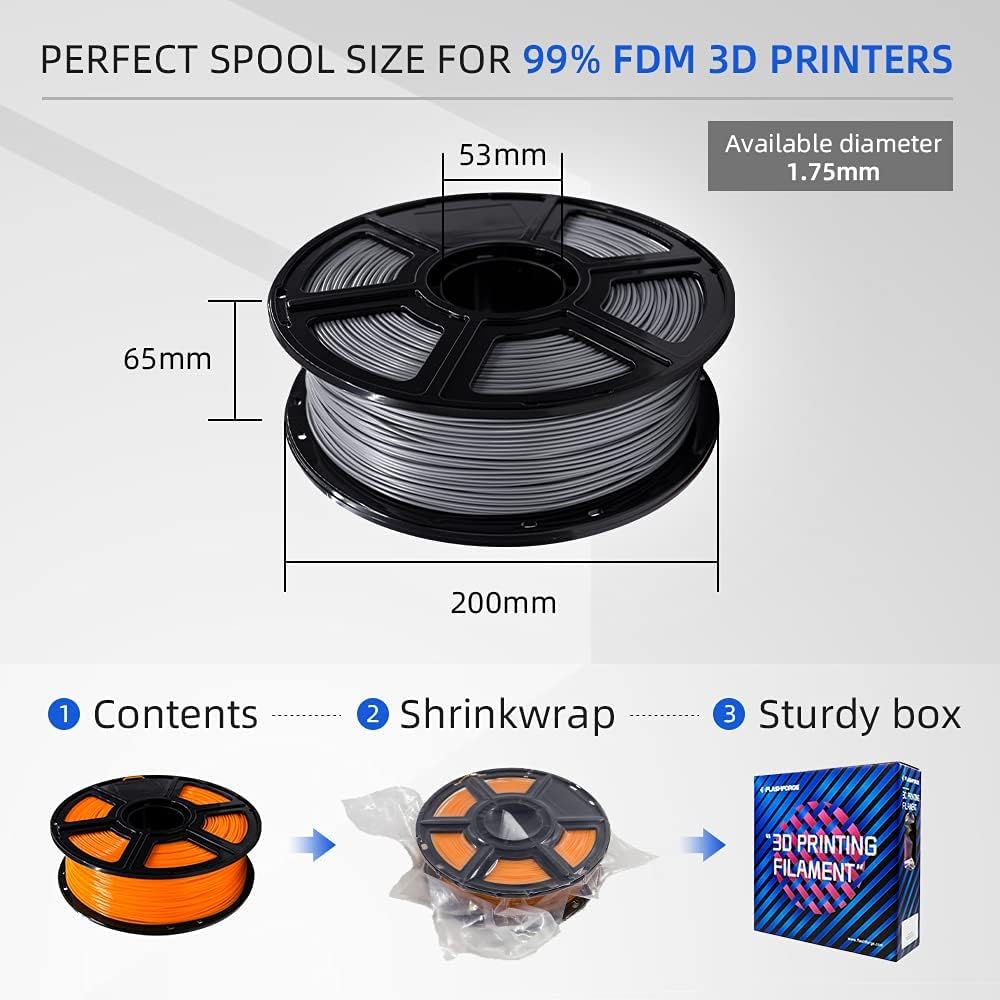
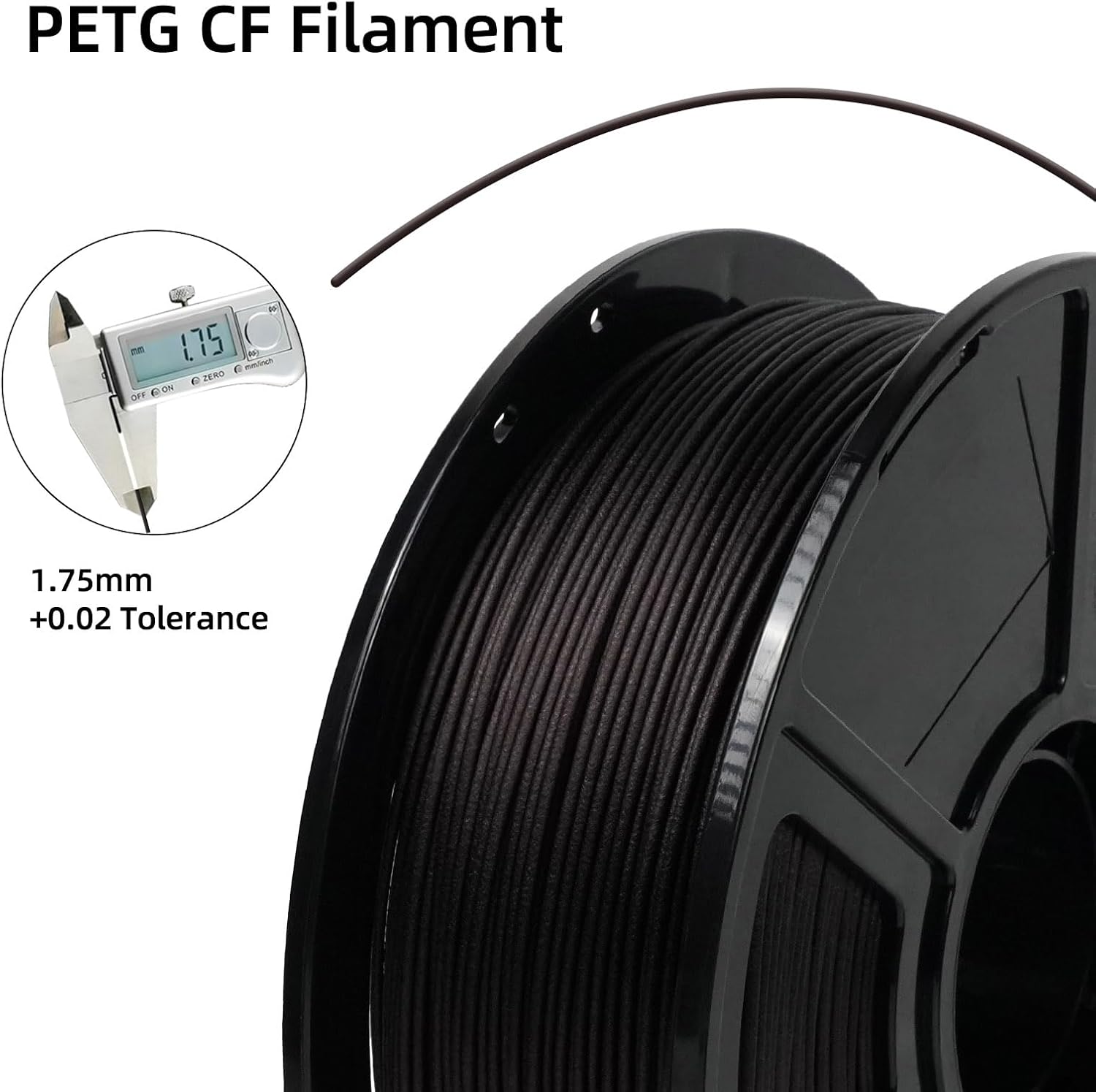
- Diameter: 1.75 mm
- Weight: 1 kg (2.2 lb) spool
- Material: PETG with carbon fibre reinforcement
- Colour: Marsala (as listed)
- Characteristics: heat resistant, high strength and rigidity, tuned for complex models and functional parts

Benefits
This model is positioned for users who value reliability in professional-grade prints. The carbon fibre enhancement contributes to rigidity and dimensional stability, which can help when printing larger parts or assemblies that require precise tolerances. The PETG base provides good layer adhesion and impact resistance, while the engineered formulation aims to reduce warping and produce smoother surfaces compared with some standard filaments. The result is a versatile option that supports both prototyping and end-use components.
Usage Recommendations
Begin with a moderate print temperature appropriate for PETG and adjust cooling to balance layer adhesion with surface finish. Ensure your printer is well calibrated for 1.75 mm filament and maintain clean filament paths to avoid feeding issues. For best results with complex geometries, consider gradual cooling strategies and appropriate bed temperature to reduce warping. If you plan to produce functional parts, test small sections first to confirm fit and strength before scaling up.